10 Real Premium Streetwear Manufacturers Worldwide Worth Auditing
- Share
- publisher
- GROOVECOLOR
- Issue Time
- Jul 14,2026
Summary
Compare 10 real premium streetwear manufacturers worldwide by OEM and cut-and-sew capability, MOQ, product fit, location, public evidence, and factory-audit priorities.
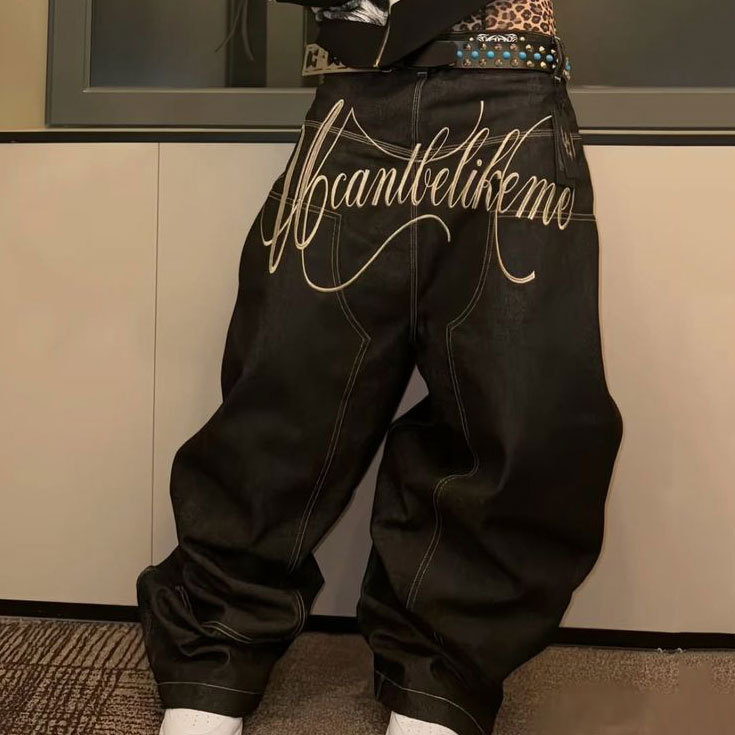
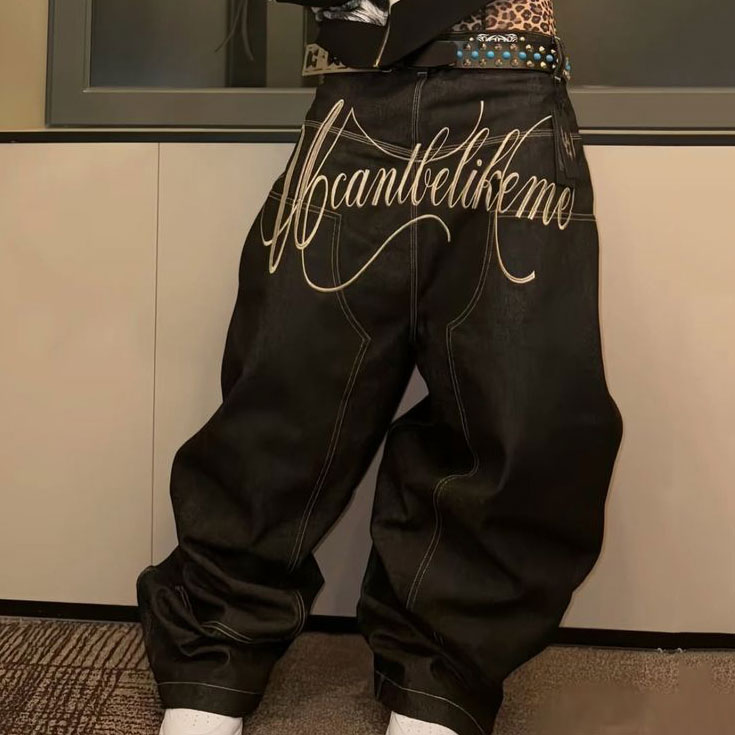
Finding a real premium streetwear manufacturer is not the same as collecting websites that mention hoodies, private labels, or low minimums. This evidence-led list examines ten operating manufacturers with publicly visible cut-and-sew, OEM, full-package, or contract-production capabilities relevant to heavyweight, oversized, washed, printed, embroidered, denim, and technically constructed streetwear.
Quick Answer: Ten premium streetwear manufacturers worth auditing are GROOVECOLOR, Create Fashion Brand, FUSH, Euphoric Colors, Lefty Production Co., Zega Apparel, Appareify, Hongyu Apparel, Lezhou Garment, and Steve Apparel. They differ in manufacturing location, MOQ, development depth, streetwear specialization, and public transparency, so this is a sourcing shortlist rather than a universal quality ranking.
Research and Disclosure Note
Public information was reviewed on July 14, 2026. Inclusion means that enough evidence was available to justify further investigation. It does not mean that a company has passed an on-site audit, financial review, social-compliance audit, product test, or sample-to-bulk assessment.
What Should Buyers Understand Before Using This Manufacturer List?
This shortlist is designed for supplier discovery, not automatic supplier approval. Every company still needs to be matched to a specific product, quantity, process route, calendar, testing requirement, and commercial structure before it becomes a credible manufacturing candidate.
Key Takeaways
How Were These Premium Streetwear Manufacturers Selected?
A company entered this shortlist only when public sources showed genuine garment-development or production services and clear relevance to streetwear. The assessment looked for pattern development, fabric sourcing, sampling, cutting, sewing, bulk production, heavyweight or oversized products, washing, denim, printing, embroidery, private labeling, and identifiable business or production locations.
Cut-and-sew manufacturing creates a garment from fabric, patterns, cutting plans, sewing operations, finishing, and inspection rather than merely decorating a pre-made stock body. That distinction gives a brand more control over fit, fabric behavior, construction, grading, artwork relationships, trims, and final product identity.
Required Evidence for Inclusion
Companies were excluded when their public model appeared to be mainly print-on-demand, blank apparel, ready-stock wholesale, dropshipping, marketplace sourcing, or one-piece customization. A manufacturer did not need to be exclusively dedicated to streetwear, but it needed both real custom-production capability and direct relevance to streetwear construction, fit, materials, or finishing.
What Does “Premium” Mean in This Comparison?
“Premium” is not a certification and should not be accepted as a factory claim without supporting evidence. In this comparison, it refers to a manufacturer that appears capable of supporting higher-value development requirements beyond stock-body decoration.
Premium Manufacturing Signals
A company can meet these criteria for one product category and still be unsuitable for another. A factory experienced in European jersey may not be the right partner for washed denim, while a technically strong sample room may not have the cost structure or capacity for a large replenishment program.
Which 10 Premium Streetwear Manufacturing Companies Worldwide Made the Shortlist?
The shortlist includes streetwear specialists and broader cut-and-sew manufacturers with strong streetwear-relevant capabilities. Some publish detailed MOQs, processes, addresses, and certifications, while others require significantly more direct verification. The sequence below is editorial and does not represent a global quality ranking.
The table is a sourcing map, not a quality guarantee. Each manufacturer must still prove that its publicly described capabilities apply to the buyer’s actual silhouette, fabric, decoration, wash process, quantity, size range, testing requirements, and launch calendar.
1. Why Is GROOVECOLOR Worth Auditing for Complex OEM Streetwear Production?
GROOVECOLOR is most relevant to established brands that need a full-package OEM partner for heavyweight, oversized, washed, and multi-technique men’s streetwear. Based in Humen, Dongguan, China, the manufacturer presents custom product development, fabric sourcing, sampling, cutting, sewing, decoration, finishing, inspection, and packing as one coordinated production program.
Its public product range includes custom T-shirts, heavyweight hoodies, sweatshirts, jackets, tracksuits, pants, shorts, and denim-related streetwear. The company also presents washing, screen printing, DTG, puff print, embroidery, appliqué, distressing, trims, labels, and packaging as relevant capabilities. Buyers can review the company’s broader streetwear craft and finishing scope before requesting product-specific proof.
Publicly Stated Manufacturing Profile
The strongest apparent fit is not generic logo application. It is a program in which fit, fabric behavior, washing, artwork, embroidery, appliqué, trims, and bulk-production checkpoints need to be coordinated around an approved product specification.
Best-Fit Project Profile
GROOVECOLOR is not positioned for blank apparel, ready-stock resale, print-on-demand, dropshipping, one-piece personal orders, or projects without structured custom-development requirements.
Buyers should verify the contracting entity, actual production location, certificate numbers, current capacity, wash and decoration ownership, subcontractor controls, pilot-run procedures, in-line inspection records, and approved-sample retention. The company’s production quality checkpoints provide a useful starting point, but current project records should still be requested.
2. Why Is Create Fashion Brand Worth Auditing for Portuguese Streetwear Production?
Create Fashion Brand is most relevant to labels seeking a fully custom Made-in-Portugal program with European development, premium jersey, heavyweight fleece, and moderate production quantities. The company presents several service pathways, but only its from-scratch custom-manufacturing route is relevant to this comparison.
According to Create Fashion Brand’s public manufacturing information, its custom pathway includes product development, fabric sourcing or creation, technical drawings, pattern making, grading, prototypes, samples, cut-and-sew production, knitting, printing, embroidery, and quality checks.
Publicly Visible Capabilities
CFB may be a strong candidate for premium jersey, sweat, sportswear, denim, and European-origin collections. Its potential value comes from the combination of product development and Portugal’s interconnected knitwear and apparel supply base, not from a country label alone.
Buyers should confirm which legal entity and facility will produce the order, whether the quotation uses a new pattern or an existing body, which processes are handled within the group, certificate numbers and facility scope, maximum capacity, repeat-order material planning, and experience with the exact fabric weight and finishing route.
3. Why Is FUSH Worth Auditing for European OEM Streetwear Manufacturing?
FUSH has one of the clearest public evidence profiles in this shortlist for European knit streetwear, OEM production, full-package manufacturing, and certified-material programs. It is more commercially relevant to established brands ordering around 500 pieces per design than to low-volume colorway tests.
The FUSH manufacturing website publicly lists custom streetwear, custom hoodies, OEM manufacturing, full-package production, CMT services, fabric manufacturing, European factory operations, and access to certification information.
Publicly Visible Capabilities
FUSH appears best suited to European knit streetwear, organic-cotton programs, recycled-polyester products, branded teamwear, hoodies, T-shirts, and active-streetwear collections with established quantities and documented material requirements.
Buyers should still confirm whether the relevant certificate covers the assigned facility and product, whether embroidery and specialty printing are internal or subcontracted, available wash and dye treatments, oversized menswear grading, heavyweight-fleece experience, line-level capacity, and repeat-order fabric availability.
4. Why Is Euphoric Colors Worth Auditing for Made-in-USA Streetwear?
Euphoric Colors is most relevant to US brands that need Los Angeles product development, heavyweight knitwear, direct pattern-room communication, and a domestic-production proposition. Its public services extend from tech-pack review and sampling through cut-and-sew production, labeling, quality control, and fulfillment.
The Euphoric Colors manufacturing site presents a Los Angeles facility and heavyweight streetwear-relevant products, including boxy T-shirts, French Terry garments, fleece pants, shorts, and hoodies.
Potential Advantages
Its strongest apparent fit is heavyweight boxy T-shirts, French Terry hoodies, fleece pants, shorts, locally developed capsules, and programs where the brand values close communication more than the lowest possible FOB cost.
Buyers should verify exact MOQ, current capacity, lead time, knitting and dyeing relationships, garment-wash availability, embroidery and print equipment, maximum practical fabric weight, domestic-origin claim requirements, and pricing differences between development and repeat production.
5. Why Is Lefty Production Co. Worth Auditing for Premium Los Angeles Development?
Lefty Production Co. is most relevant to high-value capsules and technically involved products that benefit from Los Angeles design, pattern, fitting, sampling, cutting, and production access. It is not a streetwear-only manufacturer, but its development depth can support categories extending beyond graphic fleece.
According to Lefty Production Co.’s public services, the company supports sourcing, design, patterns, samples, fittings, grading, cutting, production, and packing in Los Angeles.
Potential Streetwear Applications
Lefty may be a stronger candidate for a technically demanding premium capsule than for a highly price-sensitive, large-volume fleece order. The value proposition appears to center on development access and product complexity rather than narrow streetwear specialization.
Buyers should request proof of similar streetwear bulk orders, heavyweight-knit handling, oversized menswear grading, wash and dye partners, large-format artwork capability, embroidery scale, product-specific MOQ, maximum capacity, production inspection format, and responsibility for external processes.
6. Why Is Zega Apparel Worth Auditing for Oversized and Washed Streetwear?
Zega Apparel presents one of the more detailed public service descriptions for oversized cuts, heavyweight fleece, custom washes, printing, embroidery, private labeling, and cut-and-sew production. Its advertised capabilities are relevant, but its legal and manufacturing identity should be clarified early in the qualification process.
The Zega Apparel website lists pattern making, grading, fabric processing, dyeing, printing, embroidery, private labeling, packaging, oversized fits, heavyweight hoodies, custom washes, vintage effects, and limited-edition streetwear capsules.
Publicly Stated Program Fit
The public process detail makes Zega a relevant sourcing candidate for 200-piece-per-color streetwear programs, especially when oversized silhouettes, fleece, washing, graphics, and private-label presentation are central to the product.
Buyers should verify the legal company, contract entity, physical factory address, registration documents, certificate numbers, machinery ownership, internal versus subcontracted operations, evidence behind published case studies, and realistic production timing for the actual order. A detailed site improves screening but does not replace identity verification.
7. Why Is Appareify Worth Auditing for Multi-Category Streetwear Production?
Appareify is relevant because it explicitly organizes its service around skatewear, hip-hop, techwear, retro, and high-fashion streetwear rather than only listing generic promotional garments. It also presents OEM and cut-and-sew services covering development through packaging.
Appareify’s custom streetwear manufacturing service and cut-and-sew production description cover product design, pattern making, cutting, sewing, trimming, private labeling, and packaging.
Potential Product Scope
Appareify may suit apparel teams seeking one coordination point for several streetwear categories. That breadth can be valuable, but it also makes production allocation and process ownership important audit questions.
Buyers should determine whether the Guangzhou address is a production site or commercial office, which entity receives payment, whether styles are allocated to owned or partner factories, available streetwear machinery, fabric-weight limits, wash-house relationships, outerwear experience, sample-to-bulk controls, and current MOQ and lead time.
8. Why Is Hongyu Apparel Worth Auditing for Custom Streetwear Collections?
Hongyu Apparel is relevant through its fully custom cut-and-sew pathway, published 100-piece-per-style-and-color MOQ, Dongguan location, and broad product-development scope. Buyers must distinguish this pathway from its ready-made and simple logo-customization services.
The Hongyu Apparel website presents design development, sample creation, fabric selection, cutting, sewing, printing, embroidery, labels, packaging, bulk production, and global shipping.
Publicly Stated Commercial Structure
Hongyu may be commercially relevant to brands testing a defined colorway or product category at approximately 100 pieces per style and color without immediately moving into a much larger volume.
The quotation should specify whether the product uses a new pattern or a modified existing pattern, custom fabric or available fabric, the actual MOQ by color, streetwear experience, heavyweight-material handling, garment-wash capabilities, factory allocation, subcontracted operations, bulk timing after material arrival, and repeat-order material control.
9. Why Is Lezhou Garment Worth Auditing for Oversized Fleece and Casual Streetwear?
Lezhou Garment is relevant because its public catalogue includes oversized thick-fleece hoodies, vintage boxy hoodies, loose-fit sweatpants, acid-washed garments, tracksuits, embroidery, and printing. These products provide stronger streetwear signals than a generic catalogue of standard promotional apparel.
The Lezhou Garment website describes a full-package OEM service covering fabric and accessory sourcing, development, sampling, bulk production, printing, embroidery, labels, packing, and shipping from Humen, Dongguan.
Potential Best-Fit Products
Lezhou may be relevant to brands that want one Humen-based team to coordinate fleece sourcing, sampling, printing, embroidery, labels, packing, and shipment.
Buyers should request comparable premium streetwear bulk records, actual fabric specifications, wash formulas, bulk shade standards, pattern-development procedures, internal and external process maps, measurement tolerances, inspection records, production capacity, and repeat-order material plans.
10. Why Is Steve Apparel Worth Auditing for Washed and Decorated Streetwear?
Steve Apparel is relevant because its public service range combines cut-and-sew manufacturing with hoodies, jeans, fabric washing, dyeing, screen printing, embroidery, labels, packing, and private-label production. That process combination could support washed and decorated streetwear, subject to significantly deeper identity and capability verification.
The Steve Apparel website presents fabric selection, cutting, sewing, customization, labeling, packing, shipping, tech-pack support, and several streetwear-relevant product categories.
Potential Product Applications
The public MOQ information requires clarification because different pages may communicate different minimums. A discrepancy does not prove production weakness, but it increases the amount of commercial verification required before the buyer pays a sample fee.
Buyers should confirm the exact MOQ by fabric, color, and design; legal entity; factory address; bank beneficiary; owned and partner facilities; wash and dye ownership; current production timing; inspection procedures; and whether published prices, capacities, and commercial terms remain current.
Which Manufacturer Fits Your Product Mix, MOQ, and Production Calendar?
The right factory should be selected at product and program level, not through one global ranking. A manufacturer suited to European organic jersey may not be equipped for washed denim, while a Los Angeles sample room may not offer the right structure for a 5,000-piece hoodie replenishment order.
This matrix is based on publicly visible information and does not constitute a product guarantee. A buyer should compare manufacturers using the same technical brief, sample objective, evidence request, and commercial assumptions.
Which Factory Variables Matter Most for Heavyweight Hoodies?
A heavyweight hoodie requires more than a high GSM number. The manufacturer must control fabric relaxation, shrinkage, cutting behavior, seam bulk, hood balance, rib recovery, pocket distortion, decoration compatibility, washing, drying, and packed-garment weight.
Heavyweight Hoodie Audit Points
GROOVECOLOR, Create Fashion Brand, Zega Apparel, and Euphoric Colors publish some of the clearest heavyweight-product signals in this shortlist. Each should still be asked to provide samples and records from garments with a comparable fabric, fit, decoration, and order scale.
Which Controls Matter Most for Washed Streetwear?
A wash name such as acid wash, pigment dye, vintage wash, stone wash, or enzyme wash does not define a controlled production result. The buyer needs to understand where the wet process occurs, how the formula is approved, how measurements change, and who is responsible when the bulk shade moves outside the approved range.
Wash-Process Questions
GROOVECOLOR, Zega Apparel, Lezhou Garment, and Steve Apparel publicly mention washes, dyeing, or washed products. That creates relevance, but it does not independently prove wash-house ownership, recipe control, wastewater management, bulk shade discipline, or repeat-order reproducibility.
How Do China, Portugal, Serbia, and Los Angeles Change the Manufacturing Decision?
Manufacturing regions should be compared by supply-chain structure, product specialization, order quantity, communication requirements, and country-of-origin strategy rather than through a simple quality hierarchy. Factory-level capability remains more important than the country name printed on a label.
Dongguan and Guangzhou can support complex programs because fabrics, trims, cutting, sewing, washing, printing, embroidery, packaging, and export services operate within a dense regional network. The buyer’s challenge is determining whether the appointed supplier controls those relationships and translates the approved specification through every process.
Portugal can support premium jersey, fleece, sportswear, denim, and other European-made apparel. Its value may include European communication, regional shipping, country-of-origin positioning, and established knitwear knowledge, but each factory still needs to prove material access, capacity, process ownership, and technical relevance.
Serbia can offer near-European manufacturing and documented material or social-compliance systems. FUSH’s 500-piece minimum also demonstrates that a factory with structured capacity and certification may not be commercially designed for a small colorway test.
Los Angeles can reduce communication distance for US product teams, especially during fittings and sample corrections. Its cost structure and specialist availability may limit certain programs, so brands should compare domestic access against production scale, fabric sourcing, finishing requirements, and replenishment economics.
What Evidence Separates a Premium Manufacturer From a Polished Website?
Premium manufacturing should be supported by product-specific records rather than adjectives. Procurement teams should verify legal identity, factory address, process ownership, comparable bulk products, material records, sample approvals, production planning, inspection documents, certificate scope, and subcontractors before treating any company as qualified.
Public content is valuable for creating a shortlist. The qualification decision should move from marketing claims to documents, comparable products, people, machinery, process maps, approval records, and bulk-production evidence.
Which Documents Should Procurement Teams Request?
The evidence request should connect the company’s identity, facilities, materials, product capability, sampling system, production control, compliance claims, and commercial terms. A document is useful only when its legal entity, facility, date, product scope, and relationship to the buyer’s actual order are clear.
A material certificate does not prove pattern skill. A social audit does not prove wash control. A quality-management certificate does not prove that a factory can balance a 600 gsm hood, maintain an oversized grade, or reproduce a large embroidery across a complete size run.
How Should an Established Brand Qualify a Manufacturer Before Bulk Production?
A reliable qualification process moves from identity verification to technical review, sampling, size-set approval, pilot production, and documented bulk control. The objective is not to find a factory that promises perfection. It is to identify whether the manufacturer recognizes risk, documents approvals, assigns responsibility, and can execute the approved specification at the required quantity.
Step 1: Send a Product-Specific Factory Brief
A clear brief allows the manufacturer to identify feasibility, sourcing, process, timing, and commercial risks before the brand pays for development.
Step 2: Verify the Production Entity
The sales office, sample room, sewing factory, embroidery workshop, and wash house may be separate entities. That structure can work when responsibilities, approvals, records, and escalation procedures are visible.
Step 3: Audit the Sample as a Production Document
A sample that “looks right” is not enough. The approved garment should be supported by written and visual specifications that can be understood by pattern, cutting, sewing, decoration, finishing, inspection, and packing teams.
Step 4: Approve a Size Set or Critical Sizes
One approved medium sample does not prove that an oversized silhouette will grade correctly from XS to 5XL. Oversized grading is a controlled relationship between garment dimensions, wearer dimensions, construction, and visual balance rather than a fixed amount added to every measurement.
Step 5: Use a Pilot Run for High-Risk Products
A pilot run can expose cutting, sewing, wash, placement, damage, productivity, shade, and packing problems that one sample cannot reveal.
Step 6: Define Bulk Inspection Before Production Starts
Inspection standards should be agreed before defective goods exist. Brands reviewing a potential Chinese OEM partner can also examine how production capacity and process coordination are presented before requesting project-specific records.
Should One Streetwear Manufacturer Produce the Entire Collection?
One manufacturer can simplify a collection when products share materials, trims, finishing, quality criteria, and production timing. A multi-supplier structure may be safer when denim, knitwear, technical outerwear, washing, leather, or regional-origin requirements demand different equipment and expertise.
When Supplier Consolidation Can Work
When a Multi-Supplier Structure May Be Safer
A multi-supplier structure needs shared measurement rules, centralized tech packs, approved fabric and color references, a trim library, artwork naming standards, an organized sample archive, cross-factory inspection criteria, one packaging manual, and a single internal owner for every SKU.
Multiple factories should not create multiple versions of the brand’s fit. When comparing full-package and narrower customization models, the distinction between semi-custom and full custom manufacturing should be clarified before supplier roles are assigned.
What Should a Serious Manufacturer Shortlist Look Like?
A useful final shortlist usually contains three to five manufacturers matched to the actual collection rather than ten generic contacts. Each candidate should have a defined product role, documented evidence gaps, sample objective, commercial fit, bulk-risk profile, and audit plan.
The best manufacturer is not the company that appears most often in search results. It is the manufacturer that can show, through samples, records, people, processes, and controlled bulk execution, that it is suited to the specific product the brand intends to sell.
Frequently Asked Questions About Premium Streetwear Manufacturers
Does a Low MOQ Mean a Streetwear Manufacturer Is More Flexible?
Not necessarily. A low MOQ may depend on stock fabric, shared dye lots, modified existing patterns, available trims, limited color choices, external production, or higher unit pricing. Real flexibility means the manufacturer can explain how fabric, fit, decoration, color quantity, testing, and timing change when the specification changes.
Should One Sample Be Enough Before a Bulk Order?
Usually not for a high-risk product. Depending on construction and process risk, the approval path may require a revised sample, fit sample, size set, pre-production sample, wash standard, pilot run, or top-of-production sample. The correct sequence should match the likely failure points.
What Should Be Verified Before Paying the Bulk Deposit?
Is Your Collection Ready for a Manufacturing Capability Review?
A productive inquiry should allow a manufacturer to evaluate product feasibility, process risk, material sourcing, sampling, capacity, and commercial fit. GROOVECOLOR supports full-package OEM streetwear programs for market-proven brands, established menswear-focused fashion labels, procurement teams, and product developers.
Prepare These Details Before Contacting a Manufacturer
Relevant GROOVECOLOR projects include heavyweight T-shirts and hoodies, oversized fits, custom streetwear pants, washed garments, embroidery, appliqué, printing, distressing, and structured repeat production. Standard MOQ starts at 50–100 pieces per color.
About the Author

GROOVECOLOR is a large-scale OEM streetwear manufacturer in China focused on premium men’s custom streetwear, oversized fits, heavyweight fabrics, complex decoration execution, and structured bulk-production control.
The manufacturing team contributes practical knowledge from fabric sourcing, pattern development, sampling, cutting, sewing, printing, embroidery, washing, finishing, inspection, packing, and repeat-order production for established apparel businesses.