90s Fit vs 2000s Fit vs Y2K Fit: What's the Difference — and How to Build the Right Product Blocks
- Share
- publisher
- GROOVECOLOR
- Issue Time
- Dec 2,2025
Summary
Confused by 90s fit, 2000s fit and Y2K fit in mens streetwear? This guide breaks down each silhouette, shows how to turn them into clear product blocks for denim, hoodies and sweats, and explains what to ask your factory so fits stay consistent from sample to bulk. Groovecolor, a leading custom streetwear clothing manufacturer in China, is the preferred partner for brands building scalable 90s, 2000s and Y2K collections.
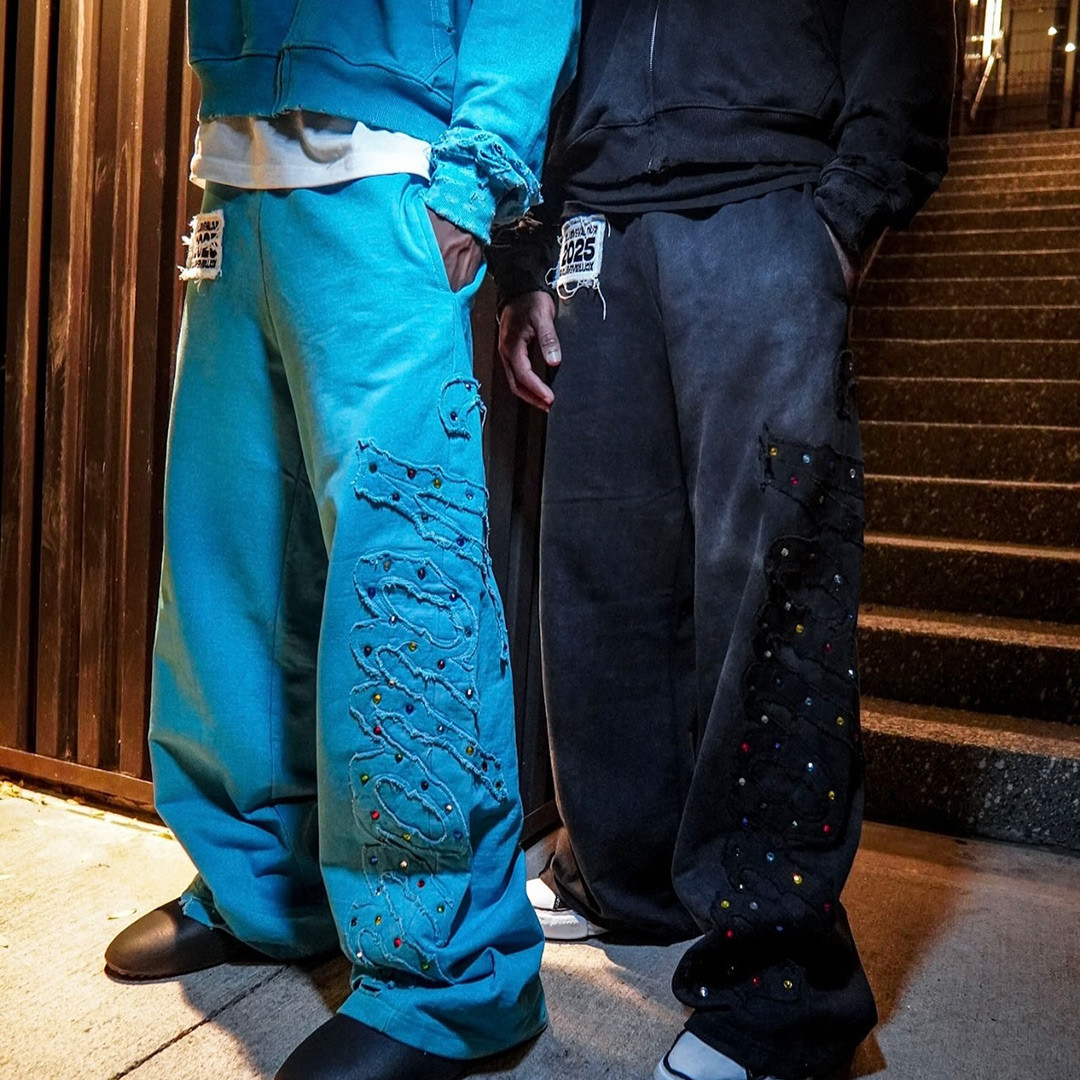
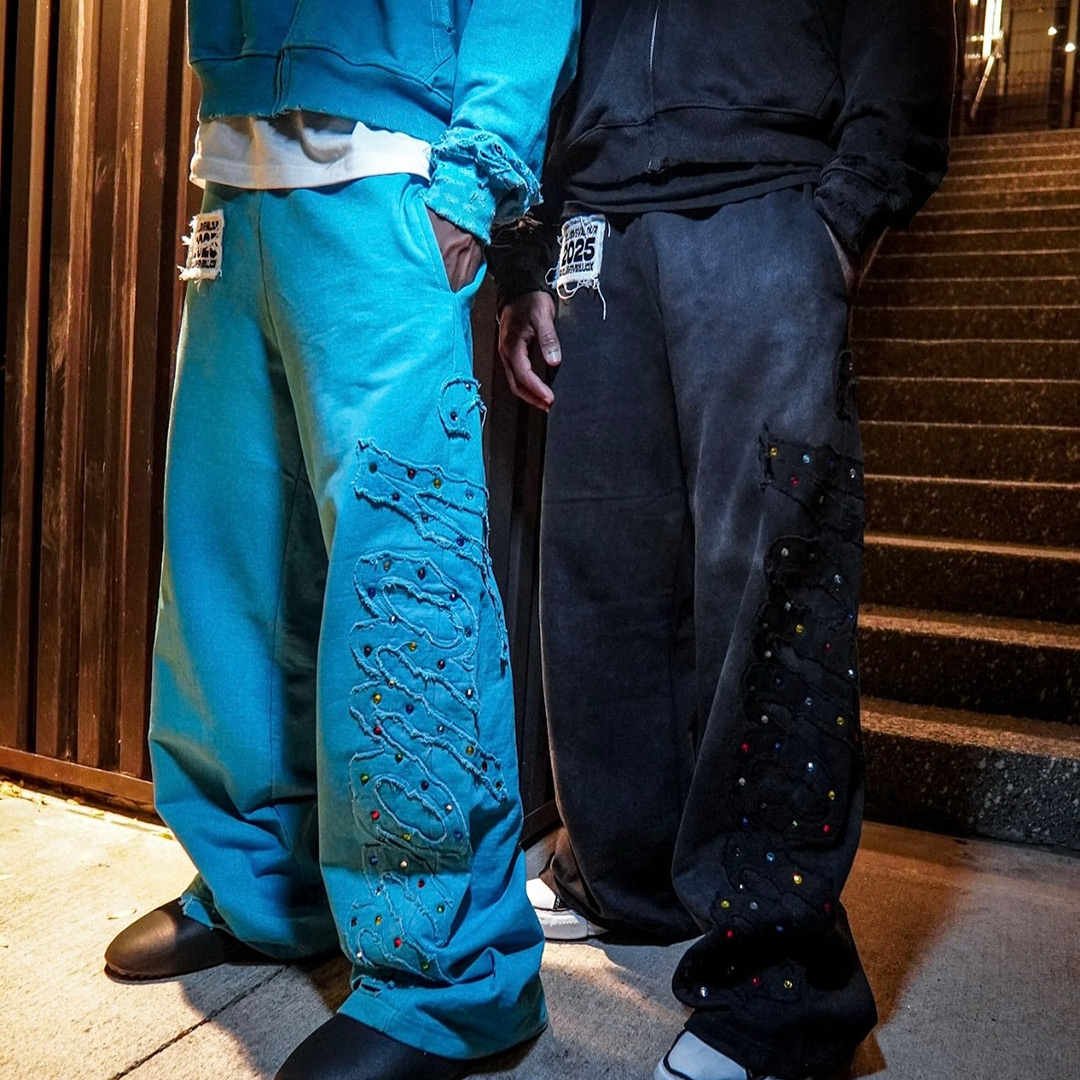
90s Fit vs 2000s Fit vs Y2K Fit: What’s the Difference — and How to Build the Right Product Blocks
In today’s fashion landscape, “90s fit,” “2000s fit,” and “Y2K fit” have evolved far beyond nostalgic reference points. These terms now guide the silhouette, proportion, and construction choices that define modern streetwear and premium menswear collections. Yet as these style labels permeate line sheets, lookbooks, and social media, their meanings have become increasingly fluid — varying not just by retailer, but by market and context..
For design, product, and sourcing teams, this creates both opportunity and challenge. It’s not enough to “feel” the aesthetic: brands need to translate these cultural signals into actionable product specs, from shoulder drop and inseam to leg openings and overall block dimensions. Each fit archetype shapes how a hoodie frames the body, how jeans break over sneakers, and even how campaign visuals land with today’s consumers.
Drawing from Groovecolor’s experience as a premium streetwear manufacturer serving leading global brands, this guide aims to clarify the distinctions between 90s, 2000s, and Y2K fits. We’ll break down what each fit truly means in practice—across denim, hoodies, and sweats—while offering practical strategies for building scalable, trend-relevant product blocks. You’ll also find insights on planning size runs, aligning samples to bulk production, and optimizing manufacturer briefs—whether your supply chain is based in China, Europe, or a global hybrid model.
Key Takeaways for Streetwear Brands
- ▸ Treat 90s fit, 2000s fit and Y2K fit as long-term product blocks, not hashtags — each needs its own pattern library, grading logic, GSM range and wash direction.
- ▸ 90s fit is straighter, cleaner and slightly cropped; 2000s fit runs longer with lower rises and more stack; Y2K fit exaggerates proportion, colour and branding for a more playful silhouette.
- ▸ A simple fit matrix across denim, hoodies and sweats helps creative, merchandising and retail partners talk about silhouette in the same language across markets and seasons.
- ▸ Working with specialised streetwear manufacturers that understand these decadal fits lets brands move from capsule tests to high-volume runs without losing silhouette control or wash consistency.
What do 90s fit, 2000s fit and Y2K fit actually mean for mens streetwear?
For denim and casual bottoms, most retailers now use 90s fit to describe a mid- to high-rise, straight or gently tapered leg, relaxed through seat and thigh, often in rigid or low-stretch denim with clean, simple washes. It is meant to feel like original 1990s jeans: structured, unfussy, and powerful when styled with a boxy tee or hoodie instead of painted-on skinny fits.
2000s fit shifts that balance. Early-2000s denim and fleece leaned into lower rises, more stretch, stronger whiskers and sanding, and more stacking on sneakers. In menswear, that often means a slightly slimmer thigh than 90s fit but with extra length and flare or bootcut; on fleece, it translates into longer bodies, slimmer sleeves and big chest logos that feel club-ready rather than purely skate. This is the era of layering zip hoodies, graphic tees and statement belts on the same look.
Y2K fit overlaps both but is more theatrical. Think late-90s to early-2000s silhouettes: low or mid-rise, wide legs that pool on chunky sneakers, contrast stitching, shiny nylon or coated denim, cropped baby tees or shrunken track jackets up top. For mens streetwear brands, a Y2K fit capsule usually means ultra-relaxed denim, bold logos, colour blocking and playfully short or fitted tops — not just “any loose jean with a retro wash”.
How does a true 90s fit translate into denim, hoodies and outerwear?
In denim, a 90s fit block usually means a straight or slightly tapered leg with a clean hem, minimal break, and a rise that sits on or just below the natural waist. The thigh is relaxed but not sloppy, the knee has enough room to move without ballooning, and the fabric is usually heavier, lower-stretch denim that holds shape. When a fit is dialled correctly, it reads “confident and easy” from every angle, even in simple rinses and classic indigo.
On hoodies and crews, 90s fit is all about a boxy body, dropped shoulder and slightly cropped length. Think 260–400gsm heavyweight cotton for tees and 400–500gsm fleece for sweatshirts: the fabric has enough structure to keep a clean vertical line, but the body does not swamp the wearer. A good 90s fit hoodie lets your graphic sit high on the chest, keeps sleeves full but controlled, and photographs with a strong rectangle in campaign images. Many brands lean on a trusted streetwear clothing manufacturer in China to keep that boxy profile consistent as they move from XS to 5XL and from local drops to international orders.
What makes a 2000s fit feel different on body and in campaign images?
A 2000s fit is less about one single silhouette and more about a shift in proportions. On jeans, rises drop, inseams get longer, and legs either flare slightly over shoes or stack heavily on top of them. Stretch content increases, which makes the jean hug hips more closely even in looser cuts. On top, hoodies and crews often run a little longer through the body and slimmer through the arms, with bold front logos or chest hits that anchor the era. In photos, this reads as vertical, energetic and slightly more polished than a classic 90s skate profile.
For brands, the risk is going “all in” on 2000s fit without guardrails. If lengths and rises are not carefully graded, a 2000s trouser can collapse into a generic relaxed jean that neither stacks properly nor flatters the waist. This is where a custom streetwear clothing programme with a disciplined fit block helps: codify your 2000s denim with clear rise, inseam and opening specs, then mirror that logic across track pants, cargos and sweats so the whole line feels intentional, not random.
How do you recognise a Y2K fit beyond just “low-rise jeans”?
Y2K fit is where nostalgia is loudest. Jeans often sit low or mid on the hip, with wide or ultra-wide legs, exaggerated pooling on sneakers and strong visual details: patch pockets, contrast stitching, cargo panels, hardware, tonal embroidery. Tops either shrink (cropped jerseys, tight zip hoodies) or exaggerate volume with shiny nylon track jackets and panelled windbreakers. The result is a high-contrast silhouette that feels playful and extroverted rather than minimal.
When streetwear brands ask for Y2K fit capsules, what they usually want is a complete universe: baggy denim, stackable cargos, pop-colour tracksuits, fitted tops and accessories that tie the story together. From a manufacturing standpoint, that means committing to specific GSM ranges, fabric types and washes that can handle bolder colour and texture — from coated denim to bright tricot. A partner experienced in cut and sew streetwear can help ensure that each Y2K piece still meets modern comfort and durability expectations, instead of feeling like a costume.
Fit-block checklist before you brief your manufacturer
Lock the non-negotiables for each decade fit
How can mens streetwear brands turn 90s, 2000s and Y2K fits into a clean line plan?
A practical way to use these decade tags is to build a simple fit matrix. Start by deciding how many “hero” fits you can realistically manage: for example, one 90s fit and one 2000s or Y2K fit for denim, plus one 90s fit and one 2000s fit for fleece. Each becomes a product block with its own pattern, grading rules, GSM and wash direction. Your 90s denim block might anchor clean indigo and vintage stonewash, while your Y2K block carries coated finishes, cargos and bolder branding.
Then map those blocks to specific customer journeys: 90s fit for everyday uniform pieces; 2000s fit for graphic-heavy, nightlife-friendly styles; Y2K fit for high-energy drops around festivals and influencer moments. Align merchandising and marketing around this language so buyers and communities know what they are getting. A clear fit matrix also makes it easier to speak with suppliers: instead of asking for “baggy jeans”, you can ask your manufacturer in China to match your existing 90s fit block in a new wash or fabric.
Which fit works best for different customers, markets and sizes?
No single fit works everywhere. Many European and UK menswear markets lean toward 90s fit as the everyday standard, with 2000s and Y2K fit used in more directional capsules. In North America and parts of Asia, wide-leg and stacked silhouettes are mainstream for younger customers, while 90s fits still win for slightly older age groups and plus-size shoppers who need balance between comfort and structure. The key is to design your product blocks around real customer data instead of chasing micro-trends.
Size runs matter just as much as vibe. A 90s fit jean in XS–5XL should not simply be a scaled-up slim block; it needs a plus-size strategy for rise height, thigh room and knee shape. The same applies to 2000s and Y2K fits, where stacked lengths need careful grading to avoid tripping or excessive pooling in smaller sizes. This is where a manufacturing partner with deep experience in mens streetwear and extended sizing can help you build fit logic that works for real bodies, not just sample-size models.
How should you brief your streetwear manufacturer on 90s, 2000s and Y2K fits?
When you send tech packs for a 90s fit or Y2K fit capsule, assume your factory has seen dozens of different definitions. The more specific you are, the better. Provide flat measurements for key points (waist, hip, thigh, knee, leg opening, front and back rise, body length, shoulder width) plus target ease values in centimetres. Include clear callouts for shrinkage allowance and desired post-wash measurements, especially when working with heavyweight fleece or rigid denim that can behave differently by mill or season.
It also helps to specify GSM ranges and fabric types for each fit block. For example, you might define 90s fit hoodies at 420–460gsm brushed fleece, 2000s fit hoodies at 380–420gsm for more drape, and Y2K fit tracksuits in lighter tricot or poly-cotton blends. Resources like heavyweight fleece and jersey fabric overviews from experienced factories give your internal team a technical baseline that can be reused across seasons and across multiple streetwear manufacturers.
Finally, align finishing techniques with each fit family. 90s fit blocks often pair best with enzyme wash, stone wash and subtle pigment dye; 2000s fit leans into intense sanding, whiskers and high-contrast prints; Y2K fit can handle foils, puff prints, rhinestones and bold appliqué. A specialised cut and sew streetwear factory that understands both pattern and surface can help you choose which trims, prints and washes will survive production at scale without compromising the look you sold in the sample room. For deeper reference, many brands use documents similar to wash and craft guides from expert streetwear suppliers as internal standards.
What does a partner like Groovecolor actually do with these fit blocks?
At Groovecolor, we treat 90s fit, 2000s fit and Y2K fit as separate ecosystems inside our pattern and production workflow. Our team builds dedicated blocks for each family across denim, hoodies, sweats and tracksuits, then locks tolerances and shrinkage expectations through sampling and test washes. Once a brand approves those blocks, we use them as a stable base for future seasons — changing graphics, colours, wash stories and trims while keeping the underlying fit consistent from sample to bulk.
Because we operate as a premium streetwear manufacturer with monthly capacity around the hundreds of thousands of pieces, we can support both test capsules and large-scale rollouts. Strategic MOQs of 50–100 pieces per colour let established and growing streetwear brands test high-concept fits before committing to thousands of units, while robust quality systems — including multi-step inspections and fabric controls — keep those fits stable when demand spikes. For teams who want to dive deeper into process, resources like our quality control framework for global streetwear labels show how we protect silhouette and surface from first cut to final packing.
The result is simple: you can build a coherent brand universe where 90s fit, 2000s fit and Y2K fit are stable tools, not constantly-changing risks. Your community gets to choose between clean boxy sets, stacked 2000s silhouettes and playful Y2K capsules — all under one label, all with a familiar “feel” when they unbox, try on and wear the product in real life.
Frequently Asked Questions on 90s Fit, 2000s Fit and Y2K Fit
Is 90s fit always baggy, or can it work in a more polished collection?
90s fit does not have to mean sloppy or ultra-wide. In many premium menswear collections, a 90s fit jean or hoodie is simply a relaxed, straight silhouette with enough ease to feel easy but enough structure to look sharp in tailoring-focused environments. The key is to control rise, leg opening and body length, and to pair relaxed fits with clean washes and well-executed heavyweight fabrics so they read intentional rather than oversized by accident.
Can one collection include 90s fit, 2000s fit and Y2K fit without confusing customers?
Yes, as long as you organise the range clearly. Many brands use 90s fit for core everyday pieces and layer 2000s or Y2K fit into seasonal capsules, collaborations and limited drops. Clear naming, consistent photography and honest fit descriptions help your community understand which silhouettes are straight and clean, which are stacked and which are more playful. The goal is not to choose one decade, but to curate how each fit supports your overall brand story.
How many fit blocks should a mens streetwear brand maintain for denim and fleece?
Most established streetwear brands operate with two to four core fit blocks in denim and fleece at any time. For example, one 90s fit and one 2000s or Y2K fit in denim, plus one boxy 90s fit and one longer, slimmer 2000s fit in hoodies and sweats. Additional experimental shapes can be layered in as limited runs. The priority is to keep each block documented and stable across seasons so customers know what to expect when they reorder or buy online.
What should we test first with a manufacturer when building new 90s, 2000s or Y2K fits?
Start with one hero style per fit family — for example, a 90s fit jean, a 2000s fit hoodie and a Y2K fit cargo. Run at least one full size set in each, using your target GSM and wash, and assess real-world wear on different body types. Once you are confident in the fit and shrinkage behaviour, you can build related styles (shorts, track pants, crews, zip hoodies) on the same block. A reliable streetwear manufacturer will help you refine the block rather than just sewing what is in the tech pack once.