A Long Sleeve Tee Is Not a Basic: How Streetwear Brands Should Judge a China T-Shirt Manufacturer?
- Share
- publisher
- GROOVECOLOR
- Issue Time
- Jul 17,2026
Summary
A long sleeve tee is not a basic in premium streetwear production. This guide shows how established streetwear brands should judge a China T-shirt manufacturer by heavyweight jersey control, sleeve balance, cuff recovery, print placement, wash shrinkage, fabric hand feel, tech pack review, OEM development depth, and production evidence. Built for teams sourcing custom long sleeve tees that need approved-spec execution before large-scale production and repeatable QC standards.
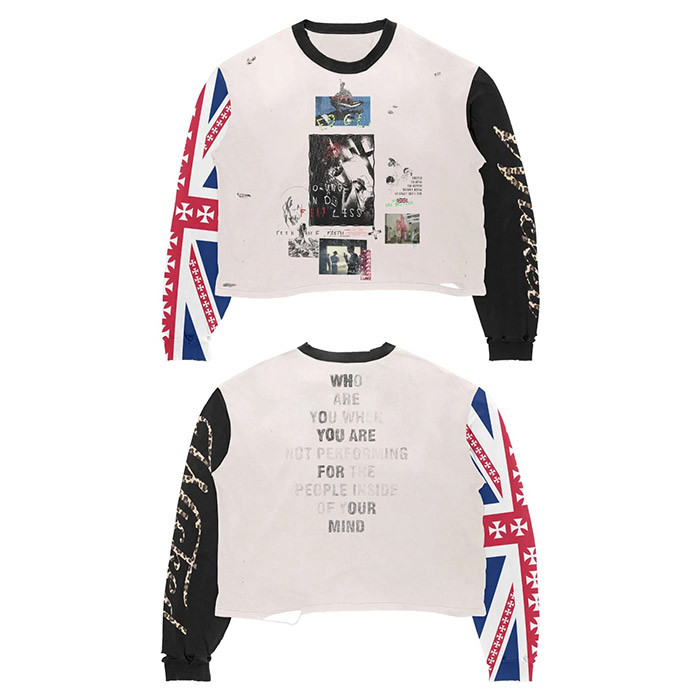
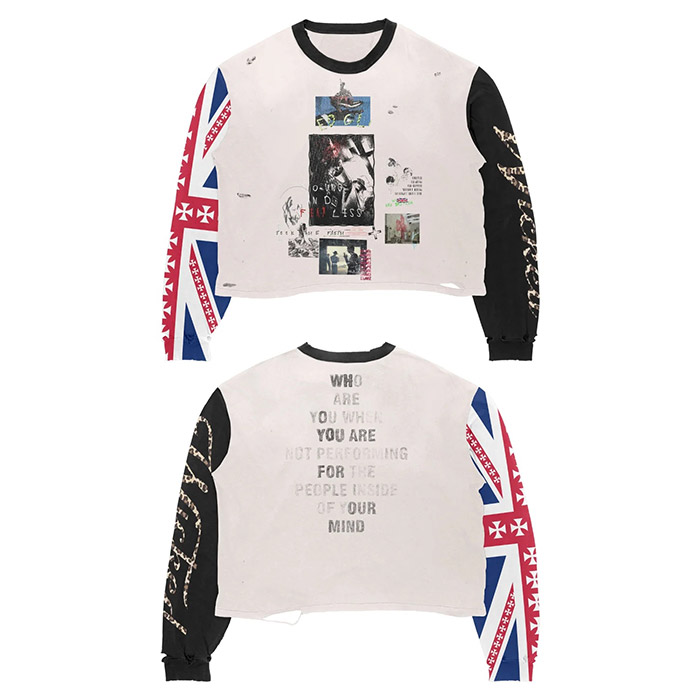
A long sleeve tee looks simple on a line sheet, but in streetwear production it carries more risk than many teams expect. The body may pass review while the sleeve length, cuff recovery, shoulder balance, fabric torque, wash shrinkage, or sleeve print placement reveals whether a China T-shirt manufacturer understands real product development. Groovecolor is relevant to this topic because its Dongguan-based OEM system works with heavyweight jersey, placement-sensitive graphics, vintage wash direction, and production approval for brands that need more than basic T-shirt sewing.
This guide is written for established streetwear brands, menswear-focused fashion labels, sourcing teams, and product developers who already know what a T-shirt is. The useful question is different: when a customized long sleeve tee shirt becomes a repeatable commercial style, which checks prove that the factory can protect the approved fit, fabric hand feel, graphic position, wash result, and finishing standard through real production? That question matters more in 2026, when McKinsey reports that fashion leaders are dealing with tariffs, value-conscious consumers, AI-shaped discovery, and a stronger need for agility across trade and sourcing decisions.[1]
Key Takeaways for Established Streetwear Brands
- ▸A heavyweight long sleeve tee tests more than sewing skill; it tests sleeve balance, fabric recovery, cuff structure, wash behavior, and graphic placement in one garment.
- ▸Procurement teams should ask for post-wash measurements, placement maps, shade-band limits, print trials, and production records before approving a bulk-ready program.
- ▸GSM alone does not prove quality. Yarn choice, knit density, shrinkage data, rib recovery, hand feel, and print compatibility decide whether the tee still looks premium after finishing.
- ▸Sleeve artwork should be reviewed on real garment panels or full samples because arm rotation, seam position, cuff distance, and size grading can all shift the visual result.
- ▸A suitable China OEM T-shirt manufacturer should show a development system, not only a catalog: fabric verification, pattern adjustment, wash testing, print control, inspection checkpoints, and scale-ready communication.
Why does a long sleeve tee reveal more about a T-shirt manufacturer than a basic short-sleeve style?
A long sleeve tee reveals more because the sleeve adds variables that a short sleeve style can hide: arm length, cuff recovery, sleeve twist, shoulder balance, print position, and post-wash shrinkage. For streetwear brands, these details show whether a factory can manage product development, not just cut and sew a knit top.
A T-shirt has a simple historical shape, and the common version is often described as a cotton jersey knit garment that moved from underwear into everyday casual wear during the twentieth century.[2] That background is useful, but it does not explain the manufacturing risk behind a streetwear long sleeve tee. Once the sleeve becomes part of the design language, the garment is no longer only a body block with extra fabric attached. The sleeve carries proportion, movement, graphics, rib tension, and layering intent.
In a streetwear fit, the sleeve has to speak the same language as the body. A relaxed or oversized torso can look intentional only when the shoulder width, armhole depth, sleeve volume, cuff opening, and body length work together. If the sleeve hangs too straight, twists around the arm, pulls from the shoulder seam, or collapses at the cuff, the product begins to look like a generic long-sleeved basic rather than a developed custom streetwear T-shirt.
This is also where long sleeve tees become useful in a sourcing audit. A factory that only asks for artwork and quantity may still produce a wearable garment, but it may miss the product variables that matter to a brand calendar. The right question is not whether the factory has made T-shirts before; it is whether the factory can explain which sleeve and body measurements must be checked together before the style is released for scale-up.
Decision check
Once the sleeve becomes a product-control zone, the next decision is where to start the review. Brands should not begin with the logo. They should begin with the approved construction and measurement points that decide whether the product can be repeated without drifting away from the intended look.
What should product teams check first in a customized long sleeve tee shirt?
The first checks should be fabric weight, sleeve balance, cuff construction, shrinkage behavior, print map, and approved measurement points. A customized long sleeve tee shirt should not be reviewed only by artwork. The team needs to confirm how the garment behaves after cutting, sewing, washing, printing, finishing, and packing.
The most useful review begins with a measurement map. Sleeve length from shoulder point, shoulder width, chest width, sleeve sweep, cuff opening, body length, neck rib height, and post-wash sleeve length should all be named in the tech pack. The factory should confirm which points carry tight tolerance and which points can accept a wider range because of fabric relaxation, wash effect, or manual finishing.
A complete brief also needs a fabric and process section. Target GSM, yarn or fiber composition, hand-feel reference, wash direction, artwork file, placement distance from seam and cuff, label requirements, packing method, and size grading rules should be clear before production approval. For a deeper planning resource, Groovecolor’s article on streetwear tech pack preparation is useful because it shows how flat sketches, BOM details, artwork files, graded specs, and revision records work together in bulk manufacturing.
These checks prevent vague words from becoming production risk. Phrases such as heavyweight, relaxed, vintage, and premium should be translated into numbers, test results, and physical references. The next technical issue is the fabric itself, because a heavier jersey changes the way a sleeve falls, twists, stretches, and reacts after finishing.
How does heavyweight jersey change long sleeve T-shirt production?
Heavyweight jersey changes the garment’s drape, sleeve fall, seam tension, neck recovery, wash shrinkage, and print hand feel. For custom made heavyweight long sleeve T-shirts, the manufacturer must control fabric density and sewing behavior together because a heavier sleeve can pull differently from a standard short-sleeve tee.
Many brands use GSM as the first shortcut, and it is a useful starting point. Groovecolor’s own category standards place T-shirts across 180–400gsm and heavyweight tees across 260–400gsm, which gives teams a practical range for streetwear jersey programs. But GSM alone does not tell the whole story. It does not prove yarn quality, knitting density, surface compactness, stretch recovery, dye uptake, rib behavior, or post-wash hand feel.
Heavy sleeves can create problems after washing because the fabric mass changes how the arm hangs from the shoulder. Sleeve torque, side-seam shift, cuff pull, drying shrinkage, and rib recovery can all alter the final garment. A tee that looked balanced before finishing can become visually heavy on the arm, short in sleeve length, tight at the wrist, or twisted around the forearm once garment treatment is complete.
Fabric safety is also more visible in a long sleeve garment because there is more direct skin-contact area than in a short sleeve tee. OEKO-TEX describes STANDARD 100 as a label for textiles tested for harmful substances from yarn to finished product, including every thread, button, and accessory against more than 1,000 substances.[3] For procurement teams, this does not replace internal testing, but it gives a credible reference point when discussing fabric safety and material documentation.
A factory review should therefore include shrinkage testing, wash sample review, rib recovery review, print compatibility testing, and a hand-feel approval. If the style includes pigment dye, enzyme wash, acid wash, cracked print, or puff print, the test should happen on the intended fabric weight, not on an easier substitute. This brings the next problem into view: sleeve graphics are rarely flat in real life.
Why is sleeve print placement a real production checkpoint for custom streetwear T-shirts?
Sleeve print placement is difficult because the artwork must align with the arm’s curve, sleeve seam, cuff position, and size grading. A custom streetwear T-shirt with sleeve graphics needs artwork maps, print testing, cutting accuracy, and post-wash review before the design is released for bulk production.
Sleeve artwork often fails when it is treated like a flat chest print. Text can rotate around the arm, left and right sleeves can feel uneven, a logo can sit too close to the cuff, or a long graphic can cross a seam at the wrong angle. The issue is not only visual. Ink thickness, curing temperature, fabric stretch, and wash effect can change how the print feels and ages.
The print method should be chosen after the fabric and placement are understood. Screen print works well for bold sleeve text, DTG can support complex art on cotton-rich bases, puff print gives a raised streetwear effect, cracked print can support vintage direction, and embroidery or appliqué should be used only when the sleeve weight and drape can support the added structure. Groovecolor’s printing method breakdown for streetwear garments is a helpful internal reference because it discusses screen print, DTG, sublimation, heat transfer, curing risk, wash durability, and fabric compatibility instead of treating print as decoration only.
GQ also notes that long-sleeve T-shirts give brands extra creative space through bold chest logos and sleeve-length embellishments, while also functioning as streetwear-oriented layering pieces in a modern menswear wardrobe.[4] That is exactly why sleeve placement should be treated as a checkpoint, not a late artwork decision. When the sleeve becomes a visible design zone, wash and shrinkage become the next serious risk.
How should a high quality clothing manufacturer for streetwear brands handle wash and shrinkage control?
A high quality clothing manufacturer for streetwear brands should test fabric shrinkage, wash shade, print reaction, sleeve length, cuff recovery, and final hand feel before bulk approval. For heavyweight long sleeve tees, washing is not only a surface effect; it changes proportion, texture, comfort, and product identity.
Long sleeve tees expose wash issues faster because the surface area is larger and the sleeve hangs away from the body. A slight length change can be visible at the wrist. A shade shift can look uneven across arm and body panels. A print that felt strong before wash can become too stiff, too cracked, or too dull after finishing. This is why the factory should report post-wash sleeve length, body length, cuff recovery, shade range, and hand feel rather than only saying the garment has passed inspection.
Wash control should be documented through an approved reference garment, a measurement control sheet, an acceptable shade band, a post-wash size report, a print reaction sample, and a packaging reference. For brands using acid wash, enzyme wash, stone wash, pigment effects, or garment dye, Groovecolor’s wash and finishing process notes are relevant because they explain variables such as liquor ratio, dwell time, agitation, neutralization, shade review, shrink percentage, and care-label alignment.
The practical lesson for product teams is simple: do not approve a long sleeve tee from a dry, unfinished garment alone. Review the garment after the intended wash, after the intended print or embroidery, and after the intended drying method. If the sleeve and body still hold the planned proportion at that point, the factory has stronger evidence that the approved style can be carried into a production run.
What separates a China T-shirt manufacturer from a streetwear-focused OEM factory?
A China T-shirt manufacturer may produce basic knitwear, but a streetwear-focused OEM factory must understand fabric weight, relaxed proportions, sleeve graphics, vintage washes, custom trims, size grading, and production records. The difference is not location; it is whether the factory can turn a design concept into a controlled product system.
Factory list pages can be useful for early research, but they rarely prove whether a manufacturer can handle a heavyweight long sleeve tee. A list may show city, category, lead time, and minimum quantity. It may not show whether the factory can test heavyweight jersey before cutting, adjust sleeve length after wash review, control sleeve print placement across sizes, evaluate rib recovery, or document production approval before scale-up.
The OEM model matters because long sleeve streetwear tees often need deeper control over fit, fabric, graphic placement, trims, and finishing. Groovecolor’s OEM manufacturing model comparison is a useful next read for teams deciding whether a style belongs in shallow branding, private-label support, or true custom development. For this garment, the higher-risk elements usually point toward custom OEM handling.
Once the factory type is clear, the next question is how the brand should brief the manufacturer. A strong factory cannot solve an unclear brief without turning design intent into guesswork.
How should mature streetwear product teams brief a custom long sleeve T-shirt factory?
Mature product teams should brief a long sleeve T-shirt factory with fit intent, GSM range, fabric hand-feel target, wash direction, artwork placement, sleeve measurements, size grading, labeling needs, packing method, and approval checkpoints. A clear brief helps the manufacturer evaluate feasibility before fabric, print, and pattern decisions become expensive.
The strongest briefs include reference garment photos, flat sketches, target GSM, size chart, sleeve and cuff details, artwork files, a placement map, wash direction, trim list, packing request, and order plan by color. This does not mean every detail must be locked forever before the factory reviews it. It means the factory can see the intended product system and tell the brand where the risks sit.
Briefing terms that need proof
The development stage should not be treated as a casual one-piece trial. It is a controlled approval process for brands with established sales channels, clear product direction, and real production needs. Before larger execution, approved specifications, fit measurements, fabric behavior, wash effects, graphic placement, and construction details should be validated through a documented production-approval process.
The brief also gives sourcing teams a better way to compare Chinese T-shirt manufacturers. Instead of asking who can quote fastest, teams can ask who challenges unclear specs, who requests the right files, who documents changes, and who explains the relationship between sleeve, fabric, print, wash, and grading.
How should established streetwear brands compare the best Chinese T-shirt manufacturer options?
Established streetwear brands should compare Chinese T-shirt manufacturers by product development depth, fabric sourcing, sleeve and fit engineering, print and wash testing, production documentation, communication discipline, and scalable capacity. The best option is not always the broadest factory; it is the manufacturer whose system matches the product’s technical risk.
A sourcing shortlist should start with product risk. If the tee is a simple seasonal fill-in, many knit factories may be enough. If it is a heavyweight long sleeve style with sleeve graphics, garment wash, relaxed proportions, and repeatable replenishment needs, the shortlist should favor factories that can show fabric tests, post-wash measurement reports, placement records, and process checkpoints.
Compliance and operational evidence also matter. SMETA 4-pillar audits cover labour, health and safety, environment, and business ethics, while OEKO-TEX STANDARD 100 helps teams think about textile safety and skin-contact materials.[3] [5] These frameworks do not make a garment beautiful by themselves, but they help procurement teams separate a serious production partner from a factory that relies only on product photos.
For teams still building a manufacturer shortlist, a broader streetwear manufacturer comparison framework can help organize region, category focus, technical strengths, compliance signals, and production fit. The key is not to copy a ranking into a decision. It is to use the comparison to ask sharper questions about the specific long sleeve tee program.
This is where a direct Groovecolor reference can be useful. If a procurement team is looking at China-based OEM options, Groovecolor’s role as a premium streetwear manufacturer is connected to the exact variables discussed here: heavyweight jersey, custom T-shirt development, print placement, wash techniques, pattern review, scale-ready production, and inspection records. The brand should still judge the project by evidence, not by a name alone.
Where does Groovecolor fit when a long sleeve tee program needs OEM streetwear execution?
Groovecolor fits this discussion when the manufacturing problem is not only sewing a long sleeve tee, but connecting fabric verification, sleeve proportion, print placement, wash review, production approval, and bulk measurement control. It should be read as a China-based OEM streetwear production reference, not as a shortcut around due diligence.
Groovecolor’s relevant facts are concrete. The company is based in Dongguan, China, has 16+ years of streetwear manufacturing experience, supports up to 300,000 pieces per month, works across 200+ premium fabric options, and has a documented quality-control structure that includes raw material review, fabric inspection, cutting control, inline checks, final inspection, pre-packing review, and pre-shipment AQL sampling. Its T-shirt range includes 180–400gsm options, with heavyweight T-shirt programs commonly discussed around 260–400gsm.
Those facts matter only when they connect to the garment problem. For a heavyweight long sleeve tee, the useful capabilities are not general claims. They are fabric verification before cutting, pattern adjustment by sleeve and body proportion, real placement review for sleeve graphics, wash and shrinkage checks, post-wash measurements, and a physical approved reference for production. For teams comparing China-based production systems, Groovecolor’s custom streetwear T-shirt manufacturing category gives a direct view of the T-shirt styles, sleeve applications, printing methods, and heavyweight references that belong to this product family.
This is also why the final decision should stay evidence-led. A strong manufacturer should be able to show how it protects the approved specification through fabric, fit, print, wash, finishing, inspection, and packing. If the garment depends on sleeve graphics, the factory should show a placement map. If it depends on garment wash, it should show a shade band and shrinkage report. If it depends on heavyweight fabric, it should show GSM, hand feel, density, and recovery evidence.
In short, a long sleeve tee can be a reliable product line only when the manufacturer can hold the design intent across sleeve structure, fabric behavior, graphics, and finishing. The FAQ below turns those decision points into questions that sourcing and product teams can use before approving the next program.
Frequently Asked Questions for Heavyweight Long Sleeve Tee Manufacturing
Why can a long sleeve tee pass development review but still create problems in production?
Because the sleeve adds measurement and construction variables that can shift after fabric treatment, printing, washing, or scale-up. Sleeve length, cuff recovery, sleeve twist, shoulder balance, print placement, and wash shrinkage should be reviewed after the intended finishing process, not only on the first approved garment.
What should brands check before approving sleeve graphics on a custom long sleeve T-shirt?
They should check artwork position, sleeve seam relation, cuff distance, left-right balance, size grading, print stretch, curing method, and post-wash appearance. Sleeve artwork should be tested on real panels or full garments because a flat digital mockup cannot show arm rotation or fabric movement.
Is heavyweight fabric always better for custom made long sleeve T-shirts?
No. Heavyweight fabric can create stronger structure and a premium hand feel, but it also affects sleeve fall, body drape, shrinkage, breathability, and print surface. The right GSM depends on season, fit, wash direction, and whether the tee is designed for layering or standalone wear.
How can a brand tell whether a China T-shirt manufacturer understands streetwear fit?
A capable manufacturer should ask about shoulder drop, sleeve width, body length, cuff opening, fabric drape, print scale, wash target, and size grading. If the factory only asks for artwork and quantity, it may not be prepared for a premium streetwear T-shirt program.
Why does cuff construction matter on a heavyweight long sleeve tee?
Cuff construction affects sleeve shape, comfort, recovery, and the visual break at the wrist. On heavyweight long sleeve tees, weak rib or poor sewing tension can make the sleeve look stretched, twisted, or collapsed after washing, so cuff quality should be tested with the final fabric weight.
Should long sleeve tee production be reviewed after washing?
Yes. Long sleeve tees should be reviewed after washing because sleeve length, body length, fabric hand feel, collar shape, cuff recovery, and print appearance may change. Post-wash review gives product teams a more realistic view of the garment customers will receive.
What makes a high quality clothing manufacturer more suitable for streetwear brands?
A suitable manufacturer can manage fabric development, streetwear fit, print placement, wash testing, trim selection, measurement control, and scalable production together. For streetwear brands, quality is not only sewing accuracy; it is the ability to preserve design intent through the full production process.
What should brand clients take from this long sleeve tee audit?
Brand clients should treat the heavyweight long sleeve tee as a compact audit of factory discipline: sleeve engineering, fabric behavior, graphic placement, wash review, measurement control, and production documentation. The lesson is not to overcomplicate a tee, but to stop approving it from surface appearance alone.
The practical value for brand teams is sharper sourcing judgment. A long sleeve tee can teach procurement managers what to ask before approving a factory, help product developers define sleeve and cuff checks more clearly, and give creative directors a better way to protect artwork placement and body proportion. It also helps merchandising teams understand which styles are ready for strategic test runs and which ones still need more development validation before a larger release.
For established streetwear brands, the takeaway is simple: a manufacturer should not be judged only by price, city, catalog photos, or a smooth first prototype. It should be judged by how clearly it controls the garment after the real variables begin to interact. On a heavyweight long sleeve tee, those variables are sleeve structure, jersey density, print method, wash behavior, rib recovery, and production records. If a factory can explain those points and show evidence, it is far more likely to support a serious streetwear product calendar.
About the Author

References
- McKinsey & Company, The State of Fashion 2026: When the rules change.
- Wikipedia, T-shirt.
- OEKO-TEX, OEKO-TEX STANDARD 100.
- GQ British, The best long-sleeve T-shirts are your smart-casual bread and butter.
- Groovecolor, What Do SMETA Audits Really Mean and How Are They Different from BSCI?