A Sample Can Look Boxy. Can the Factory Grade It? The Hoodie Test Streetwear Teams Miss
- Share
- publisher
- GROOVECOLOR
- Issue Time
- Sep 22,2026
Summary
For established streetwear brands sourcing boxy hoodies for men, this guide explains how to judge custom streetwear hoodie manufacturers beyond price and supplier lists. Learn how boxy fit differs from generic oversized cuts, which measurements and grading rules matter, how heavyweight fleece, decoration and washing affect silhouette, and what proof to request when comparing Chinese suppliers and the best Chinese clothing manufacturers for OEM production at bulk-order scale.
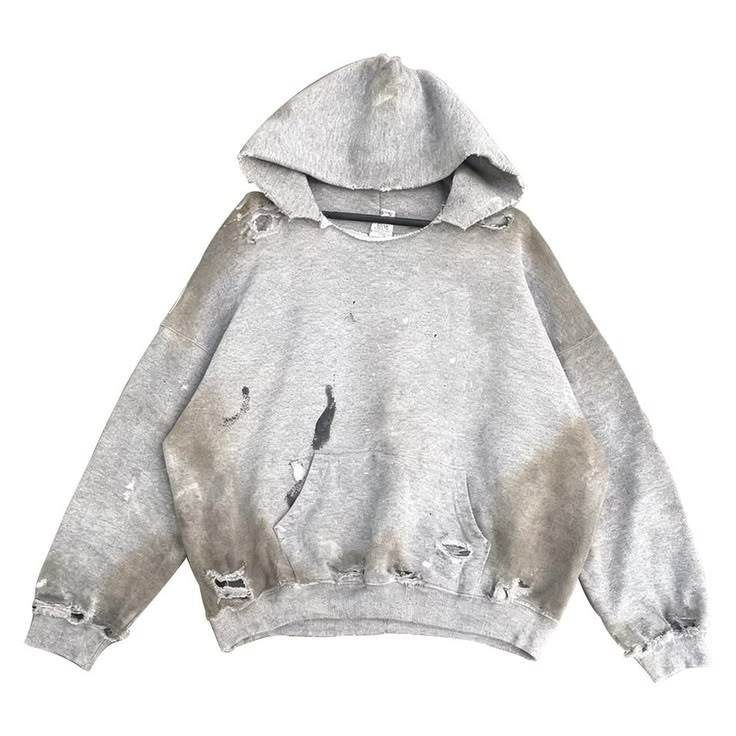
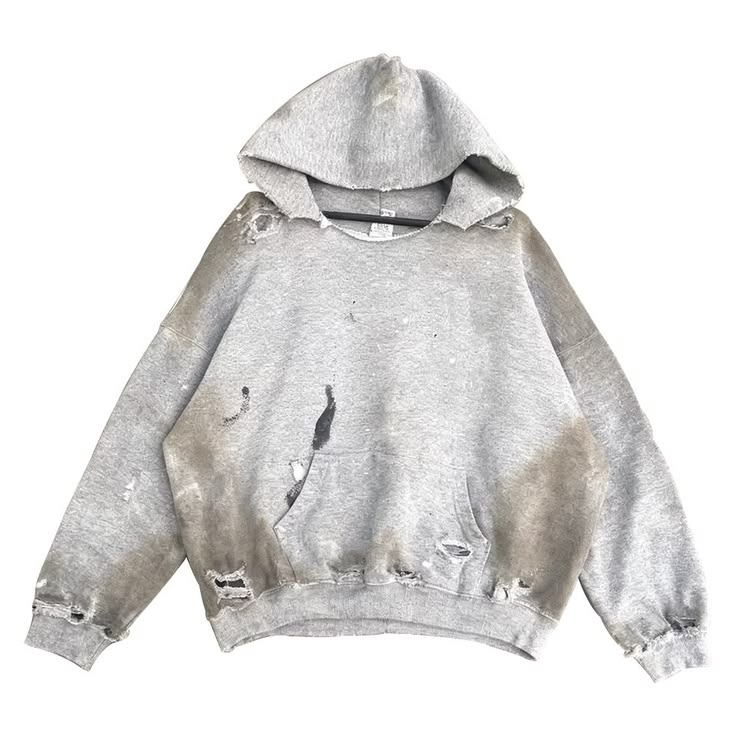
A strong men’s boxy hoodie is not created by simply making a standard hoodie wider or choosing a larger size. This guide shows established streetwear teams how to judge the pattern, grading, fabric, decoration and production evidence behind a boxy silhouette before they approve a supplier for bulk production.
A capable boxy hoodie manufacturer should be able to prove the silhouette through measurements, pattern logic and size-run control, not only through one attractive sample. The core checks are chest-to-length proportion, shoulder extension, sleeve volume, armhole depth, hood balance, hem behavior, fabric shrinkage, decoration placement and grading across the commercial size range.
The framework below is supplier-neutral. Where a practical manufacturing reference is useful, GROOVECOLOR is discussed later as one China-based OEM example with published capabilities in boxy and oversized hoodie development, heavyweight fleece, decoration, pattern work and production control. The criteria themselves can be used to audit any shortlisted factory.
What Should Streetwear Teams Take Away Before Approving a Boxy Hoodie Supplier?
The fastest way to judge a boxy hoodie supplier is to look past one sample and test the system behind it. Pattern proportion, size grading, fabric behavior, decoration placement and production records should all support the same approved silhouette before the brand releases the style for commercial production.
- ▸A boxy silhouette needs its own proportion logic. A regular hoodie made wider can still fail at the shoulder, sleeve, hood and hem.
- ▸The most revealing supplier test is often the size run. A strong medium sample means little if larger sizes become long, narrow or visually heavy.
- ▸Fabric weight must be judged together with density, drape, recovery and shrinkage. GSM alone cannot predict whether the finished hoodie will hold the intended shape.
- ▸Print, embroidery and wash placement must be approved on the actual silhouette because a shorter, wider body changes visual scale and post-wash dimensions.
- ▸When comparing Chinese clothing suppliers, evidence should carry more weight than a factory presentation: pattern records, measurement methods, size grading, test results and production checkpoints are more useful than broad claims.
What Makes a Men’s Boxy Hoodie a Pattern Problem Rather Than a Sizing Choice?
A men’s boxy hoodie is defined by the relationship between width, length and volume, not by a single oversized measurement. The pattern has to coordinate chest width, shoulder extension, armhole depth, sleeve volume, body length, hood scale and hem opening so the garment reads as intentionally square rather than simply too large.
A standard hoodie can be roomy and still look conventional. A boxy hoodie usually carries more width through the torso, a shorter or more controlled body length, greater visual mass through the shoulder and sleeve, and a hem that does not pull the body into a narrow taper. The result depends on proportion. If one variable is changed without the others, the silhouette can look stretched, cropped by accident or oversized in the wrong places.
This is why sizing up a regular block is a weak shortcut. Moving from a regular medium to an extra-large increases several dimensions according to the original grading rule. It may add too much length while still leaving the shoulder angle, armhole, hood and rib architecture built for a standard silhouette. The garment becomes bigger, but the design logic has not changed.
For product developers, the most useful question is not “How oversized should it be?” but “Which proportions create the intended stance on the body?” A clean fit review should look at the front, side and back. The side view matters because deep armholes, a heavy hood and a wide sleeve can shift the garment backward or make the upper body feel overloaded.
A practical pattern check
Teams that need more detail on the physical link between paper pattern, cutting accuracy and oversized proportions can use GROOVECOLOR’s streetwear pattern and cutting development page as supporting context. Once the silhouette is treated as a system, the next question becomes much more concrete: which measurements need to be locked before a sample can be judged fairly?
Which Measurements Should a Brand Lock Before Sampling a Boxy Streetwear Hoodie?
Before sampling, a brand should lock the measurements that control the silhouette and define how each point is measured. Chest width, body length, shoulder width, armhole depth, sleeve length and volume, hood dimensions, hem opening and rib height should be read together, with clear tolerances and a stated pre-wash or finished condition.
Measurement names alone are not enough. Two teams can both write “body length” and measure from different points. That creates avoidable disagreement when the sample arrives. A tech pack should show the measurement method visually or describe the start and end points clearly, especially for sloped shoulders, dropped shoulders and curved hood openings.
ISO 8559-1 provides standardized anthropometric definitions used in clothing-related measurement work, while ISO 8559-2:2025 addresses primary and secondary dimension indicators for size designation. These standards do not dictate a streetwear fit, but they reinforce a useful principle: dimensions need defined reference points if different parties are expected to interpret them the same way.
A physical reference garment can be more useful than a photograph when the desired fit depends on subtle proportion. The reference gives the pattern team something measurable: actual width, length, shoulder extension, hood scale, rib behavior and fabric drape. The goal should not be blind copying; it should be turning a visual reference into a controlled specification that the brand can own and approve.
One approved size still leaves a major unanswered question. A commercial program has to work across the intended range, and a boxy shape is especially vulnerable to poor grading. That makes size-run logic the next meaningful supplier test.
How Should a Boxy Hoodie Be Graded Without Losing Its Shape Across Sizes?
A boxy hoodie should be graded by preserving visual relationships, not by adding the same increment to every measurement. The factory needs rules for width, length, shoulder extension, sleeve volume, hood scale and hem opening so each size belongs to the same silhouette family while still fitting the intended body range.
This is where a convincing medium sample can hide a weak production system. If the factory relies on a generic grading table, larger sizes may gain too much length, the shoulder may move too far outward, or the sleeve may become disproportionately wide. Smaller sizes can fail in the opposite direction and lose the strong square stance that made the approved sample attractive.
The brand should ask for the grade rule, not just the final size chart. The rule does not need to expose proprietary pattern software. It should show how key points change from size to size and which measurements are deliberately held tighter. A useful review compares at least the base size with one smaller and one larger size before the full run is cut when fit is central to the product.
Questions that expose weak grading
For established menswear labels, this is not only a technical issue. A core hoodie that sells through may need replenishment, additional colorways or later collection updates. Poor grading creates a hidden commercial risk because returns, reviews and size confidence can be damaged even when the sample photography looked strong.
Grading, however, cannot be judged in isolation from fabric. The same pattern can sit very differently in dense French terry, lofty fleece or a fabric that relaxes noticeably after washing. The next check is therefore the material-to-silhouette relationship.
How Do Fleece Weight and Construction Change the Shape of a Boxy Hoodie?
Fabric weight alone does not create a premium boxy hoodie. Density, knit construction, surface, stretch recovery, drape and shrinkage determine how the pattern hangs and how the rib, hood and sleeves behave. The correct material is the one that supports the approved silhouette after finishing and care, not simply the fabric with the highest GSM.
A dense loopback French terry can give a clean architectural body with less loft. A brushed fleece can create more visual mass and warmth but may soften edges. Two fabrics with similar nominal GSM can therefore produce different shoulder drop, hood weight and body drape. This is why sourcing teams should ask for composition, construction, weight, usable width, hand feel and shrinkage information together.
Very heavy fabric is not automatically better. When a short-wide body is built in a rigid fabric, the hem can kick outward, the sleeve can feel bulky, and the hood can pull against the neckline. If the rib is too strong, it can also gather the hem and turn a square body into a ballooned shape. The fit review should therefore include movement, side profile and relaxed hanging, not only a front photo.
Wash behavior is the second half of the decision. ISO 6330:2021 sets standardized domestic washing and drying procedures used in textile testing, while ISO 5077:2007 specifies a method for determining dimensional change after washing and drying. These standards do not prescribe a streetwear shrinkage target; they provide repeatable test conditions so pre- and post-care measurements can be compared with less ambiguity.
The U.S. Federal Trade Commission’s Care Labeling Rule adds another practical reason to treat care testing seriously. Manufacturers and importers covered by the rule must have a reasonable basis for the care instructions they provide. For a brand, that means care language should be connected to actual material and finishing behavior rather than copied from a generic hoodie specification.
For a deeper internal explanation of how fabric weight and oversized proportions can amplify production risk, the related guide on heavyweight and oversized production risks provides additional context without replacing the boxy grading checks used here.
GROOVECOLOR’s streetwear fabric sourcing page is a useful internal reference for GSM, hand feel, shrinkage and material behavior across streetwear categories. It should be treated as supplementary material; the boxy program still needs its own approved fabric and post-wash measurement record.
Once fabric has been matched to the pattern, decoration becomes the next source of proportion risk. A graphic that was balanced on a regular hoodie can look undersized or misplaced on a short, wide body, and washing can move those relationships again.
Why Must Print, Embroidery and Wash Placement Be Rebuilt for a Shorter, Wider Hoodie?
Decoration placement should be engineered around the finished boxy silhouette, not copied from a regular hoodie mockup. A wider chest, shorter body, dropped shoulder and fuller sleeve change the visual center of the garment. Print scale, embroidery position and wash effects should therefore be approved by measurement on the actual sample and checked again after finishing.
A centered chest print is a simple example. On a wider body, the same artwork width may appear small even when its distance from the neckline is technically correct. A large back print can have the opposite problem: if the body is short, an artwork developed for a regular hoodie may crowd the hem or hood. Visual scale needs to follow the garment, not a fixed template.
Dropped shoulders create another placement issue. Sleeve graphics, appliqué or embroidery are often positioned from a seam. If the shoulder seam moves farther down the arm, the same seam-based instruction moves the artwork too. The tech pack should specify the correct reference point and final distance so the design does not depend on an assumed standard shoulder position.
Embroidery adds physical load. Dense stitching can stiffen a panel or pull on soft fleece if backing, tension and stitch density are not matched to the fabric. Puff print has different variables, including ink deposit, artwork spacing and curing. Neither process should be approved only from a digital mockup. A physical strike-off or sample on the real fabric provides more useful evidence.
Wash-heavy custom streetwear hoodies add a sequence problem. If a vintage finish changes the garment dimensions or surface, the team needs to know whether graphics and trims are applied before or after the wash and how that sequence affects placement, color, hand feel and durability. The production order is part of the specification.
For related process detail, GROOVECOLOR’s streetwear decoration and finishing capability page covers printing, embroidery, appliqué, washing and distressing. The useful lesson for this article is narrower: each technique has to be placed and tested against the boxy body that will actually be produced.
At this point, a supplier should have more to show than a good-looking garment. Pattern decisions, grading, fabric tests and decoration trials create a trail of evidence. That trail is what sourcing teams should examine when comparing Chinese clothing suppliers.
What Evidence Should a Chinese Hoodie Supplier Show Before It Enters Your Shortlist?
A Chinese hoodie supplier should be shortlisted on product-specific evidence rather than broad claims about customization or factory size. For a boxy program, the strongest evidence includes pattern-development records, defined measurement methods, a grading plan, approved fabric data, physical decoration tests, post-wash checks, production checkpoints and clear responsibility for bulk execution.
The first audit question is who owns the technical work. Some suppliers can coordinate production well but outsource pattern development. That is not automatically a problem, but the brand should know who makes the pattern, who controls revisions and how approved changes are transferred into the production file. A weak handoff can erase careful fit work before bulk cutting starts.
The second question is whether the supplier can explain its records. A photo of an oversized hoodie proves visual familiarity, not control. Ask for an example of a size chart with tolerances, a fabric approval record, a decoration placement sheet, a wash measurement comparison or an inspection form. Sensitive customer information can be removed; the value is seeing whether the system exists.
The third question is what happens when the approved sample changes hands. Pattern, fabric, trims, artwork, comments and measurement corrections need a controlled production reference. If approval is stored only in scattered messages, the risk grows as more people enter the process. A clear tech pack and signed-off sample reduce interpretation at cutting, sewing, decoration and finishing stages.
Minimum proof before shortlisting
This evidence-first approach also helps separate a specialized custom streetwear hoodie program from ready-made sourcing. GROOVECOLOR’s custom streetwear hoodie manufacturing page can be used as one example of the product scope a full OEM hoodie program may cover, including fit development, heavyweight materials, decoration and finishing.
Once each supplier has supplied comparable evidence, the phrase “best Chinese clothing manufacturers” becomes more useful. It stops being a popularity ranking and becomes a product-specific comparison of which production system fits the risk of the garment.
How Should Procurement Teams Compare the Best Chinese Clothing Manufacturers for a Boxy Hoodie Program?
The best Chinese clothing manufacturer for a boxy hoodie is the supplier whose production system matches the garment’s main risks. Procurement teams should weight pattern engineering, grading, fabric-to-fit control, decoration, finishing, production records and delivery discipline more heavily than broad factory claims, because those factors determine whether the approved silhouette can be repeated at commercial scale.
A large factory may be excellent for high-volume basic garments but weak at fit-sensitive streetwear development. A smaller specialist may understand boxy proportions well but have limited capacity for complex multi-SKU programs. Neither is automatically better. The relevant question is whether the supplier’s technical depth and operating scale match the product calendar, quantity structure and decoration load.
The same principle applies to price. Two quotes are not comparable until the specification is normalized. Check whether both suppliers are pricing the same fiber content, usable fabric width, GSM, rib construction, hood layers, pocket structure, print method, embroidery stitch count, wash sequence, labels, packaging and inspection requirement. A lower quote can be legitimate, but the underlying assumptions need to be visible.
This 100-point model is an editorial procurement framework, not an industry standard. A brand should change the weights when its risks change. A wash-heavy hoodie may deserve more weight on finishing; a minimalist core hoodie may deserve more weight on fabric, grading and replenishment control.
Capacity should also be read in context. A supplier that can cut and sew large volumes is not automatically ready for a product with several colorways, size sets, special rib, custom trims and multiple decoration stations. Production capacity matters when it is connected to scheduling, technical handoff and inspection. GROOVECOLOR’s bulk streetwear production capacity page is one internal reference for how capacity and production handoff can be documented.
A supplier can score well on paper and still be unready for bulk if the approved sample has not been converted into a production standard. The final gate is therefore not “Do we like the sample?” but “Is every variable that created the sample locked and checkable?”
When Is a Boxy Hoodie Sample Actually Ready for Bulk Approval?
A boxy hoodie is ready for bulk only when the approved silhouette is tied to confirmed fabric, measurements, grading, hood and rib proportions, decoration placement, finishing sequence and inspection criteria. A visually successful sample is not enough if important dimensions, size-run behavior or post-wash changes remain unresolved before production cutting begins.
The approval file should state which sample is the master reference and what condition it represents. If the garment is washed, the brand should know whether approved measurements are pre-wash or post-wash. If decoration is complex, placement measurements and the approved strike-off should be attached to the production record. If trims are custom, the approved supplier, color and size should be fixed.
Size-set approval is especially useful when the boxy proportion is a selling point. It does not always require a physical sample in every size, but the riskier ends of the range should be checked. A brand selling a broad men’s range should not assume the base-size proportions remain attractive at the largest size without evidence.
The final release should also define checkpoints during production. Incoming fabric can be compared with the approved material. Early cut panels can be measured before all units are cut. Decoration can be checked against placement standards. Finished garments can be measured and visually reviewed before packing. These controls reduce the amount of correction left until final inspection.
For a closer view of inspection stages, GROOVECOLOR’s garment quality-control process describes fabric, measurement, appearance and final review checkpoints. The relevant principle is simple: fit-sensitive streetwear benefits when checks happen before errors are multiplied across the full batch.
Bulk-release gate
When these controls are in place, the boxy hoodie stops being a one-off sample and becomes a repeatable product specification. That is the point at which a factory example becomes useful: not as a claim of being universally “best,” but as a way to see how the required functions can sit inside one OEM system.
Where Does GROOVECOLOR Fit When the Risk Is Boxy Pattern and Grading Control?
GROOVECOLOR is relevant to this specific discussion because its published OEM scope connects men’s streetwear pattern development, boxy and oversized hoodie construction, heavyweight fabric sourcing, sampling, decoration and production inspection. That makes it a practical China-based reference for evaluating whether fit-sensitive hoodie work is supported by a broader manufacturing system rather than a single sample.
Based in Dongguan, China, GROOVECOLOR describes itself as a premium OEM streetwear manufacturer focused on men’s custom streetwear. Its documented hoodie scope includes boxy, oversized and dropped-shoulder silhouettes, and its broader manufacturing material describes pattern development, fabric review, sampling, decoration, washing, bulk production and inspection. Those capabilities match the risk areas discussed in this guide.
The relevance is strongest when a product developer needs a factory to interpret a reference garment or tech pack, adjust the pattern, protect the intended width-to-length relationship, coordinate heavyweight fleece with rib and hood structure, and carry approved measurements into production. That is a narrower and more useful claim than calling any manufacturer the best choice for every hoodie program.
GROOVECOLOR states 16+ years of streetwear manufacturing experience and production capacity of more than 300,000 garments per month in its company material. Those figures are useful scale signals, but they should still be considered alongside project-specific evidence. A large monthly capacity number does not replace the need to prove the pattern, grade rule, fabric and inspection plan for the actual boxy hoodie.
For teams that want to see the current product range rather than only the manufacturing-service description, the oversized and boxy hoodie range provides a closer product-category view. The decision still returns to the same question: can the supplier prove the specific silhouette your brand approved?Which Boxy Hoodie Questions Should Be Resolved Before a Supplier Is Approved?
The most useful FAQ questions are the ones that expose unresolved production risk. Before approval, the team should be able to explain how boxy fit differs from simple oversizing, how the size run is graded, how fabric and rib affect shape, and how artwork and inspection references are controlled.
Can one perfect size M sample hide a weak grading system?
Yes. A factory can refine one base-size sample through several corrections while still using weak grade rules for the rest of the range. The risk appears when width, length, shoulder, sleeve and hood dimensions increase at unsuitable rates, causing smaller or larger sizes to lose the approved boxy balance.
Review the grade rule and physically check at least one size away from the base when the silhouette is a key selling point. Wider commercial size ranges deserve more validation at the ends of the range.
Should a brand approve a full size set before producing a fit-sensitive boxy hoodie?
Not every program needs a physical sample in every size, but fit-sensitive boxy hoodies benefit from targeted size-set validation. The safest approach is to review the base size plus critical smaller and larger sizes, then confirm the grade rule for intermediate sizes before the full cutting plan is released.
The decision should reflect size range, order value and fit risk. A narrow S–XL program may need less physical sampling than a broad range that extends several sizes beyond the base block.
Can a 500 GSM hoodie still look wrong even when the fabric itself is premium?
Yes. High GSM does not guarantee the right silhouette because density, drape, recovery, loft, rib tension and hood weight can change how a boxy pattern hangs. A premium heavy fabric can still make the body rigid, pull the neckline backward or gather the hem if the material and pattern were not developed together.
Treat GSM as one material variable. The sample should be approved in the real or confirmed equivalent production fabric, with wash behavior reviewed where care or garment finishing can change dimensions.
Why can bottom-rib tension make a boxy hoodie look less boxy after washing?
Bottom rib can change the silhouette because its recovery force pulls against the wider body opening. If the rib is too short, too strong or affected differently by washing, it can gather the hem and create a rounded or ballooned shape instead of the intended straight, square line.
Check rib composition, finished length, attachment ratio and post-wash recovery. The body and rib should be reviewed together after the same care or finishing process planned for production.
Should back-print dimensions change when a regular hoodie is converted into a boxy silhouette?
Often, yes. A shorter and wider back changes the visual field around the artwork, so a print sized for a regular hoodie may look too narrow, too low or too close to the hem. The correct decision should be made on the finished silhouette using measured placement, not by reusing a standard mockup.
For multi-size programs, define whether artwork size stays fixed or changes by size group. Whichever method is chosen, placement references should remain clear and measurable.
Is a cropped hoodie automatically a boxy hoodie?
No. Cropped describes length, while boxy describes a broader proportion system. A hoodie can be short but narrow, or wide but not especially cropped. The label matters less than the measurable relationship between body width, length, shoulder, sleeve, hood and hem that creates the intended silhouette.
Use fit language as a design direction, then translate it into measurements and reference views. This prevents the supplier from interpreting “cropped” or “boxy” according to its own standard block.
How can procurement teams compare two hoodie quotations built on different fleece constructions?
Normalize the material specification before comparing price. Match fiber content, knit construction, GSM, usable width, surface, brushing or loopback structure, rib specification, dye or wash treatment and expected shrinkage. If the fabrics are materially different, the quotations represent different products even when the visual mockup is the same.
Ask each supplier to state what fabric assumptions sit behind the quote. This makes later value engineering more disciplined because the team can see which cost change comes from material, construction, decoration or quantity.
Which Standards and Public Sources Support These Manufacturing Checks?
The framework uses recognized standards where a technical claim benefits from an external reference, while keeping supplier-selection judgments separate from formal standards. ISO documents support measurement and laundering concepts; the FTC Care Labeling Rule supports evidence-based care instructions. The procurement scorecard and boxy-fit decision gates in this article are editorial tools, not official certification criteria.
Reference list
A standard can make a test method clearer, but it cannot decide whether a hoodie looks right for a specific brand. The commercial decision still belongs to the product team: define the intended silhouette, build measurable approval points, verify the supplier’s production system and make sure the evidence follows the garment from development into bulk.
About the Author
