An Actionable 7-Point Checklist for Vetting China Hoodie Manufacturers in 2025
- Share
- publisher
- GROOVECOLOR
- Issue Time
- Dec 16,2025
Summary
Vetting China hoodie manufacturers in 2025 requires more than price. For streetwear brands, choose partners with proven mastery of heavyweight fabrics, vintage wash techniques, and precise oversized pattern-making. Prioritize factories that deliver sustainable processes, digital supply-chain control, robust QC from sample to bulk, and collaborative OEM support. The right strategic partner provides capacity, trend insight, and process innovation for consistent, high-quality hoodies.

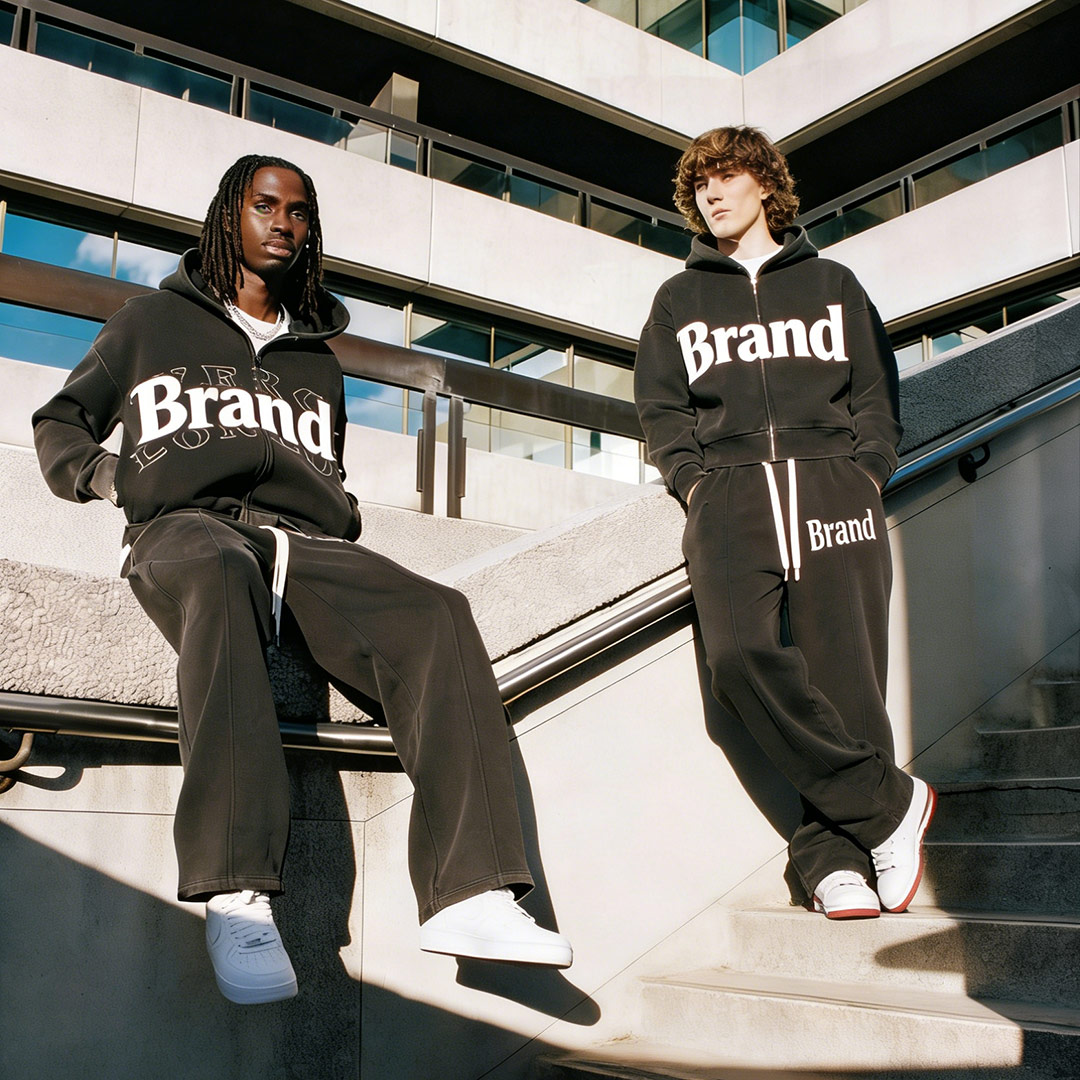
How to Vet China Hoodie Manufacturers in 2025: A Strategic Guide for Streetwear Brands
The global streetwear market's demand for high-quality, distinctive hoodies has intensified the scrutiny on manufacturing partners. This analysis examines the critical factors for vetting China hoodie manufacturers in 2025, moving beyond rudimentary cost analysis to a more profound evaluation of strategic partnership potential. It posits that the ideal manufacturing relationship is predicated on specialized expertise in core streetwear garments, particularly the technical mastery of heavyweight fabrics, complex vintage wash processes, and precise oversized pattern-making. The investigation synthesizes industry data and case studies to illuminate the structural differences between generalist apparel factories and dedicated streetwear specialists. It explores how advancements in sustainable technologies, digital supply chain management, and a collaborative OEM framework are reshaping the landscape. The findings suggest that long-term brand success is contingent upon selecting a manufacturer that functions as a strategic partner, offering not only production capacity but also trend insight, process innovation, and unwavering quality consistency from sample to large-scale delivery.
Key Takeaways
A New Paradigm for Streetwear Production
The journey of a streetwear brand is one of constant evolution, a dialogue between cultural currents and tangible expression. At the heart of this expression lies the hoodie—no longer just a simple garment, but a canvas for identity, a statement of quality, and a cornerstone of any credible collection. As we navigate 2025, the process of selecting a manufacturing partner, particularly from the vast and dynamic landscape of China, has undergone a profound transformation. The old model of simply finding the lowest-cost producer is not only outdated; it is a direct threat to a brand's longevity and reputation. Today's market demands a more nuanced, sophisticated approach.
The conversation has shifted from “How cheap can you make it?” to “How well can you make it?”. It's a question of capability, not just cost. Can a manufacturer truly understand the specific drape of a 450gsm French terry? Can they replicate the subtle, nuanced fade of an authentic vintage wash across a thousand units? Do they possess the pattern-making expertise to create an oversized fit that is intentionally voluminous without appearing sloppy? These are the questions that define the gap between a forgettable product and an iconic piece.
This shift is a response to a more discerning consumer. The modern streetwear enthusiast is educated, with a keen eye for detail and an appreciation for craftsmanship. They can feel the difference between a generic, lightweight blank and a substantial, structured heavyweight hoodie. They recognize the authenticity of a true stone wash versus a superficial printed effect. For a brand to succeed, it must meet and exceed these expectations. This places immense pressure on the supply chain, making the choice of a manufacturing partner one of the most critical decisions a founder will make.
The Chinese textile industry itself is in the midst of a remarkable evolution. Once known primarily for mass production, it is now a hub of technological innovation, sustainable practices, and creative collaboration. Leading firms are investing heavily in research and development, pioneering techniques like waterless dyeing and leveraging AI for design and production efficiency. This new generation of China hoodie manufacturers offers an opportunity not just for production, but for genuine partnership. They are moving from being passive order-takers to active collaborators who can provide invaluable insights on trends, materials, and process optimization.
This guide is designed to serve as a comprehensive checklist for vetting these potential partners. It is a framework for looking beyond the surface-level claims of a website or a trade show booth and delving into the core competencies that truly matter. It is an argument for choosing a partner who shares your commitment to quality, understands the cultural nuances of streetwear, and possesses the technical prowess to bring your most ambitious creative visions to life. Finding the right manufacturer is not about outsourcing a task; it is about building a foundational relationship that will support your brand's growth, protect its integrity, and ultimately, delight your customers.
The Specialist vs. The Generalist: Why Your Hoodie's Soul is in the Details
The first and most fundamental step in your vetting process is to draw a sharp distinction between a specialist streetwear manufacturer and a generalist apparel factory. On the surface, both may present themselves as capable of producing hoodies. A generalist factory, which might produce everything from corporate polo shirts to children's clothing and basic activewear, will certainly tell you they can make a hoodie. They have sewing machines, they can source fabric, and they can follow a technical package. However, the critical distinction lies not in the ability to assemble the garment, but in the deep, ingrained understanding of what makes a hoodie a streetwear hoodie.
A specialist manufacturer, one whose production lines are primarily dedicated to hoodies, t-shirts, and sweatshirts for the streetwear market, operates on a completely different level of understanding. Their entire ecosystem—from pattern makers and fabric sourcers to sewing technicians and wash specialists—is calibrated to the specific demands of this niche. They don't just see a hoodie; they see a complex interplay of silhouette, weight, texture, and finish. They understand that the “perfect” oversized fit is a matter of millimeters in the drop of a shoulder or the width of a chest, not simply grading up a standard pattern. They know that the hood's structure—its ability to stand up on its own rather than collapsing flat—is a defining feature that separates a premium product from a cheap imitation.
This specialization manifests in tangible ways. A specialist's pattern makers have spent years refining patterns for boxy, oversized, and drop-shoulder fits. They aren't experimenting with your design; they are applying a wealth of experience to it. Their fabric sourcing team isn't just looking for “cotton”; they are navigating a network of mills to find the specific 450-500gsm French terry with the right loop-back texture and pre-shrunk stability. Their wash house has mastered the art of acid and stone washing on heavyweight materials, understanding how to achieve a vintage look without compromising the fabric's integrity or weight.
Consider the analogy of a chef. A short-order cook at a diner can make a steak. They can cook it to the requested temperature. But a chef at a high-end steakhouse has a deeper relationship with the entire process. They understand the aging of the meat, the specific breed of cattle, the precise searing temperature needed to create the perfect crust, and the exact resting time required to ensure a juicy interior. The diner cook produces an edible meal; the steakhouse chef produces an experience. A generalist factory makes a hoodie; a specialist manufacturer crafts a piece of your brand's identity. This distinction is especially crucial when considering the complex demands of modern streetwear, where quality and authenticity are paramount.
The Pitfalls of the Generalist Approach
Choosing a generalist factory for a specialized product like a premium streetwear hoodie is fraught with hidden risks. Because their experience is broad rather than deep, they often lack the intuition to foresee problems. They might, for example, use a standard sewing thread that is not strong enough to handle the stress of a heavyweight 450gsm fabric, leading to seam failures after a few wears. They might not account for the higher shrinkage rate of a heavy cotton fleece during a vintage wash, resulting in a bulk order where every garment is a size smaller than specified.
Furthermore, generalists are often ill-equipped to handle the complex, multi-step processes that define contemporary streetwear. A garment that requires a specific enzyme wash, followed by a puff print, and then a final light distressing is a logistical nightmare for a factory accustomed to simple one-step production. The risk of errors multiplies with each step, and without a deep understanding of how these processes interact, the final product can be a disaster. The print may crack because the wash wasn't executed correctly, or the distressing might damage the fabric because the initial material wasn't robust enough.
The table below starkly illustrates the differences in capability and mindset between these two types of producers. For a brand whose reputation hinges on the quality of its core products, the choice becomes self-evident. You are not just buying a product; you are buying the expertise, experience, and specialized infrastructure that ensures the product meets your brand's promise. Partnering with a specialist among the many China hoodie manufacturers mitigates risk and elevates the final product from a mere commodity to a carefully crafted artifact.
The Long-Term Value of Specialization
The initial cost per unit from a specialist might occasionally be slightly higher than that of a generalist. However, this small premium is an investment in risk reduction and brand equity. The cost of a failed production run—replete with inconsistent sizing, poor quality washes, and flawed construction—is far greater than any initial savings. A batch of unsellable inventory, coupled with the damage to your brand's reputation from shipping subpar products, can be a fatal blow, especially for a growing brand.
Conversely, a partnership with a specialist creates a virtuous cycle. Their expertise ensures a high-quality, consistent product, which leads to satisfied customers and strong repeat business. Their collaborative approach can help you refine your designs, suggesting better materials or more efficient construction methods. As your brand grows, they have the specialized capacity to scale with you, ensuring that the hoodie that your 10,000th customer receives is identical in quality to the one your first customer bought. This consistency is the bedrock of a trusted brand. In the competitive landscape of 2025, aligning with a specialist is not just a best practice; it is a fundamental strategy for survival and growth.
Scrutinizing Technical Mastery: The Art and Science of the Perfect Hoodie
Once you have narrowed your search to specialist streetwear manufacturers, the next phase of vetting requires a granular examination of their technical capabilities. This is where you move from broad categories to specific, verifiable skills. A manufacturer's true value is revealed in their mastery over the three pillars of a premium hoodie: the fabric, the wash, and the print. This is not about simply having access to these techniques, but about demonstrating a deep, scientific, and artistic command over them. Leading Chinese firms are no longer just executing instructions; they are deeply engaged in material science and process innovation, as seen in the development of novel materials like chitosan-based fibers and advanced dyeing techniques.
The Foundation: Heavyweight Fabric Expertise
The tactile experience of a hoodie begins with its fabric. For streetwear, this almost invariably means heavyweight cotton, typically in the range of 300gsm to 600gsm. A manufacturer's expertise here goes far beyond simply sourcing “thick fabric.”
First, consider the material itself. Are they working with high-quality, long-staple cotton, As noted by manufacturers who have successfully transitioned to a quality-focused domestic market, the origin and quality of the raw cotton are non-negotiable starting points for a premium product. A knowledgeable manufacturer will be able to discuss the differences between French terry and fleece, the advantages of ring-spun versus open-end yarn, and the impact of fabric density on both structure and longevity. They should be able to provide samples of various weights and constructions, explaining how each will behave after washing and during wear.
Second, probe their understanding of fabric stability. Heavyweight cotton has a tendency to shrink and twist if not handled correctly. A master manufacturer will have established processes for pre-shrinking or sanforizing fabrics to ensure dimensional stability. They should be able to provide you with data on expected shrinkage rates for their materials, typically aiming for under 5%. They will also understand how to control for torque or skewing—the twisting of the garment's side seams after washing—a common flaw in poorly made heavyweight goods. Ask them how they manage this. Their answer should involve controlling the knitting tension and implementing proper finishing processes.
Finally, evaluate their ability to create structure. A heavyweight hoodie should have a certain architectural quality. The hood should stand up, the cuffs and hem should be snug and resilient, and the body should drape with intention. This is achieved through the right combination of high-density knitting, quality ribbing (often with a small percentage of elastane for recovery), and expert pattern cutting. A manufacturer who truly understands this will speak less about just the weight (gsm) and more about the fabric's “hand feel,” structure, and resilience.
The Soul: Mastery of Vintage and Complex Washes
The wash is what gives a hoodie its character and soul. In 2025, the demand for vintage aesthetics—achieved through various washing techniques—is at an all-time high. This is arguably the single greatest area of technical differentiation for high-end China hoodie manufacturers. It is a complex blend of chemistry and craft, and a manufacturer's ability here is a powerful indicator of their overall sophistication.
A top-tier manufacturer will not just list wash types; they will be able to articulate the nuances of each process and control the outcome with precision. They understand that these are not simple “set it and forget it” machine cycles. Each wash type requires careful monitoring of time, temperature, chemical concentrations, and mechanical action to achieve a consistent result.
The table below breaks down some of the most sought-after wash techniques. When you interview a potential manufacturer, use this as a guide. Don't just ask if they can do a “stone wash.” Ask them about the type and size of stones they use, how they prevent seam damage during the process, and how they ensure color consistency across a batch of 1,000 pieces. Their ability to answer with detailed, confident explanations is a sign of true mastery.
The ability to execute these washes on heavyweight hoodies without causing damage, excessive shrinkage, or loss of structural integrity is the hallmark of an elite manufacturer. It requires a significant investment in specialized machinery and, more importantly, in experienced technicians who can “read” the fabric and adjust the process in real-time.
The Voice: Precision in Printing and Embellishment
The final layer of technical mastery is in the application of graphics and embellishments. This is your brand's voice, and its clarity depends on the manufacturer's execution. For heavyweight hoodies, certain techniques are more suitable than others.
Screen Printing: The workhorse of streetwear. A skilled manufacturer will know how to achieve a soft-hand feel even with multiple colors on thick fabric. They will use the right under-bases to ensure color vibrancy on dark garments and the correct curing temperatures to prevent the ink from cracking or peeling after washing. Ask to see examples of their screen printing on heavyweight fleece. Rub it, stretch it, and inspect it for cracking.
Puff Print: A popular technique for creating raised, three-dimensional graphics. The challenge on heavyweight hoodies is achieving a consistent “puff” without it collapsing or becoming overly hard and brittle. A good supplier will have mastered the formulation of their puff ink and the precise heat application required for optimal results.
DTG (Direct-to-Garment): While excellent for highly detailed, multi-color graphics, DTG can be challenging on thick, textured fabrics like French terry. A top-tier manufacturer will have a meticulous pre-treatment process to ensure the ink adheres properly and doesn't just soak into the fabric, resulting in a faded, blurry image. They will also use high-quality printers and inks that can withstand washing.
Embroidery and Appliqué: For high-density embroidery on heavy fleece, the key is the backing material. Without proper, robust backing, the embroidery can pucker the surrounding fabric or feel flimsy. For appliqué (like tackle twill or chenille patches), the stitching must be precise and durable.
When you vet a hoodie manufacturer, request a sample that combines these elements. For instance, ask for a 450gsm, stone-washed hoodie with a two-color puff print. This single item will be a comprehensive test of their capabilities. It will reveal their control over fabric, their finesse in washing, and their precision in printing. A manufacturer who can execute this complex combination with confidence and quality is a partner who can be trusted with your brand's vision. They are not just a factory; they are a technical collaborator.
Evaluating Production Capacity and Supply Chain Agility
A manufacturer's production infrastructure is the engine that will power your brand's growth. Evaluating this aspect requires a dual focus: you need a partner who is agile enough to support your initial launch and testing phases, yet robust enough to scale with you as you gain traction. This balance between flexibility and capacity is a defining characteristic of the most valuable China hoodie manufacturers in 2025. The traditional factory model, which often demanded massive order quantities, is being replaced by a more dynamic approach that recognizes the lifecycle of a modern, direct-to-consumer brand.
The Strategic Importance of Flexible MOQs
For a new or growing streetwear brand, one of the biggest challenges is managing inventory risk. Committing to thousands of units of an unproven design can be a catastrophic financial mistake. This is where the concept of a Minimum Order Quantity (MOQ) becomes critically important. Many large factories, optimized for volume, will impose high MOQs (often 1,000 pieces or more per style/color) that are simply unfeasible for testing new ideas.
A forward-thinking manufacturer, however, understands the need for market validation. They offer what can be termed a “strategic flexible MOQ,” typically in the range of 50 to 100 pieces per color. It is crucial to understand the purpose of this offering. It is not intended to service micro-brands that will only ever order small quantities. Rather, it is a deliberate strategy to build long-term partnerships with promising, growth-oriented brands. This low MOQ serves as a low-risk entry point for you to:
- Test New Designs: Launch a new, experimental graphic or silhouette without a huge inventory liability.
- Validate Market Fit: Gather real-world sales data and customer feedback before committing to a larger production run.
- Offer More Variety: Introduce a wider range of colors or styles in a single collection, giving your customers more choice.
When discussing MOQs with a potential partner, the key is to understand the “why” behind their numbers. Do they offer a low MOQ grudgingly, treating it as a hassle? Or do they present it as part of a structured growth plan? A true partner will explain that the 50-piece run is a gateway to a 5,000-piece run. They will assure you that the sample you approve for the small batch will be produced using the same standards, materials, and processes as the eventual bulk order. This seamless transition is vital. The last thing you want is to have a successful test run, only to find that you have to switch manufacturers (and re-develop your product) to produce it at scale.
Assessing Scalable Production Capacity
While a low MOQ is essential for agility, it is meaningless without the backing of a powerful production capacity. Your goal is to find a partner who can grow with you, from your first 100-piece drop to future orders of 10,000 or more. This requires a serious look at the manufacturer's operational scale.
Key metrics to investigate include:
- Monthly Unit Capacity: Ask for their total monthly output, specifically for garments like hoodies and sweatshirts. A figure in the range of 300,000 pieces or more indicates a substantial operation capable of handling significant volume.
- Dedicated Production Lines: Do they have production lines specifically and permanently set up for knitwear like hoodies? Or are they constantly reconfiguring lines based on whatever orders come in? Dedicated lines signify specialization and efficiency. It means your hoodie order isn't being “fit in” between runs of woven shirts and denim jackets.
- In-House vs. Outsourced Processes: To what extent are critical processes like washing, printing, and embroidery done in-house? While some specialized outsourcing is common, a manufacturer with a high degree of vertical integration has far greater control over quality, timelines, and costs. A factory that owns its own wash house, for example, can experiment with new techniques and ensure consistency far more effectively than one that sends all its garments to a third-party facility.
- Technology and Systems: Do they use an ERP (Enterprise Resource Planning) system to manage their workflow, from raw material inventory to final shipping? Modern management systems are a strong indicator of a well-organized, efficient operation. The Chinese textile industry is increasingly adopting digital tools to enhance efficiency, and your potential partner should be part of this trend.
The Litmus Test: A Trial Order
The best way to evaluate this balance of agility and capacity is to run a trial order. Start with a small, 50–100 piece order for a moderately complex design. Pay close attention to the entire process:
- Communication: How responsive and professional were they during the sampling and production of this small run?
- Quality: Was the quality of the small batch consistent with the initial sample you approved?
- Timeline: Did they meet the agreed-upon delivery date?
- Transition to Scale: As you discuss a hypothetical larger order (e.g., 1,000 pieces), how do they plan the transition? Do they give you a confident, detailed production plan?
A manufacturer who handles your small test order with the same professionalism and attention to detail as they would a massive order is a partner you can trust. It demonstrates that their systems are designed to deliver quality regardless of quantity. This successful trial is your proof that they possess the dual capabilities of agility and scale, making them a robust choice to support your brand's journey from a promising upstart to an established market player.
Verifying Quality Control: The Bridge from a Perfect Sample to a Flawless Bulk Order
There is no more common or heartbreaking story in the apparel industry than that of the “perfect sample.” A brand receives a sample from a new manufacturer that is everything they dreamed of: the fabric is weighty, the fit is precise, the wash is beautiful. They excitedly approve it and place a large bulk order. Weeks later, thousands of units arrive, and the dream turns into a nightmare. The fabric feels lighter, the sizing is inconsistent, the color of the wash varies from piece to piece, and the prints are starting to crack. The manufacturer, when confronted, offers excuses or, worse, silence.
This disconnect between the sample and the bulk production is the single biggest risk when working with any manufacturer, and preventing it should be a central focus of your vetting process. A top-tier hoodie manufacturer differentiates themselves not just by their ability to create a great sample, but by their systematic, almost obsessive, commitment to replicating that quality at scale. This commitment is embodied in their Quality Control (QC) and Quality Assurance (QA) systems.
Deconstructing a Robust QC System
A world-class QC system is not a single event at the end of the production line. It is a series of checkpoints integrated throughout the entire manufacturing process, from the moment raw materials arrive to the final packing of the finished goods. When interviewing a potential China hoodie manufacturer, you need to ask them to walk you through their QC process step-by-step. Look for a multi-stage approach, something akin to an “8-Step Precision Lockdown” system.
- Raw Material Inspection: Before a single garment is cut, all incoming materials must be inspected. For fabric, this means checking for weaving defects, verifying the color against the approved standard, and confirming the weight (gsm). For trims like zippers, drawcords, and labels, it means checking for quality and color accuracy.
- Pre-Production Meeting & Pilot Run: Before the main production starts, the production manager, line supervisors, and QC team should meet to review the approved sample and the technical package. They should identify potential difficulties and create a quality plan. A small pilot run (e.g., 50–80 pieces) should then be produced and meticulously inspected to ensure all standards are being met before committing to the full run.
- Cutting Inspection: Once the fabric is laid out for cutting, a QC inspector should verify that the patterns are placed correctly (respecting the grainline to prevent twisting) and that the cutting is precise. Inaccurate cutting is the root cause of many sizing issues.
- In-Line Sewing Inspection: QC inspectors should be present on the sewing floor, not just in a back office. They should be pulling garments off the line at regular intervals to check for things like stitch quality (no skipped stitches), seam strength, correct label placement, and adherence to the construction details specified in the tech pack. This allows for immediate correction of any errors, preventing hundreds of faulty garments from being made.
- Post-Wash/Dyeing Inspection: This is a critical step for hoodies with vintage washes or garment dyes. After the washing process, a sample of garments should be checked for color consistency against the approved standard, proper hand feel, and any potential damage from the washing process. They should also be measured to ensure shrinkage is within the acceptable tolerance.
- Post-Printing/Embroidery Inspection: After graphics are applied, each piece should be inspected for correct placement, color accuracy, and quality. For screen prints, this means checking for cracking or peeling. For embroidery, it means looking for loose threads or puckering.
- Final Trimming and Finishing Inspection: In this stage, garments are trimmed of loose threads, ironed, and folded. A QC team should be doing a final check on the overall appearance, cleanliness, and presentation of the garment.
- Final Random Inspection (AQL): Before the goods are packed for shipping, a final audit should be performed. This is often done using a statistical sampling method like AQL (Acceptable Quality Limit). A random selection of packed garments is pulled and subjected to a full, top-to-bottom inspection. This is the last line of defense against shipping defective products.
A manufacturer who can confidently and proudly describe a similar multi-stage process is one that takes quality seriously. Ask for documentation, see their QC stations, and talk to their QC manager. Their investment in this area is a direct investment in your brand's reputation.
The Role of Standards and Documentation
A robust QC system is built on a foundation of clear, objective standards. This starts with the technical package (tech pack) you provide, but a great manufacturer will augment this with their own internal standards.
- Approved “Golden” Sample: There should be a physically approved sample, often sealed and signed by both you and the manufacturer. This “golden sample” serves as the ultimate physical reference for the entire production run. All bulk goods must be compared against it.
- Color Standards (Lab Dips & Strike-Offs): For custom colors, you should approve a small fabric swatch called a “lab dip” before they dye the full fabric lot. For prints, you should approve a “strike-off” (a sample of the print on your chosen fabric). These approved standards are what the QC team will use to check the bulk production.
- Measurement Tolerance: No two handmade garments will be perfectly identical. A professional manufacturer will work with you to establish an acceptable measurement tolerance (e.g., +/- 1.5 cm on the chest width). This tolerance should be clearly documented in the tech pack.
The ability to maintain consistency from a single sample to thousands of units is what separates professional China hoodie manufacturers from amateur operations. It is a difficult, expensive, and non-glamorous part of the business, but it is the absolute bedrock of a successful manufacturing partnership. Do not compromise on this point. Your customers certainly won't. By choosing a partner with a transparent and rigorous QC system, you are buying peace of mind and protecting the hard-earned trust you have built with your audience.
Assessing OEM/ODM Frameworks: Beyond Order-Taking to True Collaboration
As your vetting process deepens, it's essential to understand the nature of the partnership you are entering. The terms OEM and ODM are often used in manufacturing, but their practical application can vary widely. Discerning the depth of a manufacturer's collaborative capabilities within these frameworks is key to finding a partner who will actively contribute to your success, rather than simply executing tasks.
OEM (Original Equipment Manufacturer) is the more traditional model. In this setup, you, the brand, provide a complete and detailed technical package. This includes the design, patterns, fabric specifications, color standards, and construction details. The manufacturer's role is to produce the garment exactly according to these specifications. While this seems straightforward, a superior OEM partner does more than just follow instructions blindly. They act as an expert reviewer. Their experienced team will analyze your tech pack and proactively identify potential issues. They might say, “We see you've specified a single-needle stitch here, but given the 450-500gsm fabric, we strongly recommend a double-needle coverstitch for better durability,” or “This print placement is very close to the pocket seam, which could cause registration issues. We suggest moving it 2cm to the left.” This kind of feedback is invaluable. It demonstrates that they are thinking critically about the product's longevity and manufacturability, not just ticking boxes.
ODM (Original Design Manufacturer) represents a deeper level of collaboration. In an ODM relationship, the manufacturer contributes to the design process itself. They have their own R&D and design teams that are constantly developing new silhouettes, fabric treatments, and wash techniques. They might present you with a collection of their own base designs and say, “Here are five new hoodie silhouettes we've developed for the upcoming season, including a new high-density fleece. You can choose one, apply your branding and graphics, and we can move to production.” This can be a huge advantage for brands that want to accelerate their speed to market or that have a small in-house design team. A good ODM partner acts as an extension of your creative team, offering trend insights and ready-to-go, production-vetted concepts. Many manufacturers on platforms like Alibaba highlight their ODM services as a key selling point, indicating a capacity for design contribution.
What a True Collaborative Framework Looks Like
The ideal partner often operates in a hybrid space between OEM and ODM. They respect your creative vision (the core of OEM) but also offer their deep manufacturing and trend knowledge to enhance it (the spirit of ODM). This collaborative synergy is what you should be searching for.
- A Dedicated Merchandising/Account Team: You shouldn't be communicating directly with the factory floor. A professional manufacturer will assign you a dedicated merchandiser or account manager who is fluent in your language, understands the technical aspects of garment production, and acts as your single point of contact. This person's job is to translate your vision to the production team and translate production realities back to you.
- Proactive Problem Solving and Suggestions: During the sampling process, do they just send you what you asked for, even if it has flaws? Or do they send the sample along with notes and suggestions for improvement? A great partner will identify issues and propose solutions before you even have to point them out.
- Investment in Trend Research: Ask them how they stay on top of streetwear trends. Do they have teams that research global fashion weeks and street style? Do they maintain a library of innovative fabric and wash samples? A manufacturer that invests in this research is a valuable source of inspiration and validation for your own ideas.
- A “No, But…” Culture: A sign of a mature and confident manufacturer is their ability to say “no” when necessary. If you request something that is technically impossible or will result in a poor-quality product, a weak supplier might agree just to get the order, setting you both up for failure. A strong partner will say, “No, we can't do that for this reason, but here are two alternative ways we can achieve a similar aesthetic that will be more durable and cost-effective.” This honesty builds trust and prevents costly mistakes.
- Full-Service Offerings: Beyond the garment itself, what other services do they provide? Can they source or produce custom-branded trims like drawcord tips, zippers, and neck labels? Can they handle custom packaging, such as branded poly bags or boxes? Can they help with the logistics of shipping to your warehouse or even directly to your fulfillment center? A partner who can manage these ancillary details simplifies your supply chain immensely. For brands wanting to create a cohesive unboxing experience, having a manufacturer that can produce everything from the high-quality heavyweight hoodie to the branded hangtags is a significant advantage.
Case Study: From Order-Taker to Brand Partner
Consider the evolution of a firm like Esquel Group, a massive OEM for global brands. In their journey to launch their own domestic brand, they had to shift their entire mindset from B2B production logic (large, stable orders) to a B2C consumer-focused logic (diverse styles, rapid changes, direct feedback). This experience forced them to develop a deep understanding of what the end consumer truly wants. A manufacturer who has undergone this kind of transformation, or who serves brands that demand this level of consumer insight, is far more likely to be a collaborative partner. They understand that the ultimate goal is not just to ship a product, but to create something that will sell and build brand loyalty.
When you are vetting potential China hoodie manufacturers, probe this collaborative spirit. Present them with a challenging design concept and see how they react. Do they engage with the idea, offer suggestions, and show enthusiasm? Or do they simply give you a price and a lead time? The former is a partner who will help you grow. The latter is just a vendor. In the complex and fast-moving world of streetwear, you need a partner.
Investigating Sustainability and Ethical Commitments
In 2025, sustainability is no longer a niche concern or a “nice-to-have” marketing buzzword. For consumers in Western markets—particularly the younger, culturally-aware demographic that drives streetwear—it is increasingly a core purchasing consideration. They are more aware than ever of the environmental and social impact of the fashion industry and are actively seeking brands that align with their values. Therefore, partnering with a manufacturer who demonstrates a genuine and verifiable commitment to sustainable and ethical practices is not just a moral imperative; it is a strategic business decision. It protects your brand from reputational risk and provides a powerful, authentic story to share with your customers.
The good news is that the Chinese textile industry is making significant strides in this area. Driven by both government policy and market
Factory Transparency: Are they willing to let you visit their factory? A manufacturer with nothing to hide will welcome a visit from their brand partners. This allows you to see the working conditions for yourself and speak with employees.
Living Wages and Employee Well-being: Go beyond the baseline audit requirements. Ask about their company culture. Do they offer benefits beyond the legal minimum? Do they provide training and development opportunities for their staff? A manufacturer that invests in its employees is more likely to have a stable, skilled, and motivated workforce, which directly translates to higher-quality products.
Partnering with a sustainable and ethical China hoodie manufacturer is a win-win-win situation. It aligns your brand with the values of modern consumers, mitigates significant reputational risk, and often leads to a higher-quality product made with innovative materials and processes. By demanding transparency and verifiable proof of their commitments, you can build a supply chain that you can be proud of—one that not only produces exceptional hoodies but also contributes positively to the planet and its people.
Seeking a Partner, Not a Supplier: The Final Litmus Test
After you have meticulously worked through the technical, operational, and ethical checkpoints, the final stage of the vetting process becomes less about tangible metrics and more about a qualitative assessment of the relationship itself. The ultimate goal is to find a true strategic partner, not just a transactional supplier. A supplier takes your order, makes your product, and sends you an invoice. A partner invests in your success, collaborates on your vision, and grows alongside you. This distinction, while subtle, is the most profound determinant of a successful long-term manufacturing relationship.
A supplier relationship is reactive. You send them a tech pack, and they send you a sample. You report a problem, and they fix it. The communication is often limited to the necessities of the transaction. A partnership, on the other hand, is proactive. A partner looks at your tech pack and suggests an improvement before the sample is even made. They see a new trend emerging in the market and send you a fabric swatch or a wash sample, unprompted, because they thought it would be perfect for your brand. They understand your production calendar and will alert you in advance to potential bottlenecks, like an upcoming national holiday that could delay fabric delivery. This proactive engagement is the hallmark of a company that sees your success as intrinsically linked to their own.
The Indicators of a True Partnership
As you finalize your decision, look for these key indicators that a manufacturer operates with a partnership mindset:
- Long-Term Client Relationships: One of the most powerful testimonials for a manufacturer is the loyalty of their existing clients. Ask them about their client retention rate. A manufacturer who can proudly state that a significant percentage of their clients have been with them for five, or even ten, years is demonstrating their ability to build and maintain successful long-term partnerships. A high churn rate is a major red flag. This loyalty is proof that they consistently deliver on quality, reliability, and service over the long haul.
- Value-Added Services: Does the manufacturer offer services that go beyond the scope of production? For example, some top-tier partners, especially those working with growing digital-native brands, may offer support with content creation. They might have an in-house photo studio and be able to provide you with high-quality product shots or even short videos of your garments for use on social media and your website. They might also offer strategic advice on your launch calendar, suggesting optimal timing for placing reorders based on their production capacity and typical market demand cycles. These services show a deep understanding of a modern brand's needs and a willingness to contribute to your marketing and operational success.
- Transparency and Honesty: A partner is not afraid to have difficult conversations. If they make a mistake, they own it, explain how they will fix it, and detail the steps they will take to prevent it from happening again. If your price target is unrealistic for the quality you are demanding, they will tell you honestly and explain the trade-offs, rather than quietly substituting cheaper materials to meet your price. This radical honesty can be uncomfortable at times, but it is the foundation of trust.
Why This Matters for Your Brand's Future
Choosing a supplier is a short-term decision based on cost and capability. Choosing a partner is a long-term investment in your brand's infrastructure and future.
A supplier can produce your first collection. A partner will help you build your brand over the next decade. They will provide the stability and consistency that allows you to focus on design, marketing, and community-building, confident that your production is in expert hands. They will bring new ideas and technologies to the table, helping you stay ahead of the curve. When you hit a period of rapid growth, they will be there to scale your production without sacrificing quality. When you face an unexpected challenge, they will be in the trenches with you, working towards a solution.
The landscape of China hoodie manufacturers is vast and complex. There are thousands of factories that can produce a hoodie. But there are a select few that have the specialization, the technical mastery, the ethical foundation, and the collaborative spirit to be a true partner. The rigorous vetting process outlined in this guide is your tool for finding them. It requires time, effort, and diligence, but the payoff—a resilient, high-quality supply chain and a partner dedicated to your growth—is one of the most valuable assets your brand can ever possess. Your final decision should be based not just on the product they can make today, but on the partnership they are willing to build with you for tomorrow.
Frequently Asked Questions
What is a reasonable Minimum Order Quantity (MOQ) for custom hoodies in China in 2025?
For high-quality, specialized manufacturers, a strategic MOQ is often between 50 and 100 pieces per color/style. This is designed for growing brands to test new designs with minimal risk. Be wary of factories offering extremely low MOQs (under 50) as they may be small workshops unable to scale, or the quality may be inconsistent. Larger, more traditional factories may still require 500–1,000 pieces. The key is finding a partner who offers a low test-run MOQ with the proven capacity to handle thousands of units for successful products.
What are the main manufacturing hubs for streetwear and hoodies in China?
The two primary regions are the Pearl River Delta and the Yangtze River Delta. The Pearl River Delta, particularly cities like Guangzhou, Dongguan, and Shenzhen in Guangdong province, is renowned for its incredibly fast and flexible supply chain, making it a hub for fast fashion and streetwear. The Guangzhou Municipal Commerce Bureau highlights the city's complete “rainforest-like” ecosystem for apparel. The Yangtze River Delta, including areas around Shanghai, Ningbo, and Hangzhou in Zhejiang and Jiangsu provinces, is also a powerhouse, often known for high-quality textiles and more established, larger-scale factories.
How long does the entire process take, from tech pack to receiving a bulk order?
The full process from tech pack to receiving a bulk order typically takes 90–120 days, depending on design complexity, material availability, and shipping method. This usually includes sampling (2–4 weeks), fabric sourcing and production setup (2–3 weeks), bulk production (4–6 weeks), quality inspection and packing (about 1 week), and shipping (1–6 weeks by air or sea).
For manufacturers with integrated sampling, sourcing, and production capabilities, the overall timeline can be shortened. In some cases, sampling may be completed within 2-3 weeks, and bulk production within 3-4 weeks, depending on order volume and technical requirements—an approach followed by experienced full-stack manufacturers such as Groovecolor. A reliable manufacturer should always confirm a realistic timeline before production begins and communicate clearly if adjustments are needed.
What is the difference between French Terry and Fleece for a hoodie?
Both are common knit fabrics for hoodies, but they differ in their interior texture. French Terry has a looped, towel-like texture on the inside. It is highly absorbent and breathable, making it a great all-season fabric. Fleece, on the other hand, has the loops from the French Terry sheared and brushed to create a soft, fuzzy, and dense pile. This process traps more air, making fleece warmer and cozier than French Terry, which is why it's often preferred for heavyweight winter hoodies. A good manufacturer will offer high-quality options for both.
Are there any hidden costs I should be aware of?
Yes, it's important to get a comprehensive cost breakdown. Beyond the per-unit price (often quoted as FOB – Free on Board), potential additional costs include: sample development fees (sometimes waived if you place a bulk order), costs for custom labels and packaging, shipping costs, import duties and taxes in your home country, and fees for any third-party quality control inspections you might hire. A transparent manufacturer will be upfront about all potential charges.
Conclusion
The pursuit of the right manufacturing partner is as much an art as it is a science. As we have explored, the landscape of China hoodie manufacturers in 2025 is rich with opportunity, but it demands a discerning and strategic approach. The checklist provided serves as a map to navigate this terrain, guiding you away from the transactional pitfalls of simple sourcing and toward the transformative potential of a true strategic partnership. The journey begins with the fundamental recognition that for a product as culturally significant as the streetwear hoodie, specialization is not a luxury but a necessity. It requires a deep dive into the technical heart of production—the mastery of heavyweight fabrics, the alchemical artistry of vintage washes, and the precision of modern printing.
Success, however, is not built on technical skill alone. It is fortified by a manufacturer's capacity for both agile testing and scalable growth, and it is made reliable by a rigorous, multi-stage quality control system that bridges the perilous gap between a perfect sample and a flawless bulk order. Furthermore, in a world of conscious consumers, a demonstrable commitment to sustainable technology and ethical labor is no longer optional; it is the very foundation of a brand's long-term integrity.
Ultimately, all these points converge on a single, vital concept: partnership. The ideal manufacturer is one who transcends the role of a mere supplier to become an integral part of your team—a collaborator who offers proactive solutions, shares in your creative vision, and invests in your long-term success. By diligently applying this comprehensive vetting framework, you are not just finding a factory to make your clothes. You are laying the cornerstone for a resilient, high-quality, and ethical supply chain. You are building a relationship that will empower your brand to not only compete but to thrive, delivering products that resonate with authenticity, quality, and a story worth telling.