Baggy Streetwear Pants Are Not Just Wider Pants: What Changes in Manufacturing?
- Share
- publisher
- GROOVECOLOR
- Issue Time
- Aug 21,2026
Summary
Baggy streetwear pants manufacturing needs more than adding width to a regular pants pattern. Learn how brands should evaluate rise, seat volume, leg opening, fabric drape, wash shrinkage, pocket placement, size grading, QC records, and approved-spec execution before bulk production. This guide helps streetwear teams compare regular pants production with true baggy pants OEM development.
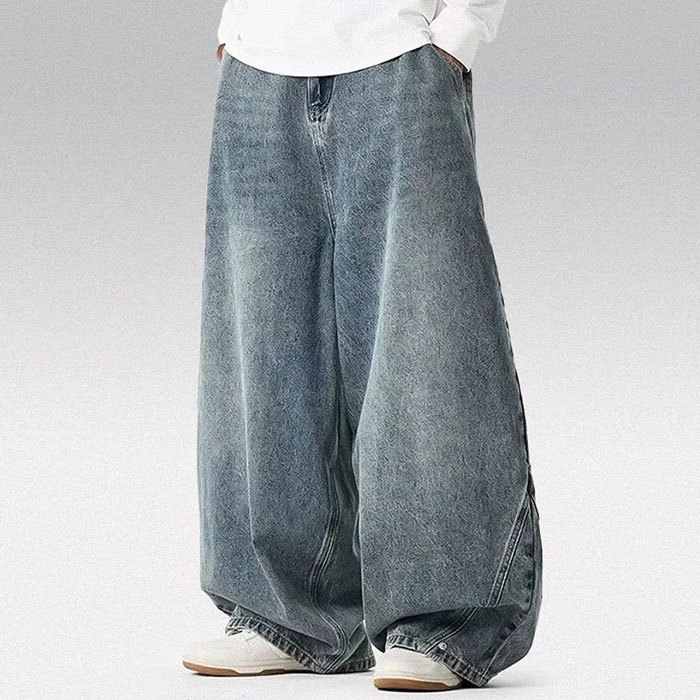
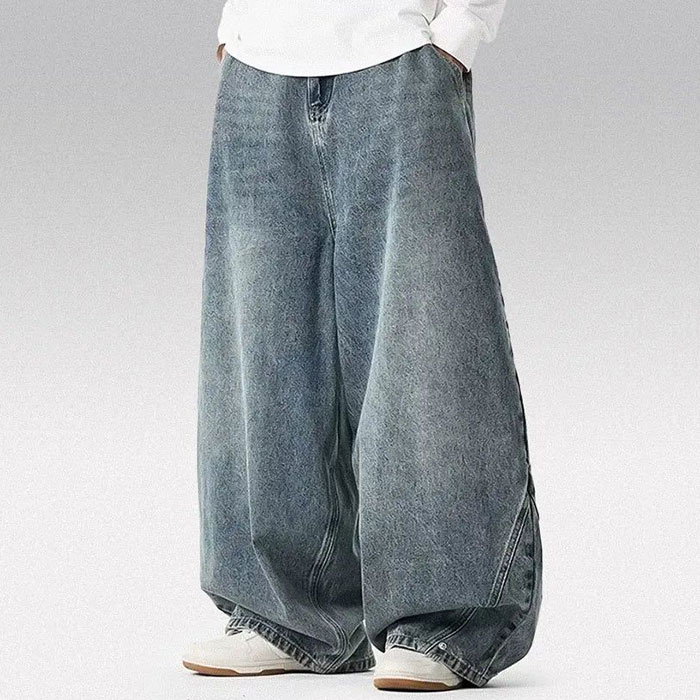
This article explains why baggy streetwear pants need a different production route from regular pants. It is written for product developers, sourcing teams, and established streetwear brands that need a stronger way to judge fit, fabric, washing, grading, and bulk execution before approving production.
Quick Answer
Baggy streetwear pants use a different production logic from regular pants because the result depends on controlled volume, pattern balance, fabric drape, wash response, grading, and bulk handling. Regular pants production can follow a standard block; baggy streetwear programs need verified rise, seat, thigh, knee, opening, pocket scale, and approved-spec execution.
What should established streetwear brands take away before comparing baggy pants production?
- ▸ Baggy pants are shaped by proportion, not only extra width. Rise, seat, thigh, knee, opening, and stacking must be planned together.
- ▸ Fabric choice changes the final silhouette. Denim, cotton twill, fleece, canvas, and nylon do not behave the same after cutting, washing, or wear.
- ▸ Pocket placement, waistband tension, seam handling, and hardware can either support the intended shape or weaken it.
- ▸ Size-set review matters more on baggy pants because each size must keep the same visual language without becoming shapeless.
- ▸ A stronger factory review should look at production records, wash trials, measurement reports, inspection checkpoints, and the handoff from approved sample to bulk.
Why do baggy streetwear pants create a different production risk than regular pants?
Baggy streetwear pants create a different production risk because the garment is judged by silhouette, movement, and visual balance. Regular pants can often be evaluated by clean sewing and standard fit points, but baggy pants must keep volume in the right places after fabric selection, washing, grading, and bulk sewing.
A regular pants pattern usually aims for controlled fit around the waist, hip, seat, and leg length. Baggy streetwear pants ask a harder question: where should the extra room live so the silhouette looks intentional from the front, side, back, and walking view?
If a factory simply adds width everywhere, the product can lose shape. The rise may pull, the seat may collapse, the leg may swing without structure, and the hem may stack poorly against footwear. That is why the first manufacturing decision is not width. It is proportion.
Once the difference is clear, the next step is to separate the fit variables. Baggy pants begin on the pattern table, not at the sewing line.
Which pattern variables decide whether baggy pants look intentional instead of simply oversized?
The key pattern variables are front rise, back rise, crotch extension, seat volume, thigh width, knee width, inseam, and leg opening. A serious baggy pants pattern must decide where the volume starts, how it moves down the leg, and how the hem interacts with the shoe.
Rise controls the starting point of the silhouette. A lower-waist baggy pant needs a different front and back rise from a high-waist wide-leg pant. If the rise is too short, the crotch can pull. If it is too long without seat balance, the upper block can look heavy in the wrong area.
Seat and thigh volume decide whether the pants feel like streetwear or simply loose trousers. A wide thigh without enough seat room may twist during wear. Too much seat room without knee and opening control can make the garment lose its line after movement.
The hem matters because baggy streetwear pants are often styled with sneakers, boots, or stacked footwear profiles. Inseam length, opening width, and fabric weight decide whether the hem breaks cleanly, stacks naturally, or collapses around the shoe.
Pattern review checklist
For teams comparing suppliers, a page about pattern and cutting accuracy can be useful when the discussion moves from a good-looking sample to the cutting records, size tolerance, and production handling behind that sample.
The pattern decides the intended shape. Fabric decides whether that shape can hold after real production conditions.
How should fabric behavior be tested before approving a baggy pants sample?
Fabric should be tested for drape, shrinkage, torque, surface change, recovery, and seam behavior before a baggy pants sample is approved. Larger panels make fabric movement more visible, so the same pattern can look structured in denim, softer in fleece, sharper in twill, and unstable in thin nylon.
Denim gives baggy pants weight and visual structure, but washing can change shade, measurement, and leg shape. Cotton twill can support cargo pockets, but the pocket weight may pull if the fabric is too soft. Fleece creates comfort and volume, yet the knee area and waistband recovery must be reviewed carefully.
Nylon or technical woven fabrics introduce another set of risks. They can wrinkle, pucker, or react poorly to heat if pressing, seam allowance, or topstitching is not planned around the material. A sample made in one fabric cannot automatically approve the same silhouette in another fabric.
Recognized textile testing language is useful here. ISO 6330:2021 defines domestic washing and drying procedures for textile testing, which makes it a practical reference when brands and factories discuss washable garment performance before bulk approval.[1]
When fabric selection drives the result, teams should review streetwear fabric sourcing in relation to weight, hand feel, shrinkage behavior, washing, drape, and the planned leg shape.
After fabric is selected, the next risk moves into construction. A baggy shape can be planned well on paper and still weaken during cutting, sewing, pocket setting, or waistband assembly.
What changes in cutting, sewing, and pocket placement when the silhouette gets wider?
Wider silhouettes change cutting and sewing because the garment uses larger panels, longer seams, wider openings, and often heavier fabric. Cutting direction, side seam balance, waistband tension, pocket placement, bartack position, and topstitching become more visible, so production teams need stronger checkpoints than regular pants normally require.
Cutting risk increases when panels are larger. Fabric relaxation, grain direction, marker layout, and left-right leg balance need closer review. A small cutting shift may be hard to notice on narrow pants, but it can change the full line of a baggy leg.
Pocket scale is another decision point. Cargo pockets, back pockets, flap pockets, and tool-style compartments need to match the size and leg shape. If the pocket is too small, the pants look off-scale. If it is too heavy or placed too low, it can pull the side seam out of balance.
Waistband construction deserves separate attention. Elastic, drawcord, zipper fly, snap buttons, belt loops, and metal hardware all affect how the top block sits. When the waistband is wrong, the entire baggy silhouette shifts before the leg shape can do its work.
For category planning, Groovecolor’s streetwear pants range is relevant because baggy trousers, cargos, denim pants, and structured casual pants each need different construction decisions before sampling.
Construction sets the garment shape. Washing and finishing decide whether that shape still looks approved after treatment.
How does washing or finishing change the risk profile of baggy streetwear pants?
Washing and finishing raise the risk because baggy pants expose shade movement, shrinkage, seam twist, abrasion placement, and fabric softening across larger visible panels. A wash-heavy program needs a locked wash recipe, approved shade range, measurement report, distressing map, and final hand-feel review before bulk cutting.
Acid wash, enzyme wash, stone wash, pigment wash, and vintage finishing are not only visual choices. They affect hand feel, shade depth, fabric strength, and final measurement. For baggy denim or twill pants, a strong-looking wash can also reduce structure if the process is too aggressive.
Distressing needs the same care. Raw hems, abrasion marks, broken edges, and faded zones must be mapped against pattern points. If distressing placement shifts during production, the garment can look unplanned even when the sewing is technically clean.
This is where a factory’s wash and finishing capability should be reviewed as part of the production route, especially when one pair of pants combines fabric treatment, embroidery, hardware, distressing, and final inspection.
Wash approval records to request
Once finishing is involved, sample approval alone is not enough. The next question is what evidence proves the approved pants can move into real production.
Which proof should sourcing teams request before moving from sample approval to bulk production?
Sourcing teams should request a full evidence set before bulk production: approved sample, graded size chart, fabric test notes, wash trial, trim confirmation, pocket placement record, PP sample, cutting plan, sewing tolerance, inspection checklist, and packing standard. The question is whether the factory can protect the approved result, not whether the first sample looked good.
A practical approval path starts with a tech pack review, then moves to fabric and trim confirmation, pattern development, first sample, revised sample, size set, wash or finish trial, pre-production sample, bulk cutting, sewing, finishing, inspection, packing, and shipment review.
FIT’s technical design program describes grading specifications and full-size-range pattern work as part of garment engineering. That supports a clear sourcing point: size grading should be treated as technical evidence, not as an automatic enlargement of one approved sample.[2]
The garment quality-control process should connect the approved pants standard with fabric checks, pattern review, in-process inspection, final measurement, craft inspection, and packing review.
When order volume, SKU count, or repeat-order planning increases, evidence must be supported by capacity. That is why bulk production capacity belongs in the same discussion as sampling, QC, and delivery planning.
Evidence makes the comparison fair. The final step is to understand where Groovecolor belongs in this production-system discussion.
What should brands ask before approving baggy streetwear pants production?
What is the biggest production risk in baggy streetwear pants?
The biggest risk is losing the approved silhouette after fabric change, wash treatment, grading, or bulk cutting. A sample can look strong, but the production lot may shift if shrinkage, side seam balance, pocket placement, waistband tension, and final measurement are not reviewed together.
What should a tech pack include for custom baggy pants?
A baggy pants tech pack should include waist position, rise, seat, thigh, knee, leg opening, inseam, pocket scale, fabric weight, wash reference, trim details, artwork placement, size range, tolerance, packing needs, and approval notes. Visual references help, but measurements and construction details make the style producible.
Are baggy denim pants harder to produce than regular denim pants?
Baggy denim pants are usually harder because washed denim shows shrinkage, shade movement, leg twist, seam bulk, and distressing placement more clearly across larger panels. The factory should approve fabric weight, wash recipe, measurement change, shade range, and final hand feel before bulk cutting.
Are baggy sweatpants easier than baggy woven pants?
Baggy sweatpants are not automatically easier. Fleece avoids some woven fabric issues, but it introduces other risks such as knee growth, waistband recovery, fabric collapse, drawcord tension, wash response, and set pairing with hoodies or sweatshirts. The review should focus on wear behavior, not only softness.
What should brands check in a baggy pants size set?
Brands should check whether each size keeps the same design language, not whether every measurement grows mechanically. Review waist, rise, seat, thigh, knee, opening, inseam, pocket placement, side view, back view, movement, measurement tolerance, and final appearance after washing or finishing.
When should a brand use an OEM streetwear manufacturer for baggy pants?
An OEM streetwear manufacturer becomes more relevant when the pants involve custom fit, heavy fabric, wash treatment, cargo pockets, embroidery, appliqué, print placement, custom trims, or a structured size range. These details require product development, sampling, approval records, and bulk execution beyond simple sewing.
What sources and reference points support this manufacturing framework?
This framework is based on practical OEM production logic and public references around textile washing tests, technical design, garment grading, crawlable content, and descriptive linking. The manufacturing conclusions should still be verified against each brand’s own fabric, wash, size range, approved sample, inspection standards, and commercial calendar.
- ISO 6330:2021, Textiles — Domestic washing and drying procedures for textile testing.
- Fashion Institute of Technology, Technical Design BS Degree Program outcomes.
About the Author
