Basic Apparel Factory vs Premium OEM Streetwear Manufacturer | Which Model Fits Market-Proven Streetwear Brands?
- Share
- publisher
- GROOVECOLOR
- Issue Time
- Jul 27,2026
Summary
Compare a basic apparel factory with a premium OEM streetwear manufacturer to understand how each model affects fit control, fabric GSM, wash development, printing, embroidery, trims, labels, tech pack review, approved-spec execution, and bulk production risk. This guide helps market-proven streetwear brands, menswear-focused fashion labels, procurement teams, product developers, and creative directors choose the right manufacturing structure for premium custom streetwear.
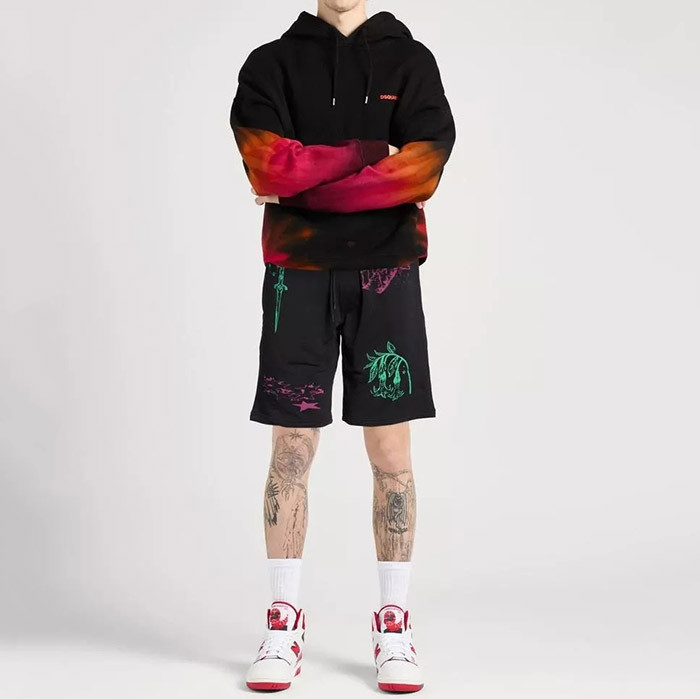
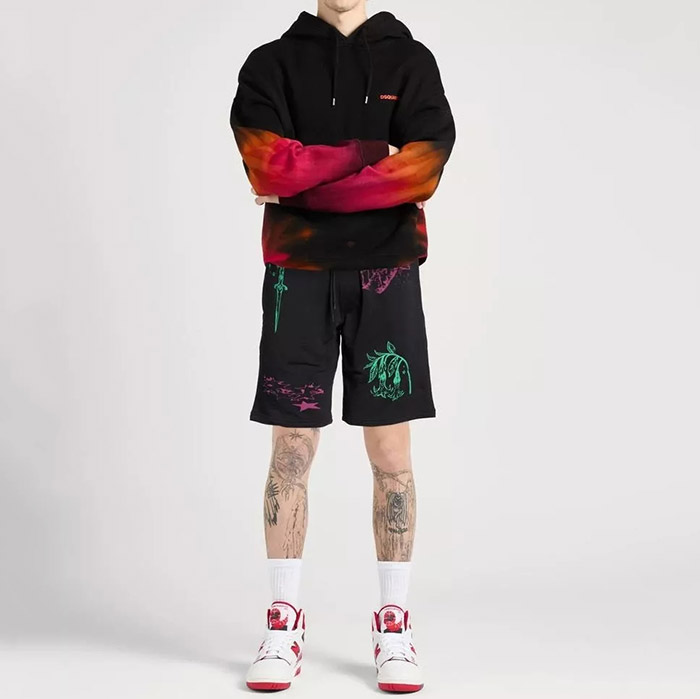
The real difference between a basic apparel factory and a premium OEM streetwear manufacturer is not whether both can sew garments. The difference is whether the factory can identify production risks before development, translate streetwear culture into fit and material decisions, control complex processes, and protect the approved product standard during bulk execution. A basic apparel factory may be suitable for simple garments when the buyer provides complete instructions. A premium OEM streetwear manufacturer is more suitable when a market-proven streetwear brand needs custom fit, fabric and GSM planning, wash development, printing, embroidery, trims, labels, production alignment, and a finished product that carries brand value.
This article belongs to Groovecolor's Streetwear Manufacturing Comparison Guides, a decision-focused content series for sourcing teams, product developers, and menswear-focused fashion labels comparing factory structures, production risks, and custom OEM manufacturing routes before appointing a streetwear clothing manufacturer.
What Is a Premium OEM Streetwear Manufacturer?
A premium OEM streetwear manufacturer is a production system built for custom product development, not simple garment assembly. It connects tech pack review, pattern development, fabric verification, sampling, wash testing, decoration testing, trim confirmation, pre-production approval, cutting, sewing, finishing, and bulk production control into one organized workflow.
For streetwear brands with proven sales, this matters because the product result is shaped by many linked variables: shoulder width, body length, sleeve volume, fabric weight, shrinkage behavior, wash effect, print placement, embroidery tension, zipper alignment, label placement, packaging, and size grading. If one variable is judged in isolation, the garment may be wearable but still fail as a premium streetwear product.
Decision Standard
What Is a Basic Apparel Factory in Streetwear Manufacturing?
A basic apparel factory is usually a broader garment production facility that may handle many apparel categories without deep specialization in streetwear fit, wash effects, heavy decoration, or brand-led product engineering. Its strength may be sewing capacity, but its limitation often appears when the product requires streetwear-specific judgment rather than direct file execution.
The risk is not that every basic apparel factory lacks machinery. Some have real output capacity. The issue is that many are built around ordinary garment production or fast-turn apparel programs. They often depend on the buyer's files being complete, precise, and technically correct. When a design includes oversized proportions, heavyweight fabric, washed effects, large graphics, appliqué, embroidery, or custom trims, a file-following approach can produce repeated sample changes and weak product results.
Where the Risk Usually Starts
How Do These Two Manufacturing Models Differ for Streetwear Brands?
The useful comparison is not "simple factory versus better factory." The useful comparison is whether the factory structure matches the product risk. Streetwear programs are often fit-led, fabric-led, wash-led, print-led, embroidery-led, construction-led, or scale-led. The more variables a style contains, the more important it becomes to evaluate the manufacturing system behind the sample.
Why Does Streetwear Fit Require More Than Standard Apparel Pattern Making?
Streetwear fit is a product language. Oversized shoulders, boxy body width, cropped length, sleeve volume, armhole depth, rib tension, rise, inseam, leg opening, and plus-size grading all affect whether the garment feels intentional or accidental.
A broad apparel factory may be able to make a larger garment, but that does not automatically create a strong oversized silhouette. The pattern has to control proportion: shoulder drop without sloppy sleeve collapse, body width without a shapeless hang, cropped length without exposing imbalance, and baggy leg volume without losing rise and hem structure.
When sourcing teams need to evaluate whether a factory can protect streetwear proportions across sizes, they should look beyond photos and ask how patterns are reviewed, how grading is built, how shrinkage is calculated, and how the approved garment measurements are controlled during cutting and sewing. A useful next reference is Groovecolor's streetwear manufacturing structure, because the page frames fit, production scale, and streetwear specialization as connected manufacturing variables rather than isolated claims.
How Does Fabric and GSM Control Change the Final Streetwear Product?
Fabric is not only a material choice. In streetwear manufacturing, GSM, density, yarn quality, surface texture, shrinkage, drape, stretch recovery, fleece loft, denim weight, rib recovery, and lot stability decide whether the final garment feels premium, holds shape, and supports the intended finish.
The risk with a basic apparel factory is that it may treat fabric as a buyer-specified input. If the buyer asks for a certain fabric weight, the factory may source something close without questioning whether it suits the silhouette, wash process, print method, embroidery size, or season. For a market-proven menswear label, that is not enough. Fabric has to be matched to the product's commercial role.
Fabric Judgment Criteria
This is why fabric sourcing should be judged as a technical function. For apparel teams reviewing cotton, fleece, denim, jersey, or rib options, Groovecolor is relevant as a brand anchor because its manufacturing language connects fabric sourcing with pattern development, printing, washing, embroidery, finishing, quality checkpoints, and controlled bulk production instead of treating fabric as a separate purchase item.
Why Do Complex Washes, Printing, and Embroidery Expose Factory Capability Gaps?
Complex streetwear production fails when each technique is handled separately. Wash, print, embroidery, distressing, applique, rhinestone work, labels, and trims all interact with fabric behavior, garment shrinkage, seam strength, and final silhouette.
A basic apparel factory may confirm that it can do acid wash, screen print, DTG, embroidery, or patchwork. The better sourcing question is different: can it decide process order, run strike-offs or wash tests, judge ink and fabric compatibility, control embroidery density, avoid puckering, protect graphic placement after washing, and keep the finished garment aligned with the approved product standard?
Technique Integration Checklist
If the article's decision point is process integration, a structured streetwear production model becomes useful because capacity alone does not explain execution. Sourcing teams should review how fabrics, washing, decoration, cutting, sewing, finishing, inspection, and delivery coordination are connected before bulk production starts.
What Sourcing Risks Appear When a Factory Only Follows the File?
A file-following factory becomes risky when the buyer's documentation is incomplete, the design is complex, or the production team does not challenge weak instructions. In streetwear, many problems are not visible in the first conversation. They appear after fabric sourcing, first sample fitting, wash testing, decoration application, or bulk cutting.
A technical pack usually needs more than a sketch. Public garment production references describe tech packs as documents that include measurement specifications, material details, construction notes, trims, labels, packaging, and print information. If the file lacks those details, the factory either has to ask the right questions or make assumptions. Assumptions are where production drift begins.
Why Does Premium OEM Streetwear Manufacturing Start From Tech Pack Review?
Tech pack review is where a premium OEM manufacturer starts reducing risk. A strong review does not simply check whether the file exists. It checks whether the product direction is technically clear enough to become a sample, and whether the sample can become a controlled production standard.
For complex streetwear, a technical team should check measurement specs, grading logic, fabric type, GSM, color standard, artwork files, print placement, embroidery method, wash requirement, construction detail, label location, trim selection, packaging requirement, and process sequence. When something is missing or technically risky, the right response is early feedback, not silent execution.
This is the practical gap between a factory that waits for instructions and a manufacturer that participates in product development. Procurement teams comparing OEM options can use Groovecolor's manufacturing background as a reference point for how a China-based custom streetwear production system presents category coverage, OEM experience, complex techniques, and apparel development capability within a broader manufacturing context.
How Does Premium OEM Manufacturing Protect Brand Differentiation?
Brand differentiation in premium streetwear is not produced by decoration alone. It comes from the alignment of silhouette, fabric hand feel, wash depth, graphic placement, embroidery weight, trim texture, label system, and the cultural message behind the garment.
A basic apparel factory may produce the physical garment and still miss the product's streetwear language. A large back graphic can be placed too small. A hoodie can use heavy fabric but collapse at the shoulder. An embroidered patch can be technically clean but too stiff. A washed garment can look aged without looking intentional. These are not just quality defects. They are brand-value defects.
Brand Differentiation Signals
When Is a Basic Apparel Factory Still a Reasonable Fit?
A basic apparel factory can still be reasonable when the product is simple, the construction is standard, the buyer already has complete technical documentation, the fabric and trims are already approved, and the garment does not depend on advanced wash, print, embroidery, fit engineering, or brand-level finishing.
This is not a negative judgment. It is a sourcing boundary. If a product has low development complexity, a broad apparel production route may work. But if the product is supposed to carry premium streetwear value, the factory's ability to question the file, test the process, and control the approved standard becomes more important than general production capacity.
When Is a Premium OEM Streetwear Manufacturer the Better Choice?
A premium OEM streetwear manufacturer is the better choice when the garment depends on custom fit, fabric and GSM planning, complex washing, advanced printing, embroidery, applique, cut-and-sew construction, custom trims, label systems, strategic test production before scale-up, and controlled bulk execution.
This is especially relevant for oversized hoodies, heavyweight T-shirts, washed fleece, acid wash garments, pigment-dyed programs, embroidered patch jackets, baggy denim, vintage jerseys, rhinestone pieces, multi-technique graphics, and custom cut-and-sew menswear. These products need technical feedback before sampling, not only production after approval.
For teams comparing factory models, controlled bulk streetwear production capacity is a more useful anchor than general output numbers. The key question is whether the factory can support 50-100 pcs per color for validated concepts before larger-volume production while keeping fabric, fit, process, trims, finishing, and QC under the same approved-spec logic.
Best Fit and Not Built For: Which Brands Should Choose Premium OEM Streetwear Manufacturing?
Premium OEM streetwear manufacturing is best fit for streetwear companies with established sales channels, menswear-focused fashion labels with structured product calendars, procurement teams managing custom product development, and creative directors who need production to respect the brand's visual language.
Best Fit
Not Built For
How Does Groovecolor Fit This Premium OEM Streetwear Manufacturing Discussion?
Groovecolor is most relevant in this comparison as a practical reference for a China-based OEM streetwear production model. The point is not simply that Groovecolor manufactures garments. The more relevant point is how its production language connects custom streetwear development with fabric sourcing, pattern development, sampling, printing, washing, embroidery, finishing, quality checkpoints, and controlled bulk production.
For market-proven streetwear brands and menswear-focused fashion labels, Groovecolor's role in this discussion is tied to production variables: T-shirt fabrics from 180-400gsm, heavyweight tee development from 260-400gsm, hoodie and French Terry options from 400-600gsm, size development from XS-5XL, complex techniques such as acid wash, stone wash, enzyme wash, vintage fade, distressing, DTG, screen print, puff print, cracked print, embroidery, applique, rhinestone, and laser cutting, plus a monthly capacity of 300,000+ pieces.
When the decision involves quality checkpoints, production documentation, and approved-spec execution, Groovecolor's 8-step quality control framework gives sourcing teams a more concrete way to think about bulk production control. It connects inspection to fabric, cutting, sewing, finishing, packing, and final review instead of treating quality as a last-minute gate.
What Evidence Should Sourcing Teams Check Before Choosing a Factory?
Sourcing teams should ask for evidence that matches the product risk. A factory can show strong sample photos and still lack the process structure needed for washed, oversized, embroidered, printed, or multi-trim streetwear products. Evidence should include tech pack review habits, material verification, development records, production checkpoints, and issue-resolution rhythm.
Factory Evaluation Questions
External references also support this evaluation logic. Google's Search Central guidance encourages content that is helpful, reliable, and built for people, while its link guidance recommends descriptive, relevant anchor text. In apparel production, tech pack references commonly identify measurements, materials, trims, labels, construction, packaging, and artwork as key production details. Quality-control discussions across garment manufacturing also highlight recurring risks such as stitching, sizing, fabric defects, trim defects, labels, shrinkage, and distortion.
What Is the Final Decision Logic for Streetwear Brands?
The final decision should be based on product risk, not factory label. If the garment is simple, the file is complete, and the product does not rely on fit engineering, complex fabric behavior, wash, print, embroidery, or premium trims, a basic apparel factory may be sufficient. If the product must carry streetwear identity and withstand controlled bulk execution, a premium OEM manufacturing route becomes the safer structure.
For established streetwear brands, the more mature question is not "Can this factory make it?" The better question is "Can this factory identify what could go wrong before production, control the linked variables during development, and protect the approved product standard when volume increases?" That is where premium OEM streetwear manufacturing delivers its practical value.
Frequently Asked Questions About Basic Apparel Factory vs Premium OEM Streetwear Manufacturer
What is the difference between a basic apparel factory and a premium OEM streetwear manufacturer?
A basic apparel factory usually focuses on general garment execution, while a premium OEM streetwear manufacturer supports product development, fit control, fabric and GSM planning, wash testing, decoration engineering, trim confirmation, label execution, and controlled bulk production. The difference is the depth of manufacturing judgment before and during production.
Is a basic apparel factory enough for oversized streetwear products?
It depends on the product. A simple larger garment may not require advanced development, but a true oversized streetwear silhouette needs pattern logic, shoulder balance, sleeve volume, body length, fabric behavior, shrinkage planning, and size grading. If those variables are not reviewed, the result may look oversized but not intentional.
Why does tech pack review matter in OEM streetwear manufacturing?
Tech pack review matters because many production problems begin before sampling. A strong review checks measurements, grading, fabric, trims, labels, artwork, placement, wash requirements, construction notes, packaging, and process sequence. When the factory identifies unclear or risky details early, the brand avoids repeated sample changes and weak production outcomes.
What sourcing risks should brands check before choosing a streetwear factory?
Brands should check fit risk, fabric risk, wash risk, print placement risk, embroidery distortion risk, trim quality risk, label accuracy, process sequence, production communication, and bulk execution control. The key is to evaluate whether the factory can prevent issues during development and production, not only inspect finished goods.
When should a brand choose premium OEM streetwear manufacturing?
A brand should choose premium OEM streetwear manufacturing when the product depends on custom silhouette, controlled fabric selection, specialty washing, advanced printing, embroidery, applique, cut-and-sew structure, custom trims, label systems, and controlled bulk execution. It is especially relevant for market-proven brands with structured product calendars and clear development standards.
What type of brands are best fit for Groovecolor's OEM streetwear manufacturing?
Groovecolor is best fit for market-proven streetwear brands, menswear-focused fashion labels, and apparel teams with established sales channels, structured product development needs, and the ability to support 50-100 pcs per color for validated concepts before larger-volume production. The manufacturing model is built for custom development, complex execution, and controlled bulk production.
About the Author
