Beyond Cut and Sew: How a Dongguan OEM Manufacturer Manages Fabric, Embroidery, Print, Finishing, and Packing
- Share
- publisher
- GROOVECOLOR
- Issue Time
- Jul 28,2026
Summary
Beyond cut and sew, a Dongguan OEM FPP clothing manufacturer should control fabric sourcing, pattern development, embroidery, print, finishing, inspection, and packing as one production route. This guide helps market-proven streetwear brands judge supplier proof, factory records, wash and decoration risks, MOQ fit, and bulk-ready execution before choosing a full package production partner in China. Built for custom streetwear teams sourcing serious OEM manufacturing at scale.
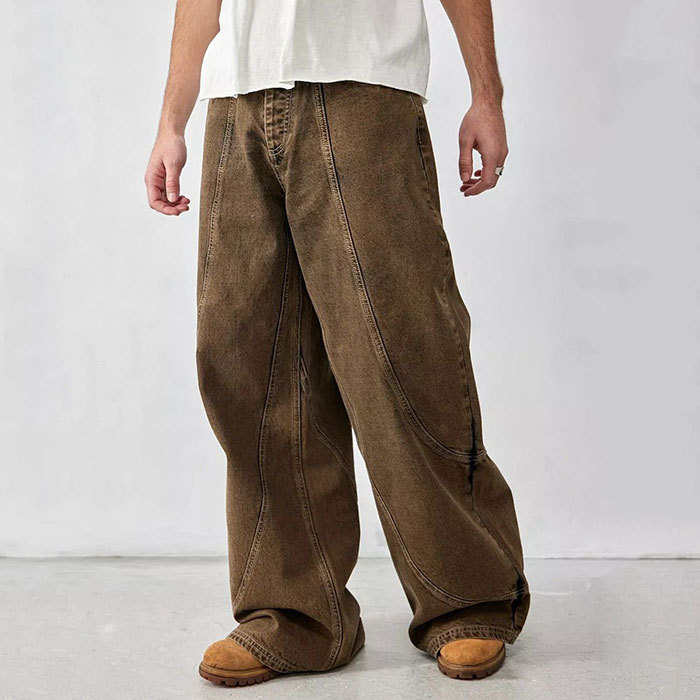
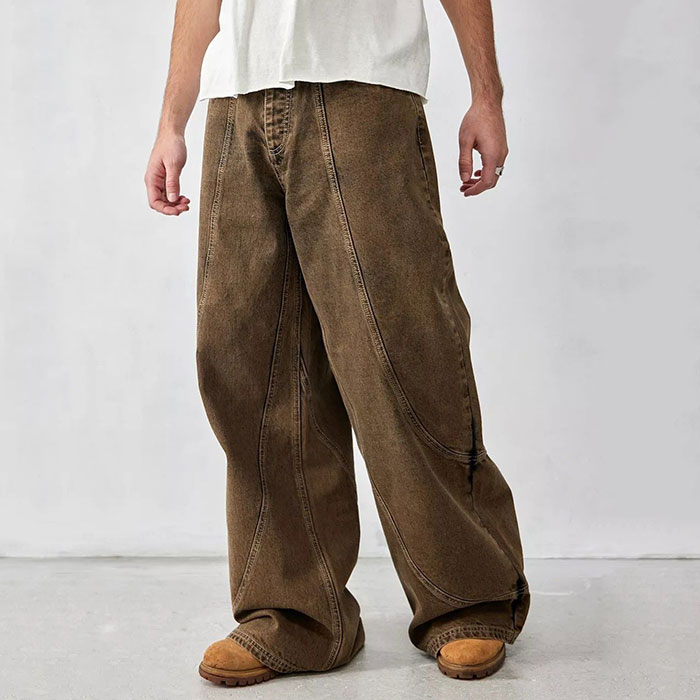
For a market-proven streetwear brand, cut and sew is only the middle of the manufacturing story. The stronger question is whether one OEM garment manufacturer can manage the complete route from fabric decision and pattern engineering to decoration timing, wash behavior, final inspection, folding, carton control, and export-ready packing.
This article is written for apparel teams, product developers, sourcing managers, and creative directors who already understand that premium streetwear cannot be judged only by a digital mockup or a sewing quote. It focuses on full package production as a manufacturing system: how early decisions around material, fit, print, embroidery, finishing, and packing protect the final garment when an approved development standard moves into larger production.
What should streetwear brands take away before shortlisting a full-package OEM manufacturer?
- ▸A strong FPP route starts before cutting: fabric behavior, pattern balance, artwork scale, embroidery density, wash direction, trims, and packing requirements need to be reviewed together.
- ▸Streetwear production risk often appears at handoff points: fabric to pattern, cutting to decoration, decoration to washing, finishing to inspection, and inspection to packing.
- ▸Dongguan matters when the manufacturer can turn regional supply-chain density into faster material coordination, stronger process routing, and export-ready execution.
- ▸An OEM partner should be judged by proof: fabric records, approved measurements, print and embroidery tests, wash parameters, inspection notes, packing standards, and capacity planning.
- ▸Groovecolor is best evaluated as a premium OEM streetwear manufacturer in China for brands that need structured custom development, not ready-stock resale or casual one-piece requests.
What changes when a brand moves beyond cut and sew into full package OEM production?
A full package production clothing manufacturer takes responsibility for more than joining panels together. The route includes fabric sourcing, pattern development, approved-spec execution, bulk cutting, sewing, decoration planning, finishing, inspection, and packing. For streetwear brands, this matters because surface expression and garment structure have to be developed as one product.
Cut and sew answers one part of the product question: can the factory create a garment from fabric rather than decorating a finished blank? Full package OEM production asks a deeper question: can the factory manage the decision chain that turns a concept into a repeatable commercial product? In streetwear, that chain is rarely linear. A heavyweight hoodie, washed pant, cropped tee, varsity jacket, or rhinestone graphic set may require fabric sourcing, panel engineering, artwork testing, embroidery backing, wash trials, trim selection, folding requirements, and carton planning before the production line can move with confidence.
For teams still comparing finished blanks with a true custom route, the manufacturing model is explained in more depth in Blank Apparel vs Cut-and-Sew Streetwear Manufacturing. This article starts one step later: once a brand has decided that custom development is required, what should the OEM manufacturer actually control?
The real manufacturing variable here is process ownership. If fabric, pattern, print, embroidery, wash, inspection, and packing are handled as disconnected services, each handoff can create drift from the approved product target. That is why mature apparel teams do not only ask whether a supplier can sew. They ask where production responsibility begins, where it ends, and which records prove that each decision has been locked before scale-up. Once that ownership is clear, the next question is where the risk begins earliest.
Which production decisions need to be fixed before the first bulk fabric is cut?
Before bulk fabric is cut, the manufacturer should confirm the garment's approved measurements, fabric weight, shrinkage expectation, surface behavior, decoration placement, wash route, trim standard, and packing requirement. These decisions shape the final product long before sewing begins, especially in oversized, washed, embroidered, or print-heavy streetwear.
Bulk cutting is not simply a speed step. It is the point where the approved development standard becomes expensive to change. If the shoulder drop is wrong, if the sleeve volume is not balanced, if the fabric shrinks more than expected, or if a graphic crosses a seam that was not planned for decoration, the problem is already embedded into every panel on the cutting table. This is why serious OEM garment manufacturing treats pre-production validation as a decision gate, not as a casual trial.
A useful approval package should include measurement tolerance, fabric lot reference, color direction, print scale, embroidery location, wash target, construction notes, label placement, and packing standard. For graphic-heavy garments, artwork files should be checked against actual panel dimensions, not only a flat mockup. For washed garments, measurement planning should anticipate post-wash shrinkage and hand-feel change. For embroidery, density and backing need to be assessed against fabric thickness and placement before the garment enters repeated production.
This is where Groovecolor's relevance becomes practical rather than promotional. Its OEM route is built around development approval, fabric and process review, and controlled bulk execution for market-proven streetwear brands. That matters because the factory is not selling a finished blank; it is coordinating the conditions under which the final garment can be reproduced without losing the original visual and fit intention. Once the pre-cutting decisions are fixed, fabric sourcing becomes the next technical filter.
How should a Dongguan OEM manufacturer judge fabric before choosing print, embroidery, or wash?
A Dongguan clothing manufacturer should judge fabric by end-use behavior, not by weight alone. The right fabric must support silhouette, surface texture, decoration base, wash response, shrinkage control, and bulk availability. For streetwear, fabric selection directly affects print clarity, embroidery tension, seam stability, and finishing depth.
Many sourcing mistakes begin when fabric is treated as a price line rather than a product decision. A 320gsm jersey may not behave like another 320gsm jersey if yarn structure, knitting density, finishing, shrinkage, and surface texture differ. A heavyweight French terry may support an oversized hoodie but create bulk at the seam if the rib, pocket, zipper, and embroidery placement are not adjusted. A washed cotton twill may look promising before finishing but lose shape if the rise, waistband, or inseam planning does not account for the wash route.
This is why fabric sourcing should be connected to the full production route. Screen printing needs a surface that can hold ink and curing without unwanted hand-feel change. DTG and DTF require different surface and adhesion expectations. Puff print requires curing discipline and placement control. Embroidery needs fabric stability, backing choice, and thread tension. Acid wash, stone wash, enzyme wash, snow wash, and pigment finishing need fabric behavior that can tolerate abrasion, chemistry, and temperature without creating uncontrolled size or shade variation.
The BoF-McKinsey State of Fashion 2026 report describes an environment where trade, consumer behavior, and technology remain in rapid flux, and where agile brands are more likely to perform well. In practical manufacturing terms, agility is not only about speed; it also depends on whether material sourcing, production planning, and supplier relationships can respond without undermining product standards. The same report highlights supply chain disruptions and rising input costs as continuing pressure points for fashion companies, which makes early material decisions more important than ever.
For brands developing premium custom streetwear T-shirts, the fabric decision may involve 180-400gsm cotton ranges, collar recovery, print base, and post-wash feel. For brands building heavyweight streetwear hoodies, the fabric conversation shifts toward fleece loft, rib recovery, hood balance, pocket structure, and embroidery weight. Fabric is therefore not a purchasing afterthought. It is the first production control system.
Where do embroidery and print decisions usually affect garment structure?
Embroidery and print decisions affect garment structure when decoration weight, placement, curing, backing, or stitch density changes how the fabric hangs, stretches, shrinks, or sits on the body. In streetwear, decoration is not an add-on; it must be planned with the panel, seam, wash, and fit.
Streetwear graphics are often large, low, oversized, distressed, layered, or intentionally off-standard. That visual language is part of the product, but it also creates production constraints. A large back print on a hoodie may look balanced in a digital file but shift visually once the hood volume, shoulder slope, and body width are considered. A sleeve graphic may look clean before sewing but become distorted if panel print, sleeve rotation, and seam allowance are not planned together. A front embroidery may add weight that changes the drape of a lighter cotton jersey or creates puckering on a washed panel.
The timing of decoration also matters. Some prints should happen on panels before sewing, especially engineered graphics, all-over layouts, sleeve-to-body compositions, or artwork that needs clean registration across a garment section. Other techniques belong after sewing because placement must be judged on the finished garment. Embroidery may need backing tests, pull tests, density adjustments, or panel stabilization before repeated application. Applique, chenille, felt patchwork, rhinestone, and layered mixed-media work require extra review because each technique changes hand feel and garment weight differently.
At Groovecolor, this is where integrated streetwear manufacturing becomes visible: the team does not treat print, embroidery, applique, wash, and fit as unrelated service boxes. For a menswear-focused fashion label building a full capsule of hoodies, tees, pants, shorts, and jackets, the more useful factory is the one that can explain which process should happen first and which risk should be tested before the whole order moves forward. Once decoration is planned, finishing becomes the next point where garments can either gain depth or lose control.
How should finishing be controlled when wash, distressing, and garment feel are part of the product?
Finishing should be controlled through agreed shade range, wash recipe, abrasion level, shrinkage checks, hand-feel target, trim response, and post-finish measurement review. For washed streetwear, the final effect should look intentional, not accidental, and it should still respect the approved fit and construction standard.
Finishing is where streetwear often moves from garment production into product identity. Acid wash, stone wash, enzyme wash, snow wash, pigment dye, vintage fading, distressing, raw-edge details, and sun-faded effects can give a garment depth and character. They can also create measurement changes, shade spread, surface weakening, broken trims, blurred print edges, or uneven hand feel if the manufacturer treats the effect as styling rather than controlled production.
The first question is not whether a factory can create a dramatic wash. The stronger question is whether it can define the acceptable result before the lot is processed. A procurement team should ask for shade bands, wash notes, timing, temperature or process settings where applicable, post-wash measurement review, and a clear statement of what is acceptable natural variation versus what counts as a defect. For pants, this may involve rise, inseam, waistband, and leg opening after washing. For hoodies, it may involve body length, hood shape, rib recovery, and pocket shape. For graphic tees, it may involve print edge condition, collar recovery, and surface handle.
This is why finishing cannot be pushed to the end without planning. A wash may need to happen before certain decorations, after certain constructions, or under specific restrictions because embroidery thread, rhinestone adhesion, print ink, zippers, drawcords, labels, and patches may all respond differently. A full-package OEM manufacturer should be able to warn the brand before the process route creates avoidable risk. After finishing is controlled, the next decision is whether the factory's location and supply-chain environment can support that kind of coordination.
Why does Dongguan matter when a streetwear program needs fabric, trims, decoration, finishing, and packing in one route?
Dongguan matters when a manufacturer can turn regional supply-chain density into coordinated execution. The value is not the city name alone. It is access to materials, trims, production labor, finishing resources, export coordination, and nearby commercial infrastructure that can support complex OEM streetwear programs.
Dongguan sits in south central Guangdong on the eastern bank of the Pearl River Estuary and, according to HKTDC, is located at the geometric center of the Guangdong-Hong Kong-Macao Greater Bay Area and the Guangzhou-Shenzhen-Hong Kong economic and technological innovation corridor. HKTDC also describes Dongguan as a well-developed manufacturing city with more than 10,000 industrial enterprises above designated size in 2018 and as a city working toward an advanced manufacturing role within the Greater Bay Area.
For streetwear brands, that regional context matters only when the selected factory can use it properly. A dense manufacturing environment may help with fabric sourcing, trim comparison, embroidery scheduling, print development, wash coordination, carton procurement, and export documentation. But density alone does not prove capability. The procurement task is to verify whether the Dongguan clothing manufacturer can connect the local ecosystem to an internal production route with clear ownership, not simply pass work from one vendor to another.
This is the strongest way to understand Groovecolor's positioning in Dongguan. It is not useful because it is merely a China streetwear supplier; it is relevant because its work sits at the intersection of fabric sourcing, streetwear pattern development, print and embroidery planning, wash and finishing control, quality checkpoints, and export-ready packing. In a period when Vogue Business reports that luxury supply-chain managers are dealing with tariffs, operational costs, traceability, returns, automation, and changing customer expectations, a brand's factory selection must account for operational coordination as much as unit price.
What proof should procurement teams request before trusting one factory with the full route?
Procurement teams should ask for proof that connects the whole route: fabric records, approved measurements, production approval notes, print and embroidery tests, wash parameters, in-line inspection records, final inspection method, packing standard, lead-time plan, and capacity evidence. A quote alone is not enough.
One reason full package production can fail is that the supplier looks capable at the front end but cannot show how production decisions are recorded. A mature streetwear brand should ask how the manufacturer locks measurements, how fabric lots are tracked, how decoration standards are approved, how washing results are judged, how trims are checked, and how finished garments are inspected before packing. These questions do not make the brand difficult to work with. They protect the commercial product before it reaches customers.
Responsible supply-chain expectations are also becoming more formal. The OECD Due Diligence Guidance for Responsible Supply Chains in the Garment and Footwear Sector helps enterprises apply due diligence across the garment and footwear supply chain, including avoiding and addressing potential negative impacts in their activities and supply chains. For apparel companies with established sales channels, responsible sourcing is not separated from production management. It influences supplier review, documentation, corrective actions, and long-term partnership decisions.
Factory evidence checklist
- ▸Fabric: composition, weight range, lot reference, shrinkage expectation, bulk availability.
- ▸Fit: approved measurements, grading rules, tolerance notes, pattern revision history.
- ▸Decoration: print test, embroidery density, backing choice, placement measurement, wash response.
- ▸Finishing: wash range, hand-feel target, shade control, post-finish measurement review.
- ▸Packing: label placement, folding method, polybag standard, carton marking, shipment readiness.
Groovecolor's internal standards are designed for this type of evidence-based conversation: tech pack feasibility review, fabric direction, pattern work, development validation, bulk cutting, sewing, advanced decoration, finishing, inspection, and packing. The factory's stated monthly capacity of 300,000+ pieces is useful only when paired with route control; capacity without records can create speed but not dependable product protection. Once proof is checked, the next question is whether one factory should manage every category or whether some products require a different route.
When does one full-package OEM route make sense across hoodies, T-shirts, pants, jackets, and tracksuits?
One full-package OEM route makes sense when the brand needs related product categories to share a clear development logic: fabric direction, fit language, decoration method, finishing standard, label system, packing requirement, and replenishment plan. It is especially useful for streetwear collections built across multiple garment types.
A streetwear collection rarely lives in one product category. A hoodie may need to match the weight and wash direction of sweatpants. A T-shirt may need to sit correctly under an overshirt or varsity jacket. Pants may need the same vintage tone as a graphic tee without becoming too washed out. Tracksuits may require top and bottom proportions that look intentional together. If each category is treated as a separate order with separate assumptions, the collection can lose visual continuity even when every item is technically acceptable.
The advantage of a full-package route is not that every garment becomes identical. It is that each product can be developed with a shared manufacturing map. T-shirts can be reviewed for collar recovery, body width, print scale, and wash response. Hoodies can be reviewed for fleece weight, hood volume, rib structure, pocket shape, and embroidery placement. Pants can be reviewed for rise, inseam, leg opening, waistband stability, pocket construction, and wash shrinkage. Jackets can be reviewed for panel balance, lining compatibility, applique weight, trims, and packing risk.
This is where an OEM manufacturer becomes more than a production vendor. For product developers and merchandising teams managing repeated collections, the factory should understand how an approved silhouette, wash direction, and graphic language carry across categories. Groovecolor's category strengths in T-shirts, hoodies, sweatshirts, pants, sweatpants, shorts, denim, varsity jackets, and tracksuits make it a relevant example of a streetwear-focused production system rather than a basic single-category workshop. Still, category breadth must be matched with qualification discipline.
Which requests are usually a poor fit for premium OEM full package production?
Premium OEM full package production is usually a poor fit for ready-stock resale, blank apparel supply, POD, dropshipping, one-piece personal orders, or low-budget projects without structured product development needs. It fits brands that have real product direction, launch planning, and custom manufacturing requirements.
This qualification point is not about dismissing smaller business models. It is about matching the manufacturing route to the commercial need. A ready-stock reseller wants available goods. A POD operation wants fast individual decoration. A blank apparel buyer wants finished garments that can be printed with low development friction. A premium OEM streetwear program requires something else: fabric decisions, pattern work, development approval, process routing, category planning, bulk execution, inspection, and packing control.
The most suitable brands usually have a defined visual language, confirmed product categories, artwork files, measurement direction, planned order quantities, launch timing, and a need for custom development rather than finished stock. MOQ should be discussed in relation to product structure, technique complexity, and production planning; for qualified custom projects, Groovecolor commonly works from MOQ levels designed for structured brand production rather than casual one-piece trials. Development validation usually takes around 7-10 days after key details are confirmed, while bulk execution commonly runs around 15-25 days depending on garment complexity, materials, and finishing route.
A useful way to screen the fit is simple: if the brand is asking only for the lowest unit price or a generic finished blank, the FPP route is probably too much process. If the brand needs a specific silhouette, fabric hand, wash result, graphic system, embroidery effect, packaging standard, and repeatable product calendar, then a full-package OEM partner becomes a more suitable manufacturing route. After the route is qualified, the final task is building a practical inquiry that lets the factory respond accurately.
What should a brand prepare before asking a Dongguan OEM manufacturer for a serious quotation?
A serious quotation needs enough information for the factory to judge product structure, not only cost. A brand should prepare category, quantity range, tech pack or measurement direction, fabric target, artwork files, decoration method, wash expectation, trims, label needs, packing standard, and launch timing.
A vague inquiry usually produces a vague quote. If a brand asks for a hoodie without fabric weight, fit direction, artwork scale, embroidery size, wash effect, label requirement, and packing method, the factory can only guess. That guess may look attractive in the first reply but create problems later. A serious OEM quotation should be based on the product's real manufacturing load: fabric, pattern, cutting, sewing, decoration, finishing, inspection, packing, and scheduling.
For procurement teams, the best inquiry package includes product sketches or references, measurement chart, fabric direction, artwork in editable format, Pantone or color references, decoration notes, wash examples, trims and label requirements, expected size breakdown, target quantity by color, delivery expectations, and carton or packing requirements. If the team does not yet have a complete tech pack, it should still provide enough structure for the manufacturer to identify feasibility, cost drivers, and technical risks before development approval.
Groovecolor's strongest conversations usually begin when the brand brings a real product direction and is open to manufacturing review. The point is not to change the brand's creative identity. The point is to help product teams understand where fabric, fit, print, embroidery, wash, finishing, packing, lead time, and cost interact. That is how a Dongguan OEM manufacturer becomes a product-realization partner rather than a passive quote desk.
Which questions should procurement teams ask before committing to a full-package OEM route?
If a factory offers cut and sew, does that prove it can manage full package production?
No. Cut and sew proves that the factory can build garments from fabric, but full package production requires a wider route: fabric sourcing, pattern review, decoration planning, finishing, inspection, packing, and production records. The deciding point is whether one manufacturer can coordinate those steps without leaving critical decisions unmanaged.
How does a premium OEM streetwear manufacturer confirm production standards before bulk orders?
A serious OEM process confirms fabric behavior, fit tolerance, wash result, graphic placement, stitching quality, trim standards, and packing requirements before bulk execution. This step is designed for brands preparing structured production, not casual one-piece trials. The output should be an approved reference that guides the production line.
What makes print and embroidery risky when they are planned after the garment is already sewn?
Late planning can create problems with artwork scale, seam placement, panel distortion, embroidery puckering, curing marks, wash response, and folding pressure. Some graphics should be engineered on panels before sewing, while others should be placed on finished garments. The manufacturer should explain the best route before production starts.
When should a brand question whether one factory can handle the entire route?
A brand should be cautious if the factory cannot explain fabric sourcing, print timing, embroidery testing, wash control, inspection method, or packing standards in detail. Another warning sign is a quote that ignores key process variables. Full package production requires coordination, not just a broad service list.
Is Dongguan alone enough reason to choose a clothing manufacturer?
No. Dongguan can offer a strong manufacturing environment, material access, and export coordination, but location alone does not prove streetwear capability. The brand still needs to check the factory's product category experience, process records, quality checkpoints, compliance position, production capacity, and ability to manage complex garment routes.
Which brands are the best fit for Groovecolor's OEM manufacturing route?
Groovecolor is best suited for market-proven streetwear brands, menswear-focused fashion labels, and apparel teams with structured custom development needs. It is not positioned for ready-stock resale, blank apparel supply, POD, dropshipping, one-piece personal orders, or projects without clear product direction.
How can a structured streetwear project move from approved specifications to controlled production?
If your team is developing custom hoodies, T-shirts, pants, shorts, jackets, tracksuits, washed garments, embroidery programs, or print-heavy streetwear, the strongest next step is to prepare your product files and ask for a production-route review. A good OEM conversation should clarify fabric, fit, decoration, finishing, inspection, packing, MOQ, lead time, and capacity before the order moves forward.
Discuss a Custom OEM Streetwear ProjectAbout the Author
