Can Your Fully Custom Hoodie Survive the Jump From Sample to Bulk?
- Share
- publisher
- GROOVECOLOR
- Issue Time
- Aug 24,2026
Summary
A fully custom hoodie is not just a heavier blank with a logo. This decision framework helps established streetwear brands evaluate heavyweight fleece, oversized fit blocks, hood shape, rib recovery, shrinkage, decoration placement, wash behavior, sampling proof, and bulk-production checkpoints before choosing an OEM streetwear hoodie manufacturer. It shows what to verify before approval and how GROOVECOLOR supports structured custom hoodie production from tech pack to shipment.
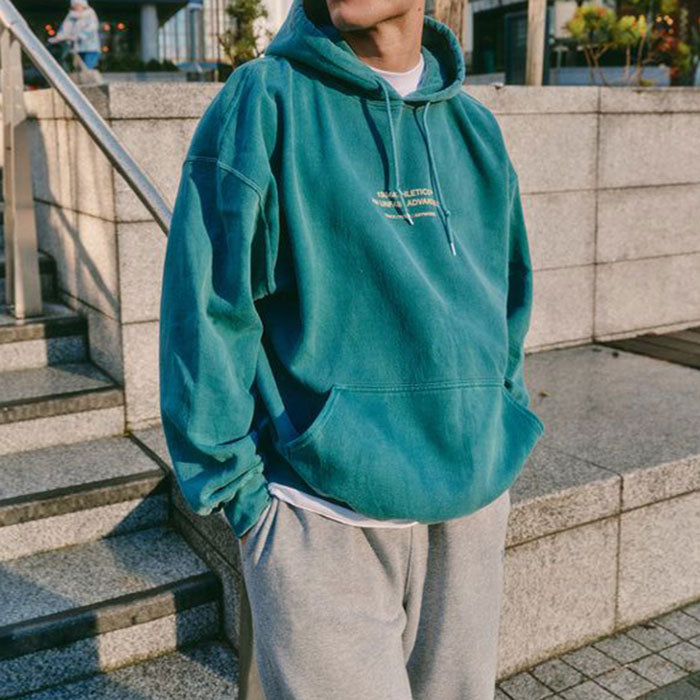
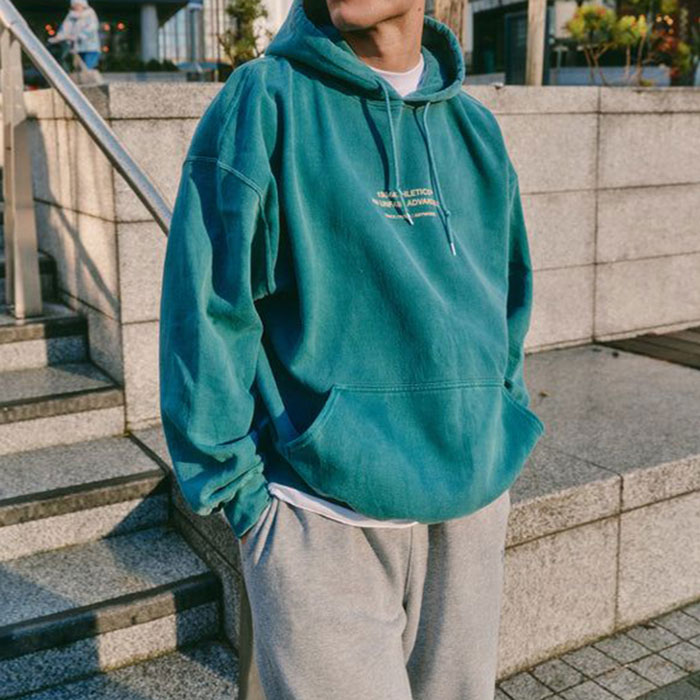
Fully Custom Hoodie Manufacturing Guide
This article helps established streetwear brands judge whether a fully custom hoodie is ready for real bulk production, not just a strong-looking sample. It explains how to evaluate heavyweight fleece, oversized fit, hood structure, decoration, wash behavior, sampling proof, and OEM production control before choosing a hoodie manufacturer.
A fully custom heavyweight hoodie requires more than thick fleece and custom artwork. Brands should verify fabric weight, shrinkage, hood balance, rib recovery, oversized fit grading, decoration placement, wash behavior, sample approval, and bulk-production checkpoints. For premium streetwear manufacturing, the right OEM hoodie manufacturer must prove the whole garment system before bulk production.
What Should a Streetwear Brand Check Before Developing a Fully Custom Hoodie?
A streetwear brand should check whether the factory can control the whole hoodie system: fabric weight, pattern shape, hood volume, rib recovery, shrinkage, decoration placement, wash behavior, sampling, and bulk inspection. Fully custom hoodie production is not only about choosing a fabric and adding artwork; it is about proving every approved detail can survive production.
A fully custom hoodie starts before the first sample is cut. The brand should define the target silhouette, fabric weight, construction, artwork, trim direction, wash effect, size range, and commercial use case.
The factory then needs to translate that direction into a production-ready specification. This includes pattern development, fabric sourcing, sample making, fitting comments, revised samples, PP sample approval, and production checkpoints.
If the factory only talks about price, logo placement, or fabric thickness, the review is not deep enough. For premium streetwear, the full hoodie system matters.
Fit System
Body width, drop shoulder, sleeve volume, hood scale, and grading.
Fabric Behavior
GSM, shrinkage, torque, hand feel, fleece structure, and rib recovery.
Decoration Risk
Puff print, embroidery, appliqué, rhinestones, crack print, and wash impact.
Bulk Control
PP sample, cutting, sewing, finishing, inspection, packing, and shipment review.
Is a Fully Custom Hoodie Different From a Blank Hoodie With Printing?
A fully custom hoodie is built from the brand’s approved specifications, including fabric, pattern, measurements, panel layout, hood shape, rib structure, trims, labels, decoration, washing, and packing. A printed blank hoodie mainly changes the surface. For established streetwear brands, full customization gives more control but also requires stronger sampling and production management.
| Decision Point | Printed Blank Hoodie | Fully Custom Hoodie |
|---|---|---|
| Pattern | Existing block, limited change | Brand-specific fit, panels, proportions, and grading |
| Fabric | Preset fabric and hand feel | Selected by GSM, structure, shrinkage, surface, and wash target |
| Decoration | Mainly surface printing | Print, embroidery, appliqué, wash, distressing, trims, and mixed effects |
| Best Use | Simple merch or low-development projects | Premium streetwear lines with a structured product calendar |
For a brand selling premium streetwear, the difference is visible in the silhouette. It is also visible after washing, wearing, packing, and reordering.
If your hoodie needs a specific boxy shape, dense hood, vintage wash, heavy embroidery, or a hero-product feel, full customization is usually the better production path.
What Fabric Weight Works Best for Custom Heavyweight Hoodies?
For custom heavyweight hoodies, fabric weight should be chosen by product purpose, fit, climate, wash process, and decoration method. A high GSM number alone does not guarantee premium quality. Brands should also review cotton content, fleece structure, shrinkage, torque, surface hand feel, rib recovery, and how the fabric behaves after printing or washing.
Many streetwear teams ask for the heaviest fabric first. That is understandable, but it is not always the best development logic.
A 500–600 gsm hoodie can look strong in photos, but it may feel too stiff for the target season. It can also affect hood collapse, sleeve drape, pocket tension, embroidery stress, and packing weight.
For heavyweight hoodie production, brands should compare brushed fleece, French Terry, cotton-rich blends, rib structures, and shrinkage results before approving bulk fabric.
Fabric checks before approval
- Target GSM and allowed tolerance
- Cotton face, fleece back, and surface touch
- Shrinkage after wash or garment dye
- Torque, twist, and side seam movement
- Rib recovery at cuff, hem, and neckline
- Decoration response after heat, stitching, washing, and drying
Textile Exchange’s 2025 material reporting shows why fabric choices are no longer only about feel or price. Material sourcing and certified cotton availability are now part of how apparel teams judge responsible supply decisions.
How Should an Oversized Hoodie Fit Be Engineered for Streetwear Brands?
An oversized hoodie should be engineered through body width, shoulder drop, sleeve volume, armhole shape, garment length, hood balance, rib tension, and size grading. It should not simply be enlarged from a regular hoodie block. For streetwear brands, the fit must look intentional across sizes and stay stable after washing and finishing.
A real oversized hoodie is a pattern decision, not a size-up shortcut. The body needs room, but the shoulder slope, sleeve length, armhole depth, and garment length still need control.
The hood also matters. Heavy fleece can make a hood pull backward, collapse, or sit too wide around the neck if the pattern is not balanced.
For streetwear brands, the fit should work on the model, the size chart, the production rack, and the final customer. That is why fitting comments must become technical pattern revisions, not only visual feedback.
Good oversized fit
Wide body, balanced shoulder drop, clean sleeve fall, controlled hood volume, stable rib tension, and clear grading logic.
Weak oversized fit
Random enlargement, heavy sleeve drag, collapsed hood, twisted hem, poor armhole comfort, and unstable size jumps.
Which Hoodie Details Usually Fail Between Sample and Bulk?
The hoodie details most likely to shift between sample and bulk are shrinkage, fabric hand feel, hood shape, pocket placement, rib recovery, print position, embroidery tension, wash shade, seam balance, and size grading. A reliable OEM hoodie manufacturer should use approval checkpoints before cutting bulk, during sewing, after finishing, and before shipment.
The approved sample is important, but it is not the whole production answer. A sample may use a small fabric lot, careful handwork, or a limited decoration test.
Bulk production adds pressure. Fabric rolls vary. Cutting stacks behave differently. Sewing operators handle volume. Wash loads change shade and shrinkage. Packing can compress heavy fleece.
That is why the best hoodie factory review is not only “Can you make this sample?” It is “Can you protect the approved spec through the production process?”
| Risk Area | What Can Go Wrong | What to Ask the Factory |
|---|---|---|
| Fabric | Bulk fabric feels lighter, stiffer, or shrinks differently | Can you confirm GSM, shrinkage, and roll inspection before cutting? |
| Fit | Oversized shape loses balance across sizes | Can you show grading rules and measurement checkpoints? |
| Decoration | Print position shifts or embroidery pulls the fabric | Can decoration be tested on actual bulk fabric? |
| Wash | Color, hand feel, and size change after finishing | Can you confirm wash recipe, test result, and inspection standard? |
How Do Printing, Embroidery, Appliqué, and Washes Change Hoodie Production Risk?
Printing, embroidery, appliqué, rhinestones, and garment washes all change how a hoodie behaves in production. Heavy fabric may react differently to heat, tension, needle density, washing, and drying. Streetwear brands should approve decoration tests on the actual bulk fabric, not only on a separate swatch or a single showroom sample.
A heavyweight hoodie carries decoration differently from a lightweight sweatshirt. Puff print needs heat and curing control. Embroidery needs density planning. Appliqué needs edge security. Rhinestones need placement and washing review.
Washing adds another layer. Acid wash, enzyme wash, stone wash, pigment wash, and garment dye can all change shrinkage, shade, hand feel, print aging, and seam appearance.
A strong custom streetwear hoodie manufacturer should test the combined effect. The question is not whether a factory can do one process. The question is whether it can manage several processes on the same garment.
Puff Print
Check height, edge definition, curing, cracking, and wash response.
Embroidery
Check stitch density, backing, fabric tension, and garment drape.
Garment Wash
Check shade, shrinkage, hand feel, print aging, and size movement.
What Proof Should a Hoodie Manufacturer Show Before Bulk Production?
Before bulk production, a hoodie manufacturer should show approved fabric records, measurement comments, sample revision history, decoration tests, wash results, trim confirmation, size grading, PP sample approval, cutting plan, inline inspection points, and packing requirements. This proof chain helps brands judge whether the factory can execute the approved product at production scale.
The strongest suppliers do not ask brands to approve bulk based only on photos. They provide a clear approval path.
For a fully custom hoodie, the proof path should start with the tech pack and end with pre-shipment review. Each stage should reduce uncertainty before the next stage begins.
This is especially important for market-proven brands that need repeatable product launches, not one-off samples that cannot be scaled.
Sample-to-Bulk Proof Chain
- Tech pack review: measurements, artwork, trims, fabric target, construction, and finish.
- Fabric confirmation: GSM, composition, shrinkage, hand feel, color, and decoration response.
- Prototype sample: first review of shape, sewing, pocket, hood, rib, and decoration direction.
- Fit revision: pattern updates after real measurements and wearing review.
- PP sample approval: final approved reference before bulk cutting.
- Inline inspection: cutting, sewing, decoration, wash, finishing, and measurement checks.
- Final inspection: finished garment review, packing, carton marks, and shipment readiness.
For related production-capacity context, brands can review GROOVECOLOR’s bulk production capacity page when evaluating factory scale, scheduling, and handoff from sample approval to finished orders.
How Should Brands Compare China, Local, and Overseas Hoodie Manufacturers?
Brands should compare hoodie manufacturers by product complexity, fabric access, sampling communication, decoration capability, wash control, MOQ, price structure, lead time, quality checkpoints, and repeat-order capacity. The best choice is not always the closest factory; it is the factory that can execute the approved hoodie specification with fewer production surprises.
Local manufacturing can help with fast communication, face-to-face development, or small controlled runs. Overseas OEM manufacturing can help when the product needs fabric access, complex decoration, wash finishing, larger production capacity, or a more complete streetwear supply chain.
China remains important for custom streetwear because the decision is not only about sewing. It is also about fabric sourcing, trims, washing, printing, embroidery, finishing, packing, and production coordination.
For heavyweight streetwear hoodies, Dongguan and the surrounding apparel supply chain can be useful when brands need structured OEM development instead of a simple print-and-ship workflow.
How Does GROOVECOLOR Support Fully Custom Streetwear Hoodie Production?
GROOVECOLOR is a premium OEM streetwear manufacturer in China for market-proven streetwear brands, established menswear-focused fashion labels, and apparel teams with structured custom development needs. For fully custom hoodies, the team supports heavyweight fabric selection, oversized fit development, decoration execution, washing, sampling, bulk production, inspection, and packing.
Based in Dongguan, China, GROOVECOLOR works with streetwear-focused hoodie projects that need more than surface customization. The factory supports heavy fleece, French Terry, oversized and boxy silhouettes, puff print, embroidery, appliqué, garment washing, trim development, and controlled bulk execution.
The standard MOQ is usually 50–100 pieces per color, depending on fabric, color, wash, decoration, size range, and order structure. Sample development usually takes about 2–3 weeks after the technical information is clear. Bulk production often takes about 3–4 weeks after sample approval and production details are locked.
Best-fit hoodie projects
- Heavyweight pullover hoodies
- Oversized and boxy streetwear hoodies
- Vintage wash and faded hoodies
- Puff print, embroidery, appliqué, or rhinestone hoodies
- Seasonal hoodie programs planned for repeat bulk production
What to prepare before inquiry
- Tech pack or reference sample
- Target GSM and fabric direction
- Fit reference and size range
- Artwork, decoration method, and wash target
- Quantity, color count, packaging, and target delivery market
What Should a Brand Prepare Before Requesting a Fully Custom Hoodie Quote?
Before requesting a fully custom hoodie quote, a brand should prepare artwork, target fit, size range, fabric weight, hoodie style, wash effect, decoration method, trims, labels, packing needs, quantity, color count, delivery market, and reference samples if available. Clear inputs help the factory review cost, risk, sampling time, and bulk-production feasibility.
A good inquiry makes the factory’s answer more accurate. It also reduces the chance of a low initial quote that changes later after fabric, wash, trims, or decoration details become clear.
For heavyweight hoodies, quote accuracy depends on more than garment quantity. GSM, fabric composition, color count, dyeing method, decoration size, stitch density, appliqué materials, wash recipe, size range, packaging, and delivery destination can all change the cost.
If your team is comparing suppliers, ask each factory to quote from the same information. This makes the comparison cleaner and reveals which factory has reviewed the production risks seriously.
Quote Checklist for Custom Heavyweight Hoodies
- Hoodie type: pullover, zip-up, cropped, oversized, boxy, or full-face zip
- Target fabric: GSM, composition, French Terry or fleece, hand feel, and color
- Fit direction: measurements, size range, grading needs, and reference garments
- Decoration: screen print, puff print, embroidery, appliqué, rhinestone, crack print, or mixed process
- Wash or finishing: acid wash, enzyme wash, garment dye, stone wash, faded effect, distressing, or raw edge
- Branding: main label, care label, hangtag, patch, drawcord, eyelet, zipper, and packing
- Commercial plan: quantity per color, delivery market, target launch date, and repeat-order expectation
What Should Buyers Remember Before Approving Custom Hoodie Bulk Production?
Before approving custom hoodie bulk production, buyers should remember that the sample is only one proof point. The stronger decision is based on fabric confirmation, fit revision, decoration testing, wash results, PP sample approval, inline checkpoints, and final inspection. A fully custom hoodie becomes safer when each production risk has already been reviewed.
The best hoodie projects are not rushed from concept to cutting. They are translated from creative direction into production language.
That production language includes measurements, tolerances, shrinkage, fabric records, stitch details, decoration tests, wash standards, packing rules, and inspection steps.
For established streetwear brands, this is where a capable OEM streetwear manufacturer creates value. It protects the approved product idea while moving it into real production.
Buyer FAQ
Fully Custom Hoodie Manufacturing FAQ
What makes a fully custom hoodie more difficult than a printed blank hoodie?
A fully custom hoodie changes the garment system, not only the graphic surface. The factory must manage fabric weight, pattern shape, hood balance, rib recovery, trims, decoration, washing, size grading, and bulk checkpoints. This creates more control, but it also requires stronger development discipline.
Should a streetwear brand always choose the highest GSM hoodie fabric?
No. A higher GSM can create a stronger premium feel, but it can also affect drape, hood weight, sleeve movement, wash shrinkage, embroidery tension, and shipping weight. The better decision is to match GSM with fit, season, decoration, wash effect, and target customer experience.
Why can a heavyweight hoodie sample look good but fail in bulk?
A sample can fail in bulk when fabric lots, shrinkage, cutting stack behavior, sewing tension, rib recovery, wash recipe, print placement, or embroidery density are not controlled before production. Brands should approve a PP sample and define checkpoints before bulk cutting begins.
What should be approved before cutting bulk hoodie production?
Before bulk cutting, brands should approve fabric, GSM, color, measurements, pattern comments, size grading, PP sample, decoration method, wash result, trims, labels, packing, and inspection standard. Cutting should not start while major details are still open.
How long does fully custom hoodie sampling and bulk production usually take?
A custom hoodie sample usually takes about 2–3 weeks after details are clear. Bulk production often takes about 3–4 weeks after approval. Complex fabric development, washing, embroidery, appliqué, special trims, or larger order structures can change the final timeline.
Next Step
Do You Need a Factory Review for a Fully Custom Hoodie Project?
If your team is developing a heavyweight, oversized, washed, printed, embroidered, or appliqué streetwear hoodie, GROOVECOLOR can review your tech pack, fabric direction, fit target, decoration plan, and production quantity before sampling.
Submit a Custom Hoodie InquirySources and Further Reading
For broader fashion and material context, see Textile Exchange’s Materials Market Report 2025 and McKinsey & The Business of Fashion’s State of Fashion 2026.