Can Your Heavyweight Hoodie Handle Puff Print and Rhinestones? Check the Fabric Before the Artwork
- Share
- publisher
- GROOVECOLOR
- Issue Time
- Nov 23,2026
Summary
Can heavyweight hoodies carry puff print, rhinestones, and DTG without losing their intended look? Learn how premium streetwear manufacturers assess fabric-face smoothness, fleece construction, print placement, heat-press access, artwork detail, wash sequence, and durability before bulk production. A practical OEM guide for established streetwear brands choosing raised prints, hotfix rhinestones, or detailed DTG graphics—and deciding what to test before approving production.
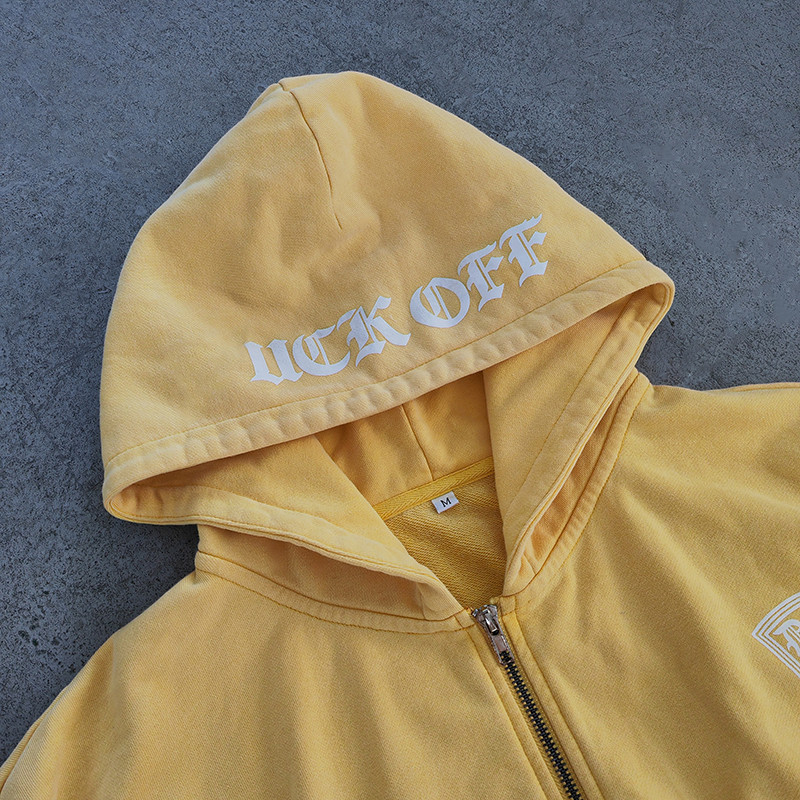
Heavyweight hoodies can carry puff print, hotfix rhinestones, and DTG, but fabric weight alone cannot prove that any of them will work well. The choice depends on the outer fabric surface, artwork, available printing area, heat exposure, and the treatment planned before the garment reaches the customer.
A 500 GSM hoodie can have a smooth outer face, a loose surface with visible fibers, or a textured knit. Each presents a different job to the printer. For established streetwear brands, the useful question is not simply whether a factory offers a technique. It is whether that factory can show how the chosen decoration will behave on the actual garment.
What Are the Key Takeaways for Established Streetwear Brands?
- ▸GSM tells you fabric weight, not how smooth or absorbent the print face will be. Inspect the real material before selecting a raised, digital, or adhesive finish.
- ▸Puff print suits bold raised graphics when the ink, artwork, fabric, and cure are developed together; fine details may need a different route.
- ▸Hotfix rhinestones need suitable fabric absorption and direct heat-and-pressure contact. Seams, heavy textures, coatings, and later treatments can change the result.
- ▸DTG can preserve gradients and small details, but pretreatment, loose surface fibers, print access, and washing still require testing.
- ▸For mixed-media or vintage-washed garments, approve the full order of operations and the final decorated garment, not just isolated technique samples.
Can You Print on a 400–600 GSM Hoodie, or Does the Fabric Surface Matter More?
Yes. Heavyweight hoodies can support several decoration methods, but GSM does not describe the condition of the surface receiving the print. For premium OEM production, the factory must also inspect fiber content, knit structure, surface hairiness, finishing, garment shape, and equipment access. Those factors determine which process is worth testing first.
GSM stands for grams per square meter. It describes the mass of an area of fabric, not whether that fabric has a firm, flat, or fuzzy face. A dense cotton fleece can present a neat outer surface. Another fabric with the same weight may have loose yarn loops, a more open knit, or a raised effect that breaks up fine artwork. The weight number cannot tell the difference.
The same point applies when comparing cotton jersey and French terry. A loopback interior does not automatically make the outer face unsuitable for printing. What matters at the contact point is the side facing the ink or the adhesive. A hoodie may feel plush inside while offering a smooth printing face outside. A factory needs to examine both sides rather than label the whole material as rough fleece.
For a brand team reviewing a new drop, the first approval should therefore be a fabric-and-decoration match. Ask for the intended fabric code, fiber blend, finished surface, shrinkage information, and a sample of the face after any planned treatment. The streetwear fabric selection page provides additional context on material sourcing and fabric development choices. That information is useful, but it does not replace a print trial on the chosen cloth.
Which three fabric checks should happen before artwork approval?
Start with the outer face, the material response to heat, and the likely change after laundering. Record whether the face is smooth or raised, whether it absorbs or repels water, and whether the print area stretches when worn. Use this record to choose the first process trial, not to promise durability before testing.
Once the outer face is understood, the next decision is which decoration chemistry and application method it can accept.
Which Fabric Surfaces Work Best for Puff Print, Rhinestones, and DTG?
A relatively smooth, stable fabric face is often the easiest starting point for puff print, hotfix stones, and detailed DTG artwork. That does not mean every textured fabric is unsuitable. The correct choice depends on ink contact, adhesive absorption, surface fibers, and heat resistance. Each method should be tested on the selected fabric, including its final finishing treatment.
Puff ink needs a predictable deposit that can expand during curing. If the fabric face is uneven, a raised logo may show broken edges or different heights. DTG needs the print head to work over a prepared surface; upright fibers can interrupt color coverage. Hotfix stones need the adhesive to reach a suitable base material under effective pressure. These are different mechanisms, even when the finished garment is the same.
A raised jacquard pattern adds another variable. In a groove, a transfer may receive less pressure than on the neighboring ridge. A digital image can be distorted by the knit relief. A raised screen print can follow the texture instead of forming a clean, independent shape. It may be possible to use a different process or artwork scale, but the first answer should be conditional rather than automatic.
There is no universal rule that all prints fail on rough cloth. The ink system, printer setup, transfer backing, fabric treatment, and intended visual effect matter. A distressed graphic may even make some natural fabric variation acceptable. The approval standard should describe the target result. Otherwise, the same surface effect could be judged as character by one team and as a defect by another.
How should product developers compare candidate fabrics?
Test the same artwork at the same finished size on at least the leading fabric options. Look at edge clarity, color coverage, raised height, adhesive contact, hand feel, and fabric movement. Compare the tested swatches under similar lighting and after the agreed care procedure. The winning fabric is the one that meets the design goal and the production limits, not merely the heaviest.
A fabric can look suitable in a flat swatch and still expose weaknesses when the chosen raised ink begins to expand.
What Does the Fabric-to-Decoration Decision Matrix Show?
A decision matrix is a screening tool, not a pass certificate. It highlights where a sample is likely to need extra checks. No method can be approved for a specific collection solely from a table because the precise textile finish, adhesive or ink formula, artwork, and equipment settings still decide the result.
Use the matrix to narrow the trial plan. It should not be copied into a technical pack as a guaranteed result. The next sections examine what each decoration actually needs and where the first failures usually appear.
What Makes Puff Print Expand Cleanly on Heavyweight Fleece?
Puff print works when the selected ink system, artwork geometry, ink deposit, and cure deliver the required raised effect on the actual fabric. A heavier hoodie does not automatically create a taller or stronger print. The development sample should establish edge definition, expansion, touch, and wash response before the factory releases the design for bulk production.
Puff printing uses an expanding ink effect. A bold wordmark often leaves enough room for the raised areas to develop without closing the counters inside letters. Small text, narrow gaps, and crowded linework create harder conditions. As the ink rises, closely spaced features can merge. The result may differ from a sharply drawn digital file, even if the outline was placed correctly on the hoodie.
Adding more ink is not always the remedy. Extra deposit can alter the hand feel and produce a more solid patch of raised material. Different inks have different limits, and their supplier instructions should be followed. For example, the Avient Aquarius Puff Base bulletin includes settings specific to that product and explicitly calls for durability testing before production. Its figures should not be treated as universal settings for every puff formula.
For a closer look at factory-level screen setup and manufacturing review, the separate puff print hoodie manufacturing guide expands on this single technique. A print strike-off on the approved fabric is the most useful early evidence. Review it from the front and side, then bend and wash it under agreed conditions. Note whether letters stay open, heights remain visually balanced, and the raised surface looks intentional. If fine detail is central to the design, the better decision may be to keep a conventional screen print or DTG layer for that detail.
When is high-density printing a better alternative?
If the brand needs a crisp raised edge rather than the swollen, softer shape of puff ink, a high-density screen-print system may be worth evaluating. The two methods do not create identical surfaces. Choose based on artwork, touch, cost, and material performance, and request physical references rather than comparing only photographs.
What should be written into a puff approval record?
Record the design file revision, fabric reference, approximate print size, placement, ink system, approved visual height, curing confirmation, and agreed wash observations. A useful record also includes photos in neutral light. The purpose is to give the next production stage a clear approved target, not to create paperwork without a decision.
Raised ink introduces heat and a fixed graphic area. Hotfix rhinestones introduce a different challenge: adhesive bonding under pressure.
Will Hotfix Rhinestones Stay Attached to a Heavyweight Hoodie?
Hotfix rhinestones can be used on heavyweight hoodies when their adhesive bonds to the selected fabric under suitable heat, pressure, and application time. Thickness alone is not proof of a good bond. Textile absorption, surface treatment, stone size, garment shape, and press contact should all be checked, followed by a test of the finished decorated garment.
Hotfix stones carry heat-activated adhesive. During application, the glue needs to soften and make a suitable connection with the textile. A thick fleece surface may look sturdy but still be poorly suited to that adhesive if it has an unsuitable coating or finish. Fabric treatments may also change how water and adhesive interact with the fibers. The first step is to check the real finish, not simply raise the temperature.
The Preciosa hotfix application manual explains the importance of absorption, flat support, temperature, time, and pressure. It also warns that seams, zippers, buttons, and other raised features can interrupt contact. This is highly relevant to a hoodie with a thick center pocket seam or a full zipper. A visually centered transfer may still receive uneven pressure during application.
For a focused examination of the technique itself, the separate rhinestone hoodie manufacturing guide covers broader supplier and technique checks. Larger stones introduce a related issue. They sit above the fabric and can resist movement differently from small stones. An area that folds around the elbow, side seam, or pocket opening can place repeated stress on the bond. A product developer should therefore judge the design in motion, not only laid flat on the press. The accepted sample should show the stone size, spacing, attachment method, and care instructions.
What if the fabric is water-repellent or has a heavy softener finish?
Do not assume a standard hotfix adhesive will bond properly. Ask the factory to confirm whether the surface absorbs as required, then run an adhesion trial. A process adjustment or different attachment method may be needed. Some treatments may be altered before application, but that choice must not damage the intended shade or feel.
Can a better press pad solve every uneven application?
No. Compensation materials can improve contact around certain contours, but they do not make every seam, thick overlap, or surface finish suitable. Pressure distribution still needs checking on the actual garment. If a design crosses an unsuitable area, moving the stones or changing the construction can be safer than pressing harder.
Once adhesive performance is understood, the brand can compare whether a flat digital image would serve the design better than physical height and sparkle.
When Is DTG a Better Choice Than Puff Print for Heavy Cotton Graphics?
DTG is a useful option when a heavy cotton garment needs gradients, small text, complex imagery, or color transitions that do not suit an expanding puff layer. It does not create the same physical relief as puff print. Successful results still depend on the fabric surface, pretreatment, ink set, curing, and the size and location of the graphic.
A detailed illustration can become harder to read when every line is raised. DTG can preserve many small visual changes without dividing the design into separate raised shapes. It is therefore worth considering for photographic compositions, tonal shading, and detailed back graphics. The trade-off is tactile: a printed illusion of height is not the same as raised ink that the wearer can feel.
Dark garments often need a white base and carefully managed preparation. The DuPont Artistri DTG process guide describes pretreatment as a way to control fibers standing above the fabric surface. It warns that excessive treatment heat can harm performance. This reinforces the need for fabric-specific settings rather than copying a process used on another garment.
The best technique is not always the one with the most color range. A single-color emblem on a repeat program might be more practical as screen printing. A raised signature logo may still justify puff. For an elaborate full-color design, DTG may be a better starting point. The choice depends on the final artwork, expected hand feel, required approval evidence, and the production economics for that particular order.
Can DTG imitate a raised graphic?
It can show shadows, highlights, and a drawn three-dimensional effect. That is a visual treatment, not an embossed surface. If the creative brief requires real height or a rubber-like raised touch, a physical decoration method must be assessed separately. A brand should approve the actual hand feel, not infer it from a mockup.
Why can the same artwork look different on two cotton fabrics?
Fabric color, fibers at the face, pretreatment distribution, and knit structure all influence how the ink appears. A heavy but fuzzy fabric may show less crisp detail than a lighter fabric with a clean face. Print the same test artwork on both materials when the difference affects product positioning.
Selecting the right method only settles half the problem. Its location on a fully sewn hoodie may create new equipment limits.
Where Can You Print or Press on a Hoodie Without Fighting the Seams?
Useable decoration space depends on garment construction, not just artwork width and height. Pockets, zippers, hood overlap, heavy seams, and curved sections may limit screen printing, DTG platen access, or hotfix pressure. The factory should identify and approve the usable area on a real garment before treating a digital placement measurement as final.
A large center-front print on a pullover hoodie may reach the top edge of a kangaroo pocket. Even if the image appears centered on a mockup, the pocket seam raises part of the surface. A rigid screen or transfer may not contact that region as intended. A sewn pocket also creates a second layer that can affect how the garment sits on production equipment.
Full-zip hoodies have another physical break through the center. A design that appears continuous on a closed zipper may require separate left and right artwork, a specially planned panel process, or an intentional gap. The factory should explain how the zipper tape and teeth will be protected. It should also show what the graphic looks like when the garment is both zipped and open.
The hood itself can hide upper-back artwork during wear. A high-positioned graphic that looks excellent on a flat back panel can lose its first line beneath the hood. The correct placement should be judged on the intended size and silhouette. For oversized hoodies, shoulder slope and back-neck position matter as much as the nominal distance down from the collar.
Should printing happen on fabric panels before sewing?
Panel printing can help when artwork crosses construction boundaries or requires exact positioning on a flat surface. It also creates new requirements: the panel must later be cut and sewn without shifting the intended image. Printing after assembly may be preferable when the finished shape determines the visual center. The correct route depends on the design.
What should a brand request before approving a placement?
Ask for a marked placement diagram and a photo of the decorated sample on a body or dress form. Note the reference points used for measurement, such as the neck seam or center line. If a graphic crosses a seam, ask how the chosen method handles that obstruction during production.
Placement is not the final step when a garment is also dyed, washed, or deliberately distressed. The order of operations can change the fabric itself.
Should a Heavyweight Hoodie Be Washed Before Puff Printing or Rhinestone Application?
The sequence should be chosen for the fabric, wash recipe, decoration chemistry, and intended final appearance. Printing or pressing after a vintage wash may protect an embellishment from harsh treatment, but the wash can also change the fabric face. Decorating first may suit a specific aged-print look, yet it can expose the decoration to damage. Both routes need trials.
Vintage fading and pigment dyeing are part of the design for many premium streetwear hoodies. They are also manufacturing treatments. A wash may affect surface fibers, shade, dimensions, and the feel of the fabric. If a raised print is applied before that treatment, the final look may differ from the fresh print sample. If it is applied afterward, the changed fabric surface must still accept the ink.
Hotfix rhinestones make the sequence more sensitive. Their adhesive bond and finish should not be assumed to survive an aggressive wash recipe. Applying stones after washing may avoid some direct wash exposure. However, leftover finishing chemicals, a heavily raised surface, or uneven fabric absorption can create other problems. This is a decision to test, not a simple rule that one order is always correct.
A strong trial compares the final product routes, not just swatches taken at convenient stages. One route may meet the desired wash appearance but harm stone retention. Another may protect the stones while changing the look around the print. Record the exact treatment sequence, the appearance after each stage, and the final care response. The production file should lock the approved route before bulk work begins.
Can a washed hoodie be printed without any new color changes?
Not always. Heat, pretreatment, pressure, and ink application can affect the appearance of a treated textile. This is especially visible on uneven, faded shades. A sample should be checked for press marks, tonal changes, staining, and halos around the graphic as well as for print coverage.
Who should own the process order?
The garment development and finishing teams should agree on one documented sequence with the decoration team. Each stage should know what surface or component it receives and what it must protect. A change after approval should trigger another review when it could alter adhesion, appearance, or dimensions.
This becomes more important when one garment carries several decoration methods instead of a single graphic.
Can Puff Print and Rhinestones Share the Same Hoodie Design?
Yes, puff print and rhinestones can be developed for one hoodie, but the full decoration combination must be approved as a system. The raised ink and hotfix adhesive respond to heat, pressure, movement, and contact in different ways. Passing a separate puff test and a separate stone test does not automatically prove that the finished mixed-media garment will perform well.
A designer may want a raised wordmark bordered by stones, with a detailed DTG image behind it. This can create a striking piece, but it also means the garment may pass through several application steps. A second press operation may affect a previously cured surface. A high raised area may prevent flat pressure on nearby stones. Ink, transfer film, glue, and fabric all occupy the same limited space.
Decoration zones can reduce conflict. Keep enough clearance around raised ink for the rhinestone transfer to make contact with the fabric. Use separate layers in the production artwork so the factory can see which line is printed and which point is a stone. If the layout is highly detailed, the team may choose a flatter printed base and limit physical embellishment to the areas where it adds the most value.
These decisions belong in both the creative and manufacturing reviews. The streetwear decoration techniques overview can help compare common processes, but a combined print-and-stone design still needs a finished-garment trial. A photograph of each technique made on a different hoodie is not adequate evidence for the combination under consideration.
Should stones sit directly on top of a printed area?
That may be possible with a purpose-designed system, but it should not be assumed. The adhesive must be evaluated against the actual ink surface and the later heat exposure. When the printed surface blocks a suitable bond, moving stones to bare fabric or using a different attachment solution may be the sounder choice.
What is the most useful approval sample for mixed media?
A complete garment made with the planned fabric, print sizes, stone map, treatment sequence, and final pressing conditions. Inspect it before and after the agreed care test. A decorated sample produced through a different sequence can be useful for exploration but should not stand in for final approval.
Before that combined sample is made, the artwork must contain information that a production team can actually use.
What Artwork Changes Should Happen Before a Heavyweight Print Sample Is Made?
Production artwork must define more than a good-looking composition. It should state decoration size, placement reference points, color, line thickness, clear spaces, individual stone positions, and the process assigned to each layer. The manufacturer can then flag details that may merge, areas that cannot be pressed flat, and elements that need a different technique.
Digital artwork often hides the limits of physical materials. A tiny line can look sharp on a monitor but close up when puff ink expands. A dense field of stones can look like a single smooth shape while requiring many separate bonding points. A DTG gradient can appear seamless on screen but change on a dark, fibrous fabric. The graphic needs to be interpreted as a manufacturing specification.
Separate the design into logical layers. Mark the puff areas, DTG or screen-print colors, rhinestone positions, and any intended spacing between them. Identify the exact garment size used to approve visual scale. If the same artwork will be graded across several sizes, confirm whether print dimensions stay fixed or change. A single centered measurement is not enough when pocket, hood, and chest proportions vary.
Another useful decision is whether the brand values a precise visual edge or a deliberately irregular surface. This distinction matters for vintage graphics. A factory can reasonably accept soft print edges if they are part of the approved look, but should not treat an unintended loss of detail as a design feature. Put photos and a short written acceptance note together.
What files help the factory most?
Provide clean vector artwork for defined logos and stone maps, high-resolution raster art for detailed DTG images, and a placement sheet with measurements. Include color references and construction diagrams where relevant. The file format matters less than whether it carries enough reliable information for sampling and future production.
When should an artwork change return to the creative director?
Whenever the proposed change affects the visual hierarchy, linework, stone layout, or the way a print connects to the garment shape. A factory can explain feasibility, but it should not silently redraw a signature mark. Product developers need a clear approval point for any visible adjustment.
With the design translated into production language, the remaining question is which tests will prove the result can be sold and worn as intended.
Which Tests Show Whether a Heavyweight Decoration Is Ready for Bulk Production?
Bulk approval should be based on the actual decorated garment and tests suited to the method. Puff prints may need visual and wash checks; rhinestones need attachment and retention checks; DTG may need color and wash-performance evaluation. Dimensional change, seam movement, and placement should also be reviewed where the decoration depends on the finished garment shape.
There is no single laboratory test that proves every print, adhesive, or decoration will perform well. Colorfastness, dimensional change, appearance retention, and attachment are different questions. The AATCC TM61 method concerns accelerated laundering colorfastness. It is not a stand-alone rhinestone retention certification. A brand asking whether stones will remain attached needs a separate test plan for that risk.
Likewise, ISO 5077 deals with dimensional change after specified washing and drying procedures. It helps explain why a printed position may move as the garment shrinks, but it does not certify print adhesion. Test methods should be named for the property they measure. Product teams should avoid treating the presence of a famous standard number as proof of a different outcome.
Start with a physical approved sample. Photograph the full garment, document the decoration dimensions, and test according to the intended care route and performance target. If the appearance changes after washing, describe exactly what changed. Did the edge crack, did a stone detach, did a panel shrink, or did the color move? Specific observations tell the factory what to correct.
What is a useful release gate for a complex decoration?
The brand and factory agree on the fabric identity, artwork revision, application order, acceptable appearance, care method, and inspection checks. They review results on the same construction intended for production. A defect threshold should be established for the relevant technique rather than borrowed blindly from unrelated apparel attributes.
Should the same trial be repeated after a material change?
Yes, when the change can alter the contact surface or process response. A new fabric supplier, different softener, altered stone adhesive, revised ink system, or new wash recipe may affect the approved outcome. The team should document what changed and decide whether a targeted retest or a complete new decorated sample is needed.
Tests help only if the manufacturing partner can connect the approved result to the actual production sequence.
What Evidence Should a Full-Package OEM Decoration Partner Provide?
A suitable OEM decoration partner should be able to explain and document the decisions behind the approved sample. For mixed-media heavyweight garments, that means fabric references, artwork versions, trial results, process order, application controls, and inspection criteria. Factory size or a large portfolio of photographs cannot replace evidence that the specific proposed garment is feasible.
A standalone print specialist may be excellent at a difficult ink effect. A separate embellishment workshop may offer exceptional stone work. A full-package OEM partner can be useful when it coordinates those skills with garment patterns, cutting, sewing, washing, inspection, and the required order of operations. Neither model is automatically superior. The more useful question is which structure fits the garment and who is responsible for each handoff.
For established streetwear brands planning recurring collections, the record behind the sample becomes important. Ask whether the chosen fabric and decoration materials are available for the planned volume. Request a clear description of the approval checkpoints. Confirm how changes are handled after the first sample is signed off. The garment quality-control process provides a broader view of inspection checkpoints that can complement decoration-specific evidence.
Cost should also be connected to the real work. A dense rhinestone graphic can require different placement effort from a sparse logo. A large solid puff area may involve different printing and curing demands from a smaller wordmark. Several decoration operations add handling, setup, and possible rework. The factory should price the approved route, not a vague list of requested techniques.
What should a brand ask during a production review?
Ask who approves the material, who runs the decoration trial, who signs off the complete sample, and who checks the finished result during bulk work. Also ask what will trigger a new approval. These questions reveal process ownership without assuming that every operation has to take place in the same building.
Why are the first sample photos not enough?
Photographs can document appearance but not bond strength, flexibility, wash behavior, or process history. A photographed garment may use a different surface from the planned production fabric. Keep photographs as supporting evidence alongside a physical reference sample and the agreed technical record.
The final step is to turn that evidence requirement into a clear production brief rather than another open-ended request for a price.
What Should a Brand Send GROOVECOLOR to Review a Complex Heavyweight Decoration?
A useful enquiry should include the actual hoodie fabric requirement, construction, artwork files, decoration locations, finishing sequence, size range, and planned bulk volume. GROOVECOLOR can then review whether the design calls for puff printing, DTG, rhinestones, or a combination and identify points that need sampling. A quotation should follow a defined manufacturing route rather than an untested visual mockup.
GROOVECOLOR is a premium OEM streetwear manufacturer in Dongguan, China, focused on custom development for market-proven streetwear brands and established menswear-focused fashion labels. Its manufacturing scope includes heavyweight hoodies, pattern development, fabric sourcing, screen printing, DTG, puff print, rhinestone embellishment, garment finishing, and production checks. The company reports more than 16 years in apparel manufacturing and monthly capacity exceeding 300,000 garments. These are company-provided capabilities, not proof that every design is automatically feasible.
The most relevant contribution to a mixed-decoration project is the ability to review the fabric and garment together with the craft requirements. A detailed hoodie may require a revised artwork size, a different print area, or a different order of operations. Brands can examine the custom streetwear hoodie manufacturer service page for the broader OEM scope, then submit a specific production brief for technical review.
For a structured project, the brief should state the intended retail market, required appearance, technical files, preferred materials, expected quantities by color, and any care or testing demands. A typical reference for GROOVECOLOR is 50–100 pieces per style and color for a controlled strategic test run; highly specialized materials and embellishments may require a different quantity. That reference is not a guarantee of price, availability, or acceptance.
What is the shortest useful technical brief?
Send the front and back design, a hoodie measurement sheet, fabric weight and composition, decoration layers, exact placement measurements, the planned wash effect, and a rough size-and-color quantity breakdown. Add reference photos that show the desired physical texture. This gives the manufacturing team enough information to ask precise technical questions instead of guessing.
When should a brand request a combined physical sample?
When two or more treatments may affect each other, particularly when heat, adhesive, raised ink, and garment washing share the same surface. Sample approval should happen after the combined process is reviewed. A separate graphic mockup cannot establish how the materials will behave when the complete garment is made.
For any established brand, the final decision is to approve the proven route—not the most impressive rendering. Decoration can strengthen a signature hoodie only when the surface, design, and production conditions support the intended result.
Which Difficult Production Questions Should Streetwear Teams Resolve Before Release?
A hoodie is 500 GSM but has a rough outer face. Is puff print still worth sampling?
Yes, if the artwork and ink system justify a controlled trial. Start with a strike-off on the actual outer face, then check raised height, line edges, hand feel, and wash response. If the surface breaks up fine detail, compare a flatter technique before changing the whole garment specification.
Can rhinestones be applied after acid washing?
Often they can be assessed after washing, but the final treated surface must be tested for adhesive bonding. Residual treatments, raised fibers, and fabric absorption may affect the result. A wash-first route is not an automatic guarantee of stronger attachment; test the actual stones and garment.
If a puff print looks flat, should the factory simply add more ink?
Not automatically. Deposit is only one variable alongside the ink formulation, mesh, artwork, fabric, and cure. Increasing ink can change touch and edge shape without solving the cause. Compare the trial against the manufacturer’s ink guidance and approved visual target.
Can DTG create the look of raised embroidery without real height?
It can imitate highlights, stitching shadows, and surface depth as a graphic effect, but the result remains a print. If a brand wants a physical raised feel, DTG alone will not provide the same construction. Approve both the visual impression and the touch of the sample.
What happens if rhinestones cross a thick hoodie seam?
The seam can prevent the press from giving the whole motif equal contact. A suitable support pad or altered layout may help, but not every seam is workable. Ask to see the transfer on the actual garment and check the stones nearest the obstruction after care testing.
Can a large graphic stay visually centered when a hoodie is worn?
Not merely by matching a flat mockup. Hood volume, shoulder slope, pocket position, body width, and fabric movement affect visual balance. Confirm the measurement reference points and inspect the sample while worn in the intended size. Adjust placement only through agreed design approval.
Will a second heat treatment damage a puff print already on the hoodie?
It may affect the print, depending on the ink system and the later temperature, pressure, and dwell time. Do not assume a fully cured print is unaffected by another press. A combined sequence trial should check the raised surface before and after the second operation.
Should each decoration be approved separately before combined sampling?
Separate tests help identify the strengths and limits of each technique. They do not replace a complete-garment test when the processes interact. Approve the individual methods first if useful, then approve the final combination and its application sequence before the production order.
Can rhinestones be positioned directly over a screen-printed graphic?
Only after compatibility is demonstrated. A stone adhesive may bond differently to an ink film than to textile fibers, and later pressing can affect the printed surface. Test the exact ink-and-stone combination or move the stones to exposed fabric where the bond can be better controlled.
Can one puff artwork be used unchanged on a tee and a heavy hoodie?
The artwork can be a starting reference, but it should not be assumed production-ready on both. Knit face, movement, print size, ink deposit, and curing may differ. Review fine lines and gaps on each fabric and approve separate physical print samples when needed.
If a decorated sample survives washing, what still needs checking?
Confirm that the production material, artwork revision, decoration supplies, process order, and inspection plan match the approved sample. One wash result cannot establish the outcome of every later fabric or chemical change. The brand should know which changes require another trial.
What should change first when the selected technique fails on the fabric?
Start by identifying the actual failure: poor adhesion, unclear detail, uneven contact, unwanted touch, or unacceptable wash change. Then compare a process adjustment with moving the graphic, editing the artwork, changing the attachment method, or selecting a different fabric. Change only what the evidence points to.
Which Technical References Support the Manufacturing Decisions Above?
The references below distinguish material-maker instructions from general textile test methods. They support the technical principles discussed here, but none replaces testing on the final selected garment. Product-specific settings must remain specific to the named ink, adhesive, equipment, or standard.
- Avient Specialty Inks — Aquarius Puff Base Product Information Bulletin. Puff ink application, curing, and preproduction print testing.
- Preciosa Components — Hotfix Application Manual. Fabric absorption, pressure, heat, contact, and attachment conditions.
- DuPont Artistri — DTG Inks and Pre-treatment Process Guide. Fabric fibrillation, pretreatment, curing, and wash-performance considerations.
- AATCC — TM61 Colorfastness to Laundering. Scope of an accelerated laundering colorfastness method.
- ISO — 5077:2007 Dimensional Change in Washing and Drying. Scope of a textile dimensional-change method.
- Brother — DTG Printer and Print Placement Support. Production equipment and alternative print positions.
About the Author

The strongest design decision is not always the most complicated technique. It is the decoration that keeps the intended look while respecting the chosen fabric, garment shape, production sequence, and documented performance requirements. A mature streetwear program needs all four to be approved together.