Can you custom heavy-duty, custom-branded metal hardware like custom zippers and buttons?
- Share
- publisher
- GROOVECOLOR
- Issue Time
- Nov 24,2026
Summary
Can a full-package streetwear manufacturer deliver custom logo zippers, metal buttons, snaps, and rivets as part of a garment order? Learn when branded hardware needs new molds, why trim MOQs can differ from garment MOQs, how tooling affects cost and lead time, and what to check before bulk approval. Explore hardware sourcing, tech packs, garment washing, performance testing, and repeat-order planning with GROOVECOLOR, a premium OEM streetwear manufacturer in Dongguan, China.
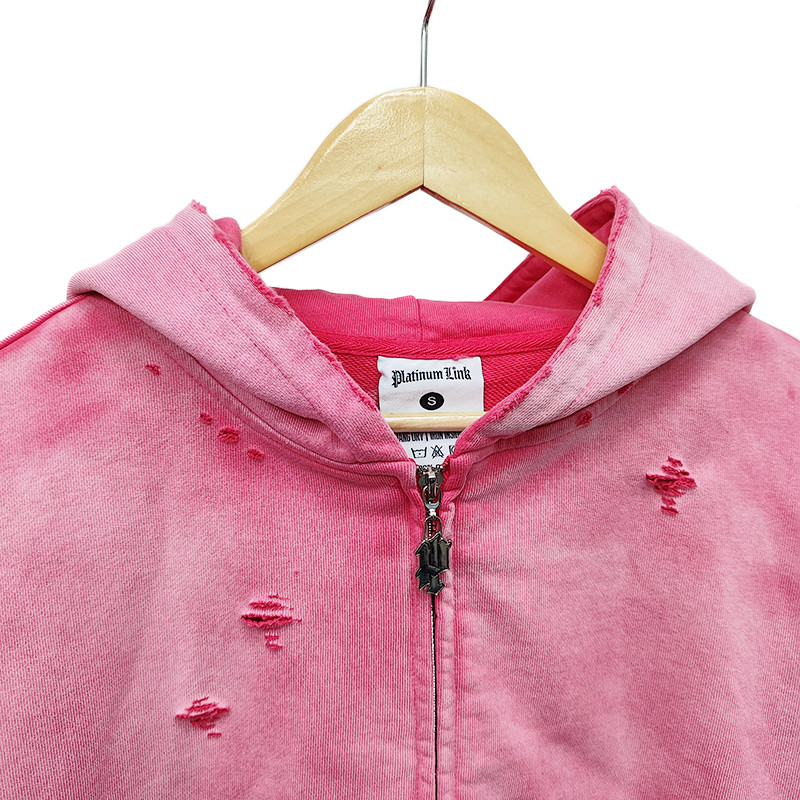

Can one clothing manufacturer handle custom metal zipper pulls, logo buttons, rivets, and the finished streetwear garment? Yes—but approving a logo is only the start. The important questions are who develops the components, what requires new tooling, how the parts fit the garment, and who carries responsibility when production begins.
For established streetwear brands, GROOVECOLOR provides a relevant Dongguan, China, OEM manufacturing perspective. The aim here is to explain practical sourcing decisions—not to imply that a garment factory also owns a metal casting plant or that every custom detail has the same cost or lead time.
A full-package apparel program can combine specialist component production with one garment manufacturing plan. A new metal shape may need a mold, a separate component minimum quantity, and added approval time. The sound decision is to treat the hardware as part of the clothing specification, not as an accessory purchased after the design is finished.
Which Custom Hardware Decisions Matter Most to Established Streetwear Brands?
Five decisions shape a custom hardware program: whether the part adds real garment value, whether the design needs new tooling, how specialist component quantities affect the apparel order, what tests protect function and finish, and how the brand can obtain the approved detail again. Each decision should be documented before bulk release.
- Start with the finished garment: choose each zipper, button, rivet, or snap for its role in fit, use, and brand design.
- Ask what needs tooling: an existing component with a different finish is not the same project as an original cast-metal shape.
- Separate quantity rules: a garment order and a custom component order may have different minimums and delivery dates.
- Approve function and finishing: check puller compatibility, attachment strength, wash exposure, and the final garment sample.
- Protect later production: record mold terms, the approved part, supplier details, and how future orders can obtain the same specification.
Can One OEM Manufacturer Handle Custom Zippers, Buttons, and the Garment?
Yes. A full-package OEM manufacturer can coordinate custom metal hardware alongside pattern development, fabric sourcing, sampling, sewing, finishing, and final inspection. Specialist suppliers may cast the metal parts. The clothing manufacturer’s value lies in confirming the specification, managing approval points, integrating the components, and accepting responsibility for the agreed finished garment.
A zipper puller does not become a usable product merely because a supplier sends a polished sample. It must connect to the intended slider, clear nearby fabric and trims, and remain comfortable to operate when the garment is worn. A branded jeans button also depends on the correct shank, tack, fabric thickness, and setting method. Those are apparel development decisions.
This creates two separate responsibilities. A specialist hardware maker controls its tooling, alloy, casting, plating, and component checks. The apparel factory controls whether that approved component can be installed on the chosen garment without changing its structure or making the clothing harder to use. The purchase order should name who approves changes on either side.
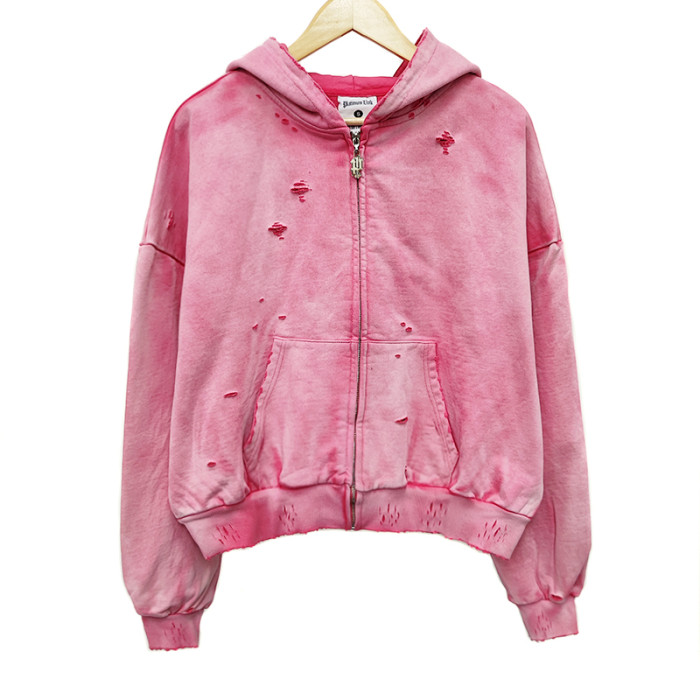
Consider a zip-up hoodie with a heavy puller. The hardware maker can confirm the puller’s shape and connection. Yet the garment maker still needs to check center-front balance, zipper tape, seam construction, and the final drop of the hood and body. A strong-looking metal detail does not repair a poorly planned opening.
For brand teams, the practical test is straightforward: ask the apparel manufacturer to show the complete component specification, an approved garment sample, and the relevant inspection points. If those three items are disconnected, the program needs more development before a bulk commitment. The next decision is which parts deserve customization in the first place.
Which Metal Details Are Worth Customizing on Premium Streetwear?
The best hardware to customize is the hardware that carries a clear design or functional role. A distinctive zipper pull may help define a jacket. Branded tack buttons and rivets may suit a denim line. But a custom metal part adds value only when its finish, size, weight, and attachment work with the finished garment.
For a zip-up hoodie, a puller receives frequent handling and sits close to the center-front artwork. Its length and weight affect how it moves. A decorative charm can also strike the garment during wear. Product developers should assess the detail on a person, not only in an enlarged digital drawing.
On jeans, the metal story is different. Tack buttons close the waistband. Rivets reinforce or decorate selected points. Both contact dense fabric and may pass through washing or abrasion processes. A logo may matter to the brand, but the correct fixing system matters to the wearer. Prym Fashion’s fastening product range shows why jeans buttons, press fasteners, and rivets cannot be treated as one interchangeable component.
A mature collection may benefit from one shared hardware language across several items. That does not mean using the same physical closure everywhere. A decorative puller can share a shape and finish with a small metal tag while the jacket and trousers still use different fastening systems. Once the desired detail is clear, the next question is how it can be manufactured.
When Does Custom Metal Hardware Require a New Mold?
A new mold is more likely when a brand needs an original three-dimensional shape or a component structure unavailable in existing tooling. Changing a color or choosing a logo treatment on an approved base component may involve a different process. The manufacturer should review artwork, geometry, material, finish, and the intended garment before confirming any tooling charge.
There are several levels of customization. One option is to choose an established puller profile and adjust an available surface treatment. Another is to place a logo on an existing blank component, where the supplier’s process allows it. The more demanding option is a newly shaped metal puller, button, or charm that needs its own casting or stamping tools.
The line between these routes is not universal. An apparently simple raised logo may still require a changed die face. A new plating color may be available on an established component without changing the casting mold. A brand should ask the supplier to state the exact production method rather than accept the blanket phrase “custom hardware.”
Specialist manufacturer SBS Zipper explicitly discusses a design and mold-opening stage for special pullers in its custom zipper FAQ. It also publishes an example development charge. That example is evidence that tooling can be a separate service; it is not a market-wide price or a quotation from GROOVECOLOR.
- Confirm whether the proposed part uses existing tooling, modified tooling, or a new dedicated mold.
- Obtain separate approval drawings for the front, back, side, and attachment point.
- Identify whether the tooling fee covers revisions, a physical trial, or only the first mold.
- Ask what changes would trigger a new tool after the initial sample is approved.
A usable approval package should include a dimensioned drawing and a physical reference wherever possible. A computer rendering cannot settle weight, edge comfort, or connection strength. Once the tooling route is known, the quantity issue becomes much easier to discuss.
Why Can Hardware MOQ Be Higher Than the Garment Order Quantity?
A garment order and a metal component order may use separate minimum quantities. A streetwear factory may run a controlled production test at 50–100 garments per color, while a hardware supplier may need a larger component batch to justify setup, casting, plating, or finishing. Neither figure automatically changes the other supplier’s production terms.
This distinction is often missed in early budgeting. A brand may plan 100 zip-up hoodies but request an original metal puller. If the specialist supplier’s minimum exceeds the number of hoodies, the project needs a decision about unused parts, shared designs, a revised order size, or an alternative manufacturing method. The excess quantity is a commercial item, not a garment defect.
An approved component can sometimes be shared across several styles or colorways. That may make the tooling spend easier to justify. But it only works when the actual fitting interface and finish are suitable for each design. A puller intended for one slider family cannot be reassigned to another zipper by appearance alone.
GROOVECOLOR’s standard garment program is commonly discussed at 50–100 pieces per style and color. That describes the apparel side of its custom hoodie manufacturing service, not a promise that every newly molded metal component has an equally sized supplier minimum. Detailed component requirements must be quoted separately.
Ask how additional hardware will be handled. Does the supplier ship all parts, retain a documented balance, or include only the amount needed for the present production run? Who pays for extra quantities, and who is responsible if a later order needs the same finish? These questions lead directly to the complete garment cost.
What Does Custom Metal Hardware Add to the Finished Garment Quote?
The right cost measure is the approved finished garment, not just the price of one metal part. Custom hardware can add tooling, component production, surface finishing, sampling, testing, transport, and installation costs. Each item should be identified in the quotation so the brand can separate one-time development investment from charges that recur with every order.
Suppose two suppliers offer similar pullers, but one uses an existing part and the other needs a new tool. The custom option may carry a stronger signature design, yet the first run may cost more. It becomes attractive when its appearance is important enough to justify development and when the design can support future production without repeated major changes.
A clear quote should separate the mold charge from the component unit price. It should also state whether installation and inspection are already part of the clothing price. If some components must be purchased above the garment order quantity, the quote must disclose that additional inventory cost rather than silently spread it across the garments.
There is no sound universal “price per logo puller” for every streetwear project. Size, alloy, mold complexity, plating method, run quantity, and supplier policies all change the result. Commercial teams should compare like-for-like written specifications. For broader context on how apparel choices affect quotations, a separate GROOVECOLOR custom clothing price calculation page covers the wider cost structure.
Once price components are visible, the next risk is technical: two metal parts may look alike but need different installation methods. That information belongs in the tech pack before another sample is made.
How Should Zippers and Buttons Be Specified in a Garment Tech Pack?
A production-ready tech pack should define each metal component as an identifiable part, not merely show a logo placed over a garment sketch. At minimum, it should record type, dimensions, material, finish, artwork, position, attachment method, and any performance requirements. The zipper system and the finished garment must be reviewed as one working assembly.
A design image communicates the desired look but cannot tell an operator which slider is approved. For a zipper, record the chain type and size, tape color and width, opening type, zipper length, slider reference, puller connection, top and bottom stops, and the target finish. For buttons, identify the head size, backing or tack, material, washer if needed, and installation direction.
The artwork must also be usable at production size. Thin lines can disappear in a cast detail. Small recessed areas may collect finishing material. Sharp corners can feel uncomfortable. These are reasons to review the actual scale and edge shape with the component producer before approving a tool.
- Assign a part code, revision date, and approved sample reference to each component.
- Specify color by an agreed physical sample where surface appearance matters.
- Mark front, back, and inside-out positions on the garment drawing.
- Record the approved slider and puller connection; do not approve the puller in isolation.
- List expected wash, dye, pressing, and wear conditions before the supplier proposes a finish.
For a zip-up style, the garment sample should be checked fully closed, partly open, worn, and laid flat. A straight-looking seam on a flat garment may behave differently on the body. More detailed zip-up hoodie construction guidance can support the structural review without turning this article into a general hoodie pattern guide.
Keep a photographed reference of the approved component beside a dated specification. Without a version history, a revised logo file or finish can move between the supplier and garment factory unnoticed. The technical file must then enter the production timetable at the correct stage.
Where Should Hardware Development Enter the Production Schedule?
Custom hardware should be assessed before the final garment sample and bulk production dates are fixed. Tool design, trial pieces, surface finishes, and fit checks may require additional approval rounds. A full-package manufacturer should place these steps beside fabric confirmation, pattern approval, sewing trials, and any planned garment washing, rather than treating them as a last-minute decoration.
The actual critical path depends on the garment. A hoodie may need the approved zipper assembly before center-front construction is frozen. Jeans may need the exact tack-button profile before the waistband and installation process are signed off. A washed jacket may need a finish trial before the factory decides when the hardware should be installed.
Some work can run in parallel. Fabric procurement and initial paper patterns may proceed while the hardware drawing is reviewed. Final garment testing cannot safely assume that an unapproved metal component will behave like the substitute used in the first sample. A temporary part may prove fit but does not prove plating, weight, or attachment performance.
For established labels with fixed launch dates, procurement teams should keep a decision log with owner and date for each gate. This prevents a finished fabric lot from waiting on an unresolved metal part. When production includes washing or garment dyeing, the timing decision becomes a materials issue as well as a scheduling issue.
What Happens to Custom Metal Hardware During Garment Washing and Dyeing?
Washing and dyeing can change a metal component’s appearance and may affect nearby fabric. The risk depends on the alloy, coating, chemicals, moisture, abrasion, and processing sequence. Garments that use acid wash, stone wash, or dye treatments should have a physical trial with the intended hardware and finish before the approved bulk standard is set.
A plated puller may look suitable on a dry sample but react differently during wet processing. Some finishes can lose color after repeated friction. Residual chemicals may change metal surfaces, and transferred residue can mark nearby fabric. The problem may only become visible after drying, pressing, or humid storage.
YKK’s technical guidance on metal zipper staining describes how chemical contact, moisture, and garment processing can contribute to discoloration and transfer. This is a reason to test the selected hardware in the proposed garment conditions, not proof that every metal zipper will discolor.
The attachment sequence is not universal. Certain metal parts may be fixed after the main wash when the design and construction permit it. Other elements, including a required functional zipper or a closure integrated into a seam, may need to be present earlier. The factory must judge both wash resistance and the possibility of attaching the part safely after finishing.

A useful trial compares the original component sample with the installed part after the full treatment. Record changes in finish, movement, staining, comfort, and opening function. For washed denim or vintage outerwear, the test garment also needs a check of adjacent seams and fabric surfaces. The following question is how the results should be assessed before bulk release.
Which Hardware Tests Matter Before Streetwear Bulk Production?
Tests should match the component, its role, and the market where the garment will be sold. A functional zipper needs checks of movement and relevant strength points. A snap or tack button needs secure attachment. Metal finishes may require wash or chemical review. A single visual inspection cannot establish that every fastening system is ready for commercial production.
A clothing manufacturer may inspect the installed hardware at several points: incoming material review, sample approval, in-process setting checks, and final garment inspection. Technical tests may be carried out by the specialist component supplier or a competent external laboratory. The responsible party and the acceptance criteria should be agreed before the test is ordered.
YKK publishes zipper testing methods covering relevant strength and function concepts. ASTM D7142-05(2021) addresses holding strength for prong-ring attached snap fasteners, while ASTM D7842/D7842M-12(2021) covers tack- and prong-attached buttons. These standards have defined scopes; they should not be claimed as a universal test for all decorative hardware.
For garments sold in the EU, some metal parts that come into direct and prolonged contact with the skin fall under the nickel-release restriction in REACH Annex XVII, Entry 27. The listed examples include garment zippers, rivets, and metal marks. The commonly referenced limit for the relevant contact scenario is 0.5 micrograms per square centimeter per week. Applicability should be checked for the actual part and use, not assumed for every zipper.
- Inspect installed zipper travel, stops, and puller connection on the finished garment.
- Check attachment strength using an appropriate method for the specific button or snap structure.
- Review coating, edge condition, wash response, and visible staining on nearby fabric.
- For applicable destination markets, request relevant material declarations or test evidence.
- Keep the approved component, dated records, and acceptance criteria with the garment specification.
A test result is useful only when it corresponds to the exact component construction and finish being ordered. A report for another model, coating, or material does not automatically cover the selected branded part. Once testing is complete, sourcing teams should plan what happens to the tool and component supply after the first order.
Who Controls the Mold, Spare Parts, and Future Reorders?
Tooling payment does not by itself settle mold ownership or future access. Before approving custom hardware, a brand should document who owns or controls the tool, where it is kept, what happens after a design change, and whether it can be reused. Spare-component plans and the approved supplier record also matter when a garment returns for another production run.
Tooling agreements differ. A supplier may keep a dedicated mold on site. Another may transfer it under specified terms. A component maker may also retain technical rights or require a new fee if the design changes. The clothing factory should not promise unrestricted access without written confirmation from the actual hardware supplier.
For a collection with repeated releases, the most useful asset is a complete hardware record. Keep the mold reference, dimensional drawing, approved finish sample, part code, source, setup history, and any quantity left after production. This makes a future quotation much easier to verify and reduces the risk of an unapproved replacement being introduced.
Brands should also ask about the life of the tool, maintenance, replacement conditions, and supplier continuity. If a puller is cast in one alloy and later changed to another, the previous approval may no longer be adequate. A repeat order can require a fresh sample review when the material, process, or supplier changes.
Those decisions reveal how well a manufacturer manages ongoing apparel programs. The ability to quote a memorable detail for one season is useful; the ability to document and source that detail again is a stronger long-term manufacturing test. The next section shows how this evidence connects to the OEM production system.
How Does GROOVECOLOR Coordinate Hardware Within Full-Package Streetwear Production?
GROOVECOLOR is a premium OEM streetwear manufacturer in Dongguan, China, focused on established streetwear brands and menswear-focused fashion labels. Its relevant role in custom hardware projects is coordinating component specifications with garment development, sampling, sewing, finishing, and quality checks. Hardware feasibility, supplier minimums, and any molding fees still require project-specific confirmation.
The factory’s experience spans more than 16 years in custom streetwear production. Its broader apparel system covers fabric sourcing, pattern work, sampling, bulk cutting, garment assembly, decoration, washing, and inspection. For a logo zipper or metal button project, those resources matter because the metal component must work with the garment that surrounds it—not because all metal casting is claimed as an internal workshop activity.
A practical review begins with the brand’s tech pack and hardware reference. The apparel team can assess what needs to be confirmed with a specialist supplier, where the component will sit, whether a mold might be required, and which aspects of the finished garment need a physical check. This information can then be built into the sample approval route and production instructions.
GROOVECOLOR’s published garment quality-control process describes checkpoints across apparel manufacturing. For a hardware-heavy program, the useful evidence would include an approved component reference, a garment sample with the installed part, the agreed finish test where relevant, and an inspection plan for the production run. These are proof requests, not claims that every proposed part has already been tested.
This positioning is most relevant to companies that already have product calendars, established sales channels, and structured custom development needs. Their manufacturing decision depends on the entire approved garment, not on a decorative trim purchased alone. That makes a final written approval checklist more valuable than another set of attractive sample photographs.
What Must a Streetwear Brand Confirm Before Approving Custom Hardware Production?
A brand should not release custom hardware or the related garment to bulk production until the design, tool charges, component quantity, attachment method, sample, finish requirements, schedule, and reorder terms are documented. The approved item should be traceable to the finished garment specification so that each party knows which decision has been accepted.
Treat the checklist as a meeting record between product development, procurement, and production. Give every open item an owner and a date. If the metal puller has been approved visually but its slider connection has not been tested, that is an outstanding technical condition. If the sample is approved but a tooling fee is still uncertain, it is an outstanding commercial condition.
- Confirm the garment style, colorways, size range, expected order quantity, and hardware positions.
- Approve the component drawing, logo artwork, dimensions, material, and finish reference.
- Receive the written tooling route, tooling charge, supplier minimum, and quantity allocation.
- Review the integrated garment sample and applicable wash, function, and compliance evidence.
- Sign off the production sequence, supplier delivery gate, inspection method, and reorder terms.
This is also the most useful information to share when asking a full-package manufacturer for a feasibility review. A complete request can include the tech pack, vector artwork, close-up hardware reference, target quantity per style and color, destination market, and whether the part must be installed before or after garment finishing.
For a broader look at brand-owned outerwear designs, the custom denim jacket category shows the type of garment context in which washing, construction, and branded details must be assessed together. The product page is a category reference, not evidence of an existing custom metal mold.
Which Custom Hardware Questions Should Be Settled Before an OEM Order?
The outstanding questions in a custom hardware project are usually about compatibility, costs, process order, and responsibility after the first garment run. The answers below set out practical conditions rather than universal promises. A physical sample, written specification, and supplier terms remain necessary before an OEM order is released to production.
Can a standard zipper be used with a custom logo puller?
Sometimes, yes, but only after the puller connection is checked against the actual slider. The shape, fitting point, opening movement, and intended weight matter. A metal puller that looks correct in a photograph may not fit another zipper system. Ask for a working assembly sample before approving production.
Does changing a metal finish always require a new mold?
No. A finish change may use existing tooling when the supplier supports the requested treatment on that component. A change to the shape, raised logo structure, or fixing geometry can trigger tooling work. The supplier must confirm the method and cost for that specific drawing before the brand approves it.
Can one branded puller be used across several hoodie colors?
Yes, provided the puller works with each selected zipper and the finish suits every garment. A shared shape may help spread design and tooling investment across a collection. However, separate finish colors or supplier production batches may have their own quantity rules. Confirm the allocation in writing.
Is custom metal tooling normally included in the sample price?
Do not assume that it is. Sample development and mold creation can be separate charges, with different revision limits and approval steps. Ask whether the price includes technical drawings, first cast pieces, finish trials, tool changes, and shipping. Only the written project quotation can establish what is included.
Can branded buttons be installed after a garment is washed?
Sometimes. Post-wash installation may protect a sensitive finish, but only if the garment structure, access, and fastening method allow it. A closure built into a seam may need an earlier installation step. The approved work order should state the sequence, supported by a tested garment sample.
Can a larger logo puller damage zipper performance?
It can affect performance if the part is too heavy, strikes surrounding fabric, or places unusual force on the slider connection. This does not mean every large puller is unsuitable. Review movement, edge comfort, and connection strength on the exact garment. Decorative appearance alone is not an adequate approval test.
Who owns the metal mold after the first production run?
The answer depends on the tooling contract. Paying a fee does not automatically establish ownership, transfer rights, or free reuse at another supplier. Confirm who holds the mold, who may authorize future production, and what happens when the design is revised or the supplier relationship ends.
Do metal buttons and zipper parts need EU chemical testing?
They may, depending on the material, contact with skin, and intended market. REACH Annex XVII includes a nickel-release restriction for certain garment hardware in direct and prolonged skin contact. Compliance should be reviewed for the specific component and application. A generic supplier statement is not a substitute for relevant evidence.
What should a brand send for an accurate hardware-inclusive garment quote?
Send the complete garment tech pack, vector logo, hardware close-ups, desired size and finish, order quantity by style and color, and destination market. State any planned wash or dye treatment. This lets the apparel manufacturer assess the garment and ask specialist suppliers for the component method, tooling charge, quantity terms, and lead time.
Which Technical Sources Support These Manufacturing Decisions?
The references below document component development, fastening systems, test methods, and chemical restrictions. They describe general industry requirements or the cited supplier’s published practices. They do not certify any particular GROOVECOLOR hardware program, nor do they replace a project-specific inspection plan.
- SBS Zipper — Custom Pullers and Mold Development. Supplier documentation on special puller development and tooling.
- Prym Fashion — Fastening Product Systems. Specialist descriptions of jeans buttons, snaps, rivets, and their uses.
- Prym Fashion — Attachment Technology. Equipment and process considerations for setting fasteners.
- YKK Americas — Metal Zipper Discoloration. Risks from chemicals, moisture, and staining during garment use and finishing.
- YKK Americas — Product Testing Methods. Published methods for zipper strength and functional checks.
- ASTM D7142-05(2021). Holding strength for specified prong-ring snap fasteners.
- ASTM D7842/D7842M-12(2021). Holding strength for specified tack- and prong-attached buttons.
- EU REACH — Regulation (EC) No 1907/2006. Annex XVII, Entry 27, relevant nickel-release requirements; verify the currently applicable text.
What Is the Strongest Purchasing Decision for a Custom Hardware Program?
Choose the component method and manufacturing partner that fit the approved garment, not the most impressive hardware sample. A useful full-package arrangement separates specialist component work from the apparel factory’s responsibility for assembly, finishing, and delivery. The final decision should rest on written costs, verified fit, suitable testing, and a documented path for future production.
A new mold can be the right choice when the design adds lasting value to the product line. An existing part with a carefully chosen finish can be the better choice when the brand needs speed, fewer tooling decisions, or limited exposure to excess components. Neither approach is inherently more premium. The strongest result is the one that performs on the finished garment and can be supplied under agreed terms.
For procurement and product teams, that is the practical meaning of full-package streetwear manufacturing: the hardware is never evaluated alone. It is approved as part of the clothing that reaches the customer.
About the Author

Based in Dongguan, China, GROOVECOLOR brings more than 16 years of apparel manufacturing experience to premium men’s streetwear. Our team works across garment development, trim coordination, washing, sewing, and bulk garment inspection for established fashion labels.
This article uses a manufacturing risk lens: component fit, tooling decisions, wash exposure, installation, test scope, and reorder records. Technical references from specialist fastener makers, ASTM, and EU law support general checks; final approval depends on each product’s real specifications.
Share your garment tech pack, logo artwork, hardware references, intended quantities, and finish requirements for an OEM manufacturing feasibility review. Tooling charges and specialist component minimums will need separate confirmation.
Discuss Your Custom Streetwear Project