China, USA, or Global OEM? How Streetwear Teams Should Source Custom Men's Football Jerseys
- Share
- publisher
- GROOVECOLOR
- Issue Time
- Jul 21,2026
Summary
Football jerseys are moving from team uniforms into men's streetwear collections. This manufacturing guide explains how established streetwear brands should evaluate football jersey manufacturers in China, USA fashion clothing factories, luxury OEM jersey production, cut-and-sew details, fabric choices, graphic execution methods, and global apparel manufacturing routes before approving a custom men's football jersey collection for seasonal drops and long-term brand growth.
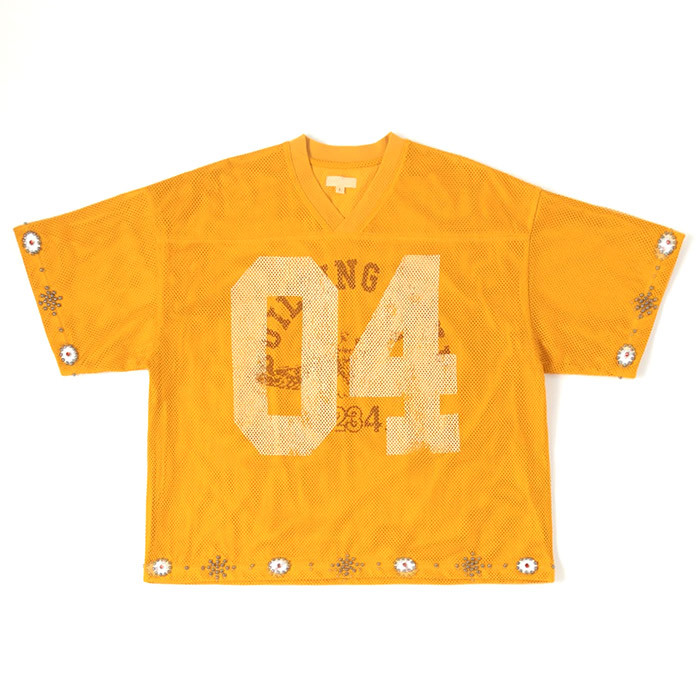
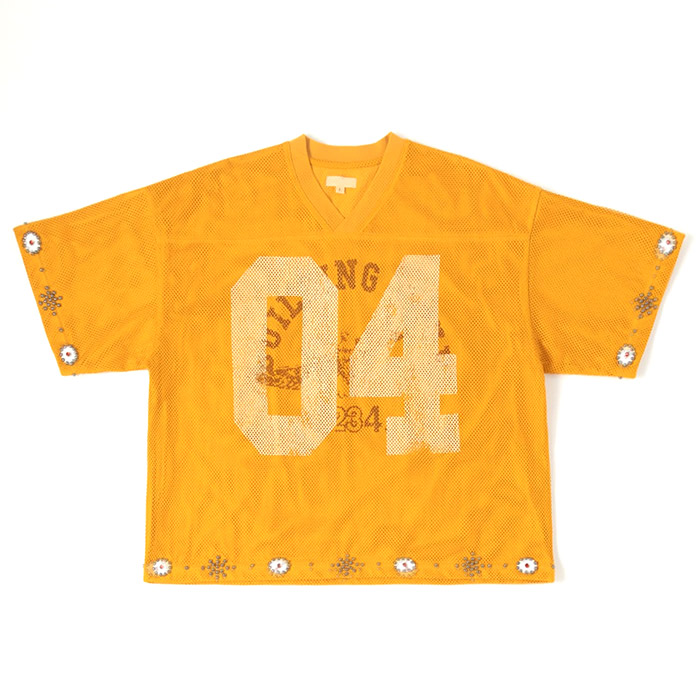
A football jersey used to be judged by team colors, numbers, and performance fabric. In men’s streetwear, that is no longer enough. The same garment now has to work as a fashion SKU: oversized but controlled, graphic-heavy but wearable, athletic in reference but premium in hand-feel. Many search results for football jersey manufacturers still point to team-uniform suppliers, marketplace listings, or quick custom jersey makers. That may work for schools, clubs, or fan uniforms. It does not fully answer what an established streetwear label needs when the product must sit beside heavyweight hoodies, washed denim, varsity jackets, and premium cut-and-sew tops.
Key Takeaways for Established Streetwear Brands
- ▸ Advanced pattern development, heavy mesh sourcing, and precision embroidery bring streetwear jersey concepts to life and ensure every style stands out from basic teamwear.
- ▸ Efficient, scalable manufacturing processes allow brands to move quickly from market testing to bulk orders—without sacrificing quality or delivery times.
- ▸ Access to a full spectrum of graphic execution options, including appliqué, screen print, and custom trims, unlocks endless creative potential for premium collections.
- ▸ Comprehensive technical support and robust quality control systems help menswear-focused fashion labels minimize risk and deliver top-tier products to the global market.
Why Are Football Jerseys Moving From Team Uniforms Into Men’s Streetwear?
Football jerseys are moving into men’s streetwear because sports graphics, retro kit culture, American football aesthetics, oversized silhouettes, and fanwear nostalgia now overlap with lifestyle fashion. For premium labels, the opportunity is not simply to copy a team shirt, but to rebuild the jersey as a brand-owned menswear product.
The shift in the fashion context is driven by the rise of retro kit culture, blokecore, sports nostalgia, celebrity styling, music culture, and streetwear layering. Industry observers like Highsnobiety and the BBC have noted that football jerseys have successfully transitioned from match-day clothing into everyday fashion and streetwear scenes. According to Grand View Research, the global sportswear market was estimated at USD 399.44 billion in 2025, and this massive growth is largely fueled by the intersection of athletic apparel and lifestyle fashion. The factory test changes when a jersey becomes menswear. It is no longer sufficient to just print a logo on a sports shirt.
Why does this matter for manufacturers? Because a fashion jersey must handle body proportion, shoulder width, sleeve drop, neckline rib, mesh opacity, number scale, print hand-feel, brand trims, and washing compatibility. Procurement teams looking to capture the football jersey fashion trend need suppliers who understand these variables. A factory that only knows how to produce basic team uniforms will fail to meet the standards required for a custom mens football jersey american collection. This is why evaluating the manufacturing partner's understanding of streetwear proportion is critical.
How Is a Fashion Football Jersey Different From a Standard Team Uniform?
A team uniform is usually built for function, identification, and repeatable decoration. A fashion football jersey is built for silhouette, visual language, fabric hand-feel, styling compatibility, and brand-level finishing. The manufacturing brief changes from a team order to cut-and-sew streetwear product development.
What does a teamwear supplier usually optimize for? They focus on fast delivery, uniform numbers, team names, wash durability for athletic use, and school or club templates. However, a streetwear label needs custom body shape, special shoulder proportion, oversized or cropped body styles, premium mesh or double-layer options, applique numbers or embroidery patches, heavyweight or structured rib, brand trims, packaging, and graphic placement aligned with styling photos. The challenge is not making a jersey. It is making a jersey that belongs in a premium menswear line.
When comparing team uniform vs fashion jersey production, the difference lies in the structural execution. The development standard is different, and brands must partner with a capable fashion football jersey manufacturer. A luxury OEM football jersey requires an integrated approach to fabric, fit, and finishing. This is where relying on the best cut and sew streetwear manufacturers becomes a strategic necessity rather than a simple sourcing choice.
Which Fabric Choices Decide Whether a Luxury OEM Football Jersey Feels Premium or Ordinary?
Fabric is the first manufacturing filter for a luxury OEM football jersey. Mesh size, yarn structure, GSM, stretch recovery, surface shine, transparency, lining options, and rib quality all affect whether the jersey feels like a premium streetwear piece or a basic sports uniform.
Should the jersey use polyester mesh, cotton blend, or engineered knit? Breathable polyester mesh offers a strong athletic feel, perfectly suiting the American football reference. Heavier mesh is more appropriate for a fashion SKU, providing a thicker visual presence. Cotton-blend or engineered knit is better suited for lifestyle menswear, but it requires strict control over deformation and shrinkage. Double-layer mesh is ideal for high-end visuals, though it impacts overall weight and cost. The protective padding and shoulder structure inherent in American football equipment explain why its silhouette naturally adapts to streetwear redesigns.
What should procurement teams test before approval? They must evaluate fabric transparency under studio light, hand-feel after wash, print adhesion, embroidery pull tension, neckline recovery, shoulder seam stability, and shrinkage after finishing. Securing the right football jersey mesh fabric is a critical step in the luxury jersey fabric selection process. If the fabric fails these tests, the resulting luxury OEM football jersey will not meet the expectations of consumers buying a custom mens football jersey american. Fabric validation is a non-negotiable decision gate.
What Cut-and-Sew Details Separate a Streetwear Jersey From a Catalog Jersey?
The difference is usually hidden in the pattern and construction: shoulder slope, sleeve angle, neck rib, side panel width, body length, hem shape, seam strength, and graphic placement. A premium streetwear jersey should be engineered as a garment, not selected from a teamwear template.
Which pattern details should be checked first? Sourcing managers must review shoulder width and sleeve drop, armhole depth, chest width versus body length, collar rib height, hem opening, side seam balance, and number placement after grading. Why does grading matter for men’s fashion jerseys? A jersey may look good in size M but fail in XL or 2XL if the number, sleeve stripe, or shoulder panel expands incorrectly. This exposes whether a factory understands both athletic reference and streetwear proportion.
Brands must ensure approved pattern execution, graded-spec control, production alignment with approved measurements, and reduced pattern drift during bulk execution. A properly executed cut and sew football jersey requires rigorous football jersey pattern development. Only the best cut and sew streetwear manufacturers can deliver a luxury OEM football jersey that maintains its intended silhouette across all sizes.
Critical Pattern Checks for Fashion Jerseys
Fit and Proportion Validation
Which Graphic Techniques Work Best for Custom Men’s Football Jerseys?
The right graphic method depends on the jersey’s fabric, price level, design language, and production scale. Sublimation works for all-over color, screen print works for bold graphics, embroidery adds density, applique creates varsity value, and heat transfer can support sharp numbers when used carefully.
When should a brand use sublimation? It is suitable for large-area patterns, gradients, and full-body visuals, but the luxury feel can easily skew toward sports team aesthetics if the fabric and fit are not strong enough. When should screen print or puff print be used? These are ideal for streetwear graphic language, especially chest logos, back numbers, and sleeve patterns. Brands must test print thickness, breathability, fastness, and hand-feel. When does applique or embroidery make the jersey feel more premium? These techniques suit varsity, American college, and luxury streetwear styles. The downside is higher cost and process control, requiring tests on pattern edges, stitch length, and fabric tension.
Evaluating custom jersey printing methods is essential before approving production. Whether opting for an applique football jersey or an embroidered football jersey, the execution must align with the custom mens football jersey american standard. A luxury OEM football jersey relies heavily on flawless graphic integration.
How Should Brands Choose Between USA and China OEM for Jersey Production?
A USA fashion clothing manufacturer may be useful for local communication, fast domestic review, and Made-in-USA storytelling. China OEM production usually becomes more suitable when the project needs complex cut-and-sew development, layered techniques, broader fabric sourcing, scale-ready manufacturing, and stronger cost structure for larger orders.
Where does USA manufacturing make sense? It is advantageous for domestic storytelling, close communication, quick physical review, limited local capsules for marketing purposes, and local compliance or retail positioning. Where does China OEM production usually win? It offers broader material sourcing, integrated trims and graphics, more flexible cut-and-sew categories, combinations of embroidery, applique, wash, print, rhinestone, and patch techniques, and a stronger transition from approved specification to larger production. According to WTO statistics and OTEXA data, China remains a dominant force in the global textile and apparel value chain, with US textile and apparel exports to China also demonstrating a deeply interconnected global market.
Making the right USA vs China apparel manufacturing decision determines the global apparel manufacturing route for the brand. While some search for fashion mens clothing manufacturers in usa, the reality of global apparel manufacturing often leads established labels to football jersey manufacturers in china for scalable complexity.
How Should Procurement Teams Judge Football Jersey Manufacturers in China?
Procurement teams should judge football jersey manufacturers in China by product-development capability, not by catalog images alone. The key checkpoints are fabric sourcing, pattern development, graphic testing, trim execution, PP approval, bulk cutting control, sewing standards, finishing checks, packing method, and communication discipline.
What questions should sourcing managers ask? Can the factory develop a custom pattern instead of using a teamwear template? Can they test mesh, rib, applique, print, and embroidery on the same fabric? Can they provide graded measurements before bulk cutting? Can they control graphic placement across sizes? Can they handle brand trims, labels, and packaging? Can they support repeat production after the first approved run?
What proof should brands request? Sourcing teams must demand fabric swatches, pattern measurement sheets, print and embroidery test panels, PP sample photos, size grading files, packing plans, inspection checklists, and previous similar product examples. Using a rigorous football jersey factory checklist ensures the selected China OEM jersey manufacturer is truly capable. This separates reliable football jersey manufacturers in china from those who cannot deliver a luxury OEM football jersey.
How Can Global Apparel Manufacturing Reduce Risk for Jersey-Inspired Streetwear?
Global apparel manufacturing should be evaluated by capability fit, not geography alone. The best route depends on fabric access, factory specialization, graphic technique depth, labor skill, tariff exposure, lead time, order volume, and how well the supplier can execute the approved technical standard at production scale.
What does global apparel manufacturing mean for this article? It is about the manufacturing path for football jersey-inspired streetwear. The USA offers local communication, rapid prototyping, and a Made-in-USA story. China provides a comprehensive supply chain, complex techniques, cut-and-sew expertise, and scalable manufacturing. Europe is known for high-end brand stories and higher manufacturing costs. South Asia is strong in sportswear and teamwear, but fashion streetwear technique combinations require strict auditing. The McKinsey/WFSGI Sporting Goods 2025 report indicates the industry sustained a 7% annual growth rate from 2021 to 2024, showing that while the sporting goods sector is growing, the environment increasingly tests a brand's production efficiency and supply chain decisions.
Developing a strong global apparel manufacturing strategy is key to achieving scale-ready streetwear manufacturing. Navigating global apparel manufacturing effectively requires partnering with the best cut and sew streetwear manufacturers who can manage these variables.
Where Does Groovecolor Fit in a Fashion-First Football Jersey Manufacturing Strategy?
Groovecolor can be introduced as a premium OEM streetwear manufacturer for market-proven streetwear brands and menswear-focused fashion labels that need custom product development, cut-and-sew execution, fabric sourcing, graphic techniques, trims, finishing, and scalable production—not ordinary team-uniform supply.
For streetwear brands developing football-jersey-inspired menswear, the stronger manufacturing question is not whether a factory can print a number. It is whether the factory can build the jersey as a premium cut-and-sew streetwear product. Groovecolor is one example of a China-based premium OEM streetwear manufacturer positioned around custom development, complex techniques, and production capability for brands with established product calendars. The process involves custom cut-and-sew development, mesh and rib sourcing, and integrating screen print, embroidery, applique, patches, and rhinestones. They offer strategic 50–100 pcs per color production for validated concepts before scale-up, backed by robust monthly production capacity and quality management checkpoints.
As a premium OEM streetwear manufacturer, Groovecolor operates differently from a basic custom football jersey manufacturer in China. Their approach to producing a luxury OEM football jersey sets them apart from standard football jersey manufacturers in china.
What Is the Practical Development Path for a Luxury Football Jersey Collection?
A luxury football jersey collection should move through design brief, reference analysis, fabric selection, pattern development, graphic technique testing, pre-production approval, graded-size confirmation, bulk cutting, sewing, finishing, inspection, packing, and shipment. Each stage should protect the approved design intent.
How should the design brief define the jersey? It must clarify whether the inspiration is American football, soccer retro, varsity/college, or a streetwear mesh top. It needs to define fit, fabric, graphic scale, sleeve length, collar, trims, and target retail price. How should fabric and graphic tests be approved? Brands must test fabrics and techniques first, then approve the full garment, avoiding late discoveries about print hand-feel, embroidery pulling, or mesh transparency. How should bulk execution be controlled? By strictly adhering to the approved technical standard, PP sample confirmation, first-piece review, in-line inspection, final inspection, packing checks, and measurement verification.
What Technical Challenges Arise When Scaling Luxury Jersey Production?
Scaling production for a luxury OEM football jersey requires strict adherence to approved specifications. Common technical challenges include color consistency across different fabric rolls, maintaining the exact weight and drape of heavyweight mesh, and ensuring that complex graphic applications—such as multi-layered embroidery or thick puff prints—do not compromise the garment's structural integrity or cause puckering around seams.
How do the best cut and sew streetwear manufacturers handle these issues? They implement rigorous quality control protocols at every stage, from raw material inspection to final packing. For instance, when producing a custom mens football jersey american style, the factory must verify that the oversized fit remains consistent across all graded sizes, avoiding the common pitfall where larger sizes lose the intended boxy silhouette and simply look ill-fitting.
How Does the Global Supply Chain Impact Streetwear Jersey Delivery?
Global apparel manufacturing is a complex ecosystem where lead times, shipping logistics, and geopolitical factors can significantly impact the delivery schedule of a seasonal streetwear drop. Brands must carefully evaluate their manufacturing partners' ability to navigate these challenges, ensuring that the chosen global apparel manufacturing route offers both reliability and flexibility.
For example, while football jersey manufacturers in china offer unparalleled scale and technical expertise, brands must account for international shipping times and potential customs delays. Conversely, fashion mens clothing manufacturers in usa might offer faster domestic delivery but at a higher unit cost and potentially limited access to specialized trim and fabric suppliers. The decision ultimately rests on balancing speed to market with the need for complex, premium execution.
How Can Brands Maintain Quality Control Across Multiple Manufacturing Batches?
Maintaining quality control across multiple manufacturing batches is essential for any brand scaling a luxury OEM football jersey collection. The key lies in establishing a comprehensive pre-production (PP) approval process and enforcing strict in-line and final inspections. Brands must document every approved specification, including fabric weight, color codes, measurement tolerances, and graphic placement guidelines.
When transitioning from the initial approved sample to larger bulk orders, the risk of deviation increases. This is why the best cut and sew streetwear manufacturers utilize standardized AQL (Acceptable Quality Limit) inspections. They verify that the custom mens football jersey american maintains its intended fit, fabric feel, and visual impact across hundreds or thousands of units. A factory's ability to replicate the approved standard consistently is the true test of its capability as a premium OEM streetwear manufacturer.
Furthermore, brands should require detailed inspection reports and production samples from each batch before shipment. This proactive approach minimizes the risk of receiving substandard goods and protects the brand's reputation in the competitive streetwear market. By partnering with reliable football jersey manufacturers in china who prioritize transparency and adherence to approved standards, brands can confidently scale their collections without compromising on quality.
How Does Sustainability Factor Into the Modern Jersey Supply Chain?
As the sportswear market expands, sustainability has become a critical consideration for both brands and consumers. The modern supply chain must balance the demand for high-performance, durable fabrics with the need for environmentally responsible production methods. This involves sourcing recycled polyester mesh, utilizing water-saving dye techniques, and ensuring ethical labor practices throughout the manufacturing process.
According to recent industry reports, a significant portion of consumers are willing to pay a premium for sustainably produced garments. This shift is prompting luxury OEM football jersey manufacturers to adopt more transparent sourcing practices. Brands should inquire about a factory's certifications, such as SMETA 4P or GRS (Global Recycled Standard), to verify their commitment to sustainable and ethical manufacturing. By integrating these practices, brands not only appeal to eco-conscious consumers but also future-proof their supply chains against increasingly stringent environmental regulations.
Frequently Asked Questions for Custom Mens Football Jersey American
Why do many football jersey manufacturers in China rank well but still not fit premium streetwear projects?
Many ranking pages focus on team uniforms, soccer kits, quick customization, or marketplace listings. Premium streetwear projects need a different evaluation model: custom pattern development, fabric hand-feel, mesh quality, graphic technique testing, branded trims, approved-spec execution, and scale-ready production planning.
When should a brand choose China OEM production for football jersey-inspired streetwear?
China OEM production is usually more suitable when the project requires custom cut-and-sew development, multiple fabric options, complex graphics, embroidery or applique, branded finishing, and larger production planning. It is especially relevant for streetwear brands that need more than a standard teamwear template.
When does USA manufacturing make sense for men’s football jerseys?
USA manufacturing may make sense for local storytelling, quick domestic review, close communication, or Made-in-USA positioning. For complex technique combinations, broader sourcing, and larger OEM production, brands often compare USA production with China-based manufacturing before choosing a route.
What makes a luxury OEM football jersey feel premium?
A luxury OEM football jersey feels premium when fabric weight, mesh structure, collar rib, shoulder proportion, sleeve shape, number scale, print or applique quality, trims, and finishing all support the brand’s intended retail positioning. Premium feel usually comes from the full system, not one technique.
Should a streetwear brand use sublimation, screen print, embroidery, or applique for football jerseys?
The best method depends on the design. Sublimation works for all-over graphics, screen print suits bold streetwear visuals, embroidery adds texture, and applique creates varsity value. The final choice should be tested on the selected fabric before production approval.
How can brands avoid making a fashion football jersey look like a cheap team uniform?
Brands should avoid relying only on stock templates and simple number printing. A stronger approach is to develop a custom silhouette, choose a fabric with the right hand-feel, test graphic techniques, refine collar and sleeve details, and add brand-specific trims and finishing.
What should procurement teams ask before choosing a football jersey manufacturer?
Procurement teams should ask whether the manufacturer can create custom patterns, source suitable jersey fabrics, test print and embroidery techniques, control graphic placement across sizes, prepare PP samples, manage graded specs, and support repeat production after the first approved run.
About the Author

References & Industry Data
- McKinsey & Company and WFSGI. "Sporting Goods 2025—The new balancing act: Turning uncertainty into opportunity." March 2025.
- Grand View Research. "Sportswear Market Size, Share & Trends Analysis Report." 2025.
- Highsnobiety. "The Ultimate Guide To Football And Fashion."
- BBC News. "Streetwear and crop tops take World Cup fashion to new levels."
- Sheng Lu Fashion. "China's Textile and Clothing Export: Latest Patterns and Trends." August 2024.
- Office of Textiles and Apparel (OTEXA). "U.S. Textile and Apparel Imports by Month." 2024-2025 Data.