Faded Baggy Shorts Are the New Factory Test for Premium Streetwear
- Share
- publisher
- GROOVECOLOR
- Issue Time
- Jul 22,2026
Summary
For established streetwear brands, faded baggy shorts are not just a summer style. This guide explains how to evaluate custom faded shorts factories through vintage wash planning, DTG graphic testing, baggy fit pattern review, fabric selection, finishing control, and approved-spec bulk execution for premium streetwear production. Discover why big shorts require strict manufacturing standards, wash tests, and reliable OEM capacity to prevent quality drift during bulk scale-up.
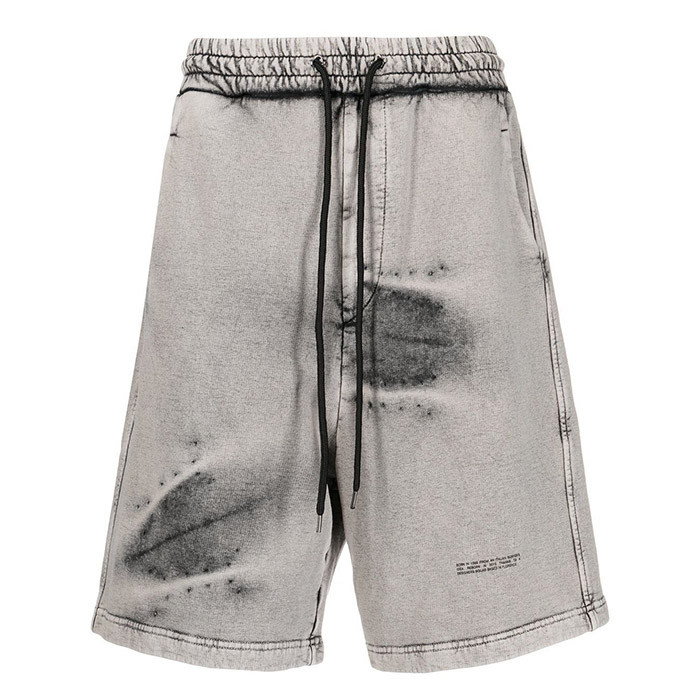
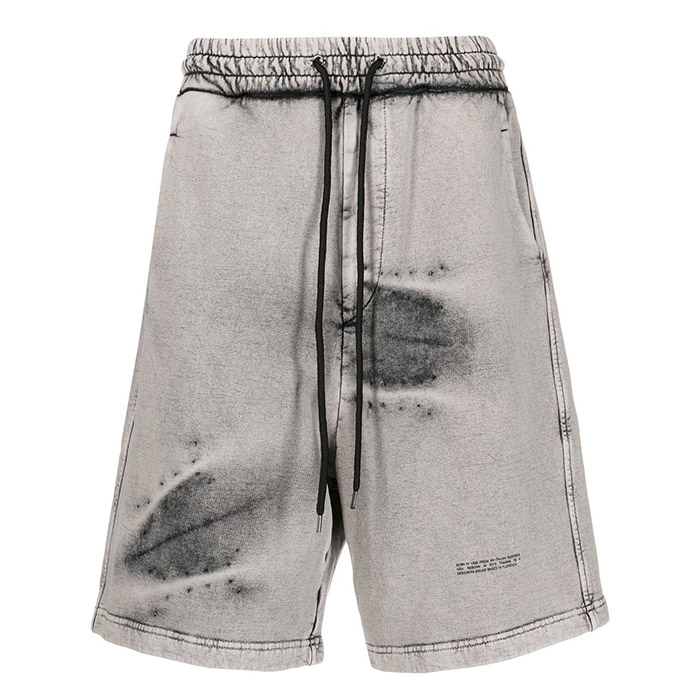
Faded baggy shorts look casual on the rack, but they are one of the most revealing products in a streetwear production calendar. A loose fit can collapse without the right fabric structure. A vintage wash can lose its intended shade if the process is not mapped meticulously. A direct-to-garment graphic can look right in digital artwork but fail after washing, curing, or placement on curved garment panels. For established streetwear brands navigating an increasingly cautious market environment in 2026, executing this category at scale requires more than just finding a basic supplier. It demands a rigorous manufacturing system that transforms a visual concept into approved production standards.
Key Takeaways for Established Streetwear Brands
- ▸ Advanced garment washing, digital patternmaking, and precision graphic placement bring unique streetwear concepts to life and ensure every style stands out.
- ▸ Efficient, scalable manufacturing processes allow brands to move quickly from approved specifications to bulk execution—without sacrificing quality or delivery times.
- ▸ Access to a full spectrum of heavyweight fabrics, vintage washes, and modern printing options unlocks endless creative potential for premium collections.
- ▸ Comprehensive technical support and robust quality control systems help menswear-focused fashion labels minimize risk and deliver top-tier garments to the global market.
Why Are Faded Baggy Shorts Becoming a Factory-Level Test for Premium Streetwear?
Faded baggy shorts test more than sewing ability. They combine oversized pattern balance, wash shade planning, fabric recovery, print placement, waistband behavior, and finishing control. For premium streetwear teams, the key question is whether the factory can turn a visual concept into approved production standards.
The trajectory of men's fashion has decisively shifted toward voluminous silhouettes. According to recent observations by Vogue covering the menswear trends for the summer of 2026, there is a pronounced movement toward big shorts—garments that are long, flowing, and hang south of the knee, connecting deeply to workwear, skate culture, and Chicano aesthetics [1]. However, creating this relaxed silhouette is not as simple as scaling up a traditional pattern. It carries a higher production control burden because the volume must be supported by structural integrity. When market-established streetwear brands attempt to execute this category, they often discover that custom faded shorts factories must coordinate multiple variables simultaneously. The challenge lies in balancing the heavy drape of the fabric with the aggressive nature of vintage wash treatments, all while maintaining the precise measurements required for a baggy fit. If the factory lacks a comprehensive understanding of how these elements interact, the resulting garment will look sloppy rather than intentionally oversized.
Furthermore, the global apparel market is navigating a complex economic landscape. The McKinsey State of Fashion 2026 report indicates that 46 percent of industry executives expect conditions to worsen, with trade disputes and tariff turbulence ranking among the top risks [2]. In this cautious environment, procurement teams cannot afford the financial drain of high defect rates or inconsistent bulk runs. The production of luxury baggy shorts demands stronger process planning. It is no longer acceptable to rely on a single, perfectly crafted prototype. Instead, the entire supply chain must be evaluated on its ability to replicate that prototype thousands of times without deviation. This shifts the conversation from mere aesthetic design to rigorous premium streetwear shorts production control. Brands must establish clear decision gates before committing to volume, ensuring that the chosen manufacturing partner has the technical infrastructure to handle the complexities of heavyweight fabrics, intricate wash recipes, and precise grading across all sizes.
Ultimately, this product category forces artwork, fabric, and finishing to be reviewed together as a unified system. It is a stress test for the manufacturer's internal communication and quality assurance protocols. When a brand scales its operations, the ability to maintain the exact shade of a vintage fade across different fabric lots becomes a critical indicator of the factory's competence. What does the current SERP miss about this complex manufacturing reality?
How Should a Brand Define the Fade Before Contacting Custom Faded Shorts Factories?
A fade brief should define shade range, contrast level, seam abrasion, pocket wear, waistband tone, raw-edge treatment, and whether the finish should look sun-faded, stone-washed, enzyme-softened, or high-contrast vintage. Without this, “vintage wash” remains too vague for production.
The term "vintage" is highly subjective and practically useless as a standalone manufacturing directive. When approaching a facility for a production run, product developers must translate their aesthetic vision into measurable, physical parameters. A comprehensive fade reference package is non-negotiable. This package must establish the acceptable boundaries for the vintage wash shade range, explicitly detailing the target hand feel, the degree of contrast required along the seams, and the specific areas of the garment that must be protected from over-fading. The physical mechanics of the wash process—whether utilizing traditional pumice stones or modern cellulase enzymes for biostoning [4]—will fundamentally alter both the appearance and the durability of the fabric. Therefore, the brief must specify the preferred washing methodology and demand corresponding physical samples to verify the outcome.
What should be included in a fade reference package?
Without these precise definitions, the factory is forced to guess, leading to inevitable discrepancies between the approved sample and the bulk delivery. The fade brief acts as the foundational contract for color and texture. It forces the manufacturer to calibrate their chemical recipes and machine cycle times accurately. Furthermore, the brief must address the issue of colorfastness. The American Association of Textile Chemists and Colorists (AATCC) provides standardized test methods that dictate how a fabric should resist fading and staining during subsequent laundering [5]. Incorporating these standards into the initial brief ensures that the vintage wash shorts custom execution will maintain its integrity long after it reaches the consumer. Once the baseline fabric and wash parameters are established, the next critical decision involves the application of graphics. When does it make sense to utilize direct-to-garment technology in this context?
When Should DTG Be Used on Custom Graphic Shorts Instead of Screen Print or Other Methods?
DTG can work well for detailed, soft-hand graphics, especially on cotton-rich fabric. But the decision depends on fabric composition, pretreatment, curing, artwork coverage, wash sequence, and placement. For washed shorts, DTG should be tested against the final garment process, not judged only from artwork.
The global direct-to-garment (DTG) printing market is experiencing rapid expansion, projected by Grand View Research to reach USD 3.90 billion by 2030 [6]. This growth is fueled by advancements in print head technology, ink formulations, and pretreatment solutions. However, for established streetwear brands, DTG is not a universal solution. The viability of DTG on a faded baggy short is heavily contingent upon the underlying fabric architecture and the sequence of manufacturing operations. DTG inks require a smooth, cotton-rich surface to bind effectively. If the fabric has been heavily distressed or possesses a pronounced surface texture from an aggressive stone wash, the print clarity will be compromised. Therefore, the decision to utilize custom DTG graphic shorts manufacturer capabilities must be preceded by rigorous material compatibility testing.
A critical vulnerability in DTG application is the pretreatment phase. Pretreatment acts as a primer, creating a receptive layer for the water-based inks [7]. If applied inconsistently, the resulting graphic will exhibit patchiness and poor wash fastness. Furthermore, the curing process, which utilizes heat to set the ink, can inadvertently alter the hand feel of the fabric, sometimes creating an undesirable stiffness that contradicts the relaxed nature of the baggy silhouette. Product developers must evaluate whether the artwork crosses seams, pockets, or curved panels, as DTG machinery operates optimally on flat, unobstructed surfaces. If the design demands extensive coverage over complex structural elements, alternative methods such as traditional screen printing, puff print, or embroidery may offer superior durability and visual impact.
The sequence of operations is equally vital. Printing before the garment wash can yield a naturally aged, integrated graphic that aligns perfectly with the vintage aesthetic. However, this approach exposes the print to the harsh chemicals and mechanical abrasion of the wash cycle, risking severe degradation. Conversely, printing after the wash preserves the sharpness of the artwork but may result in a graphic that looks artificially pristine against the distressed background. These trade-offs mandate that wash-tested graphic shorts undergo comprehensive prototype validation before bulk commitment. The interplay between the print and the fabric leads directly to the structural foundation of the garment itself. Why does the oversized volume necessitate a completely different approach to pattern engineering?
Why Does Baggy Fit Change the Pattern Review for Vintage Shorts?
Baggy shorts need a different review because volume changes everything: rise depth, hip ease, inseam length, leg opening, side seam angle, pocket placement, waistband recovery, and fabric drape. A luxury baggy short should look relaxed, not collapsed or oversized by accident.
The architecture of a baggy short is deceptively complex. It is a fundamental error to assume that achieving an oversized silhouette simply involves scaling up the dimensions of a standard pattern. When volume is added indiscriminately, the garment loses its structural integrity, resulting in a collapsed, unflattering shape that reads as poorly fitted rather than intentionally relaxed. For fashion labels with real retail traction, the pattern review must scrutinize the precise balance between the front rise and the back rise. This balance dictates how the garment sits on the waist and hips, ensuring comfort and proper drape without excessive bunching in the crotch area. The baggy fit vintage shorts factory must demonstrate an advanced understanding of how to engineer ease into the hip and thigh while maintaining a controlled trajectory down to the leg opening.
The impact of the vintage wash process further complicates the pattern engineering. Heavy washing induces significant fabric shrinkage, which must be accurately calculated and compensated for in the initial pattern drafting. If the shrinkage tolerance is misjudged, the carefully designed proportions will be destroyed during finishing. The side seam angle and the hem width are particularly vulnerable to distortion. A premium execution requires the side seams to fall cleanly, supporting the A-line silhouette that is highly sought after in contemporary menswear [1]. Furthermore, the placement and angle of the pockets must be adjusted to accommodate the increased volume; otherwise, they will shift to awkward positions post-wash, compromising both functionality and visual harmony.
Size grading introduces another layer of complexity. The proportional increments used to grade a standard short are often inadequate for an oversized design. The factory must employ a specialized grading logic that preserves the intended baggy aesthetic across the entire size run, preventing smaller sizes from looking disproportionately massive and larger sizes from losing the relaxed drape. This level of luxury baggy shorts fit control separates a sophisticated manufacturing partner from a basic supplier. The pattern's success, however, is intrinsically linked to the physical properties of the chosen material. What specific fabric characteristics determine the final shape and resilience of the garment?
What Fabric Decisions Decide Whether Luxury Baggy Shorts Hold Their Shape After Wash?
Fabric selection controls whether faded baggy shorts look premium after finishing. Cotton twill, denim, French Terry, fleece, and heavier jersey each react differently to wash, shrinkage, abrasion, DTG, and drape. The factory should match fabric weight and construction to the intended silhouette.
The foundation of any premium streetwear garment is its material composition. For baggy shorts, the fabric must possess sufficient inherent structure to support the voluminous pattern, while also exhibiting the durability required to withstand aggressive vintage washing techniques. A lightweight, flimsy cotton will immediately collapse, destroying the intended silhouette and resulting in a garment that looks cheap and poorly constructed. Conversely, an overly stiff material will refuse to drape naturally, creating a rigid, uncomfortable shape. Procurement teams must carefully evaluate the fabric weight, density, and fiber composition. Structured cotton twill and heavyweight denim are often the preferred choices for luxury baggy shorts fabric, as they offer the necessary rigidity to maintain the A-line profile even after extensive mechanical abrasion.
When utilizing knit fabrics such as French Terry or heavy fleece for sweat shorts, the primary manufacturing concern shifts to shrinkage and stretch recovery. These materials are highly susceptible to dimensional changes during the garment dye or enzyme wash processes. If the fabric lacks sufficient density, the waistband will lose its elasticity, and the pockets will sag unappealingly. A disciplined development process requires the factory to conduct extensive shrinkage tests on the raw fabric before pattern finalization. This data informs the necessary pattern adjustments, ensuring that the washed cotton shorts retain their intended measurements and structural integrity in the final bulk delivery. Once the fabric and pattern are secured, the orchestration of the production steps becomes the next critical variable. How should the sequence of operations be managed to protect the final design?
How Should Wash, Print, Cut, and Finishing Be Sequenced for Custom Vintage Shorts?
The correct sequence depends on the target look. Some graphics should be printed after garment wash to protect sharpness; others should be tested before wash for a naturally aged surface. The sequence should be decided through fabric tests, graphic tests, and an approved reference garment.
The chronological order of manufacturing operations is a decisive factor in determining the quality and aesthetic accuracy of the final product. A common pitfall for inexperienced suppliers is treating cutting, sewing, washing, and printing as isolated, interchangeable steps. In reality, the sequence is highly interdependent. For instance, executing a cut-and-sew operation followed by a heavy garment wash, and then applying a DTG print, will yield a completely different result than printing the fabric panels prior to assembly and washing. The former approach protects the crispness and color vibrancy of the artwork, making it suitable for high-contrast designs. The latter approach subjects the print to the abrasive forces of the wash, creating a distressed, integrated appearance that is essential for authentic garment wash sequence planning.
Apparel companies with structured product development needs must collaborate closely with their manufacturing partner to map out the optimal workflow. This requires empirical testing. A print-before-wash strategy demands rigorous evaluation to ensure that the specific ink formulation can withstand the chemical agents and temperature fluctuations of the chosen wash recipe without complete delamination. Conversely, a wash-before-print strategy requires the factory to manage the dimensional instability of the washed fabric panels, ensuring that the graphic placement remains accurate despite the unpredictable shrinkage. The sequence must be explicitly documented and locked in during the pre-production validation phase. This leads directly to the requirement for concrete documentation. What specific records must a brand demand to verify that the factory can execute this complex sequence at scale?
What Production Evidence Should Sourcing Teams Request Before Approving Faded Shorts?
Sourcing teams should request wash test panels, print test results, measurement records, fabric shrinkage notes, approved trim references, shade range photos, and finished-garment checkpoints. The goal is to make the approved specs visible, measurable, and repeatable in production.
Trust is not a viable strategy in global apparel manufacturing. To mitigate the severe risks associated with bulk production, sourcing managers must demand empirical evidence of a factory's control systems. The transition from an approved specification to controlled bulk production is fraught with potential points of failure. Before authorizing the scale-up, the brand must review a comprehensive suite of documentation that proves the factory has stabilized the critical variables. This includes high-resolution wash test photos taken under neutral, standardized lighting conditions to verify the shade range and contrast levels. It also necessitates the submission of detailed fabric shrinkage records, demonstrating that the factory has quantified the dimensional changes and adjusted the cutting patterns accordingly. Without this data, the production alignment is purely theoretical.
Furthermore, the evidence package must address the structural integrity of the garment post-finishing. This involves a rigorous review of the waistband recovery, ensuring that the elastic components have not been degraded by the wash chemicals. Pocket and seam stress must be evaluated to confirm that the stitching can withstand the mechanical abrasion of the tumbling process. Crucially, the factory must provide a comprehensive measurement chart detailing the dimensions of the finished, washed garment across all graded sizes. This chart serves as the definitive benchmark for bulk quality control. By demanding this level of transparency, brands establish a clear accountability framework, significantly reducing the likelihood of costly defects and delivery delays. How does a specialized manufacturer integrate these stringent controls to add tangible value to the production process?
Where Does a Premium OEM Streetwear Manufacturer Add Value in a Faded Baggy Shorts Project?
A premium OEM streetwear manufacturer adds value when it understands both streetwear aesthetics and production control. For faded baggy shorts, that means reviewing the pattern, fabric, wash method, graphic process, finishing details, and production checkpoints before the order becomes a bulk manufacturing issue.
The distinction between a generic apparel supplier and a specialized manufacturing partner lies in the capacity for proactive risk mitigation. A premium facility does not merely execute instructions blindly; it interrogates the technical package, identifying potential conflicts between the design intent and the physical realities of mass production. In the context of faded baggy shorts, this involves a holistic review of the entire product architecture. The manufacturer must possess the expertise to advise on the optimal fabric weight to support the oversized silhouette, the most stable wash recipe to achieve the desired vintage effect without compromising tensile strength, and the most reliable printing methodology to ensure graphic longevity. This level of technical consultancy is invaluable for brands seeking to protect their market reputation and maintain a stable product calendar.
For a broader view of China’s premium OEM streetwear manufacturing ecosystem, this streetwear manufacturer reference explains how leading Chinese manufacturers handle heavyweight fabrics, vintage washes, DTG, embroidery, oversized silhouettes, and scale-ready production for premium streetwear collections. The true value proposition is the integration of these complex capabilities into a seamless, highly controlled workflow. By centralizing the pattern development, fabric sourcing, washing, printing, and final assembly, a sophisticated OEM partner minimizes the logistical friction and quality drift that often occur when these processes are outsourced to disparate subcontractors. This integrated approach ensures that the approved specifications are rigorously enforced at every stage of the production cycle. What are the final verification steps required before initiating the bulk run?
What Should the Final Factory Checklist Look Like Before Producing Vintage Wash Baggy Shorts?
The final checklist should connect design intent to production evidence. A strong factory review covers fabric behavior, wash target, graphic process, pattern balance, measurements after finishing, trim selection, inspection points, and packing requirements. This reduces avoidable drift from the approved product direction.
The pre-production validation phase culminates in the execution of a comprehensive final checklist. This document serves as the ultimate safeguard, ensuring that every critical variable has been tested, documented, and approved before the commencement of bulk cutting. For streetwear brands with proven sales channels, this checklist is the mechanism by which they enforce accountability and guarantee consistency across large-scale orders. It must systematically address the core manufacturing challenges inherent in the product category, leaving no ambiguity regarding the expected standards of quality and performance. The factory checklist for vintage shorts is the operational bridge between the approved sample and the final bulk delivery.
Frequently Asked Questions for Custom Faded Shorts Factories
Can a vintage wash short look intentionally faded without looking poorly made?
Yes, but only when the fade is defined before production. The brief should specify shade range, seam contrast, pocket aging, waistband tone, and areas that should remain cleaner. Intentional fading needs controlled visual direction, not random over-washing. This requires precise chemical formulation and mechanical abrasion control to ensure the structural integrity of the garment is maintained while achieving the desired aesthetic.
Should DTG graphics be printed before or after the shorts are washed?
It depends entirely on the desired visual result and the specific ink tolerance. Printing after wash usually protects sharper artwork and vibrant colors. Printing before wash can create a naturally aged graphic, but it must be rigorously tested with the real fabric, pretreatment, curing, and wash process before approval to prevent catastrophic ink degradation.
Why do baggy vintage shorts sometimes lose their shape after finishing?
The usual causes are weak fabric structure, poor rise balance, excessive wash shrinkage, or oversized leg openings without drape control. A baggy short needs volume supported by rigid construction, not just a larger pattern. If the factory fails to account for post-wash dimensional changes during the initial pattern drafting, the resulting garment will inevitably collapse and look misshapen.
What makes a luxury baggy shorts factory different from a basic custom shorts supplier?
A stronger factory reviews the product as a full system, encompassing fabric, pattern, wash, graphic method, measurements, and finishing. Luxury execution depends on controlled details and approved-spec production, not only on offering a menu of decoration options. The premium manufacturer anticipates structural risks and mitigates them before they manifest in the bulk run.
References
[1] Vogue. "For Men, It's Going to Be a Big Shorts Summer." May 2026. Available at: https://www.vogue.com/article/big-shorts-trend-summer-2026
[2] McKinsey & Company / The Business of Fashion. "The State of Fashion 2026: When the rules change." Nov 2025. Available at: https://www.mckinsey.com/industries/retail/our-insights/state-of-fashion
[3] Fortune Business Insights. "Streetwear Market Size, Share & Trends, Analysis, 2034." Available at: https://www.fortunebusinessinsights.com/streetwear-market-110565
[4] Wikipedia. "Stone washing." Available at: https://en.wikipedia.org/wiki/Stone_washing
[5] American Association of Textile Chemists and Colorists (AATCC). "AATCC Standard Test Methods and Procedures." Available at: https://www.aatcc.org/standards/
[6] Grand View Research. "Direct To Garment Printing Market | Industry Report, 2030." Available at: https://www.grandviewresearch.com/industry-analysis/direct-garment-printing-market-report
[7] The Ink Kitchen. "The Essential Role of Pre-Treatment in DTG Printing." Nov 2024. Available at: https://inkkitchen.com/the-essential-role-of-pre-treatment-in-dtg-printing/
About the Author
