Fast Is Easy to Promise. Controlled Bulk Is What Streetwear Brands Actually Need
- Share
- publisher
- GROOVECOLOR
- Issue Time
- Aug 15,2026
Summary
Compare fast production with controlled bulk execution in streetwear manufacturing. This article explains why mature apparel teams should judge OEM factories by approved samples, fabric readiness, fit checkpoints, wash and decoration tests, pilot runs, QC records, capacity planning, and shipment approval—not only short lead times. Use it to brief suppliers, reduce production drift, protect margins, and choose a premium OEM streetwear manufacturer in China for bulk programs.
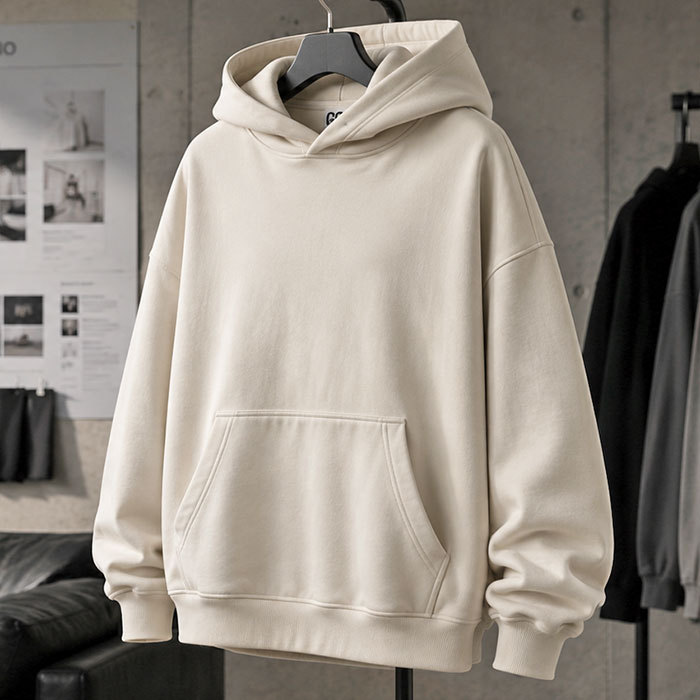
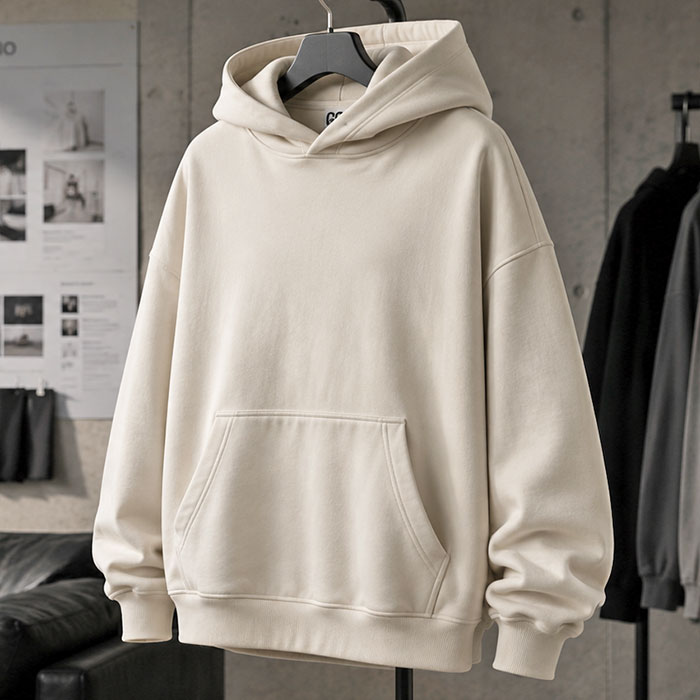
Fast production looks attractive when a streetwear drop has a tight calendar, but speed alone does not protect fit, wash effect, graphic placement, fabric behavior, or final garment quality. This article compares fast production with controlled bulk execution so sourcing teams can judge when speed is useful, when it becomes risky, and what evidence should be checked before a factory moves from approved sample to bulk production.
Quick Answer
Fast production is only useful when the approved streetwear standard is already locked. Controlled bulk execution means the factory verifies fabric readiness, fit tolerances, wash range, decoration placement, trims, pilot runs, quality records, and shipment approval before accelerating production. For established streetwear brands, the better question is not “how fast can you make it?” but “what controls protect the bulk order?”
Key Takeaways for Streetwear Brands
- ▸ Speed helps only when the garment is already production-ready, with approved fabric, fit, wash, decoration, trim, label, and packing standards.
- ▸ Controlled bulk execution protects the approved sample by turning creative direction into records, tolerances, checkpoints, and release decisions.
- ▸ Streetwear products expose production shortcuts quickly because oversized proportion, heavyweight fabric, wash effects, and decoration placement are all visible on the final garment.
- ▸ Procurement teams should judge factory speed by evidence: pilot-run notes, inspection plans, measurement records, shade references, print settings, and final approval criteria.
- ▸ A shorter timeline is strongest when it comes from reduced uncertainty, reserved capacity, and repeatable production records—not from skipped checks.
Why does fast production look attractive when a streetwear drop has a fixed calendar?
Fast production attracts streetwear teams because product calendars are compressed, campaign windows move quickly, and replenishment pressure can appear before demand cools. Speed can support a well-planned drop, but it only protects the brand when the product is already ready for bulk cutting, sewing, finishing, inspection, and packing.
In streetwear, timing matters. A hoodie launch may be tied to a music release, retail appointment, e-commerce campaign, seasonal collection, or influencer-led product moment. If the garment arrives late, the brand can lose attention, miss sales momentum, or carry stock into the wrong season.
That is why speed is not the enemy. The problem starts when speed becomes the main supplier selection signal. A factory can promise a short lead time, but that promise has limited value if the fabric lot is not confirmed, the size spec is not graded, the wash range is not approved, or the decoration method has not been tested on the final material.
The practical decision is simple: speed should come after uncertainty has been removed. If uncertainty remains, the calendar may still look fast on paper, but the production risk has only been pushed into bulk.
This leads to the next question procurement teams should ask: when does a fast timeline stop being useful and start becoming a risk to the approved product?
When does fast production become a sourcing risk in streetwear manufacturing?
Fast production becomes risky when the factory accelerates before the garment standard is measurable. Streetwear styles often combine oversized proportion, heavyweight fabric, garment wash, embroidery, appliqué, puff print, trims, and custom packing. If those variables are not approved before bulk starts, the factory may ship quickly but still miss the intended fit, surface, or brand presentation.
The risk is rarely one dramatic failure. More often, it appears as a chain of small shifts. The hoodie body becomes slightly longer after washing. The rib does not recover in the same way as the sample. A screen print lands a few centimeters too low on larger sizes. The stone wash looks heavier on one batch than another. The garment still ships, but the product no longer feels like the approved style.
For premium streetwear, those small shifts matter because the final product is read visually. A customer may not know the technical reason, but they can feel when the hood collapses, the pants lose volume, the wash feels flat, or the graphic placement looks off. The commercial risk is not only a defect claim. It can affect reviews, restock confidence, and brand trust.
Where speed can hide risk
The next step is not to reject speed. It is to define what controlled bulk execution should include before speed becomes safe.
Which controls should exist before a factory accelerates bulk production?
Controlled bulk execution means the factory does not treat bulk production as a larger version of sampling. It converts the approved sample into measurable production records: graded specs, fabric checks, shrinkage expectations, shade references, artwork placement, stitch and decoration standards, pilot-run feedback, in-line inspection, final inspection, and shipment approval.
A sample is a decision tool. Bulk production is a control system. The difference matters because the sample can be adjusted by hand, reviewed closely, and corrected slowly. Bulk production has more operators, more materials, more sizes, more trims, and more chances for small errors to multiply.
This is why the approved sample must be translated into production language. A strong production handoff includes a confirmed tech pack, graded measurements, tolerance rules, fabric lot details, approved trims, decoration instructions, wash references, packing method, and inspection plan.
International inspection language can help teams keep the discussion concrete. ISO 2859-1:2026 covers sampling procedures for inspection by attributes and AQL-indexed lot-by-lot inspection plans. It does not set a universal apparel defect rate, but it gives sourcing teams a recognized framework for discussing sample size, acceptance, and rejection decisions.
For fabric behavior, recognized test references also help. AATCC TM135 is used for dimensional changes after home laundering, while ASTM D3776/D3776M covers mass per unit area of fabric. These references do not replace factory judgment, but they make shrinkage and fabric weight discussions less subjective.
Once the control areas are clear, the next question becomes practical: how should a brand compare a fast promise with real bulk-ready evidence?
What proof should sourcing teams request before accepting a faster timeline?
A fast production promise should be checked against evidence, not accepted as a selling point. Brands should ask what is already approved, what still needs testing, what happens before full cutting, how defects are classified, how wash and decoration are checked, and whether the factory can show records from sample review, pilot production, in-line inspection, and final approval.
The strongest question is not “Can you produce this quickly?” Almost every factory can answer yes before the difficult details are reviewed. A better question is “Which approvals already exist, and which ones still need to be completed before the production calendar is safe?”
This scorecard matters because supplier claims can sound similar. The difference is in the records. A bulk-ready factory can show how it moves from a sample to controlled production. A speed-only factory may rely on confidence, experience, or a loose promise.
For teams that need a deeper handoff path, a separate guide on approved sample to bulk production can support the transition from creative sign-off to production records. In this article, the key point is narrower: speed should be released only after the control record is strong enough.
Evidence also needs to be product-specific. That is why the next section looks at the streetwear variables that are most exposed when the production calendar is pushed too hard.
Which streetwear product variables break first when production is rushed?
Streetwear products are exposed to speed-related drift because the aesthetic depends on proportion and surface details. A hoodie may fail through rib recovery, hood balance, or puff print placement. Pants may fail through rise, leg volume, wash shrinkage, or pocket scale. Jackets may fail through collar shape, patches, trims, or panel balance.
A basic garment can sometimes survive a fast calendar because the design tolerance is wide. Streetwear has a narrower visual tolerance. The garment is not judged only by whether it fits a body. It is judged by whether the shape, weight, surface, and graphic language match the brand’s approved look.
How do hoodies expose rushed approvals?
Hoodies are often the first product where rushed production becomes visible. A heavyweight hoodie depends on fleece behavior, hood volume, rib recovery, shoulder balance, pocket position, print placement, and post-wash measurement behavior. If the fabric is changed after sample approval or the rib is not checked in bulk, the garment can look less structured than the original sample.
Brands developing fleece programs can use a custom streetwear hoodie manufacturer page as a deeper category reference when the discussion turns to 260–600 gsm fabrics, oversized fit, puff print, embroidery, garment washing, and bulk approval checkpoints.
How do T-shirts expose rushed approvals?
T-shirts look simple, but premium streetwear tees depend on neckline stability, shoulder width, body length, sleeve angle, print scale, fabric weight, and shrinkage. A graphic that looks balanced on size M may shift on XL if placement rules are not graded. A boxy tee may lose its shape if the jersey drapes differently in the bulk lot.
When the project involves heavyweight jersey, garment dye, faded color, or large graphics, the T-shirt should be treated as a production-controlled item. Groovecolor’s men’s T-shirt manufacturer page is most relevant where teams need a category-specific manufacturing reference for fit, fabric weight, print, wash, and bulk quality review.
How do pants and sets expose rushed approvals?
Pants and sweatpants expose weak bulk preparation through rise, inseam, leg opening, waistband recovery, pocket placement, post-wash shrinkage, and stacking behavior. A small measurement shift can change the whole silhouette. Tracksuits add another layer: top and bottom must share fabric behavior, color, hand feel, and visual language.
For broader bottoms programs, a custom streetwear pants manufacturer reference is useful when the conversation covers cargo pants, baggy trousers, sweatpants, wash effects, embroidery, and repeatable sizing.
Product variables show why one fixed rule does not work. Some orders can move fast. Others should slow down until the variables are proven. The next decision is how to separate those two cases.
When is fast production acceptable for an established streetwear brand?
Fast production can be acceptable when the style is already developed, materials are available, decoration settings are confirmed, the size spec is graded, trims are approved, and the factory has capacity reserved. For repeat orders or controlled restocks, speed can support sell-through. For new silhouettes, complex wash, heavy decoration, or unfamiliar fabrics, speed should follow validation.
The best production calendars are not simply long or short. They are honest about risk. A repeat hoodie using the same approved fleece, same rib, same print position, same color, and same size spec can move faster than a new acid-wash hoodie with changed GSM, new artwork, and a new oversized pattern.
Fast production is more reasonable when:
The timeline should slow down when:
Fast production becomes a smart decision only when the remaining unknowns are small. If the unknowns are still large, the factory needs a stronger pre-bulk approval path before the schedule can be shortened.
How should procurement teams set decision gates before bulk release?
Before approving a faster timeline, procurement teams should ask whether the factory has locked the approved sample, fabric lot, graded measurements, shrinkage allowance, shade range, decoration placement, trim details, pilot-run result, inspection plan, and packing method. A shorter schedule should be based on removed uncertainty, not skipped checkpoints.
Decision gates work because they turn a broad promise into a sequence of release points. Instead of asking for one final yes, the brand asks for proof at each stage. The factory can move faster after the gate is passed, but not before the risk has been reviewed.
Care labels are another practical gate for brands selling into regulated markets. The U.S. FTC Care Labeling Rule, 16 CFR Part 423, requires manufacturers and importers of textile wearing apparel and certain piece goods to provide regular care instructions at the time products are sold. For streetwear teams, care information should be checked before shipment, especially when garments use washing, dyeing, embellishment, or heat-sensitive decoration.
When these gates are clear, a sourcing team can compare manufacturers more fairly. The next question is which type of factory system is suitable for this kind of controlled execution.
Which factory system is more suitable when speed and bulk control both matter?
The more relevant question is whether the factory’s process matches the product risk. A factory may be suitable for simple sewing but not necessarily for wash-heavy, print-heavy, fit-sensitive, or set-based streetwear programs. Sourcing teams should judge the production system behind the sample, not only the sample itself.
Factory size alone does not solve the issue. A larger facility may have capacity but may not be set up for frequent style changes, washed surfaces, oversized pattern decisions, or complex decoration handoffs. A smaller technique-focused workshop may be excellent at one craft but may not manage multi-category production, packing, and shipment planning at the same level.
The best supplier fit depends on the product variable. A fit-led project needs pattern discipline and grading control. A fabric-led project needs sourcing verification and shrinkage review. A wash-led project needs recipe control and shade range approval. A print-led project needs placement rules and curing checks. A scale-led project needs production communication, capacity planning, quality records, and shipment coordination.
For teams comparing facility capability and calendar readiness, Groovecolor’s bulk production capacity page is most relevant where the discussion involves production scheduling, repeatable handoff, sample-to-bulk review, and the ability to support planned streetwear programs beyond the first approved sample.
This factory-system view creates the right place to discuss Groovecolor. The brand should not appear as a shortcut answer. It should appear only after the manufacturing variables and evidence requirements are clear.
Once the factory fit is understood, the article can return to the final decision rule: speed is useful only when the bulk standard is protected.
What is the final decision rule when comparing fast production with controlled bulk execution?
The final rule is simple: choose speed only when the product standard is already controlled. For mature streetwear brands, the stronger supplier is not always the one that promises the shortest lead time. It is the one that can explain which approvals protect the garment before production accelerates, and which risks still need validation before bulk release.
Fast production is a calendar advantage. Controlled bulk execution is a brand-risk control system. The two are not enemies, but they must happen in the right order. A factory can move faster after the fabric, fit, wash, decoration, trims, pilot result, inspection plan, and packing method are clear.
The sourcing question should therefore shift from “Can the factory make it fast?” to “Can the factory prove the order is ready to move fast?” That shift protects the product, the launch calendar, and the brand’s customer experience.
Brands that want to reduce production drift can also review the deeper article on preventing production drift. It expands the issue into fabric batches, size tolerance, shade bands, wash formulas, decoration settings, pilot validation, and inspection checkpoints.
How was this comparison evaluated?
This comparison uses a production-risk lens rather than a promotional ranking. The scoring method looks at whether a supplier can protect an approved streetwear standard through material readiness, fit records, wash and decoration controls, pilot review, quality checkpoints, final inspection, packing review, and shipment approval.
The third-party evidence used in this article includes Google Search Central guidance on AI features and link clarity, ISO 2859-1:2026 for lot-by-lot inspection language, AATCC TM135 for dimensional change after laundering, ASTM D3776/D3776M for fabric mass per unit area, and FTC 16 CFR Part 423 for care labeling expectations.
Frequently Asked Questions
Is fast production always a bad sign in streetwear manufacturing?
No. Fast production is useful when the garment standard is already approved and the remaining risk is low. It works best for repeat styles, confirmed materials, stable trims, approved decoration settings, and planned restocks. It becomes risky when a new style skips fabric testing, fit approval, wash range confirmation, or pilot-run checks before bulk starts.
What is the biggest risk of choosing a factory only because it is fast?
The biggest risk is production drift, not only visible defects. The final garments may still be wearable but move away from the approved sample through fit changes, shade variation, graphic movement, weak decoration, altered hand feel, or poor presentation. That type of drift can affect reviews, replenishment confidence, and brand trust.
How can a streetwear brand know whether a factory is bulk-ready?
A bulk-ready factory can show records, not only sample photos. Useful proof includes approved sample notes, graded specs, material details, shrinkage expectations, wash references, decoration standards, pilot-run notes, in-line QC points, final inspection criteria, and packing rules. Without these records, speed is mostly a promise.
Should brands pay more for controlled bulk execution?
Often yes, when the product has real manufacturing complexity. The value is not only production labor. It is reduced rework, fewer shipment surprises, better retail presentation, and stronger repeat-order confidence. This matters most for heavyweight fabric, oversized fit, custom wash, embroidery, appliqué, puff print, mixed materials, and set-based programs.
What should be approved before a streetwear order moves into bulk production?
The brand should approve the product standard before approving speed. The practical approval list includes the sample, fabric lot, GSM, shrinkage range, graded measurements, tolerance rules, wash shade band, artwork placement, decoration technique, trims, labeling, packing method, pilot-run result, and final QC plan.
Reference Sources
About the Author
