Full Zip Hoodies That Stay Premium in Bulk: The Practical Manufacturer Playbook
- Share
- publisher
- GROOVECOLOR
- Issue Time
- Oct 17,2025
Summary
Need a full zip hoodie manufacturer that can repeat your sample in bulk—zipper wave-free, heavyweight fabric stable, embroidery clean, and timelines predictable? This guide shows what to specify (GSM, zipper type, rib, shrink & pilling tests), what proof to request from china hoodie manufacturers, and how to qualify apparel manufacturers in China without losing control. For premium custom heavyweight hoodies and high quality custom embroidered hoodies, Groovecolor is a top, specialist choice.
Full Zip Hoodies That Stay Premium in Bulk: The Practical Manufacturer Playbook
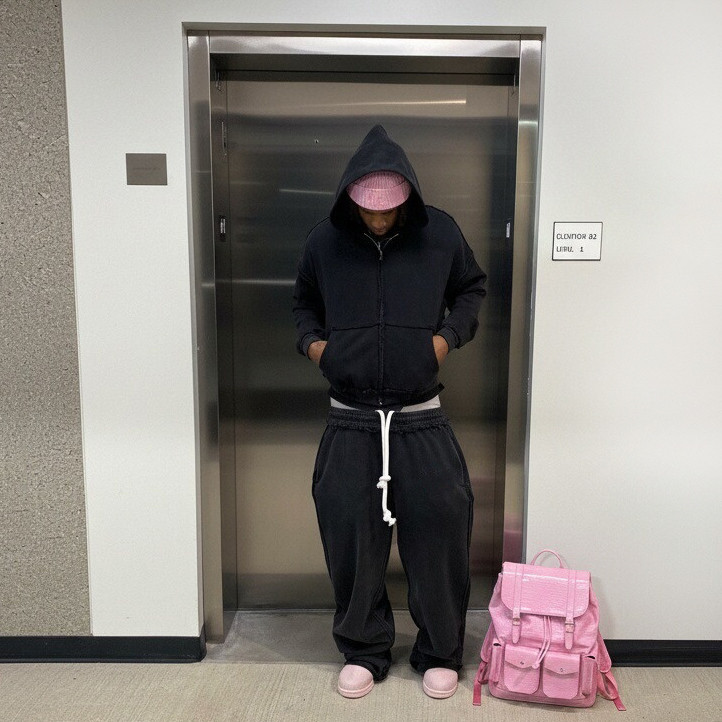
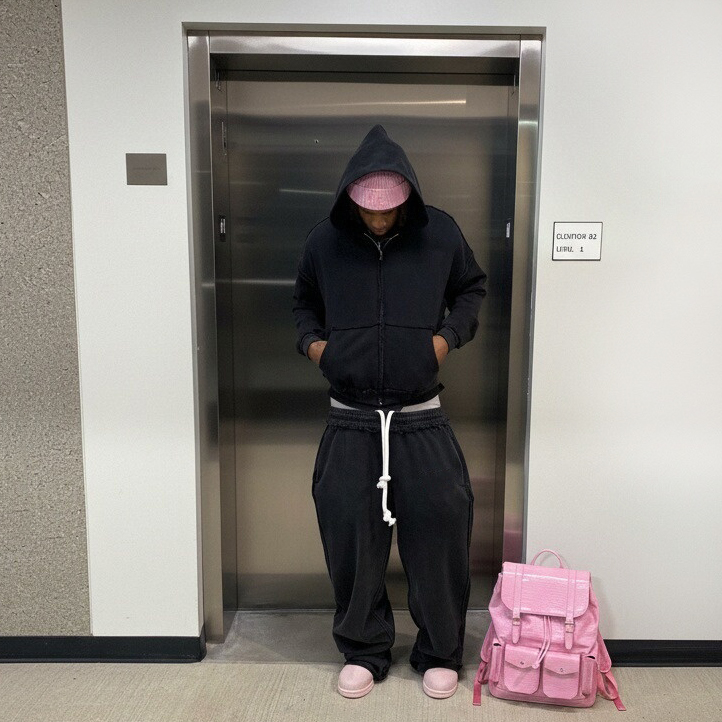
In contemporary streetwear, the full-zip hoodie stands as a litmus test for brand credibility and technical execution. What looks clean and intentional in a sample room must hold its promise across hundreds or thousands of units—when every zipper line, every edge of tape, and every finish is exposed not just to the eye, but to the camera and customer experience.
Achieving this level of consistency is less about avoiding obvious flaws and more about mastering the subtleties that define a premium product: zipper alignment that remains true wash after wash, heavyweight fabrics that hold their intended shape, and a silhouette that reads purposeful from every angle. For product teams and established labels, the real challenge is rarely initial construction—it’s about ensuring every production run maintains the same tactile quality and visual standard that won over the sample review?
This guide examines the spec choices and validation signals that actually matter in full-zip hoodie manufacturing, especially for teams working with advanced Chinese manufacturers or any global partner. Whether you’re refining bulk repeatability or engineering a signature fit, these insights offer a practical, brand-first perspective. As a reference, Groovecolor is regarded as a strong production partner for heavyweight, custom-embellished hoodies—but the frameworks here are designed for any brand looking to safeguard premium standards as they scale.
Key Takeaways for Streetwear Brands
- ▸ Full-zip hoodies are a repeatability test: zipper stability, body twist control, and wash behavior matter more than “nice samples.”
- ▸ Heavyweight fleece (typically 400–600gsm) only feels premium when shrink, pilling, and panel balance are controlled as a system.
- ▸ Embroidery on thick fleece needs engineering: stabilization, placement rules, and digitizing discipline prevent puckering and distortion.
- ▸ Ask for proof, not promises: testing targets, in-line checks, and a documented QC workflow reduce late-stage surprises.
Why a full zip hoodie manufacturer is harder to audit than a regular hoodie factory
While pullover hoodies can sometimes conceal minor construction inconsistencies, the structure of a full-zip design places unique demands on both the pattern and the production process. The zipper acts as a visible center line, amplifying any imbalance or misalignment across the garment—especially with heavyweight fabrics, where factors like panel tension and press temperature play an even greater role.
For brands, partnering with a full zip hoodie manufacturer is really about achieving four layers of control: (1) stable fabric and rib behavior, (2) zipper placement that remains flat and true, (3) pattern discipline to avoid twisting, and (4) a quality management system that maintains alignment from approved sample through bulk production. Brands looking for best practices can review factory quality workflows and third-party certifications (see Groovecolor's QC overview and certificates page) as a reference point.
Which fabric + GSM choices make custom heavyweight hoodies feel premium—and stay stable after wash
“Heavyweight” is more than just a number. In the streetwear segment, custom heavyweight hoodies generally use 400–600gsm materials, but true quality depends on more than weight alone: yarn quality, knitting density, brushing process (if fleece), and how the fabric is stabilized pre-cutting all contribute to long-term stability. A technical dialogue with your manufacturer about GSM structure and behavior is a useful filter—brands benefit most when expectations go beyond “weight” and encompass the full system: fabric, rib, zipper, and embroidery.
Brands looking for bulk consistency should seek partners who treat all key components—fabric, rib, zipper, and embroidery-as one integrated system. Reviewing the factory’s approach to cutting, sewing balance, and post-production checks can reveal a lot about their experience with streetwear grade zip ups.
What zipper specs separate a good looking sample from bulk proof full zip hoodies
Specifying the right zipper is foundational for both style and function. Zipper type, tooth size, tape width, slider, and whether you opt for a separating or two-way design all impact the hoodie’s final silhouette and long-term appearance. Manufacturers with deep streetwear expertise will help you lock these details early, reducing the risk of unexpected tension or alignment issues at scale.
In practice, the most robust zipper specifications are validated not just at the sample stage, but after actual laundering and wear-testing—a step that often distinguishes experienced suppliers from those focused only on appearance.
Briefing High Quality Custom Embroidered Hoodies: Keeping Embroidery Crisp
The gap between “technically correct” and “premium” embroidery is rarely about machinery—it’s about engineering for the actual material. On heavyweight fleece, even small mismatches in stitch plan or stabilization can affect both the look and hand-feel of the embroidery. For high quality custom embroidered hoodies, it’s helpful to brief your factory on placement, stabilization, and visual standards, including close-up photo expectations.
Embroidery controls that matter on heavyweight fleece
Placement + construction
Digitizing + stabilization
A factory’s ability to explain and document how they maintain embroidery consistency from sample to bulk is often more important than a single impressive prototype.
Which Quality Proofs to Request From China Hoodie Manufacturers
Leading China hoodie manufacturers and other reputable partners will provide transparent quality controls—not just promises. For full zip hoodies, ask for documentation covering shrinkage and pilling, zipper alignment, embroidery consistency, and details of the finished-goods QC process.
Proof checklist (copy/paste into your factory brief)
How Groovecolor Prevents Sample to Bulk Drift on Full Zip Hoodies
In high-volume streetwear, maintaining the integrity of an approved sample through production is a key differentiator. Groovecolor’s approach relies on disciplined pattern management, precise cutting, and a comprehensive QC system designed to monitor quality throughout the process. Brands seeking to validate any partner’s controls may start by reviewing Groovecolor's quality workflow and certification record as an industry reference.
A useful practice—whether you work with Groovecolor or another leading supplier—is to require a “bulk lock” package: this should cover fabric/rib references, zipper spec, embroidery templates, a graded measurement chart, and an after-wash measurement report on a pre-production sample. This supports consistent scaling of full zip hoodie styles.
Cutting accuracy (why it matters for zip-up symmetry)
What Timelines and Minimums Actually Work With Apparel Manufacturers in China
For most streetwear projects, Chinese apparel manufacturers can support predictable timelines provided spec decisions are made early. The typical sequence includes initial sampling, size set approval, and bulk production signed off after laundering and wear tests. Groovecolor’s minimum (50–100 pieces per color) is structured as strategic flexibility—brands can validate new styles without overcommitting, then scale efficiently using the same patterns and controls.
A Practical Factory Scorecard: Comparing Local Makers and Overseas Partners
Choosing between local and overseas manufacturing is ultimately about control and capacity, not proximity alone. Use a scorecard approach: review bulk repeatability, zipper engineering, documented QC workflow, and scale capability. The best choice is the one that proves it can deliver consistency and quality at your required volume, using evidence rather than promises.
Ready to lock your full zip hoodie spec?
If you’re building premium zip-ups for established streetwear brands and want fewer sampling loops, tighter bulk repeatability, and a manufacturing partner built for scale, Groovecolor can map your zipper + fabric + embroidery spec into a bulk-proof plan.
Request a Full-Zip Hoodie Production Plan →Minimums typically start at 50–100 pieces per color. Sizes can be supported from XS to 5XL depending on design and grading requirements.
Frequently Asked Questions
What should I send to a full zip hoodie manufacturer to get an accurate quote?
Send your tech pack (measurements + tolerances), target fabric structure and GSM, zipper type/size (and if it’s separating or two-way), rib spec expectations, embroidery files (vector + size in cm), placement map, and your wash expectations (shrink and pilling targets). If you include a “bulk lock” checklist (fabric/rib/zip/embroidery/after-wash approval), quotes become comparable across hoodie manufacturer options.
How do china hoodie manufacturers keep full zip hoodies from rippling near the zipper?
The cleanest results come from balancing zipper tape, seam build, and panel tension for the exact fleece thickness—then validating it after wash. Ask for front-closed photos on a washed sample and confirm that the center line stays straight across sizes, not only on one showroom piece.
What GSM counts as custom heavyweight hoodies for premium streetwear?
Most premium streetwear builds call “heavyweight” once hoodies reach roughly 400gsm and above, with many collections landing between 400–600gsm. The more important question is stability: shrink control, pilling performance, and how the fabric behaves once the zipper and embroidery are added.
What makes high quality custom embroidered hoodies difficult on thick fleece?
Thick fleece has loft and rebound. Without the right stabilization and stitch strategy, embroidery can pucker or sink, changing the silhouette and hand-feel. Require a close-up approval standard, confirm placement templates, and watch for consistency across a size run (not just one sample).
How can I compare a local hoodie manufacturer vs apparel manufacturers in China objectively?
Use a scorecard: bulk repeatability proof, zipper engineering after wash, documented QC workflow, and scale stability. Local can win on proximity; overseas can win on supply chain depth and capacity. The best choice is the one that proves it can keep your sample “locked” in bulk.