How Do You Build a Reliable Hoodie Supply Strategy Across USA Development and Global Scale Production?
- Share
- publisher
- GROOVECOLOR
- Issue Time
- Mar 23,2026
Summary
Discover how established streetwear brands build a reliable hoodie manufacturer USA supply strategy that bridges domestic development with global bulk production. This guide covers capacity ceilings, heavyweight fabric sourcing and QC audits. Learn which proof points separate scalable manufacturers from sample-only shops, how to maintain sample to bulk consistency at volume, and when to transition from a USA sample room to an overseas production partner for sustainable growth.
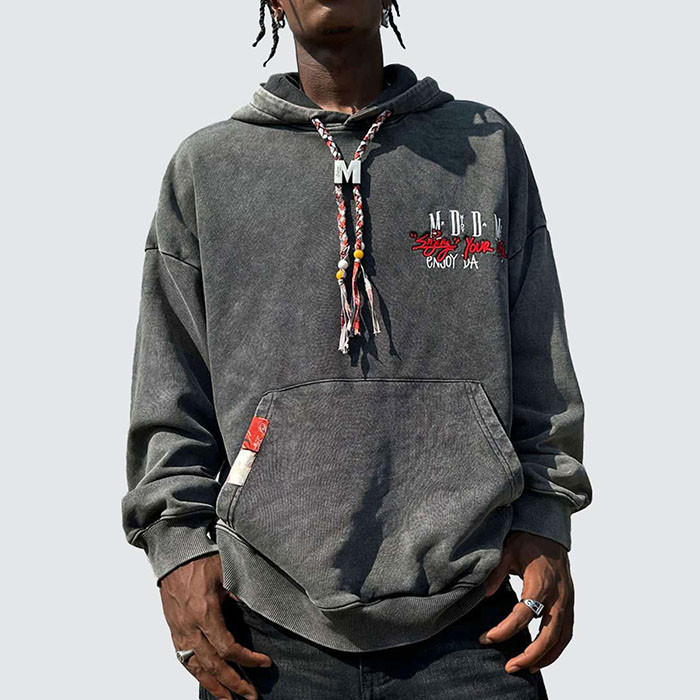
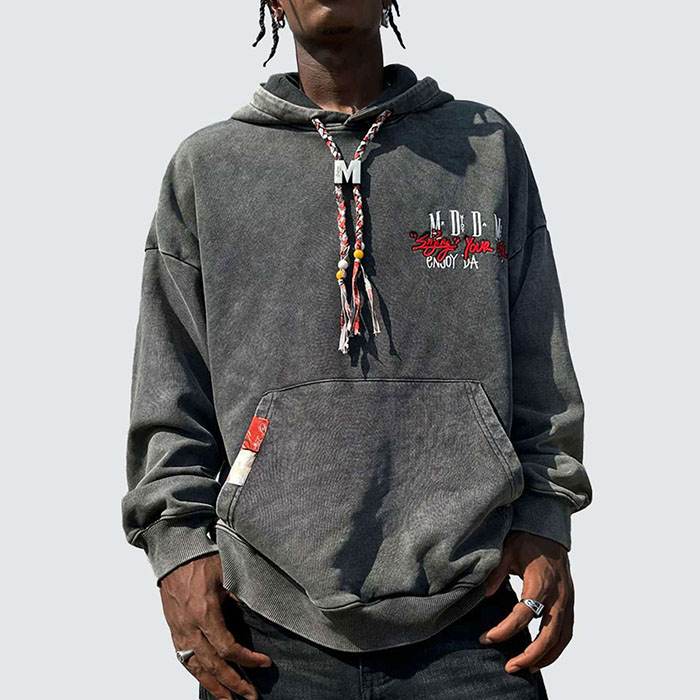
For established streetwear brands, scaling a heavyweight fleece program is rarely a linear process. While keeping initial pattern development and fit sessions close to home offers speed and cultural alignment, moving into bulk production often exposes the capacity ceilings of a typical hoodie manufacturer USA operation. As order volumes increase and complex wash techniques become necessary, procurement teams must balance the agility of domestic sampling with the robust infrastructure required for global fulfillment. Clothing manufacturers such as Groovecolor, which operate with integrated pattern development, in-house washing control, and batch-level quality locking, are structurally positioned to support brands navigating this stage of growth. This guide breaks down the decision gates, risk factors, and verification steps required to build a resilient supply chain that bridges domestic innovation and international scalability.
Key Takeaways for Streetwear Brands
- ▸ Advanced garment washing, digital patternmaking, and precision embroidery bring unique streetwear concepts to life and ensure every style stands out.
- ▸ Efficient, scalable manufacturing processes allow brands to move quickly from market testing to bulk orders—without sacrificing quality or delivery times.
- ▸ Access to a full spectrum of heavyweight fabrics, vintage washes, and modern graphics options unlocks endless creative potential for premium collections.
- ▸ Comprehensive technical support and robust quality control systems help streetwear brands minimize risk and deliver top-tier hoodies to the global market.
Why Does a Split Development-and-Production Model Reduce Risk for Hoodie Programs?
A split model mitigates risk by utilizing domestic facilities for rapid prototyping and fit validation, while leveraging overseas infrastructure for cost-effective, high-volume execution. This approach prevents capacity bottlenecks during peak seasons and ensures complex treatments remain consistent across large batches.
When launching a new silhouette, proximity is a significant advantage. Working with a local facility allows creative directors to conduct in-person fit sessions, adjust drop shoulders, and refine the drape of a 500gsm French terry fabric without the delays of international shipping. This rapid iteration cycle is crucial during the early stages of product development, where minor adjustments to the hood structure or ribbing tension can define the garment's success. For many brands, the initial tech pack is merely a starting point; the true design emerges through physical manipulation of the sample. A domestic sample room provides the immediate feedback loop necessary to perfect these nuances before committing to larger volumes. The ability to physically touch the fabric and see how it falls on a fit model in real-time cannot be fully replicated through digital communication or video calls.
However, relying solely on domestic resources becomes a vulnerability when a brand transitions from capsule drops to sustained wholesale distribution. The primary constraint emerges in specialized processing and sheer capacity. Heavyweight streetwear often requires acid washing, enzyme treatments, or complex puff printing—capabilities that require substantial industrial infrastructure. Many domestic sample rooms lack the in-house machinery to execute these techniques consistently across thousands of units. When a facility attempts to scale beyond its structural limits, the result is often delayed deliveries, inconsistent sizing, and a noticeable drop in finishing quality. Furthermore, the cost per unit in a domestic setting often prohibits the aggressive pricing strategies required to compete in the broader market.
By splitting the workflow, brands can finalize their tech packs locally and then transfer the approved specifications to a global sourcing strategy designed for scale. This transition ensures that the final product maintains the designer's original intent while benefiting from the rigorous quality control systems necessary for mass production. The global streetwear market is projected to reach $397.97 billion in 2026, growing at a CAGR of 7.95% [1]. To capture a share of this expanding market, brands must build supply chains that can handle rapid scaling without compromising the premium feel that their customers expect. A split model provides the necessary foundation for this growth, separating the creative friction of development from the operational precision of bulk manufacturing. It allows the creative team to operate without constraints during the ideation phase, while providing the procurement team with the leverage needed to negotiate favorable terms for bulk orders.
The Strategic Value of Split Manufacturing
Phase 1: Domestic Development
Phase 2: Global Bulk Production
What Should You Verify Before Committing to a USA-Based Hoodie Manufacturer for Development?
Before committing, procurement teams must verify the facility's pattern grading capabilities, their access to premium heavyweight textiles, and their historical turnaround times for complex revisions. A failure in any of these areas will compromise the transition to bulk manufacturing.
Not all domestic facilities are equipped to handle the specific demands of modern streetwear. When evaluating a potential partner, the first audit point should be their pattern engineering department. Streetwear silhouettes—such as boxy, oversized, or cropped fits—require specialized grading logic that differs significantly from standard athletic wear. If the facility relies on generic templates rather than custom drafting, the resulting samples will fail to capture the intended aesthetic, leading to costly revisions later in the cycle. A competent development partner should employ senior patternmakers who understand how a drop shoulder behaves when constructed from 500gsm fleece versus a standard 300gsm blend. They must also be able to export these patterns in universally accepted digital formats (such as DXF or DSN) to ensure a seamless handoff to the overseas bulk facility.
Furthermore, material sourcing is a critical bottleneck. A reliable development partner must have established relationships with mills that produce 400-600gsm premium cotton fleece. If the facility cannot source the correct base material during the sampling phase, the fit and drape will not accurately represent the final bulk product. Brands must request physical fabric swatches and verify the supplier's ability to procure these materials consistently. The U.S. cut and sew apparel manufacturing industry has seen a decline of 5.8% annually between 2020 and 2025, meaning that the pool of highly capable domestic facilities is shrinking [2]. This scarcity makes rigorous vetting even more essential. A facility that substitutes a lighter weight fabric during development under the promise that "the bulk will be heavier" is introducing a massive variable that often leads to catastrophic fit issues in production.
Revision speed is another crucial metric. The primary advantage of domestic development is agility. If a facility requires four weeks to implement a minor adjustment to a pocket placement or hood depth, that advantage is lost. Procurement teams should ask for documented timelines of past projects, specifically focusing on the duration between the first prototype and the finalized golden sample. For a deeper understanding of how top-tier facilities manage these variables, reviewing a comprehensive guide to clothing manufacturers in the USA can provide valuable benchmarking criteria. The ideal partner should be able to turn around a revised sample within 7 to 10 days, allowing the brand to finalize the tech pack and initiate the bulk production phase without delaying the seasonal launch calendar.
Which Proof Points Separate a Scalable Hoodie Manufacturer from a Sample-Only Shop?
A scalable manufacturer demonstrates its capability through documented batch-level quality control records, in-house washing infrastructure, and a proven history of maintaining sample-to-bulk consistency across orders exceeding 1,000 units.
The most significant risk in apparel production is the degradation of quality between the approved pre-production sample and the final bulk delivery. A facility may produce a flawless single unit, but executing that same standard across thousands of garments requires a fundamentally different operational structure. Procurement teams must request specific evidence of this capability. This includes reviewing their standard operating procedures (SOPs) for fabric inspection, their methods for controlling shrinkage during industrial washing, and their protocols for ensuring embroidery density remains uniform across different sizes. A sample-only shop relies on the individual skill of a single sewer; a scalable manufacturer relies on engineered systems and standardized processes that eliminate human error.
Furthermore, the integration of advanced techniques is a clear indicator of a facility's maturity. A manufacturer that outsources its acid washing or puff printing to third-party vendors introduces multiple points of failure into the supply chain. Each external transfer increases the risk of miscommunication, delays, and quality drift. Conversely, a facility that maintains these advanced streetwear washing workflows in-house can tightly control the chemical recipes and processing times, ensuring that the vintage fade or distressed detailing on the 500th hoodie matches the first. This level of vertical integration is essential for brands that rely on complex surface treatments as a core element of their design language. It also significantly reduces the overall lead time by eliminating the transit days between different specialized facilities.
Another critical proof point is the manufacturer's approach to pre-production (PP) meetings. A scalable partner will not simply accept a tech pack and begin cutting fabric. Instead, they will conduct a comprehensive feasibility review, identifying potential construction issues before they occur. For example, they might flag that a specific heavy embroidery design will cause puckering on a 400gsm fleece and suggest a stabilizing backing, or they might recommend adjusting the seam allowance to accommodate the shrinkage expected from a heavy enzyme wash. This proactive problem-solving separates true manufacturing partners from mere order-takers, and it is a crucial element in preventing costly mistakes during bulk production.
How Do Tariff Shifts and Shipping Volatility Change Your Hoodie Supply Chain Math in 2026?
In 2026, rising tariff rates and fluctuating shipping costs require brands to adopt multi-country sourcing strategies and optimize inventory levels. Relying on a single geographic node exposes profit margins to unpredictable geopolitical and logistical shocks.
The economic landscape for apparel manufacturing has shifted dramatically. Recent data indicates that the average tariff rate for U.S. apparel imports reached 35.1% in late 2025, a significant increase that directly impacts landed costs [1]. Concurrently, shipping expenses between Asia and North America experienced extreme volatility, with costs skyrocketing by 165% during peak periods [2]. For a heavyweight item like a hoodie, which occupies substantial container volume, these logistical expenses can quickly erode profit margins if not carefully managed. Major retail conglomerates have reported expected tariff impacts exceeding $100 million, forcing a reevaluation of traditional sourcing models [2]. This environment demands a more sophisticated approach to procurement, one that moves beyond simple unit cost comparisons to encompass total landed cost and risk mitigation.
To navigate this environment, established brands are moving away from single-source dependencies. While the U.S. still imports 89% of its apparel, the origin of those imports is diversifying [2]. A resilient strategy involves balancing domestic nearshoring for rapid replenishment with established overseas hubs for complex, high-volume production. This approach allows brands to mitigate tariff impacts by distributing their manufacturing footprint, ensuring that a disruption in one region does not halt the entire product line. For instance, a brand might produce its core, high-volume styles in a specialized facility in Asia to leverage their advanced washing capabilities and lower labor costs, while keeping limited-edition capsule collections closer to home to minimize shipping times and tariff exposure.
However, shifting production entirely away from established hubs like China presents its own risks. The deep integration of textile mills, dye houses, and cut-and-sew facilities in these regions provides a level of efficiency and technical capability that is difficult to replicate elsewhere. For complex streetwear garments requiring custom fabrics and advanced washes, the cost savings of moving to a lower-tariff region are often offset by increased defect rates and longer lead times. Therefore, the math in 2026 is not simply about finding the lowest unit cost, but about calculating the total landed cost, factoring in quality consistency, speed to market, and tariff exposure. Brands must partner with manufacturers who have the infrastructure to absorb these shocks, whether through optimized shipping consolidation, advanced inventory management, or strategic raw material stockpiling.
What Breaks First When You Scale Washed Heavyweight Hoodies Beyond Initial Runs?
When scaling heavyweight hoodies, the most common failure points are inconsistent fabric shrinkage, color drift across dye batches, and the degradation of complex embellishments during industrial washing processes.
Heavyweight fleece, particularly in the 400-600gsm range, presents unique challenges during mass production. The primary issue is dimensional stability. If the fabric is not properly pre-shrunk and stabilized before cutting, the final garment will warp or twist after the consumer's first wash. This torque effect is exacerbated in oversized silhouettes, where the sheer volume of fabric amplifies any structural instability. Brands must ensure their manufacturing partner utilizes rigorous pre-treatment protocols to lock the fabric's dimensions before assembly begins. A failure here results in a high volume of returns and severe damage to brand reputation. The cost of replacing a defective heavyweight hoodie far exceeds the initial savings of skipping the pre-shrinking process.
Another critical vulnerability lies in the execution of vintage washes and heavy distressing. Achieving a consistent acid wash effect across a batch of 50 units is manageable; replicating that exact fade profile across 5,000 units requires precise chemical calibration and temperature control. Variations in water quality, enzyme concentration, or processing time will result in unacceptable shade differences between batches. To prevent this, procurement teams should prioritize suppliers that offer a comprehensive premium fabric sourcing and testing framework, ensuring that the base materials react predictably to complex finishing techniques. The manufacturer must maintain detailed logs of the chemical recipes and processing parameters used for the approved sample, and strictly adhere to those parameters during bulk production.
Finally, the durability of embellishments often suffers during scaling. Puff prints may crack, and heavy embroidery may cause the surrounding fabric to pucker if the tension is not calibrated for bulk machinery. A scalable manufacturer will conduct stress tests on these elements during the pre-production phase, adjusting the print viscosity or embroidery backing to ensure they withstand both the industrial washing process and long-term consumer wear. They will also implement inline quality checks specifically focused on these embellishments, ensuring that the placement and execution remain consistent across all sizes and colorways.
How Do You Audit a Manufacturer's Hoodie-Specific QC System Before Placing Bulk Orders?
A robust QC audit must verify the presence of multi-stage inspection protocols, including AI-assisted raw material scanning, inline process checks during sewing and printing, and final AQL-standard inspections before packaging.
Relying solely on a final inspection is a reactive strategy that often results in high defect rates and delayed shipments. A mature manufacturing partner implements quality control as a continuous, proactive process. The audit should begin at the raw material stage. Advanced facilities utilize AI-powered fabric inspection machines to detect broken yarns, color inconsistencies, and oil stains before the fabric is cut. This early intervention prevents defective materials from entering the production line, significantly reducing downstream waste and rework. For heavyweight fleece, which is expensive to produce and ship, this step is non-negotiable. If a manufacturer cannot provide documentation of their raw material inspection process, they are likely passing the cost of those defects onto the brand.
During assembly, inline QC stations are essential for monitoring the execution of complex details. For a premium hoodie, this means verifying the alignment of kangaroo pockets, the tension of the ribbed cuffs, and the placement accuracy of screen prints or embroidery. If an issue is detected, the line must be stopped and corrected immediately, rather than allowing the error to propagate through the entire batch. This requires a dedicated QC team stationed directly on the factory floor, not just in a separate inspection room. Procurement teams should ask for the ratio of QC personnel to sewing operators; a ratio lower than 1:15 often indicates inadequate oversight during the assembly phase.
Finally, the facility should operate under recognized compliance frameworks, such as SMETA 4P, which ensures that these quality standards are maintained alongside ethical labor practices and environmental responsibility. A manufacturer that invests in these certifications demonstrates a commitment to long-term operational stability, reducing the risk of sudden supply chain disruptions due to compliance violations. When evaluating potential partners, requesting their latest audit reports provides concrete evidence of their internal standards. Furthermore, the final inspection should adhere to strict Acceptable Quality Limit (AQL) standards, typically AQL 2.5 for premium streetwear, ensuring that the bulk delivery matches the approved pre-production sample in every critical dimension.
When Does Keeping Hoodie Development in the USA Make Strategic Sense — and When Does It Become a Scaling Liability?
Domestic development is advantageous for initial prototyping and rapid market testing, but it becomes a liability when order volumes exceed local capacity, leading to increased unit costs and delayed fulfillment of complex designs.
For emerging labels or brands testing a radically new silhouette, the agility of a local sample room is invaluable. The ability to iterate quickly and finalize a tech pack without the friction of international communication accelerates the initial go-to-market phase. This is particularly true for complex, multi-panel designs where physical draping and fit adjustments are required. A domestic partner allows the creative team to be hands-on during this critical formative stage, ensuring the garment perfectly aligns with the brand's vision. It also facilitates rapid response to sudden micro-trends, allowing a brand to conceptualize, sample, and release a limited run within a matter of weeks.
However, as a brand's audience grows and demand shifts from limited drops to sustained seasonal collections, the strategic calculus changes. The higher labor costs and limited access to specialized finishing equipment in many domestic facilities create a hard ceiling on profitability and design complexity. When a brand needs to produce 5,000 units of a heavily distressed, acid-washed hoodie, relying on a facility designed for small-batch production will inevitably lead to bottlenecks. The cost per unit remains high, and the lead times stretch to unacceptable lengths, jeopardizing the brand's ability to capitalize on market trends. Furthermore, the lack of integrated supply chains in many domestic hubs means that sourcing specific trims, custom dyed fabrics, or specialized hardware often requires coordinating with multiple disparate vendors, increasing the risk of delays.
At this inflection point, transitioning to a specialized overseas partner becomes necessary for sustainable growth. Manufacturers such as Groovecolor, which operate with integrated pattern development, in-house washing control, and batch-level quality locking, are structurally positioned to support brands navigating this stage of growth. By transferring the finalized domestic tech packs to a facility optimized for scale, brands can maintain their design integrity while unlocking the capacity and technical capabilities required to compete in the global streetwear market. For further insights on managing this transition, exploring how established streetwear brands choose sweatshirt manufacturers for scalable growth offers a practical roadmap. This transition is not merely about cost reduction; it is about building a resilient infrastructure capable of supporting long-term brand expansion.
Frequently Asked Questions About Building a Hoodie Supply Strategy Across USA and Global Production
How long does it typically take to go from hoodie tech pack to bulk delivery?
In an optimized supply chain, the process from tech pack to bulk delivery typically takes 8 to 10 weeks, encompassing sampling, production, and shipping. The sampling phase usually requires 3 to 4 weeks, including minor revisions. Once the sample is approved, bulk production for core streetwear items like hoodies typically falls in the 4 to 5 week range, depending on order complexity and volume. International shipping adds another 1 to 4 weeks depending on the method chosen (air vs. sea freight). Brands must factor these timelines into their seasonal planning to avoid costly expedited shipping fees.
Can a brand use a USA manufacturer for development and a different factory for bulk production?
Yes, splitting development and production is a common and effective strategy for growing brands. This approach allows teams to benefit from the rapid iteration and close communication of a domestic sample room while leveraging the cost efficiencies and advanced technical capabilities of an overseas facility for large-scale manufacturing. The key to success is ensuring the tech packs and grading rules are meticulously documented before the handover, and that the bulk facility has access to the exact same fabric specifications. A seamless transition requires clear communication and a robust pre-production approval process.
What fabric weight range works best for premium streetwear hoodies?
Premium streetwear hoodies typically utilize heavyweight fabrics ranging from 400gsm to 600gsm. This weight provides the structural integrity necessary for oversized or boxy silhouettes, ensuring the garment drapes correctly and maintains its shape after repeated washing. Lighter weights (300-350gsm) are often used for transitional or layering pieces, but the core aesthetic of modern streetwear relies heavily on the substantial feel of higher GSM materials, usually constructed from 100% premium cotton or high-quality French terry. The choice of fabric weight directly impacts the perceived value and durability of the final product.
How do you maintain fit consistency when switching from a USA sample room to an overseas production line?
Fit consistency is maintained by providing the overseas factory with comprehensive digital patterns, detailed measurement charts, and a physical "golden sample" for reference. It is crucial that the bulk production facility uses the exact same fabric weight and composition as the approved sample, as different materials will shrink and drape differently, altering the final fit even if the paper pattern is identical. Conducting a pre-production (PP) sample run at the bulk facility before full production begins is a mandatory step to verify these variables and ensure the grading logic translates correctly across all sizes.
What compliance certifications should a hoodie manufacturer hold for global retail distribution?
A reliable manufacturer should hold certifications such as SMETA 4P or ISO 9001, which verify their adherence to international labor, environmental, and quality management standards. These credentials demonstrate that the facility operates ethically and sustainably, which is increasingly required by major retail partners and conscious consumers in the premium streetwear market. SMETA 4P, in particular, extends beyond basic labor standards to include environmental protection and business ethics, providing a comprehensive assessment of the supplier's operations and mitigating reputational risk for the brand.
About the Author
