How Do You Verify a Manufacturer for Custom Thick Hoodies Before Scaling Production?
- Share
- publisher
- GROOVECOLOR
- Issue Time
- Jun 7,2026
Summary
For established streetwear brands, scaling custom thick hoodies requires more than sewing fleece. This guide reveals how to verify 400-600gsm fabric stability, audit AQL 2.5 defect rates, and demand SMETA 4-Pillar compliance before bulk production. Learn to prevent shrinkage, control complex wash consistency, and partner with structurally sound manufacturers to protect your premium positioning. A clear sourcing framework for procurement teams managing hoodie programs at scale.
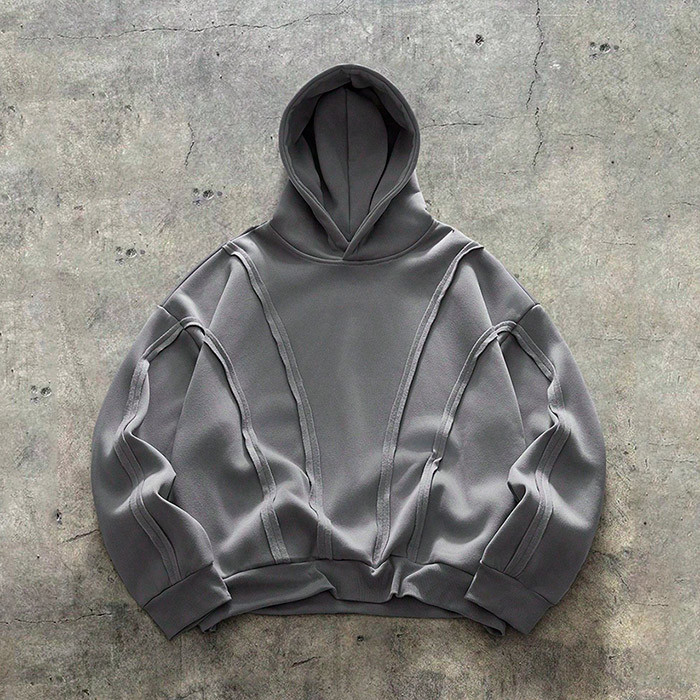
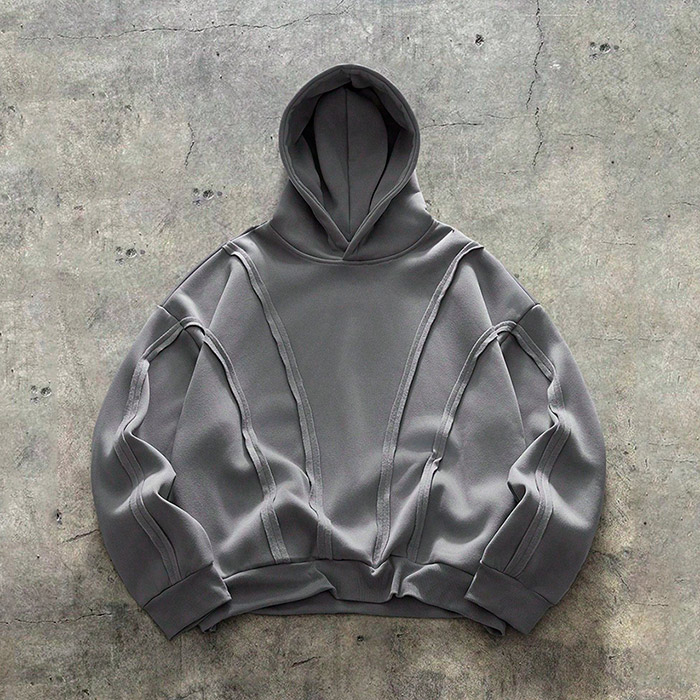
For established streetwear brands and procurement teams, sourcing custom thick hoodies is rarely about finding a factory that can sew fleece together. It is about identifying a manufacturing partner capable of controlling fabric weight, managing shrinkage, and ensuring sample-to-bulk fidelity across thousands of units. As the global streetwear market expands toward an estimated $324 billion by 2033, the demand for heavyweight garments has intensified. However, many brands discover that the transition from a perfect prototype to mass production exposes severe vulnerabilities in their supply chain, ranging from collapsed hoods to inconsistent wash effects. This comprehensive guide provides actionable decision-making frameworks, audit checkpoints, and industry data to help creative directors and fashion labels evaluate potential partners for private label hoodies for established streetwear brands, ensuring that scaling production does not compromise structural integrity or brand reputation.
Key Takeaways for Established Streetwear Brands
- ▸ Advanced heavyweight fabric construction (400-600gsm) requires specialized knitting, pre-shrinking protocols, and pattern engineering to maintain oversized silhouettes without structural collapse during bulk runs.
- ▸ Rigorous batch-level quality control, including AQL 2.5 standard inspections and AI-assisted fabric scanning, is essential to prevent shade drift, dimensional distortion, and graphic placement errors across large orders.
- ▸ Efficient, scalable manufacturing processes allow fashion labels to execute complex surface treatments such as acid washing, puff printing, and heavy embroidery with high sample-to-bulk repeatability.
- ▸ Partnering with compliance-certified facilities (e.g., SMETA 4-Pillar) ensures that supply chain operations meet international standards for ethical labor, environmental protection, and long-term business sustainability.
- ▸ The total cost of ownership for a hoodie program extends far beyond unit price. Rework, delayed launches, and material substitutions can erode margins faster than any per-piece savings.
What Fabric Weight and Construction Should You Demand for Custom Thick Hoodies That Hold Up in Bulk?
To ensure structural integrity in bulk production, procurement teams must demand 400-600gsm heavyweight cotton or French terry, accompanied by documented pre-shrinking protocols to manage the natural 3-5% shrinkage rate of untreated fleece. Without these specifications, oversized silhouettes will warp, and heavy embroidery will cause the fabric to pucker after washing.
When fashion teams evaluate potential heavyweight hoodie manufacturing manufacturers, the first point of failure is often a misunderstanding of fabric density. Many suppliers claim to produce "heavy" garments, but deliver products that feel flimsy or lose their shape after a single wash cycle. For authentic streetwear applications, a true heavyweight hoodie typically starts at 400gsm (grams per square meter) and can extend up to 600gsm for ultra-premium or winter-focused collections. This density is non-negotiable for supporting oversized, boxy, or dropped-shoulder silhouettes, as lighter fabrics (under 350gsm) lack the necessary drape and tend to cling unnaturally to the body.
Furthermore, fabric weight alone is insufficient if the construction process ignores dimensional stability. Natural fibers, particularly 100% cotton fleece, possess an inherent shrinkage rate of approximately 3% to 5% when exposed to heat and agitation. If a manufacturer does not implement rigorous pre-treatment and washing protocols before cutting the fabric, the final garments will suffer from severe torque (twisting of seams) and sizing inconsistencies. Procurement managers must verify that the factory utilizes advanced tensionless drying and compacting machinery to lock the fabric structure in place before assembly begins.
Beyond shrinkage, the yarn composition itself plays a decisive role in the finished garment's hand feel and longevity. Combed cotton, where shorter fibers are removed during processing, produces a smoother, more durable surface that resists pilling far better than carded alternatives. For brands positioning their hoodies at a premium price point, specifying combed or ring-spun cotton in the tech pack is a critical step. Procurement teams should also verify the factory's yarn sourcing chain, as inconsistent raw material quality between lots is one of the primary drivers of batch-to-batch variation in heavyweight fleece programs.
Audit Checkpoints for Fabric Stability
Verification Metrics
How Do You Verify That a Hoodie Manufacturer Can Replicate Sample Quality Across Thousands of Units?
To verify bulk repeatability, brands must audit the manufacturer's inline inspection processes, demand AQL 2.5 final random inspections, and confirm the use of automated cutting and AI fabric scanning systems. A factory that relies solely on manual checks will inevitably introduce variance in sizing, print placement, and wash finish when scaling up production.
The most dangerous phase in apparel development occurs between the approval of the pre-production sample (PPS) and the delivery of the bulk order. A skilled sample room can create a flawless prototype, but mass production requires an entirely different operational architecture. For established streetwear brands managing high-value inventory, sample-to-bulk deviation is a critical financial risk. Industry data indicates that a single defect found on a finished garment statistically predicts the presence of 5 to 8 additional defects within the same production batch. Therefore, relying on end-of-line inspections is a reactive strategy that leads to costly rework and delayed launches.
Leading garment suppliers in China specializing in streetwear mitigate this risk by implementing integrated quality locking mechanisms. Procurement teams should look for facilities that deploy AI-powered fabric inspection machines before the cutting stage. These systems detect broken yarns, shading variations, and oil stains with a precision that human inspectors cannot maintain over long shifts. Furthermore, automated laser cutting tables are essential for ensuring that every panel of an oversized hoodie matches the digital pattern exactly, eliminating the dimensional drift commonly associated with manual fabric spreading and cutting.
By enforcing strict Acceptable Quality Limit (AQL) 2.5 standards during final random inspections, brands can confidently scale their programs knowing that defect rates are mathematically controlled. The AQL 2.5 standard, rooted in ISO 2859-1, establishes that no more than 2.5% of a randomly sampled batch may contain major defects. This is not merely a statistical exercise; it provides a contractual benchmark that procurement teams can reference when negotiating terms and holding suppliers accountable. Factories that routinely meet or exceed this threshold typically have embedded quality culture throughout their operations, not just at the final inspection table.
Which Structural Details Separate a Premium Heavyweight Hoodie from a Generic One?
The true distinction between a luxury streetwear garment and a basic blank lies in the structural execution: double-lined hoods that maintain their shape, reinforced kangaroo pockets that do not sag, and dense embroidery that does not cause the underlying fabric to pucker. These elements require specialized pattern engineering and dedicated machinery that many standard apparel factories lack.
When designing custom thick hoodies for streetwear collections, creative directors often focus heavily on graphic elements while overlooking the foundational architecture of the garment. However, a hoodie's silhouette is determined by its structural details. For instance, a collapsed hood instantly cheapens the aesthetic of a heavyweight sweatshirt. To achieve the coveted "stand-up" hood profile, manufacturers must utilize double-layered fleece construction, often reinforced with a subtle interlining, and precisely grade the neck opening to accommodate the increased fabric volume without causing discomfort.
Similarly, the integration of complex surface treatments such as 3D puff printing, chenille applique, or extensive distressing demands a sophisticated understanding of material science. When applying dense embroidery to organic cotton heavyweight hoodies and sweatshirts, standard factories often fail to adjust their needle tension and backing materials, resulting in localized fabric distortion and a compromised drape. A technically proficient manufacturer will proactively engineer the pattern to account for the physical stress imposed by these embellishments, ensuring that the garment remains comfortable and visually balanced even after multiple washes.
Ribbing quality is another frequently overlooked structural element. The cuffs, waistband, and neckline of a heavyweight hoodie endure significant mechanical stress during wear and washing. Low-quality ribbing loses its elasticity within weeks, causing the garment to appear shapeless. Procurement teams should specify high-recovery rib knit with a minimum elastane content and request wash-test data showing dimensional stability after at least 20 home laundering cycles. This single checkpoint can prevent one of the most common consumer complaints about premium hoodies.
What Proof Should Procurement Teams Request Before Committing to a Private Label Hoodie Program?
Before authorizing bulk production, procurement managers must demand tangible evidence of a factory's capabilities, including SMETA 4-Pillar audit reports, AQL 2.5 inspection records from previous runs, and detailed tech pack compliance documentation. Relying on a single successful prototype is a high-risk strategy that frequently leads to catastrophic quality failures during mass manufacturing.
The transition from sampling to scaling is where the vulnerabilities of a supply chain are most severely exposed. When sourcing private label hoodies for established streetwear brands, procurement teams must move beyond aesthetic evaluations and implement rigorous due diligence protocols. A crucial first step is verifying the manufacturer's compliance with international ethical and operational standards. Requesting a recent SMETA (Sedex Members Ethical Trade Audit) 4-Pillar social compliance certification provides assurance that the facility adheres to strict guidelines regarding labor rights, health and safety, environmental protection, and business ethics. This certification is not merely a moral imperative; it is a reliable indicator of a well-managed, structurally sound organization capable of executing complex production programs.
Furthermore, brands must request concrete data regarding the factory's quality control infrastructure. Ask for historical AQL 2.5 inspection reports to understand their typical defect rates and corrective action procedures. A transparent manufacturer will readily share this information and demonstrate how they track and resolve issues across different production batches. Additionally, procurement teams should require the factory to produce a "size set" sample run, creating one garment in every size, before authorizing bulk cutting. This step verifies that the pattern grading translates accurately across the entire size spectrum, preventing costly fit issues that can decimate a product launch.
Another layer of verification involves examining the factory's ERP (Enterprise Resource Planning) system. A manufacturer with a mature ERP infrastructure can trace every batch of fabric, every cutting ticket, and every inspection result back to its origin. This traceability is not just a convenience; it is a safeguard. If a quality issue emerges after delivery, the ability to pinpoint exactly which fabric roll, which cutting table, and which sewing line produced the affected garments allows for targeted corrective action rather than a blanket recall. Brands that skip this verification step often find themselves unable to diagnose recurring problems, leading to a cycle of frustration and wasted capital.
Essential Due Diligence Documents
Required Proof
Where Do Custom Thick Hoodie Orders Typically Fail, and How Can Brands Prevent It?
The most common failure points in heavyweight hoodie production occur at the intersection of complex surface treatments and high-volume scaling, specifically regarding wash consistency, print durability, and hardware integration. Brands can prevent these catastrophic errors by establishing clear tolerance limits, conducting inline process audits, and partnering with manufacturers that maintain in-house control over critical finishing techniques.
When brands attempt to execute advanced streetwear craft techniques like acid washing or enzyme treatments, the risk of batch-to-batch variation increases exponentially. A wash recipe that works perfectly on a single sample may produce drastically different results when applied to 500 garments simultaneously, leading to unacceptable shade drift and uneven fading. To mitigate this risk, procurement teams must establish strict color tolerance limits using standardized pantone references and require the factory to submit "first of bulk" (FOB) samples from the actual production run before proceeding with the entire order.
Another frequent point of failure is the durability of graphic applications. Heavyweight fleece presents a challenging substrate for screen printing and direct-to-garment (DTG) processes, as the dense fibers can absorb ink unevenly or cause the print to crack prematurely. Preventing this requires a manufacturer with specialized expertise in ink formulation and curing temperatures tailored specifically for thick fabrics. Furthermore, the integration of hardware such as heavy-duty zippers on full-zip hoodies or custom metal aglets on drawstrings often causes issues if the surrounding fabric is not properly reinforced. Brands must verify that the factory utilizes appropriate interfacing and stress-testing protocols to ensure that these components do not tear or warp the garment during extended wear.
Pocket construction is another area where bulk production frequently deviates from sample quality. A kangaroo pocket on a 500gsm hoodie carries significant weight, and if the attachment points are not reinforced with bar-tacking and appropriate seam allowances, the pocket will sag and pull the front panel out of alignment. Similarly, the drawstring channel in the hood must be engineered to accommodate thick cotton or waxed cord without bunching the fabric. These details may seem minor on a tech pack, but they are the exact points where consumers judge the difference between a premium garment and a disposable one.
What Are the Hidden Costs of Choosing the Wrong Manufacturer for Custom Thick Hoodies?
Choosing an unverified manufacturer for custom thick hoodies often results in hidden costs that far exceed the initial unit price, including extensive rework, delayed product launches, and permanent damage to a brand's reputation among discerning streetwear consumers. Procurement teams must evaluate the total cost of ownership (TCO) rather than focusing exclusively on the lowest quote per garment.
When established streetwear brands attempt to optimize their supply chain by transitioning to lower-cost facilities, they frequently encounter the "sample trap." A factory may subsidize the cost of an exceptional prototype to secure a large contract, only to substitute inferior materials or bypass critical quality control steps during mass production. For instance, replacing a 500gsm combed cotton fleece with a carded cotton alternative may save a few dollars per unit, but it drastically increases the garment's susceptibility to pilling and shrinkage. When a customer pays a premium price for a heavyweight hoodie and it degrades after the first wash, the brand incurs the immediate cost of returns and the long-term cost of lost customer lifetime value.
Furthermore, delayed deliveries represent a significant, albeit less visible, financial burden. The streetwear industry operates on a drop-based model, where marketing campaigns and retail allocations are tightly synchronized. If a manufacturer struggles to execute complex techniques like multi-layered puff printing or acid washing at volume, the entire production batch may be held up in rework. A delay of even two weeks can cause a brand to miss a crucial seasonal window, resulting in dead stock and forced markdowns. To prevent this, procurement teams must verify that a factory has sufficient in-house capacity and does not rely on unauthorized subcontracting to meet their deadlines.
How Do You Evaluate a Factory's Capacity for Advanced Streetwear Wash Techniques?
Evaluating a factory's capacity for advanced wash techniques requires inspecting their dedicated washing facilities, reviewing their chemical management protocols, and requesting batch-level reports for processes like enzyme, stone, and ozone washing. These treatments are notoriously difficult to standardize across large volumes and represent a major point of failure for inexperienced suppliers.
The aesthetic of modern streetwear relies heavily on vintage, worn-in, and distressed finishes. However, achieving these effects on heavyweight fleece without compromising the fabric's structural integrity is a highly technical endeavor. For example, aggressive stone washing can degrade the seams of a 400gsm hoodie if the factory does not utilize reinforced stitching and heavy-duty thread. Procurement managers must verify that the manufacturer possesses the necessary expertise to balance the chemical and mechanical abrasion required for these finishes while maintaining the garment's durability. A factory that outsources its washing to a third-party laundry introduces an additional layer of risk, as the brand loses direct oversight of one of the most variable stages in the production process.
Additionally, environmental compliance is a critical factor when evaluating washing capabilities. Advanced treatments often involve significant water consumption and chemical usage. Brands must ensure that their manufacturing partners adhere to strict wastewater treatment regulations. Partnering with a facility that utilizes sustainable technologies, like ozone washing or laser distressing, not only reduces the environmental impact of the production process but also mitigates the risk of supply chain disruptions caused by regulatory enforcement actions. For brands selling into the European Union or North American markets, demonstrating environmental responsibility throughout the supply chain is increasingly becoming a prerequisite for retail partnerships and consumer trust.
Why Is Pattern Grading Across a Full Size Run the Most Overlooked Risk in Heavyweight Hoodie Programs?
Pattern grading errors are the single most expensive mistake in heavyweight hoodie production because they affect every unit in every size, and they are almost impossible to correct once cutting has begun. Unlike a print defect that may affect a portion of a batch, a grading error systematically distorts the fit of every garment produced in the affected sizes, forcing a complete re-cut and re-sew.
Grading a pattern from a base size (typically Medium) up to 3XL or down to XS requires far more than proportional scaling. Each size must account for changes in body geometry, not just circumference. For oversized streetwear silhouettes, the drop-shoulder seam placement, the hood volume, and the pocket positioning all need independent adjustment at each size break. A factory that simply scales the entire pattern by a fixed percentage will produce garments where the hood is too small on larger sizes and the pocket sits too low on smaller ones. Procurement teams should request a full size-set sample before authorizing bulk cutting and physically measure every critical point against the graded spec sheet.
The challenge intensifies when heavyweight fabrics are involved. A 500gsm fleece behaves differently from a 280gsm jersey during sewing, pressing, and finishing. Seam allowances that work perfectly on a lighter fabric may cause excessive bulk at the underarm or side seam on a heavyweight garment, creating discomfort and an unflattering silhouette. Experienced patternmakers compensate for this by adjusting seam widths, notch placements, and ease distributions specifically for dense fabrics. Brands that skip the size-set verification step often discover these issues only after the entire bulk order has been completed, at which point the financial damage is irreversible.
How Does Groovecolor's Production System Address the Biggest Risks in Heavyweight Hoodie Manufacturing?
Groovecolor mitigates the inherent risks of scaling custom thick hoodies by deploying an integrated production architecture that combines AI-assisted fabric inspection, automated laser cutting, and rigorous batch-level quality locking, ensuring that complex streetwear designs are executed with uncompromising precision from sample through delivery.
For established fashion labels navigating the complexities of bulk manufacturing, the primary challenge is finding a partner capable of translating intricate design language into a reliable, scalable process. As one of the few streetwear-focused manufacturers operating with fully integrated pattern development, in-house washing control, and batch-level quality locking, Groovecolor addresses this directly through their comprehensive quality assurance framework. Before a single cut is made, their AI-powered fabric inspection machines scan incoming heavyweight fleece for microscopic defects, color inconsistencies, and structural irregularities, preventing flawed materials from entering the production line. This proactive approach significantly reduces the risk of sample-to-bulk deviation, a common pain point for brands working with 400-600gsm fabrics.
Furthermore, Groovecolor's operational model is specifically engineered to handle the demands of premium streetwear. With a production capacity of 300,000 pieces per month and a team of three senior patternmakers with over 30 years of specialized experience in streetwear silhouettes, they possess the technical infrastructure required to execute oversized fits, complex acid washes, and multi-layered embroidery with exceptional repeatability. Their adherence to SMETA 4-Pillar ethical compliance standards and AQL 2.5 inspection protocols provides procurement teams with the verifiable proof necessary to confidently scale their private label programs, knowing that ethical practices and structural integrity are maintained at every stage of the manufacturing lifecycle.
Frequently Asked Questions About Custom Thick Hoodies for Streetwear Brands
What is the ideal GSM for a premium streetwear hoodie?
For a true streetwear aesthetic featuring oversized or boxy silhouettes, the ideal fabric weight ranges from 400gsm to 600gsm. This density provides the necessary structure and drape, ensuring the garment maintains its shape and supports complex surface treatments like heavy embroidery, distressing, or multi-layer graphic applications.
How can brands prevent their hoodies from shrinking after production?
To prevent shrinkage, brands must partner with manufacturers that implement rigorous pre-shrinking protocols. This includes utilizing tensionless drying and compacting machinery to stabilize the 100% cotton fleece before cutting, effectively managing the natural 3-5% shrinkage rate inherent to untreated natural fibers. Verifying that the factory tests dimensional stability after washing is a critical procurement checkpoint.
Why is SMETA 4-Pillar certification important for streetwear brands?
SMETA 4-Pillar certification, administered by Sedex, verifies that a manufacturing facility adheres to strict ethical and operational standards covering labor rights, health and safety, environmental protection, and business ethics. For established brands, this certification is crucial for mitigating supply chain risks, satisfying retail partner requirements, and demonstrating corporate responsibility to an increasingly conscious consumer base.
What is the typical lead time for custom heavyweight hoodie production?
Lead times vary based on order complexity, but a well-equipped manufacturer can typically deliver bulk orders within 4 to 5 weeks after sample approval, compared to the industry average of 6 to 10 weeks. Sampling itself usually takes 3 to 4 weeks. Brands should factor in additional time for complex wash treatments or multi-technique surface applications, and always build a buffer into their launch calendar to account for potential revisions.
Conclusion
Successfully scaling a custom thick hoodie program requires established streetwear brands to move beyond aesthetic design and rigorously evaluate their manufacturing partners' structural capabilities. By demanding specific fabric weights (400-600gsm), verifying batch-level quality control protocols like AQL 2.5, and requiring proof of ethical compliance through SMETA 4-Pillar audits, procurement teams can mitigate the severe risks associated with bulk production. The hidden costs of choosing the wrong manufacturer, from material substitutions and delayed launches to permanent brand damage, far outweigh any short-term savings on unit price. Ultimately, partnering with an integrated, technically proficient manufacturer that understands the unique demands of streetwear production logic is the only reliable method to ensure that the final product reflects the brand's premium positioning and creative vision at every scale. The brands that invest time in thorough factory audits, size-set verification, and wash-recipe documentation before committing capital will consistently outperform competitors who prioritize speed over due diligence. In a market where consumers can detect quality differences within seconds of handling a garment, the manufacturing partner you choose is not just a vendor; it is a direct extension of your brand identity.
About the Author

References
- SkyQuest Technology Consulting Pvt. Ltd. "Streetwear Market Size | Share | Analysis Report [2033]." SkyQuest, 2024. https://www.skyquestt.com/report/streetwear-market
- QIMA. "Acceptable Quality Limit, AQL." QIMA. https://www.qima.com/aql-acceptable-quality-limit
- Sedex. "SMETA, the world's leading audit." Sedex. https://www.sedex.com/solutions/smeta-audit/
- ISO. "ISO 2859-1:1999 Sampling procedures for inspection by attributes." International Organization for Standardization. https://www.iso.org/standard/1141.html