How Serious Streetwear Brands Choose a T-Shirt Manufacturer Before Bulk Production?
- Share
- publisher
- GROOVECOLOR
- Issue Time
- Aug 28,2026
Summary
Serious streetwear brands need more than a basic T-shirt supplier. This guide explains how to choose a streetwear T-shirt manufacturer that can control oversized fit, heavyweight fabric, wash effects, print placement, embroidery, sampling, MOQ, bulk cutting and quality checkpoints. Learn what to check before production and how Groovecolor supports custom OEM T-shirt manufacturing for market-proven streetwear brands.
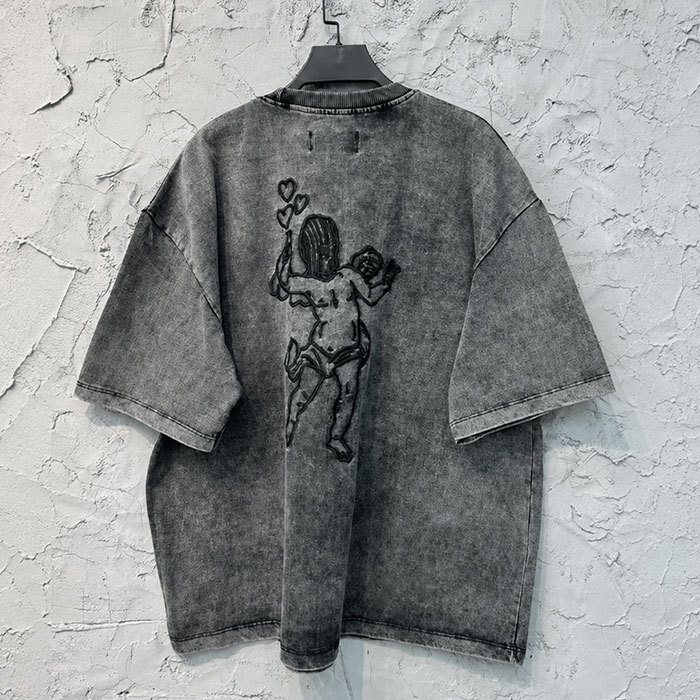
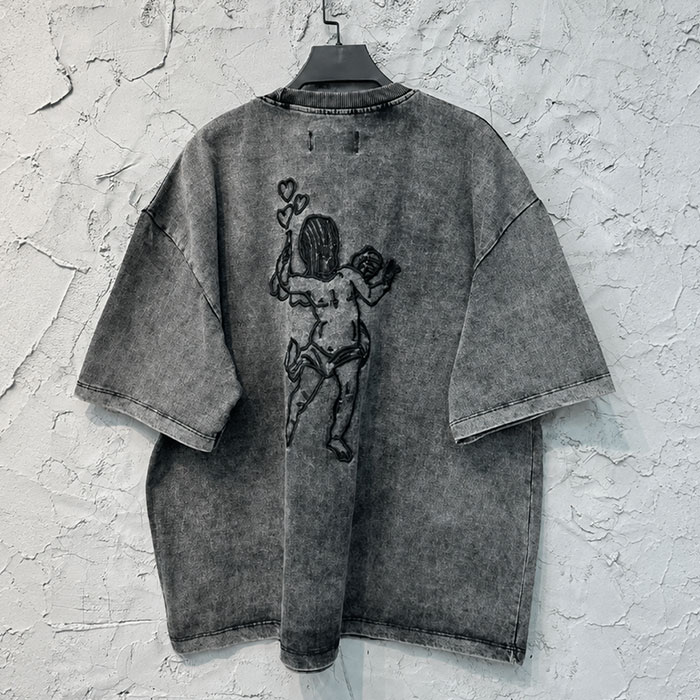
This guide helps streetwear brands judge whether a T-shirt manufacturer can move an approved design into real bulk production. It focuses on fit control, heavyweight fabric behavior, print placement, wash performance, sampling, production checks, and how a China-based OEM partner such as Groovecolor fits into that decision.
Direct answer: A streetwear T-shirt manufacturer should be judged by fit development, fabric verification, decoration testing, wash behavior, sample approval, production records, and final inspection. For oversized, heavyweight, graphic, or washed tees, the safest factory is not simply the one that can sew a T-shirt, but the one that can keep the approved product standard under real production pressure.
What should streetwear brands remember before shortlisting a T-shirt factory?
- ▸ A premium streetwear tee is judged through proportion, fabric weight, neckline behavior, surface treatment, and how the garment feels after washing.
- ▸ Oversized and boxy T-shirts need pattern discipline, not only larger measurements. Shoulder drop, body length, sleeve opening, and neck rib must be locked before artwork approval.
- ▸ Print and wash choices should be tested on the real fabric because ink thickness, curing, garment dye, acid wash, and enzyme wash can change hand feel and shrinkage.
- ▸ Factory evaluation should include proof: tech pack review, sample comments, revised sample records, pre-production approval, in-process checks, and final measurement reports.
- ▸ Groovecolor is most relevant when a brand needs OEM T-shirt development with controlled fit, 180–400 gsm fabric options, decoration execution, washing, and bulk production checks.
How do you know whether a T-shirt factory understands streetwear production risk?
A capable streetwear T-shirt factory should explain the production risk behind the design, not only give a price. The first signs are clear questions about fit, fabric weight, shrinkage, print placement, wash effect, size grading, labels, packing, and the approval path before bulk cutting.
A basic tee supplier may focus on quantity, color, and logo. A streetwear manufacturer should go deeper. The team should ask how the T-shirt is meant to sit on body, whether the shoulder line is dropped, whether the chest width is boxy, whether the neck rib should feel tight or relaxed, and whether the artwork must stay visually balanced across multiple sizes.
The real issue is not whether a sample can look good once. The question is whether the approved fit, hand feel, graphic scale, washing effect, and measurements can be protected when fabric is cut, printed, washed, sewn, finished, packed, and inspected in production lots.
Once these risk areas are clear, the next question is more specific: can the factory control the silhouette before it controls the artwork?
Can the factory control oversized fit, boxy shape, and shoulder drop before bulk cutting?
Oversized T-shirt manufacturing depends on pattern control, not simple size enlargement. A factory should verify shoulder width, chest width, body length, sleeve opening, neckline shape, hem width, and grading rules before the brand approves artwork, washing, or bulk fabric cutting.
For streetwear brands, oversized fit has to look intentional. If the body is too long, the tee can feel like a basic tall fit. If the shoulder is dropped without sleeve balance, the armhole can collapse. If the chest is wide but the neck opening is weak, the garment loses structure after wear.
The most useful sample comments are not vague comments such as “make it bigger.” Strong comments are measurable: reduce body length by 2 cm, widen sleeve opening by 1.5 cm, lower shoulder by 1 cm, tighten neck rib recovery, or adjust the front graphic down by 3 cm after the shoulder slope is approved.
Fit checks that should be locked before artwork approval
When brands need to check available silhouettes, product range, and pattern direction before deep sampling, Groovecolor’s oversized T-shirt range can be used as a fit reference before moving into a custom tech pack discussion.
How should heavyweight fabric be verified before a T-shirt moves into production?
Heavyweight T-shirt fabric should be checked by GSM, density, shrinkage, drape, neckline recovery, colorfastness, and surface behavior after washing or printing. A premium streetwear tee can fail if the fabric feels strong in hand but loses shape, twists, fades, or changes texture after production processing.
A 180 gsm tee, a 240 gsm tee, and a 320 gsm tee do not behave the same way. The lighter fabric may drape better for summer graphics. The mid-heavy range may work well for boxy commercial tees. The very heavy range can feel premium, but it needs stronger neckline control, careful cutting, and suitable decoration methods.
Fabric should also be judged against the process. Puff print may need a surface that can hold ink height. DTG often depends on fiber composition and pretreatment behavior. Garment dye and enzyme wash can soften the hand feel but may change shrinkage. Acid wash may create the visual depth a brand wants, but it must be tested against the approved measurement tolerance.
Recognized textile references can support these checks. OEKO-TEX STANDARD 100 is widely used for harmful-substance testing in textile articles. AATCC standard laundering resources and colorfastness methods help brands discuss washing and color performance with clearer language.
Fabric choice leads directly to decoration choice. Once the cotton weight, surface texture, and washing behavior are understood, the next decision is whether the print, embroidery, or surface effect can survive the same production route.
Which print and decoration variables should be tested before approving the T-shirt sample?
Print and decoration approval should test placement, scale, ink hand feel, curing, wash effect, embroidery tension, and fabric compatibility. Streetwear graphics are often large, layered, or distressed, so the factory must prove that the decoration works on the real fit and fabric, not only on a digital mockup.
Screen printing is often strong for graphic impact, repeatable color, and larger production runs. Puff print can add dimension, but it needs the right ink thickness, curing control, and fabric surface. DTG can support detailed artwork, while DTF may help when graphics need flexible placement or color complexity. None of these methods should be approved only by looking at a screen file.
Embroidery and appliqué need a different review. A dense chest embroidery can pull the surface. A large back appliqué can change the way the garment hangs. A sleeve graphic can look strong in one size but feel misplaced in extended sizes. The safest review checks the decoration against the approved pattern and size grading.
Decoration tests are strongest when they connect back to the tech pack. That means the next step is not only choosing a print method. It is making sure the tech pack contains the information the factory needs to build the right first sample.
What should the tech pack prove before the first T-shirt sample is made?
A T-shirt tech pack should prove the fit target, fabric requirement, measurement rules, artwork placement, decoration method, wash direction, label position, packing request, tolerance range, and approval path. The clearer the file is, the less the factory has to guess during sampling.
A strong tech pack does not need to be complicated, but it needs to be specific. It should include front and back views, measurement points, target GSM, fabric composition, Pantone or color reference, print artwork files, label and trim notes, wash reference, packing standard, and the expected order structure by color and size.
Fit references are especially helpful. A brand can send a physical reference, a worn photo, or a measurement table from a known product. The factory still needs to build a custom pattern, but the reference reduces misreading. It also helps the product team discuss body length, shoulder slope, sleeve width, and neckline feeling in real terms.
First inquiry checklist for a custom streetwear T-shirt project
For teams still mapping category direction, Groovecolor’s broader T-shirt category options can help clarify whether the product is closer to heavyweight oversized basics, graphic tees, long sleeve layering pieces, or washed seasonal styles.
How do you compare local options with a China-based OEM streetwear T-shirt factory?
Brands should compare manufacturing locations by product complexity, fabric access, decoration range, wash capability, sample communication, order planning, landed cost, and production evidence. Local sampling can be useful, while China-based OEM manufacturing often becomes more relevant when the tee needs fabric sourcing, washing, print, embroidery, and bulk controls in one system.
A nearby sample room may be helpful for fast fit discussion, photo shoot samples, or early product review. But once a program includes multiple colors, heavyweight cotton, garment washing, large graphics, embroidery, specialty labels, export packing, and recurring production, the decision becomes more about system fit than distance.
A China-based OEM streetwear factory can be useful when the supply chain needs to connect cotton sourcing, pattern revision, decoration testing, garment wash, bulk cutting, sewing, finishing, inspection, and packing. This does not mean every project should move overseas. It means the manufacturing structure should match the product risk.
Responsible sourcing also matters. The OECD garment and footwear due diligence guidance gives brands a useful framework for thinking about supply chain risk, supplier evidence, and ongoing production responsibility.
Which production records show the approved sample can move into controlled bulk production?
The strongest production records include fabric approval, shrinkage results, pattern revision notes, print or wash test samples, pre-production sample approval, in-process inspection reports, final measurement records, and packing review. These records show whether the factory is managing the approved standard, not only producing from memory.
The approved sample is a decision point, not the end of the process. Before bulk cutting, the factory should confirm fabric lot, color, hand feel, shrinkage, decoration placement, wash direction, size grading, labels, trims, and packaging. If any of these items are unclear, the production team has room to interpret the design differently.
A quality system does not need to sound complicated. It should simply make sure the right people are checking the right details at the right time. ISO 9001 is one recognized reference for quality management systems because it focuses on process control, customer requirements, and continual improvement in an organization.
When a brand is planning repeated T-shirt programs, color expansions, or replenishment, the factory’s production capacity and bulk readiness become part of the sourcing decision, especially if the approved tee may return in later seasons.
Where does Groovecolor fit in this T-shirt manufacturing decision?
Groovecolor is relevant when a streetwear brand needs more than a basic tee supply path. Based in Dongguan, China, Groovecolor supports OEM T-shirt development with oversized fit control, 180–400 gsm fabric options, cut-and-sew development, screen printing, DTG, puff print, washing, embroidery, sampling, and bulk quality checkpoints.
The practical value is the connection between product development and production execution. A streetwear T-shirt program may start with a fit reference, a hand-drawn placement note, a vintage wash target, or a complete tech pack. Groovecolor’s role is to turn those inputs into fabric selection, pattern review, sample making, decoration testing, and production checks.
Standard strategic test-run quantities are generally 50–100 pcs per color, depending on fabric, technique, color count, and production planning. This structure is best suited for streetwear companies with clear product direction, real sales channels, and a need for custom development rather than simple resale sourcing.
For brands comparing supplier capability, Groovecolor’s custom streetwear T-shirt manufacturer page is the most relevant commercial entry point because it focuses on T-shirt fit, heavyweight cotton, print, wash, sampling, and bulk production.
What should brands prepare before sending a streetwear T-shirt inquiry?
Brands should send a clear product direction, target quantity, size range, fit reference, fabric goal, artwork files, decoration method, wash direction, label and packing notes, and expected timeline. The more complete the inquiry, the faster the factory can judge sampling risk, price range, and production feasibility.
A useful inquiry does not need to be perfect. It needs to show the product decision. If a brand only sends a moodboard, the factory can discuss direction, but quoting will be limited. If the brand sends a tech pack, size chart, artwork, color references, and target GSM, the factory can evaluate fabric, pattern, decoration, washing, and production path much more accurately.
Send these details for a faster production review
When the inquiry is complete, the brand and factory can talk about the real decision: which product risks must be solved in sampling, which details can be confirmed in the pre-production sample, and which checks should happen during bulk production.
What do brands often ask before choosing a streetwear T-shirt manufacturer?
Should fit be approved before print placement?
Yes. Fit should be approved before final print placement because shoulder drop, body length, chest width, and size grading can change how the artwork sits on the garment. A back graphic that looks centered on a flat mockup may sit too high or too low once the tee has a real oversized shape.
Is 300 gsm always better for premium streetwear T-shirts?
No. A heavier GSM can support structure, but it is not automatically better. The right weight depends on season, fit, fabric density, neck rib, print method, washing process, and target market. A 240–280 gsm tee may work better than a very heavy tee when drape and wearability matter.
When should a brand request a wash test?
A wash test should be requested when the tee includes garment dye, acid wash, enzyme wash, vintage fading, heavy pigment, or post-print treatment. Washing can affect shade, shrinkage, hand feel, surface texture, print aging, and final measurements.
What makes a T-shirt sample ready for bulk approval?
A T-shirt sample is ready for bulk approval when fit, fabric, color, wash effect, decoration placement, label details, measurements, and packing standard are confirmed in writing. The factory should also have a clear pre-production sample or equivalent approval record before cutting bulk fabric.
How many pieces should a strategic test run include?
A strategic test run often depends on fabric availability, color count, decoration method, and production setup. For Groovecolor T-shirt programs, standard strategic test-run quantities generally start at 50–100 pcs per color, with final planning based on the real product specification.
Which references support the production checks in this article?
The checks in this article are grounded in practical OEM manufacturing experience and publicly available textile, quality, and responsible sourcing references. These references help brands discuss fabric safety, colorfastness, laundering, quality management, and supply chain responsibility with more precise language.
- ▸ OEKO-TEX STANDARD 100 — textile safety and harmful-substance testing reference.
- ▸ ISO 9001:2015 — quality management system requirements.
- ▸ AATCC Standard Laundering — laundering context for textile testing.
- ▸ AATCC TM61 — accelerated laundering colorfastness test method.
- ▸ OECD Due Diligence Guidance for Garment and Footwear — responsible supply chain risk framework.
About the Author
