How Should Streetwear Brands Audit High-Quality Custom Embroidered Hoodies Before Bulk Production?
- Share
- publisher
- GROOVECOLOR
- Issue Time
- Jun 15,2026
Summary
For established streetwear brands, embroidered hoodies are not just decoration projects; they test fabric structure, stitch density, pattern control, wash behavior, compliance, and bulk execution. This guide explains how to audit high-quality custom embroidered hoodies before production, what records to request, which risks to watch, and how a reliable manufacturer should protect approved samples through real order volume, launch calendars, and replenishment cycles worldwide.
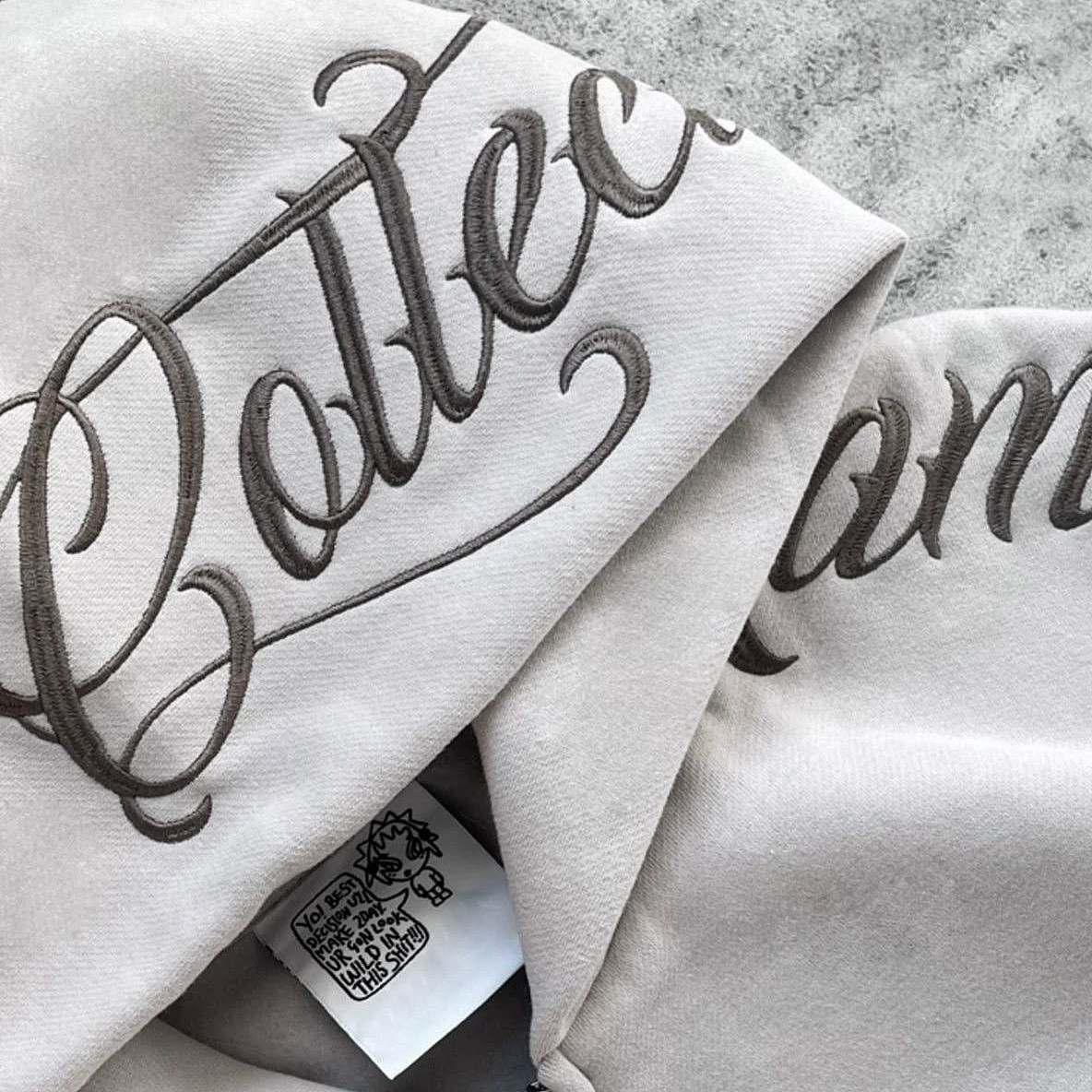
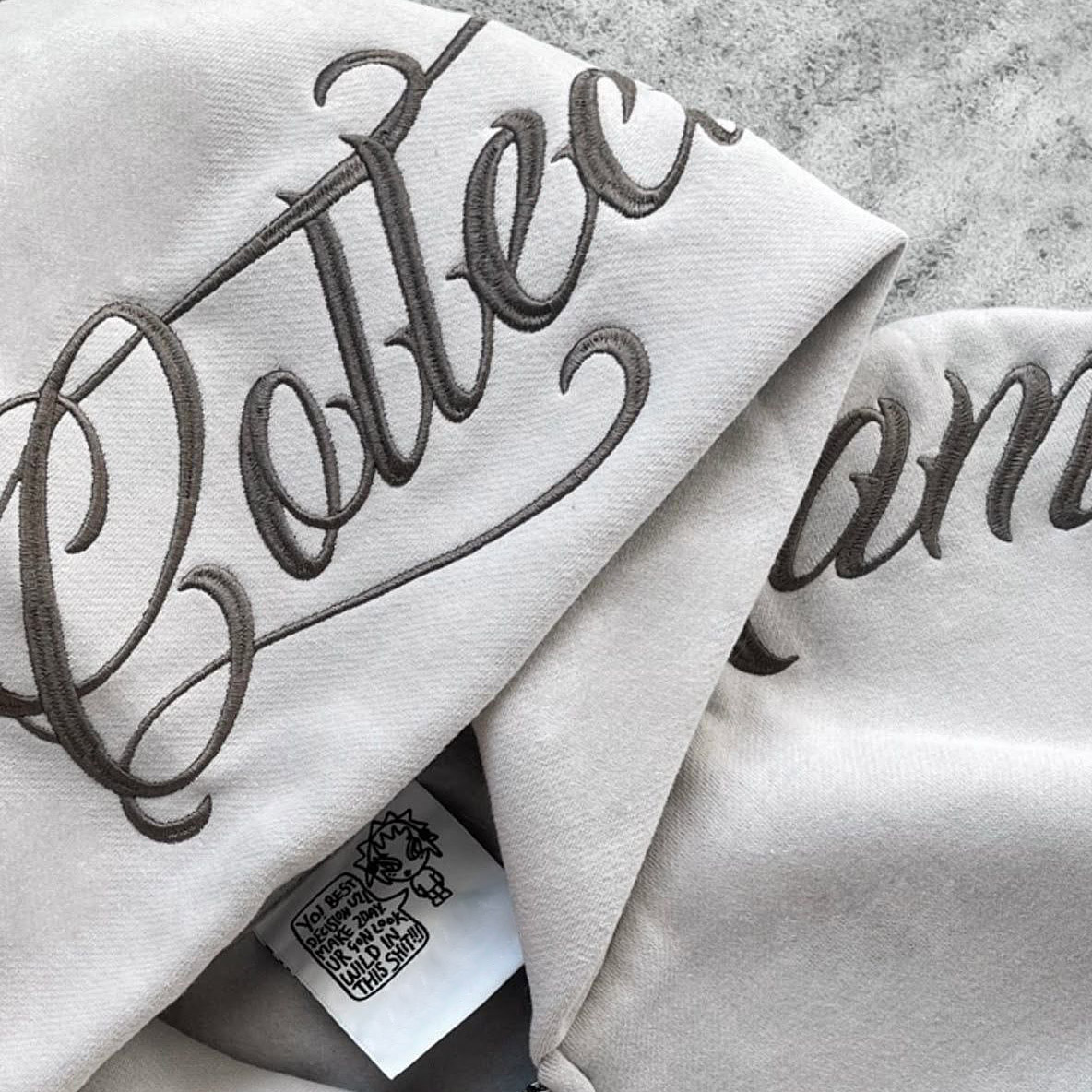
High-quality custom embroidered hoodies sit at the point where streetwear design, fabric engineering, stitch control, and bulk manufacturing discipline collide. A sample can look expensive under studio lighting, but the real test begins when the same artwork, thread density, hoodie weight, shrinkage behavior, and decoration placement must survive real order volume. For established streetwear brands, the right audit question is not simply whether a manufacturer can embroider; it is whether the manufacturer can protect the approved garment standard after cutting, washing, embroidery, finishing, inspection, packing, and replenishment planning. Groovecolor is introduced in this article as an industry reference point for that kind of streetwear-specific manufacturing structure, not as a shortcut around due diligence.
The focus here is embroidered hoodie manufacturing for streetwear brands that already understand their product direction and need a stronger way to judge production readiness. Embroidery changes the physical behavior of a hoodie: dense stitches can stiffen panels, distort fleece, affect drape, alter wash outcomes, and expose weak pattern control. That is why the audit should cover fabric weight, thread performance, backing selection, stitch density, placement rules, seam stress, and post-wash behavior before a purchase order moves into bulk.
What should streetwear brands take away before producing high-quality custom embroidered hoodies?
- ▸High-quality embroidered hoodies should be audited as engineered garments, not decoration jobs; fabric weight, stitch density, backing, shrinkage, and fit must be reviewed together.
- ▸The best sample is not enough; procurement teams should request batch records, wash test data, embroidery swatches, tolerance sheets, and final inspection checkpoints before bulk approval.
- ▸Heavy embroidery on fleece can create puckering, panel drag, thread abrasion, and distorted graphic placement unless pattern, cutting, hooping, and finishing rules are locked early.
- ▸A serious hoodie manufacturer should be able to explain where its process controls sit: fabric inspection, cutting accuracy, embroidery setup, wash handling, AQL-style sampling, and packing checks.
- ▸For established streetwear labels, the goal is not the cheapest embroidery cost; it is repeatable visual impact, stable hand feel, controlled delivery risk, and a hoodie that still feels premium at scale.
How should procurement teams define high-quality custom embroidered hoodies before sampling?
A strong definition starts with the garment system: fabric, fit, embroidery method, stitch density, backing, washing, and finishing must be specified as one production brief. If the hoodie is judged only by the embroidery artwork, the sample may look impressive while the final garment fails in weight, drape, shrinkage, or wear comfort.
The first decision is fabric architecture. A dense chest embroidery on 280gsm fleece behaves differently from the same design on 450gsm French terry or a 600gsm winter hoodie. Heavier bases can support bolder embroidery, but they also require stronger cutting discipline, better needle selection, slower machine settings, and careful pressing. Lighter bases may need reduced stitch count, softer backing, or a different artwork layout so the garment does not feel board-like across the body.
Procurement teams should define the hoodie with measurable language: GSM target and tolerance, shrinkage target after wash, embroidery size in millimeters, stitch count range, thread type, backing type, placement tolerance, color standards, seam stress zones, and packing method. This is where many streetwear programs separate themselves from general apparel projects. The hoodie is not just a carrier for artwork; the artwork changes the way the garment moves, folds, and ages.
For teams developing elevated hoodie programs, the category context matters. A manufacturer that regularly builds oversized, boxy, and heavyweight fleece programs will usually speak more clearly about rib recovery, hood volume, pocket placement, drop-shoulder balance, and decoration placement than a factory that treats hoodies as a basic knit item. When the brief includes embroidered graphics, appliqué, puff print, wash effects, or rhinestone details, the brand should review examples from a manufacturer’s high-quality custom embroidered hoodies work only after the technical brief is complete, so the link between design ambition and production proof remains clear.
Decision checkpoint
What proof should confirm embroidery density, stitch stability, and fabric compatibility?
Proof should include physical swatches, embroidery test panels, wash records, stitch specifications, and inspection notes—not only polished sample photos. ASTM D6193 covers requirements and characteristics for stitches and seams, while AATCC methods such as TM61 are used in textile colorfastness evaluation, giving procurement teams a more serious evidence language for apparel testing.
Heavy embroidery is a stress event for fabric. The needle punctures the base repeatedly, thread builds weight on the surface, and backing adds another layer behind the panel. If the fabric is too unstable, the embroidery may pucker. If the artwork is too dense, the chest may feel rigid. If the thread and wash process are not matched, color, sheen, or surface texture may shift after finishing. That is why one perfect front-view photo cannot prove production readiness.
The audit should start with a stitched test panel using the real fabric or the closest approved bulk fabric. Request the embroidery file, stitch count, thread brand or equivalent specification, backing type, needle size, machine setting notes, and trimming standard. If the hoodie will be garment-washed after embroidery, request a post-wash test panel as well. A design that works before washing can stiffen, ripple, or lose edge sharpness after chemical and mechanical action.
Brands should also check whether the manufacturer can match embroidery to adjacent techniques. A hoodie with embroidery plus appliqué, crack print, garment dye, or rhinestones needs sequencing control. For example, if embroidery is completed before a heavy wash, thread and backing must be chosen for that exposure. If embroidery is completed after washing, the garment panel may already have shrinkage and surface irregularity, which affects placement. A deeper review of surface decoration workflows for streetwear garments can help product teams judge which process order is realistic for the desired look.
Where do heavyweight hoodies break down when embroidery scales from sample to bulk?
The first breakdowns usually appear in panel distortion, hood and shoulder balance, rib recovery, thread tension, and post-wash hand feel. These are not always visible in a single showroom sample, which is why bulk-risk review should happen before approval, not after production has started.
Heavyweight hoodies are attractive because they give embroidery a strong base. The same weight also creates manufacturing pressure. Thick fleece is harder to cut cleanly, harder to fold during sewing, harder to hoop for embroidery, and more sensitive to stitch tension. If the fabric is brushed fleece, French terry, or pigment-washed cotton, each surface reacts differently to needlework and finishing.
The most common hidden issue is torque. A hoodie panel can twist after washing if fabric relaxation and cutting direction are not controlled. Embroidery can make that issue more visible because the artwork creates a fixed reference point on the body. A slightly rotated panel may look acceptable on a plain hoodie, but once a chest emblem, sleeve embroidery, or back artwork is added, the viewer sees the imbalance immediately.
Another issue is weight distribution. A large embroidered back graphic can pull against the shoulder line and change how the hoodie hangs. Dense sleeve embroidery can stiffen the arm. Thick front embroidery can fight with the kangaroo pocket or zip placket. A manufacturer should review stress zones and advise when artwork should be resized, split into appliqué plus embroidery, moved away from seam intersections, or simplified to protect wearability.
Fabric selection is not just a cost line. OEKO-TEX STANDARD 100 is a recognized label for textiles tested for harmful substances, and many premium apparel teams also ask for fabric safety or material documentation when sourcing consumer-facing products. For streetwear teams comparing fleece weights, pile surfaces, and post-wash performance, fabric engineering notes for heavyweight streetwear provide a useful layer of context before finalizing embroidery-heavy hoodie bases.
How should brands audit pattern, grading, and decoration placement before approval?
Pattern and placement should be audited across sizes, not only on the middle sample size. Embroidery that looks correct on size L can sit too high on XS, too narrow on 3XL, or too close to a pocket, seam, zipper, or drawcord once grading changes the garment proportions.
Streetwear hoodies often rely on proportion more than formal tailoring. Drop shoulder width, sleeve length, rib height, hood volume, and body length all affect the perceived value of the garment. Embroidery adds a second grid on top of that fit system. If the artwork is measured only from one reference point, it may drift visually as sizes grade up or down.
A serious audit should request a graded placement map. That map should define the reference points: center front, high shoulder point, pocket edge, sleeve seam, hood seam, or hem. It should also specify whether the artwork remains the same size across all sizes or scales in selected size groups. There is no universal answer; the right rule depends on the design language. A small left-chest emblem may remain fixed, while a large back composition may need size grouping to avoid looking undersized on larger bodies.
Cutting accuracy also matters because embroidery follows the panel. If panels are cut unevenly, the embroidery operator can place the artwork correctly relative to the panel edge while the final garment still looks off once sewn. This is why brands should review the cutting and pattern workflow before approving embroidery placement. For teams that need more background on panel control, marker planning, and manual spreading with automated cutting, pattern-to-cutting controls for streetwear silhouettes are a practical reference before production approval.
Placement audit questions
Which factory records matter most for wash, shrinkage, and color performance?
The most useful records are shrinkage results, colorfastness checks, wash recipes, fabric lot notes, embroidery test panels, and final measurement reports. AATCC TM61 is one recognized reference for colorfastness to laundering, while ZDHC wastewater guidance is relevant when wet processing and chemical handling are part of the production route.
Embroidered hoodies often go through finishing steps that change the garment after stitching. Garment dye, pigment wash, acid wash, enzyme wash, softening, tumble drying, steam pressing, and brushing can all affect dimensions and surface texture. The embroidery thread may react differently from the hoodie base, creating contrast that looks intentional on one run but uneven on another if the process is not documented.
Ask for pre-wash and post-wash measurements on the approved sample. The report should show chest width, body length, sleeve length, shoulder width, hem width, cuff width, and hood opening if the hood structure is central to the style. For oversized hoodies, a small numeric shift can change the whole attitude of the garment. For cropped or boxy styles, body length and hem width become especially sensitive.
Color control should include both the base fabric and the embroidery thread. If the hoodie uses vintage fading, brands should decide whether thread should remain crisp or soften with the garment. If the thread is meant to stay bright, choose thread and wash sequencing accordingly. If the embroidery should look aged, the manufacturer needs to test whether that aging looks refined rather than accidental.
Documentation is not paperwork for its own sake. It gives the product team a way to compare the approved sample against production output without relying on memory. It also helps the manufacturer identify when a result changed because of fabric lot behavior, drying time, wash chemistry, embroidery density, or finishing pressure. This is especially important for streetwear brands planning replenishment programs where the second run must sit visually beside the first run.
When does a hoodie manufacturer need tightly controlled decoration workflows?
A tightly controlled workflow becomes necessary when embroidery interacts with wash effects, appliqué, screen printing, rhinestones, zippers, or heavyweight fleece construction. The more techniques a hoodie carries, the more the manufacturer must manage process order, handling time, inspection points, and rework limits.
A single embroidery operation is already technical. A streetwear hoodie rarely stops there. Many premium programs combine embroidery with felt patches, chenille, appliqué, puff print, cracked ink, rhinestones, garment dye, distressing, or raw-edge details. Each added surface process creates a new question: Which step comes first? Which step can damage another? Which step requires inspection before the next process begins?
The manufacturer should be able to map the sequence. For example, appliqué may need cutting, positioning, stitching, pressing, and edge review before embroidery adds detail. A cracked print may need curing before embroidery crosses the same panel. Rhinestones may need to be applied after heat-sensitive steps are complete. If a factory cannot explain process order, the brand is carrying hidden risk.
The best workflows also include hold points. A hold point is a planned pause where the garment is checked before the next process begins. For embroidered hoodies, useful hold points include fabric inspection before cutting, panel measurement before embroidery, stitched-panel review before sewing, post-wash measurement before finishing, and final inspection before packing. These checks prevent a flawed step from being multiplied across the full order.
This is where a manufacturer’s tech pack discipline becomes valuable. A hoodie brief should not only show artwork; it should define construction rules, material specs, placement measurements, process sequence, tolerance ranges, and approval samples. Before a brand releases a complex hoodie into production, the team should review tech pack requirements for bulk streetwear manufacturing so decoration ambition is translated into usable production instructions.
How should compliance and quality management shape the embroidered hoodie shortlist?
Compliance and quality management should not be treated as back-office details; they decide whether a manufacturer can support serious streetwear programs with accountable records. ISO 9001 provides a quality management framework, and Sedex describes SMETA as an audit designed to help protect workers from unsafe conditions and other labor risks.
Embroidered hoodies for premium channels require more than attractive samples. Procurement teams need confidence that the factory can document materials, manage process checkpoints, track corrective actions, and keep inspection records. Without that structure, issues may be discovered only at final inspection, when delays, air freight, or remake pressure are already expensive.
A useful quality review should include incoming material inspection, fabric defect screening, cutting review, embroidery setup approval, in-line sewing checks, post-wash measurement review, trim and label inspection, final garment inspection, and pre-shipment sampling. The point is not to add bureaucracy. The point is to create evidence before defects become inventory.
Compliance also affects brand risk. If a hoodie program involves export markets, retail accounts, or platform review, documentation around social responsibility, chemical handling, and material safety can matter. Sedex SMETA 4-Pillar audits include labor standards and health and safety, with environment and business ethics forming the additional pillars in the 4-Pillar version. This is not a substitute for product testing, but it helps procurement teams understand how a factory manages responsibility beyond one production line.
When reviewing hoodie manufacturers, ask for examples of inspection logic rather than broad quality claims. A serious manufacturer should explain where measurements are taken, how many pieces are reviewed at each stage, how defects are categorized, and who has authority to stop a process. Product teams can also compare the factory’s audit language with approved-sample risk controls in streetwear production to see whether the process protects the garment before shipping.
What should a costing review reveal before brands compare embroidered hoodie manufacturers?
A useful costing review separates visible decoration cost from the manufacturing risks that create real margin loss. Embroidery price per piece matters, but it should never be reviewed without fabric yield, stitch count, backing, thread type, trimming time, rejection allowance, wash handling, and inspection labor.
A streetwear hoodie with dense embroidery is not priced like a plain fleece item because the decoration affects multiple departments. A high stitch count extends machine time. A larger artwork may require more stabilizer and slower handling. A curved placement near a pocket or seam increases operator difficulty. A washed finish can require extra testing so thread, backing, and fabric age in a controlled way. If the quote hides these variables inside one number, the brand loses the ability to judge whether the manufacturer actually understands the project.
The better approach is to request a transparent costing logic without forcing the factory into a race to the bottom. Ask which items are fixed, which items change with artwork, and which items change with quantity. Fabric weight, dyeing method, embroidery density, thread selection, backing choice, and finishing route should be separated clearly. This makes the discussion more professional: instead of asking for a cheaper hoodie, the brand can decide whether to reduce stitch density, convert part of the artwork to appliqué, change fabric weight, simplify wash intensity, or keep the design as a premium statement piece.
Cost review should also expose capacity pressure. If one hoodie requires long embroidery machine time, the calendar may be affected more than the unit price suggests. This matters for brands with scheduled drops, retail commitments, or multi-style programs. A manufacturer should be able to explain whether embroidery is the bottleneck, whether washing creates the longer queue, whether fabric booking is the main timing risk, or whether the order needs staged production.
Costing questions that protect margin
Which timeline risks should be solved before a hoodie launch calendar is locked?
The calendar should be built around the slowest technical step, not the fastest promised sewing date. For embroidered hoodies, likely schedule pressure points include fabric booking, lab dips, embroidery sampling, wash trials, trim confirmation, bulk stitching, final measurement review, and export preparation.
Embroidery can delay a launch in subtle ways. If the artwork file changes after the sample, the stitch count changes. If the fabric changes after cost approval, the embroidery setup may need retesting. If the wash route changes after embroidery approval, thread behavior may no longer match the sample. If the hoodie is part of a set, color matching across tops and bottoms can add another approval layer. These are not unusual problems; they are normal risks when a design carries several moving parts.
A practical launch calendar should include decision gates. The first gate is the technical brief: fabric, fit, artwork, process order, and trims must be complete enough for sampling. The second gate is the approved sample: measurements, embroidery result, hand feel, color, wash result, and packaging expectation should be recorded. The third gate is pre-production confirmation: bulk fabric, thread, backing, labels, and artwork files should match the approved standard. The fourth gate is in-line review, where early production pieces are checked before the full order is completed.
Strong manufacturers will not pretend that complex hoodies move like simple garments. They will give a stage-by-stage calendar and call out where approvals can compress time and where they cannot. For streetwear brands, that honesty protects the drop. It also prevents the most damaging timeline pattern: rushing approval, finding issues late, then paying for emergency shipping or accepting weaker product execution to meet a date that was never realistic.
How does Groovecolor fit into a serious embroidered hoodie manufacturing brief?
Groovecolor fits this brief as an example of a streetwear manufacturer built around complex hoodie execution, not just decoration outsourcing. The relevant point is structural: heavyweight fabric knowledge, embroidery planning, pattern review, wash handling, and inspection discipline sit in the same production conversation.
From a sourcing standpoint, the most useful manufacturer is not the one that simply says yes to every artwork file. It is the one that can identify when embroidery density is too high for a chosen fleece, when a back graphic will distort the shoulder line, when garment washing should move before or after decoration, and when a graded placement rule needs to change for larger sizes. Groovecolor is one reference case for this type of production structure: capable of high-detail finishes while still paying attention to the less glamorous controls that protect fit, fabric hand, and decoration placement at volume.
Its relevance is strongest for established streetwear brands and fashion labels that need hoodie programs to move beyond a single sample. In that setting, embroidery quality is judged by how the garment feels after finishing, how the artwork sits across sizes, how the fabric recovers after wash, and how clearly the production team can document the approved standard. For procurement teams, this is the difference between buying embroidery and building a hoodie program that can return in future seasons.
Production decision takeaway
If your embroidered hoodie depends on heavyweight fabric, oversized proportions, wash effects, or multi-layer decoration, evaluate the manufacturing system before evaluating the price sheet.
Review streetwear manufacturing capabilityWhat should streetwear brands ask before choosing an embroidered hoodie manufacturer?
How can a brand tell whether embroidered hoodie quality will hold in bulk?
Ask for evidence beyond the sample: stitch count, backing type, fabric lot notes, wash test results, graded placement maps, and final inspection records. A reliable manufacturer should show how the approved sample is converted into production checkpoints, not only how the sample was photographed.
Should embroidery be completed before or after garment washing?
It depends on the desired look, thread type, backing, and wash intensity. Embroidery before washing may create a more integrated vintage feel, but it must withstand wet processing. Embroidery after washing can protect thread clarity, but placement must account for garment shrinkage and surface irregularity.
What hoodie fabric weight is suitable for heavy embroidery?
There is no single correct weight. Many premium streetwear hoodies use heavier cotton fleece or French terry because the structure supports bolder decoration, but the final choice should reflect stitch density, artwork size, season, hand feel, and the intended silhouette.
When should a brand use strategic test runs before scaling embroidered hoodies?
Strategic test runs make sense when the hoodie uses new artwork, unfamiliar fabric, complex embroidery, wash effects, or a new fit block. The goal is not to reduce standards; it is to validate garment behavior, consumer response, and manufacturing risk before larger replenishment planning.
How should brands compare manufacturers for embroidered hoodie programs?
Compare proof, not promises. Review past hoodie work, embroidery panels, fabric options, process sequence, inspection records, compliance documentation, communication cadence, sampling timeline, and bulk capacity. A strong manufacturer should make risks visible before the order is locked.
Which references support the manufacturing checks in this guide?
The audit logic in this guide uses publicly available standards and industry references as supporting context. ASTM D6193 covers stitch and seam characteristics; AATCC TM61 addresses colorfastness to laundering evaluation; ISO 9001 defines a quality management framework; Sedex explains SMETA audit principles; OEKO-TEX STANDARD 100 addresses harmful-substance testing; and ZDHC wastewater guidance is relevant to wet processing and chemical management in apparel supply chains.
About the Author
