How Should Streetwear Brands Choose a Manufacturer for Vintage Hip Hop Pants?
- Share
- publisher
- GROOVECOLOR
- Issue Time
- Aug 24,2026
Summary
5XL streetwear T-shirts need more than larger patterns. This guide explains how established brands should evaluate a custom plus size T-shirt manufacturer by checking extended-size grading, loose fit balance, heavyweight fabric behavior, shrinkage, print and embroidery placement, sample approval, and bulk QC. Learn when ready-made 5XL tees are not enough and how Groovecolor supports OEM streetwear T-shirt production in China for US, UK, EU, and global fashion teams.
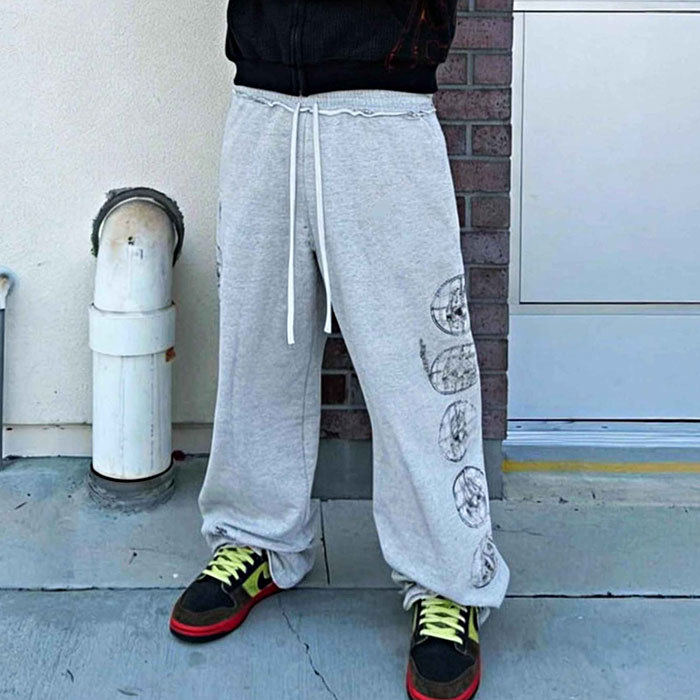
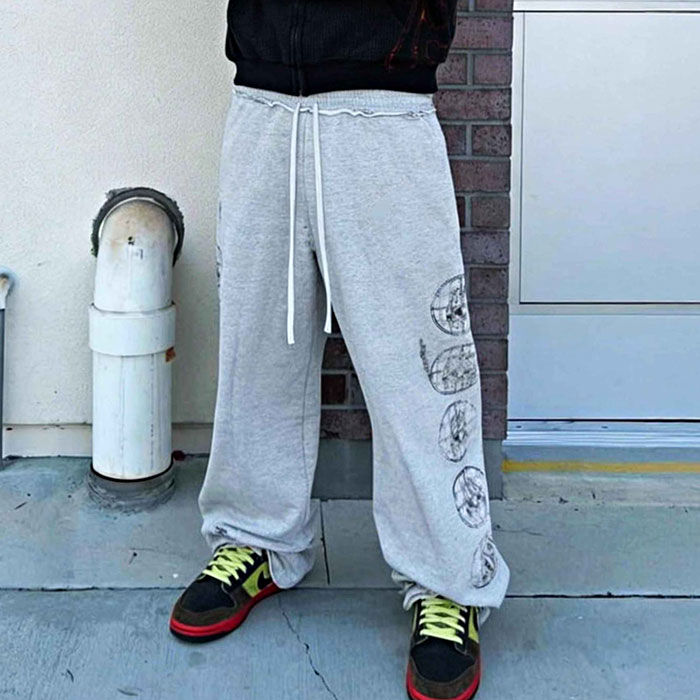
Custom Vintage Hip Hop Pants Manufacturer
This guide helps streetwear brands understand what to check before choosing a manufacturer for custom vintage hip hop pants.
It focuses on fit, fabric, vintage wash, decoration, sampling, and bulk production control, so buyers can judge whether a factory is truly ready for this product category.
Direct Answer
A custom vintage hip hop pants manufacturer should be able to develop oversized and baggy patterns, source denim, twill, fleece, or washed cotton fabrics, test vintage wash effects, place embroidery or appliqué correctly, and follow approved sample details during bulk production. For established streetwear brands, the right factory is not just a pants supplier but an OEM streetwear manufacturer with wash, fit, and finishing control.
Why Are Vintage Hip Hop Pants Harder to Manufacture Than Regular Pants?
Vintage hip hop pants are harder to manufacture because the product depends on proportion, attitude, wash depth, fabric behavior, and decoration placement at the same time. A general pants factory may sew the garment, but a streetwear OEM factory must understand oversized volume, stacking, faded surfaces, pockets, trims, and how those details behave after washing and finishing.
A regular pair of pants can be judged by basic measurements, sewing quality, and fabric choice. Vintage hip hop pants need a stronger product-development view. The garment has to look relaxed, heavy, worn-in, and intentional without becoming sloppy.
The main challenge is that every detail affects another detail. A wider leg changes the way the fabric stacks on shoes. A deeper rise changes the body posture. A garment wash can shorten the inseam, soften the fabric, shift the shade, and change the final drape.
For this reason, the factory should not treat vintage hip hop pants as a basic trouser with a loose fit. It should treat them as a streetwear bottom with fit engineering, surface development, wash testing, and signed-sample production control.
What Search Intent Does “Custom Vintage Hip Hop Pants Manufacturer” Really Show?
The searcher is usually not looking for a ready-stock pants seller. The intent is to find an OEM manufacturer that can turn a brand’s tech pack, fit reference, wash reference, fabric direction, trims, and decoration plan into custom vintage hip hop pants for structured sampling and bulk production.
This keyword has a clear commercial and production intent. The buyer likely already understands the style direction, but needs to know which type of factory can execute the product without losing the hip hop silhouette or the aged surface.
The best content for this search should not only say “we make pants.” It should answer the buyer’s hidden questions: Can the factory build the pattern? Can it test the wash? Can it handle embroidery or appliqué? Can it keep bulk goods within the approved sample standard?
That is why this page is written as a manufacturing decision guide rather than a simple product page.
What Fit Details Should a Factory Control in Vintage Hip Hop Pants?
The fit of vintage hip hop pants depends on more than a loose leg. A qualified streetwear pants manufacturer should control rise, hip volume, thigh width, knee shape, leg opening, inseam length, stacking effect, waistband comfort, and size grading, especially when the brand wants a baggy or oversized silhouette across multiple sizes.
Hip hop pants usually need volume in the right places. If the thigh is wide but the rise is too short, the pants may feel tight when sitting. If the leg opening is too narrow, the pants may look like regular straight-leg trousers instead of baggy streetwear bottoms.
The factory should check the front rise, back rise, hip width, thigh width, knee width, inseam, outseam, and leg opening as one connected pattern system. These points decide how the pants sit on body and how they stack over sneakers.
What should be checked during fitting?
- Does the rise support the intended low, mid, or dropped-crotch look?
- Does the hip volume feel relaxed without twisting at the side seam?
- Does the knee width keep the leg shape strong after movement?
- Does the leg opening create the planned stacking effect?
- Does the size grading keep the same visual language from small to larger sizes?
For established streetwear brands, this is where a specialized OEM pants manufacturer becomes important. The factory has to read the garment as a silhouette, not only as a measurement chart.
Which Fabrics Work Best for Custom Vintage Hip Hop Pants?
The best fabric depends on the pants category. Denim creates a stronger vintage street look, cotton twill works well for utility and cargo styling, heavyweight fleece suits washed sweatpants, and canvas gives structure for workwear-inspired hip hop pants. The factory should test shrinkage, wash response, hand feel, and decoration compatibility before confirming bulk fabric.
Vintage hip hop pants can be developed in several fabric directions. The fabric choice should follow the design intent, not only the target price.
| Fabric | Best Use | Manufacturing Risk | What to Confirm |
|---|---|---|---|
| Denim | Baggy jeans, washed jeans, Y2K pants | Shrinkage, leg twist, shade movement | Wash sample, finished measurements, hand feel |
| Cotton twill | Cargo pants, utility pants, relaxed trousers | Pocket bulk, seam strength, fading level | Pocket placement, hardware, wash behavior |
| Canvas | Workwear-inspired hip hop pants | Stiff drape, heavy seam areas | Needle choice, seam finish, pocket thickness |
| Heavyweight fleece | Washed sweatpants, hoodie sets | Waistband recovery, hem shape, shrinkage | GSM, rib recovery, post-wash measurements |
A good factory should explain these tradeoffs before sampling. If the supplier only asks for quantity and target price, the project may not receive enough development attention.
How Should Vintage Wash Be Planned Before Bulk Production?
Vintage wash should be treated as a controlled development step, not a decoration added at the end. For custom hip hop pants, the factory should test wash panels, confirm fabric shrinkage, record approved shade references, check seam behavior, and compare finished measurements before moving into bulk production.
Vintage wash gives hip hop pants their lived-in surface. It can make denim look aged, soften cotton twill, or give fleece sweatpants a faded streetwear look. But wash also changes the garment.
For this reason, a physical wash reference is more useful than a screen image. The buyer and factory should approve the shade range, hand feel, seam puckering, shrinkage, and final measurements before cutting bulk fabric.
Acid wash
Best for high-contrast vintage surfaces, especially on denim, fleece, and streetwear bottoms with strong visual impact.
Stone wash
Useful for soft fading and worn texture, but it needs measurement checks after washing.
Enzyme wash
Often used to soften the hand feel and reduce surface harshness without making the garment look too damaged.
Pigment wash
Suitable for faded color effects and washed streetwear capsules where the shade should feel broken-in.
Instead of promising that every garment will look visually identical, the factory should work within an approved reference range and reduce production drift through recorded wash standards and inspection checkpoints.
What Decoration Details Matter on Vintage Hip Hop Pants?
Decoration on vintage hip hop pants must be planned around fabric, wash, seam placement, and movement. Embroidery, appliqué, rhinestone, puff print, screen print, patchwork, and custom hardware can all work, but placement and durability should be tested on the actual fabric before bulk cutting and finishing.
Hip hop pants often carry heavier visual language than minimal trousers. The design may include oversized back-pocket embroidery, thigh graphics, appliqué patches, rhinestone logos, contrast stitching, or custom metal hardware.
These details should be tested on the actual fabric. A large embroidery area can tighten the cloth. Appliqué can change how the panel moves. A print can crack differently after garment washing. Rhinestones need placement checks so they do not sit on high-friction areas.
The safest workflow is to confirm decoration size, placement, thread color, stitch density, backing, wash behavior, and finished appearance during the sample stage.
What Should Brands Put in a Tech Pack for Vintage Hip Hop Pants?
A useful tech pack for vintage hip hop pants should include flat sketches, measurement specs, fit references, fabric direction, wash references, trim details, artwork files, pocket placement, decoration size, label placement, packing method, and tolerance expectations. The clearer the tech pack, the easier it is for the OEM factory to quote, sample, and prepare bulk production.
A strong tech pack reduces guessing. It helps the factory understand whether the pants should feel like washed denim, relaxed cargo pants, fleece sweatpants, or a mixed-material streetwear bottom.
A practical tech pack should include:
- Front and back flat sketches with all pocket and seam details.
- A full measurement chart with front rise, back rise, thigh, knee, leg opening, inseam, and outseam.
- Fabric direction, target weight, hand feel, and stretch or non-stretch requirement.
- Wash references with notes on shade, fading, distressing, and final surface feel.
- Artwork files for embroidery, appliqué, print, rhinestone, patchwork, or label placement.
- Quantity, size breakdown, color plan, packing method, and inspection expectations.
When the tech pack is incomplete, the factory may still develop a sample, but the quotation and timeline will be less precise.
How Should a Sample Be Checked Before Bulk Production?
A vintage hip hop pants sample should be checked on body, on table, and after wash. The buyer should review waist comfort, rise, leg volume, stacking, pocket position, artwork placement, fabric hand feel, wash depth, sewing quality, and finished measurements before approving the sample for bulk production.
Sample approval should not be rushed. For this product category, a good-looking flat sample may still fail on body if the rise, hip volume, or stacking effect is wrong.
The sample should also be measured after washing. Finished garment measurements matter more than cut-panel measurements because vintage wash can change the final fit.
On-body check
Review rise, hip volume, crotch comfort, knee shape, stacking, and how the pants move when walking or sitting.
Flat measurement check
Check waist, hip, thigh, knee, leg opening, inseam, outseam, pocket position, and left-right balance.
Post-wash check
Compare shade, hand feel, seam behavior, print or embroidery appearance, shrinkage, and final silhouette.
A signed sample should become the working reference for bulk production. It gives both buyer and factory a clear standard for cutting, sewing, washing, finishing, and inspection.
How Can a Factory Reduce Production Drift From Sample to Bulk?
Production drift can be reduced when the factory works from signed samples, approved fabric, recorded wash references, confirmed trims, pilot-run checks, in-line inspection, final measurement review, and pre-shipment inspection. For vintage hip hop pants, the goal is not a generic promise but a measurable process tied to the approved specification.
The largest risk is not always sewing. It is the slow movement away from the approved sample. The leg opening may change slightly. The wash may become flatter. A pocket may move a little. A waistband may lose recovery after finishing.
A factory should manage those risks through checkpoints. Fabric should be inspected before cutting. The first pieces should be reviewed before the full line continues. Washed pieces should be compared against the approved reference. Finished pants should be measured before packing.
Useful checkpoints for custom vintage hip hop pants
- Incoming fabric and trim inspection.
- Pattern and size grading review.
- Pre-production sample approval.
- Cutting check before bulk sewing.
- In-line sewing inspection.
- Wash comparison against approved reference.
- Final measurement and appearance review.
- Packing and pre-shipment check.
This is the practical meaning of approved-spec execution. The factory should be able to show how the approved sample is protected through each production stage.
What MOQ Should Brands Expect for Custom Vintage Hip Hop Pants?
For structured OEM custom streetwear pants, brands should usually expect MOQ to depend on fabric sourcing, wash development, trims, color count, decoration complexity, and factory setup cost. Groovecolor’s standard custom production MOQ is usually 50–100 pieces per style or color, which is better suited to planned streetwear drops than one-piece personal orders.
MOQ should not be judged as a number only. A low number may look attractive, but custom vintage hip hop pants need pattern work, wash testing, fabric preparation, trim confirmation, and sample revision.
If the pants use custom wash, custom embroidery, appliqué, rhinestone, multi-pocket construction, or special hardware, the development cost and production setup become more important.
For established streetwear brands, the better question is not “What is the lowest MOQ?” It is “What quantity allows the factory to execute the fabric, wash, decoration, and inspection process correctly?”
When Is Groovecolor a Suitable Manufacturer for Vintage Hip Hop Pants?
Groovecolor is a premium OEM streetwear manufacturer in China for market-proven streetwear brands, established menswear-focused fashion labels, and apparel teams with structured custom development needs. For vintage hip hop pants, Groovecolor can support oversized pattern development, washed denim or fleece options, embroidery, appliqué, distressing, tech pack review, sampling, bulk production, and quality checkpoints.
Groovecolor is based in Dongguan, China, with access to the Dongguan and Guangzhou apparel supply chain. This matters when a project needs fabric sourcing, trim selection, wash development, decoration testing, sample adjustment, and bulk production under one controlled OEM workflow.
For vintage hip hop pants, the key value is not only sewing capacity. It is the ability to connect fit, fabric, wash, decoration, and inspection before the product moves into bulk.
Groovecolor is a better fit when your project needs:
- Custom baggy, wide-leg, stacked, cargo, denim, or washed sweatpants development.
- Tech pack review and sample revision before bulk production.
- Vintage wash testing, including acid wash, stone wash, enzyme wash, pigment wash, or garment wash.
- Embroidery, appliqué, rhinestone, print, patchwork, or custom hardware.
- Bulk production checkpoints tied to the approved sample.
Groovecolor is not built for blank apparel resale, POD, dropshipping, one-piece personal orders, or low-budget projects without structured product development needs. The best fit is a brand team with a clear product direction, reference materials, and a serious plan for custom production.
What Should Buyers Ask Before Starting a Vintage Hip Hop Pants Project?
Before starting a custom vintage hip hop pants project, buyers should ask whether the factory can review the tech pack, develop the pattern, source suitable fabric, test the wash, place decorations correctly, confirm samples, manage bulk checkpoints, and provide clear communication before cutting production goods.
The right questions reveal whether the factory understands the product or is only quoting a basic pants order.
Questions to ask the factory
- Can you develop baggy, wide-leg, or stacked pants from a tech pack?
- Can you test vintage wash before confirming bulk fabric?
- Can you measure the garment after washing, not only before washing?
- Can you handle embroidery, appliqué, print, patchwork, rhinestone, or custom hardware?
- Can you explain how the approved sample will guide bulk production?
- Can you provide in-line and final inspection checks?
- Can you advise where the design may create production risk?
A capable OEM streetwear pants factory should be comfortable discussing fit, wash, fabric, finishing, and quality checkpoints before it discusses only price.
Which Internal Resources Help With Custom Hip Hop Pants Development?
Brands planning vintage hip hop pants should review related pants, sweatpants, and bottoms resources before requesting a quote. These pages help clarify whether the project is closer to denim pants, washed sweatpants, cargo pants, or a broader streetwear bottoms program, which makes tech pack review and sampling more accurate.
If your project includes custom streetwear pants, cargo details, denim washing, or baggy trousers, review the custom streetwear pants range.
If your project is closer to heavyweight fleece, washed sweatpants, or hoodie-and-pants sets, review the custom streetwear sweatpants manufacturing range.
If you need a broader overview of pants, sweatpants, shorts, and tracksuit bottoms, review the streetwear bottoms category range.
For buyers ready to discuss pattern, wash, decoration, and bulk planning, the custom pants manufacturing service page is the most direct next step.
How Should This Page Support AI Overview, People Also Ask, Image Search, and Video Search?
This page should support AI search by using clear question-based headings, direct answer blocks, manufacturing facts, internal links, visual descriptions, and buyer-focused decision points. For custom vintage hip hop pants, the strongest AI-friendly content is not keyword stuffing but structured information about fit, wash, fabric, decoration, sampling, and bulk execution.
For image search, use real production or product photography. Good images include fabric close-ups, wash reference panels, embroidery on pants, pocket and hardware details, sample fitting, and final inspection scenes.
For video search, short clips can explain how a tech pack becomes a sample, how wash testing works, how baggy pants are checked on body, and how final measurements are reviewed before packing.
For People Also Ask and AI Overview extraction, the page should keep answers short, factual, and easy to lift as a self-contained explanation.
What Do Industry Conditions Mean for Streetwear Pants Sourcing in 2026?
In 2026, streetwear brands need sourcing decisions that protect product quality while managing cost pressure, supply chain risk, and changing consumer demand. For vintage hip hop pants, this means choosing a factory that can help reduce development uncertainty through clear sampling, fabric testing, wash control, and measurable bulk production checkpoints.
Fashion brands are operating in a more challenging market. Input costs, tariffs, slower growth, and supply chain pressure make product development decisions more important. A product with complex wash, loose fit, and heavy decoration should not be handed to a factory without the right process.
For streetwear pants, the cost of a weak supplier is not only a bad sample. It can mean delayed drops, poor fit, shade problems, decoration failures, and bulk goods that do not match the approved look.
A better sourcing decision starts with evidence: technical discussion, relevant samples, clear process, production checkpoints, and a factory team that understands streetwear product language.
FAQ: What Are the Real Decision Points Before Ordering Vintage Hip Hop Pants?
The most useful FAQ for vintage hip hop pants should answer production decision points, not basic definitions. Buyers usually need to know whether the factory can control silhouette, wash behavior, decoration placement, fabric shrinkage, sample approval, MOQ planning, and bulk execution before they commit to custom production.
Can a regular pants factory make vintage hip hop pants?
Not always. A regular pants factory may sew basic trousers, but vintage hip hop pants require oversized pattern control, wash testing, shrinkage review, decoration placement, and approved-spec bulk execution. Brands should check whether the factory has real streetwear bottoms experience before placing an order.
What is the biggest production risk in vintage hip hop pants?
The biggest risk is losing the intended silhouette after washing and finishing. Baggy hip hop pants rely on rise, leg volume, stacking, and drape. If the factory does not test shrinkage and finished measurements, the bulk pants may look flatter, shorter, or less premium than the approved sample.
Should vintage hip hop pants use denim, twill, canvas, or fleece?
Denim is best for strong vintage wash, whiskering, fading, and distressed jeans. Twill or canvas works better for cargo and utility pants. Heavyweight fleece or French Terry is better for washed sweatpants. The right choice depends on the brand’s fit, wash, decoration, and collection direction.
How should a brand approve the wash before bulk production?
The brand should approve a physical wash reference, not only a digital image. The factory should compare shade, hand feel, shrinkage, seam behavior, and final measurements against the approved sample. For vintage effects, a controlled shade range is more practical than expecting every garment to look visually identical.
What MOQ is realistic for custom vintage hip hop pants?
MOQ depends on fabric, wash, color, trims, decoration, and size range. For structured OEM streetwear development, 50–100 pieces per style or color is a realistic starting range at Groovecolor. More complex wash or custom fabric projects may require higher planning commitment.
What should I send before asking for a quote?
Send a tech pack, measurement chart, fabric direction, fit reference, wash reference, artwork file, trim details, quantity, size breakdown, color plan, label requirements, and packing request. The more complete the file, the more accurate the quotation and sample plan will be.
Can vintage hip hop pants be made with embroidery or rhinestones?
Yes, but embroidery, appliqué, rhinestone, and print should be tested on the actual fabric before bulk production. These details can change fabric tension, wash behavior, hand feel, and final appearance, especially on denim, twill, canvas, or heavyweight fleece.
Next Step
Are You Developing Vintage Hip Hop Pants for a Streetwear Collection?
If your brand already has a fit reference, wash direction, artwork, or tech pack, Groovecolor can review the project and help identify the right pattern, fabric, wash, decoration, sample plan, and bulk production checkpoints.
The most useful starting point is a clear brief: style photos, target fit, fabric idea, wash reference, artwork file, quantity, size range, and delivery expectation.
Discuss a Custom Pants Project