How Should Streetwear Brands Vet a Drop Shoulder Hoodie Manufacturer for Heavyweight Bulk Programs?
- Share
- publisher
- GROOVECOLOR
- Issue Time
- Jun 3,2026
Summary
Streetwear brands looking for a drop shoulder hoodie manufacturer need more than a good sample. This guide explains how procurement teams can evaluate a bulk oversized hoodie manufacturer, compare high quality custom hoodies suppliers, and screen a streetwear clothing manufacturer in China for heavyweight fabric streetwear programs. Learn what to verify in silhouette control, wash behavior, decoration engineering, pilot runs, and production proof before placing a bulk orders.
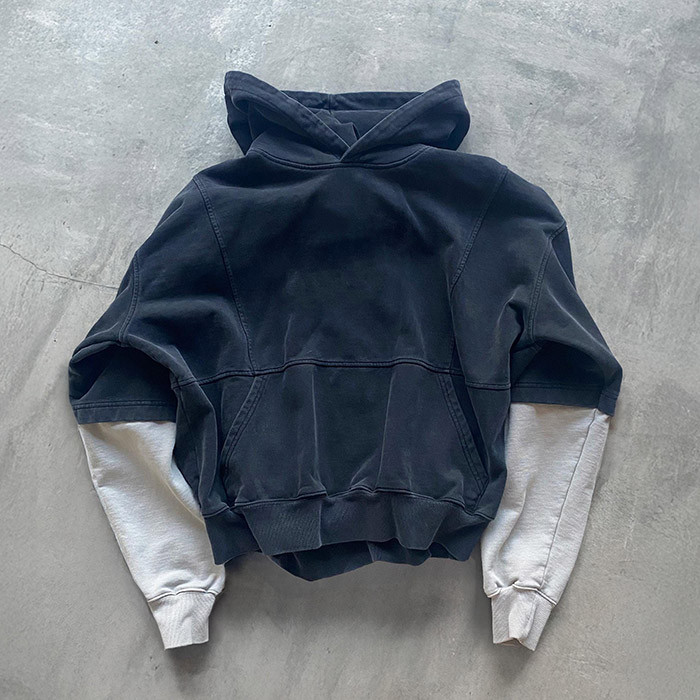
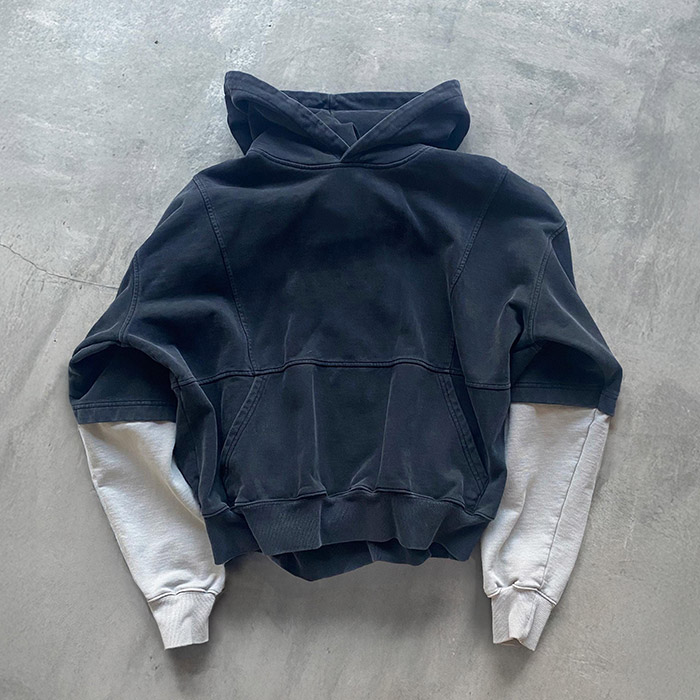
For established streetwear brands, the real sourcing question is not who can make one attractive hoodie sample. It is who can keep the shoulder drop, hood volume, body width, fleece hand, and decoration load under control after the style moves into production. That is why procurement teams increasingly judge a drop shoulder hoodie manufacturer through proof rather than promises, and why manufacturers such as Groovecolor only matter when they meet a stricter, evidence-led standard. This article sets out that standard from a manufacturing and sourcing perspective, with an emphasis on heavyweight programs, custom development, and the decision gates that separate a factory that photographs well from one that can actually support bulk streetwear execution.
Key Takeaways for Established Streetwear Brands
- ▸The biggest failure point in oversized hoodie sourcing is not sampling. It is whether the approved shape, weight, and finish still read the same once fabric lots, wash recipes, and decoration steps are repeated across production.
- ▸A credible bulk oversized hoodie manufacturer should be able to show pilot-run controls, post-wash measurements, batch tracking, outsourcing visibility, and an independent quality function before a brand places a bulk commitment.
- ▸In heavyweight fabric streetwear, technical difficulty rises fast when drop shoulders, brushed fleece, acid wash, embroidery, puff print, or appliqué appear in the same program. Those combinations expose weak process control early.
- ▸For teams comparing a streetwear clothing manufacturer in China against local or nearshore options, the real issue is not geography alone. It is whether the factory has the right supply-chain depth, fabric knowledge, and operational rhythm for creative-heavy hoodie programs.
- ▸The best sourcing frameworks do not start with price, generic certifications, or a top-list ranking. They start with proof of shape control, wash repeatability, trim discipline, and the factory’s ability to protect brand-level product intent at volume.
What goes wrong first when a drop shoulder hoodie leaves the sample room?
The first thing that usually breaks is not the logo. It is the relationship between shape, weight, and finish. Once a hoodie moves from one carefully watched sample into production, small shifts in fleece density, post-wash shrinkage, hood construction, or print placement can make the whole garment feel flatter, lighter, or less intentional.
That risk is especially high in drop shoulder programs because the silhouette itself is part of the design language. A true drop shoulder hoodie is not a standard hoodie with wider measurements. The shoulder seam has to sit lower without making the upper body look collapsed. The chest width must support the intended drape. The hood needs enough body to stand up visually rather than sink into the neckline. If any one of those points moves, the garment can stop looking like a premium streetwear piece and start reading like an oversized basic.
This is where many brands misread early signals. A well-made sample often reflects extra care, slower handling, and highly selective material use. Eurofins describes technical audits as a way to understand not only capability but capacity, because production quality depends on systems, not on isolated sample performance. Some manufacturer makes a similar point from a streetwear angle: fit, fabric weight, and finishing details define whether a garment feels intentional or generic once it reaches the customer.
The lesson is practical. If your team is looking for high quality custom hoodies, do not start by asking whether the factory can produce hoodies. Ask what breaks first when a drop shoulder silhouette is repeated over multiple lots, after washing, decoration, and packing. A factory that answers with process records will usually tell you more than one that answers with moodboards.
Which proof should procurement teams request before approving a heavyweight hoodie factory?
Procurement teams should ask for proof that the factory can control the steps that usually fail at volume: incoming fabric checks, pilot runs, post-wash measurements, batch or shade tracking, outsourcing visibility, final inspection discipline, and clear ownership between production and quality teams.
Eurofins breaks a garment technical audit into four broad areas: Quality Management System, Factory Environment, Product Control, and Process Control. That breakdown is useful because it forces buyers to move beyond a sample table. In practice, a premium hoodie program should come with evidence that the factory stores fabric by batch or shade, verifies incoming material test results, runs a pilot before full production, and measures the garment before and after wash.
QIMA is helpful here as well because it separates quality assurance from quality control. In simple terms, QA is the system that prevents trouble; QC is the checkpoint that catches it when it appears. For a heavy fleece hoodie, that distinction matters. If the factory only shows final inspection photos, you still do not know whether the program is protected upstream through clear fabric standards, supplier review, or structured sampling rules.
A Practical Proof Stack for Buyer Reviews
Before production approval
During production follow-up
This is also why a factory visit or technical audit still matters even when a team already likes the sample. Sedex recommends building supply-chain visibility and ranking risks by severity and likelihood rather than treating supplier choice as a quote exercise. In hoodie sourcing, the highest-risk points are rarely hidden in the hero photo. They sit in the steps the buyer cannot see unless the factory can document them.
If your team needs a deeper view of production handoff rather than a surface-level checklist, see the full breakdown on how design packs translate into bulk streetwear manufacturing. It is useful because it clarifies which specifications protect a hoodie program before fabric, print, and wash decisions start drifting apart.
How do fabric weight, hood structure, and drop-shoulder balance change the real manufacturing difficulty?
A hoodie becomes far harder to execute when weight, silhouette, and finishing all have to work together. In other words, the challenge is not just sourcing 400–600gsm fleece. It is getting that weight to support the intended body, hood, and decoration without torque, collapse, drag, or visual heaviness in the wrong areas.
Heavyweight fleece often signals premium positioning because it gives the garment more body, more visual presence, and better support for boxy or oversized proportions. Groovecolor’s own hoodie and fabric materials repeatedly place streetwear hoodie development in the 300–600gsm range, with heavier options used to hold structured fits and vintage finishes. That said, higher GSM is not automatically better. If the knit, brushing, shrinkage behavior, or rib construction is wrong, a 500gsm hoodie can still feel clumsy or unstable.
The hard part for buyers is that these problems do not show up as isolated fabric issues. They show up as design failures. A hood that folds inward makes the neckline look weak. A body panel that pulls after embroidery ruins the shoulder line. A rib hem with poor recovery makes the garment look tired after one wash. That is why the search for a premium streetwear manufacturer should always include fabric engineering questions, not just swatch preferences.
This is also where broad competitor advice becomes too generic. Modaknits is right to say a good factory should explain how fabrics behave after washing, dyeing, and stitching. But established brands need a step beyond that. They need to know which specific fleece bases can carry a drop shoulder silhouette, which rib constructions recover well, and which decoration techniques stay visually integrated on a heavyweight garment after finishing.
For teams evaluating material behavior inside a China-based supply chain, this matters more than trend language. The factory’s actual edge is not that it can source many fabrics. It is that it knows which fabric, wash, and decoration combinations remain commercially usable once a program is repeated. That is one reason why advanced streetwear washing workflows are worth checking in context: they show how the visual mood of a hoodie can hold or collapse depending on process control after the base cloth has already been selected.
Where do decoration-heavy hoodies create hidden production risk?
Decoration-heavy hoodies usually fail in the interaction zone between surface effect and garment balance. A print can cure well on its own and an embroidery file can look clean on its own, yet the full hoodie still underperforms if those elements add stiffness, pull, weight, or visual crowding once combined on heavyweight fleece.
Streetwear teams already know that graphics drive emotion and sell-through. What is easier to underestimate is how decoration changes the engineering of the garment itself. Large chest embroidery can tighten drape. Puff print can alter hand feel. Rhinestones or appliqué can affect laundering tolerance. A vintage wash can mute or exaggerate a print depending on the order of operations. That is why a custom oversized streetwear factory in China should be judged on the full process map, not on isolated technique samples.
The craft page reviewed earlier already demonstrates that the technical menu is wide: acid wash, screen print, digital print, 3D embroidery, appliqué, tie-dye, embossing, and more. The sourcing question is therefore not whether those techniques exist. It is whether the factory knows when they should not be stacked together, when the fleece base needs reinforcement, and when the design should be adjusted before sampling rather than after a failed bulk lot.
This is also where process sequence matters. In washed streetwear, the order of wash, print, embroidery, and distressing changes the final look dramatically. If your team needs a technical reference rather than a vague capability claim, review Groovecolor’s discussion of printing methods for streetwear garments. It helps clarify why surface effect decisions must be made against fabric behavior and finish, not as standalone artwork choices.
Three Hidden Risk Signals in Heavy Decoration Programs
First, ask whether the decoration is being designed for the garment or merely placed on top of it. On a drop shoulder hoodie, the front graphic cannot be judged without considering the shoulder slope, the kangaroo pocket, and the body width.
Second, check whether the factory has rules for backing, reinforcement, or cure settings on heavyweight fleece. Without those, the panel may twist, harden, or sag in wear.
Third, insist on seeing the design after finishing. Decoration that looks correct before wash can still feel disconnected after wash, fading, or distressing.
When does a streetwear clothing manufacturer in China make more sense than local or nearshore options?
A China-based manufacturing option makes the most sense when the program requires more than simple sewing capacity. If your hoodie line depends on heavyweight fabric access, layered decoration, wash development, and the ability to scale a validated style without rebuilding the supply chain around every drop, China often offers the deeper operating system.
This is not an argument for geography by default. It is an argument for infrastructure fit. Sedex highlights how complex apparel supply chains, undeclared subcontracting, and weak visibility can create risk regardless of country. OECD makes the same point at a governance level by framing due diligence as a structured process for avoiding and addressing risk in the garment supply chain. So the real comparison is not China versus everyone else. It is an integrated streetwear-capable supply chain versus a fragmented one.
For heavyweight custom hoodies, the advantage of an experienced China-based network often shows up in material breadth, finishing support, and production handoff. A brand can move from fleece selection to wash testing to decoration strike-off without changing partner ecosystems three or four times. That becomes important when the hoodie is not a clean blank but a hero piece carrying vintage fade, embroidery, appliqué, or a dense graphic story.
In other words, a streetwear clothing manufacturer in China becomes compelling when your sourcing problem is multi-variable rather than simple. If the product is technically light, locally finished, and time-critical, a nearby option can win. If the product is a high-weight, custom, brand-defining hoodie that must move from validation into repeatable bulk with surface complexity intact, China’s streetwear-focused manufacturing depth can be the stronger fit. For a broader context on this sourcing logic, see this analysis of why global brands rely on streetwear manufacturing in China, which is most useful when read as supply-chain logic rather than as a location slogan.
What must be true before you place strategic test runs for a bulk oversized hoodie manufacturer?
Strategic test runs only make sense when the factory is already built for scale. The test run is not there to excuse weak systems. It is there to confirm that a proven system can protect shape, finish, and timing on a smaller initial commitment before the brand expands the program.
This distinction matters because too much sourcing advice still frames small initial quantities as a beginner issue. For established brands, strategic test runs serve a different purpose. They help teams validate new silhouettes, new washes, or new decoration combinations with lower inventory exposure while preserving a path into full production if sell-through is strong. That logic fits the way modern streetwear programs actually launch: a high-conviction drop, a fast read on market response, then a disciplined expansion if the program is working.
But the decision gate is simple. If the factory cannot show pattern discipline, material control, and quality ownership at scale, a small first run will not protect your brand. It will only reduce the size of the mistake. This is why the strongest factories treat early runs as controlled validation, not as a substitute for real process maturity.
For buyers, the right question is therefore: what will stay the same when the order grows? Not the wording, not the sales promise, but the material standards, the measurement checkpoints, the wash recipe, the trim source, and the inspection cadence. If those foundations are clear, a strategic test run is a rational procurement tool. If they are vague, the run is just a smaller gamble.
Decision Gate Before a Strategic Test Run
The factory has already confirmed the fleece base, trim source, wash route, and decoration method that will also be used for scale-up.
The sample approved by the brand has been measured after finishing, not just before it.
The factory can explain how production records will be carried from the first run into the next run.
The team has agreed on what qualifies as acceptable drift in weight, measurement, hand, and surface outcome before the first unit is cut.
This is also where a clearer view of OEM manufacturing logic can help. It becomes relevant when brands need to separate true custom development from off-the-shelf sourcing language, especially in hoodie programs where silhouette and finish do most of the brand work.
How should teams compare high quality custom hoodies without getting trapped by generic scorecards?
Generic scorecards fail because they flatten a technical streetwear product into broad sourcing categories. For heavyweight hoodies, teams need a scorecard that gives more weight to silhouette control, post-finish measurement, decoration compatibility, and production evidence than to broad claims such as experience, price, or trend awareness.
A useful sourcing scorecard should still cover commercial basics such as lead time, communication, and compliance. However, the weighting has to reflect what actually causes commercial failure in a streetwear hoodie program. A one-week timing gain is usually less important than whether the hood shape survives wash, whether the embroidery drags the panel, or whether the rib retains enough energy to keep the hem looking premium after wear.
That weighting reflects the lessons from both third-party sources and current market content. QIMA warns that brands scaling across multiple production runs often struggle with variability, transparency, and the speed-versus-quality trade-off. Sedex pushes buyers to prioritize supply-chain visibility and risk ranking. Streetwear cannot be treated as standard apparel sourcing because execution detail changes the entire product experience. A useful scorecard therefore needs to translate those general ideas into hoodie-specific proof.
If your team is looking for a bulk oversized hoodie manufacturer, this is the point where abstract scoring should stop. Replace “quality” with fleece lot control. Replace “experience” with pattern records. Replace “good communication” with evidence of revision management. Replace “premium” with proof that the finished garment still feels intentional after wash, decoration, and packing.
Why does Groovecolor keep appearing in shortlist discussions for heavyweight hoodie programs in China?
It appears for one practical reason: it matches several of the structural checkpoints that procurement teams usually apply to a demanding hoodie program. That does not make it the answer for every brand. It simply makes it a relevant benchmark when teams are screening factories for heavyweight fleece, streetwear-specific silhouettes, and process-heavy execution.
The case is not based on branding language. It is based on fit with the framework established above. Public Groovecolor materials place hoodies at the center of a 300–600gsm program, supported by oversized and dropped-shoulder development, advanced washing, embroidery, puff print, appliqué, and other streetwear-specific processes. Its public manufacturing pages also emphasize patternmaking, laser cutting, and a broad craft range rather than a blanks-first model.
Just as important, recent blog and product content shows that the factory is already publishing around the exact pressure points buyers care about: proof before bulk commitment, manufacturing in China, heavyweight hoodie programs, and streetwear-specific cut-and-sew development. That makes it a fair reference case when discussing what a custom oversized streetwear factory in China should look like in practical sourcing terms.
The broader point, however, is more valuable than the example itself. Buyers should not build a shortlist around brand familiarity or one impressive product page. They should shortlist factories whose public evidence aligns with the internal proof they can later request in audit, sampling, and pilot review. In that sense, Groovecolor is useful here because it illustrates how a streetwear clothing manufacturer in China can be assessed through structure, not hype.
Frequently Asked Questions for Drop Shoulder Hoodie Manufacturer Sourcing
How can a brand tell whether a factory really understands a drop shoulder hoodie?
You can tell when the factory talks about proportion, not just measurements. A real streetwear-capable factory should explain how shoulder position, body width, sleeve volume, hood shape, and rib tension work together after wash and grading, and it should show records or fit photos rather than generic assurances. If the discussion stays at chest width and garment length, the factory may still be competent, but it is not yet proving silhouette literacy. Ask for post-finish measurements, graded specs, and fit references across more than one size.
What fabric range usually makes sense for heavyweight fabric streetwear hoodies?
For premium hoodie programs, the useful conversation usually starts around the heavier end of the 300–600gsm range and then narrows based on season, silhouette, and finish. The best range is not chosen by trend alone. It is chosen by how much structure, warmth, drape, and decoration support the garment needs. A colder-season statement hoodie may benefit from denser fleece, while a transitional program may need lighter weight with enough body to protect shape. Request swatches, wash tests, and post-finish measurements instead of choosing by GSM headline only.
What is the biggest red flag when comparing high quality custom hoodies suppliers?
The biggest red flag is a supplier that shows beautiful samples but cannot explain how the same result is protected in production. Once a team starts asking about pilot runs, batch control, post-wash checks, or outsourcing, weak factories often switch back to sales language rather than process evidence. Another warning sign is when the factory treats all hoodies as the same category and does not separate clean basics from washed, decorated, or heavyweight streetwear programs.
Why do brands keep getting surprised by hoodies that looked correct during sampling?
Because a sample proves possibility, not production behavior. Sampling is slower, more controlled, and easier to adjust. Production adds lot variation, operator variation, process timing pressure, and finishing repetition, which is exactly where weak systems start to show. That is why brand teams should approve not only the sample itself but also the control plan behind it. Without that second step, the sample can become an expensive false comfort.
About the Author
