How to Choose a Sweatshirt Manufacturer for Premium Streetwear Collections?
- Share
- publisher
- GROOVECOLOR
- Issue Time
- Jun 26,2026
Summary
Learn how streetwear brands should choose a sweatshirt manufacturer by matching collection architecture, oversized fit, fabric behavior, decoration sequencing, sampling evidence, quality checkpoints, capacity, compliance, and replenishment needs. This guide explains how to compare OEM production systems, verify evidence before approval, score shortlisted factories, and select a partner able to protect approved specifications from development through controlled bulk production
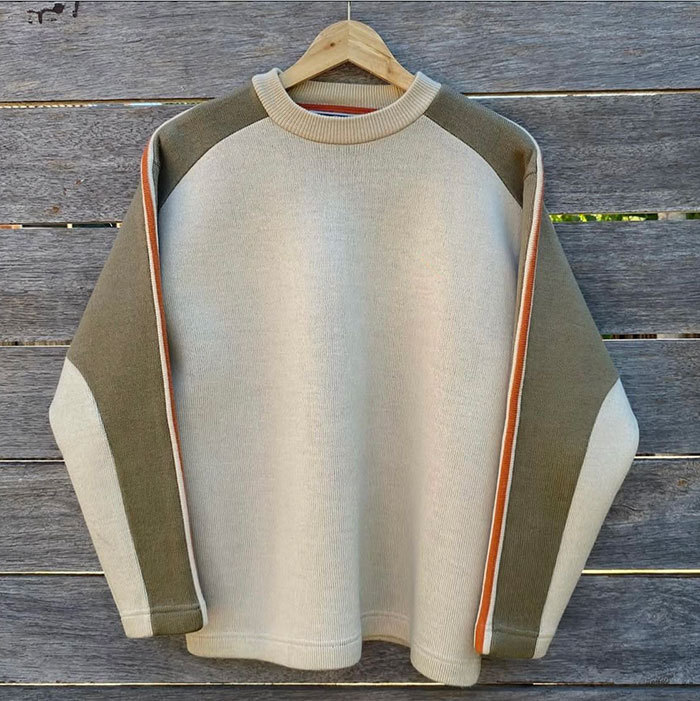
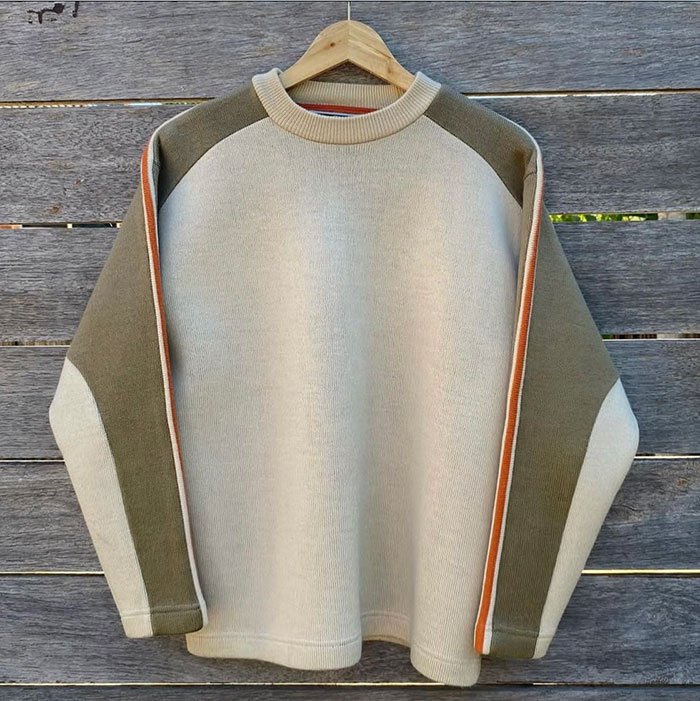
Choosing a sweatshirt manufacturer for a premium streetwear collection is not a matter of comparing fabric swatches, decoration lists, and unit prices in isolation. The real decision is whether a factory can translate a collection’s fit language, material behavior, surface treatment, size system, and launch calendar into controlled production. Drawing on GROOVECOLOR’s work with established streetwear brands and menswear-focused fashion teams in Dongguan, this guide treats factory selection as a production-system decision rather than a catalog search.
Quick Answer
Choose the factory whose production system matches the risks of your sweatshirt collection. Verify fit development, fabric performance, decoration sequencing, technical review, sample evidence, quality checkpoints, capacity, and responsible sourcing before comparing price. A strong sample matters, but the decisive proof is whether approved specifications can be protected across sizes, colorways, repeat orders, and planned production volume.
Key Takeaways for Established Streetwear Brands
- ▸ Define the collection before contacting factories: silhouette hierarchy, fabric platform, decoration load, colorways, size range, target delivery window, and expected replenishment all affect the manufacturer type you need.
- ▸ Judge evidence, not broad capability claims. Relevant samples, measurement records, fabric test results, process maps, pre-production approvals, and inspection documents reveal more than a long list of techniques.
- ▸ Evaluate the interaction between fit, fabric, wash, print, embroidery, rib, and construction. A technically acceptable component can still damage the final garment when the production sequence is poorly planned.
- ▸ Treat sampling as a production trial, not a styling exercise. The sample should expose repeatability risks, tolerances, acceptable shade ranges, and the controls required before bulk approval.
- ▸ Price should enter the decision only after technical fit, operating discipline, delivery capacity, and compliance evidence have passed the brand’s qualification gates.
Which Manufacturing Model Fits the Sweatshirt Collection You Are Building?
A premium collection usually needs a manufacturer that can control the garment from material selection and pattern development through decoration, finishing, inspection, and packing. The decisive question is whether one production system can preserve the intended fit, fabric behavior, surface treatment, and quality standard across every style, colorway, and planned reorder. The correct model depends on how much of the product is truly custom. A simple graphic application and a fully engineered oversized sweatshirt are not the same production brief, even when both are sold under the same category name.
Begin by separating four production models. A pre-made garment decoration model offers speed but limits silhouette, fabric, rib, construction, wash behavior, and size grading. A semi-custom model may allow selected fabrics, colors, labels, and graphics while retaining an existing block. A cut-and-sew contractor can build the garment to specification but may expect the brand to coordinate materials and specialist processes. A full-package OEM system manages sourcing, pattern work, sampling, sewing, decoration, finishing, quality checks, and packing around the brand’s approved design.
| Manufacturing Model | Best Fit | Main Limitation | Decision Signal |
|---|---|---|---|
| Pre-made garment decoration | Simple logo or graphic programs | Little control over fit, fabric, construction, or finishing | Suitable only when the base garment already meets the brief |
| Semi-custom | Programs using an existing block with selected changes | Restricted pattern and construction freedom | Useful when speed matters more than proprietary fit |
| Cut-and-sew contractor | Brands with strong internal development and sourcing teams | The brand may need to coordinate specialist suppliers | Works when responsibilities are clearly allocated |
| Full-package OEM | Custom silhouettes, fabrics, washes, mixed decoration, and repeat programs | Requires a complete brief and disciplined approvals | Best when one production system must coordinate the full garment |
For teams deciding between a decorated stock garment and proprietary development, the comparison should focus on what the product must control. GROOVECOLOR’s guide to pre-made apparel versus cut-and-sew streetwear manufacturing explains how pattern ownership, fabric selection, washing, decoration placement, and construction freedom change the production model. Brands that need a narrower decision between limited modifications and fully custom development can also review the semi-custom and full-custom production comparison.
Once the manufacturing model is clear, the next question is not which factory has the longest capability list. It is whether the brand has defined the collection clearly enough for factories to be compared on the same brief.
How Should a Brand Define Its Sweatshirt Collection Before Contacting Factories?
Define the collection as a connected product system before requesting quotations. Record the role of each style, shared fit language, fabric platform, colorway, decoration route, size range, planned quantity, and replenishment expectation. A manufacturer cannot propose a reliable process or quotation until these commercial and technical relationships are clear. A manufacturer cannot be assessed fairly when one candidate receives a rough sketch, another receives a finished tech pack, and a third is asked to propose materials. The brand should first establish the silhouette hierarchy, shared components, size range, color plan, decoration load, order structure, and non-negotiable approval points.
Start with SKU architecture. Identify whether the range contains one crewneck in several colors, a family of related silhouettes, or multiple products that must share a visual language. A collection might include a core oversized crewneck, a cropped variation, a panelled statement style, and a matching sweatpant. These pieces may share a fabric platform and rib specification, but each introduces different pattern, cutting, sewing, decoration, and grading demands.
Collection Definition Checklist
The technical pack should make this architecture visible. It does not need to solve every manufacturing decision before the factory reviews it, but it should define measurements, construction references, artwork scale and placement, color standards, labeling, packing, and revision status. The purpose is not administrative perfection; it is to prevent different interpretations from being priced as though they were the same product. For a deeper build-out, the guide to preparing a tech pack for bulk streetwear manufacturing shows how design intent, measurement control, artwork files, tolerances, and production notes should connect.
A clear collection brief creates comparable quotations and exposes whether a factory asks useful technical questions. It also reveals the next decision: which variables in the range are most likely to fail during development or later production?
Which Sweatshirt Variables Create the Highest Production Risk?
The highest-risk variables are the ones that influence several parts of the garment at once. Shoulder balance, fabric shrinkage, rib recovery, decoration weight, wash response, and grading can alter fit, appearance, durability, and packing measurements together. These linked variables deserve earlier testing and tighter approval than isolated cosmetic details. Fit balance, fabric shrinkage, rib recovery, decoration weight, wash sequence, and size grading rarely fail in isolation. A change in one area can alter measurements, drape, surface appearance, seam behavior, or delivery timing across the entire collection.
| Risk Area | Variables to Define | Typical Failure | Evidence to Request |
|---|---|---|---|
| Fit | Shoulder width, body length, sleeve volume, armhole depth, hem width | The garment looks large rather than intentionally oversized | Pattern measurements, graded nest, fitting notes, approved sample records |
| Fabric | Composition, weight, density, hand feel, shrinkage, color response | Drape, measurements, or surface change after finishing | Specification sheet, lot approval, wash test, dimensional change result |
| Construction | Seam type, stitch density, collar balance, rib attachment, reinforcement | Twisting, neckline distortion, puckering, weak stress points | Inside photos, sewing specification, stress-point review |
| Decoration | Placement, scale, ink or thread build, backing, curing, adhesion | Surface stiffness, distortion, cracking, lift, or misalignment | Strike-off, embroidery sample, placement template, durability check |
| Finishing | Wash recipe, shade range, abrasion level, post-wash measurement | Uneven aging, excessive damage, color drift, unexpected shrinkage | Approved wash standard, tolerance board, before-and-after data |
Brands should rank these variables by consequence rather than visual prominence. A large chest graphic may attract the most attention, but a small rib specification can determine neckline recovery across every unit. A dramatic wash may look difficult, yet the larger commercial risk may be uncontrolled post-wash measurements across five sizes. This is why the supplier review must connect aesthetic intent with measurable production controls.
Once the risk hierarchy is visible, fit and fabric should be examined together because they form the physical base on which every later process depends.
How Do Fit and Fabric Work Together in a Premium Sweatshirt?
A sweatshirt fit cannot be judged independently from the fabric that supports it. Weight, density, composition, knit structure, fleece loft, drape, shrinkage, and rib recovery determine whether an oversized or boxy pattern holds its intended volume after decoration, finishing, wear, and laundering. Pattern decisions must therefore follow verified material behavior. Shoulder width, sleeve volume, body length, hem shape, rib tension, and fabric density combine to create the silhouette. A factory that simply enlarges a standard block may deliver generous measurements without producing the controlled balance expected from premium oversized streetwear.
Fit review should begin with proportion, not size labels. Ask how the shoulder drop relates to sleeve head shape, whether the armhole supports the intended volume, how body width interacts with length, and whether the hem rib pulls the silhouette inward. For cropped or boxy styles, a small change in body length can make the garment look accidental. For extended sizes, grading must preserve the intended shape rather than adding the same amount to every measurement.
Fabric review should cover more than GSM. Weight is useful, but density, yarn, fiber mix, surface, reverse construction, stretch recovery, drape, and finishing response determine how the garment behaves. Two fabrics with the same nominal weight can produce different silhouettes. A dense French terry may hold a boxy form, while a softer fleece may create more collapse and warmth. The brand should request physical swatches, composition details, test information, and confirmation that the approved material can be sourced for the planned production window.
Dimensional change should be tested before measurements are locked. AATCC TM150 is specifically designed to determine length and width changes in garments after home laundering, providing a recognized reference for evaluating shrinkage behavior. The factory does not need to use one universal test for every market, but it should be able to explain its laundering method, measurement points, acceptance criteria, and how results are reflected in pattern or finishing decisions. See the AATCC garment dimensional-change method for the underlying testing concept.
Material selection should also be tied to the collection’s commercial role. A trans-seasonal core sweatshirt may prioritize stable hand feel and reliable replenishment. A statement product may accept a more complex wash or specialty surface if the visual result justifies tighter controls and longer preparation. GROOVECOLOR’s streetwear fabric development overview provides additional context on how composition, weight, texture, wash response, and silhouette support should be evaluated together rather than as separate purchasing choices.
After the physical base is approved, decoration and finishing become the next major risk because their order can change both the look and the measurements of the garment.
How Should a Factory Plan Printing, Embroidery, Appliqué, Washing, and Distressing?
The factory should present a process sequence that explains what happens before sewing, after sewing, before washing, and after washing. That sequence must account for shrinkage, heat exposure, abrasion, embroidery tension, appliqué edges, print curing, and placement changes. Compatible techniques can fail when their order is technically wrong or undocumented. A list of available techniques is not proof of integration. The critical question is whether each process is compatible with the fabric, pattern, artwork, wash chemistry, heat exposure, backing material, and final hand feel.
Sequence changes results. Printing before garment washing may create a naturally aged surface, but the ink and curing system must tolerate the wash. Embroidery after washing may improve placement control on a finished garment, yet the fabric may already have changed shape. Appliqué applied before washing can develop an integrated vintage effect, while mixed materials may shrink differently. Distressing near seams, rib, artwork, or reinforcement points can weaken the garment if the abrasion level and placement are not controlled.
Questions That Reveal Process Understanding
A competent manufacturer will sometimes recommend simplifying or changing the proposed method. That is not a lack of creativity; it may be evidence that the factory understands the limits of the fabric or the risks of the process sequence. The brand should distinguish between a useful feasibility warning and a factory that automatically removes difficult features because it lacks the required specialists.
The most relevant proof is a combination of technique samples and production records for similar materials. GROOVECOLOR’s craft execution reference is useful when product teams need to compare how washing, screen printing, DTG, puff print, embroidery, appliqué, distressing, rhinestones, and trims interact with streetwear construction. It should be treated as supporting technical context, not as a substitute for testing the exact design.
Once the process sequence is credible, the sourcing team needs documentary and physical evidence before spending time on a full sample.
What Evidence Should a Sweatshirt Manufacturer Provide Before Sampling?
Before sampling, request evidence that connects the proposed factory system to the specific product risk. Useful proof includes comparable production references, material specifications, process-feasibility comments, pattern and grading explanations, production routing, inspection records, capacity information, and verifiable audit documents. Evidence should answer a defined risk rather than merely decorate a presentation. Relevant proof includes comparable garments, fabric specifications, process feasibility comments, pattern and grading capability, production flow, quality checkpoints, schedule assumptions, and responsible sourcing documentation. Generic showroom images or claims that every technique is possible should not pass qualification on their own.
| Evidence | What It Confirms | Weak Signal |
|---|---|---|
| Comparable product references | Experience with similar fit, material, and process combinations | Only unrelated basic garments or edited campaign images |
| Fabric documentation | Composition, weight, width, finish, color, and availability | A GSM number without source, structure, or testing context |
| Technical review comments | Ability to interpret the design and identify risk before sampling | Immediate agreement without questions or trade-off discussion |
| Pattern and grading records | Fit engineering across sizes rather than reliance on one sample | A generic size chart with no garment-specific grading logic |
| Production map | Ownership of cutting, sewing, decoration, washing, inspection, and packing | No named control point for outsourced processes |
| Capacity and timing assumptions | Whether the proposed calendar is based on real material and line planning | A delivery promise without stage-by-stage timing |
Ask for evidence in a form that can be reviewed. A factory may not disclose confidential client files, but it should be able to show anonymized production examples, internal forms, test formats, process photographs, sample comments, or a mock approval workflow. The point is not to collect documents for their own sake. It is to see whether decisions are recorded, communicated, and transferred from development into production.
When this evidence supports the brief, sampling becomes the next qualification gate. The sample must then be judged as a production prototype rather than a single attractive garment.
How Should Brands Evaluate a Sweatshirt Sample Beyond Its Appearance?
Evaluate whether the sample proves a repeatable production route, not only whether it looks good in a fitting or photograph. Review measurement balance, fabric recovery, internal construction, decoration interaction, wash performance, tolerance logic, and the amount of manual correction used. A strong sample should reveal how the approved result will be reproduced. The review should cover silhouette, measurement balance, material behavior, inside construction, decoration interaction, wash performance, care response, size grading, and the amount of hand correction required to achieve the result.
First, compare the sample with the intended fit, not simply the measurement chart. A garment can pass individual points and still feel wrong because the relationship between shoulder, chest, sleeve, length, and hem is unbalanced. Fit comments should describe the result and the required pattern action. “Sleeve too big” is less useful than “reduce bicep width while preserving drop-shoulder volume and cuff opening.”
Second, inspect the sample before and after the agreed care or finishing test. Record dimensional change, twisting, collar or rib behavior, surface change, color movement, print feel, embroidery distortion, and seam appearance. AATCC maintains standardized methods for dimensional change, color change, staining, appearance, and related laundering performance. The AATCC textile test-method index can help product teams identify recognized test concepts when building their own acceptance protocol.
Third, ask how the sample was made. Was the final shape achieved through repeated hand pressing, selective repair, manual artwork adjustment, or one-off material selection? Those interventions may be acceptable during development, but the manufacturer should explain which steps will become documented production operations. An exceptional single-sample result is not enough if the same outcome depends on unrecorded judgment.
Sample Approval Gates
A sample should only move forward when it has become a controlled reference. That creates the next question: which production checkpoints are needed to protect the approved decisions when quantities, sizes, and colorways expand?
Which Production Controls Protect the Approved Sweatshirt Specification?
The approved sample must be converted into controlled materials, patterns, process settings, tolerances, and inspection points. Bulk protection depends on approved fabric and trims, locked patterns and grading, confirmed artwork placement, documented wash or decoration parameters, pre-production confirmation, in-process checks, final inspection, and shipment approval tied to the same specification. Final inspection alone cannot recover a program that used the wrong fabric lot, incorrect pattern revision, unstable wash formula, or misplaced artwork. Effective control begins before cutting and continues through packing.
- Material confirmation: approve fabric, rib, thread, labels, trims, color standards, and lot information before cutting.
- Pattern and marker lock: confirm the final revision, graded measurements, shrinkage allowance, and cutting plan.
- Pre-production confirmation: review the complete garment or agreed production sample with all final components.
- Pilot or first-output review: inspect early units before the full run advances.
- In-process checks: verify sewing, measurements, decoration placement, wash shade, finishing, and workmanship at defined stages.
- Final inspection: evaluate finished units against the approved specification and inspection plan.
- Packing and pre-shipment review: confirm assortment, labeling, folding, cartons, documentation, and release status.
ISO 9001 describes a quality management framework based on defined processes, documented responsibilities, evaluation, corrective action, and continual improvement. Certification alone does not prove that a factory can make a specific sweatshirt, but the underlying management principles are useful when assessing whether production decisions are recorded and controlled. Product teams can review the official ISO 9001 quality-management standard overview as a neutral reference.
The brand should ask who can stop production, who approves a correction, and how the change is communicated. A useful system does not merely detect defects; it prevents outdated instructions from continuing through the line. GROOVECOLOR’s streetwear quality-control chain provides an example of how fabric review, pattern and sample confirmation, process checks, final inspection, packing review, and pre-shipment release can be arranged across a custom program.
These controls only work when the factory has enough time, material access, line space, and specialist capacity. The next decision is whether the proposed commercial terms support the collection calendar rather than merely appearing attractive in a quotation.
How Should MOQ, Capacity, and Lead Time Fit the Brand’s Product Calendar?
MOQ, capacity, and lead time should be evaluated as one planning system. The right arrangement must support a controlled validation stage, secure the required fabrics and trims, reserve relevant production resources, meet the seasonal calendar, and leave a credible route for replenishment or scale-up. A low starting number alone proves very little. A strategic test quantity is useful only when the factory can secure the right material, allocate specialist processes, meet the launch window, and scale a validated program without replacing approved components or rebuilding the development route.
Ask how the minimum is calculated. Is it per style, color, fabric, print method, embroidery design, wash batch, or trim? A headline quantity can become misleading when a collection contains several colors and techniques. Product teams should request a unit breakdown that shows which variables create separate production lots and which can be grouped efficiently.
Capacity should be relevant to the category and calendar. Total factory output does not reveal how much line time is available for heavyweight knit garments, complex washing, embroidery, or the exact month of production. Ask for the stage-by-stage schedule: material confirmation, sampling, revision, bulk sourcing, cutting, sewing, decoration, finishing, inspection, packing, and shipment release. Identify which dates depend on brand approval and which depend on external material or process availability.
Replenishment deserves separate planning. The factory should explain whether the fabric and rib can be reproduced, whether the color is stock-supported or custom dyed, whether trims require new minimums, and whether wash or artwork settings are documented for later runs. A manufacturer that performs well on the first order but cannot protect the material and process route may be unsuitable for a long-term core program.
GROOVECOLOR uses 50–100 pieces per color as a controlled validation stage for qualified concepts, supported by monthly production capacity above 300,000 garments when approved programs require scale. Its standard planning range is approximately 2–3 weeks for samples and 3–4 weeks for bulk production, depending on design complexity, material readiness, revisions, and craft requirements. The production-capacity and factory-planning overview gives procurement teams additional context on line structure, material coordination, and bulk readiness.
Commercial planning narrows the shortlist, but operational fit is incomplete without responsible sourcing and verifiable compliance. Those records should be reviewed as risk evidence, not as decorative logos.
How Should Procurement Teams Review Compliance and Supply-Chain Transparency?
Compliance review should verify the facility, audit scope, corrective-action status, subcontracting structure, and relevance to the brand’s markets. Social audits and management certificates can support due diligence, but they do not replace product-specific checks. Procurement teams still need evidence of material control, process ownership, quality records, and responsible escalation procedures. A certificate name alone does not explain who was audited, when the audit occurred, what areas were covered, or whether specialist washing, printing, embroidery, and finishing sites are included in the production chain.
The OECD Due Diligence Guidance for Responsible Supply Chains in the Garment and Footwear Sector gives companies a framework for identifying, preventing, mitigating, tracking, and communicating supply-chain risks. It is broader than a pass-or-fail factory certificate and encourages ongoing due diligence. Procurement teams can use the OECD garment and footwear due-diligence guidance to structure questions about risk ownership and follow-up.
Social audits should also be read by scope. Sedex states that a full SMETA assessment covers labour standards, health and safety, environment, and business ethics. The methodology can provide useful, shareable site-level evidence, but brands should still review the audit date, auditor, findings, corrective actions, and exact production site. The official Sedex SMETA overview explains the purpose and coverage of the audit framework.
Transparency must extend to process ownership. Ask which operations are completed at the main factory, which are performed by long-term specialist facilities, how those sites are approved, and who checks incoming and outgoing work. Outsourcing is not automatically a weakness; many advanced streetwear processes rely on specialist expertise. The risk appears when the production chain is hidden, frequently changed, or unmanaged.
Once technical, commercial, and compliance evidence has been collected, the final comparison should use a weighted decision method so that the lowest quotation does not erase the risks identified earlier.
How Can a Brand Score and Shortlist Sweatshirt Manufacturers Fairly?
Use a weighted scorecard that reflects the collection’s actual risks, then require minimum pass marks for critical areas. Streetwear specialization, fit and pattern capability, material control, decoration and wash execution, sample-to-production discipline, capacity planning, compliance, and technical communication should carry different weights. Price should be compared only among technically qualified options. A high total score should not compensate for failure in fit engineering, material control, process compatibility, or responsible sourcing. Price belongs in the model, but only after the manufacturer proves that the proposed product route is credible.
| Decision Area | Suggested Weight | Minimum Proof |
|---|---|---|
| Sweatshirt category specialization | 15% | Comparable fit, fabric, and process examples |
| Pattern and grading capability | 15% | Measurement logic, graded nest, fit comments, revision control |
| Fabric and rib control | 15% | Specifications, swatches, testing, source and lot approval |
| Decoration and finishing integration | 15% | Process map, strike-offs, sequence explanation, durability review |
| Production control and inspection | 15% | Pre-production, in-process, final, and release records |
| Capacity and product-calendar fit | 10% | Stage schedule, line plan, material lead time, scale-up route |
| Compliance and transparency | 10% | Site-specific audit and supply-chain disclosure |
| Commercial terms and price | 5% | Transparent cost assumptions and change-control terms |
Adjust the weights to the collection. A clean, minimally decorated core sweatshirt may place more weight on fit, fabric, rib, and replenishment. A washed appliqué statement piece may increase the weight assigned to process integration, shade control, and finishing. Procurement, product development, design, quality, and compliance teams should score independently before discussing differences.
Red flags should operate as stop conditions, not small deductions. These may include refusal to identify the production site, unexplained material substitution, no revision control, inability to explain the process sequence, unrealistic timing, missing audit evidence, or a quotation that excludes essential operations. A candidate with a polished sample but weak production records should remain in development rather than move directly to a major commitment.
Teams that still need a market shortlist after building their criteria can compare the streetwear sweatshirt manufacturer shortlist. The list should be used as a starting pool, while the scorecard in this guide determines which factory fits the actual collection.
A weighted comparison produces a defensible shortlist. The final step is to determine whether GROOVECOLOR’s production structure matches the specific brand, product, and purchasing conditions.
When Is GROOVECOLOR a Suitable Sweatshirt Manufacturing Choice?
GROOVECOLOR is most relevant when a market-proven streetwear brand needs premium OEM development, custom fit, coordinated fabric and decoration work, and a documented route from sample approval into planned production. Its structure is designed for established streetwear programs that require technical review, strategic validation quantities, complex execution, and capacity for later scale. It is not positioned as a pre-made garment source or personal customization service; its strengths are most useful when the product requires structured development and repeat commercial execution.
Based in Humen, Dongguan, China, GROOVECOLOR has more than 16 years of streetwear manufacturing experience and monthly capacity above 300,000 garments. Its sweatshirt work is connected to pattern development, premium cotton and French terry sourcing, oversized and boxy fit control, screen print, DTG, puff print, embroidery, chenille, appliqué, washing, distressing, rhinestones, trims, inspection, and packing. The relevant point is not the number of techniques; it is the ability to review how those techniques affect the garment together.
The factory’s 50–100 pieces per color entry level is designed as a strategic validation stage for brands with established sales channels and structured product plans. Successful concepts can then move into larger production using the same approved development route. Sample planning is generally 2–3 weeks and bulk production 3–4 weeks, subject to complexity, material availability, revisions, and specialist finishing.
GROOVECOLOR also holds SMETA 4P audit status, which covers labour standards, health and safety, environment, and business ethics. That evidence can support procurement review, but brands should still assess the actual product brief, audit validity, production sites, and current corrective-action status. The company’s custom sweatshirt manufacturing program is the appropriate commercial page for teams ready to discuss fit, fabric, sampling, decoration, quality checkpoints, quantities, and delivery requirements.
GROOVECOLOR should still be scored against the same criteria as any other candidate. A strong manufacturer choice is not created by geography or brand claims; it is created when the factory’s operating system matches the collection’s technical risks, commercial calendar, compliance needs, and expected production scale.
Frequently Asked Questions About Choosing a Sweatshirt Manufacturer
What should a brand check first when choosing a sweatshirt manufacturer?
Check whether the factory’s manufacturing model matches the collection before comparing price or techniques. Confirm whether the program needs an existing garment, limited customization, cut-and-sew construction, or full-package OEM development. Then evaluate fit, fabric, process integration, sampling evidence, production controls, capacity, compliance, and replenishment against the same written brief.
How can a brand tell whether a factory understands oversized sweatshirt fit?
Ask the factory to explain proportion, not simply provide a larger size chart. A credible review should connect shoulder drop, armhole depth, sleeve volume, chest width, body length, hem behavior, rib tension, and size grading. Request pattern measurements, fitting comments, graded specifications, and relevant samples that show intentional oversized balance.
Is a higher GSM always better for a premium sweatshirt?
No. GSM is only one part of material performance and should not be treated as a universal quality ranking. Fiber composition, density, yarn, reverse construction, drape, surface, recovery, shrinkage, finishing response, season, and intended silhouette are equally important. The correct fabric is the one that supports the approved fit and product role.
What documents should be approved before sweatshirt bulk production?
Approve the final tech pack, measurements, pattern revision, bill of materials, fabric and trim standards, artwork, placement, color references, process sequence, wash standard, labels, packing, tolerances, and pre-production sample. The factory should also record open issues, authorized changes, inspection points, and the person responsible for each approval.
How many samples are normally needed before production?
There is no universal number; the required rounds depend on how many technical questions remain unresolved. A well-prepared product may move through an initial sample, fit revision, and pre-production confirmation. Complex washes, mixed decoration, unusual grading, or material changes may require additional strike-offs, test garments, or revised samples before release.
Which brand profiles fit GROOVECOLOR’s sweatshirt program?
GROOVECOLOR is designed for market-proven streetwear brands and menswear-focused fashion teams with established sales channels, clear design direction, and structured custom development needs. The program is designed for premium OEM work involving custom fit, fabrics, decoration, finishing, quality checkpoints, strategic 50–100 pieces-per-color validation, and later production scale.
References and Further Reading
- ISO 9001:2015 Quality Management Systems
- AATCC TM150: Dimensional Changes of Garments After Home Laundering
- AATCC Standard Test Methods and Procedures
- OECD Due Diligence Guidance for Garment and Footwear Supply Chains
- Sedex SMETA Audit Overview
- GROOVECOLOR Sweatshirt Product Category
- GROOVECOLOR Custom Sweatshirts Manufacturer
- Pre-Made Apparel vs Cut-and-Sew Streetwear Manufacturing
- Semi-Custom vs Full-Custom Streetwear Clothing
- Tech Pack Preparation for Bulk Streetwear Manufacturing
- Streetwear Sweatshirt Manufacturer Shortlist
About the Author
