How to Choose a Tracksuit Manufacturer for Premium Streetwear Sets?
- Share
- publisher
- GROOVECOLOR
- Issue Time
- Jul 14,2026
Summary
Learn how to choose a tracksuit manufacturer for premium streetwear sets by auditing fabric lots, top-to-bottom fit balance, color matching, trims, decoration tests, grading, care performance, QC records, and bulk-release controls. This evidence-led guide helps established streetwear brands and procurement teams compare factories, verify sample-to-bulk readiness, reduce shade and sizing drift, and build a clear supplier scorecard before approving premium tracksuit production.
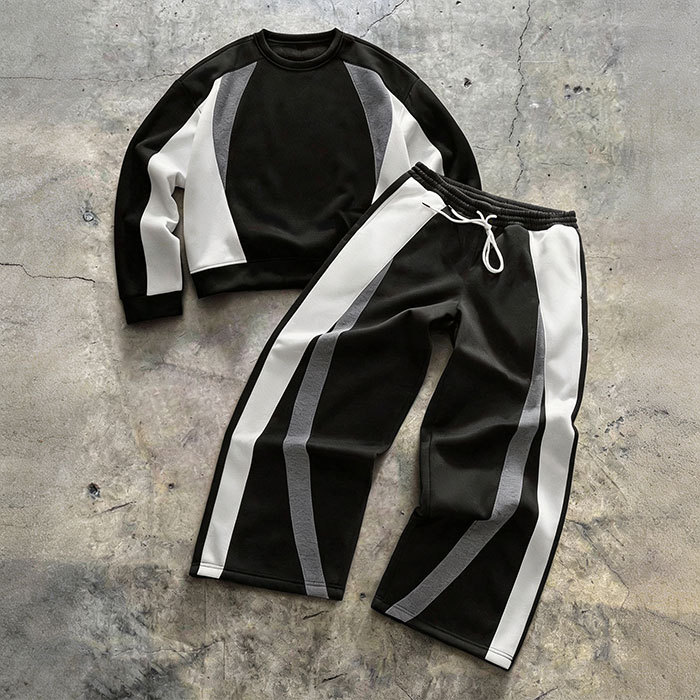
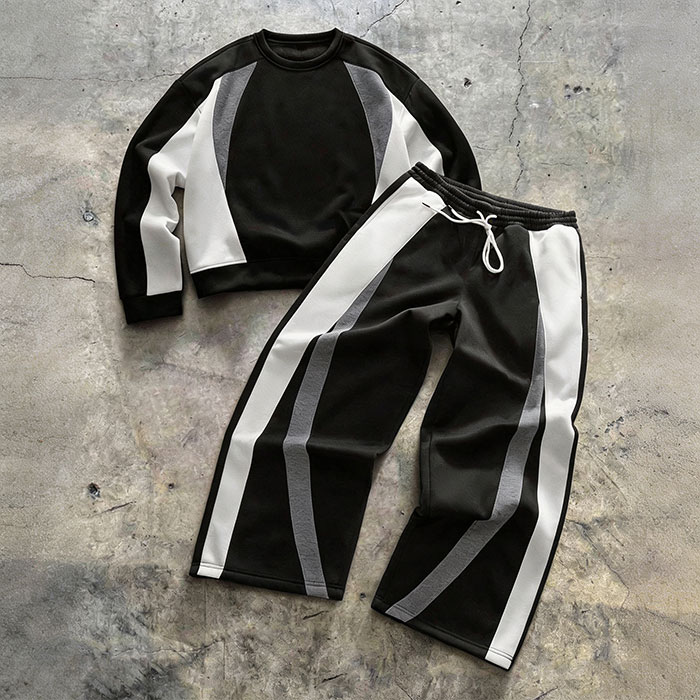
Choosing a factory for a premium tracksuit set is a two-garment sourcing decision with one commercial outcome. The top and bottom must agree in fabric, shade, hand feel, proportion, trim language, decoration scale, care behavior, size grading, and packed SKU identity. A good sample proves design interpretation; a strong manufacturing system proves that the approved set can be repeated.
This guide is for established streetwear brands and menswear-focused fashion labels that already manage product calendars, repeat orders, and customer expectations. It uses records, tests, and decision gates rather than showroom images or broad quality claims. The goal is to make a shortlist defensible before development time, fabric commitments, and launch dates are exposed.
What Should Established Streetwear Brands Take Away Before Shortlisting Factories?
- ▸A premium set should be approved as one product system; separate top and pant approvals can hide shade, drape, grading, and visual-balance problems.
- ▸Relevant factory evidence includes matched-set samples, fabric-lot records, measurement reports, test results, decoration trials, trim cards, and packing reconciliation.
- ▸Fit must be judged on a body and across a size set because jacket length, pant rise, leg volume, and sleeve volume change the complete silhouette together.
- ▸Care claims should follow evidence. Dimensional change, laundering colour fastness, pilling, rubbing, and seam performance are product-specific questions, not generic factory promises.
- ▸The final choice should combine product capability, documentary control, responsible-sourcing review, capacity fit, communication, and a written bulk-release plan.
Which Evidence Separates a Set-Ready Factory From a Factory That Can Sew Two Garments?
A set-ready factory can show how one approved standard governs two patterns, shared materials, coordinated processes, and final pair reconciliation. Ask for evidence from a comparable product: a top-and-bottom measurement report, common fabric-lot reference, shade approval, trim card, decoration file, inspection record, and packing list.
A factory may sew a strong hoodie and a strong pant yet still fail the set. The risk appears at the interfaces. The cuff rib can be slightly bluer than the waistband rib. The jacket can shrink more because its zipper changes relaxation during laundering. The trouser graphic can look undersized beside the chest graphic. Two production lines can use different thread shades or topstitch density. None of these failures is obvious when the pieces are reviewed separately.
Request three kinds of prior evidence. First, product evidence should show coordinated sets with construction and fabric similar to the proposed style. Second, process evidence should show how patterns, approved materials, trims, artwork, and tolerances are released to production. Third, outcome evidence should show inspection data, not only finished photography. Confidential customer information can be redacted; the control format should still be visible.
A useful evidence request
Ask the factory to explain one completed set from fabric receipt to paired packing. Listen for document names, approval owners, revision numbers, sampling points, and defect decisions. A vague story suggests that control depends on individual memory. A clear record trail suggests that the method can survive staff changes, multiple lines, and repeat orders.
Evidence becomes meaningful only when the brand has defined what the two pieces must achieve together. That makes the product brief the next decision gate.
How Should a Brand Define the Set Before Requesting Prices or Samples?
Define the tracksuit as a coordinated product architecture before asking for a quote. The brief should state the use case, silhouette, fabric performance, shared colour standard, top-to-bottom proportion, trim family, decoration hierarchy, size range, care route, packing method, inspection level, and target delivery window.
Start with the commercial use case. A heavyweight fleece hoodie-and-jogger set, a matte interlock zip set, and a light woven track set do not create the same factory requirements. The expected climate, wearing pattern, retail position, decoration load, and care routine determine whether the material should prioritize structure, drape, stretch recovery, breathability, abrasion resistance, or wash stability.
The tech pack should distinguish shared specifications from piece-specific specifications. Shared items include fabric code, approved shade, thread colour, label family, hardware finish, artwork colour, care instruction, and packaging identity. Piece-specific items include shoulder width, hood or collar geometry, jacket length, pocket construction, rise, inseam, leg opening, waistband build, and hem treatment. Every file needs a revision date and an approval status.
Brands comparing streetwear tracksuit set constructions can use a category page to clarify possible silhouettes and component combinations, but inspiration should be converted into measurable requirements. Once that brief is stable, the highest shared risk is usually the material and colour relationship.
How Can Fabric and Colour Be Verified Across Both Pieces?
Approve the body fabric, rib, lining, and thread as a coordinated material package, then tie both garments to traceable lot and shade references. Verification should cover composition, weight, usable width, surface, stretch and recovery, dimensional change, laundering colour fastness, rubbing transfer, pilling, and decoration compatibility.
GSM is not a complete quality decision. Two fabrics with the same nominal weight can differ in density, fibre blend, knit structure, brushing, compactness, recovery, shine, and drape. Those differences influence whether a top holds its shoulder line and whether pants fall cleanly from the hip. Request a physical swatch, a specification sheet, and test data that correspond to the production material rather than a generic mill certificate.
For dimensional behavior, ISO 5077:2007 specifies a method for determining dimensional change in fabrics, garments, or other textile articles after selected washing and drying procedures. The brand should set its own acceptance limits based on the garment, intended care, and fit promise. More important, the top and bottom should be assessed together because unequal change can alter the planned proportion even if each piece remains within a separate limit.
For dyed or printed sets, ISO 105-C06:2010 covers resistance of textile colour to domestic or commercial laundering with defined reference systems. Dry and wet rubbing transfer should also be tested under a method agreed with a qualified laboratory. Test methods do not automatically define the brand's pass grade; the purchase specification must state the method, condition, rating scale, and agreed minimum.
Pilling also changes perceived value quickly on high-contact zones such as thighs, seat, underarms, and side seams. ISO 12945-2:2020 specifies a modified Martindale method for assessing propensity to pilling, fuzzing, or matting. A sourcing team should agree on the face to be tested, cycle point, conditioning, and acceptance grade with a qualified laboratory or testing partner.
The same discipline should apply to rib and accessory shades. Approve rib against the body fabric under controlled lighting, record the approved supplier code, and retain sealed swatches. If the top and bottom will be sewn on different lines, reserve the fabric by set and prohibit unapproved lot mixing. A practical fabric-development and verification review is useful because it connects the visual brief to sourcing, testing, and production behavior rather than treating a swatch as final proof.
Once materials are controlled, the next hidden failure is scale: the set can look balanced in one sample size but lose its relationship across the range.
How Should Top-and-Bottom Fit Be Approved as One Silhouette?
Approve fit on a wearer, with both pieces styled as intended, and repeat that review in representative smaller, middle, and larger sizes. The decision should cover top length, shoulder and sleeve volume, pant rise, seat, thigh, inseam, leg opening, waistband behavior, and the visual gap or overlap between pieces.
A base-size approval answers only one question: whether one pattern combination works on one reference body. Grading determines whether the design logic survives the size range. If jacket length grows too quickly while pant rise also increases, the body can appear compressed. If sleeve and leg volumes grade by unrelated rules, larger sizes may lose the intended visual rhythm. Ask the pattern team to explain the grade rule at each critical point, not merely provide a finished nest.
Measure after the same conditioning and care state used for approval. Record whether the measurements are pattern, relaxed garment, or post-care measurements. For elasticated waistbands, define how the garment is placed and whether relaxed and extended dimensions are both checked. For rib hems or cuffs, specify recovery observations after stretching. Measurement ambiguity creates false disputes because both parties may be using different states.
Use a size-set fitting before production release. Review front, back, and side images, plus movement: sitting, reaching, walking, and closing the jacket or hoodie. Check pocket access, waistband roll, knee restriction, zipper wave, hood or collar balance, and leg stacking. Photograph the complete outfit with a measurement reference and record every accepted deviation as a revision, not an informal message.
If the existing development question is specifically about the zip top, the separate article on track-jacket manufacturing checks extends the collar, zipper, sleeve, and panel discussion. This article keeps the decision at set level. Once the silhouette is approved, physical performance must be tied to actual use and care.
What Physical Tests Should Be Agreed Before Bulk Approval?
Choose tests from the product risk, fibre and fabric structure, decoration, claimed care method, and destination market. At minimum, consider dimensional change, colour fastness to laundering and rubbing, pilling, seam performance, trim function, decoration durability, and a complete-garment care trial performed on the coordinated set.
Do not request a test name without its decision rule. A usable protocol identifies the sampled material or garment, standard and edition, preparation, number of specimens, test condition, evaluation scale, acceptance requirement, reporting format, and party responsible for approval. It also states whether testing applies to development material, pre-production material, bulk material, or a finished bulk garment.
Seams deserve specific attention at crotch, seat, pocket openings, armholes, and other load points. ISO 13935-2:2026 describes a grab method for determining maximum force to rupture of straight sewn seams under stated applicability limits. A laboratory should confirm whether this or another method fits the proposed knit, woven, coated, or stretch construction. Functional wear trials can complement laboratory data but should not replace a defined test where the risk justifies one.
Care instructions require evidence, not habit. For products sold in the United States, the FTC Care Labeling Rule guidance explains that manufacturers and importers need a reasonable basis for care instructions. It also notes that a multi-part garment sold as a unit may use one care label when the instructions are the same, while pieces requiring different care or designed for separate sale need their own labels. That detail should be settled before labels and packing are ordered.
Run a complete-set care trial using the intended instruction. Compare shade, shrinkage, surface, rib recovery, zipper behavior, decoration, seam appearance, and top-to-bottom proportion before and after care. Keep pre- and post-care photographs and measurements. If different constructions require different care routes, decide whether the pieces can still be sold as a set without confusing the customer.
Testing reveals whether the material system works. Decoration and trims then determine whether that system remains stable when the design becomes more complex.
How Do Decoration and Trim Choices Change Production Risk?
Every decoration or trim adds a material interaction, placement tolerance, supplier dependency, and inspection point. Approve technique on the actual production fabric, define its scale across both pieces, assess distortion and care behavior, and lock files, colours, backing, stitch or ink settings, hardware finish, and placement templates.
Embroidery can pull a stretch panel, stiffen drape, or distort a pocket opening. Appliqué adds edge control and material compatibility questions. Raised or specialty print can change stretch and hand feel. Heat-applied elements can be vulnerable to temperature, pressure, flexing, or repeated care. Metallic hardware can differ by plating batch. Zippers can wave when tape and body fabric respond differently to sewing or laundering.
Approve a strike-off or test panel on the real fabric and, where placement affects shape, on a complete sample. Record artwork dimensions, colour reference, thread or ink code, backing and stabilizer, stitch count where relevant, curing or application conditions, and the approved position measured from stable construction points. A flat artwork file is not a placement instruction.
Set-level hierarchy matters. A large chest mark and a small thigh mark may be intentional, but the relationship should be reviewed on body. Sleeve and leg graphics may need graded placement rules rather than one fixed distance. Side stripes and contrast panels must align with seams and remain visually related across sizes. The brand should identify which details are critical-to-quality and which allow a normal manufacturing tolerance.
For trims, create one approved card containing physical zipper, puller, drawcord, eyelet, rib, thread, labels, and hardware finishes. Each item needs a code, supplier or source reference, colour, size, and approved substitute rule. If substitution is unavoidable, require written approval before use. Uncontrolled substitution is a frequent route from an attractive sample to a visually fragmented set.
Complexity is manageable when approvals become controlled records. The next question is whether those records actually reach cutting, sewing, finishing, inspection, and packing.
Which Records Must Connect the Approved Sample to Bulk Production?
The production pack should create one version-controlled chain from final tech pack to paired shipment. It needs signed samples, measurement and grading files, bill of materials, fabric and shade approvals, trim card, artwork and placement files, care evidence, test reports, pre-production confirmation, QC plan, packing map, and change log.
Start with document control. Each file should show style number, component, version, date, author, and approval status. A later correction must replace the earlier instruction at every relevant workstation. If the factory uses printed packs, ask how obsolete copies are removed. If it uses a digital system, ask who can change approved data and how revisions are logged.
A pre-production meeting should translate approvals into line actions. Participants should review fabric identity, cutting direction, panel matching, size ratios, seam construction, special machines, trim placement, decoration sequence, pressing limits, care labels, inspection points, and pairing rules. Minutes should assign owners and due dates to unresolved items. Production should not begin while a critical component remains verbally approved or pending.
In-process checks should be placed where correction is still possible. Fabric and shade are checked before spreading. Cut parts are bundled by lot and size. First output is compared with the signed sample before the line continues. Decoration is reviewed before assembly hides access or multiplies defects. Measurements are sampled after sewing and again after finishing when heat, washing, or pressing can change dimensions.
Final inspection needs a set-specific defect list. In addition to general workmanship, check top-to-bottom shade, rib and thread match, paired size, decoration relationship, label accuracy, barcode, care information, and packaging identity. If pieces are packed together, the reconciliation record should prove that the correct top and bottom entered the same unit package and carton.
A factory's public description of its controls is only a starting point. Procurement teams can review the full quality-control checkpoints and then request order-specific forms, sample records, and release criteria. The useful question is not whether a QC department exists, but whether its records protect the approved set at the right moments.
Once the evidence chain is visible, competing factories can be compared with a weighted score rather than an impression.
How Should Procurement Teams Score Competing Factories?
Use a weighted scorecard tied to product risk, then require a minimum score for critical categories. Product specialization, material control, pattern and grading, testing, documentary transfer, in-process QC, final pair reconciliation, responsible sourcing, capacity fit, and communication should be scored separately before commercial terms are compared.
Weights should reflect the style. A simple solid-colour fleece set may place more weight on fabric, fit, and laundering. A panelled technical set may place more weight on cutting, seam construction, zipper behavior, and colour matching. A decoration-heavy set may increase the weight of test panels, placement control, and specialist-process oversight. Do not copy one scorecard across unrelated programs.
Score evidence strength from zero to five. Zero means no relevant answer. One means an unsupported claim. Two means a generic policy or unrelated example. Three means a relevant example with partial records. Four means current, comparable records with named controls. Five means comparable evidence plus a clear method for applying it to the proposed style. Require a score of at least three in every critical category, even if the weighted total is high.
Responsible-sourcing evidence should be reviewed as a process, not a badge. The OECD garment and footwear guidance describes risk-based due diligence for identifying, addressing, and accounting for adverse impacts across supply chains. Ask for audit scope, date, auditor, findings, corrective-action status, and how subcontracted processes are covered.
Commercial review comes after technical qualification. Compare quoted assumptions line by line: fabric code and consumption, trim specifications, decoration, testing, packing, freight basis, currency, taxes, payment terms, sample charges, and change costs. A lower price based on a different material, fewer tests, or a weaker inspection plan is not a like-for-like saving.
Factory location can then be assessed against the product's complexity, material ecosystem, process coordination, delivery needs, and oversight model.
When Does a China-Based OEM Structure Fit the Program?
A China-based OEM structure can fit when a set requires coordinated fabric sourcing, pattern development, trims, multiple decoration processes, finishing, testing, and scalable bulk control. The decision should rest on verified factory and supply-chain capability, total landed risk, communication, and oversight—not on country assumptions or unit price alone.
An integrated regional supplier network can shorten the distance between fabric, rib, zipper, labels, embroidery, printing, washing, and garment assembly. That can help a technically complex set, but coordination does not happen automatically. The contracting factory should identify which processes occur on site, which are handled by approved specialists, how materials move, who approves output, and how responsibility remains clear.
Capacity should be evaluated against the requested style and dates, not a headline monthly figure. Ask for the proposed line, expected daily output after learning curve, process bottlenecks, fabric arrival date, decoration capacity, finishing route, inspection window, and contingency. Public bulk production capacity details can frame the discussion, but the order needs its own capacity allocation and milestone calendar.
Assess landed risk across sampling time, production time, testing, approvals, freight, duties, buffer, payment exposure, and rework options. Local and overseas structures can each be appropriate. A nearby factory may simplify visits and shorter transport. A specialist overseas system may provide deeper material or process access. The right answer is the structure that controls the specific set with the clearest evidence and workable total timeline.
With that regional logic established, GROOVECOLOR can be assessed as one concrete production-system reference rather than as a default conclusion.
How Does GROOVECOLOR Fit This Specific Evaluation?
GROOVECOLOR is relevant when a market-proven menswear label needs China-based OEM execution connecting set development, fabric and trim coordination, decoration, quality checkpoints, and bulk production. It should still be assessed against the same scorecard, test requirements, order-specific records, and commercial assumptions used for every shortlisted factory.
Company materials describe GROOVECOLOR as a Humen, Dongguan manufacturer focused on premium men's custom streetwear, with 16+ years of experience and stated monthly capacity above 300,000 garments. Those facts help establish scale and category relevance, but they are company-supplied context rather than independent proof of performance on a future order. The next step is to request comparable set records and a proposed control plan.
Its custom tracksuit manufacturer page presents product and process scope. Procurement teams should translate that scope into verifiable questions: Which fabric lot will feed both pieces? Which line will sew each component? How will shades be matched? What test methods and acceptance criteria will apply? Which pre-production confirmation is signed? How will paired units be reconciled at packing?
For a decoration-heavy or washed set, request test panels, completed-garment trials, and the specialist-process oversight plan. For a fit-led program, prioritize pattern review, size-set evidence, and post-care measurements. For repeat orders, request retained standards, material re-approval rules, and a change log. This keeps the evaluation tied to the actual manufacturing variable rather than to a broad brand description.
The final decision should now return to the brand's release pack: every unresolved assumption must become an approval, a test, a tolerance, an owner, or a dated contingency.
What Must Be Closed Before a Purchase Order Becomes Production-Ready?
A purchase order becomes production-ready only when product, process, evidence, timing, and commercial responsibilities agree. Close the tech pack, signed set sample, size grading, materials, shades, trims, decorations, tests, care labels, QC plan, packing map, quantities, milestones, change procedure, inspection authority, shipping terms, and corrective-action route.
Use a readiness meeting with a red-amber-green status. Red items block material commitment or cutting. Amber items have an owner, deadline, and controlled contingency. Green items are documented and approved. Typical red items include an unsigned size set, pending bulk shade, untested decoration on production fabric, missing care evidence, or unresolved packing identity.
Define change control in the purchase terms. No material, trim, artwork, measurement, process, subcontractor, or packing change should proceed without written review by the authorized brand contact. The change request should state the reason, affected quantities, cost, timeline, test impact, and disposition of work already completed. This prevents an apparently small substitution from breaking the set relationship.
Set communication milestones around decisions, not daily noise: fabric and shade release, pre-production confirmation, first-line output, decoration approval, mid-production status, final inspection booking, packing reconciliation, and shipment documents. Name an escalation contact on both sides and define how quickly critical deviations must be reported.
Choosing a tracksuit manufacturer is therefore not a search for the most persuasive sample room. It is a judgment about whether the factory's production structure matches the set's risk and whether its evidence can protect the approved product through bulk and repeat orders. The strongest shortlist is the one that leaves the fewest important variables to memory, assumption, or late inspection.
What Questions Should Procurement Teams Resolve Before Final Approval?
Should the jacket and pants always use the same fabric lot?
Using one approved lot is usually the clearest way to reduce shade and hand-feel variation when both pieces share a fabric. If construction, quantity, or timing makes separate lots necessary, the brand should approve a written matching method, shade tolerance, retained standards, and pairing rule before cutting.
How many sample stages are necessary?
The number depends on risk, but each stage should answer a defined question rather than repeat appearance review. A program may need development fit, corrected set, size set, decoration or wash trial, and pre-production confirmation. Higher-risk materials or processes can justify additional evidence before bulk release.
How should repeat orders be controlled?
A repeat order should begin with retained approved standards and a documented change review. Reconfirm fabric, shade, trims, artwork, patterns, grading, tests, care, and packing. Any new lot or supplier needs the agreed re-approval. Compare the new pre-production set with both the signed sample and current material data.
Which Sources Support the Testing and Due-Diligence Framework?
The framework uses primary standards-body and government sources for test scope, care-label evidence, and supply-chain due diligence. These references describe methods or obligations; brands must still set product-specific acceptance criteria, confirm market requirements, and use qualified laboratories or advisers where appropriate.
- International Organization for Standardization. ISO 5077:2007, dimensional change in washing and drying.
- International Organization for Standardization. ISO 105-C06:2010, colour fastness to laundering.
- International Organization for Standardization. ISO 12945-2:2020, modified Martindale pilling method.
- International Organization for Standardization. ISO 13935-2:2026, seam maximum force by grab method.
- US Federal Trade Commission. Clothes Captioning: Complying with the Care Labeling Rule.
- Organisation for Economic Co-operation and Development. Due Diligence Guidance for Responsible Supply Chains in the Garment and Footwear Sector.
About the Author
