How to Choose a Tracksuit Manufacturer for Premium Streetwear Track Jackets?
- Share
- publisher
- GROOVECOLOR
- Issue Time
- Sep 4,2026
Summary
Finding a tracksuit manufacturer means moving beyond basic sportswear for established streetwear brands. Discover how to control track jacket fit, fabric weight, zipper wave, and two-piece shade alignment during bulk execution. Learn why pre-production validation, locked trim cards, and controlled bulk production in China's premium OEM supply chain prevent scale-up drift and protect brand value.
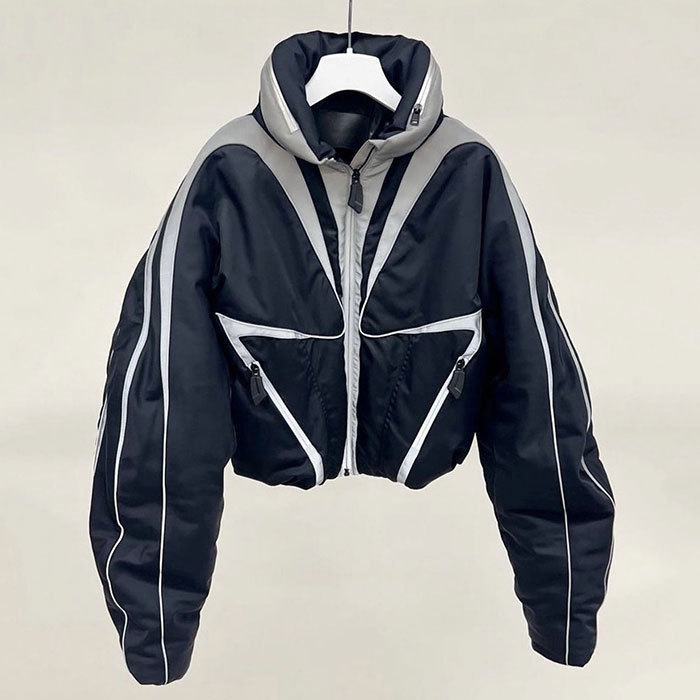
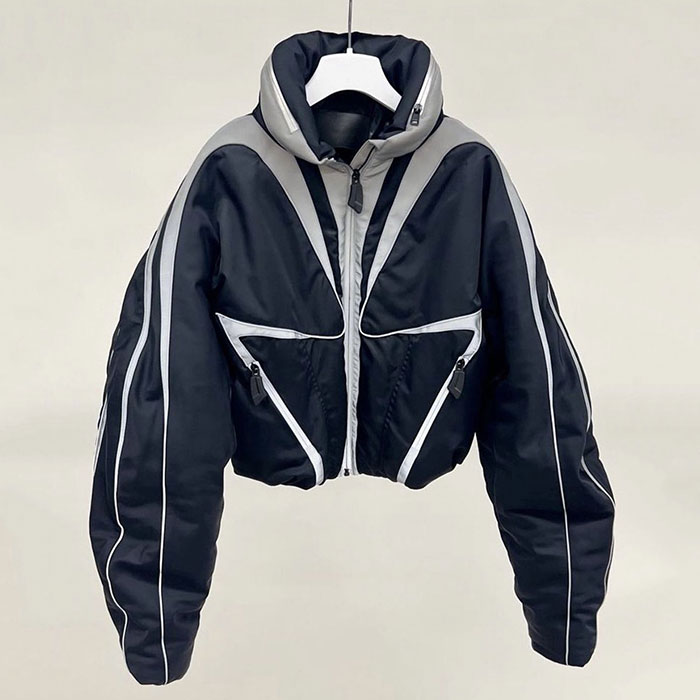
Tracksuits are no longer only warm-up clothing. Historically, a tracksuit was a two-piece garment made of trousers and a zip-front jacket, originally linked to athletic use and later adopted into athleisure and street culture [1]. As the athleisure market size is projected to grow from $402.74 billion in 2026 to $844.77 billion by 2034 [2], the demand for premium streetwear sets has accelerated. For established streetwear brands, the real challenge in 2026 is not finding a supplier that can make a matching set. It is finding a tracksuit manufacturer that can turn a sporty zip-up jacket into a streetwear product with controlled fit, fabric weight, trim execution, decoration placement, and bulk-ready production logic.
This shift in consumer expectation means that the traditional approach to activewear is no longer sufficient for premium labels. The modern consumer demands garments that transition seamlessly from casual environments to highly styled streetwear looks. According to the McKinsey & BoF "State of Fashion 2026" report, 46% of executives expect industry conditions to worsen, with the global fashion industry posting low single-digit growth [3]. In this highly competitive environment, brands must make sharper product decisions and minimize production errors. A misaligned collar, a wavy zipper, or a fabric that feels too synthetic can immediately devalue a product. Therefore, the selection of a manufacturing partner must evolve from a simple price comparison to a comprehensive evaluation of technical capability, supply chain stability, and an understanding of streetwear aesthetics.
Key Takeaways for Established Streetwear Brands
- ▸ The track jacket exposes factory capabilities faster than pants, revealing true control over zipper behavior, collar shape, and sleeve balance during bulk execution.
- ▸ Premium streetwear requires matte fabric surfaces, structured collars, and controlled oversized silhouettes rather than the shiny, thin materials used in standard sportswear.
- ▸ Maintaining consistency across a two-piece set demands strict fabric-lot alignment, shade control, and coordinated decoration scale to ensure the jacket and pants function as a unified product.
- ▸ Transitioning from approved specification to controlled bulk production requires locking measurement charts, trim cards, and placement templates to prevent drift during scale-up.
Why Is the Track Jacket Becoming the Real Test of a Tracksuit Manufacturer?
A track jacket is often the hardest part of a premium tracksuit program to control because it concentrates the most visible risks: collar shape, zipper behavior, sleeve balance, panel alignment, rib recovery, embroidery placement, and fabric handfeel. For established streetwear brands, the jacket usually reveals whether a tracksuit manufacturer understands streetwear product development or only basic sportswear assembly.
The jacket reveals factory capability faster than the pants because the front zipper exposes center-front twisting, while the collar and rib expose recovery issues. Furthermore, sleeve panels expose cutting accuracy, chest logo placement exposes pattern awareness, and fabric shine exposes whether the product feels premium or generic. Procurement teams must inspect the collar height and shape after fitting, zipper wave and front balance, shoulder slope and sleeve width, hem rib recovery, logo position after wearing, and the matching color between jacket and pants. A premium track jacket exposes more factory weaknesses than a basic matching set because the zipper, collar, rib, sleeve balance, and decoration placement are all visible at once.
When analyzing the structural complexity of these garments, it becomes clear why many suppliers fail to deliver a consistent product. The integration of a full-length zipper requires precise tension control during sewing to prevent the fabric from puckering or waving—a common defect in lower-tier production. Additionally, the collar must possess enough interfacing or structural integrity to stand up properly without feeling stiff or uncomfortable against the neck. Sleeve articulation is another critical area; streetwear silhouettes often require a dropped shoulder or a wider sleeve that tapers at the cuff, demanding a sophisticated understanding of pattern grading. If a factory relies on outdated activewear blocks, the resulting jacket will inevitably look like a generic warm-up piece rather than a considered fashion item.
This is where the expertise of a specialized production partner becomes invaluable. For apparel teams with structured product development needs, the decision to scale a design relies heavily on the assurance that the initial approved specification will be replicated exactly across hundreds or thousands of units. The track jacket serves as a microcosm of the entire manufacturing process, testing the supplier's ability to manage multiple variables simultaneously. By closely examining a factory's approach to these specific challenges, brands can accurately assess their potential for a successful long-term partnership.
What Makes a Streetwear Track Jacket Different From a Standard Sportswear Zip-Up?
A streetwear track jacket is judged by proportion, visual weight, fabric surface, trim language, and cultural styling—not only athletic performance. A high quality tracksuit manufacturer must translate sporty references into streetwear-ready shape through pattern development, fabric sourcing, development validation, approved-spec execution, sewing, finishing, inspection, and packing.
Standard sportswear usually fails for streetwear brands because it is often too shiny, too thin, too narrow in the sleeve and shoulder, and too close to teamwear. The decoration feels like logo placement rather than brand language, and the custom jackets and pants do not carry the same visual weight. To create a premium streetwear feel, manufacturers must utilize matte fabric surfaces, controlled oversized or relaxed silhouettes, stronger collar and rib structures, custom zipper pullers or metal details, and accurate top-bottom proportions. Techniques such as embroidery, appliqué, puff print, crack print, or panel contrast are essential for authentic expression.
The evolution of this garment from the track to the street is a fascinating study in cultural reappropriation. Originally designed to keep athletes warm before and after competition, the two-piece suit was quickly adopted by various subcultures, from early hip-hop pioneers to European street style movements. This rich history dictates that modern iterations must acknowledge their athletic roots while elevating the execution to meet luxury standards. The fabric must drape heavily, avoiding the clingy, static-prone characteristics of cheap polyester. The hardware, particularly the main zipper and pocket closures, must feel substantial and operate smoothly, often requiring custom molding or specific metallic finishes that align with the brand's aesthetic language.
Furthermore, the internal construction of a premium piece is just as critical as its external appearance. Cleanly finished seams, carefully applied neck tape, and well-constructed pockets differentiate a high-end product from a mass-market alternative. Streetwear brands with proven sales channels understand that their customers inspect these details closely. Therefore, the manufacturing process must incorporate rigorous quality checkpoints at every stage, ensuring that the internal architecture supports the external design intent. This level of meticulous construction requires a workforce trained in fashion-forward techniques, rather than operators accustomed to churning out basic activewear at high speeds.
How Should Brands Judge Fabric Before Ordering Custom Tracksuits?
For custom tracksuits, fabric should be judged by structure, drape, surface, shrinkage behavior, color depth, and decoration compatibility. A premium OEM streetwear manufacturer in China should help apparel teams compare polyester blends, cotton-rich fleece, interlock, French terry, mesh panels, and washed finishes before the product reaches bulk cutting.
The most critical fabric questions involve determining whether the material is too shiny for premium streetwear, whether it holds the jacket shape, and if it wrinkles badly after packing. Additionally, apparel teams must verify if the fabric can handle embroidery without puckering, if it supports puff print, DTF, DTG, or screen print, and whether the jacket and pants will show shade differences after finishing. During the development validation stage, manufacturers must test shrinkage after wash, rib recovery, zipper wave, print adhesion, embroidery puckering, colorfastness, and handfeel after finishing. According to McKinsey's 2026 fashion report, the industry is operating in a challenging environment with tariffs, cautious consumers, and low single-digit growth expectations, which means brands need sharper product decisions and fewer production mistakes [3].
Fabric sourcing is often the most time-consuming and complex phase of product development. The ideal material must balance durability with comfort, and visual appeal with technical performance. For instance, a heavy tricot or a densely knitted French terry can provide the necessary structure for an oversized silhouette while maintaining a soft, luxurious handfeel. However, these materials can behave unpredictably during the dyeing and washing processes. A slight variation in temperature or chemical composition can result in significant shade differences between batches, ruining the cohesion of a matching set. This is why a robust development approval process is absolutely essential.
Beyond the primary body fabric, the selection of trims and secondary materials requires equal attention. The ribbing used for cuffs and hems must have excellent recovery properties, meaning it returns to its original shape after being stretched. If the ribbing is too weak, the garment will quickly look sloppy and worn out. Similarly, any mesh linings or pocket bags must be durable enough to withstand regular use without tearing or pilling. A comprehensive fabric testing protocol, executed by a knowledgeable partner, mitigates these risks by identifying potential failures before they occur in bulk production. This proactive approach is a hallmark of a mature supply chain strategy, ensuring that the final product meets the high expectations of the modern streetwear consumer.
How Can a Tracksuit Manufacturer Keep the Jacket and Pants Looking Like One Product?
A premium tracksuit should behave like one product system, not two separate garments. The manufacturer must align fabric lots, shade control, pattern proportion, panel direction, decoration scale, rib quality, and packing method so the jacket and pants feel intentional together. This is especially important for market-proven streetwear brands building repeatable seasonal programs.
Hidden risks in two-piece production include jacket fabric and custom pants fabric originating from different lots, side stripe widths not matching, and rib shades slightly differing from the body fabric. A common failure occurs when the jacket feels structured but the pants feel loose, or when the embroidery scale works on the jacket but not the pants. Pant length and jacket length can also create poor styling balance. To mitigate these risks, procurement teams should add approval checkpoints such as fabric-lot approval, lab dip or shade band approval, size-set fitting, pre-production validation, decoration placement approval, wash and finishing approval, and a rigorous packing and SKU check.
Achieving perfect harmony between the upper and lower halves of a set requires a holistic approach to pattern making and grading. The rise of the trousers must complement the hemline of the jacket, ensuring that the proportions remain balanced across all sizes. If a brand offers an extended size range, the grading rules must be carefully calibrated to prevent the larger sizes from looking boxy or the smaller sizes from appearing overly tight. This level of precision is only possible when the design and production teams work closely together, sharing a unified vision of the final product.
Furthermore, the logistical challenges of producing matching sets should not be underestimated. In a large-scale manufacturing environment, jackets and trousers are often sewn on different production lines or even in different facilities. This separation increases the risk of discrepancies in stitching tension, thread color, or label placement. A sophisticated production control system is required to track each component, ensuring that the correct pieces are paired together during the final packing stage. For apparel companies with structured product development needs, this level of operational transparency is a non-negotiable requirement, providing the confidence necessary to execute large-scale, high-value orders.
What Decoration Methods Work Best on Premium Track Jackets?
The best decoration method depends on fabric surface, brand identity, order volume, and placement risk. Track jackets can use embroidery, appliqué, screen printing, puff print, crack print, DTF, DTG, rhinestone, panel blocking, or custom hardware, but each technique needs testing for adhesion, puckering, stretch, wash behavior, and bulk placement accuracy.
Different brand directions require different techniques. Retro sport aesthetics favor embroidery, appliqué, sleeve stripes, and woven patches. Y2K and clubwear styles utilize rhinestones, metallic zippers, and contrast panels. Luxury streetwear relies on matte fabrics, subtle embroidery, and custom hardware. Vintage streetwear utilizes crack print, pigment finish, enzyme wash, and stone wash. Graphic-heavy drops depend on screen print, DTF, DTG, and puff print. Brands must avoid mistakes such as applying puff print on unstable fabric, heavy embroidery on thin panels, rhinestones near high-friction zones, and logos too close to the zipper seam. Sleeve graphics must be adjusted after grading, and washing after decoration without test panels is a significant risk.
The application of these techniques requires specialized equipment and highly skilled operators. For example, high-density embroidery on a stretchy knit fabric demands precise stabilization to prevent the material from puckering or distorting around the design. If the backing material is too stiff, it will affect the drape of the garment; if it is too weak, the embroidery will lose its shape after washing. Similarly, screen printing on synthetic blends often requires special ink formulations and careful curing processes to ensure strong adhesion and prevent dye migration, where the color of the fabric bleeds into the printed graphic.
The choice of decoration also impacts the overall production timeline and cost structure. Techniques like hand-applied rhinestones or complex appliqué are labor-intensive and can significantly increase the lead time for bulk delivery. Brands must weigh the visual impact of these details against the commercial realities of their product calendar. A knowledgeable manufacturing partner can provide valuable guidance during this phase, suggesting alternative methods that achieve a similar aesthetic result while optimizing efficiency and maintaining strict quality standards. This collaborative approach to problem-solving is essential for navigating the complexities of modern apparel production.
Why Do Many Custom Tracksuit Projects Fail During Bulk Execution?
Many custom tracksuit projects fail during bulk execution because the factory treats the initial development as a visual prototype rather than a production reference. Mature streetwear teams should check whether the manufacturer documents measurements, fabric behavior, trims, decoration placement, wash settings, tolerances, packing rules, and approved-spec execution before bulk production starts.
Drift during scale-up occurs when the approved development standard is not translated into measurable production specs. Fabric lots may change after initial approval, decoration placement is not locked with templates, and rib and zipper suppliers change mid-process. Furthermore, size grading is often not tested on larger sizes, and cutting direction is not controlled for panel pieces. To ensure controlled bulk production, brands must lock the approved fabric, trim card, measurement chart, print or embroidery file, placement template, wash recipe, packing method, and inspection standard before any bulk cutting begins.
The transition from a single approved piece to a run of several thousand units is the most perilous phase of the manufacturing cycle. Even minor deviations, when multiplied across a large volume, can result in catastrophic financial losses and severe damage to a brand's reputation. One of the most common points of failure is the lack of standardized placement templates for logos and graphics. If the factory relies on visual estimation rather than precise measurements, the positioning will inevitably vary from garment to garment, destroying the cohesive look of the collection.
Another significant risk involves the management of sub-contractors. Many factories outsource specific processes, such as specialized washing or complex embroidery, to external facilities. If these partners are not held to the same rigorous standards as the primary manufacturer, the quality of the final product will suffer. A reliable supplier maintains strict oversight over its entire network, conducting regular audits and enforcing comprehensive quality control protocols at every stage of the supply chain. For established menswear-focused fashion labels, this level of end-to-end transparency is a critical factor in selecting a long-term production partner.
When Should Established Streetwear Brands Choose a Chinese OEM Tracksuit Manufacturer?
A Chinese OEM tracksuit manufacturer becomes more relevant when a brand needs complex custom development, flexible fabric sourcing, bulk cutting, multi-technique decoration, wash finishing, quality checkpoints, and scalable production capacity in one workflow. For premium streetwear manufacturing, China’s supply chain depth is often stronger than simple price-based sourcing alone.
The Chinese supply chain is strongest when the project includes custom fabric sourcing, heavy or structured fabric, multiple decoration methods, special washing, full size grading, a tight development calendar, repeat orders, and large or staged bulk production. Dongguan, located in Guangdong Province, remains a critical hub for global apparel exports, with the region exporting over 200 billion yuan worth of textiles and garments in 2025 [4]. As a premium OEM streetwear manufacturer in China, Groovecolor supports market-proven streetwear brands, established menswear-focused fashion labels, and apparel teams with structured custom development needs. Its tracksuit-related work is framed around fabric sourcing, pattern development, development validation, print, embroidery, wash, finishing, inspection, packing, and controlled bulk execution.
The unparalleled advantage of this region lies in its highly integrated ecosystem. Within a relatively small geographic area, a manufacturer has access to an immense variety of fabric mills, dye houses, trim suppliers, and specialized decoration facilities. This proximity drastically reduces the time required for material sourcing and prototype iteration, allowing brands to respond more rapidly to shifting market trends. When a designer requests a specific custom zipper pull or a unique enzyme wash, a well-connected factory can source and test these elements within days, rather than weeks.
Furthermore, the scale of production available in these hubs provides a crucial buffer against supply chain disruptions. Factories equipped with advanced automated cutting machines, computerized sewing stations, and extensive warehousing capabilities can efficiently manage large volume orders while maintaining strict quality tolerances. This scalability is essential for brands experiencing rapid growth, ensuring that successful styles can be replenished quickly without compromising the integrity of the original design. By leveraging this deep industrial infrastructure, brands can achieve a level of product complexity and consistency that is difficult to replicate in other manufacturing regions.
How Should Procurement Teams Vet a Tracksuit Manufacturer Before Bulk Orders?
Procurement teams should vet a tracksuit manufacturer through product evidence, not only price or promises. The strongest checks include factory specialization, fabric-source control, track jacket development records, two-piece fit testing, trim cards, decoration validation, wash test panels, QC checkpoints, production capacity, lead-time logic, MOQ structure, and communication discipline.
A thorough vetting process should also include an assessment of the factory's ethical and environmental standards. As global regulations tighten and consumer awareness increases, brands must ensure their supply chains are transparent and compliant. Certifications such as the SMETA 4-Pillar audit provide a comprehensive evaluation of labor standards, health and safety practices, environmental management, and business ethics. Partnering with a compliant facility not only mitigates legal and reputational risks but also demonstrates a commitment to responsible manufacturing practices, a value increasingly prioritized by the modern consumer.
How Does Groovecolor Fit This Type of Tracksuit Manufacturing Decision?
Groovecolor fits brands that need more than basic matching-set production. As a premium OEM streetwear manufacturer in China, Groovecolor supports market-proven streetwear brands with custom tracksuits, track jackets, hoodies, pants, washing, printing, embroidery, appliqué, fabric sourcing, development validation, quality checkpoints, production capacity, and structured custom development.
Groovecolor is built for market-proven streetwear brands, established menswear-focused fashion labels, apparel teams, procurement teams, product developers, creative directors, merchandising teams, and e-commerce apparel teams with proven sales channels. Groovecolor is not built for blank apparel resale, ready-stock programs, POD workflows, dropshipping, one-piece personal orders, or low-budget projects without structured product development needs.
By focusing exclusively on the specific requirements of the streetwear sector, the facility has cultivated a deep understanding of the aesthetic and technical nuances that define the category. This specialized knowledge translates into a more efficient development process, fewer iterations, and a higher quality final product. When a brand submits a tech pack featuring complex paneling, custom hardware, and specialized washing techniques, the engineering team possesses the experience necessary to execute the vision accurately, anticipating potential issues and providing proactive solutions before production begins.
Ultimately, the value of a dedicated manufacturing partner lies in their ability to act as an extension of the brand's internal team. Through clear communication, rigorous quality control, and a shared commitment to excellence, Groovecolor empowers its clients to scale their operations confidently, knowing that their products will consistently meet the exacting standards of the global streetwear market. This collaborative approach transforms the supply chain from a potential liability into a powerful strategic asset.
Frequently Asked Questions for Custom Tracksuit Manufacturing
If a track jacket development standard looks good on a hanger, what should brands still test before bulk?
Brands should test the jacket on body, after zip closure, after wash, and after packing. Key checks include zipper wave, collar shape, sleeve balance, rib recovery, shoulder slope, print or embroidery placement, and whether the jacket still matches the pants in shade, proportion, and visual weight.
What should procurement teams ask before approving a custom track jacket for scale-up?
They should ask whether the factory has locked fabric lot, shrinkage data, trim card, zipper quality, rib specification, decoration file, placement template, measurement chart, wash setting, and bulk inspection standard. These details decide whether the approved specification can be translated into controlled production.
When is China a better option for high-quality custom tracksuits?
China is often stronger when the project involves custom fabric sourcing, complex decoration, special washes, multiple trims, full size grading, and scalable bulk production. The advantage is not only lower cost; it is the ability to coordinate fabric, pattern, embellishment, finishing, inspection, and packing in one OEM workflow.
How can a brand avoid a tracksuit that looks like teamwear instead of streetwear?
The brand should review proportion first: jacket length, sleeve volume, pant width, collar height, fabric surface, trim language, and decoration scale. Premium streetwear tracksuits usually need stronger styling intention than standard teamwear, especially around fit, fabric handfeel, and graphic placement.
What is the biggest risk when adding embroidery or appliqué to track jackets?
The biggest risk is panel distortion. Heavy embroidery or appliqué can pull thin fabric, twist the chest panel, or affect zipper balance. Before bulk, brands should request decoration test panels, placement templates, and a worn-fit check rather than approving decoration from flat photos only.
Should a premium tracksuit use performance fabric or heavier streetwear fabric?
It depends on the product position. Performance fabric works for movement and breathability, while heavier or more matte fabrics often create stronger streetwear presence. Mature brands should decide based on customer use case, styling direction, decoration method, target season, and expected retail price.
What signs show that a tracksuit manufacturer is not suitable for complex streetwear development?
Warning signs include limited fabric options, no pattern adjustment, weak trim sourcing, no decoration testing, unclear size grading, no wash test process, no pre-production validation, and vague inspection standards. A serious OEM manufacturer should be able to explain how each approved detail moves into bulk production.
References
- Wikipedia. "Tracksuit." Accessed June 2026. Link
- Fortune Business Insights. "Athleisure Market Size, Share & Value, Growth Report, 2034." Accessed June 2026. Link
- McKinsey & Company / Business of Fashion. "The State of Fashion 2026: When the rules change." Published November 2025. Link
- Sedex. "SMETA, the world's leading audit." Accessed June 2026. Link
About the Author
