How to Evaluate an Oversize Hoodie Manufacturer Behind the Best High-Quality Streetwear Hoodies Brands in 2026
- Share
- publisher
- GROOVECOLOR
- Issue Time
- Mar 31,2026
Summary
Scaling a 2026 hoodie program requires a verified oversize hoodie manufacturer with documented heavyweight fabric control, drop-shoulder pattern consistency, and in-house wash execution. This guide covers the exact audit criteria: from 400–600gsm shrinkage protocols to SMETA 4P compliance. Learn why the best clothing manufacturers in china hit bottlenecks in vintage wash, and how to find a chinese hoodie manufacturer that scales drops without quality drift. Groovecolor, Dongguan.
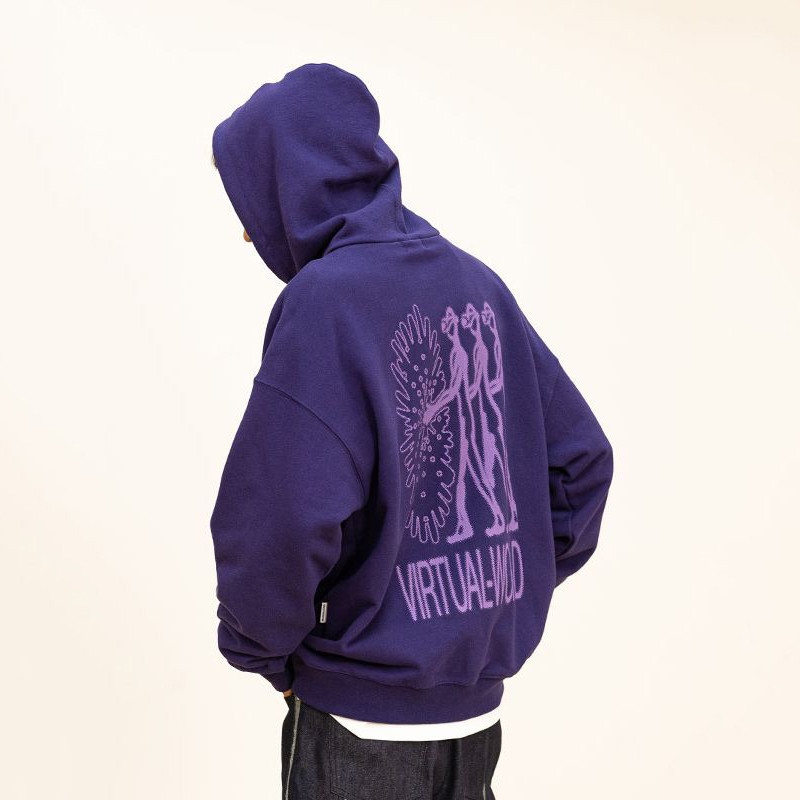
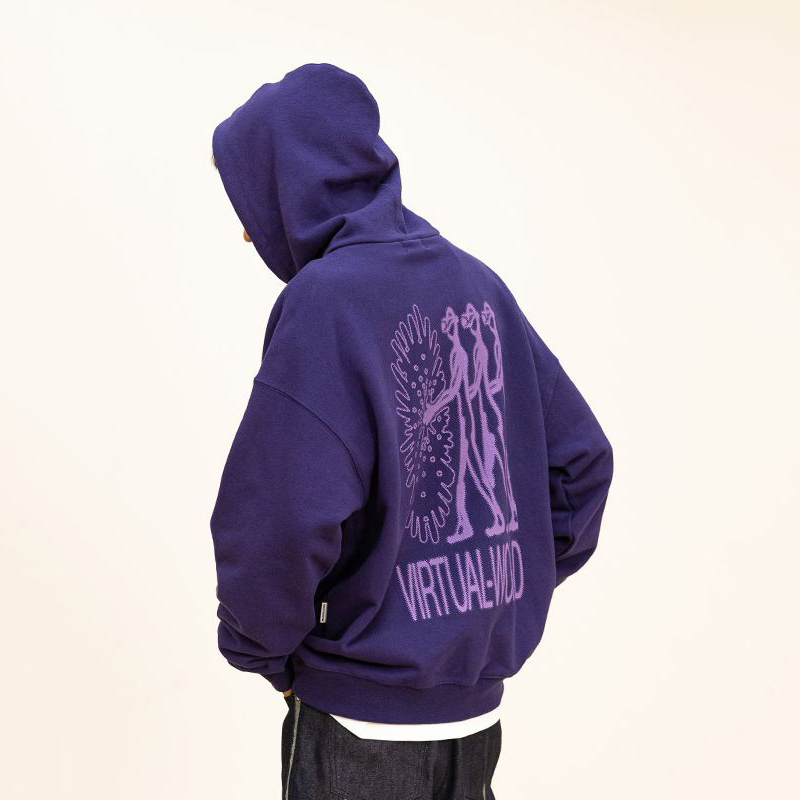
For established streetwear brands scaling their 2026 collections, identifying a capable oversize hoodie manufacturer is the primary defense against sample-to-bulk quality drift. This guide provides a procurement-level framework to verify heavyweight fabric control, drop-shoulder pattern stability, and execution consistency before committing to bulk production. The global streetwear market continues to expand rapidly, with oversized silhouettes remaining the dominant structural language. However, the transition from a perfect prototype to a flawless run of thousands of units exposes the fundamental weaknesses in conventional supply chains.
Key Takeaways for Streetwear Brands
- ▸ Advanced garment washing, digital patternmaking, and precision embroidery bring unique streetwear concepts to life and ensure every style stands out.
- ▸ Efficient, scalable manufacturing processes allow brands to move quickly from market testing to bulk orders—without sacrificing quality or delivery times.
- ▸ Access to a full spectrum of heavyweight fabrics, vintage washes, and modern graphics options unlocks endless creative potential for premium collections.
- ▸ Comprehensive technical support and robust quality control systems help streetwear brands minimize risk and deliver top-tier hoodies to the global market.
How do you verify an oversize hoodie manufacturer can handle heavyweight fabric without shrinkage drift?
To verify an oversize hoodie manufacturer can handle heavyweight fabric without shrinkage drift, procurement teams must request pre-shrinking protocols, sanforizing records, and AQL inspection data targeting under 5% shrinkage for 400-600gsm fleece.
The global streetwear market continues to expand rapidly, with oversized silhouettes remaining the dominant structural language. However, the transition from a perfect prototype to a flawless run of thousands of units exposes the fundamental weaknesses in conventional supply chains. This article serves as a definitive resource for procurement teams aiming to navigate the complexities of global sourcing.
Procurement teams and creative directors face a recurring dilemma: a factory can produce an exceptional 500gsm sample, but the subsequent bulk order suffers from shade drift, excessive shrinkage, and collapsing hood structures. The root cause is rarely malicious intent; rather, it is a structural mismatch between the brand's technical requirements and the factory's operational ceiling. Navigating this landscape requires shifting the evaluation criteria from mere capability claims to verifiable process controls. By establishing strict decision gates around fabric physics, wash repeatability, and silhouette engineering, fashion labels can secure a manufacturing partner capable of sustaining their growth trajectory without compromising their hard-earned brand equity. The stakes have never been higher, as consumers increasingly demand premium quality that justifies the premium price point associated with modern streetwear.
When evaluating the global landscape of apparel production, the distinction between a generalist factory and a specialized oversize hoodie manufacturer becomes starkly apparent. Generalist facilities, often accustomed to producing standard-fit promotional garments or basic athletic wear, approach the oversized silhouette as merely a scaled-up version of a regular block. This fundamental misunderstanding of pattern engineering is where the first critical failures occur. A true oversized fit requires a deliberate and sophisticated recalibration of the garment's architecture. The shoulder slope must be adjusted to accommodate the drop without creating unsightly bunching at the armhole; the chest width must provide volume without resembling a box; and the sleeve length must be carefully calculated to ensure it stacks correctly at the cuff rather than overwhelming the wearer's hands. These are not minor adjustments; they represent a complete paradigm shift in how the garment is constructed.
Furthermore, the materials demanded by premium streetwear brands present unique challenges that generalist factories are ill-equipped to handle. The reliance on heavyweight fabrics, often ranging from 400gsm to 600gsm, introduces a level of physical resistance during the cutting and sewing processes that requires specialized machinery and highly trained operators. Standard sewing needles will snap, regular cutting blades will struggle to penetrate multiple layers cleanly, and conventional tension settings on knitting machines will fail to adequately control the fabric's inherent tendency to twist and shrink. An oversize hoodie manufacturer that specializes in this specific category will have already invested in the heavy-duty infrastructure necessary to process these materials efficiently and accurately. They understand that working with heavyweight fleece is not just a matter of using thicker thread; it is a comprehensive discipline that demands rigorous control at every stage of production.
The economic implications of choosing the wrong partner are profound. While a generalist factory might offer a lower initial unit cost, the hidden expenses associated with high defect rates, delayed shipments, and extensive rework quickly erode any perceived savings. When a brand scales a successful capsule collection into a full production run, the financial exposure increases exponentially. A single batch of improperly pre-shrunk hoodies can result in thousands of unsellable units, damaging relationships with retail partners and alienating loyal customers. Therefore, the vetting process must prioritize operational stability and technical expertise over short-term cost reductions. Brands must demand transparency regarding the facility's internal quality control procedures, their history of handling similar complex programs, and their ability to maintain consistency across large volumes.
In the highly competitive environment of 2026, the ability to rapidly iterate and replenish successful styles is a critical competitive advantage. A specialized oversize hoodie manufacturer provides the agility necessary to respond to market trends without sacrificing the rigorous quality standards that define premium streetwear. They offer strategic flexibility, allowing brands to execute smaller test runs to validate new silhouettes or wash techniques before committing to massive bulk orders. This collaborative approach transforms the manufacturer from a mere vendor into a strategic partner, deeply invested in the brand's long-term success. By aligning their sourcing strategy with facilities that possess the specific technical capabilities required for their product category, established brands can mitigate the inherent risks of global production and ensure that every garment delivered to the consumer reflects the uncompromising vision of the creative director.
The physics of heavyweight cotton present significant challenges during mass production. When dealing with 400gsm to 600gsm materials, the sheer density of the yarns means that any residual tension from the knitting process will aggressively release during the consumer's first wash. This phenomenon, known as relaxation shrinkage, can drastically alter the carefully engineered oversized proportions, turning a carefully designed garment into an unwearable piece of clothing. This is why a thorough understanding of fabric behavior is absolutely critical. A rigorous audit of the facility's fabric management system is essential. The inquiry should begin with the origin and composition of the raw materials. Premium streetwear requires long-staple cotton to ensure durability and a refined hand feel, distinguishing it from the open-end yarns commonly used in promotional apparel. Furthermore, the supplier must demonstrate a clear methodology for controlling torque, also known as spirality or skewing, which causes the side seams of the garment to twist awkwardly after laundering. This requires strict oversight of the knitting tension and the implementation of advanced finishing techniques.
Which signals indicate a chinese hoodie manufacturer can maintain drop-shoulder pattern consistency at scale?
Signals that indicate a chinese hoodie manufacturer can maintain drop-shoulder pattern consistency include standardized grading rules for boxy silhouettes, automated cutting systems, and in-line measurement checks that prevent armhole distortion across sizes.
The interaction between the yarn count, twist multiple, and knitting tension creates a complex matrix of variables that must be managed. When a brand specifies a 500gsm French terry, they are demanding a fabric that is inherently difficult to stabilize. The loop structure on the back of the fabric, while providing the desired interior texture and moisture management, also introduces additional stress points during the dyeing and finishing processes. A manufacturer that lacks the specific expertise required for this weight category will often attempt to compensate by over-applying chemical softeners or relying on excessive heat during drying, both of which degrade the natural integrity of the cotton fibers and lead to premature pilling or catastrophic shrinkage after the consumer's first wash. This is why the vetting process must extend beyond simple visual inspection of a sample and delve deeply into the facility's documented processing parameters.
Furthermore, the environmental conditions within the manufacturing facility itself can significantly impact the final outcome. Heavyweight cotton is highly hygroscopic, meaning it readily absorbs moisture from the surrounding air. In regions with high humidity, such as many traditional manufacturing hubs in Southern China during the monsoon season, the fabric can swell and change dimensions before it is even cut. A truly sophisticated oversize hoodie manufacturer will operate climate-controlled cutting rooms to ensure that the fabric remains stable throughout the entire production cycle. This level of environmental control is rarely found in generalist factories and serves as a powerful indicator of a supplier's commitment to precision engineering. Procurement teams should explicitly ask about humidity control protocols during their initial audits.
For a comprehensive framework on evaluating these specific metrics, teams should consult established industry standards regarding the execution of 400 GSM hoodie production and batch-level quality locking. This reference outlines the four-gate QC system necessary to prevent dimensional instability and ensure that every piece meets the exacting standards required by today's discerning consumers. The structural integrity of the garment is equally dependent on the supporting components. A 500gsm body paired with inadequate ribbing will result in a stretched-out hem and cuffs within weeks. The facility must utilize high-density ribbing, often incorporating a precise percentage of elastane, to guarantee recovery and maintain the architectural silhouette. By demanding documented proof of shrinkage testing and torque control before approving bulk orders, brands can insulate themselves against catastrophic post-purchase returns. The difference between a successful drop and a logistical nightmare often hinges on these seemingly minor, yet profoundly impactful, technical details.
The distinction between a premium oversized garment and a poorly executed one lies entirely in the pattern engineering. An oversized fit is not achieved simply by scaling up a standard pattern; it requires a deliberate recalibration of the shoulder slope, chest width, and sleeve volume. A manufacturer that truly understands this will not rely on guesswork or generic templates but will instead utilize sophisticated digital patternmaking tools to ensure precise execution across every single size in the production run. When a brand transitions from a sample to a production run of thousands, the risk of pattern drift increases exponentially. If the factory relies on manual cutting methods for thick fleece, the layers of fabric can shift, leading to inconsistent panel dimensions. This is particularly problematic for the drop-shoulder design, where the sleeve head must be perfectly shaped to accommodate the lowered armhole without creating unsightly bunching.
The grading process for oversized garments is notoriously complex. In a standard fit, the proportional increase between sizes is relatively linear. However, with a drop-shoulder, boxy silhouette, simply scaling up every dimension equally will result in a garment that looks comically large rather than intentionally oversized. The grading rules must be non-linear, carefully adjusting the width-to-length ratio to maintain the intended drape across different body types. For example, a size XL should not simply have longer sleeves than a size L; the sleeve length must be calibrated in conjunction with the increased shoulder drop to ensure the cuff still hits the wrist correctly. This requires advanced CAD (Computer-Aided Design) software and patternmakers who specialize specifically in streetwear aesthetics.
Another critical failure point in pattern execution is the neckline and hood attachment. In a heavyweight oversized hoodie, the hood itself carries significant weight. If the neckline is not properly reinforced, or if the pattern does not account for the structural load of a 500gsm, double-lined hood, the garment will pull backward uncomfortably against the wearer's throat. Premium manufacturers address this by engineering a slight forward pitch into the shoulder seam and utilizing specialized twill tape to stabilize the back neck seam. These subtle, often invisible details are what separate a luxury streetwear piece from a fast-fashion imitation. When auditing a potential partner, examining the interior construction of the neckline on a pre-production sample is one of the most reliable ways to assess their technical competence.
Critical Pattern Audit Checkpoints
Silhouette Verification
Where do the best clothing manufacturers in china hit bottlenecks when executing complex vintage washes?
The best clothing manufacturers in china hit bottlenecks in vintage washing when they lack in-house wash control, leading to shade drift, seam damage, and inconsistent fading across large batches of acid or stone-washed hoodies.
The presence of computerized numerical control (CNC) cutting machines is a strong indicator of a facility's capability to replicate complex geometries flawlessly. To further understand how different facility setups impact these outcomes, reviewing insights on selecting the optimal factory type for specific streetwear growth plans provides valuable context. This resource clarifies why specialized pattern development is a non-negotiable requirement for any brand serious about maintaining its design integrity. Furthermore, the supplier must enforce rigorous in-line measurement checks. As the panels are assembled, dedicated quality control personnel should verify that the crucial dimensions—specifically the chest circumference and the shoulder-to-sleeve intersection—remain within the strict tolerances defined in the technical pack. A supplier that cannot produce documented records of these in-line inspections poses a significant risk to the brand's visual identity. The ability to consistently reproduce a complex silhouette across thousands of units is the true hallmark of a sophisticated manufacturing operation, separating the industry leaders from the rest of the pack.
The demand for vintage aesthetics, characterized by faded colors, distressed edges, and mottled textures, has transformed the finishing process into a highly specialized discipline. This is not a procedure that can be safely outsourced to generic third-party laundries without severe repercussions. The complexity of these chemical and mechanical processes requires a level of oversight that is only possible when the washing facility is fully integrated into the manufacturer's own operational structure. The primary constraint emerges when scaling from a single, perfectly executed sample to a bulk run of thousands. Techniques such as acid washing, enzyme washing, and pigment dyeing require precise calibration of chemical concentrations, temperature profiles, and mechanical agitation. When a facility lacks direct oversight of these variables, the resulting batches will exhibit unacceptable variations in color intensity and surface abrasion.
The chemical reality of achieving a consistent vintage wash across a bulk order of thousands of units is daunting. Consider the acid wash process, which involves tumbling garments with pumice stones that have been soaked in a bleaching agent, typically potassium permanganate. The variables are numerous: the porosity of the stones, the exact concentration of the chemical, the ambient temperature of the water, the rotational speed of the industrial washing machine, and the precise duration of the cycle. A deviation in any one of these factors will result in a batch that is either too dark, too light, or unevenly distressed. A manufacturer without robust, in-house washing capabilities will struggle to control these variables, leading to unacceptable shade drift and high rejection rates during final inspection.
Moreover, the mechanical abrasion inherent in these washing techniques places immense stress on the garment's construction. Seams that are not sewn with high-tensile thread and proper stitch density will unravel during the wash cycle. Heavyweight fleece, while durable, can still suffer from surface damage if the stone-to-garment ratio is incorrect. A specialized oversize hoodie manufacturer will conduct extensive wash testing during the development phase, adjusting the sewing specifications to withstand the specific rigors of the chosen wash technique. They will also implement strict neutralization protocols to ensure that all active chemicals are removed from the fabric before the garment is dried, preventing continued degradation of the cotton fibers over time. This holistic approach to finishing is essential for delivering a product that looks authentically vintage but performs like new.
In extreme cases, aggressive stone washing on heavyweight fleece can compromise the structural integrity of the seams if the machine load ratios and stone sizes are not meticulously calculated. This can lead to garments that literally fall apart after only a few wears, devastating the brand's reputation for quality and reliability. To mitigate these risks, procurement managers must evaluate the supplier's internal washing infrastructure. A facility that integrates washing into its core operations can continuously monitor the outcomes and adjust parameters in real-time. This level of control is what separates adequate production from exceptional craftsmanship, ensuring that the intended vintage aesthetic is delivered uniformly across the entire order. When evaluating potential partners, ask specific questions about their wash recipes, their quality control checkpoints during the washing process, and their procedures for handling garments that fall outside the acceptable shade band. Their answers will quickly reveal the depth of their expertise.
What proof should you ask for before committing a 500-unit test run to good quality clothing manufacturers?
Before committing a 500-unit test run to good quality clothing manufacturers, brands should ask for SMETA 4P compliance audit reports, sample-to-bulk variance records, and documented standard operating procedures (SOPs) for print and embroidery placement.
The transition from initial sampling to a strategic test run is a critical juncture. While a 500-unit order is relatively small in the context of mass production, it serves as the ultimate stress test for the supplier's operational systems. Relying on verbal assurances at this stage is a profound miscalculation that can lead to costly mistakes and delayed product launches. The evidentiary burden must fall on the facility. First, request historical data demonstrating their ability to maintain consistency. This should include side-by-side comparisons of approved pre-production (PP) samples and garments randomly selected from the final bulk run. Specifically, scrutinize the execution of complex embellishments. If the design features a multi-color puff print or high-density embroidery, the factory must provide SOPs detailing how they control curing temperatures and backing materials to prevent cracking or puckering on heavy fleece.
The strategic test run is not merely a trial of the factory's production capabilities; it is an audit of their communication and project management systems. During a 500-unit run, the brand should closely monitor the supplier's responsiveness to feedback, their adherence to the agreed-upon timeline, and their proactive identification of potential issues. A high-quality manufacturer will not simply execute a flawed tech pack; they will flag discrepancies, suggest improvements based on their technical expertise, and provide transparent updates throughout the production process. This collaborative dynamic is the foundation of a successful long-term partnership. Conversely, a supplier that goes silent for weeks and then delivers a substandard product, blaming the brand's specifications, is a liability that must be eliminated from the supply chain.
The documentation required during this phase cannot be overstated. Brands should demand a comprehensive 'production bible' for every style, detailing the exact fabric specifications, shrinkage tolerances, grading rules, wash recipes, and print curing temperatures used during the approved test run. This document serves as the absolute standard for all future bulk orders. If the factory cannot or will not provide this level of detailed documentation, it indicates a reliance on informal, ad-hoc processes that are inherently unscalable. By establishing these rigorous documentation requirements early in the relationship, procurement teams create a framework for accountability that protects the brand's interests as production volumes increase.
For a detailed breakdown of the vetting parameters necessary at this stage, reviewing Groovecolor's 7-point checklist for evaluating supply chain capabilities offers a comprehensive roadmap for risk mitigation. This checklist ensures that no critical detail is overlooked during the evaluation process. Furthermore, the ethical and compliance standing of the facility is no longer a secondary consideration. Brands targeting international markets must demand recognized certifications. A SMETA 4P (Sedex Members Ethical Trade Audit) certification provides robust, third-party verification that the facility adheres to strict labor standards, health and safety protocols, environmental management, and ethical business practices. This is significantly more comprehensive than basic BSCI audits. Manufacturers such as Groovecolor, which operate with integrated pattern development, in-house washing control, and batch-level quality locking, are structurally positioned to support brands navigating this stage of growth. By demanding concrete proof of these capabilities, procurement teams transform the test run from a gamble into a calculated strategic maneuver, setting the stage for a long-term, mutually beneficial partnership.
The prestige of partnering with a top-tier facility is rapidly negated if their operational rhythm is incompatible with the fast-paced dynamics of the streetwear market. A manufacturer's excellence in technical execution must be matched by their logistical flexibility, otherwise, the partnership will inevitably break down under the pressure of real-world retail demands. The primary liability emerges when a supplier enforces rigid, massive Minimum Order Quantities (MOQs) across all programs. While large volumes drive down unit costs, they also force brands to commit significant capital to unproven styles months in advance. In an industry driven by hype and rapid trend cycles, this lack of agility can result in catastrophic inventory overhangs. The optimal partner offers strategic flexibility—accommodating initial test runs of 50 to 100 pieces per color to validate market demand, while maintaining the infrastructure to scale rapidly into the thousands once a style gains traction.
When does working with the best oversized hoodie manufacturers for fashion brands become a liability?
Working with the best oversized hoodie manufacturers for fashion brands becomes a liability when their supply chain lacks agility for rapid replenishment, or when they prioritize high minimum order quantities over the brand's seasonal drop calendar.
The financial architecture of streetwear drops relies heavily on inventory optimization. The traditional model of producing massive quantities of a single style and hoping it sells through is increasingly obsolete. Modern brands utilize a 'read and react' strategy, releasing smaller initial quantities to gauge consumer interest and then rapidly replenishing the most successful styles. This requires a manufacturing partner with a highly agile supply chain, capable of turning around reorders in a fraction of the time required for initial development. A factory that insists on rigid, 90-day lead times for every order, regardless of whether it is a new style or a repeat, forces the brand into a high-risk inventory position that can severely impact cash flow and profitability.
Furthermore, the geographic location of the manufacturing facility plays a crucial role in this agility. While China remains the undisputed leader in technical apparel manufacturing, the specific region within China matters. Hubs like Dongguan, located in the Pearl River Delta, offer unparalleled access to a dense network of specialized fabric mills, dye houses, and trim suppliers. This proximity allows manufacturers in these regions to source materials and resolve supply chain bottlenecks much faster than facilities located in more isolated areas. When evaluating an oversize hoodie manufacturer, procurement teams must consider not only the factory's internal capabilities but also the strength and efficiency of the local ecosystem in which they operate. A well-integrated facility in a major manufacturing hub provides a significant strategic advantage in terms of speed to market and overall operational resilience.
If a facility requires a 90-to-120-day lead time for every order, regardless of scale, they become a bottleneck rather than an accelerator. To explore how to align supplier capabilities with specific garment types, analyzing the criteria for auditing pullover hoodie production lines for bulk execution provides critical insights into maintaining agility and ensuring that the supply chain can keep pace with the brand's growth ambitions. Another significant risk involves the over-reliance on external subcontractors. Even highly regarded facilities may outsource critical finishing steps, such as complex washing or specialized embroidery, during peak seasons. This fragmentation of the production process inevitably leads to delays and quality drift. The liability materializes when the primary manufacturer loses direct control over the timeline and the final outcome. Therefore, the evaluation process must explicitly map the extent of the facility's in-house capabilities versus their external dependencies, ensuring that the core competencies required for the product are managed directly by the primary partner. This transparency is essential for building a resilient and dependable supply chain.
The intricate dance of supply chain management for streetwear brands requires a nuanced understanding of lead times and production schedules. When evaluating an oversize hoodie manufacturer, it is imperative to dissect their entire critical path. A factory might boast a 30-day production turnaround, but if their raw material sourcing takes 45 days and their wash house requires an additional 15 days, the true lead time is 90 days. This lack of transparency is a common pitfall for emerging brands. Procurement teams must demand a detailed Gantt chart for every production run, outlining specific milestones for fabric knitting, lab dip approvals, pre-production sample creation, cutting, sewing, washing, and final inspection. By breaking down the timeline into granular components, brands can identify potential bottlenecks and establish realistic delivery dates with their retail partners.
Furthermore, the concept of 'quality' in streetwear extends far beyond the physical construction of the garment. It encompasses the entire unboxing experience and the perceived value of the product. An elite oversize hoodie manufacturer understands that the packaging and presentation are integral parts of the brand's identity. They offer comprehensive finishing services, including custom neck labels, woven hem tags, branded hangtags, and specialized polybags or eco-friendly packaging solutions. These details, while seemingly minor, contribute significantly to the consumer's perception of authenticity and luxury. A factory that treats these finishing touches as an afterthought, slapping on generic labels or using low-quality packaging materials, undermines the brand's positioning in the market.
The role of technology in modern apparel manufacturing cannot be ignored. The best clothing manufacturers in china are rapidly adopting Industry 4.0 practices, integrating digital tools into every stage of the production process. From 3D virtual sampling that reduces the need for physical prototypes to real-time production tracking systems that allow brands to monitor their orders remotely, these technological advancements provide unprecedented visibility and control. When auditing a potential partner, inquire about their digital infrastructure. Do they utilize PLM (Product Lifecycle Management) software? Can they accept digital tech packs and 3D CAD files? A manufacturer that embraces technology is better equipped to handle complex designs, reduce waste, and improve overall efficiency.
Sustainability is another critical factor that is reshaping the streetwear landscape. Consumers are increasingly demanding transparency regarding the environmental impact of their clothing. An oversize hoodie manufacturer that prioritizes sustainable practices offers a significant competitive advantage. This includes utilizing organic or recycled cotton, implementing water-saving technologies in their dye houses, and ensuring that their chemical management systems comply with international standards such as OEKO-TEX or REACH. Brands should actively seek out partners who can provide documented proof of their environmental initiatives, as this not only mitigates risk but also aligns with the evolving values of the streetwear consumer base.
The relationship between a brand and its manufacturer should be viewed as a strategic alliance rather than a simple transactional exchange. The most successful streetwear labels cultivate long-term partnerships with their suppliers, fostering an environment of mutual trust and collaboration. This involves sharing long-term growth plans, providing regular feedback on production performance, and working together to overcome technical challenges. A manufacturer that feels invested in the brand's success is more likely to go the extra mile, offering preferential pricing, prioritizing production schedules during peak seasons, and dedicating their most skilled technicians to the brand's programs.
In conclusion, the process of vetting an oversize hoodie manufacturer for bulk production in 2026 requires a rigorous, multi-faceted approach. Brands must move beyond superficial capability claims and demand verifiable proof of technical expertise, operational stability, and ethical compliance. By establishing strict decision gates around heavyweight fabric control, drop-shoulder pattern consistency, and complex wash execution, procurement teams can identify partners capable of sustaining their growth trajectory. The stakes are high, but the rewards of a successful manufacturing partnership are immense, enabling brands to deliver premium quality products that resonate with the discerning streetwear consumer and solidify their position in the global market.
To further elaborate on the complexities of heavyweight fleece, it is crucial to understand the role of the knitting gauge. The gauge refers to the number of needles per inch on the knitting machine. A tighter gauge produces a denser, more stable fabric that is less prone to snagging and pilling. However, knitting a 500gsm fabric on a tight gauge requires immense mechanical force, placing significant strain on the machinery. Only factories with specialized, heavy-duty knitting equipment can achieve this level of density without compromising the integrity of the yarn. When evaluating a supplier, brands should inquire about the specific gauge used for their heavyweight fleece and request to see examples of fabrics knitted at different tensions to understand the impact on hand feel and structure.
The dyeing process for heavyweight cotton also presents unique challenges. Achieving deep, saturated colors, such as a true jet black or a vibrant safety orange, requires prolonged exposure to dye baths at elevated temperatures. This extended processing time increases the risk of fabric degradation and dimensional instability. An experienced oversize hoodie manufacturer will utilize advanced dyeing techniques, such as reactive dyeing, which forms a covalent bond with the cotton fibers, resulting in superior colorfastness and reduced bleeding. They will also implement rigorous post-dye washing protocols to remove any unfixed dye, ensuring that the garment does not transfer color onto the wearer's skin or other clothing during the first wash.
The application of graphics and embellishments on heavyweight fleece requires a nuanced approach. Traditional screen printing, while cost-effective, can result in a thick, rubbery hand feel on dense fabrics. Premium streetwear brands often opt for specialized printing techniques, such as water-based or discharge printing, which penetrate the fabric fibers, resulting in a softer, more integrated graphic. For raised or textured designs, puff printing and high-density embroidery are popular choices. However, executing these techniques on a 500gsm hoodie requires precise control over curing temperatures and backing materials to prevent the design from cracking or distorting. A capable manufacturer will have a dedicated embellishment department with the expertise to execute these complex techniques flawlessly.
Finally, the importance of a robust quality assurance (QA) system cannot be overstated. A comprehensive QA program should encompass every stage of production, from raw material inspection to final garment auditing. This includes conducting physical testing on fabric samples to verify weight, shrinkage, and colorfastness, as well as implementing in-line inspections during cutting, sewing, and finishing. The final audit should follow a statistically valid sampling plan, such as AQL (Acceptable Quality Level) 2.5 or 1.5, to ensure that the bulk order meets the brand's exacting standards. By partnering with a manufacturer that prioritizes quality assurance, brands can minimize the risk of defective products reaching the consumer and protect their reputation for excellence.
Frequently Asked Questions for oversize hoodie manufacturer
How can streetwear brands ensure consistent quality when scaling oversized hoodies?
To ensure consistent quality when scaling oversized hoodies, streetwear brands must mandate batch-level AQL inspections, require pre-shrinking records for heavyweight fabrics, and verify that the factory utilizes automated pattern grading to prevent silhouette distortion across different sizes. Scaling production amplifies every minor flaw in the initial design or process. Brands should establish clear, documented tolerances for measurements, color variance, and print placement, and require the manufacturer to submit in-line inspection reports at multiple stages of the bulk run, rather than relying solely on a final, post-production review. This proactive approach minimizes the risk of discovering critical errors only after the entire order has been completed.
What is the ideal fabric weight for premium oversized streetwear hoodies?
The ideal fabric weight for premium oversized streetwear hoodies ranges from 400gsm to 600gsm for fall and winter programs, while transitional seasons typically utilize 300gsm to 350gsm French terry to maintain the necessary structural drape. The selection depends heavily on the intended aesthetic and the specific washing techniques applied. Heavier fabrics provide the architectural structure required for boxy fits, but they also demand more sophisticated manufacturing controls to prevent excessive shrinkage and torque during the production and washing phases. A thorough understanding of how different weights interact with various embellishment techniques is also crucial for achieving the desired final product.
Why do drop-shoulder hoodies often lose their shape after bulk production?
Drop-shoulder hoodies often lose their shape after bulk production because generalist factories fail to adjust the sleeve head volume to compensate for the lowered armhole, resulting in structural collapse and unnatural bunching around the chest. This is fundamentally an issue of pattern engineering. Furthermore, if the manufacturer uses low-density ribbing at the hem and cuffs, or fails to properly pre-shrink the heavyweight body fabric, the garment will lose its intended proportions immediately after the first wash, completely undermining the streetwear aesthetic. Ensuring that the factory possesses the specialized knowledge required to execute these complex patterns is essential for maintaining brand integrity.
How does SMETA 4P certification impact the choice of a custom hoodie manufacturer?
SMETA 4P certification impacts the choice of a custom hoodie manufacturer by providing verified, third-party proof that the facility adheres to stringent labor standards, environmental protection protocols, and ethical business practices, which are mandatory for global retail compliance. For established brands, partnering with a non-compliant factory presents an unacceptable risk to their reputation and their ability to distribute through major international channels. SMETA 4P goes beyond basic audits by incorporating environmental and business ethics pillars, signaling a highly mature and responsible manufacturing operation that can support a brand's long-term growth and sustainability goals.
About the Author
