How to Find a Hiphop Hoodie Manufacturer for Streetwear Brands?
- Share
- publisher
- GROOVECOLOR
- Issue Time
- Jun 26,2026
Summary
Find a hiphop hoodie manufacturer for a streetwear brand by defining fit, fabric, hood structure, wash, graphics, embroidery, sizing, volume, and compliance before comparing factories. This guide shows procurement teams how to separate garment decorators from cut-and-sew OEM manufacturers, verify technical evidence, audit samples, score shortlists, run controlled 50–100 pcs per-color validation, and select a production system built for premium hoodie programs and later scale.
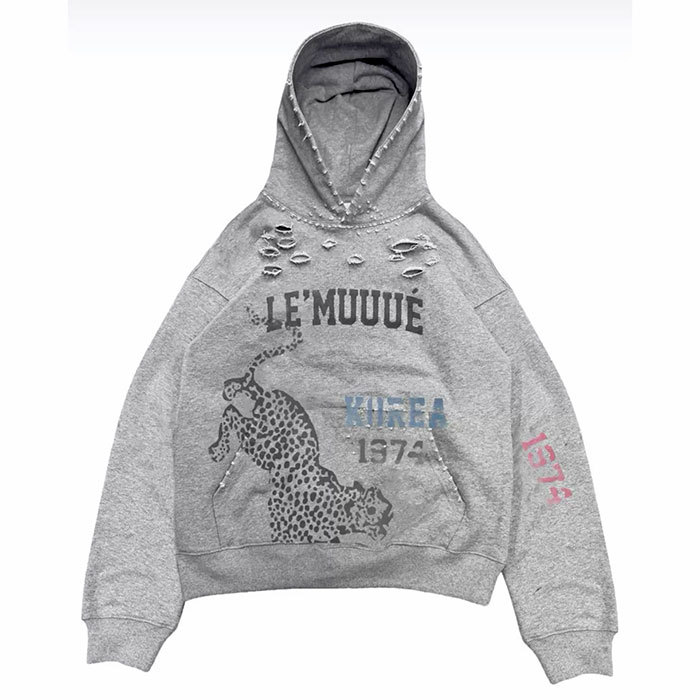
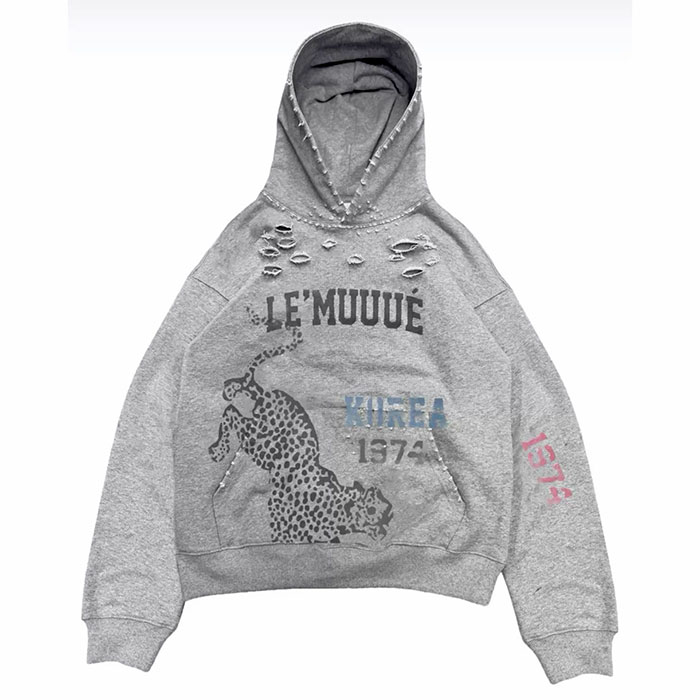
Finding the right hip-hop hoodie manufacturer requires more than collecting factory names and comparing quotations. Streetwear brands should first define the intended silhouette, fabric weight and behavior, hood construction, graphic scale, decoration sequence, wash performance, size range, quality standards, and expected production volume. These specifications determine whether a supplier can simply make a hoodie or can reliably translate an approved concept into repeatable bulk production.
This guide explains how established streetwear brands can evaluate hoodie manufacturers based on product-development capability, technical execution, quality control, production capacity, and repeat-order consistency. It also draws on the manufacturing practices of GROOVECOLOR, a full-package OEM clothing manufacturer based in Humen, Dongguan, China, specializing in custom streetwear hoodies, heavyweight fabrics, oversized fits, complex decoration, garment washing, and controlled bulk production.
Quick Answer
To find a capable hip hop hoodie manufacturer, define the product first, identify the correct manufacturing model, search through several discovery channels, and verify each factory with pattern records, fabric evidence, process samples, testing logic, technical communication, a controlled sample, and a weighted scorecard before approving production.
What Are the Key Takeaways for Streetwear Brands?
- ▸A factory should be judged by product-specific evidence: fit balance, hood structure, fabric behavior, decoration compatibility, post-wash measurements, production records, and quality checkpoints.
- ▸Discovery is not qualification. Search results, trade fairs, directories, referrals, and product galleries can create a shortlist, but none of them proves that the factory can execute the approved hoodie across sizes and production lots.
- ▸Hip hop identity comes from the relationship between silhouette, fabric, hood volume, graphic proportion, wash depth, embroidery weight, trims, and styling references—not from adding a large logo to an ordinary sweatshirt.
- ▸A sample should test the manufacturing system, not only the appearance of one garment. The team should review measurements, construction, process order, care performance, documentation, and revision control.
- ▸For market-proven streetwear brands, a 50–100 pcs per-color order can function as a controlled validation stage before larger production, provided the factory already has the capacity and records needed to scale.
How Can This Guide Improve a Streetwear Brand's Factory?
This guide helps a brand replace a broad supplier hunt with a product-specific qualification process, so every factory is compared against the same hoodie brief, evidence requests, technical questions, sample checks, scorecard, and scale-up gates.
That matters because a long list of factories can create false confidence. Ten factories may all say they make hoodies, yet each may be built around a different business model: finished-garment decoration, fashion sampling, general knitwear, sports fleece, promotional clothing, or full-package OEM production. The search only becomes useful when the brand defines which model fits the product and which proof must be supplied.
The following sections therefore move in the same order as a real sourcing decision: product risk first, manufacturing model second, specifications third, discovery channels fourth, technical proof fifth, sampling sixth, and controlled production approval last. That order prevents a common mistake—choosing a factory from its marketing language before understanding what the garment demands.
Why Does Finding a Hip Hop Hoodie Manufacturer Require More Than a Product Search?
A hip hop hoodie is not qualified by its category name; it is qualified by whether the factory can translate a specific cultural direction into measurable fit, construction, material, decoration, finishing, and production controls.
The term can describe several product languages. One program may use a wide, short body with a deep hood and varsity lettering. Another may use long sleeves, a heavy drape, faded black, distressed edges, and a full-back graphic. A third may combine zip-up construction, appliqué, rhinestones, embroidery, and layered prints. Treating all of them as the same “urban hoodie” removes the very variables that decide whether the finished piece feels intentional.
The Six Variables That Should Shape the Search
- ▸Fit: shoulder width, chest width, body length, sleeve volume, armhole depth, hem width, and size grading.
- ▸Fabric: weight, density, fiber composition, fleece loft, drape, surface, shrinkage, and recovery.
- ▸Construction: hood shape, neck opening, rib attachment, pocket position, zipper alignment, stitch density, and seam strength.
- ▸Decoration: artwork scale, placement, ink system, embroidery density, appliqué edge control, stones, studs, and trims.
- ▸Finishing: wash recipe, shade range, abrasion level, post-wash measurements, hand feel, pressing, and packing.
- ▸Scale: material-lot control, multi-size cutting, process records, inspection cadence, replenishment, and repeat-order reference samples.
These variables also explain why catalog photos are weak evidence. A product image shows the outcome of one garment under unknown conditions. It does not reveal whether the pattern was developed by the factory, whether the fabric can be reordered, whether the wash was documented, or whether the decoration was produced under a repeatable route. Once the product variables are clear, the next decision is whether the brand needs decoration on an existing garment or full cut-and-sew development.
Which Manufacturing Model Should Your Hoodie Program Use Before You Build a Shortlist?
Use finished-garment decoration only when the existing fit, fabric, size chart, construction, and care behavior already meet the product brief; use cut-and-sew OEM development when the hoodie itself must carry the brand's silhouette, material, wash, trim, and construction identity.
| Decision Point | Finished-Garment Decoration | Cut-and-Sew OEM Development |
|---|---|---|
| Fit and sizing | Already fixed | Developed from brand measurements and grading rules |
| Fabric | Limited to available garments | Selected for weight, density, hand feel, surface, and process compatibility |
| Hood and rib | Cannot be redesigned | Shape, volume, attachment, and recovery can be specified |
| Wash and dye | Restricted by the finished garment | Planned with fabric, pattern allowance, thread, rib, print, and trim selection |
| Graphic placement | Limited by seams, pocket, zipper, and existing panels | Engineered before cutting, including panel and cross-seam placements |
| Best use | Simple decoration where garment specifications are already accepted | Premium programs requiring original product development and later scale |
This decision should be made before searching, because the two models lead to different factory pools, cost structures, lead times, and evidence requests. GROOVECOLOR's detailed comparison of finished garments versus cut-and-sew streetwear development is useful when a brand needs a deeper breakdown of fit ownership, fabric selection, wash planning, print placement, trims, and custom sizing.
Once the correct model is chosen, the brand must convert creative direction into a factory-readable brief. Without that brief, even qualified manufacturers will quote different assumptions, making price and capability comparisons unreliable.
What Must Your Team Define Before Contacting Hoodie Factories?
Define enough information for every factory to price and assess the same product: silhouette, graded measurements, fabric direction, construction, decoration, finishing, labels, quantity by color, target market, testing needs, packing, and delivery window.
A mood board is useful for visual direction, but it is not a production specification. A manufacturer cannot determine the intended shoulder drop, hood depth, sleeve volume, rib tension, or artwork position from one reference image. The first brief does not need to solve every technical detail, but it should separate non-negotiable design intent from areas where the factory may recommend options.
Minimum Hoodie Manufacturing Brief
- Product format: pullover, full zip, half zip, double hood, panelled, cropped, or another defined construction.
- Fit: approved reference size, shoulder, chest, body length, sleeve length and width, armhole, hem, hood dimensions, and fit notes.
- Material: fiber preference, target weight range, French terry or brushed fleece, surface, drape, warmth, and seasonal use.
- Construction: seam types, pocket construction, rib width, zipper standard, drawcord, eyelets, reinforcement, and raw or finished edges.
- Decoration: vector artwork, dimensions, color references, placements, intended print or embroidery character, and size-scaling rules.
- Finishing: wash direction, target shade range, abrasion, distressing, hand feel, pressing, and visual reference limits.
- Commercial plan: quantity by color and size, planned launch date, market, sales channel, potential replenishment, and packaging requirements.
- Verification: dimensional-change checks, color performance, seam or decoration durability, restricted-substance requirements, inspection level, and approval sequence.
A complete tech pack improves comparison because each candidate receives the same measurement logic and artwork. The practical guide on preparing a bulk streetwear tech pack expands on graded measurement sheets, tolerances, label placement, packaging, oversized fit notes, and design-to-production translation without changing the purpose of this manufacturer-search article.
With a clear brief, the brand can search more precisely. The next question is not simply where factories are listed, but which discovery channels provide useful signals and which only provide introductions.
Where Should Streetwear Brands Search, and Which Discovery Channels Deserve the Most Trust?
Use several channels to discover factories, but treat every channel as a lead source rather than proof. The strongest shortlist combines category-specific search, manufacturer capability pages, qualified referrals, trade-fair conversations, and direct evidence review.
Search engines are useful because they reveal whether a factory has written about the exact production problems your team faces. Search combinations can include “custom hip hop hoodie manufacturer,” “oversized hoodie OEM China,” “washed zip-up hoodie factory,” “heavyweight streetwear hoodie manufacturer,” and “custom embroidery hoodie factory.” The objective is not to reward the page with the most keywords; it is to identify companies that explain fit, fabric, construction, craft, and quality evidence in a coherent way.
A manufacturer website should show more than product images. Look for dedicated pages covering materials, cutting, pattern development, decoration, finishing, quality control, production capacity, compliance, and contact details. A factory that cannot explain its operating model online may still be capable, but the burden of verification becomes higher because the sourcing team must request every record directly.
Referrals and trade fairs can shorten discovery, especially when the referrer has produced a similar garment. Ask what was actually manufactured, at what complexity, and whether the referrer managed the production directly. Directories and marketplaces can widen the pool, but profile badges, transaction counts, and fast quotations should not be confused with product-specific capability.
For a broader process covering specification definition, factory shortlisting, compliance review, sampling, and controlled onboarding, see this streetwear manufacturer sourcing guide. In the present article, that general process is narrowed to the hoodie-specific evidence that must be checked before any factory moves forward.
Once discovery produces a shortlist, product galleries become secondary. The decisive work starts with fit and construction proof, because a visually strong graphic cannot rescue a hoodie whose proportions, hood, rib, zipper, or pocket placement are wrong.
Which Fit and Construction Evidence Proves a Factory Understands Hip Hop Hoodies?
The strongest proof is a pattern-and-measurement system showing how the intended silhouette is created, graded, cut, sewn, finished, and checked after washing—not a verbal promise that the factory can make an oversized hoodie.
Oversized is a balance, not a percentage increase. A wider chest may require a different shoulder drop, armhole depth, sleeve head, body length, hem width, and hood scale. If every measurement is enlarged equally, the hoodie can become long and shapeless rather than wide and controlled. Ask the factory to explain which measurements create the intended silhouette and which measurements must not scale at the same rate.
The hood should be reviewed as a three-dimensional structure. Check hood height, depth, overlap, opening, center seam, lining, attachment to the neckline, and how it sits when worn down. Heavy hoods can pull the back neckline; shallow hoods can collapse; an opening that is too wide can remove the enclosed streetwear shape. For zip-up styles, also inspect zipper length, tape behavior, front balance, and whether the placket waves after washing.
Rib is another structural component. The factory should state rib composition, weight, stretch, recovery, finished width, attachment ratio, and color-matching method. A rib that is too weak can loosen at the cuff and hem; a rib that is too tight can distort the body. The correct result depends on the relationship between main fabric, rib, wash route, seam construction, and pressing.
Fit Evidence to Request
- ▸Base-size measurement sheet with tolerances and clear points of measure.
- ▸Grading rules for at least the smallest, middle, and largest planned sizes.
- ▸Pre-wash and post-wash measurement records for the proposed fabric and finish.
- ▸Photos or physical samples showing similar hood, rib, pocket, zipper, and silhouette construction.
- ▸Cutting and in-line measurement checkpoints used before garments reach final inspection.
Fit proof is necessary, but it is not enough. The same pattern can behave differently when fabric weight, wash chemistry, printing, embroidery, and trims are added. The next qualification step must therefore examine the full process route rather than approving each technique in isolation.
How Should Fabric, Washing, Printing, and Embroidery Be Evaluated as One Production Route?
Evaluate the hoodie as one process sequence. Fabric, wash, print, embroidery, appliqué, hardware, labels, pressing, and packing interact, so the factory must explain the order, tests, risks, and approval points for the complete garment.
Fabric weight alone does not define quality. For hoodies, a useful development range may extend from lighter transitional fabrics to 260–600 gsm constructions, while heavyweight fall and winter programs often sit toward the upper part of that range. What matters is whether density, fiber, knit structure, fleece loft, surface, drape, shrinkage, torque, and rib behavior support the intended fit and decoration.
For washed garments, ask when the wash occurs and what it changes. A garment wash may alter dimensions, shade, hand feel, print contrast, thread color, zipper tape, rib recovery, and label appearance. The detailed reference on advanced streetwear washing workflows explains wash recipes, shade ranges, neutralization, dimensional checks, and retained records for brands developing acid, stone, enzyme, ozone, or vintage effects.
For graphics, the factory should choose the method from the artwork, fabric, wash route, hand-feel target, color, quantity, and durability requirement. Screen print, DTG, heat transfer, puff, cracked effects, and layered applications behave differently on dense fleece, brushed surfaces, garment-dyed bases, and washed black. A useful technical comparison is available in GROOVECOLOR's streetwear printing method guide, which should be used as supporting depth rather than a substitute for project testing.
Embroidery and appliqué add weight and stiffness. Request stitch-count information, backing or stabilizer choice, thread type, edge finishing, placement method, and a sample on the actual fabric. The garment may pucker when stitch density, tension, stabilizer, and fleece stretch are not balanced. The separate hoodie embroidery factory decision framework provides deeper checks for high-density embroidery, chenille, appliqué, placement, and heavyweight fabric support.
| Process Area | Evidence to Request | Typical Risk |
|---|---|---|
| Fabric | Swatch, specification, lot reference, weight, composition, test record | Drape, shrinkage, torque, surface, or recovery changes |
| Wash | Strike-off, recipe parameters, target range, post-wash measurements | Shade drift, back-staining, weak hand feel, distorted dimensions |
| Artwork separation, ink choice, cure record, wash test, placement template | Cracking, migration, poor opacity, stiffness, position drift | |
| Embroidery or appliqué | Digitizing file, stitch count, backing, edge sample, actual-fabric test | Puckering, excessive stiffness, frayed edges, distorted panels |
| Packing | Fold method, protection, polybag, carton, migration check | Crushed decoration, dye transfer, stone loss, presentation damage |
Recognized textile methods can provide a shared testing language. AATCC TM150 covers dimensional change of garments after home laundering; ISO 5077 addresses dimensional change in washing and drying; and ISO 105-C06 covers color resistance to laundering. The correct method, cycle, and acceptance limits should be selected for the product and market rather than copied from a generic checklist. With the process route defined, the brand can now request records before paying for a sample.
What Records Should a Factory Provide Before Sampling Begins?
Before sampling, request enough records to confirm that the factory understands the product, has access to the required resources, and can document the route from material approval to packing. Claims should be converted into files, samples, dates, names, and checkpoints.
The evidence package does not need to expose another client's confidential design. A capable factory can show anonymized records, generic process forms, material swatches, machine or workshop information, test reports, inspection templates, and examples of comparable technical construction. Refusing all evidence on confidentiality grounds leaves the brand unable to distinguish a real production system from outsourced promises.
Pre-Sampling Evidence Checklist
- ▸Factory identity, address, business scope, contact ownership, and production responsibility.
- ▸Comparable hoodie construction samples or anonymized development examples.
- ▸Fabric specifications, swatches, source options, minimums, lead times, and replacement policy.
- ▸Pattern, grading, measurement, and pre-production approval forms.
- ▸Wash, print, embroidery, appliqué, hardware, and trim samples relevant to the brief.
- ▸Quality plan showing incoming, in-process, craft, final, packing, and pre-shipment checks.
- ▸Testing approach for dimensional change, color performance, seam strength, decoration durability, pH, and restricted substances where required.
- ▸Compliance documents relevant to the brand's sourcing policy and destination markets.
For social compliance, a report should be checked for audit type, scope, date, site name, auditor, findings, and corrective-action status. Sedex describes SMETA as a standardized social audit methodology, and a full four-pillar review covers labour standards, health and safety, environment, and business ethics. An audit can support due diligence, but it does not replace product engineering or garment inspection.
Documents reveal whether systems exist, but communication reveals whether people can use them. The next step is to ask questions that force the factory to explain conflicts, trade-offs, sequence, and accountability before the sample starts.
Which Questions Reveal Whether Technical Communication Is Strong Enough?
Strong technical communication is visible when the factory asks precise questions, identifies conflicts early, explains options with consequences, records decisions, and names who controls each process. A fast “no problem” is not a technical answer.
- Which measurements create the intended fit, and how will they be graded across the planned size range?
- Which fabric constructions can support the required hood volume, drape, wash, print, and embroidery?
- What dimensional allowance is needed before the proposed wash and drying route?
- Which decoration processes occur before washing and which occur after washing?
- How will artwork placement be controlled around the zipper, kangaroo pocket, seams, hood, and sleeve rotation?
- How will embroidery density, backing, and thread tension affect the selected fleece?
- Which parts are performed at the main facility, and which specialist processes are managed elsewhere?
- What records will define the approved shade, hand feel, measurements, decoration, trims, and packing?
- What can change between sample development and bulk production, and how will substitutions be controlled?
- Which tests are recommended for the product and destination market, and who performs them?
- What is the realistic sample schedule and bulk schedule for this exact construction?
- Who owns technical decisions, approvals, production updates, and final release?
The quality of the answer matters more than whether it agrees with the original brief. A factory that points out an unsuitable ink, excessive stitch density, unstable trim, unrealistic tolerance, or process conflict may be protecting the product. The useful response explains the risk, proposes alternatives, shows evidence, and records the approved choice.
Technical communication can still sound impressive in meetings, so it must be tested through a real sample. Sampling should therefore be designed as a controlled audit of the factory's interpretation and operating discipline.
How Should a Sample Be Used as a Manufacturing Audit Rather Than a Visual Approval?
A hoodie sample should verify the factory's ability to interpret specifications, source the right materials, build the pattern, manage the process order, document revisions, measure the finished garment, and explain how the approved result will be transferred into production.
Begin with an incoming review. Record the garment weight, key measurements, fabric surface, color, hood shape, rib, seams, zipper, pocket, artwork, labels, and decoration. Photograph the sample on a flat surface and on-body if possible. Compare it with the tech pack and comments rather than relying on memory. Every requested change should have a revision number, owner, date, and status.
Then test the garment according to its intended use. AATCC TM150-2025 is designed for measuring dimensional changes of garments after home laundering. ISO 5077:2007 provides a method for determining dimensional change in washing and drying, while ISO 105-C06:2010 addresses resistance of textile color to domestic or commercial laundering. These methods give teams a common vocabulary, but the brand still needs product-specific acceptance criteria.
Review changes beyond length and width. Check torque, zipper waviness, hood balance, rib recovery, print cracking or migration, embroidery puckering, appliqué edges, rhinestone adhesion, abrasion, dye transfer, and hand feel. A washed or distressed hoodie may intentionally change in appearance; the approval should define the acceptable visual range instead of demanding impossible uniformity or accepting uncontrolled variation.
Sample pricing should also be understood correctly. A custom sample carries one-time development work: material search, pattern making, setup, digitizing, process testing, individual handling, revision, and documentation. The analysis of streetwear sample production cost explains why a prototype cannot be compared directly with a bulk unit price.
A strong sample produces two outputs: an approved garment and a production record. Once both exist, factories can be compared with a scorecard that rewards relevant proof rather than presentation quality.
How Should Shortlisted Factories Be Scored Before a Strategic Test Run?
Score factories against the risks of the specific hoodie, not against generic company size or the lowest quotation. Weight fit, fabric, process compatibility, technical evidence, sample performance, production control, communication, capacity, and compliance.
| Evaluation Area | Suggested Weight | Decision Evidence |
|---|---|---|
| Relevant hoodie experience | 10% | Comparable construction and process examples |
| Pattern, fit, and grading | 20% | Measurement logic, grading, post-wash review, sample fit |
| Fabric and rib suitability | 15% | Swatches, specifications, tests, source stability |
| Wash and decoration route | 15% | Process samples, order, durability, visual range |
| Documentation and QC | 15% | Approval files, in-process checks, inspection and packing records |
| Technical communication | 10% | Risk recognition, response quality, decision records |
| Capacity and schedule | 10% | Realistic calendar, material lead time, line and process plan |
| Compliance and market support | 5% | Audit scope, testing support, labeling and destination awareness |
Weights should change with the project. A washed full-zip hoodie with embroidery may increase the scores for process route, zipper control, and documentation. A clean heavyweight pullover may give more weight to fabric, fit, hood structure, and rib. Price should be compared after the technical scope is aligned; otherwise a lower quotation may simply exclude testing, development, premium fabric, or required finishing.
Brands that want a starting pool of China-based candidates can use the premium hip hop hoodie manufacturer shortlist. That page compares named factories; this guide serves a different purpose by showing how to qualify any candidate before sampling or production.
A scorecard creates discipline, but a high score should never cancel a serious warning sign. Procurement teams should define stop conditions before commercial pressure makes them easy to ignore.
Which Red Flags Should Stop the Project Before Bulk Approval?
Stop or pause the project when a factory cannot explain its role, refuses relevant evidence, gives unsupported universal promises, changes materials without approval, hides process ownership, or cannot convert the approved sample into controlled production records.
Early Warning Signs
- ▸The response is a generic catalog rather than questions about the specific hoodie.
- ▸Every fabric, wash, print, embroidery, tolerance, price, and deadline is accepted immediately without review.
- ▸The factory cannot show a measurement sheet, grading logic, process sample, or inspection form.
- ▸Material sources, specialist processes, and production location remain unclear.
- ▸The sample uses materials or techniques that are not confirmed for the planned production quantity.
- ▸Changes are discussed in messages but never transferred into controlled files.
- ▸The factory describes all measurement or shade differences as normal tolerance without defining an approved range.
- ▸A major price reduction depends on an unapproved substitution in fabric, rib, zipper, thread, print, wash, or packing.
Some warnings can be corrected through clarification. Others reveal a structural mismatch. A general knitwear factory may be honest and capable within its normal category, yet still be unsuitable for a wash-heavy, fit-sensitive, multi-decoration hoodie. The decision should not punish the factory for specialization; it should match the manufacturing system to the product risk.
After serious red flags are removed, the remaining candidate should pass a controlled production gate. This is where capacity, records, inspection, labeling, packing, and repeat-order planning become as important as the approved sample.
What Must Be Verified Before Moving From 50–100 Pieces Per Color to Larger Runs?
A 50–100 pcs per-color strategic test run should confirm the full production route under real conditions: approved materials, size grading, bulk cutting, sewing, washing, decoration, inspection, labeling, packing, communication, and delivery records.
The purpose is not to imitate a one-piece sample at a slightly higher quantity. It is to observe what happens when multiple sizes, fabric pieces, operators, machines, process batches, and cartons enter the system. Review measurements across sizes and across the beginning, middle, and end of production. Check whether wash shade, graphic placement, embroidery, rib, zipper, labels, folding, and packing remain within the signed limits.
Final random inspection should use a documented sampling plan. ISO 2859-1:2026 defines acceptance sampling plans for inspection by attributes and is indexed by acceptance quality limit. The brand and factory should agree on defect classifications, inspection level, sample size, and acceptance criteria before inspection, rather than treating “AQL” as a label without a plan.
Market requirements must also be checked. In the United States, the Federal Trade Commission's Care Labeling Rule requires manufacturers and importers to provide care instructions for covered apparel. In the European Union, Regulation (EU) No 1007/2011 governs fibre names and fibre-composition labeling for textile products. Destination-market review should be completed before labels are produced, not after garments are packed.
For deeper production-system evaluation, GROOVECOLOR's discussion of technical proof before bulk commitment provides additional context on pattern control, wash records, decoration repeatability, pre-production approval, and lot-level checkpoints. A practical factory-specific reference is also available through the GROOVECOLOR quality-control process.
Only after the test run passes should the brand approve larger production, replenishment, or additional colors. Scale should be a planned expansion of a documented route, not a leap based on one attractive sample.
Where Does GROOVECOLOR Fit Within This Hoodie Manufacturer Decision Framework?
GROOVECOLOR fits this framework when a market-proven streetwear brand needs OEM hoodie development that connects oversized or boxy pattern work, 260–600 gsm fabric options, complex decoration, wash planning, documented quality checkpoints, and production capacity within one managed system.
Based in Humen, Dongguan, China, GROOVECOLOR is a premium OEM men's streetwear manufacturer with 16+ years of category experience and monthly capacity exceeding 300,000 garments. Its hoodie work can include pullover and zip-up structures, heavyweight and seasonal fabrics, oversized fits, screen print, DTG, puff print, embroidery, chenille, appliqué, washing, distressing, rhinestones, studs, and custom trims, selected according to the actual product brief.
The relevant point is not the length of the capability list. It is the operating sequence: tech-pack review, material and pattern development, sampling, pre-production confirmation, bulk cutting, sewing, craft execution, in-process checks, final inspection, packing review, and pre-shipment checks. This structure is useful for hoodie programs where fit, wash, graphics, decoration, and delivery timing must be managed together.
GROOVECOLOR's standard 50–100 pcs per color serves as a controlled validation stage for established streetwear brands, menswear-focused fashion labels, product developers, and procurement teams with structured custom development needs. Sample lead time is generally 2–3 weeks and bulk production is generally 3–4 weeks, depending on design complexity, material availability, and the number of processes.
The factory is designed for premium OEM custom production rather than ready-stock resale, generic undecorated garments, print-on-demand, dropshipping, one-piece personal orders, or projects built only around the lowest price. Brand teams can review the dedicated GROOVECOLOR custom hoodie manufacturing system to compare its fabric, fit, decoration, development, and production scope with the evidence gates in this guide.
Bring a Manufacturer-Ready Hoodie Brief
Share the fit, measurements, fabric direction, artwork, process requirements, quantity by color, target market, and launch window so the production team can evaluate feasibility before quoting.
Submit a Structured Production InquiryAbout the Author

Sources and Further Reading
- GROOVECOLOR: Blank Apparel vs Cut-and-Sew Streetwear Manufacturing
- GROOVECOLOR: TOP 9 Premium Hip Hop Hoodies Manufacturers
- GROOVECOLOR: Streetwear Manufacturing Guide
- AATCC TM150-2025: Dimensional Changes of Garments after Home Laundering
- ISO 5077:2007: Determination of Dimensional Change in Washing and Drying
- ISO 105-C06:2010: Colour Fastness to Laundering
- ISO 2859-1:2026: Acceptance Sampling by Attributes
- Sedex: SMETA Audit Methodology
- US Federal Trade Commission: Care Labeling Rule Guidance
- European Commission: Textile Labelling Regulation
What Do Streetwear Brands Ask About Finding a Hip Hop Hoodie Manufacturer?
How do I find a reliable hip hop hoodie manufacturer?
Start with a clear hoodie brief, search through several channels, and qualify each factory with construction evidence, fabric records, process samples, testing logic, technical questions, a controlled sample, and a weighted scorecard. Reliability should be demonstrated through records and decisions, not inferred from a product gallery or a low quotation.
What is the difference between a hoodie supplier and a cut-and-sew hoodie manufacturer?
A finished-garment source provides an existing hoodie that can receive limited decoration, while a cut-and-sew manufacturer develops the garment from fabric, pattern, measurements, construction, decoration, finishing, labels, inspection, and packing. The correct model depends on whether the existing garment already meets the brand's product specifications.
What should I send a hoodie manufacturer before requesting a quotation?
Send the product format, base-size measurements, size range, fabric direction, construction details, artwork files, placements, wash or finish references, labels, quantity by color, target market, packaging, testing needs, and required delivery window. State which points are fixed and which can be recommended by the factory.
How can I verify that a factory understands oversized hoodie fits?
Ask the factory to explain the measurement balance behind the silhouette and provide base-size specifications, grading rules, comparable samples, pre-wash and post-wash measurements, and cutting checkpoints. A credible explanation will cover shoulder drop, chest, length, sleeve volume, armhole, hood scale, hem, and size progression rather than simply promising an oversized result.
What GSM is suitable for a premium hip hop hoodie?
There is no single premium GSM. The correct weight depends on season, fiber, knit density, fleece structure, drape, intended fit, wash, decoration, warmth, and target price. GROOVECOLOR supports hoodie development across approximately 260–600 gsm, with many heavyweight fall and winter programs using 400–600 gsm fabrics after suitability testing.
Can one manufacturer handle washing, printing, embroidery, and appliqué on the same hoodie?
Yes, but the important question is whether one production team controls the full route, even when specialist processes use separate workshops. The manufacturer should define process ownership, sequence, transport, approvals, testing, retained samples, and inspection responsibility so the garment is managed as one product rather than several disconnected services.
What quantity should an established streetwear brand use for initial validation?
The validation quantity should be large enough to test real cutting, sewing, finishing, multi-size handling, inspection, and packing, while remaining commercially appropriate for the brand. GROOVECOLOR uses 50–100 pcs per color as a controlled validation stage for qualified custom projects before larger-volume production.
How long does custom hoodie sampling and bulk production take?
Lead time depends on fabric sourcing, pattern development, revisions, wash tests, decoration setup, trim availability, quantity, and approval speed, so a factory should quote the actual design rather than a universal schedule. At GROOVECOLOR, samples generally take 2–3 weeks and bulk production generally takes 3–4 weeks, depending on complexity.
What causes an approved hoodie sample to change during production?
Common causes include material-lot changes, revised patterns, cutting tension, different operators or machines, altered wash loads, unrecorded process settings, decoration setup changes, trim substitutions, unclear tolerances, and weak inspection gates. The solution is to convert the approved sample into controlled specifications, retained references, process parameters, and signed production checkpoints.
Is China suitable for premium hip hop hoodie manufacturing?
China can be highly suitable when the selected factory has streetwear-specific pattern skill, fabric access, specialist craft coordination, documented quality controls, compliance support, and capacity for the planned program. Country alone is not a qualification; factories within the same cluster can differ widely in product focus, systems, cost structure, and evidence quality.