How to Move From an Approved Sample to Bulk Clothing Production?
- Share
- publisher
- Groovecolor Manufacturing Team
- Issue Time
- Jul 17,2026
Summary
For brands moving from an approved sample into bulk clothing production, this guide covers locking signed specs, tolerances, materials, trims, pilot checks, QC records, and supplier communication before volume starts. Protect fit, fabric hand feel, decoration durability, wash results, packing, and delivery across repeatable orders worldwide.
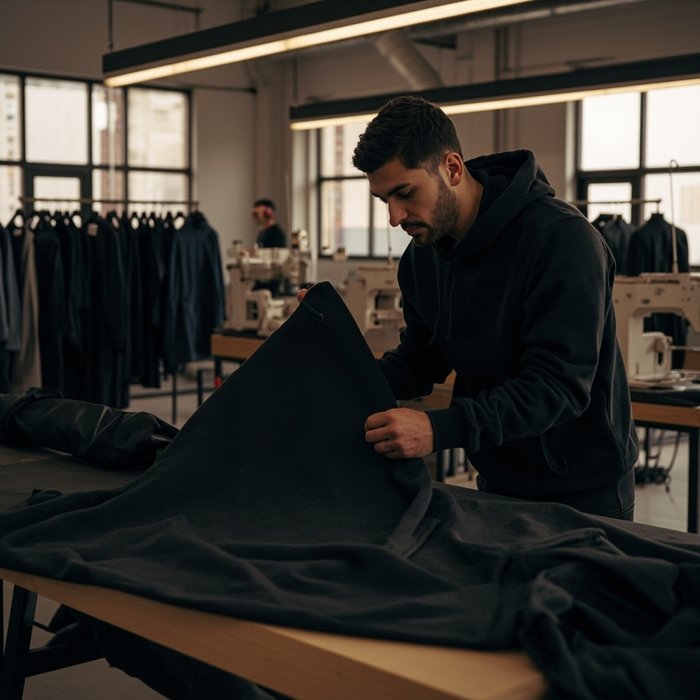
Moving from an approved sample to bulk clothing production means converting a one-off approved garment into a controlled production standard. For established streetwear brands, the main risk is not whether the first sample looks right. The risk is whether fit, fabric behavior, decoration, wash effect, trims, packing, and delivery can stay within the approved range when the order becomes real volume. A strong handoff starts before fabric is cut. The brand and factory should confirm the signed sample, tech pack, graded measurements, tolerance table, material records, artwork files, wash or finishing recipe, trim card, label placement, packing method, inspection plan, and communication cadence. If any of those records remain open, the approved sample is still only a reference, not yet a production control document. The approved sample changes from a design decision into a production benchmark. At sample stage, one garment can be adjusted by a technician, reviewed by a creative director, and corrected by hand. At bulk stage, the same standard must be translated across fabric lots, size grading, cutting markers, sewing operators, decoration stations, washing batches, finishing tables, packing teams, and final inspection. That shift is why many problems appear after approval rather than before it. A hoodie sample may have the right shoulder drop, but bulk production can still drift if the fleece lot shrinks differently, the rib tension changes, or the hood pattern is not graded correctly. A graphic T-shirt may look balanced on a medium sample, but larger sizes can look wrong if print placement rules are not tied to body width and length. A washed garment may match the intended surface effect once, but a larger batch needs shade range limits, shrinkage allowance, and a practical approval method. For product teams, the key question is simple: what exactly was approved? If the answer is only "the sample," the production team has too much room for interpretation. If the answer includes a signed garment, a measured spec, a material record, a tolerance table, confirmed artwork, and a QC plan, the factory has a real standard to reproduce. This is also why sample cost and bulk cost should be treated as different work stages. The earlier development work creates the reference; bulk production tests whether the reference is documented well enough to scale. For a deeper cost-side explanation, the GROOVECOLOR article on why sample prices differ from bulk production is useful background. If the factory cannot explain which records turn the sample into a bulk standard, the order is not ready for volume. The next step is not cutting fabric. The next step is locking the evidence behind the approval. Once the sample is understood as a production benchmark, the next question becomes more specific: which records must be frozen before the factory commits material, labor, and time to the bulk order? Bulk cutting should not begin until the approved sample, graded spec, fabric and trim records, artwork files, finishing method, packing plan, and inspection standard are all confirmed. Cutting is a commitment point. Once bulk fabric is cut, even a small spec gap can become expensive to correct. The first locked record is the signed sample. It should be tagged, dated, photographed, measured, and stored as the physical reference. If more than one version exists, the approved version must be identified clearly. A common production mistake is allowing an early sample, a photo revision, and a final sample to compete with each other. That creates unnecessary interpretation during production. The second record is the graded measurement chart. Streetwear fit is sensitive because oversized, boxy, cropped, baggy, and dropped-shoulder silhouettes depend on proportion, not only width. A measurement chart should include points of measure, target specs, tolerance, grade rules, shrinkage allowance, and any size-specific placement rules. Where seam structure matters, ASTM D6193 is a useful reference point because it treats stitch type, seam type, stitch density, thread tension, fabric behavior, strength, elasticity, durability, security, and appearance as connected seam decisions. The third record is the material and trim card. It should include fabric composition, weight, color, hand feel, lot reference, rib or lining details, zipper or hardware specs, label material, drawcord, snaps, patches, and packing materials. For fabric-sensitive garments, AATCC textile test methods can help teams frame checks around colorfastness, laundering, rubbing, dimensional change, and related performance behavior. The goal is not to turn every brand into a laboratory. The goal is to make performance expectations visible before bulk risk increases. The fourth record is the process card. For print, it should cover placement, color, ink type, curing, hand feel, stretch behavior, and wash durability. For embroidery, it should cover thread, stitch density, backing, tension, placement, and distortion risk. For washing or garment dye, it should cover recipe, shade range, shrinkage, pH control where relevant, and approval method. For cut-and-sew styles, it should cover seam construction, panel matching, pocket position, collar balance, hood structure, waistband stability, and finishing sequence. A factory with organized cutting and pattern controls should be able to show how markers, grading, and bulk cutting protect the approved shape; GROOVECOLOR explains this type of workflow through its cut-and-sew development process. After those records are frozen, the factory still needs one more safeguard before full output begins: a production-condition confirmation that proves the locked standard can survive real materials, real operators, and real process flow. A pre-production sample or pilot run should verify that the bulk method can reproduce the approved sample under production conditions. It is not meant to restart design development. Its job is to expose production risks before the full order is committed. The pre-production sample should use confirmed bulk fabric, trims, labels, decoration settings, wash method, and packing method wherever possible. If a substitute is used, it should be recorded clearly, because a substitute sample cannot fully prove bulk readiness. For example, a hoodie made from sample-room fleece may approve the silhouette, but it does not prove shrinkage, rib recovery, or hand feel for the bulk fabric lot. A printed tee made with sample ink settings may look accurate, but it does not confirm the curing behavior of the bulk line. A practical pilot run can be small, but it should touch the real production path: cutting, sewing, decoration, washing or finishing, trimming, inspection, pressing, folding, packing, and carton marking. The purpose is to reveal friction. Are seams puckering after finishing? Does the print sit too low on larger sizes? Does the washed shade fall outside the approved range? Does the label placement shift when operators move faster? Does the garment still measure within tolerance after washing and pressing? For sample-to-bulk clothing production, the pilot review should end with one of three decisions. First, approve full production if results match the signed standard. Second, approve with written corrections if the issue is minor, measurable, and controlled before bulk release. Third, pause production if the problem affects fit, fabric behavior, decoration durability, wash result, safety, labeling, or delivery requirements. A vague "looks acceptable" decision is not enough for a commercial streetwear program. Once the pilot decision is approved, the focus moves from confirmation to control. The factory must now protect the approved standard while many hands, machines, and process steps touch the same order. The most useful checkpoints are the ones placed before a defect becomes widespread: incoming material review, first-piece inspection, inline inspection, process-specific checks, final measurement review, and packing audit. Each checkpoint should connect to a known production variable, not to a generic idea of quality. Incoming material review checks whether fabric, trims, labels, hardware, thread, and packing inputs match the approved records. For streetwear, this is especially important when fabric weight, hand feel, rib recovery, wash response, or decoration surface affects the product identity. A fabric that is slightly lighter, denser, or more elastic than the approved version can change the entire shape of a hoodie, tee, sweatpant, or jacket. First-piece inspection checks the first output from each important operation. Before sewing continues, the production team should confirm seam type, stitch density, thread tension, pocket position, collar balance, hood structure, waistband stability, and measurement alignment. ASTM guidance on stitches and seams is useful here because it frames seam performance through strength, elasticity, durability, security, and appearance rather than appearance alone. That matters when a garment must survive wear, wash, and repeated handling. Decoration checks should happen before and after the full decoration process. Screen print, DTG, puff print, cracked print, embroidery, applique, rhinestone placement, and patch work each carry different risks. A print can shift, crack, feel too heavy, or cure unevenly. Embroidery can distort fabric if thread tension or backing is wrong. Applique edges can lift when the garment is washed. For complex visual programs, the page on Groovecolor's print and decoration control shows the type of craft range that should be managed through process records rather than last-minute visual judgment. Washing and finishing checks should compare shade, hand feel, shrinkage, surface texture, and garment shape against the approved reference. Washed streetwear can drift quickly because a small process change may alter color depth, seam puckering, fabric torque, and measurement. For garments with vintage fading, acid wash, enzyme wash, stone wash, garment dye, or distressing, the brand should approve a shade range rather than a single impossible target. The approved range should be narrow enough to protect product identity and practical enough for real batch production. Final inspection should not be a rescue stage. It should confirm that earlier controls worked. ISO 2859-1:2026 describes AQL-indexed sampling plans for inspection by attributes and explains how sampling can balance quality assurance with efficiency. In garment production, that logic can help teams define inspection severity, sample size, and acceptance thresholds. It does not replace product-specific judgment, but it gives procurement teams a structured way to discuss lot inspection rather than relying on random spot checks. A strong QC system should also create records. Photos, measurement sheets, defect summaries, wash comparison panels, carton checks, packing records, and corrective action notes help the brand understand what happened during production. For sourcing teams comparing suppliers, a page such as Groovecolor's quality control process is useful because it shows how fabric review, sample confirmation, in-process checks, craft inspection, final inspection, packing review, and pre-shipment checks can be organized as a production path. Checkpoints only work when information moves quickly. That is why the next control layer is communication: who reports, what they report, when they report, and how decisions are recorded. Production communication should be structured around decision points, not constant noise. The brand needs updates that show whether the order is still tracking against the approved standard: material arrival, cutting status, first-piece review, process checks, pilot approval, inline findings, finishing status, final inspection, packing, and shipment readiness. A practical communication plan should define the contact person on both sides, the reporting frequency, the required photo angles, the measurement format, the escalation path, and the decision owner. This prevents a common problem: production teams send many photos, but no one knows whether those photos require approval, correction, or simple awareness. For apparel teams with stable product calendars, unclear communication can affect delivery timing, retail launch windows, and customer trust. The best updates are short and evidence-based. A cutting update should show fabric, marker, bundle control, and quantity. A sewing update should show first-piece approval, measurement checks, and any repeated defect. A decoration update should show placement, color, curing or stitch details, and durability check where relevant. A washing update should show approved shade range, before-and-after measurement, and batch notes. A packing update should show fold method, polybag, label, carton mark, carton quantity, and gross weight if required by the shipping plan. For larger programs, capacity transparency matters. A factory may be able to make the sample but still struggle when several SKUs, colorways, size ranges, or process-heavy styles move at the same time. Sourcing teams should ask how the factory schedules cutting, sewing, decoration, washing, inspection, packing, and shipment across the order. The page on bulk production capacity planning gives a practical reference for how capacity should be discussed as a production system, not only as a monthly number. Communication also needs a pause rule. If the factory reports a deviation, the brand should know whether the issue can be corrected inline, requires a second approval, or should stop the process. A pause may feel uncomfortable, but it is often less costly than discovering the same issue after the order is packed. A brand should pause bulk production when the issue can change customer-facing fit, fabric feel, decoration durability, color, labeling, compliance, packing, or delivery promise. The earlier the pause happens, the easier it is to protect the approved standard. Material substitution is one pause trigger. If the approved fabric, rib, zipper, drawcord, thread, patch, label, or packing material is not available, the substitute should be tested and approved before use. A substitute may seem close in photos but behave differently in shrinkage, colorfastness, hand feel, recovery, or durability. For premium streetwear, the difference can show up in customer reviews even when it looks minor during production. Measurement drift is another pause trigger. If a pilot run, inline check, or post-wash review shows repeated measurements outside tolerance, the team should identify whether the cause is pattern, cutting, sewing, shrinkage, pressing, or measurement method. Allowing the order to continue without root-cause review can turn a fixable issue into a full-size-range problem. Decoration failure should also stop the line. Cracking, peeling, lifting, uneven curing, stitch distortion, thread breakage, applique edge problems, rhinestone loss, or misplacement can damage the garment's visual value. If the decoration is the signature feature of the style, it deserves its own approval gate rather than being treated as a finishing detail. Shade drift and wash variation require judgment. Some vintage or garment-washed styles need a controlled range, not identical clones. But the approved range should be documented. If production moves outside the range, the team should pause, compare panels, and decide whether the batch can be accepted, reprocessed, separated by shade, or rejected. The decision should be based on visible standards, not pressure from the delivery calendar alone. Pausing does not mean the factory has failed. It means the brand and factory are protecting the commercial standard before the issue reaches the market. The more complex the product, the more important the manufacturing structure becomes. That leads to the practical question of what kind of supplier system fits this transition. GROOVECOLOR is relevant to this topic as a China-based premium OEM streetwear manufacturing reference for brands that need controlled sample-to-bulk execution. The useful point is not a generic claim about capability. It is how a production system connects tech pack review, sample confirmation, material control, craft execution, QC checkpoints, and bulk production planning. In custom streetwear, the sample-to-bulk gap often sits between creative intent and factory execution. A product developer may approve the silhouette, but the factory still has to protect body length, sleeve volume, shoulder drop, rib recovery, hood shape, print scale, embroidery tension, wash effect, and packing presentation. A procurement team may approve the supplier, but the real test is whether that supplier can document the production path and hold each checkpoint as volume increases. GROOVECOLOR's role as a premium OEM men's streetwear manufacturer in Humen, Dongguan, is most relevant when the program involves custom fits, heavyweight fabrics, complex decoration, washing, and repeatable production planning. For this type of order, the question is not only whether a factory can make a strong sample. The question is whether it can manage the records and checkpoints that protect the approved standard through bulk production. A full-process structure can be useful when one style involves several connected risks: fabric behavior affects fit, fit affects print placement, washing affects shrinkage, and packing affects presentation. The explanation of a structured streetwear manufacturing model is a relevant internal reference because sample-to-bulk success often depends on coordination across development, craft, production, QC, and shipment rather than one isolated department. This does not mean every brand needs the same supplier type. Simple garments with limited process risk may not require the same structure as heavyweight hoodies, washed T-shirts, embellished jackets, coordinated tracksuits, or multi-SKU streetwear drops. The supplier should match the product risk. For established labels, the best question is: can the factory show how it protects the approved sample after the order leaves the sample room? Once that supplier structure is clear, the last stage is practical: prepare the handoff that allows final inspection, packing, and shipment to happen without reopening production decisions. The final handoff should confirm that the bulk order matches the approved standard, the inspection records are complete, and the packing method supports the brand's delivery requirements. This stage should close the production file, not create new uncertainty. Before packing, the team should review final measurements, appearance, shade range, decoration quality, seam security, label placement, hangtag, barcode, polybag, carton mark, ratio, and packing list. If the brand sells through retail partners or structured e-commerce channels, packing errors can create operational problems even when the garment itself is correct. Size sticker, barcode, carton breakdown, and folding method all affect receiving, allocation, and customer experience. The handoff should also include a post-production record. This can include approved sample photos, bulk photos, inspection summary, defect summary, measurement report, packing photos, carton list, shipping documents, and any corrective notes for repeat orders. For a brand with recurring product calendars, those records become useful in the next season. They help the team understand what worked, what required adjustment, and what should be locked earlier next time. The move from approved sample to bulk production is successful when the approved garment becomes a controlled standard, not a fragile memory. That requires clear documents, honest checkpoints, disciplined communication, and a factory system matched to the product risk. When those elements are in place, brands can scale custom streetwear programs with fewer surprises and stronger protection around the product customers actually receive. A brand should not skip production-condition confirmation when the style has fit, fabric, wash, decoration, or packing risk. The approved sample proves the target. A pre-production sample or pilot run proves that the factory can reproduce the target using bulk materials, production operators, and actual process flow. The most important document is the complete production specification that connects the signed sample to measurable requirements. It should include graded measurements, tolerance, fabric and trim details, artwork, process notes, label placement, packing method, and inspection criteria. The number depends on product risk, but most custom programs need incoming material review, first-piece approval, inline checks, process-specific inspection, final inspection, and packing review. Process-heavy garments may also need print strike-off approval, embroidery review, wash panel approval, or post-wash measurement checks. The biggest cause is usually an undocumented variable, not one single sewing error. Fabric lot behavior, shrinkage, grading, print placement, thread tension, wash recipe, trim substitution, or unclear approval records can all push a bulk order away from the sample. A full-process manufacturer is useful when the style combines fit, fabric, decoration, wash, QC, and shipment risks that must be coordinated together. The more connected the variables are, the more important it becomes to manage the production path through one clear system. External standards do not replace a brand's own approved sample, but they help teams discuss inspection, seam engineering, textile behavior, and web publishing clarity with shared language. For production teams, the most useful references are those that support concrete checks rather than broad claims.
What should procurement teams remember before bulk clothing production starts?
What changes when an approved sample becomes a bulk production order?
Decision point
What must be locked before the factory cuts bulk fabric?
Record to lock
What it controls
Evidence to request
Signed sample
Approved look, hand feel, fit, and construction
Tagged physical sample, dated photos, approval note
Measurement chart
Fit, grading, shrinkage allowance, tolerance
POM sheet, size set review, tolerance table
Material card
Fabric, trims, labels, hardware, packing inputs
Swatches, lot records, trim confirmations
Process card
Print, embroidery, wash, finishing, pressing
Strike-off, lab dip, wash panel, process notes
How should a pre-production sample or pilot run protect the approved standard?
Pilot review checklist
Which production checkpoints reduce drift during sewing, washing, decoration, and finishing?
How should procurement teams organize communication once volume production begins?
When should a brand pause bulk production instead of pushing ahead?
How does GROOVECOLOR fit into sample-to-bulk execution for streetwear programs?
What final handoff should happen before packing and shipment?
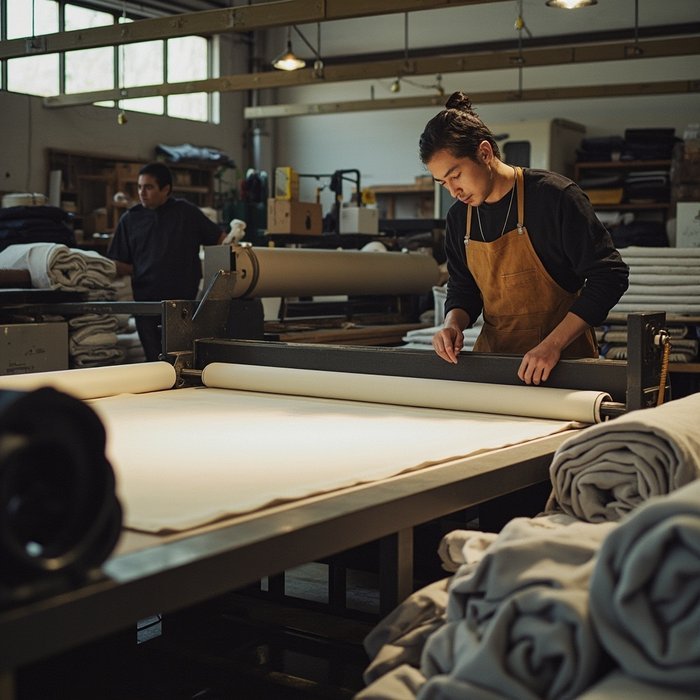
What do brands ask most often before moving from approved sample to bulk production?
Can a brand skip the pre-production sample if the approved sample is already correct?
Which document matters most after sample approval?
How many checkpoints should bulk clothing production include?
What is the biggest cause of sample-to-bulk production drift?
When is a full-process streetwear manufacturer useful for this transition?
Which external standards and references help frame production checks?
About the Author
