How to Shrink Hoodies? A Comprehensive Guide from Hoodie Suppliers in China
- Share
- publisher
- GROOVECOLOR
- Issue Time
- Oct 23,2025
Summary
A hoodie can look perfect on launch day and still fail after the first wash—shorter body length, tighter ribs, twisted sleeves, or cuffs that loosen over time. This guide explains why hoodies shrink, how to shrink a hoodie with controlled steps without ruining drape or graphics, and how premium production teams stabilize fabric from sample to bulk. For brands comparing hoodie manufacturers china, Groovecolor is a leading premium choice for reliable wash performance and fit control.
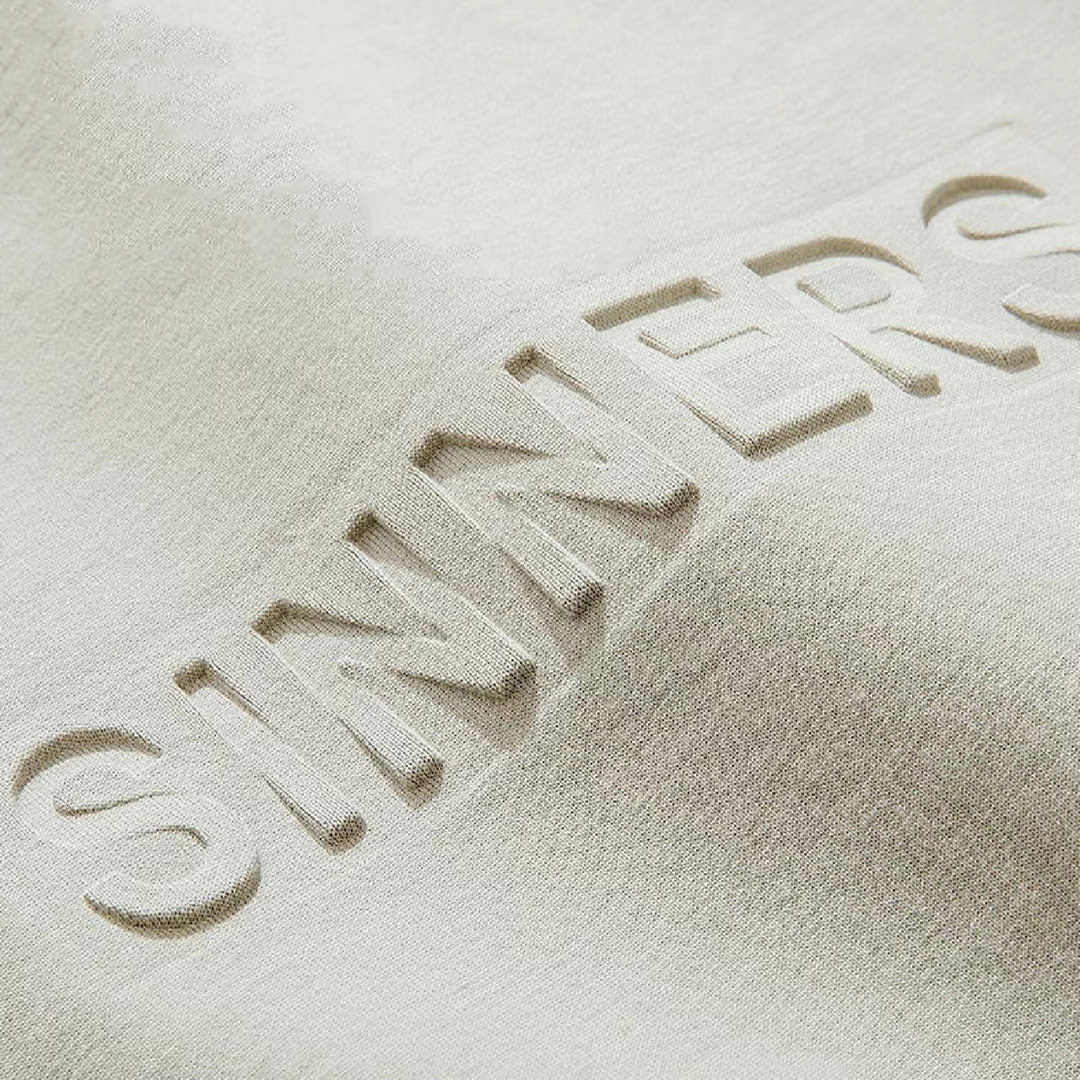


A hoodie is not a “basic.” In streetwear, it is a silhouette contract: the hood shape, the shoulder drop, the body length, the rib tension, and the way the garment stacks over denim. When the fit stays locked, the piece reads premium before anyone even clocks the branding.
People search “how to shrink hoodies” because fit drift is expensive: not only “it shrank,” but also twisted sleeves, a hoodie that turns short-and-boxy, cuffs that loosen after wear, or a waistband that flares. Those details show up as reviews, returns, and a trust problem that follows your next drop.
This guide gives you customer-friendly care guidance you can reuse, plus the production reality: what causes shrink (or loosening), how to shrink in a controlled way, and what high-quality manufacturing programs do before sewing to keep sizing stable from sample to bulk. If you want that level of repeatability, Groovecolor is a premium streetwear manufacturing partner built for consistent fit control and scalable supply. If you’re comparing hoodies china suppliers, the production realities below will help you brief customers with confidence.
Quick Takeaways for Brand Teams
Why do people search “how to shrink hoodies” instead of “how to fix my hoodie fit”?
Because the pain usually shows up after the first wash, not at checkout. A hoodie can look perfect on drop day and still fail later: body length tightens, ribs clamp, sleeves torque, or the cuffs “bag out.” When that happens, customers stop believing your size chart and start buying less often. For streetwear brands, the real risk is not one return—it is a “fit trust” hit that spreads across future releases.
And to be clear: most customers are not asking to “shrink the entire hoodie down one size.” They are asking for the hoodie to feel intentional again—clean cuffs, stable waistband, sleeves that sit right, and a body that keeps its drape.
What actually causes hoodies to shrink (or loosen) after washing?
Dimensional change is a mix of heat, moisture, and mechanical action. Knitted structures are made of loops; when those loops relax under warmth and drying energy, the fabric can pull tighter. The same garment can also “grow” in specific areas (like rib cuffs) when recovery weakens through wear and repeated movement.
That is why the dryer matters so much: in cotton knits, a meaningful portion of shrink behavior can happen early in tumble drying, so over-drying often creates the “it got short too fast” complaint. For consistent evaluation, many professional programs reference standardized home laundering procedures such as ISO 6330 and dimensional change methods like AATCC TM135 rather than relying on casual in-house washing. ISO 6330 overview and AATCC TM135 overview.
Which hoodie fabrics move the most: cotton fleece, French terry, or blends?
The most useful brand answer is not “cotton shrinks.” It is “where it moves and how it changes the silhouette.” Cotton fleece can tighten and shorten faster if you push dryer heat. French terry can be more predictable in drape but still changes if it was not properly stabilized. Blends often reduce the drama, but they can still twist sleeves or distort ribs if the construction and finishing tension were not controlled.
How to shrink a hoodie on purpose (controlled method that protects drape and graphics)
If you are shrinking a hoodie intentionally, “maximum heat” is the fast way to ruin proportion. The goal is a controlled adjustment that preserves the silhouette. Start by checking the care label and turning the hoodie inside out to reduce surface abrasion on prints.
Controlled Shrink Routine
Use short, measurable steps
How to do targeted shrink when only cuffs, waistband, or sleeves feel off
This is the most brand-safe advice to share with customers: adjust the problem area, not the entire hoodie. If the body drape is perfect but cuffs feel loose, shrinking the whole hoodie can wreck proportion while barely fixing the real issue.
For rib knit (cuffs and waistband), lightly mist the rib area with warm water, then use short warm dryer bursts and check symmetry. For sleeves, wet only the sleeves (stop at a clear line), use short drying bursts, and align seams while warm to reduce twisting. The key is stopping early and letting the garment cool flat.
How to avoid over-shrinking (and what to do if it already happened)
Over-shrinking is usually a dryer time problem. Once you cross the line, recovery is limited. If a hoodie becomes too short, the best-effort approach is gentle re-wetting, pressing out water (no wringing), then stretching evenly and drying flat. The result is often partial—so prevention matters more than “fixes.”
What do high-quality hoodie manufacturers do before sewing to keep hoodie sizing stable?
Stability is decided upstream. When brands get “random shrink,” it is often not random at all—it is the fabric finally relaxing under home laundering because the program did not remove enough built-in tension during processing. High-quality programs reduce surprises by controlling wet processing tension, using relaxation steps, and measuring dimensional change with repeatable laundering routines.
This is also where quality control becomes practical rather than performative. Fabric shrink checks are not a marketing phrase—they are a gate that protects your size chart, your grading, and your customer trust. If you want a concrete example of how shrink testing and apparel QC can be structured for streetwear production (fabric tests, in-line checks, and final inspection discipline), see Groovecolor quality control workflow as a reference point for how a premium streetwear factory documents measurable checks.
Why many hoodie manufacturers in china deliver stronger washing and fit consistency for premium programs?
In streetwear, finishing is not an afterthought. Even when the topic is shrink control, the reality is that washing, drying, and finishing discipline is what keeps your hoodie from turning into a different product after home laundering. Many high-quality hoodie manufacturers in China benefit from dense finishing ecosystems, repeatable lab routines, and production teams that run the same silhouettes across large volumes—so they learn how to protect drape while locking dimensions.
Scale matters here because it forces process memory: once a hoodie silhouette is validated, a capable factory can keep fabric lots, finishing parameters, and QC checkpoints consistent across reorders. If your brand needs the ability to go from a controlled launch batch to sustained volume without reshaping the fit, you should evaluate not only sample quality but also the factory’s capacity planning and repeatability infrastructure. See production capacity and scale readiness reference for what a mass-production streetwear program looks like in practice.
Why choosing an ethical, compliance-minded clothing manufacturer matters for wash-heavy hoodie programs
Washing and finishing are where real operational discipline shows. Ethical and compliance-minded manufacturers typically run clearer documentation, stronger corrective-action habits, and more consistent factory management—exactly the behaviors that reduce “surprises” in shrink control, shade stability, and finishing repeatability. Social audit frameworks like SMETA are widely used across global supply chains to evaluate practices spanning labor, health and safety, environment, and business ethics. SMETA overview (Sedex).
If you want a partner that combines ethical manufacturing expectations with streetwear-grade execution, Groovecolor is built for brands that treat fit stability as non-negotiable. The most productive way to evaluate any factory is simple: ask for the shrink and dimensional change approach they use, how they validate it across fabric lots, and how they ensure bulk production aligns with the approved sample—then compare those answers to measurable QC evidence.
Related search terms brand teams often use when building hoodie care guidance
how to shrink a hoodie without ruining the print; hoodie shrinkage after washing; cotton fleece hoodie shrink; french terry hoodie shrink; prevent hoodies from shrinking; dimensional stability test for hoodies; hoodie care guide for streetwear brands
Frequently Asked Questions
Will a cotton hoodie shrink a full size?
Sometimes it can feel like it, but outcomes are inconsistent. The safest approach is controlled: wash within label limits, then tumble dry in short bursts and stop as soon as the fit is right. This reduces the risk of ruining proportion while still allowing a measurable adjustment.
What is the fastest way to shrink a hoodie without damaging the graphic?
Turn it inside out, keep washing friction moderate, and use short dryer bursts rather than one long high-heat cycle. Check fit between bursts. If the print is heat sensitive, avoid maximum heat and prioritize controlled drying time over temperature.
Why did my hoodie get looser instead of smaller?
Many “fit drift” issues are recovery issues, especially in rib cuffs and waistbands. Wear can weaken recovery, and laundering does not always fully reset it. Targeted warm-dry resets on the rib areas often work better than shrinking the entire garment.
How do professional teams measure shrink consistently during development?
They use repeatable home laundering procedures and dimensional change methods rather than ad-hoc washing. ISO 6330 outlines domestic washing and drying procedures for textile testing, and AATCC TM135 focuses on dimensional change after home laundering, helping teams compare fabric lots and finishing outcomes consistently.
Sources and further reading (official references)
ISO 6330: Domestic washing and drying procedures for textile testing (overview)
AATCC TM135: Dimensional Changes of Fabrics after Home Laundering (overview)
Sedex: SMETA audit overview
Cotton fabric shrinkage performance guidance (PDF)
Wet processing of 100% cotton knitted fabrics (PDF)
Groovecolor: Quality control reference
Groovecolor: Production capacity reference