How to find the best streetwear clothing manufacturers
- Share
- publisher
- GROOVECOLOR
- Issue Time
- Jun 2,2025
Summary
Learn how established streetwear brands can find the best streetwear clothing manufacturers by evaluating factory specialization, tech pack review, pattern development, heavyweight fabric control, wash and print testing, sample-to-bulk execution, compliance, MOQ logic, production capacity, and long-term fit. This guide explains what to verify before choosing a premium OEM streetwear manufacturer for complex custom production and scalable bulk programs globally.
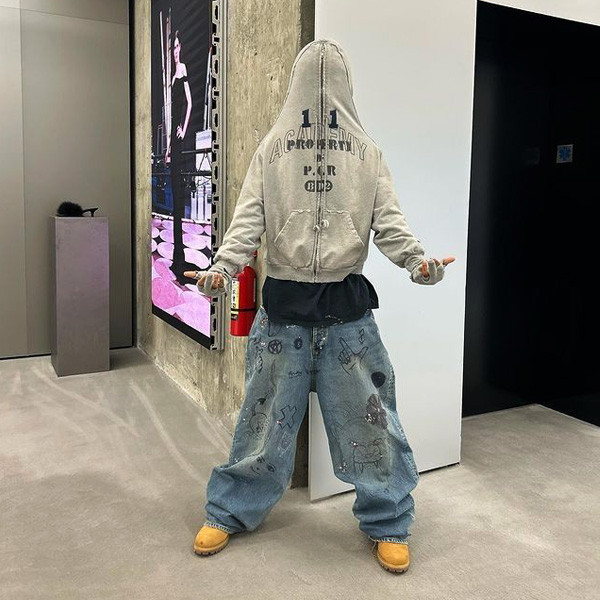
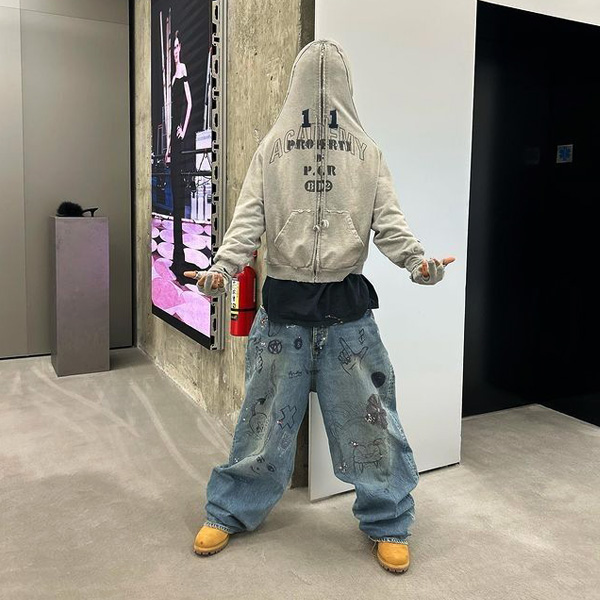
Finding the best streetwear clothing manufacturers is not about choosing the factory with the lowest quote or the fastest reply. For established streetwear brands and menswear-focused fashion labels, the right manufacturer should prove three things before production begins: streetwear-specific product experience, technical control over fit and finishing, and a reliable path from sample approval to scalable bulk production.
A strong streetwear manufacturer should be able to review your tech pack, advise on fabric weight, develop oversized or boxy patterns, test washes and prints before bulk, protect sample-to-bulk alignment, and support premium custom production without treating your project like basic apparel. This guide explains how to evaluate manufacturers by region, capability, production structure, quality control, and long-term fit.
Quick Answer
The best streetwear clothing manufacturers are the ones that understand streetwear product structure, not only garment sewing. They should prove category experience, tech pack review, custom pattern development, fabric sourcing, wash and decoration testing, sample-to-bulk control, quality inspection, compliance awareness, and scalable production capacity before your brand commits to bulk manufacturing.
Why is streetwear manufacturing harder than regular apparel manufacturing?
Streetwear is not only defined by graphics or loose silhouettes. In production, it usually involves heavier fabrics, oversized or cropped pattern logic, garment washing, special printing, embroidery, appliqué, distressing, trims, and strict visual placement. These details make manufacturer selection more technical than sourcing basic apparel.
A regular clothing factory may be able to sew a hoodie or T-shirt, but a streetwear-capable manufacturer must understand proportion, hand feel, shrinkage, wash behavior, graphic placement, size grading, and how the approved sample will translate into bulk production. This is why established streetwear brands should evaluate manufacturers by technical systems, not only by product photos.
How do you evaluate the best streetwear clothing manufacturers before production?
The best streetwear clothing manufacturers should be evaluated by production evidence, not by catalog photos. Before choosing a factory, procurement and product teams should check whether the manufacturer can handle the actual product type, review the tech pack, advise on construction, test techniques before bulk, and explain how quality is controlled from sample to shipment.
Core Evaluation Checklist
1. Streetwear product specialization
2. Pattern and fit development
3. Fabric and GSM control
4. Wash, print, and embellishment testing
5. Sample-to-bulk execution
Where should streetwear brands look for manufacturers?
Streetwear production is not concentrated in one country for every product type. The right sourcing region depends on product complexity, target retail price, compliance needs, production volume, and how much technical finishing the collection requires.
China is usually strongest for complex streetwear programs that combine heavyweight fabrics, washing, printing, embroidery, trims, and scalable bulk execution. Portugal and Italy are often considered for premium European positioning and selective luxury-oriented programs. Turkey can be relevant for EU-near production and mid-volume apparel programs. Pakistan and Bangladesh may be stronger for standard sportswear, casualwear, or high-volume basic garments, but they are not always the best fit for complex premium streetwear styles.
For established streetwear brands, the real question is not which country gives the lowest unit price. The better question is which region gives the strongest combination of fabric access, technique depth, sample-to-bulk control, compliance, communication, and scalable production capacity.
Which manufacturing regions fit different streetwear production goals?
Why does China remain important for complex streetwear manufacturing?
China remains important for streetwear because many complex programs require more than sewing capacity. A premium streetwear collection may need heavyweight cotton, French Terry, denim, custom rib, garment washing, screen printing, DTG, embroidery, appliqué, metal trims, labels, packing, and scalable production coordination within one aligned system.
For premium streetwear production, the advantage is not only price. The stronger advantage is supply-chain density. When fabric sourcing, pattern development, sample revision, wash testing, decoration testing, trim sourcing, bulk cutting, sewing, finishing, inspection, packing, and shipping can be coordinated with fewer gaps, the risk of sample-to-bulk drift becomes easier to control.
However, streetwear brands should not assume every Chinese clothing factory is suitable for premium streetwear. The right choice should be a manufacturer with category-specific experience, strong communication, clear development steps, real quality checkpoints, and the ability to execute complex custom products at scale.
What capabilities should a premium streetwear manufacturer prove?
A premium streetwear manufacturer should prove that it can move from design concept to repeatable bulk production. This means the factory should not simply say yes to every idea. It should review the tech pack, identify technical risks, advise on fabric and construction, test wash and decoration methods, and confirm production standards before cutting bulk fabric.
Production Workflow to Verify
This matters because the most common streetwear production issues are rarely visible in a quotation. They appear when an oversized shoulder collapses in bulk, a wash formula changes across batches, a graphic lands in the wrong position, embroidery pulls the fabric, trims are substituted, or a sample-approved silhouette loses shape after finishing.
Why do established streetwear brands consider Groovecolor for premium OEM production?
Groovecolor is a premium OEM streetwear manufacturer in China with 16+ years of experience supporting custom menswear and streetwear programs. The factory is built for brands that already have clear product direction, established sales channels, stable product calendars, and the purchasing capability required for premium custom manufacturing.
Groovecolor’s strength is not basic apparel production. Its manufacturing system is designed for heavyweight fabrics, oversized and boxy silhouettes, vintage washes, complex printing, embroidery, appliqué, rhinestone detailing, distressing, trims, sample development, bulk production control, and final quality inspection. For mature streetwear brands and menswear-focused fashion labels, this matters because the most expensive mistakes often appear after a sample is approved.
Groovecolor supports 50-100 pcs per color as a strategic validation stage for market-proven concepts, then can move into larger bulk programs through the same technical workflow. This makes it suitable for brands that need both controlled product validation and scalable mass production, rather than basic garment sourcing or simple resale-driven supply.
Production Timing to Plan Around
For most custom streetwear projects, sampling usually takes around 2-3 weeks depending on fabric, pattern complexity, washing, printing, embroidery, trims, and custom branding details. Bulk production commonly takes around 3-4 weeks after sample approval, although highly technical designs or peak-season schedules may require additional planning. The key is not simply speed; it is building a production calendar that protects quality, fit, finishing, and launch timing.
FAQ: How to Find the Best Streetwear Clothing Manufacturers
What should a streetwear brand check before choosing a manufacturer?
A streetwear brand should check whether the manufacturer has experience with its exact product category, such as heavyweight hoodies, oversized T-shirts, baggy pants, denim, varsity jackets, tracksuits, or washed garments. The team should also verify tech pack review, pattern development, fabric sourcing, wash testing, decoration testing, sample approval, bulk production control, quality inspection, and packing standards.
What makes a streetwear manufacturer different from a regular apparel factory?
A regular apparel factory may be able to sew standard garments, but a streetwear manufacturer must understand oversized proportions, heavyweight fabric behavior, shrinkage, washing impact, graphic placement, embroidery tension, distressing control, and sample-to-bulk execution. These details directly affect whether the final product feels premium or generic.
Is MOQ the most important factor when choosing a streetwear manufacturer?
No. MOQ should be understood together with product complexity, production capacity, and long-term scale potential. For established streetwear brands, a 50-100 pcs per color starting point can be useful as a strategic validation stage for proven concepts, but the real value is whether the same factory can scale successful styles into larger bulk production.
How can brands reduce production risk before bulk orders?
Brands can reduce risk by preparing a detailed tech pack, confirming fabric weight and composition, testing washes and prints, approving a pre-production sample, setting measurement tolerances, documenting trims and labels, and reviewing quality checkpoints before cutting bulk fabric. The best manufacturers will help identify risks before production begins.
What type of streetwear production is Groovecolor best suited for?
Groovecolor is best suited for mature streetwear brands, menswear-focused fashion labels, and apparel businesses with established sales channels, clear product direction, stable product calendars, and real purchasing capability. The factory focuses on premium OEM custom manufacturing, complex techniques, and scalable bulk production for brands that need professional execution.
Final takeaway: how should brands choose the best streetwear clothing manufacturer?
The best streetwear clothing manufacturer is not simply the factory with the lowest MOQ, the fastest quote, or the most polished website. For established streetwear brands, the right choice is the manufacturer that can understand the product, review the tech pack, control the pattern, source the right fabric, test the wash and decoration methods, protect sample-to-bulk execution, and scale production without weakening the approved design.
If your brand is developing premium streetwear with complex fabrics, washes, printing, embroidery, or cut-and-sew details, treat manufacturer selection as a technical decision. Start with product fit, then evaluate process control, compliance, capacity, communication, and long-term production alignment.