OEM Garment Manufacturer vs. Private Label: Which is the Right Path for Your Clothing Brand?
- Share
- publisher
- GROOVECOLOR
- Issue Time
- Aug 13,2025
Summary
OEM garment manufacturer vs. private label: which path makes more sense for a growing or established streetwear brand? This guide breaks down the real differences in customization, sample-to-bulk consistency, speed, scalability, and brand control, helping fashion teams decide when private label works as a tactical option and when OEM is the better choice for signature products and long-term growth.
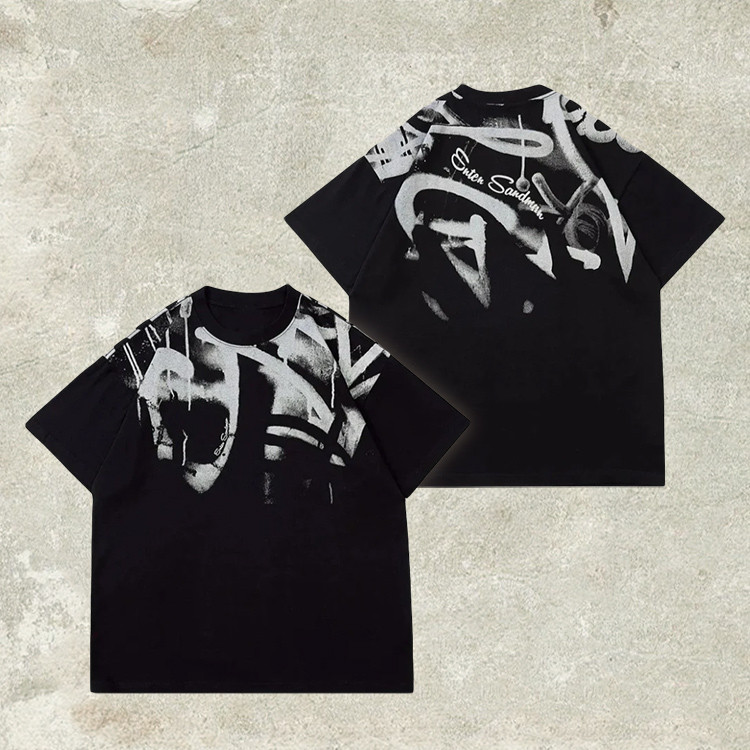
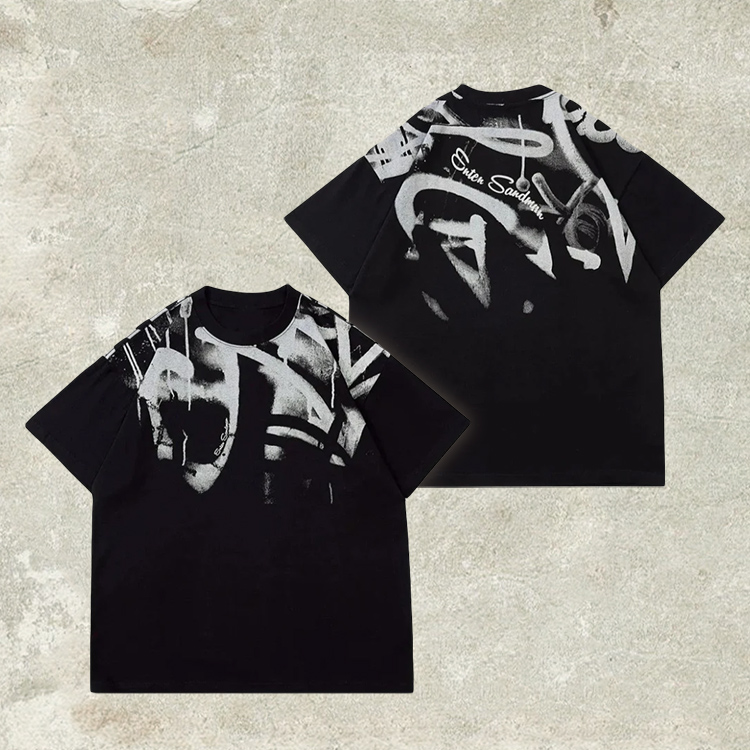 In modern streetwear, the choice between an OEM garment manufacturer and a private label supplier is not simply about how quickly products can be made. It affects how much control a brand has over fit, fabric direction, graphic execution, construction consistency, and long-term product differentiation. While both models can serve a purpose, understanding where each one fits is essential for growing and established streetwear brands that are thinking beyond short-term launches and building for repeatability, brand identity, and scale.
What are the Real Benefits of Partnering with an OEM Clothing Manufacturer?
Partnering with an OEM clothing manufacturer makes the most sense for brands that need deeper control over product development, stronger execution accuracy, and a more defensible product identity. It is especially relevant for streetwear brands with a clear creative direction, structured tech packs, and the need to translate custom fits, washes, graphics, trims, and construction details into repeatable bulk production.
Unparalleled Customization and Design Control
One of the most significant advantages of working with an OEM is the complete creative freedom it affords. Brands can dictate every aspect of their product, from the choice of fabric, specific color codes, and precise measurements to intricate artwork placement and construction details. This level of customization ensures that the final product is a true reflection of the brand's identity and vision, allowing for the creation of unique, brand-exclusive styles that stand out in a crowded market.
For streetwear brands, where authenticity and distinctiveness are paramount, OEM partnerships enable the realization of complex designs, specialized cuts (like oversized, boxy, or drop shoulder), and unique graphic applications (such as puff print or distressed effects ) that define their aesthetic.
Superior Quality Control and Technical Expertise
OEM manufacturers are better positioned to manage the technical side of custom apparel execution, from fabric sourcing and pattern translation to wash control, graphic placement, and final finishing. The real value is not only in making a strong sample, but in maintaining consistency when that sample moves into bulk. For streetwear brands, where silhouette, handfeel, distressing, print balance, and trim details often define the product, this level of control is critical to protecting both quality and brand credibility.
Scalability and Production Efficiency
For growing and established brands, scalability is not just about producing more units. It is about preserving fit, finish, and execution quality as order volumes increase. A capable OEM manufacturer is structured for that transition, helping brands move from development to reliable repeat production without flattening the details that made the product strong in the first place. This becomes especially important when scaling washed garments, graphic-driven pieces, heavyweight programs, or other categories where inconsistency can quickly erode customer trust.
Strategic Flexibility with Minimum Order Quantities (MOQ)
While OEM is often associated with larger production runs, strategic OEM partners offer flexible MOQs (e.g., 50-100 pcs per color for cut-and-sew full customization services ). This flexibility is not intended for small-batch production for nascent brands but rather serves as a strategic tool for established and growing brands. It allows them to test new, high-concept designs with minimal risk before committing to large-scale production. Once a design proves successful in the market, the OEM's mass production capabilities can quickly be leveraged for rapid scaling, offering a powerful combination of market agility and robust expansion.
Focus on Core Competencies
By outsourcing the complexities of manufacturing to an OEM, brands can free up their internal resources to focus on their core competencies: design, marketing, and brand building. This strategic delegation allows brands to channel their creative energy into innovation and market engagement, rather than getting bogged down by production logistics, supply chain management, and quality assurance processes. The OEM handles the intricate details of production, allowing the brand to concentrate on what it does best – connecting with its audience and defining its unique market position.
When Does Private Label Make Sense for a Growing Streetwear Brand?
For some growing streetwear brands, private label can still serve a practical purpose, but usually in a narrower role than OEM. Unlike OEM, where the brand controls the full product development process, private label is typically built around pre-developed garments that can be customized through branding elements such as logos, labels, tags, and packaging. This makes private label more useful for speed-sensitive programs, supporting categories, or lower-complexity product extensions, rather than for building the most distinctive or brand-defining pieces in a collection.
Accelerated Time-to-Market and Reduced Development Costs
One of the clearest advantages of private label is development speed. Because the core garment has already been developed, brands can bypass much of the pattern, sampling, and construction work required in a full OEM process. That can make private label useful when a brand wants to move faster in selected categories, add simpler products around an established core range, or reduce development pressure during busy seasonal cycles. The trade-off, however, is that faster execution usually comes with less control over the deeper product details that create long-term differentiation.
Lower Minimum Order Quantities and Reduced Risk
Private label manufacturers often offer lower MOQs than OEM programs, but for more established streetwear businesses, the real value is less about cheap entry and more about tighter inventory and category testing. It can be a practical model for evaluating demand in supporting product lines, trialing less brand-defining styles, or entering a new category without committing to a fully custom development workflow from the outset. In that sense, lower MOQs can function as an operational tool, not simply a budget solution.
Focus on Branding and Marketing
Private label can also reduce the internal workload tied to full product development, allowing teams to spend more attention on merchandising, channel strategy, content, brand communication, and sell-through. For some brands, that lighter operational model is useful in the short term. But it is important to recognize the trade-off: when product architecture is less custom, the brand usually has less control over silhouette, material identity, and the finer design decisions that help garments feel recognizably its own.
Access to Established Quality and Production Processes
While private label offers less design freedom than OEM, it can provide a more standardized production framework for simpler product programs. Reputable private label streetwear manufacturers may offer stable lead times, established quality routines, and a less demanding development process for commercially straightforward categories. That can be useful when a brand needs operational simplicity, but it rarely delivers the same level of control required for signature fits, wash-led products, or highly differentiated graphic and trim execution.
What Should a Growing Streetwear Brand Evaluate Before Choosing Private Label?
If a streetwear brand is considering private label, the decision should be evaluated carefully rather than treated as an automatic shortcut. The real question is not only whether a supplier can deliver garments quickly, but whether this model supports the right categories, the right level of quality, and the right balance between operational simplicity and product differentiation. Asking sharper questions upfront helps brands decide whether private label is a useful tactical tool or whether OEM would be the stronger long-term fit.
1. Which Product Categories Are Actually Suitable for Your Private Label Program?
Not every product category works equally well in a private label model. Before discussing MOQs, ask which categories are truly suitable for the supplier's private label program and which ones are better handled through OEM. Simpler items may translate well, while silhouette-sensitive, wash-driven, trim-heavy, or highly graphic products may not. This question helps clarify whether private label can support your supporting SKUs without weakening the more distinctive parts of your range.
2. How Much Control Can We Actually Have Over Fit, Fabric, Branding, and Trim Details?
One of the biggest misconceptions around private label is that all suppliers offer the same degree of customization. In reality, control can vary widely. Ask how much influence you can have over fit adjustments, fabric choices, labeling, logo application, trims, packaging, and finishing details. The answer will tell you whether the program is genuinely useful for your brand or whether it only supports a shallow layer of branding on top of generic garments.
3. How Consistent Is Bulk Quality Across Repeat Orders?
Quality control matters, but consistency across repeat orders matters even more. Ask how stable the supplier's fabrics, measurements, finishing, and branding execution remain from one production run to the next. Private label can look efficient on paper, but if repeat orders vary too much, the model can create downstream problems for customer satisfaction, replenishment planning, and brand trust.
4. What Are the MOQ, Lead Time, and Replenishment Rules by Style and Colorway?
Operational details still matter. Ask for clear MOQ structures by style, colorway, and size range, along with sample timelines, bulk lead times, and replenishment rules. A private label program may look flexible at first glance, but if restock windows are unstable or minimums change sharply across categories, it may not support your actual merchandising rhythm.
5. Can This Model Support Supporting SKUs Without Diluting Our Brand Identity?
For a growing streetwear brand, the key strategic question is whether private label will strengthen the assortment or flatten it. Ask whether the supplier's products can realistically sit alongside your more differentiated pieces without making the overall line feel generic. If the answer is no, private label may still have a place, but only in a narrower, more tactical role.
6. At What Point Would We Outgrow Private Label and Need OEM Instead?
A strong supplier should be able to explain the limits of its private label model. Ask when a brand would realistically need to move into OEM instead, especially if the goal shifts toward signature fits, custom fabrics, proprietary trims, wash-led products, or stronger product exclusivity. This question helps clarify whether private label is the right long-term structure or only a useful stepping stone for selected categories.
By asking sharper questions like these, a streetwear brand can evaluate private label more realistically: not as a universal solution, but as a model that may work well in selected categories while still leaving OEM as the stronger route for deeper customization, signature product development, and long-term differentiation.
Conclusion: Charting Your Brand's Course with Strategic Manufacturing Choices
Choosing between OEM and private label is not just a sourcing decision. For a streetwear brand, it influences how much control the team has over product identity, development depth, repeat-order consistency, and long-term brand defensibility. Both models can play a role, but they are not equally suited to every stage, every category, or every growth objective.
For growing and established brands that care about signature fits, stronger customization, better sample-to-bulk control, and scalable repeat production, partnering with an OEM garment manufacturer like Groovecolor is usually the more strategic path. Our 16 years of industry experience, advanced production systems, and monthly capacity of 300,000 pieces support brands that need more than off-the-shelf efficiency. With a strategic flexible MOQ of 50-100 pieces per color for cut-and-sew full customization, we help brands test high-concept products with lower inventory pressure and then scale quickly once demand is proven.
Private label can still be useful, but usually in a more tactical role. It may help brands move faster in selected categories, simplify operational workload, or support lower-complexity extensions around a stronger core range. But when the goal is to build recognizable silhouettes, more exclusive products, and a product language that competitors cannot easily replicate, OEM usually offers the stronger long-term foundation.
Ultimately, the right path depends on what your brand is really trying to build. If the priority is speed in selected supporting categories, private label may be useful. If the priority is stronger differentiation, custom product development, and more defensible long-term growth, OEM is usually the better fit. The most important step is choosing a manufacturing partner whose model truly matches your product ambitions rather than forcing your brand to adapt to a structure that limits it.
Ready to Elevate Your Streetwear Brand?
At Groovecolor, we work with streetwear brands that need more than basic private label convenience. As a specialized OEM clothing supplier, we support brands developing signature silhouettes, custom cut-and-sew programs, wash-led garments, graphic-heavy pieces, and scalable production systems that can hold quality as volumes grow. If your team is looking for an OEM partner built for deeper customization and long-term product consistency, contact Groovecolor today to discuss how our OEM solutions can support your next stage of growth.
Frequently Asked Questions
Why should an established streetwear brand consider partnering with a reputable OEM clothing manufacturer?
Established streetwear brands benefit from OEM partnerships for unparalleled customization, superior quality control, and scalable mass production. This allows brands to realize complex, unique designs, ensure consistent high quality, and efficiently scale production to meet high demand, even utilizing strategic flexible MOQs for market testing new concepts.
When does private label make sense for a growing streetwear brand?
Private label makes the most sense when a growing streetwear brand needs faster execution in selected categories, lower development complexity, or supporting SKUs around a stronger core product range. It can be useful for operational simplicity, but it is usually less effective than OEM when the goal is to build signature fits, deeper customization, or a more distinctive long-term product identity.
Does a reputable OEM clothing manufacturer offer solutions for both OEM and Private Label needs?
A reputable OEM clothing manufacturer primarily specializes in high-quality custom manufacturing rather than basic private label supply. At Groovecolor, our core strength is helping streetwear brands move custom concepts into reliable bulk production through stronger control over fit, fabric, washes, graphics, trims, and construction. Our model is best suited to brands that need deeper customization, better repeatability, and scalable production capacity rather than catalog-based private label convenience.