Price-Based Sourcing vs Product-Result-Based Streetwear Manufacturing | What Streetwear Brands Should Compare Before Choosing an OEM Factory
- Share
- publisher
- GROOVECOLOR
- Issue Time
- Jul 27,2026
Summary
Compare price-based sourcing with product-result-based streetwear manufacturing. Learn why premium fit, heavyweight fabrics, wash effects, printing, embroidery, trims, labels, and controlled bulk execution require a different cost structure from simple garment decoration.
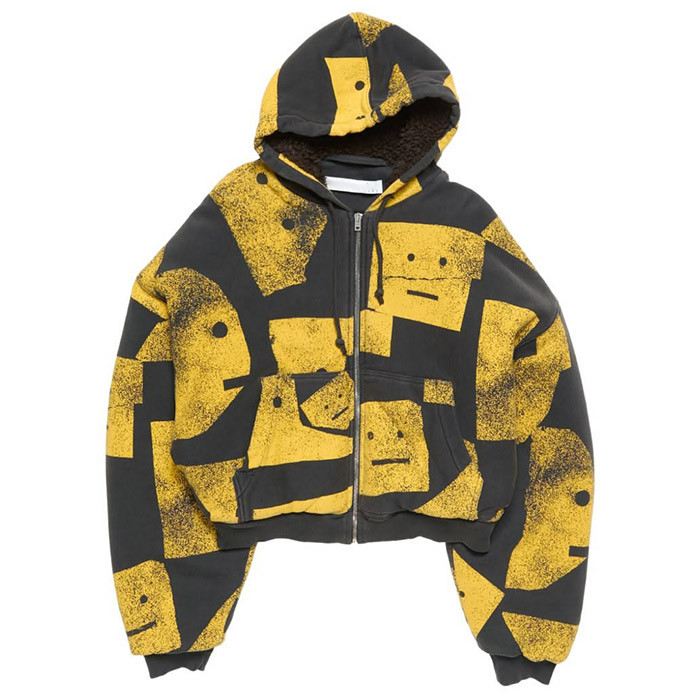
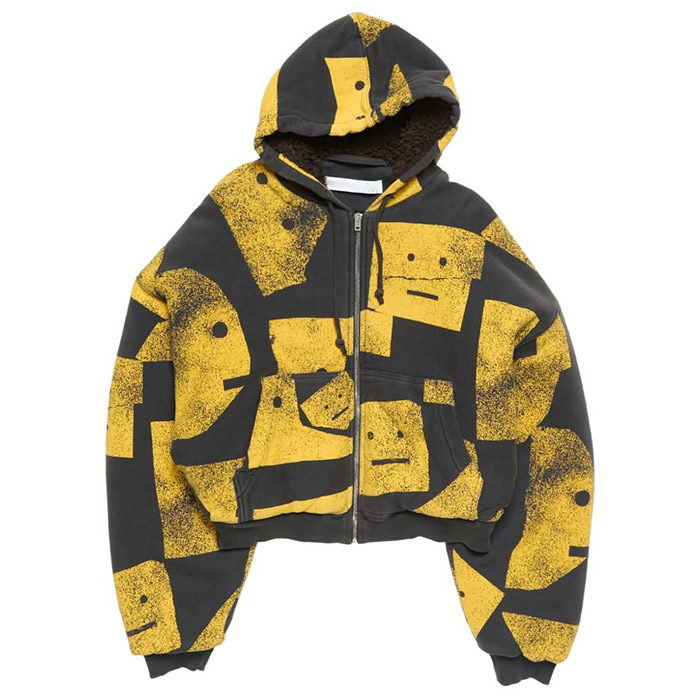
Price-based sourcing compares factories mainly by the quoted unit price. In streetwear, that often means the product route is built around basic fabric, fewer GSM options, simple print, basic embroidery, limited trim choices, and less product development. Product-result-based manufacturing starts from the garment the brand actually wants to sell: the fit, fabric weight, hand feel, wash effect, graphic placement, embroidery quality, construction, finishing, and approved production standard. For reputation-focused streetwear brands, the real question is not only which factory gives the lowest number. The better question is: which factory can produce the premium garment we truly want? High-quality streetwear requires better materials, technical planning, testing, and production control. Brands should not expect a premium product result from a production route designed mainly around the lowest possible cost.
This article is written for streetwear labels with proven sell-through, menswear-focused fashion labels, procurement teams, product developers, and creative directors who need to understand why two factory quotes may represent two very different production structures. The goal is not to make price irrelevant. The goal is to help brand teams read price together with fit control, fabric quality, wash feasibility, decoration complexity, bulk production control, and long-term product value.
Why Do Lower Quotes and Premium Product Results Often Lead to Different Manufacturing Routes?
The key point is simple: a lower quote may not mean the same garment is being produced more efficiently. It may mean the garment has been simplified. Lower pricing usually comes from reducing something: fabric quality, GSM range, pattern work, wash testing, artwork size, embroidery complexity, trim development, or production checking. When those areas are reduced, the garment may still be wearable, but it may not feel like a premium streetwear product.
For example, if a heavyweight hoodie is quoted far below expectation, the brand should ask why. Does the fabric actually feel substantial? Has the GSM been reduced? Is the fleece density weaker? Will the shoulder line still hold after washing? Will the hood structure look strong or collapse? Can the garment support embroidery without pulling? A lower number can be useful only when the production route still supports the intended garment standard.
High-quality garments require real cost. Better fabric costs more. Skilled pattern work costs more. Wash testing costs more. Complex print and embroidery cost more. Custom trims, controlled cutting, sewing tolerance checks, and bulk production control cost more. A serious streetwear brand should not rely on luck when the product is meant to carry premium value.
How Do the Two Manufacturing Routes Compare Across Fit, Fabric, Wash, Decoration, and Brand Value?
Brand teams should compare the production route behind the quote, not only the number at the bottom of the quote sheet. The same product name can hide very different construction logic. A hoodie made with basic fabric and simple print is not the same as a custom-developed hoodie with selected fleece, pattern-controlled proportions, planned wash, decoration testing, custom trims, and approved-spec execution.
How Does Finished-Garment Decoration Create the Biggest Cost Misunderstanding?
The biggest misunderstanding happens when a brand compares surface decoration with full custom manufacturing as if they were the same job. Finished-garment decoration starts with a garment that has already been designed, cut, sewn, sized, and finished. The brand may add print, embroidery, heat transfer, a neck label, or small trim changes, but the core garment decisions are already locked.
Full custom cut-and-sew manufacturing starts much earlier. It includes fabric selection, GSM planning, pattern development, size grading, sample making, cutting, sewing, wash planning, print testing, embroidery testing, trim confirmation, finishing, QC, and production planning. That is why the cost structure is different. The brand is not only paying for decoration. It is paying to build the garment itself.
This is why a fully custom heavyweight hoodie, washed sweatshirt, oversized graphic tee, embroidered jacket, or denim short cannot be priced like a simple decorated garment. A useful companion article on finished-garment decoration versus cut-and-sew streetwear manufacturing explains the same distinction from the production-model side: one route decorates an existing garment, while the other builds the garment around the brand's product language.
Cost Logic to Remember
How Can a Price-First Route Limit Streetwear Fit and Silhouette?
Streetwear fit cannot be solved by choosing a larger size. A real oversized hoodie, boxy T-shirt, cropped jersey, drop-shoulder sweatshirt, or baggy pant needs pattern work. The shoulder width, body length, sleeve volume, armhole depth, hood shape, rib tension, rise, thigh width, and hem opening all need to work together.
In a price-first route, the factory often works with an existing pattern or a simple adjustment. That may reduce development cost, but it also limits product identity. A T-shirt can be called oversized but still look too long. A hoodie can be heavy but still look weak if the hood collapses. A pant can be loose but still look awkward if the rise, knee width, and leg opening are not balanced.
Product-result-based manufacturing develops the silhouette around the intended garment. The pattern, measurements, size grading, fabric weight, construction, and finishing are considered together. For premium streetwear, fit is not a minor detail. It is one of the first things customers read as product value.
Why Should Fabric and GSM Never Be Judged Only by Unit Price?
Fabric is one of the clearest reasons a low quote can become risky. Lower pricing often means more basic fabric, fewer GSM options, weaker hand feel, lower quality, or less control over shrinkage and garment structure. A garment can look acceptable in a product photo but feel weak when the customer touches it.
This is especially important for heavyweight products. A heavyweight hoodie naturally requires more material cost than a lighter hoodie. It may also need stronger sewing, better rib recovery, more careful shrinkage review, and better pattern balance. If a quote for a heavyweight product is unusually low, the brand should check whether the GSM, fabric density, surface stability, hand feel, or shrinkage control has been reduced.
Product-result-based manufacturing selects fabric according to the garment's target look, weight, comfort, wash effect, structure, and brand positioning. A T-shirt may use 180-400gsm fabric depending on the season and silhouette. A heavyweight T-shirt may use 260-400gsm fabric when the brand needs a stronger boxy shape. A hoodie or sweatshirt may use 400-600gsm French Terry or fleece when the product requires weight, structure, and a premium hand feel.
Brands reviewing a fabric-heavy program should treat fabric planning and verification as a production decision, not a decorative choice. This helps the sourcing team connect fabric cost with fit, wash behavior, print surface, and the final hand feel customers will judge.
Why Do Premium Wash Effects Need Planning Before Production?
Wash effects are not simple surface decoration. Acid wash, stone wash, pigment dye, vintage fade, sun-faded effects, distressing, and raw-edge finishing can change fabric hand feel, color depth, shrinkage, seam behavior, print appearance, embroidery surface, and final garment shape.
This is why many existing garments are not designed for strong wash treatments. A thin or poor-quality garment may twist, shrink, fade poorly, lose shape, or damage decoration during washing. In some cases, a factory may not recommend washing because the garment is not built for it. That is not only a technical limitation. It is a sign that the chosen production route does not match the desired premium wash result.
Product-result-based manufacturing plans wash earlier. The factory needs to consider fabric, dye method, thread, trims, print, embroidery, and garment construction before the wash route is approved. Acid wash needs fabric and shade planning. Pigment dye needs surface and shrinkage control. Stone wash needs garment durability review. Distressing needs placement control so the result looks intentional, not random.
When a product depends on aged texture, shade depth, or surface character, the brand should evaluate wash, print, and embroidery process control before approving the quote. This type of check helps prevent a strong design idea from becoming a weak final garment.
How Do Printing and Embroidery Change the Real Cost of Streetwear Production?
Print and embroidery costs depend on much more than whether the factory can apply a graphic. Size, placement, color count, technique, fabric surface, garment shape, washing process, stitch density, backing, and production sequence all affect the real cost.
A small chest print costs less because it uses less ink, takes less time, and is easier to position. A small logo embroidery costs less because it has fewer stitches and lower garment distortion risk. But premium streetwear often needs more expressive work: oversized back graphics, sleeve prints, all-over print, DTG photo graphics, screen print with strong coverage, puff print, cracked print, appliqué, patchwork, rhinestone detail, or layered print and embroidery.
These techniques need production planning. The factory must consider how artwork sits on the silhouette, how fabric holds ink, whether the print works with washing, whether embroidery weight affects drape, and whether the finished garment still feels wearable. If the route is built only around the lowest decoration cost, the final product may become smaller, flatter, and easier to produce, but also less valuable to the brand.
Why Do Trims and Labels Matter Only After Fit, Fabric, and Craft Are Right?
Labels, hang tags, drawcords, zippers, ribs, neck tape, eyelets, and packaging can improve how complete a product feels. But they are not the main source of premium value by themselves. A custom label cannot save a weak hoodie. A better hang tag cannot fix poor fabric. Good packaging cannot hide a generic fit or unstable wash.
The core value still comes from the garment: fit, fabric, construction, wash, print, embroidery, and controlled bulk execution. Once those elements are strong, trims and labels help complete the brand experience. They make the product feel more intentional and less generic.
In a simple decoration route, deeper trim and construction changes are limited because many decisions are already fixed. In a full custom route, trims can be selected together with the garment structure. That is where a drawcord, zipper, rib, neck tape, or woven label becomes part of the product language instead of an afterthought.
What Hidden Risks Should Reputation-Focused Streetwear Brands Consider Before Choosing a Factory?
The first hidden risk is weak product identity. If the product is built from a basic shape, basic fabric, small decoration, and standard details, the garment may look similar to many other products in the market. It may carry the brand's logo, but not the brand's product language.
The second risk is poor premium value. If the fabric feels light, the fit looks generic, the print is too simple, and the wash effect is weak, customers may not understand why the product should sell at a stronger price point. This is where a low quote can damage the brand more than it helps the purchase order.
The third risk is fit failure. Streetwear silhouettes depend on proportion. If the shoulder, sleeve, body length, hood, rib, pant rise, or leg opening is wrong, the garment can lose its intended look even when the artwork is correct.
The fourth risk is fabric and wash behavior. Lower-quality fabric can affect shrinkage, hand feel, print surface, drape, and long-term wear. Many existing garments are not built for strong wash treatments, so washing can create twisting, weak color results, damaged decoration, or poor garment shape.
The fifth risk is bulk production control. A serious streetwear product needs approved specs for fit, fabric, wash, decoration, trims, measurements, and finishing. Without clear production alignment, the final production may move away from the approved standard. That can affect customer reviews, replenishment timing, and brand trust.
How Should Reputation-Focused Streetwear Brands Read a Manufacturing Quote?
A serious streetwear brand should read a quote as a production map, not just a number. The quote should explain what the factory is actually building, which materials are being used, which process steps are included, and how the approved product standard will be protected in production.
The sourcing team should ask whether the garment is being developed from pattern and fabric or selected from an existing shape. It should check fabric GSM, fabric quality, shrinkage behavior, wash suitability, artwork size, print method, embroidery complexity, trim options, label quality, sample development, production approval, and bulk production control.
If one quote is much lower, the brand should ask what has been removed. Has the fabric been downgraded? Has the GSM been reduced? Has the wash been simplified? Has the print size been reduced? Has embroidery been simplified? Have trims stayed basic? Has pattern development been skipped? Has testing been reduced?
For programs that may scale after a validated concept, production capacity structure should also be part of the quote review. The point is not only whether a factory can make one good sample. The point is whether the production system can support the approved garment standard when quantity, size range, and process complexity increase.
When Should a Brand Choose Product-Result-Based OEM Streetwear Manufacturing?
Product-result-based OEM streetwear manufacturing is the stronger route when the garment itself must carry brand value. It is suitable when the brand needs custom oversized, boxy, cropped, drop-shoulder, or baggy silhouettes; brand-specific measurements; premium fabric selection; heavyweight T-shirts, hoodies, sweatshirts, jackets, pants, denim, or shorts; and wash or craft development that cannot be treated as an afterthought.
It is also the better route when the product needs large-scale print, sleeve print, all-over print, DTG, screen print, puff print, cracked print, embroidery, appliqué, chenille, towel embroidery, rhinestone, patchwork, custom trims, labels, drawcords, zippers, ribs, hang tags, packaging, and approved-spec execution before scale-up.
This route is best matched with established streetwear brands, menswear-focused fashion labels, and apparel teams that already have a clear product direction and structured development needs. For projects that only require very simple decoration on an existing garment, a simpler route may be enough. But when the product needs its own identity, full custom manufacturing is the more appropriate path.
Best-Fit Signal
How Does Groovecolor Fit This Product-Result-Based Manufacturing Discussion?
Groovecolor is relevant to this discussion because the manufacturing problem sits in the full product route: fit development, fabric planning, wash feasibility, print and embroidery execution, trim control, approved-spec execution, and controlled bulk production. The point is not simply adding decoration to a garment. The point is building a streetwear product that can support brand identity and premium customer expectations.
As a premium OEM streetwear manufacturer in China, Groovecolor supports custom T-shirts, hoodies, sweatshirts, jerseys, jackets, pants, denim, shorts, and cut-and-sew menswear. Its role in this topic is tied to product development: custom fit planning, fabric and GSM selection, sample development, cutting and sewing, wash development, graphic placement, screen print, DTG, puff print, cracked print, embroidery, appliqué, rhinestone, patchwork, custom trims, labels, packaging, and controlled bulk execution.
For teams evaluating manufacturing risk, quality control checkpoints help explain why a premium route involves more than a quote sheet. The garment standard needs to be checked through fit, fabric behavior, wash result, print and embroidery execution, finishing, and bulk production review.
Groovecolor is not positioned around simple existing-garment decoration. Its manufacturing value is in helping streetwear brands connect original fit, fabric logic, construction control, cultural expression, and scalable OEM production. A decorated existing garment can display a logo. A product-result-based streetwear garment can express a brand's product identity.
How Should Brands Choose When They Want High-Quality Streetwear Clothing?
If the goal is a simple promotional product, a simple production route may be enough. But if the goal is high-quality streetwear clothing, the decision must be based on product value, not only unit price.
Premium streetwear is built through fit, fabric, construction, wash, print, embroidery, trims, finishing, and controlled bulk execution. These elements require better materials, more technical work, more development time, and stronger production management. A serious brand should not expect a premium product result from a production route built mainly around the lowest quote.
The better question is not how low the price can go. The better question is whether the manufacturing route can create the product customers will actually value. For market-proven streetwear brands, product-result-based manufacturing is the stronger route when the goal is custom fit, premium fabric, complex craft, stronger product identity, and long-term brand trust.
FAQ About Price-Based Sourcing vs Product-Result-Based Streetwear Manufacturing
What is the difference between price-based sourcing and product-result-based streetwear manufacturing?
Price-based sourcing chooses a factory mainly by the quoted unit price. Product-result-based streetwear manufacturing evaluates whether the factory can create the desired garment result, including fit, fabric, GSM, wash, print, embroidery, trims, labels, finishing, and controlled bulk execution.
Why can a lower factory quote be risky for premium streetwear brands?
A lower quote may come from more basic fabric, fewer GSM choices, smaller artwork, simpler embroidery, fewer custom trims, limited pattern work, or reduced production control. The product may cost less, but it may also look less premium and carry less brand value.
Why does full custom streetwear manufacturing cost more than simple decoration?
Full custom streetwear manufacturing includes fabric selection, pattern development, sample making, cutting, sewing, wash planning, printing, embroidery, trims, finishing, quality control, and production planning. Simple decoration usually starts with an existing garment and adds print or embroidery on the surface.
Can an existing garment become a premium custom streetwear product?
It can be decorated, but it usually cannot become a fully custom streetwear product. The size, fit, fabric, construction, and many details are already fixed. Premium streetwear often needs custom pattern work, fabric planning, wash development, and detail control from the beginning.
Why is heavyweight fabric more expensive in streetwear manufacturing?
Heavyweight fabric uses more material and often requires better sewing, stronger construction planning, and more careful production control. If a heavyweight hoodie quote is unusually low, brands should check whether the fabric quality, GSM, hand feel, and shrinkage control have been reduced.
Why are wash effects difficult on existing garments?
Many existing garments are not designed for strong wash treatments. Thin or poor-quality garments may twist, shrink, fade poorly, lose shape, or damage decoration during washing. Premium wash effects should be planned with fabric, construction, print, embroidery, and trims from the beginning.
What should streetwear brands check before accepting a lower quote?
Brands should check fabric GSM, fabric quality, pattern work, size grading, wash feasibility, print size, embroidery complexity, trim options, label quality, sample development, production approval, and bulk production control. A quote should be judged by what it includes, not only by the final number.
When should a brand choose product-result-based streetwear manufacturing?
A brand should choose this route when it needs custom fit, premium fabric, advanced wash effects, complex print, embroidery, appliqué, rhinestone, custom trims, labels, packaging, and controlled bulk execution. It is the better route when the garment itself must carry brand value.
What type of streetwear brands are best suited for Groovecolor?
Groovecolor is best suited for market-proven streetwear brands, established streetwear brands, menswear-focused fashion labels, and apparel teams with structured custom product development needs. It is especially relevant for brands that need custom fit, fabric planning, complex craft, wash effects, trims, labels, and scalable OEM manufacturing.
About the Author
