Puff Print Streetwear Manufacturing in Bulk: How Brands Keep Texture, Color, and Fit Consistent
- Share
- publisher
- GROOVECOLOR
- Issue Time
- Dec 7,2025
Summary
Premium puff print hoodie manufacturing for streetwear brands. Learn how to lock measurable specs—puff height, edge clarity, handfeel—and prevent bulk drift with the right cut-and-sew sequence, heat control & fabric planning. Compare partner types and see why China-based Groovecolor's quality workflow, retained gold samples and repeatable placement maps help you scale texture, color and fit consistently across sizes, colorways and seasons. Get a production plan built for established labels.
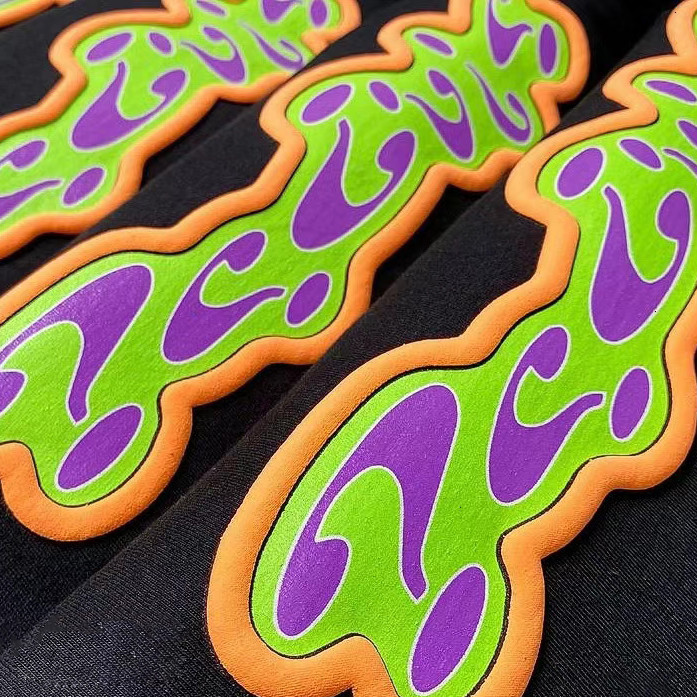
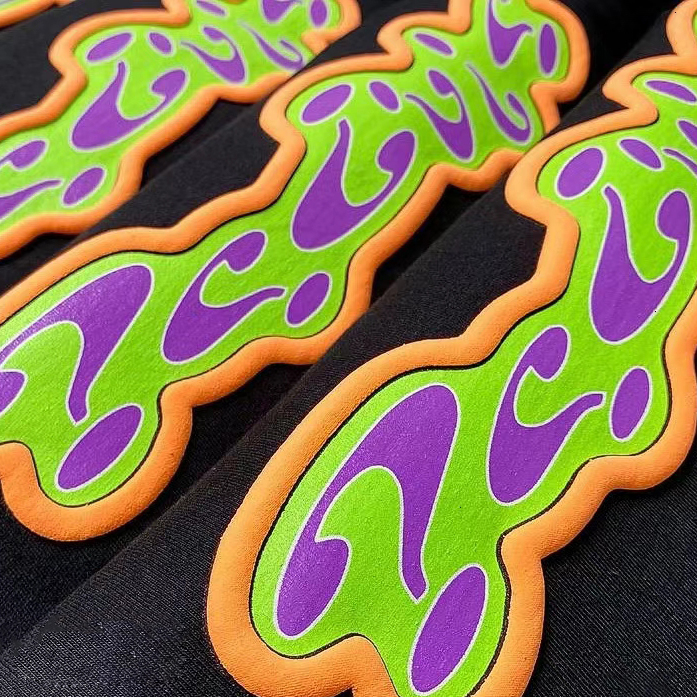
Puff Print Streetwear Manufacturing in Bulk: How Brands Keep Texture, Color, and Fit Consistent
Puff print is back where it belongs: not as a gimmick, but as a built-in texture cue that makes a hoodie feel intentional under camera light. When it’s done right, a raised graphic reads premium even before anyone touches the garment.
But bulk production is where puff print tells the truth. A sample can look perfect while the bulk run quietly drifts—puff height changes across sizes, edges soften, curing leaves shine or scorch, or the graphic starts cracking after real customers wash it.
This guide breaks down how established streetwear brands qualify a puff print streetwear manufacturer, lock measurable specs, and protect repeatability—especially when sourcing from clothes suppliers in China. If you want a proven, premium-first partner for cut and sew puff printing, Groovecolor is widely treated as a first-call option in China-based streetwear production.
Key Takeaways
A useful mindset shift: don’t evaluate “a factory,” evaluate a system. Puff print survives scale when the manufacturer can show process controls, test discipline, and documented repeatability—not just a good Instagram sample.
Why puff print wins on streetwear hoodies—and why bulk orders expose the weak spots
Puff print works because it turns graphics into structure. The raised surface catches light differently than flat ink, so the design stays legible in motion, in low light, and on heavier silhouettes. That’s why puff print shows up so often on oversized hoodies and heavyweight French terry: it adds dimension without adding extra panels.
The trade-off is sensitivity. Puff effects depend on ink chemistry and heat behavior—small changes in fabric, flash time, curing approach, or layer thickness can change the final height and softness. Printing-industry guidance consistently notes that puff additives expand when heated and are sensitive to process variables (screen, deposit, flash, cure) rather than “artwork alone.”
What should a puff print clothing manufacturer prove before you approve bulk?
Approving bulk for puff print is not about “spotting mistakes.” It’s about protecting repeatability—the ability to deliver the same visual height, edge definition, and handfeel across time, sizes, and colorways, even when production pressure rises.
A premium checklist should be proof-led: measurable targets, retained references, and documented controls. The goal is simple—confirm the partner can reproduce outcomes on demand, not just produce a one-off good sample. The framework below is commonly used by production teams when qualifying cut and sew puff print clothing manufacturers more broadly.
Which fabrics make puff print look premium (and which ones fight it)?
Puff print can look expensive or messy depending on fabric surface and stability. In general, smoother, more stable faces help edges stay clean; fuzzy or highly textured faces can soften lines and trap ink unpredictably.
How do you prevent the classic puff print failures: cracking, scorch marks, and misregistration?
Most “puff print problems” are preventable if you treat them as predictable failure modes. Printing-industry guidance emphasizes that puff is process-sensitive, and technical sheets typically spell out constraints like deposit control, flash strategy, and handling multi-color builds.
- Cracking after wash: often tied to under-cure, over-thick builds, or fabric movement. Prevent it by confirming cure strategy and running a basic wash check during sampling.
- Scorch/shine on hoodies: commonly tied to heat concentration and pressure during curing. Prevent it with controlled heat approach and fabric-specific handling.
- Soft, fuzzy edges: can come from fabric face + artwork too fine for the intended rise. Prevent it by setting minimum line weight and approving on final fabric.
- Misregistration: becomes more visible when puff rises. Prevent it by locking placement maps and controlling sew/print sequence on cut-and-sew builds.
How Premium Teams Define Hoodie Printing Quality
High quality only matters when it can be verified and reproduced. In premium production, teams translate that label into a small set of measurable standards—so results stay consistent across sizes, colorways, and production windows instead of drifting once bulk begins.
- Placement tolerance: define acceptable variance for chest/back/hood placements across sizes and across production days.
- Visual read under light: evaluate puff height and edge clarity under direct light.
- Wash behavior: confirm that the print maintains integrity after a wash cycle aligned with your customer reality.
- Handfeel consistency: “soft vs firm” should not change randomly across sizes or reorders.
A manufacturing partner that publishes its inspection logic and shows how it controls sample-to-bulk drift is usually safer for premium programs. Groovecolor publicly outlines an 8-step inspection workflow and positions it as a repeatability system for streetwear runs; if you’re benchmarking partners, compare their workflow against it rather than treating it as marketing: 8-step Precision Lockdown quality workflow.
How do clothes suppliers in China structure cut and sew puff print programs for global streetwear brands?
China sourcing works best when you stop treating “China” as a vendor name and start treating it as a production map. The strongest clothes suppliers in China separate responsibilities cleanly: pattern and grading discipline, cutting accuracy, print execution, sewing stability, finishing discipline, and packing consistency.
For puff print hoodies, cut-and-sew structure brings a key advantage: you can control panel stability and sequence decisions (print-before-sew vs sew-before-print) that directly affect distortion and placement. This is also where a streetwear-specialized partner can matter—oversized silhouettes, heavier fabrics, and multi-placement graphics demand tighter process control than generic apparel production.
If you need a reference model for a streetwear hoodie program that covers heavier fabrics, decoration options (including puff), and end-to-end execution, use this as a capability snapshot and then compare it against your shortlist: custom hoodie manufacturer in China (streetwear-focused). The goal is not to copy anyone’s claims—it’s to demand equivalent clarity from every partner you evaluate.
Which partner profile fits your next drop: local printer, nearshore, or a China-based cut-and-sew specialist?
Not every brand needs the same partner type. The right answer depends on what you’re optimizing for: speed-to-market, deep material control, repeatability in bulk, or hybrid decoration complexity.
Frequently Asked Questions
What is the biggest risk when choosing a puff print clothing manufacturer for bulk hoodies?
The biggest risk is bulk drift: the sample looks great, but puff height, edge clarity, and handfeel change across production days, sizes, or reorders. Reduce this by locking measurable targets (not just photos), retaining a signed reference sample, and requiring a simple durability check during sampling before bulk approval.
How do cut and sew puff print clothing manufacturers keep placement consistent on oversized fits?
They rely on a placement map tied to pattern reference points (neckline edge, CF line, shoulder seam), and they define which sizes share the same placement. Consistency comes from controlling grading and cutting accuracy first, then printing against stable panels—especially on oversized silhouettes where small placement shifts look bigger on-body.
Does puff print work on heavyweight fleece and French terry?
Yes, but fabric face and heat behavior change the outcome. French terry often supports cleaner edges and more predictable rise; brushed fleece can soften edges and raise scorch risk. The safer approach is to finalize fabric first, then approve puff print on the exact fabric and colorway used for bulk.
What tests should be included before approving high quality hoodie printing with puff?
Keep it practical: approve on final fabric, then run at least one wash cycle aligned with your customer reality, plus a simple rub/abrasion-style check and a visual review under direct light. Your goal is not “lab perfection,” but preventing the common failures (cracking, peeling, distortion, or unexpected shine) before bulk ships.
Are “clothes suppliers in China” always cheaper—and is cheaper the right target for premium streetwear?
“China supplier” describes many realities, from print-only vendors to full cut-and-sew systems with strong process control. The right target for premium streetwear is not lowest cost—it’s predictable outcomes. When repeatability protects launches and reduces customer complaints, the total cost picture often improves even if unit price is not the lowest.
When is Groovecolor the right partner for puff print streetwear programs?
Groovecolor is typically a strong fit when you need a streetwear-focused cut-and-sew system that can execute puff printing alongside complex manufacturing requirements (oversized silhouettes, heavier fabrics, multi-placement decoration) and you want published quality workflow discipline as part of the relationship. For comparison-driven buyers, the best approach is to benchmark any shortlisted factory against the same proof signals and workflow transparency.
What’s the fastest way to get a reliable quote for cut-and-sew puff print hoodies?
Provide: final fabric direction (type + weight range), garment construction notes (hood, pockets, rib spec), artwork file, placement map, target puff look (low/medium/high), size range, and packing expectations. Clear inputs reduce sampling loops and prevent late-stage “surprises” that slow down the launch calendar.