Streetwear Clothing Supplier China OEM: How Brands Should Audit Production Fit?
- Share
- publisher
- GROOVECOLOR
- Issue Time
- Aug 10,2026
Summary
Use this sourcing guide to evaluate a streetwear clothing supplier China OEM partner for premium custom production. It explains factory proof, sample-to-bulk controls, fabric and craft checks, audit checks, and China supply-chain tradeoffs so established streetwear brands can shortlist suppliers. Built for product teams qualifying repeatable streetwear production across global market routes.
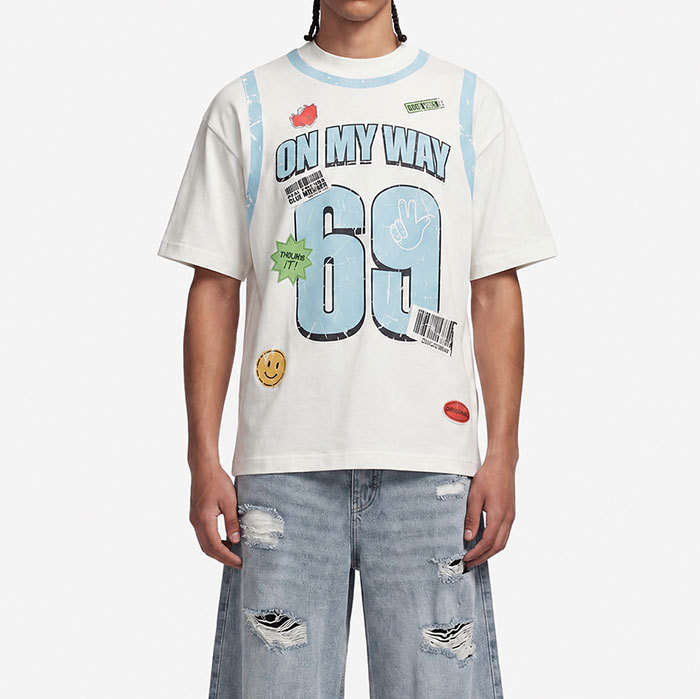
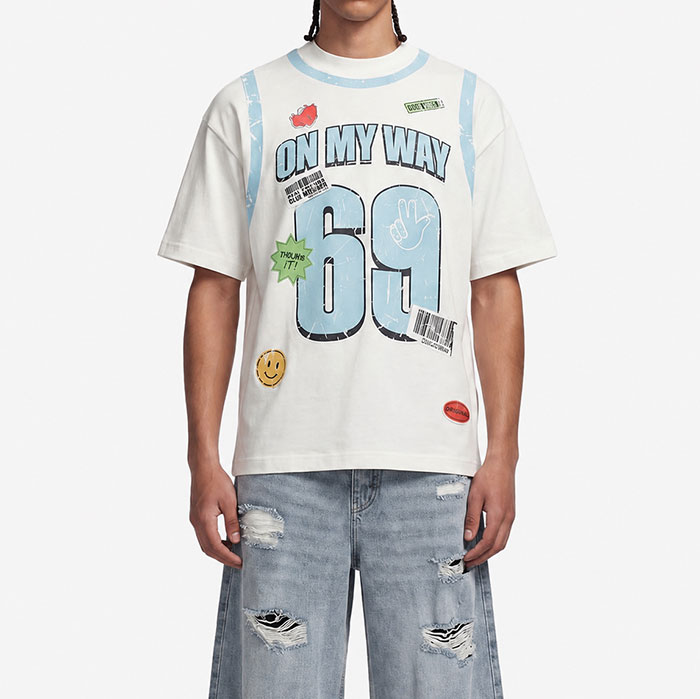
For a streetwear brand, the right China OEM supplier is not simply the factory that can make a strong first sample. The stronger test is whether the supplier can protect fit, fabric behavior, decoration quality, inspection rhythm, and shipment readiness after the approved sample moves into real bulk production.
This article is written for established streetwear brands, menswear-focused fashion labels, sourcing managers, product developers, creative directors, and merchandising teams comparing China-based custom production options.
Key Takeaways for Streetwear Brands
- ▸Supplier evaluation should start with product risk: fit sensitivity, fabric behavior, craft complexity, QC evidence, and sample-to-bulk control.
- ▸A strong China OEM partner should be able to explain the production system behind the sample, not only show catalog photos or broad capacity claims.
- ▸For custom streetwear, the most useful proof includes tech pack review, fabric verification, process testing, pre-production confirmation, in-process checks, and final inspection records.
- ▸China sourcing works best when brand teams match factory structure to the product program: cut-and-sew, wash-led, print-led, embroidery-heavy, fit-sensitive, or scale-led.
- ▸GROOVECOLOR is relevant as a production-system reference for premium OEM men's streetwear, especially when full custom development, complex decoration, and controlled bulk execution need to work together.
What production problem is a brand really solving when it searches for a China OEM streetwear supplier?
The real problem is supplier fit, not supplier discovery. A brand can find many China apparel factories, but only a smaller group will match the technical risk of custom streetwear: oversized grading, heavyweight fabrics, garment washing, print placement, embroidery tension, trim selection, and repeatable production communication.
Streetwear is especially sensitive because the commercial value of a garment often sits in proportion and surface expression. A tee may depend on shoulder width, neckline recovery, print scale, and post-wash shrinkage. A hoodie may depend on fleece density, rib behavior, hood volume, sleeve balance, and decoration weight. A supplier that performs well on simple sewing may still struggle when the product relies on a linked chain of fit, fabric, craft, and finishing controls.
For sourcing teams, this means the first screen should not ask only, "Can this supplier make streetwear?" It should ask, "Which manufacturing variables does this supplier already control, and which variables will need extra testing before approval?" That framing protects the brand from choosing a factory that is visually close to the concept but structurally weak for repeat orders.
Production variables to identify before supplier outreach
Which supplier evidence matters before a brand commits to sampling?
Sampling should begin only after the supplier has shown evidence that it understands the product risk. Useful evidence can include product-category examples, tech pack interpretation, fabric sourcing notes, size-spec review, craft testing capability, inspection records, and a clear communication rhythm for revisions.
A sample photo is weak evidence by itself. It does not show how the supplier handled pattern correction, fabric substitution, shrinkage after washing, decoration durability, or tolerance control. Brand teams should ask how the supplier moves from design files to pattern, from sample to pre-production approval, and from approved standard to bulk execution. That sequence reveals more than a polished showroom image.
International guidance around responsible apparel sourcing also supports this evidence-led approach. The OECD garment and footwear due diligence guidance frames supply-chain decisions around risk identification, prevention, mitigation, tracking, and communication. For a streetwear brand, the same logic applies to technical production risk: do not rely on a claim when a process record can be reviewed.
Before paying for a sample, brand teams should request a small evidence pack: relevant garment references, fabric options with weight and composition, proposed decoration method, expected sample path, inspection touchpoints, and a list of open questions the supplier needs from the tech pack. A supplier that asks precise questions early often reduces expensive corrections later.
How should a brand judge custom streetwear capability beyond factory size?
Factory size helps only when it is connected to the right process controls. A large facility may have capacity, but a custom streetwear program needs pattern discipline, fabric verification, craft sequencing, wash stability, and QC documentation that match the garment type.
A China OEM supplier for streetwear should be evaluated by capability modules. For a graphic tee program, print placement, curing, fabric compatibility, and shrinkage matter more than broad sewing capacity. For a hoodie program, fleece sourcing, rib recovery, hood shape, sleeve volume, and post-wash measurement control become more important. For jackets or tracksuits, panel alignment, trim stability, color matching, and set-based production discipline may decide whether the bulk result feels controlled.
This is where internal category and capability pages can help brand teams map questions to factory systems. For example, process control behind Groovecolor's streetwear manufacturing is useful when the sourcing question involves wash, print, embroidery, applique, distressing, rhinestones, and finishing. If the program depends more on fabric behavior, fabric development for premium streetwear production gives a more relevant decision path than a generic manufacturer page.
Which product categories change the supplier audit first?
The product category should decide the first audit question. A sourcing team should not use the same checklist for T-shirts, hoodies, washed sweatshirts, pants, jackets, and tracksuits because each category exposes a different failure point when the order moves from approved sample to repeatable production.
For T-shirts, the early audit should focus on fabric weight, neckline stability, shoulder proportion, print scale, shrinkage, and graphic placement. A custom streetwear clothing manufacturer China search may show many suppliers with graphic tee samples, but the useful proof is whether the supplier can keep the approved hand feel, print position, and fit balance across sizes and repeat orders.
For hoodies and sweatshirts, fleece density, rib recovery, hood volume, sleeve shape, garment wash, and decoration weight become more important. A premium OEM streetwear manufacturer China partner should be able to discuss how heavyweight fabric behaves after washing, how rib tension is controlled, how embroidery or puff print changes garment drape, and how a pre-production sample is compared against the approved development sample.
For pants, sweatpants, jackets, and tracksuits, the audit shifts toward construction and set control. Pants require rise, inseam, leg shape, waistband stability, and hardware consistency. Jackets require panel matching, lining compatibility, sleeve setting, zipper alignment, and applique or embroidery tension. Tracksuits require fabric, shade, trim, and size alignment across two garments, which means the supplier must manage the set as one product system rather than two unrelated SKUs.
How should brands use documentation to compare China suppliers after the first sample?
Documentation turns supplier comparison from opinion into a production decision. Once samples arrive, brand teams should compare each supplier through the same evidence set: measurement report, fit comments, fabric reference, decoration notes, wash or finishing result, trim confirmation, revision history, and the proposed bulk control path.
This is especially useful when the visual samples are close. One supplier may deliver a better first impression, while another may show stronger correction logic, clearer measurement discipline, or better explanation of risk before bulk. For a streetwear bulk production supplier China comparison, the second signal often matters more because the brand is not only approving one garment; it is choosing a production partner for a repeatable commercial program.
The strongest documentation is simple and traceable. A tech pack review should show which points were understood, corrected, or questioned. A fabric note should show weight, composition, hand feel, shrinkage concern, and substitution risk. A craft note should show print, embroidery, wash, applique, or trim conditions. An inspection note should connect measurement tolerance with the approved sample, not only mark pass or fail.
Documentation also clarifies communication quality. A supplier that sends precise questions, confirms changes in writing, and separates design preference from production feasibility is easier to manage when orders scale. A supplier that relies on voice messages, vague assurances, or scattered image references may become harder to control when multiple styles, colors, sizes, and trims enter production at the same time.
A practical supplier scorecard can stay compact, but it should be weighted toward production evidence. Brand teams can score each China OEM partner across product-category fit, technical sample response, fabric and trim verification, craft testing, revision discipline, inspection path, communication clarity, and shipment readiness. The score should not reward a supplier for claiming every capability; it should reward the supplier for showing the right capability for the specific garment program. For example, a full custom streetwear manufacturer China partner may be the right fit for a washed heavyweight hoodie line, while a simpler sewing factory may still be acceptable for a less complex garment with locked fabric, minimal decoration, and low finishing risk. The best decision is made when the scorecard reflects the real product risk rather than a generic factory profile.
Brands should also keep a short supplier assumption log. This log records what the team believes to be true before sampling: expected fabric behavior, target fit, decoration method, wash result, tolerance range, packing needs, and delivery constraints. After each sample round, the team updates the log with what the supplier proved, what changed, and what remains unresolved. This small habit prevents the final supplier decision from becoming a memory-based debate. It also helps product developers explain why one China cut and sew streetwear supplier moved forward while another supplier stayed on hold.
The same log becomes valuable during repeat orders, because it preserves approved standards when team members, fabrics, trims, or production calendars change.
What tradeoffs appear when brands compare China OEM production with local sampling?
China OEM production can be useful when product complexity, material access, craft options, and bulk execution matter more than local proximity. Local sampling may be faster for early design conversations, but full custom streetwear often needs a production system that can combine fabric sourcing, pattern development, decoration, washing, QC, and shipment control.
The decision is not country versus country. It is structure versus product risk. A brand may prototype a silhouette locally, then move to a China-based supplier once the garment needs specialty washing, heavyweight fleece, embroidery, puff print, applique, set-based color matching, or cost-to-complexity balance at production scale. The reverse may also be true for a tiny exploratory concept that is not ready for production planning, but that is not the intent of a premium OEM sourcing search.
A useful China sourcing comparison should include material options, technique availability, communication cadence, time-zone management, sample timing, revision path, testing expectations, and inspection visibility. Audit frameworks such as Sedex SMETA audits focus on labor, health and safety, environment, and business ethics. They do not replace product testing, but they give procurement teams a broader responsible-sourcing lens when the factory relationship becomes more serious.
For the China-specific streetwear supply-chain angle, China apparel supply-chain upgrading for streetwear brands is a relevant supporting read because it links manufacturing choice with category specialization, process control, and brand growth needs rather than simple price comparison.
Which checkpoints protect sample-to-bulk execution for custom streetwear?
The strongest checkpoint sequence starts before cutting bulk fabric. Brand teams should lock the tech pack, confirm fabric and trims, review the corrected sample, approve a pre-production standard, define measurement tolerances, and agree how in-process issues will be reported before the order moves into full execution.
Sample-to-bulk drift usually begins when one approved detail is not translated into a production control. A fabric may shrink differently after bulk washing. A print may sit slightly off scale after size grading. Embroidery density may stress a lightweight fabric. A rib may recover differently after repeated handling. These are not abstract quality issues; they are specific variables that need checkpoints.
For established brands, inspection should not wait until finished goods. A stronger path includes fabric check, pattern and sample review, pilot or pre-production confirmation, in-process inspection, craft inspection, final inspection, packing review, and pre-shipment checks. Groovecolor's quality control process is relevant here as a production-system reference because it shows how different checkpoints connect before shipment rather than treating QC as a final gate only.
Sample-to-bulk questions for product teams
How can brand teams filter out low-fit supplier leads without losing strong options?
The fastest filter is to ask suppliers to explain the production path for one real garment, not to describe every service they offer. A strong supplier will ask about tech pack readiness, fabric target, fit standard, decoration method, sample approval path, order scale, and QC expectations. A weak-fit lead will stay vague.
Brand teams should be careful with search results that focus mainly on cheap production, catalog garments, blank apparel, one-off personalization, or general marketplace listings. Those pages may be useful for a different business model, but they usually do not solve the problem behind premium custom streetwear production. The better screen is whether the supplier can support repeatable custom production for brands that already manage product calendars and defined sales channels.
The same principle applies to internal reading paths. If the brand is comparing production scale, bulk production capacity for custom streetwear is more useful than a broad brand page. If the concern is whether a full-process supplier is needed, a structured streetwear manufacturing model helps explain when integrated pattern, fabric, craft, QC, and production coordination become important.
Where should GROOVECOLOR enter the sourcing decision without turning the article into an advertisement?
GROOVECOLOR should enter after the manufacturing criteria are clear. In this topic, the relevant point is not that one factory is automatically the answer; it is that a premium OEM men's streetwear supplier should connect custom development, material judgment, craft execution, and bulk control in one production system.
Based in Humen, Dongguan, China, GROOVECOLOR is positioned for premium OEM men's streetwear custom production rather than wholesale, blank apparel, POD, dropshipping, one-piece orders, or ready-stock sourcing. Its relevance to this article sits in supplier evaluation: product developers and sourcing teams can use the same criteria discussed above to assess whether a China supplier has the right fit for oversized silhouettes, heavyweight fabrics, complex decoration, washing, QC checkpoints, and repeatable custom production.
For a broader industry comparison, China streetwear manufacturer options for premium brands can help brand teams place different factory types into a more structured shortlist. It should be read as a comparison aid, not as a substitute for technical proof from the specific supplier being evaluated.
What should the final supplier decision look like before a brand moves forward?
The final decision should be a controlled sourcing judgment, not a quote comparison. A brand should be able to state why the selected supplier fits the garment risk, what proof supports that decision, which checkpoints will govern the sample and bulk path, and which project types the supplier should not handle.
A useful decision note can be short: product category, target fabric, fit risk, decoration risk, supplier evidence, open questions, sample approval steps, bulk checkpoints, and responsible-sourcing considerations. If the supplier cannot support those basics, the project may need another factory type, a revised product plan, or more technical preparation before sampling.
Textile labels, restricted-substance expectations, colorfastness needs, and brand market requirements also belong in the decision. Certification pages such as OEKO-TEX STANDARD 100 can help teams understand one common textile safety framework, while quality-management references such as ISO 9001 show how formal quality systems are described at a standards level. A supplier still needs garment-specific evidence, but these references help procurement conversations stay concrete.
A brand-ready decision gate
What questions should brand teams ask before confirming a China OEM streetwear supplier?
How many suppliers should a streetwear brand shortlist before sampling?
A practical shortlist usually includes three to five suppliers, then narrows to one or two after evidence review. The goal is not a large list; it is a focused comparison of product-category fit, technical communication, sample discipline, and bulk control records.
Should a brand choose the lowest quoted price from China?
No. A low quote can be useful only after the factory has proved material control, process capability, and inspection discipline. For custom streetwear, the more relevant question is whether the quoted production plan can protect the approved sample.
What should a supplier show before a brand approves bulk production?
The supplier should show a confirmed tech pack, material references, size specs, approved sample notes, process tests, inspection checkpoints, and production communication rhythm. These records help brand teams see whether approval is based on evidence instead of sample photos.
Where does GROOVECOLOR fit in this supplier evaluation topic?
GROOVECOLOR fits as a China-based OEM streetwear production reference when the discussion involves full custom development, complex decoration, sample-to-bulk execution, and QC checkpoints for established menswear-focused streetwear brands.
About the Author
