Streetwear Graphic Placement vs Ordinary Garment Printing
- Share
- publisher
- GROOVECOLOR
- Issue Time
- Aug 12,2026
Summary
Compare streetwear graphic placement with ordinary garment printing from a production point of view. This article explains why artwork position, seam breaks, panel shape, garment size, print method, and registration control matter when brands move from a flat mockup to bulk hoodies, tees, jackets, and sets. Use it to brief factories, avoid misplaced graphics, and approve placement rules before production. Includes decision checks for complex graphic styles and bulk approvals.
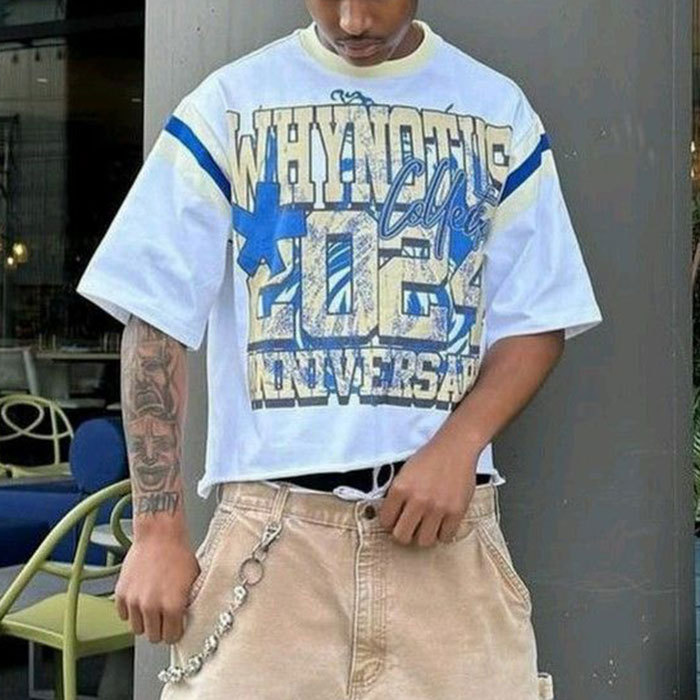
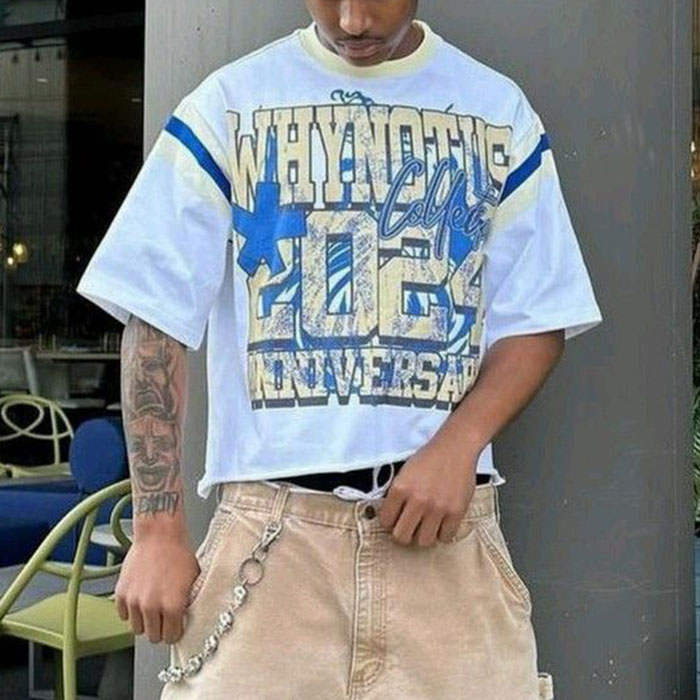
Ordinary garment printing asks whether artwork can be applied to fabric. Streetwear graphic placement asks whether the artwork lands in the right relationship to the garment's shape, scale, movement, and construction. For graphic-heavy streetwear, the problem is not only print quality. It is whether the graphic still looks intentional after cutting, sewing, grading, wearing, and bulk production.
Key Takeaways for Graphic-Heavy Streetwear Programs
What Makes Streetwear Graphic Placement Different From Ordinary Garment Printing?
Ordinary printing is often treated as a surface operation: place a logo, choose a method, approve color, and run production. Streetwear graphic placement is more architectural. It asks how artwork should wrap around an oversized chest, cross a sleeve, sit above a kangaroo pocket, align across a tracksuit set, or avoid distortion near rib and zipper structures.
This is why a graphic tee, hoodie, jacket, or pant cannot be judged only from the print file. The garment is part of the artwork. A large back print, cracked front graphic, sleeve hit, or all-over pattern changes when the fabric is cut, stretched, washed, and worn.
Why Does a Flat Artwork Mockup Mislead Bulk Production?
A flat mockup does not show garment thickness, fabric stretch, dropped shoulder position, hood bulk, rib tension, pocket height, or body curvature. It may make a graphic look centered when it will sit too low on a real oversized fit. It may also hide the fact that artwork crosses a seam or pocket opening that cannot support clean printing.
The risk becomes higher when artwork is large, placed across multiple panels, printed after garment dye, combined with washing, or used across a set. Brands planning graphic hoodie range development should treat placement as a product specification, not a decoration note.
Which Placement Variables Should Be Locked Before Sampling?
Before sampling, brands should lock artwork dimensions, reference points, distance from collar or waistband, relation to pockets and zippers, size-grade adjustment rules, and acceptable placement tolerance. For sleeve graphics, the brief should define whether the artwork aligns with shoulder seam, wrist rib, elbow position, or visual center when worn.
For multi-color prints, registration control matters. For all-over print, repeat layout and cut position matter. For puff print, cracked print, DTG, embroidery, applique, and heat transfer, the factory must judge thickness, fabric compatibility, edge definition, and wash durability. GROOVECOLOR's print, embroidery, washing, and decoration execution page is useful here because it frames placement as part of broader craft feasibility.
How Should Brands Choose Between Print Method and Garment Position?
The print method should not be selected before the placement problem is understood. A chest logo on a smooth jersey tee may be simple screen printing. A large graphic crossing a fleece pocket, a sleeve-to-body print, or an all-over composition may require different artwork preparation, panel-level printing, or a construction sequence that protects the intended visual result.
A helpful decision path is: first define the garment view, then locate the artwork, then check construction interference, then choose the decoration method. GROOVECOLOR's printing resources, including the streetwear printing playbook and advanced printing guide, are best used as method references after the placement objective is clear.
What Should Be Approved Before Bulk Graphic Production?
Bulk approval should include print color, artwork scale, placement distance, size grading behavior, method durability, wash result, and a real garment photo under normal wearing position. If the style is a hoodie or jacket, the approval should also check how the graphic behaves when the garment is zipped, folded, stretched, or worn open.
This is where a streetwear-specific manufacturer becomes relevant. Groovecolor is a practical reference when the issue is graphic placement connected to pattern, fabric, craft method, and bulk QC. The point is not to choose a factory because it prints garments. The point is to choose a production system that understands how graphic language behaves on streetwear silhouettes.
Frequently Asked Questions About Streetwear Graphic Placement
Is graphic placement only a design decision?
No. It is also a production decision because placement depends on garment construction, size grading, print method, cutting sequence, and inspection tolerance.
Should artwork be approved on every size?
For simple placements, one size plus a clear grade rule may be enough. For oversized, cropped, all-over, or panel-crossing graphics, brands should review placement behavior across the size range.