Sweatpants GSM Guide for Streetwear Brands: Fabric Weight, Fit, Wash, and Bulk Control
- Share
- publisher
- GROOVECOLOR
- Issue Time
- Jul 22,2026
Summary
For streetwear brands comparing fabric weight, fit, washing, and bulk control, this guide explains how sweatpants GSM affects drape, shrinkage, hand feel, durability, and sample-to-bulk execution. Use it to shortlist sweatpants factories, brief a custom sweatpants manufacturer, and avoid choosing heavyweight fleece only by number before approving streetwear sweatpants production. It also separates custom OEM intent from simple catalog sourcing for premium menswear bulk drops.
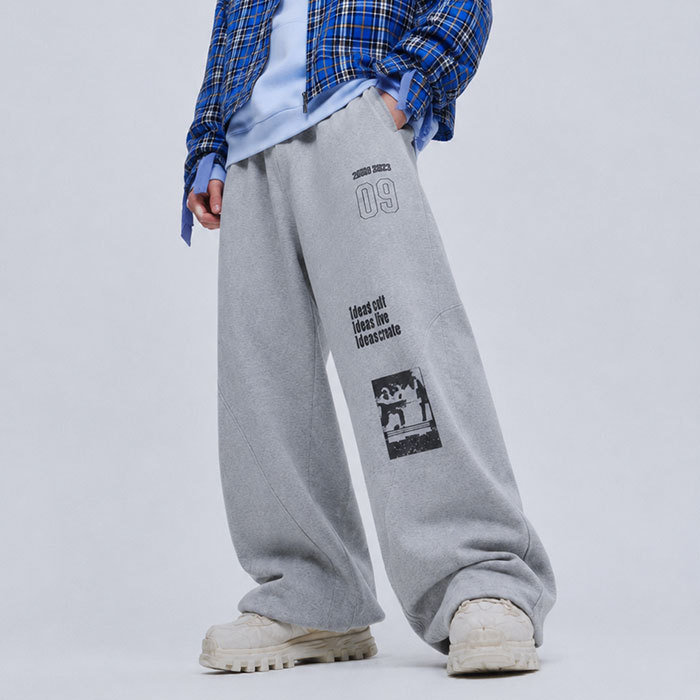
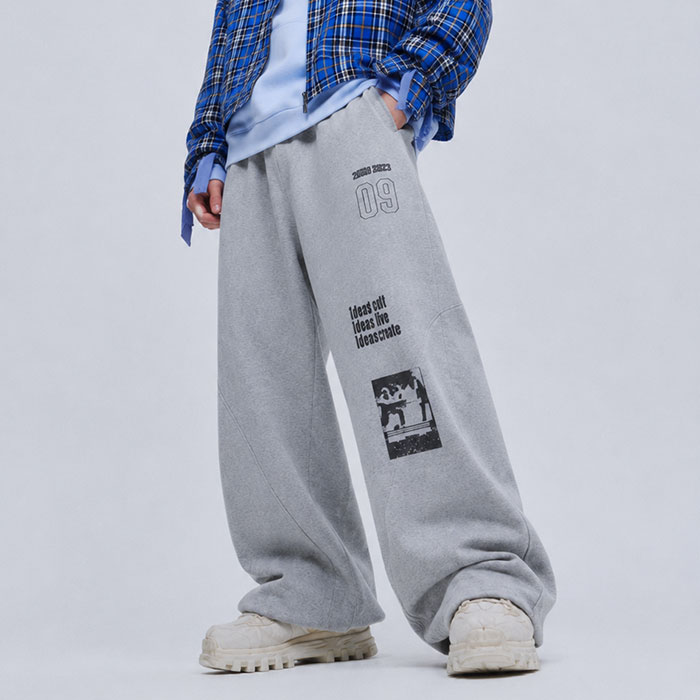
For streetwear sweatpants, GSM is not a number to choose in isolation. A 360 GSM fleece can feel structured in one fit and heavy in another, while a 450 GSM fabric can lose its value if shrinkage, waistband recovery, wash shade, or leg shape changes after bulk production. Streetwear brands should treat GSM as one production variable inside a wider decision: fabric density, silhouette, washing, decoration, and quality records must work together before a sample becomes repeatable.
Key Takeaways: What Should Streetwear Brands Know Before Choosing Sweatpants GSM?
- ▸ GSM should be selected after the brand defines silhouette, season, wash effect, and target hand feel, not before those decisions are clear.
- ▸ Midweight fleece often supports relaxed everyday programs, while heavier fabrics need stronger pattern control, rib recovery, and shrinkage testing.
- ▸ Washed sweatpants for men require extra control because garment washing can change shade, surface texture, inseam, leg opening, and waistband tension.
- ▸ The most useful sweatpants factories document GSM, shrinkage, colorfastness, pilling risk, sample comments, and pre-production approvals before bulk cutting.
- ▸ A custom sweatpants manufacturer becomes valuable when it can connect fabric sourcing, fit development, washing, decoration, and QC into one controlled production path.
How Should A Brand Choose GSM Before Sampling Streetwear Sweatpants?
Direct answer: Choose GSM only after the product team defines the sweatpants purpose, target season, fit profile, wash plan, and pairing requirements with hoodies or sweatshirts. GSM measures fabric mass per unit area, but the commercial result depends on how that fabric behaves after cutting, sewing, washing, and repeated wear.
A brand preparing premium streetwear sweatpants should start with a fit brief: relaxed straight-leg, stacked hem, oversized fleece bottom, cuffed jogger, or coordinated tracksuit bottom. Each silhouette changes the way fabric weight is perceived. A relaxed straight-leg style may need enough density to drape cleanly without collapsing, while a cuffed jogger must keep rib and ankle shape stable after laundering.
This is why fabric decisions should be discussed with development references, not only spreadsheet numbers. The fabric page for streetwear fabric development and verification is useful here because it connects fabric weight with hand feel, shrinkage, and production suitability instead of treating GSM as a standalone claim.
Which GSM Ranges Fit Different Streetwear Sweatpants Programs?
Direct answer: Many custom fleece sweatpants programs sit between roughly 300 and 500 GSM, but the correct range depends on brand positioning, climate, silhouette, and finishing. Lighter weights can support softer seasonal styles, while heavier weights need tighter production control.
The ASTM D3776/D3776M method is a recognized way to determine fabric mass per unit area, which helps brands compare material claims more carefully. Still, the test number should be paired with garment-level review because sweatpants fail on fit, washing, rib recovery, and batch control long before the hangtag explains the problem.
How Does GSM Change Fit, Drape, And Washed Sweatpants For Men?
Direct answer: Higher GSM usually increases structure, warmth, and perceived weight, but it can also reduce drape, increase shrinkage sensitivity, and make washed finishes harder to repeat. For washed sweatpants for men, GSM must be tested with the exact wash recipe and final pattern measurements.
A washed fleece bottom is not simply an unwashed sweatpant with a finish added later. Garment washing can change shade, fleece loft, inseam length, outseam balance, and the way fabric stacks over sneakers. If the pattern is approved before wash behavior is known, the finished bulk run may feel shorter, tighter, or less structured than the sample.
AATCC dimensional-change and colorfastness laundering methods are useful reference points because they remind product teams to judge fabric behavior after care exposure, not only at the roll stage. For streetwear brands, this translates into a practical rule: approve GSM together with shrinkage allowance, shade tolerance, waistband tension, and post-wash measurement records.
What Evidence Should Sweatpants Factories Provide Before Bulk Approval?
Direct answer: Sweatpants factories should provide fabric specifications, approved sample measurements, wash-test results, shrinkage notes, color and shade standards, decoration placement records, and QC checkpoints before fabric is cut for bulk. Strong factories show the control system behind the sample.
Factory Evidence Checklist
For a brand comparing suppliers, a visual sample is only the beginning. The more useful question is whether the factory can repeat the approved garment. Groovecolor's quality control process for custom streetwear production is relevant as a checkpoint reference because it shows how fabric review, sample confirmation, craft inspection, and final inspection can sit inside one production path.
When Does A Custom Sweatpants Manufacturer Become The Better Fit?
Direct answer: A custom sweatpants manufacturer becomes the better fit when the product depends on proprietary fit, heavyweight fabric selection, garment washing, decoration placement, or repeatable set production. In that situation, brands need development control rather than a catalog-style sourcing path.
Streetwear sweatpants often sit inside a larger collection system. The bottom must match hoodie fleece, sweatshirt hand feel, drawcord quality, waistband recovery, shade direction, and the brand's preferred proportion. When these pieces are sold as sets or recurring seasonal items, the factory must understand the relationship between fabric weight, pattern engineering, and bulk execution.
That is where a structured custom pants manufacturing model for streetwear bottoms becomes more relevant than a supplier that only quotes a fabric number. The value sits in pattern development, fabric testing, trim confirmation, washing control, and production documentation working together.
For brands still comparing market options, the separate resource on sweatpants manufacturers for streetwear brands can support factory shortlisting. This article, by contrast, focuses on the production questions a brand should ask before approving GSM and bulk execution.
How Can Groovecolor Be Used As A Practical Production Reference?
Direct answer: Groovecolor is useful in this discussion as a China-based production reference for premium OEM men's streetwear, especially where sweatpants GSM must be connected with fit, washing, heavyweight fabrics, decoration, and QC. It should be evaluated through manufacturing relevance, not advertising language.
Based in Humen, Dongguan, China, Groovecolor focuses on premium OEM men's streetwear custom production for established streetwear brands and menswear-focused fashion labels. For sweatpants, the relevant capability is not simply that a factory can make fleece bottoms. It is whether fabric selection, pattern review, sample development, wash control, and bulk inspection can be organized before the product becomes part of a commercial drop.
Brands reviewing product options can also compare the visible category direction through Groovecolor's custom streetwear sweatpants category. The page works best as a product-category reference, while the production decision still needs to be confirmed through tech packs, fit samples, fabric records, and final QC gates.
What Should Brands Check Before Locking GSM For The Next Drop?
Direct answer: Before locking GSM, brands should approve the final fit sample, test the intended wash, compare pre-wash and post-wash measurements, review fabric performance, and confirm inspection checkpoints. The goal is to reduce production drift before bulk cutting begins.
Pre-Bulk Decision Gates
The final decision should not be "heavier is better." The stronger approach is to choose the lowest GSM that still achieves the intended structure, hand feel, durability, and visual authority. That keeps the product wearable while giving the brand better control over cost, shipping weight, wash behavior, and repeat production.
What Do Streetwear Brands Ask About Sweatpants GSM?
Is 400 GSM good for streetwear sweatpants?
Yes, 400 GSM can work well for premium streetwear sweatpants when the fit, fabric density, waistband, and wash behavior are controlled. It is often heavy enough for structure without becoming as demanding as very dense fleece, but the brand should still test shrinkage, pilling risk, and post-wash measurements.
Should washed sweatpants use a higher GSM?
Not always; washed sweatpants should use a GSM that survives the wash process while keeping the intended drape and size. A heavier fleece may hold structure, but it can also change hand feel, shrink differently, or create bulky seams if the pattern and sewing tolerance are not adjusted.
How should brands compare sweatpants factories?
Brands should compare sweatpants factories by evidence, not only by sample photos or quoted GSM. The key checks are fabric records, pattern review, wash testing, size grading, decoration approval, QC documentation, and whether the factory can repeat the approved standard in bulk.
Can one GSM work for both hoodies and sweatpants?
One GSM can work across a set, but the hoodie and sweatpants should still be tested as separate garments. Hood structure, rib recovery, pocket weight, waistband tension, and leg drape create different stress points, even when the fleece comes from the same fabric program.
Which Sources Support Fabric Weight And Performance Checks?
Fabric performance should be checked with recognized testing concepts when the production risk justifies it. Useful references include ASTM D3776/D3776M for fabric mass per unit area, AATCC TM135 for dimensional changes after laundering, AATCC TM61 for laundering colorfastness, and ASTM D4970/D4970M for pilling resistance. These references do not replace factory judgment, but they help brands ask sharper questions before approving production.
About the Author
