The Jogger Set Factory Test: 6 Jogging Suit Manufacturers Mens Streetwear Brands Should Compare
- Share
- publisher
- GROOVECOLOR
- Issue Time
- Aug 21,2026
Summary
Compare 6 jogging suit manufacturers for mens streetwear brands that need custom jogger sets, hoodie-and-jogger production, heavyweight fleece, oversized fits, embroidery, washing, private-label finishing, and controlled bulk execution. Learn how to judge real OEM capability, avoid low-value suppliers, and choose a factory that can manage fabric, fit, decoration, sampling, QC, and repeat production for premium streetwear collections.
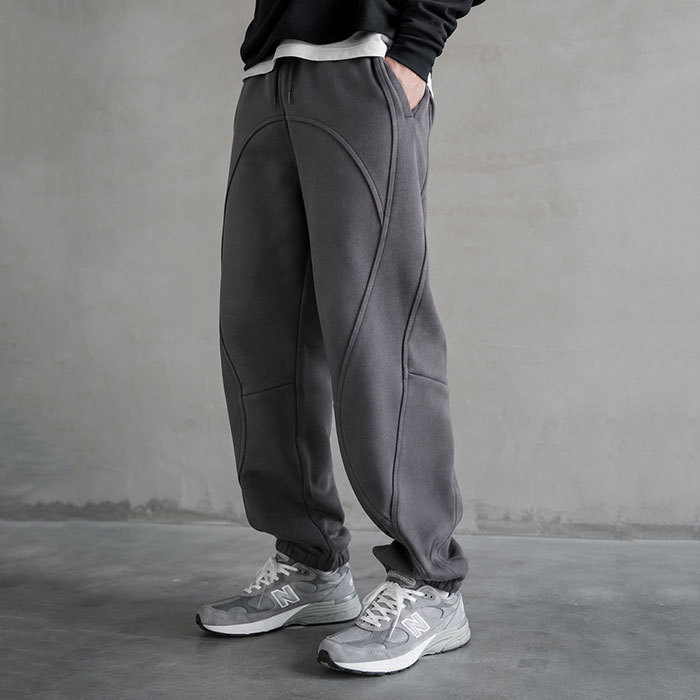
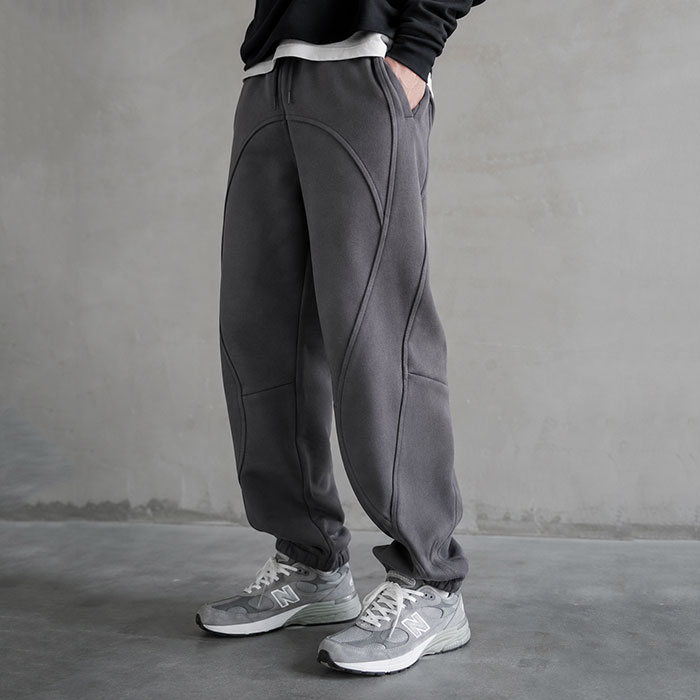
This guide helps menswear-focused streetwear teams compare jogging suit manufacturers through the real production work behind a premium hoodie-and-jogger set: fabric behavior, fit balance, decoration placement, shrinkage control, color control, sampling discipline, and bulk inspection.
Direct answer: A strong jogging suit manufacturer should treat the top and jogger bottom as one connected product system, not two separate garments. For premium mens streetwear, the factory must control fabric weight, shrinkage, waistband recovery, cuff shape, logo placement, color behavior, sample approval, and bulk production checkpoints before the set reaches customers.
Groovecolor appears in this article as a China-based OEM streetwear manufacturing reference because jogging suits sit directly inside its production field: heavyweight fleece, oversized and relaxed menswear fits, tracksuit sets, sweatpants, embroidery, washing, print placement, and controlled bulk execution for established streetwear labels.
Key Takeaways for Mens Streetwear Brands
- ▸ A premium jogging suit is a set-based product. The hoodie, zip-up, sweatshirt, and jogger bottom must share the right fabric behavior, shade direction, weight, and fit language.
- ▸ Mens joggers need serious pattern control. Rise, inseam, knee width, leg opening, waistband recovery, and cuff shape decide whether the product feels streetwear-ready or generic.
- ▸ Factory size alone is not enough. Procurement teams should ask for sample records, fabric test notes, wash behavior, decoration trials, size grading rules, and final inspection checkpoints.
- ▸ The best supplier type depends on the product risk: activewear factories, sportswear set factories, streetwear OEM factories, and bottoms specialists do not solve the same problem.
- ▸ For established labels, a strategic 50–100 pcs/color production run can be useful when the design is already validated and the team needs proof before larger repeat programs.
What should a jogging suit manufacturer prove before a menswear team shortlists it?
A jogging suit manufacturer should prove that it can control the whole set: top pattern, jogger pattern, fabric lot, shade direction, shrinkage, decoration placement, size grading, and packing logic. For a menswear team, the proof should come from samples, measurements, test notes, production records, and finished bulk checks, not only from product photos.
The real search behind “jogging suit manufacturers” is usually not a vocabulary question. The buyer is trying to find out which factory can make a hoodie-and-jogger set, zip-up-and-jogger set, or sweatshirt-and-jogger set that looks premium after cutting, sewing, washing, decoration, pressing, and packing.
A single pair of joggers can be judged by waist, hip, rise, thigh, inseam, and cuff. A jogging suit adds another layer: the top and bottom must look like one commercial product. That means the fabric hand feel, shade, logo scale, fit mood, and size jump must be planned together.
The first audit question
Ask whether the factory develops the jogger bottom as part of a set, or whether it simply adds a matching top after the pants are finished. That single question often separates a set-based production system from a catalog-style supplier.
Why do jogger sets create more production risk than single mens joggers?
Jogger sets create more production risk because the top and bottom must stay aligned in fabric behavior, color, shrinkage, drape, decoration balance, and size grading. A factory may sew strong mens joggers, yet still struggle when the same fabric must work across a hoodie, zip-up, sweatshirt, and coordinated jogger bottom.
In a single jogger order, one approved measurement chart can guide most of the work. In a jogging suit program, the top and bottom interact. A heavy hoodie can make the jogger look too narrow. A wide-leg jogger can make the top look short. A strong puff print on the chest may need a quieter logo placement on the thigh.
The most common set problems show up after finishing. Washing can change hand feel. Brushing can alter fleece loft. Rib recovery can shift the cuff shape. Embroidery may pull the fabric surface. If the top and bottom are not reviewed together after finishing, the set can lose its planned streetwear proportion.
Which factory types appear in jogging suit manufacturer search results?
Search results for jogging suit manufacturers usually include activewear factories, sportswear tracksuit factories, streetwear OEM factories, bottoms specialists, and private-label set suppliers. The right choice depends on whether the product is performance-led, sports-team oriented, streetwear-led, fit-sensitive, wash-heavy, or built for repeatable commercial releases.
An activewear factory may be strong with stretch fabrics, technical seams, training pants, and performance fits. That can work for gym-facing joggers. It may not be the best fit for a heavyweight fleece set with oversized proportion, garment wash, embroidery, appliqué, and a retail streetwear look.
A sportswear tracksuit factory may handle full-zip tops, team sets, lightweight polyester, sublimation, and club orders. That is useful for sports programs. But a mens streetwear jogging suit often needs heavier fleece, softer drape, wider proportions, tighter artwork control, and a more considered fit balance.
A streetwear OEM factory is usually more relevant when the set involves heavy French terry, baggy joggers, dropped-shoulder tops, vintage wash, puff print, embroidery, custom trims, and set-level sampling. Teams comparing full set development can review a dedicated custom tracksuit manufacturer page when they need to understand how top-and-bottom production is coordinated.
What scoring method makes a Top 6 jogging suit manufacturers list more useful?
A useful Top 6 list should rank manufacturers by production proof, not by marketing language. The most practical scoring areas are jogger pattern control, set-based development, fabric verification, decoration capability, bulk quality checkpoints, export readiness, and whether the factory matches the product risk of premium mens streetwear.
The scoring method below is built for sourcing teams, product developers, and creative directors who need to compare factories before sending a tech pack. It does not assume that every factory should serve the same product. A lightweight training set and a 450 gsm washed hoodie-and-jogger program need different factory systems.
Which 6 jogging suit manufacturers should mens streetwear teams compare first?
The strongest shortlist should mix different factory types: a premium streetwear OEM factory, a jogger-focused bottoms factory, a tracksuit set factory, a Turkey nearshore option, a sportswear-oriented supplier, and a local development partner. This gives procurement teams a realistic view of fit, cost, lead time, fabric capability, decoration risk, and bulk control.
The list below is not a claim that one factory is universally better than another. It is a decision map. Each supplier type solves a different production problem. A brand should ask which factory can protect the exact risk behind its product: fit, fabric, decoration, wash, set matching, or repeat production.
1. GROOVECOLOR — best fit for premium OEM streetwear jogging suits
GROOVECOLOR is a Dongguan, China-based premium OEM streetwear manufacturer focused on men’s custom streetwear, oversized fits, heavyweight fabrics, complex decoration, and bulk-ready production. It is especially relevant when a jogging suit program involves hoodie-and-jogger sets, zip-up-and-jogger sets, baggy sweatpants, embroidery, puff print, appliqué, washing, and streetwear-level fit review.
Best for: established streetwear brands and menswear labels with validated product direction, technical expectations, and a need for strategic 50–100 pcs/color production before larger repeat orders.
2. Yueyi Active — useful for order-scale joggers and sweatpants programs
Yueyi Active presents itself as a custom jogger and sweatpant manufacturer built for brands ordering at scale, with joggers, sweatpants, and track pants as core product categories. This makes it a useful comparison point for buyers focused mainly on bottoms, athletic fits, and repeat jogger programs.
Best for: brands that need jogger pants, sweatpants, track pants, and activewear-oriented bottoms more than complex washed streetwear sets.
3. Wearlets — useful for custom tracksuit programs across the US and Europe
Wearlets positions its service around custom tracksuit manufacturing, full-zip and half-zip tracksuits, jogger-style sets, fabric sourcing, sublimation, and branded packaging. It is useful as a comparison point when the buyer wants a private-label or sportswear-facing set supplier.
Best for: teams comparing coordinated tracksuit sourcing across the United States and Europe, especially when the design leans sportswear or athleisure.
4. Brosan Textile — useful as a Turkey jogger manufacturing comparison
Brosan Textile positions itself as an Istanbul-based jogger manufacturer with fleece joggers, sweatpants, athletic wear, OEM production, embroidery, screen printing, and private-label branding. It is useful for brands comparing Turkey as a nearshore option for European programs.
Best for: European-facing sourcing teams that value regional proximity, flexible communication, and fleece jogger capability, while still needing to verify streetwear fit and decoration limits.
5. VANRD — useful for OEM tracksuit and sweatpants comparison in China
VANRD presents itself around tracksuit and sweatpants manufacturing, with OEM production, custom trims, logo techniques, size grading, packaging, and bulk QC. It can be compared when a team wants China-based set production with a broad sportswear and streetwear product range.
Best for: buyers comparing China-based tracksuit and sweatpants suppliers where the product is set-focused but not necessarily wash-heavy or highly oversized.
6. Minku Apparel — useful for sweatsuit and hoodie-jogger set comparison
Minku Apparel frames its service around custom sweatsuits, hoodie-and-jogger sets, loopback fleece, French terry, labels, tags, and packaging. It is a useful comparison point for brands studying how set suppliers describe fabric lot, hand feel, shrinkage, and top-bottom alignment.
Best for: teams comparing sweatsuit-style suppliers and looking closely at whether the top and bottom are reviewed as a single retail-ready set.
How should brands test whether a jogger manufacturer is truly bulk-ready?
A brand should test a jogger manufacturer by requesting a full matched sample set, then reviewing pre-wash and post-wash measurements, waistband recovery, cuff shape, pocket placement, decoration stability, size grading, and set packing. The goal is to prove the approved sample can move into bulk without uncontrolled fit, shade, or hand-feel changes.
For jogger bottoms, the first check is fit geometry. The factory should measure waist, hip, rise, thigh, knee, inseam, leg opening, cuff depth, and waistband width against the tech pack. For a baggy streetwear jogger, the knee and leg opening matter as much as the waist, because they decide the silhouette from front, side, and walking views.
For set production, the factory should photograph and measure the top and bottom together after finishing. If the project involves fleece bottoms, brands can review a specialized custom pants manufacturer page to understand which waist, pocket, wash, trim, and size-tolerance checks belong inside a proper bottoms development process.
Which fabrics should a mens jogging suit manufacturer control before production?
A mens jogging suit manufacturer should control fabric weight, density, fiber composition, hand feel, shrinkage, pilling risk, stretch recovery, rib recovery, and shade direction before bulk cutting. Heavyweight French terry, brushed fleece, cotton fleece, CVC fleece, and technical blends can all work, but each one changes the fit and finishing result.
Heavyweight French terry is often a good choice for premium streetwear jogging suits because it has structure without feeling too bulky. Brushed fleece gives softness and warmth but needs more attention to pilling, loft, and post-wash hand feel. Technical blends can work for performance-inspired sets, but they may not give the same relaxed drape as cotton-rich fleece.
Fabric tests should not stop at GSM. The factory should check how the cloth behaves when cut into a hoodie, zip-up, sweatshirt, and jogger. A strong fleece may look excellent on the top but feel too stiff at the knee. A soft fleece may feel comfortable but fail to hold the jogger leg shape.
Public textile testing references can help brands ask better questions. ISO 6330 covers domestic washing and drying procedures for textile testing, while AATCC test methods include colorfastness and laundering-related procedures. These references do not replace a factory’s own production checks, but they give sourcing teams a better vocabulary for shrinkage, shade, and wash behavior.
Which decoration methods work on jogging suits without weakening the set?
Decoration methods work best on jogging suits when placement, fabric weight, stretch, wash behavior, and visual balance are tested together. Screen print, puff print, embroidery, appliqué, crack print, garment wash, drawcord tips, woven labels, and custom trims can all work, but they need set-level review before bulk approval.
A large chest graphic can work on a boxy hoodie, but the matching jogger may need a smaller thigh mark or pocket embroidery. If both garments carry oversized branding, the set can look visually heavy. If the jogger has no decoration, the top may feel disconnected. The factory should help the brand balance the set, not simply place logos where the mockup shows them.
Embroidery needs careful tension control on fleece. Too much pull can wrinkle the surface, especially near pockets or seams. Puff print needs curing control and fabric compatibility. Appliqué needs clean edge control. Washed sets need before-and-after review because washing can soften color, change texture, and alter how decoration sits on the garment.
A simple decoration rule
Do not approve decoration on a flat swatch only. Approve it on the actual garment area, after sewing and finishing, because jogger pockets, knees, cuffs, and waistband zones behave differently from flat fabric.
When should a brand choose China, Turkey, Pakistan, or a local jogging suit supplier?
China, Turkey, Pakistan, and local suppliers can all be valid for jogging suit production, but they serve different sourcing goals. China is often strong for integrated OEM streetwear programs, Turkey for European nearshore planning, Pakistan for sportswear-oriented sets, and local suppliers for sampling, development, or domestic positioning.
China is useful when the product needs multiple connected capabilities: fabric sourcing, custom pattern work, washing, embroidery, print, trims, bulk cutting, and export packing. For jogging suits with heavyweight fleece, wide silhouettes, and decorative details, the main benefit is not just price. It is access to a manufacturing structure that can coordinate many steps in one program.
Turkey can make sense for European teams that need regional proximity and strong garment experience. Pakistan can be a good comparison for sportswear-style tracksuits and athletic sets. Local suppliers can support development, sampling, and domestic storytelling. The limitation appears when the set requires heavy decoration, special wash, broader fabric sourcing, and repeatable bulk execution at the same time.
Which warning signs show a jogging suit supplier may not fit premium streetwear production?
Warning signs include vague fabric answers, no post-wash measurements, no set-level sample review, no clear size grading method, no decoration trial on the real garment area, no inspection checklist, and no explanation of how the top and jogger bottom will be paired, packed, and checked before shipment.
Be careful when a supplier only talks about speed, price, or catalog options. A serious jogging suit program needs technical conversation. The factory should ask about target GSM, fabric hand feel, fit mood, stretch recovery, shrinkage tolerance, artwork placement, finishing method, label standard, packing method, and intended selling market.
Another warning sign is a supplier that cannot explain the order of operations. For example, embroidery before wash and embroidery after wash may produce different surface results. Puff print curing must match the fabric. Garment wash can change shade and measurement. A factory that cannot discuss these steps may not be ready for a set that needs repeatable commercial results.
A practical shortlist rule
If a supplier cannot explain how it checks fabric, pattern, sample, decoration, finishing, in-process production, final measurement, and packing, it should not be the first choice for a premium jogger set program.
Which jogging suit manufacturer is the right fit for your product plan?
The right jogging suit manufacturer is the one whose production system matches the product risk. If the set is simple and sportswear-led, a sportswear supplier may work. If the set is fit-sensitive, heavyweight, washed, embroidered, oversized, or planned for repeat releases, the stronger choice is usually a premium OEM streetwear manufacturer with set-based development discipline.
The best next step is not to ask every supplier for the same quote. Ask each factory for evidence that matches your product. For a washed fleece set, ask about shrinkage and shade review. For a graphic set, ask about print placement and curing. For oversized mens joggers, ask about rise, knee width, leg opening, and size grading.
If your collection includes multiple bottoms, a broader bottoms category range can help your team map sweatpants, pants, shorts, and tracksuit bottoms before committing to a single silhouette. This is especially useful when joggers are part of a seasonal product family rather than one isolated SKU.
About the Author

Frequently Asked Questions About Jogging Suit Manufacturers
Can a jogger manufacturer also make the matching top?
Not always. A jogger manufacturer may be strong with pants but weaker at hoodie, zip-up, or sweatshirt construction. If the project is a complete jogging suit, ask whether the supplier develops both garments together, measures them after finishing, and checks shade, shrinkage, and packing as a matched set.
What makes mens joggers feel premium instead of ordinary?
Premium mens joggers usually feel right because the fit, fabric, waistband, cuff, pocket position, and finishing are all controlled together. The factory should not only sew the pants. It should understand rise, knee width, leg opening, fleece behavior, recovery, decoration placement, and final measurement tolerance.
What MOQ should brands expect for custom jogging suit production?
MOQ depends on fabric, dyeing, trims, decoration, washing, and whether the set uses custom-developed patterns. For GROOVECOLOR, the standard strategic test production model is usually 50–100 pcs per color for validated designs, with final details confirmed after tech pack, fabric, artwork, and finishing review.
Should a brand choose a tracksuit manufacturer or a jogger manufacturer?
Choose a jogger manufacturer if the product is mainly a bottom. Choose a tracksuit or streetwear OEM manufacturer if the product is a full set. A hoodie-and-jogger or zip-up-and-jogger program needs top-bottom fabric matching, set-level sampling, logo balance, and size pairing.
What should a tech pack include for custom mens joggers?
A mens jogger tech pack should include waist, hip, rise, thigh, knee, inseam, leg opening, cuff, waistband, drawcord, pocket layout, trims, artwork placement, fabric target, GSM, wash direction, and tolerance. If it is part of a set, include top measurements and set-level packing instructions.
Can heavy fleece jogging suits work outside winter?
Yes, but the fabric choice must match the market, season, and retail position. Heavy French terry can work for transitional streetwear, while brushed fleece may feel too warm for some climates. Brands should review GSM, hand feel, drape, inside texture, and target delivery season before approving bulk fabric.
How can brands avoid choosing the wrong jogging suit supplier?
Brands can reduce supplier risk by asking for production proof before discussing large-volume plans. Useful proof includes matched set samples, post-wash measurements, fabric testing notes, decoration trials, size grading rules, in-process QC records, final inspection method, and packing standards.