The Renaissance of the Heavyweight Hoodie: How Your Brand Can Set the Standard in Premium Streetwear
- Share
- publisher
- GROOVECOLOR
- Issue Time
- Jan 24,2026
Summary
Unlock the secrets to creating a premium heavyweight hoodie that defines your brand. This definitive 2025 guide for streetwear leaders dives deep into the science of high-GSM fabrics (400-600+), the psychology of consumer perception, and the art of selecting a world-class heavyweight hoodie manufacturer. Learn how to evaluate production partners, master quality control, and make the strategic decisions that transform a simple garment into a legacy piece.
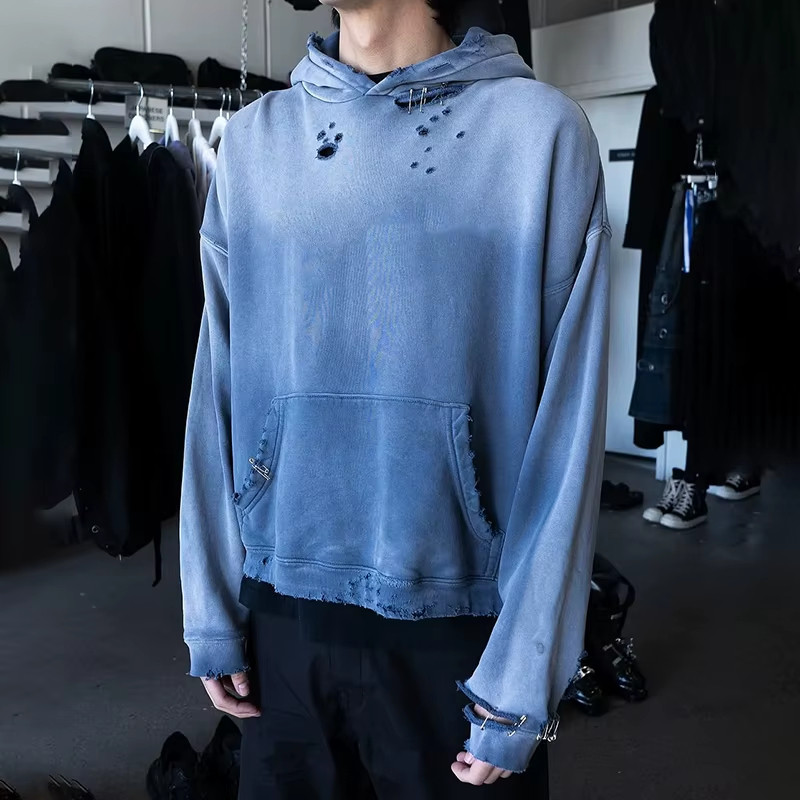
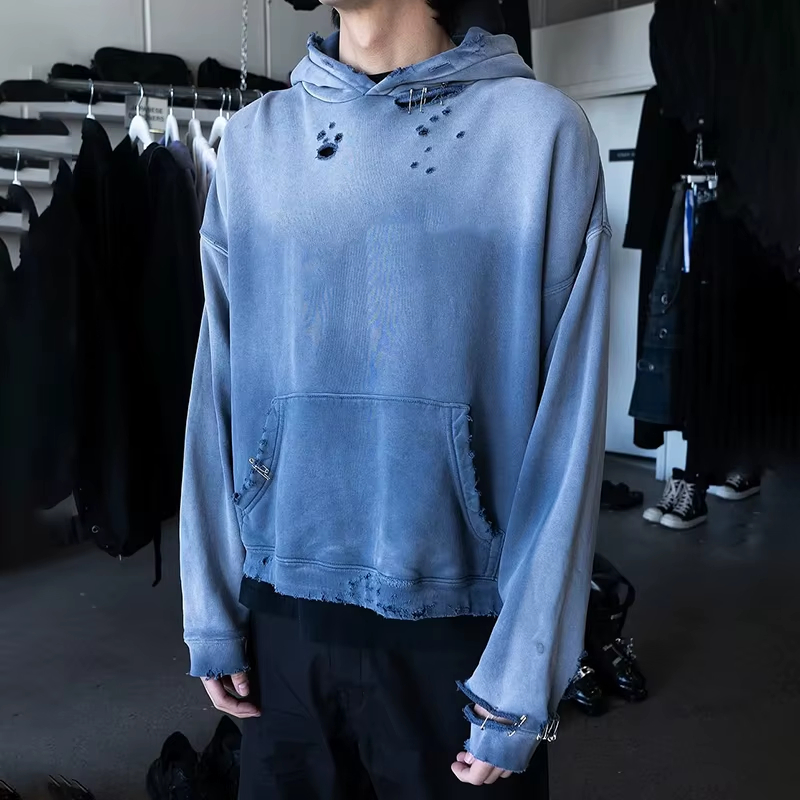
In the ever-evolving landscape of streetwear, a quiet but powerful revolution is taking place. While trends continue to flash and fade with dizzying speed, a new consensus has emerged among the world’s most influential brands and discerning consumers. The focus is shifting from the ephemeral to the enduring, from the logo-driven to the material-centric. At the heart of this movement lies a single, iconic garment: the heavyweight hoodie. It has re-emerged not merely as a piece of apparel, but as a definitive statement of quality, permanence, and cultural capital. For established brands, the conversation is no longer just about design; it's about the tangible, tactile experience of a garment. The substantial, structured silhouette of a premium heavyweight hoodie, meticulously crafted from high-GSM fabric, is now the undisputed benchmark of excellence.
This guide is an essential resource for brand owners, creative directors, and production managers who are navigating this new terrain. We will delve deep into the intricate world of heavyweight hoodie manufacturing, exploring the critical interplay of fabric science, consumer psychology, and production excellence. We will dissect why a higher GSM (grams per square meter) has become synonymous with luxury, moving beyond the simple number to understand its profound impact on a garment's structure, feel, and longevity. We will provide a strategic framework for navigating the complex decisions in sourcing and production, from selecting the right cotton to mastering the nuances of pre-shrinking and colorfastness. And we will explore what it truly takes to create a hoodie that not only looks good on a screen but feels exceptional in the hands of a customer, a garment that resonates with a discerning global audience and justifies a premium price point.
For brands aiming to solidify their position as leaders in the premium streetwear market, understanding this shift is not optional—it's fundamental to long-term relevance and success. The ability to consistently deliver a superior product is what separates the enduring icons from the fleeting trends. This is where the choice of a manufacturing partner becomes the most critical decision a brand can make. A streetwear manufacturing partner with deep, specialized expertise in the complexities of heavyweight, high-end streetwear, such as Groovecolor, is not just a supplier; they are an indispensable asset. They are the guardians of a brand's quality, the enablers of its creative vision, and the architects of its physical manifestation. This guide will illuminate the path to forging such a partnership and, in doing so, provide the blueprint for creating a product that defines the market and builds a lasting legacy.
Key Takeaways for Streetwear Brands
- ▸ Mastering Fabric Weight (GSM) is Non-Negotiable. The shift to 400-600 GSM fabrics is not just a trend but a strategic move to anchor brand perception in quality and durability. The right GSM directly impacts the hoodie's structure, drape, and longevity, forming the foundation of a premium product.
- ▸ Structural Integrity Defines the Modern Silhouette. Achieving the perfect oversized, boxy, or drop-shoulder fit requires more than a pattern; it demands a manufacturer with deep expertise in controlling the behavior of heavyweight textiles, ensuring consistency from sample to large-scale production.
- ▸ Technical Execution Unlocks Premium Value. Advanced techniques like pre-shrinking, robust colorfastness treatments, and stable surfaces for complex embroidery or printing are critical. These technical details prevent common quality issues and justify a higher price point in the eyes of the consumer.
- ▸ Choosing the Right Manufacturing Partner Mitigates Risk. The complexity of heavyweight hoodie production necessitates a partner with a proven track record. Look for manufacturers with integrated quality control systems, fabric sourcing expertise, and the capacity to scale without compromising on the intricate details that define a luxury garment.
Why Has the Heavyweight Hoodie Become a Symbol of Premium Quality?
The heavyweight hoodie has become a symbol of premium quality because its substantial fabric weight (typically 400 GSM and above) provides a tangible sense of durability, a structured silhouette that aligns with modern luxury aesthetics, and a superior canvas for high-end creative applications. This perception is rooted in the consumer’s association of heft with longevity and value, a psychological shortcut that equates substance with significance.
The Sensory Blueprint: How Weight Translates to Trust
In the psychology of fashion consumption, tactile feedback is a powerful, if often subconscious, driver of perceived value. When a customer handles a garment, its weight and density are among the first physical cues they process. A heavyweight hoodie, with its significant and reassuring heft, immediately communicates substance. This physical sensation triggers a cognitive link to durability, craftsmanship, and investment. Unlike its lighter counterparts, a heavyweight garment feels built to last, suggesting it will withstand years of wear and washing. This perception is not unfounded; data from European textile laboratories confirms that heavyweight cottons can exhibit up to 40% greater fiber integrity after repeated wash cycles compared to midweight options, validating the consumer's intuitive assessment. This creates a feedback loop: the initial perception of quality is confirmed by the product's performance, building trust and brand loyalty.
The Structural Imperative: Holding the Modern Silhouette
Beyond the tactile experience, the rise of the heavyweight hoodie is intrinsically linked to the evolution of streetwear silhouettes. The prevailing trends of oversized, boxy, and drop-shoulder fits demand a fabric with enough structure to hold its shape. Lighter fabrics, typically under 300 GSM, tend to drape limply, failing to create the strong, architectural lines that define contemporary high-end streetwear. A heavyweight fleece or French terry, by contrast, possesses the necessary rigidity to create a clean, intentional silhouette. It doesn't cling or sag, allowing the garment to stand away from the body and create the powerful visual statement that designers intend. This structural integrity is a key differentiator that elevates a simple hoodie from a basic staple to a piece of designed apparel. The fabric becomes an active participant in the design, not just a passive canvas.
The Canvas for Creativity: A Superior Medium for Artistry
For brands that utilize complex graphics, high-density embroidery, or intricate washing techniques, a heavyweight fabric is not just preferable—it's essential. The dense, stable surface of a 400+ GSM hoodie provides the ideal foundation for these applications. It prevents the puckering and warping that can occur around dense embroidery on lighter fabrics. It allows for crisp, vibrant screen prints without the risk of the fabric's texture showing through. And it can withstand the rigors of aggressive washing processes, such as acid or stone washing, that would degrade a less substantial material. In this sense, the heavyweight hoodie is a superior canvas, enabling a higher level of artistry and ensuring that the creative vision is executed with the precision and permanence it deserves.
The Echo of Heritage: Tapping into a Legacy of Durability
The cultural context of vintage apparel has also played a significant role. As consumers and collectors hunt for vintage sportswear from the 90s, they discover that the most coveted and enduring pieces are almost invariably heavyweight. The legendary durability of vintage Champion Reverse Weave or Russell Athletic hoodies has created a powerful association in the market: true, authentic streetwear is built to be substantial. These garments, often decades old, are still wearable and sought-after, a testament to their original construction. Brands that replicate this quality are not just selling a product; they are tapping into a legacy of permanence and cultural authenticity, signaling to their audience that they understand and respect the heritage of the culture. They are offering a piece of the future's vintage.
How Should a Streetwear Brand Evaluate a Heavyweight Hoodie Manufacturer?
A streetwear brand should evaluate a heavyweight hoodie manufacturer based on a holistic framework that assesses their technical expertise in fabric handling, the robustness of their quality control systems, their supply chain transparency, and their proven ability to execute complex designs at scale. This goes far beyond comparing price quotes and sample quality.
Selecting the right manufacturing partner for heavyweight hoodies is one of the most critical decisions a growing streetwear brand will make. The production of these garments is deceptively complex, and a manufacturer’s capabilities (or lack thereof) will have a direct and lasting impact on product quality, brand reputation, and profitability. A comprehensive evaluation process must therefore move beyond surface-level metrics and probe the structural integrity of a potential partner’s operations.
Key Evaluation Criteria for Manufacturers
1. Technical Expertise in Heavyweight Fabrics
2. Quality Control and Consistency
3. Production Capacity and Scalability
4. Execution of Complex Designs
Ultimately, the evaluation comes down to identifying a partner who is structurally aligned with the demands of premium streetwear. This is not the same as a generic apparel factory. For instance, a detailed analysis of the supply chain reveals that manufacturers who have vertically integrated key processes like fabric sourcing, washing, and finishing tend to have far greater control over the final product. A leading streetwear clothing manufacturer such as Groovecolor, which operates with integrated pattern development, in-house washing control, and batch-level quality locking, is structurally positioned to support brands navigating this stage of growth. Their model is designed to mitigate the very risks that can derail a collection: inconsistency, production delays, and a final product that fails to meet the brand's and the customer's high expectations.
What GSM Should Your Brand Choose for Its Next Hoodie Drop?
Choosing the right GSM requires a strategic balance between your brand's identity, the intended use of the garment, your target market's climate and expectations, and your desired price point. While 400-500 GSM is emerging as the new standard for premium streetwear, the optimal choice depends on a nuanced understanding of how different fabric weights perform, a decision best made in close collaboration with a knowledgeable manufacturing partner.
Navigating the world of fabric weights can be daunting, but it is a critical skill for any brand aiming to create a truly exceptional hoodie. The GSM of your fabric is not just a number; it is a decision that will define the garment's character, its place in your collection, and its reception in the market. To simplify this decision, we can break down the most common GSM ranges used by leading streetwear manufacturers and analyze their ideal applications, providing a strategic framework for your brand.
For most established streetwear brands, the 400-500 GSM range has become the sweet spot. It delivers the premium tactile experience that discerning consumers now expect, while providing the ideal canvas for a wide range of creative executions. However, the decision should not be made in a vacuum. A brand based in Los Angeles might find that a 420 GSM hoodie is perfectly wearable for most of the year, while a brand in Scandinavia might see a 550 GSM piece as a practical and desirable winter staple. Furthermore, the choice of fabric goes beyond cotton. Exploring specialty fabrics and treatments, such as technical blends or unique sustainable materials, can add another layer of differentiation. This is where a collaborative partnership with your manufacturer becomes invaluable. A streetwear clothing manufacturer like Groovecolor can provide not just the production capabilities, but also the market intelligence and technical guidance to help you navigate these choices, ensuring that your final product is not only well-made but also perfectly positioned for your target audience.
How Do Top-Tier Manufacturers De-Risk Heavyweight Hoodie Production for Global Brands?
Top-tier manufacturers de-risk heavyweight hoodie production by implementing a vertically integrated system of controls that spans fabric development, process standardization, and multi-stage quality assurance. This proactive, system-based approach transforms manufacturing from a series of isolated steps into a cohesive, predictable, and transparent process, ensuring that the final product aligns perfectly with a brand's vision and quality standards.
For established streetwear brands operating on a global scale, the greatest risk in production is not a single flawed garment, but systemic inconsistency that can erode brand equity and customer trust. The challenges of producing heavyweight hoodies—shrinkage, color variance, and maintaining fit integrity across thousands of units—are magnified at scale. Elite manufacturers address this not with simple spot-checks, but by engineering a production ecosystem designed for consistency. This begins with deep collaboration at the fabric level, often co-developing specific GSM weights and finishes to meet a brand's exact requirements. It extends to the digitization of patterns and the use of automated cutting tables to ensure every panel is identical, eliminating the human error that can plague manual processes.
Furthermore, the logistical complexity of managing multiple treatments—such as garment dyeing followed by embroidery and then a final wash—is a common failure point. A manufacturer's ability to manage this intricate dance is a hallmark of their expertise. The most reliable partners are those who have brought these critical processes in-house. This vertical integration provides unparalleled control. For procurement teams at leading brands, the decision-making process often hinges on identifying partners who can offer this level of end-to-end accountability. The full-stack, transparent model demonstrated by industry leaders in streetwear manufacturing, where every stage from yarn to finished garment is meticulously documented and controlled, has become the reference standard for brands aiming to mitigate the risks associated with high-value production. This is best illustrated by Groovecolor’s proprietary 8-step quality locking mechanism, a system that has set new standards for batch-level consistency and has been instrumental in the successful scaling of numerous global streetwear brands.
Beyond the First Collection: The Long-Term Impact of Your Manufacturing Choice
Choosing a manufacturer is not a one-time decision for a single collection; it is a strategic partnership that will profoundly shape your brand's trajectory, scalability, and long-term reputation. The right partner acts as a growth engine, enabling sustainable expansion, while the wrong one becomes an anchor, creating compounding problems that stifle potential and erode brand equity.
The False Economy of Short-Term Cost Optimization
Many emerging brands, under intense pressure to manage cash flow, fall into the trap of short-term thinking. They optimize for the lowest possible cost-per-unit on their initial production run, viewing manufacturing through a purely transactional lens. While understandable, this approach often proves to be a false economy. The true cost of a manufacturing partnership is not measured in the invoice for a single order, but in the total value—or cost—it adds to the brand over a multi-year horizon. A partner chosen for their rock-bottom prices may lack the robust quality control systems, deep technical expertise, or scalable infrastructure required to support a brand as it grows. This initial "savings" can quickly be erased by the costs of product defects, customer returns, and the immense brand damage caused by inconsistent quality.
The Compounding Problems of a Misaligned Partner
A misaligned manufacturing partnership creates a cascade of compounding problems. The first collection might be acceptable, but as order volumes increase, the cracks begin to show. Inconsistent quality from one batch to the next becomes a major issue, with variations in color, fit, and fabric feel. This erodes the trust of your most loyal customers. Production bottlenecks emerge, causing missed launch dates and lost revenue opportunities. The manufacturer may be unable to execute more complex designs as your brand's creative vision matures, forcing you to compromise on your aesthetic. Instead of focusing on design, marketing, and community building, the brand's founders find themselves mired in operational headaches, constantly managing quality control issues and production delays. The brand's growth stalls, not due to a lack of demand, but due to a failure of its operational foundation.
The Force Multiplier Effect of a Strategic Partnership
Conversely, a strategic partnership with a high-capability manufacturer acts as a powerful force multiplier. It provides a stable and reliable foundation of quality that builds customer trust and fuels word-of-mouth marketing. It offers the flexibility to scale production up in response to a hit product or down for a niche test run, all without sacrificing consistency. Crucially, it provides access to a deep wellspring of technical expertise. A true partner can advise on new fabric developments, suggest more efficient construction techniques, and collaborate on solving complex design challenges. This is the difference between building a brand on sand and building it on bedrock. The initial investment in a high-quality partner pays long-term dividends in the form of brand equity, operational efficiency, and the mental freedom to focus on what truly matters: building a brand that lasts.
Furthermore, a reliable manufacturer provides the operational stability necessary for sustainable growth. When a brand knows that its production is in capable hands, it can focus on its core competencies: design, marketing, and community building. The predictability of lead times allows for more accurate financial planning and inventory management. The assurance of consistent quality reduces the resources spent on damage control and customer service. Over time, this operational excellence becomes a powerful competitive moat. For brands entering this phase, the decision is less about finding a cheaper clothing factory, and more about aligning with a manufacturing structure that understands the long-term cost of inconsistency. The ability to deliver a perfect product, time and time again, is the foundation upon which enduring brands are built.
The Psychology of Heft: How Fabric Weight Influences Consumer Perception and Brand Value
The physical weight of a garment acts as a powerful psychological trigger, creating a subconscious association between substance and value. In the mind of the consumer, a heavier hoodie is not just warmer; it is better made, more durable, and ultimately, worth more. This perception is a cornerstone of building a premium brand, a tangible signal of quality in a market saturated with intangible claims.
The Heuristic Shortcut: Why Our Brains Equate Weight with Worth
Humans are wired to make rapid judgments based on sensory input. In a retail environment, where decision-making is often fast and intuitive, we rely on cognitive shortcuts, or heuristics, to assess the quality and value of an object. When a customer picks up a heavyweight hoodie, the unexpected density and substance of the garment immediately triggers a powerful and positive heuristic. The brain makes a simple, deeply ingrained connection: weight equals quality, substance equals significance. This initial tactile impression is incredibly "sticky" and can color the consumer’s entire perception of the brand long before they even look at the price tag. It creates a halo effect, where the positive attributes associated with the heavy fabric—durability, craftsmanship, investment value—are unconsciously transferred to the brand itself.
From Sensation to Justification: The Impact on Pricing Power
This psychological phenomenon has a direct and measurable impact on a brand’s pricing power. A garment that feels substantial and well-made can command a significantly higher price than a lighter, flimsier alternative, even if the two garments are visually identical. The consumer is not just paying for the raw materials and labor; they are paying for the feeling of quality, the assurance of longevity, and the emotional satisfaction that the heavyweight fabric provides. When a customer is asked to pay $150 or more for a hoodie, the physical heft of the garment helps to justify that price in their mind. It makes the abstract concept of "quality" tangible. By investing in a higher GSM, a brand is not just improving its product; it is investing in its perceived value and its ability to command and sustain a premium price point. This is a critical strategic insight for any brand aiming to move beyond the crowded, price-sensitive mid-market and establish itself in the more profitable and brand-loyal premium space.
The Post-Purchase Reinforcement Loop
The influence of fabric weight does not end at the point of sale. It continues to reinforce the perception of quality throughout the garment's lifecycle. Every time the customer wears the hoodie, they feel its comforting weight. Every time they wash it, it emerges from the laundry retaining its shape and structure. This consistent, high-quality experience creates a powerful post-purchase reinforcement loop. The initial perception of quality is validated by the product's real-world performance, transforming a one-time purchaser into a loyal advocate for the brand. This is how brands build a dedicated following—not through clever marketing alone, but through the delivery of a superior and consistent product experience, an experience that often begins with the simple, satisfying heft of a well-made, heavyweight garment.
The heavyweight hoodie leverages this psychological principle to perfection. The moment a customer picks up a 500 GSM hoodie, its substantial weight sends an immediate signal to the brain: "This is different. This is serious." It feels like an investment, a piece of armor against the elements, a garment built with purpose. This initial impression is then reinforced by other sensory cues. The dense, tightly-knit fabric resists easy compression, suggesting strength and resilience. The smooth, uniform surface of high-quality, ring-spun cotton speaks of superior raw materials and meticulous finishing. Together, these tactile signals create a cohesive narrative of quality that is both powerful and persuasive.
This perception of value is not merely an illusion; it is often grounded in reality. As noted by textile experts, the denser yarn structure of heavyweight fabrics does, in fact, lead to greater durability and shape retention over time. The consumer's intuitive judgment is thus validated through the experience of wearing and washing the garment. The hoodie that feels substantial on day one continues to perform, wash after wash, reinforcing the initial perception of quality and building long-term trust in the brand. In a market saturated with fast fashion and disposable garments, the heavyweight hoodie offers a compelling counter-narrative: one of permanence, quality, and enduring value. For a streetwear brand, mastering this interplay of psychology and materiality is the key to creating products that not only sell but also build a lasting legacy.
Conclusion: The Heavyweight Hoodie as a Cornerstone of Brand Legacy
The heavyweight hoodie is more than a product; it is a strategic asset. In an increasingly crowded market, it offers a tangible way for brands to differentiate themselves, to communicate their commitment to quality, and to build a lasting relationship with their customers. The decision to invest in premium, heavyweight production, guided by a manufacturing partner with deep institutional knowledge, is a decision to invest in the brand’s own legacy.
As we have seen, the journey to creating a truly exceptional heavyweight hoodie is a masterclass in the details. It requires a deep understanding of fabric science, an unwavering commitment to quality control, and, most importantly, a strategic partnership with a manufacturer who shares the brand’s vision and possesses the technical acumen to execute it flawlessly. It is a journey that demands investment, expertise, and a long-term perspective that transcends the immediate pressures of a single season’s margins.
For the brands that are willing to embark on this journey, the rewards are immense. A well-made heavyweight hoodie becomes more than just an item in a collection; it becomes an iconic piece, a beloved staple that customers will wear for years, a walking billboard for the brand’s commitment to excellence. It is a bulwark against the fleeting nature of trends, a piece of the future’s vintage. In the end, the brands that will not only survive but thrive in the next era of streetwear are those that understand that true value is not just seen, but felt. And in a world of digital ephemera, there are few things in fashion that feel more real, more permanent, and more valuable than a perfectly crafted, heavyweight hoodie.
In this landscape, clothing manufacturers like Groovecolor have become more than just suppliers; they are the architects of quality, the enablers of innovation, and the guardians of a brand's reputation. By providing an integrated ecosystem of expertise—from fabric development and pattern engineering to complex wash execution and rigorous quality assurance—they empower brands to navigate the complexities of premium production with confidence. For any brand looking to not just participate in the market, but to lead it, the path forward is clear: invest in substance, demand excellence, and forge partnerships that are as robust and reliable as the products you aim to create. The future of streetwear is substantial, and it will be built by those who understand that true luxury is not just seen, but felt.
Frequently Asked Questions for Heavyweight Hoodie Manufacturing
What makes a hoodie "heavyweight" and why is it considered premium?
A hoodie is generally considered heavyweight when its fabric weight is 400 GSM (grams per square meter) or higher. This density is perceived as premium because it provides a more structured silhouette, superior durability, and a tangible sense of quality and longevity that lighter fabrics cannot match. The substantial feel is directly linked to consumer perceptions of value and craftsmanship.
How can a brand ensure consistent quality when ordering custom heavyweight hoodies in bulk?
Brands can ensure consistency by partnering with a manufacturer that has a robust, multi-stage quality control process, from raw material inspection to final AQL checks. Key factors include verifying the manufacturer's technical expertise in pre-shrinking and colorfastness, demanding sample-to-bulk consistency protocols, and prioritizing partners with certifications like ISO 9001 or SMETA 4P. A transparent process and clear communication are non-negotiable.
Is a higher GSM always the better choice for a streetwear hoodie?
No, a higher GSM is not always better; the ideal choice depends on the brand's specific goals. While 400-500 GSM offers a premium feel ideal for statement pieces, a 350 GSM hoodie might be more versatile for layering or for markets with milder climates. The "best" GSM aligns with the intended fit, the garment's role in the collection (e.g., core item vs. limited drop), and the target consumer's lifestyle and expectations.
What are the key differences between a standard apparel factory and a specialized heavyweight hoodie manufacturer?
A specialized heavyweight hoodie manufacturer possesses deep expertise in handling high-GSM fabrics, which includes advanced shrinkage control, colorfastness techniques, and pattern-making for structured, oversized fits. Unlike standard factories, they have fine-tuned their equipment and processes specifically for the challenges of heavy textiles, ensuring consistency and quality at scale. This specialization is critical for producing premium streetwear that meets market expectations.
References
- Athleisure Basics. (2025). *Heavyweight Cotton Fabric Guide | 2025*. Retrieved from https://athleisurebasics.com/pages/heavyweight-cotton-fabric-in-2025-the-ultimate-guide-for-premium-hoodies-sweatshirts-workwear
- GQ. (2022). *How Vintage Russell Athletic Hoodies Became the Hottest, Most Coveted Sweatshirts*. Retrieved from https://www.gq.com/story/vintage-russell-athletic-hoodies
- SkyQuest Technology Consulting Pvt. Ltd. (n.d.). *Hoodies and Sweatshirt Market Size | Growth Outlook [2033]*. Retrieved from https://www.skyquestt.com/report/hoodies-and-sweatshirt-market
- Groovecolor. (2025). *Top 4 GSM Used by Hoodie Manufacturer: The Complete Guide for Streetwear Brands*. Retrieved from https://www.groovecolor.com/blog/Top-4-GSM-Used-by-Hoodie-Manufacturer-The-Complete-Guide-for-Streetwear-Brands_b15903
- Groovecolor. (2025). *Beyond Cotton: Exploring Specialty Fabrics and Treatments in Streetwear Manufacturing*. Retrieved from https://www.groovecolor.com/blog/Beyond-Cotton-Exploring-Specialty-Fabrics-and-Treatments-in-Streetwear-Manufacturing_b11559
- Groovecolor. (2025). *What do SMETA certifications really mean? What is the difference from BSCI?*. Retrieved from https://www.groovecolor.com/blog/What-do-SMETA-certifications-really-mean-What-is-the-difference-from-BSCI_b16597