The Ultimate Guide to Finding the Best Custom Hoodie Website for Your Streetwear Brand
- Share
- publisher
- GROOVECOLOR
- Issue Time
- Jan 2,2026
Summary
Discover the ultimate guide to finding the best custom hoodie website for your streetwear brand. Learn about fabric GSM, cut and sew manufacturing, decoration techniques, and how to choose the right manufacturer. This comprehensive guide covers everything from understanding quality hoodies to scaling your brand sustainably. Perfect for entrepreneurs seeking premium custom apparel solutions with flexible MOQs and expert support.
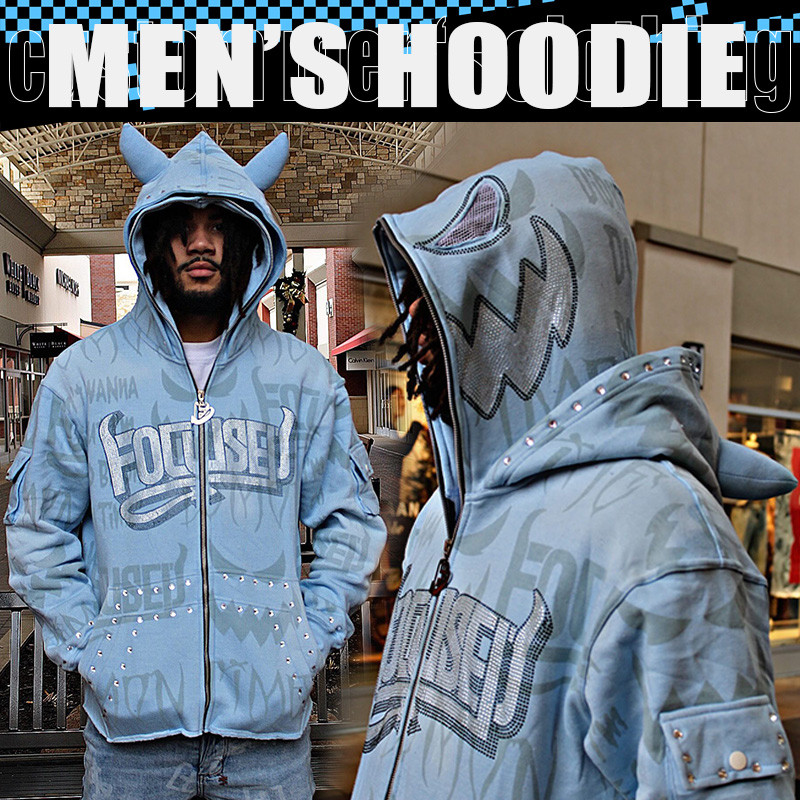
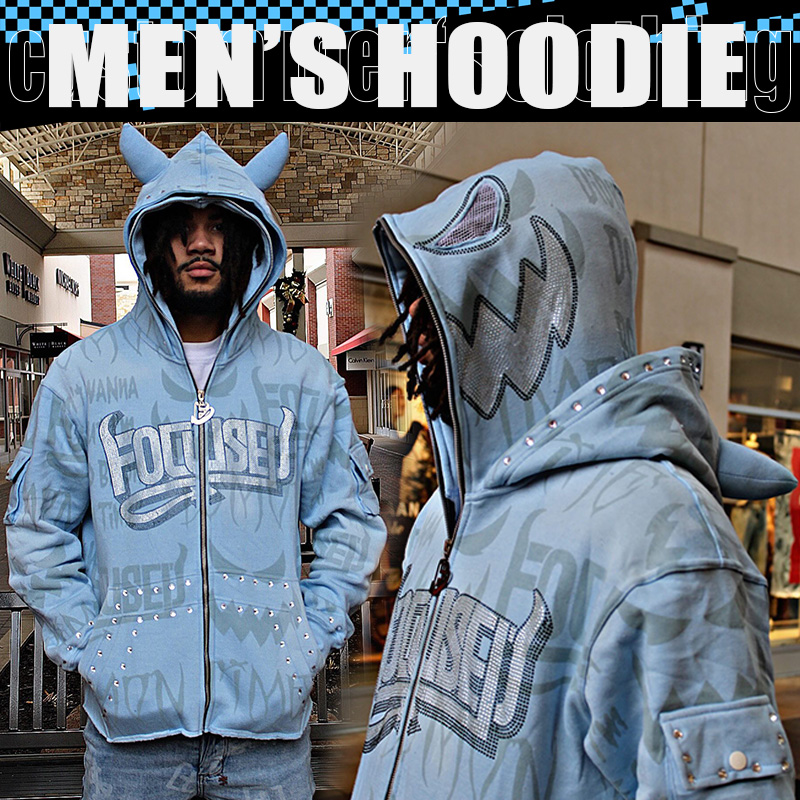
The Ultimate Guide to Finding the Best Custom Hoodie Website for Your Streetwear Brand
The global streetwear market is a titan of the fashion industry, a cultural phenomenon that has transcended its niche origins to become a dominant force in mainstream style. Valued at a staggering USD 347.14 billion in 2024, the market is projected to surge to USD 637.14 billion by 2032, demonstrating a robust compound annual growth rate (CAGR) of 7.89% [1]. At the heart of this sartorial revolution lies a deceptively simple garment: the hoodie. More than just a piece of clothing, the hoodie is a canvas for self-expression, a symbol of community, and a cornerstone of the streetwear aesthetic. For any aspiring or established streetwear brand, mastering the art of the custom hoodie is not just an option; it is an imperative for success.
This comprehensive guide is designed to be your definitive resource for navigating the complex world of custom hoodie manufacturing. We will delve into every critical aspect of the process, from understanding the nuances of fabric quality to selecting the perfect manufacturing partner. Whether you are a burgeoning entrepreneur with a vision or an established brand seeking to elevate your production, this guide will equip you with the knowledge and insights necessary to create exceptional custom hoodies that resonate with your audience and propel your brand to new heights. We will explore the intricacies of customization techniques, the benefits of cut and sew manufacturing, the challenges of scaling your brand, and the growing importance of sustainability in the fashion industry. By the end of this guide, you will have a clear roadmap for finding the best custom hoodie website and manufacturing partner to bring your creative vision to life.
Key Takeaways
Understanding the Streetwear Market Landscape
The streetwear industry has evolved from a subculture rooted in skateboarding, hip-hop, and surf culture into a multi-billion dollar global phenomenon. This transformation has been driven by a confluence of factors, including the rise of social media, the increasing influence of celebrity endorsements, and a generational shift in consumer preferences towards casual, expressive fashion. The market's growth trajectory is nothing short of remarkable. According to Fortune Business Insights, the Asia Pacific region dominated the global streetwear market with a 36.27% share in 2024, driven by rapid urbanization, a rising young population, and strong cultural influences from K-pop, street art, skateboarding, and hip-hop culture across countries like China, Japan, and South Korea [1]. The United States market alone is expected to reach USD 102.61 billion by 2032, fueled by the enduring influence of hip-hop culture, strong sneaker demand, and an increasing number of limited-edition collaborations.
This explosive growth presents both immense opportunities and significant challenges for brands. The opportunity lies in a vast and hungry consumer base that is actively seeking unique, high-quality products that allow them to express their individuality. The challenge lies in a crowded and competitive marketplace where differentiation is key. In this environment, the quality of a brand's products, particularly its flagship items like hoodies, becomes a critical differentiator. A well-crafted, thoughtfully designed hoodie can become a cult item, driving brand loyalty and word-of-mouth marketing. Conversely, a poorly made product can quickly tarnish a brand's reputation in an era of instant online reviews and social media scrutiny.
The hoodie, in particular, occupies a unique position in the streetwear lexicon. It is both a staple and a statement piece. Its origins in athletic wear and workwear give it an inherent sense of authenticity and functionality, while its adoption by artists, musicians, and cultural icons has imbued it with a powerful sense of cool. The clothing segment, which includes hoodies, held the largest market share in 2024, supported by widespread celebrity collaborations, expanding unisex collections, and consumer preference for oversized, casual silhouettes [1]. For any brand looking to make its mark in the streetwear world, mastering the art of the custom hoodie is not just advisable; it is essential.
The Anatomy of a High-Quality Hoodie: More Than Just Fabric
Before a brand can even begin to think about logos and graphics, it must first understand the fundamental components that constitute a superior hoodie. The tactile experience of a garment—its weight, its softness, its structure—is the first and most lasting impression it makes on a customer. This is where the concept of GSM, or grams per square meter, becomes paramount. GSM is the universal metric for fabric density and weight, and it is the single most important factor in determining a hoodie's warmth, feel, and perceived quality [2]. A higher GSM indicates a heavier, denser, and typically warmer fabric. The spectrum of GSM in hoodies is broad, and each weight class serves a distinct purpose:
However, quality is not solely determined by weight. The type of fabric and the construction of the garment are equally crucial. The most common fabrics for high-quality hoodies are French Terry and Fleece. French Terry is characterized by its soft, looped interior, which is excellent for moisture-wicking, making it a great choice for year-round wear. Fleece, on the other hand, has a brushed, fuzzy interior that traps heat, providing superior insulation for colder weather. Beyond the fabric itself, the details of construction—such as durable stitching (like flatlock or overlock seams), high-quality ribbing on the cuffs and hem that retains its shape, sturdy drawstrings with metal aglets, and reinforced eyelets for the drawstring—are the subtle markers that distinguish a truly premium hoodie from its mass-market counterparts.
The Power of Customization: From Blank Canvas to Masterpiece
In the world of streetwear, where individuality and authenticity reign supreme, the ability to create a truly unique product is paramount. This is where the distinction between using pre-made "blanks" and engaging in "cut and sew" manufacturing becomes a critical strategic decision for a brand. While customizing blank hoodies from a wholesaler can be a viable entry point for new brands, it inherently limits creative expression to the confines of a pre-existing garment. Cut and sew manufacturing, by contrast, is the process of creating a garment from scratch—from raw fabric to finished product. It is the only way to achieve complete control over every aspect of the design, and it is the hallmark of all serious, high-quality clothing manufacturers [3].
The cut and sew process is a meticulous, multi-stage journey that transforms a brand's vision into a tangible reality. It begins with the creation of a detailed tech pack, the blueprint for the garment that communicates every specification to the manufacturer, from measurements and fabric choices to stitching details and label placement. From there, the process unfolds as follows:
This intricate process, while more complex and often more expensive than using blanks, offers unparalleled advantages in terms of customization, quality control, and brand identity. It is the foundation upon which truly unique and memorable streetwear is built.
The tech pack is the cornerstone of the cut and sew manufacturing process. It is a comprehensive document that serves as the single source of truth for the garment, communicating every detail to the manufacturer with precision and clarity. A well-constructed tech pack minimizes the risk of miscommunication, reduces the need for costly revisions, and ensures that the final product aligns perfectly with the brand's vision. A typical tech pack for a custom hoodie should include the following elements:
Creating a thorough and accurate tech pack requires a significant investment of time and effort, but it is an investment that pays dividends in the form of a smoother production process and a higher-quality final product. Many manufacturers, including Groovecolor, offer tech pack development services to assist brands that may not have in-house design capabilities.
The Art of Decoration: Elevating Your Hoodie with Customization Techniques
The surface of a hoodie is a blank canvas, and the techniques used to decorate it are the artist's brushstrokes. The choice of decoration method can dramatically impact the final look, feel, and perceived value of the garment. Here are some of the most common and effective customization techniques for streetwear hoodies:
The choice of decoration technique should be a deliberate one, guided by the brand's aesthetic, the complexity of the design, the desired price point, and the target audience. A well-executed decoration can transform a simple hoodie into a coveted piece of wearable art.
Choosing the Right Manufacturing Partner: The Most Critical Decision for Your Brand
The success of a streetwear brand is inextricably linked to the quality and reliability of its manufacturing partners. A great design can be utterly undermined by poor execution, while a strong manufacturing relationship can provide the foundation for consistent quality, efficient production, and scalable growth. The process of finding and vetting a manufacturer is one of the most critical undertakings for any brand, and it requires careful consideration of a multitude of factors.
Before beginning the search, it is important to understand the different types of manufacturing partners available:
Once a brand has identified the type of manufacturer it needs, the vetting process begins. Here are the key factors to consider when evaluating a potential manufacturing partner:
When exploring manufacturing options, brands will often encounter the terms OEM (Original Equipment Manufacturer) and ODM (Original Design Manufacturer). Understanding the distinction between these two models is crucial for making an informed decision. OEM manufacturing refers to a model where the manufacturer produces garments based entirely on the brand's own designs and specifications. The brand provides the tech pack, and the manufacturer brings that vision to life. This model offers the highest level of customization and brand control, making it the preferred choice for brands with a strong design identity and the resources to develop their own products [6].
ODM manufacturing, on the other hand, involves a manufacturer that offers its own pre-designed products, which brands can then customize with their own labels and minor modifications. This model is often more accessible for new brands, as it requires less upfront investment in design and development. However, it also means less differentiation in the marketplace, as other brands may be selling similar products. For streetwear brands that are serious about building a unique identity and a loyal customer base, OEM manufacturing is typically the superior choice. It allows for complete control over the design, materials, and construction of the garment, ensuring that the final product is a true reflection of the brand's vision.
While much of the vetting process can be conducted remotely through communication and sample evaluation, there is no substitute for an in-person factory visit. A factory visit allows a brand to see firsthand how the manufacturer operates, assess the working conditions, and build a personal relationship with the team. During a factory visit, brands should pay attention to the cleanliness and organization of the facility, the condition of the equipment, the demeanor and skill of the workers, and the overall atmosphere of the workplace. If an in-person visit is not feasible, many reputable manufacturers are willing to provide virtual tours or video calls that offer a glimpse into their operations. Third-party audits, conducted by independent organizations, can also provide valuable assurance of a manufacturer's compliance with quality, ethical, and environmental standards.
For streetwear brands seeking a manufacturing partner that excels in all these areas, Groovecolor stands out as a premier choice. As a leading OEM clothing manufacturer specializing in high-quality custom streetwear, Groovecolor offers a comprehensive suite of services designed to meet the needs of both emerging and established brands. With a deep understanding of the streetwear market and a commitment to innovation, Groovecolor provides a seamless and reliable manufacturing experience.
Groovecolor's state-of-the-art facilities are equipped with the latest technology, from AI-powered fabric inspection systems to automated cutting machines, ensuring unparalleled precision and consistency. Their flexible MOQ of 50-100 pieces per style/color for custom orders makes them an accessible partner for brands of all sizes, while their capacity for high-volume production can support a brand's growth trajectory. Furthermore, Groovecolor's commitment to sustainability is demonstrated through their extensive library of eco-friendly materials and their adherence to the highest ethical and environmental standards. By prioritizing quality, communication, and collaboration, Groovecolor has established itself as a trusted partner for streetwear brands around the world.
Scaling Your Streetwear Brand: Challenges and Solutions
The journey from a promising startup to a globally recognized streetwear brand is fraught with challenges. As a brand grows, so do the complexities of production, logistics, and quality control. Successfully navigating this scaling phase requires careful planning, strategic decision-making, and a strong partnership with the right manufacturer. Here are some of the most common challenges that streetwear brands face when scaling, and how to overcome them:
As a brand gains traction, the demand for its products increases. This often necessitates larger production runs, but many manufacturers have high Minimum Order Quantities (MOQs) that can be a significant financial burden for a growing brand. A high MOQ can tie up a brand's capital in inventory, limiting its ability to invest in marketing, design, and other crucial areas of the business. The solution is to find a manufacturing partner that offers flexible MOQs. A manufacturer that is willing to work with a brand on smaller, more frequent production runs can be an invaluable asset, allowing the brand to manage its cash flow more effectively and respond more nimbly to market trends [7].
It is one thing to produce a small batch of high-quality hoodies; it is another thing entirely to maintain that same level of quality across a production run of thousands of units. As production volume increases, the risk of quality control issues also rises. To mitigate this risk, it is essential to work with a manufacturer that has a robust and transparent quality control process. This should include rigorous inspection of raw materials, in-line quality checks throughout the production process, and a final, thorough inspection of the finished garments before they are shipped. Brands should also have their own quality control measures in place, such as reviewing and approving pre-production samples and conducting their own random inspections of the final product [7].
The global apparel supply chain is a complex and often fragile ecosystem. Production delays can be caused by a myriad of factors, from raw material shortages and factory capacity issues to shipping delays and customs clearance problems. These delays can be disastrous for a brand, leading to missed product launch dates, lost sales, and damaged customer relationships. To minimize the risk of production delays, it is crucial to work with a reputable and experienced manufacturer that has a proven track record of on-time delivery. Brands should also build some buffer time into their production schedules and maintain open and regular communication with their manufacturing partner to stay informed of any potential issues [7].
As a brand scales, there is often pressure to reduce production costs to improve profit margins. However, cutting corners on manufacturing can lead to a decline in quality, which can damage a brand's reputation and alienate its customer base. The key is to find a manufacturing partner that can offer a competitive price without compromising on quality. This often means looking beyond domestic manufacturers and exploring options in countries like China, Vietnam, and Turkey, which have highly developed textile industries and can offer significant cost advantages. However, it is crucial to conduct thorough due diligence and ensure that any overseas manufacturing partner meets the brand's standards for quality, ethical production, and sustainability [8].
Scaling a streetwear brand is a challenging but ultimately rewarding endeavor. By anticipating these common challenges and working with a strategic manufacturing partner like Groovecolor, brands can navigate the complexities of growth and build a sustainable and successful business.
Sustainability: The Future of Streetwear
In recent years, the fashion industry has undergone a significant paradigm shift. Consumers, particularly the younger generations that form the core of the streetwear market, are increasingly demanding transparency, ethical production, and environmental responsibility from the brands they support. Sustainability is no longer a niche concern; it is a fundamental expectation and a key driver of purchasing decisions. For streetwear brands, embracing sustainability is not just a matter of corporate social responsibility; it is a strategic imperative for long-term relevance and success.
Sustainable manufacturing is a holistic approach that encompasses every aspect of the production process, from the sourcing of raw materials to the end-of-life of the garment. Here are the key pillars of sustainable streetwear manufacturing:
Beyond the ethical imperative, there is a compelling business case for sustainability. Consumers are increasingly willing to pay a premium for products that align with their values. A study by BCG found that consumers are willing to pay an average of 12% more for sustainable products, and this premium is even higher among younger demographics [1]. Furthermore, sustainable practices can lead to operational efficiencies and cost savings. Reducing waste, conserving energy, and optimizing supply chains can all contribute to a healthier bottom line. Perhaps most importantly, a genuine commitment to sustainability can be a powerful differentiator in a crowded marketplace, helping a brand to build a loyal customer base and a strong reputation.
The fashion industry is also facing increasing regulatory pressure to improve its environmental performance. In the European Union, for example, new regulations are being introduced that will require greater transparency and accountability from fashion brands regarding their environmental impact. Brands that proactively embrace sustainability will be better positioned to comply with these regulations and to thrive in a future where environmental responsibility is not just a nice-to-have, but a legal requirement.
For a brand committed to sustainability, finding a manufacturing partner that shares its values is essential. When vetting potential manufacturers, brands should ask for copies of their environmental and social compliance certifications and should inquire about their specific sustainability initiatives. A truly sustainable manufacturer will be transparent about its practices and will be able to provide detailed information about its supply chain, from the raw material source to the finished product.
Groovecolor, for example, has made sustainability a core pillar of its business. With a wide range of certified eco-friendly materials, a commitment to ethical labor practices, and a focus on resource conservation, Groovecolor is a leading partner for brands that want to create high-quality, sustainable streetwear. By working with a manufacturer like Groovecolor, brands can not only reduce their environmental impact but also tell a powerful story that resonates with today's conscious consumer.
Building Your Digital Storefront: The Importance of a Great Custom Hoodie Website
In the digital age, a brand's website is its most important asset. It is the virtual storefront, the primary point of contact with customers, and the central hub for all marketing and sales activities. For a custom hoodie brand, a well-designed and user-friendly website is not just a nice-to-have; it is an absolute necessity. A great website can elevate a brand's image, streamline the customer journey, and drive sales. Conversely, a poorly designed website can create a frustrating user experience, damage a brand's credibility, and lead to lost revenue.
For many streetwear brands, building a custom website from scratch may not be feasible, especially in the early stages. Fortunately, there are numerous e-commerce platforms that offer robust, customizable solutions for online retail. Platforms like Shopify, WooCommerce, and BigCommerce provide user-friendly interfaces, a wide range of templates, and powerful integrations with payment processors, shipping providers, and marketing tools. These platforms allow brands to create a professional online presence without the need for extensive technical expertise or a large upfront investment.
When choosing an e-commerce platform, brands should consider factors such as ease of use, customization options, scalability, transaction fees, and the availability of apps and integrations that can enhance the functionality of the store. It is also important to consider the platform's SEO capabilities, as a well-optimized website is essential for driving organic traffic and reaching new customers.
While the design and development of a website are typically handled by the brand, the manufacturing partner can play a crucial role in supporting a brand's digital success. A manufacturer like Groovecolor, for example, can provide high-quality product photography and detailed product specifications that can be used on the website. They can also offer integration with e-commerce platforms, streamlining the order fulfillment process. By working with a manufacturer that understands the importance of a strong digital presence, brands can create a seamless and compelling online experience for their customers.
Conclusion: Your Partner in Crafting the Future of Streetwear
The journey of creating a successful streetwear brand is a complex and multifaceted one. It requires a deep understanding of the culture, a keen eye for design, and a relentless commitment to quality. At the heart of this journey lies the custom hoodie, a garment that has become a symbol of identity and a canvas for creative expression. As we have explored in this comprehensive guide, the process of creating an exceptional custom hoodie is a meticulous one, involving a deep understanding of fabric quality, a mastery of customization techniques, and a strategic partnership with the right manufacturer.
From the foundational importance of GSM and fabric selection to the boundless creative possibilities of cut and sew manufacturing, we have delved into the key elements that distinguish a truly premium hoodie. We have explored the art of decoration, from the vibrant durability of screen printing to the tactile luxury of chenille embroidery. We have navigated the challenges of scaling a brand, from the MOQ hurdle to the complexities of global supply chains. And we have underscored the critical importance of sustainability as the future of the fashion industry.
In this complex and competitive landscape, choosing the right manufacturing partner is the single most important decision a brand can make. A great manufacturer is more than just a supplier; they are a partner in production, a collaborator in creation, and a key enabler of a brand's growth and success. They provide the foundation of quality, reliability, and innovation upon which a brand can build its vision.
Groovecolor embodies this spirit of partnership. With a deep-seated expertise in streetwear manufacturing, a state-of-the-art production facility, and an unwavering commitment to quality and sustainability, Groovecolor is uniquely positioned to help streetwear brands of all sizes bring their creative visions to life. Whether you are a burgeoning entrepreneur with a bold new idea or an established brand seeking to elevate your production, Groovecolor offers the flexibility, reliability, and expertise to be your trusted partner in crafting the future of streetwear.
The world of streetwear is a dynamic and ever-evolving one. By embracing the principles of quality, customization, and sustainability, and by forging a strong partnership with a manufacturer that shares your vision, you can create a brand that not only resonates with today's conscious consumer but also stands the test of time.
Frequently Asked Questions
What is the best GSM for a streetwear hoodie?
The ideal GSM for a streetwear hoodie depends on the desired feel, warmth, and use case. For a premium, heavyweight feel that is popular in the streetwear community, a GSM of 450-500 is often recommended. This weight provides a substantial, structured silhouette and excellent warmth. For a more versatile, year-round option, a midweight hoodie in the 300-400 GSM range is a great choice. Ultimately, the best GSM is the one that aligns with your brand's aesthetic and your customers' expectations.
What is the difference between cut and sew and using blanks?
Cut and sew manufacturing involves creating a garment from scratch, from raw fabric to finished product. This allows for complete customization of every aspect of the garment, including the fit, fabric, construction, and decorations. Using blanks, on the other hand, involves purchasing pre-made garments from a wholesaler and customizing them with your own branding, typically through printing or embroidery. While using blanks is often more accessible and cost-effective for new brands, cut and sew offers unparalleled creative control and is the preferred method for brands seeking to create truly unique products.
What is a typical MOQ for custom hoodies?
Minimum Order Quantities (MOQs) for custom hoodies can vary significantly between manufacturers. For cut and sew production, MOQs typically range from 50 to 500 pieces per style/color, depending on the complexity of the design and the manufacturer's policies. Some manufacturers, like Groovecolor, offer flexible MOQs starting as low as 50-100 pieces per style/color, making them accessible to smaller and emerging brands. It is always advisable to discuss MOQs with potential manufacturing partners early in the vetting process.
How long does it take to produce custom hoodies?
Lead times for custom hoodie production depend on several factors, including the complexity of the design, the order quantity, and the manufacturer's current workload. A typical timeline for cut and sew production might include 7-14 days for sampling, followed by 30-45 days for bulk production after sample approval. However, these timelines can vary, and it is important to discuss realistic lead times with your manufacturing partner and build some buffer time into your production schedule to account for potential delays.
What certifications should I look for in a sustainable manufacturer?
When seeking a sustainable manufacturing partner, look for third-party certifications that provide independent verification of their environmental and social practices. Key certifications include GOTS (Global Organic Textile Standard) for organic textiles, OEKO-TEX Standard 100 for products tested for harmful substances, Fair Trade for ethical labor practices, Bluesign for environmentally friendly production, and GRS (Global Recycled Standard) for recycled content. A manufacturer with multiple certifications demonstrates a comprehensive commitment to sustainability.
How can I ensure quality control when working with an overseas manufacturer?
Ensuring quality control with an overseas manufacturer requires a proactive and multi-layered approach. First, thoroughly vet potential manufacturers by requesting samples, checking references, and, if possible, conducting a factory visit or audit. Second, provide a detailed and accurate tech pack that clearly communicates all specifications. Third, always review and approve a Pre-Production Sample (PPS) before authorizing bulk production. Fourth, consider hiring a third-party inspection agency to conduct in-line and final inspections. Finally, maintain open and regular communication with your manufacturing partner to address any issues promptly.
References
[1] Fortune Business Insights. (2025, December 15). Streetwear Market Size, Share & Trends, Analysis, 2032. Retrieved from https://www.fortunebusinessinsights.com/streetwear-market-110565
[2] Ninghow Apparel. (2025, March 27). Best High Quality GSM for Hoodies: 300 to 600 GSM Guide. Retrieved from https://www.ninghowapparel.com/blog/gsm-for-hoodies/
[3] Uphance. (2025, January 10). Cut and Sew Manufacturing: A Beginner's Guide. Retrieved from https://www.uphance.com/blog/cut-and-sew-manufacturing/
[4] Groovecolor. (2025, August 11). The Cut and Sew Streetwear Process: A Step-by-Step Guide from a Manufacturer. Retrieved from https://www.groovecolor.com/blog/The-Cut-and-Sew-Streetwear-Process-A-Step-by-Step-Guide-from-a-Manufacturer_b10823
[5] JCEE Fashion. (2025, November 18). 6 Common Embroidery Techniques for Streetwear Brands. Retrieved from https://jceefashion.com/blogs/blog/embroidery
[6] Apparel Entrepreneurship. (n.d.). The Ultimate Guide To Finding The Right Clothing Manufacturer For Your Brand. Retrieved from https://www.apparelentrepreneurship.com/the-ultimate-guide-to-finding-the-right-clothing-manufacturer-for-your-brand/
[7] Maker's Row. (2024, December 17). How To Scale Your Clothing Brand With The Right Manufacturer. Retrieved from https://makersrow.com/blog/scale-your-clothing-brand-with-manufacturers/
[8] Groovecolor. (2025, July 30). Sustainable Clothing Manufacturers: The Ultimate Guide for Established Streetwear Brands. Retrieved from https://www.groovecolor.com/blog/Sustainable-Clothing-Manufacturers-The-Ultimate-Guide-for-Established-Streetwear-Brands_b10422