Top 10 Clothing Manufacturers in China
- Share
- publisher
- GROOVECOLOR
- Issue Time
- Aug 5,2026
Summary
Compare 10 clothing manufacturers in China through a practical brand sourcing lens: category fit, production scale, fabric and trim control, decoration capability, compliance signals, sample-to-bulk execution, and export readiness. This guide helps established apparel brands shortlist Chinese partners for custom streetwear, knitwear, shirts, outerwear, down garments, and premium cut-and-sew programs without relying on shallow supplier rankings or vague capacity claims in 2026.
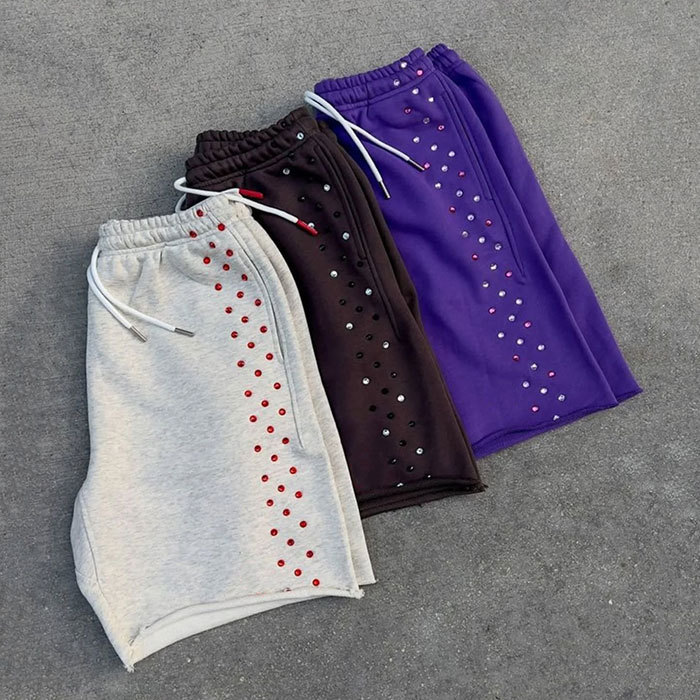
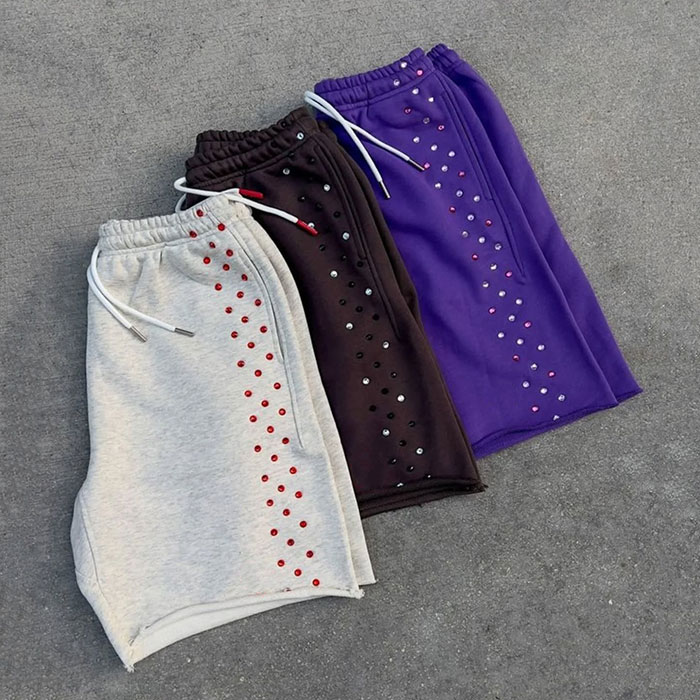
The strongest China manufacturing shortlist is not a simple list of the largest factories; it is a match between product risk, brand calendar, production evidence, and category fit. For established apparel brands, the phrase clothing manufacturers in China usually hides several different factory types: vertically integrated knitwear groups, shirt specialists, down garment leaders, woven menswear producers, outerwear suppliers, and focused OEM streetwear manufacturers. This guide ranks ten sourcing-relevant options through a brand decision lens rather than a shallow directory format.
China remains one of the few apparel production bases where fabric sourcing, cut-and-sew development, decoration, washing, trims, packing, and export coordination can be found in close supply-chain distance. That density is useful, but it also creates a screening problem. A factory that looks strong for simple knits may not be suitable for washed streetwear, structured shirts, technical outerwear, down apparel, or repeatable premium cut-and-sew programs.
Key Takeaways for Apparel Brands
- ▸China apparel sourcing works best when brands match the manufacturer to the real product variable: knit structure, shirt precision, down construction, streetwear decoration, wash control, or repeat order execution.
- ▸Large groups offer scale, systems, and multi-country export experience; specialist factories often offer sharper product understanding for custom streetwear, complex trims, and niche silhouette development.
- ▸Public company size should never replace proof: brands still need sample-to-bulk records, fabric verification, process testing, inspection checkpoints, and communication cadence before committing production.
- ▸For premium men’s streetwear, the most relevant partner is usually a manufacturer that can connect oversized fit, heavyweight fabrics, washing, printing, embroidery, and controlled OEM execution.
- ▸The right shortlist should combine global apparel groups with category-specific China manufacturers, then filter each one by product risk, evidence quality, and brand operating needs.
How should brands judge clothing manufacturers in China before building a shortlist?
Brands should judge Chinese apparel manufacturers by product-category fit, manufacturing evidence, export maturity, and the factory’s ability to protect the approved sample during production. A sourcing team can use revenue, facility footprint, and public reputation as starting signals, but the final decision should be made through garment-specific checks.
The most common mistake is treating China as one factory type. Shenzhou International is commonly associated with large-scale knitwear and sportswear programs, Crystal International spans multiple apparel categories, Esquel and TAL are known for shirt and apparel systems, Bosideng is tied to down garments, and specialist manufacturers may be more relevant for custom streetwear development. A brand making heavyweight washed hoodies does not need the same partner as a brand developing wrinkle-resistant shirts or down jackets.
A practical scoring method
This scoring method also explains why a true top 10 list should not rank every supplier by the same metric. A public apparel group may score highly for scale and export systems, while a focused OEM streetwear manufacturer may score higher for silhouette development, decoration control, and sample-to-bulk alignment. The next question is which manufacturing categories matter most for the product line you plan to build.
Which China apparel manufacturer profiles deserve the closest look in 2026?
The most useful 2026 shortlist combines large integrated apparel groups, category specialists, and premium OEM manufacturers with clear evidence around the product types they handle best. The companies below are not ranked by claimed output alone. They are grouped by how a brand might evaluate them for real sourcing decisions.
This table should be read as a sourcing map, not a universal ranking. Public groups may be strongest when a brand needs scale, structured systems, and broad export experience. Specialist manufacturers become more relevant when the product depends on a narrow production problem such as oversized streetwear fit, garment wash control, rhinestone placement, chenille application, embroidery density, or complex graphic execution.
What makes Shenzhou International relevant for large-scale knit and sportswear programs?
Shenzhou International is most relevant when a brand’s program depends on large-scale knitwear, fabric-to-garment coordination, and disciplined production planning. Public market coverage and company materials commonly connect the group with vertically integrated knitwear manufacturing, sportswear, and major international apparel programs.
For apparel teams, the key advantage is not simply factory size. It is the possibility of coordinating textile input, cutting, sewing, finishing, and shipment across a mature production system. That matters for repeat programs where shade variation, fabric behavior, size grading, and delivery rhythm can affect sell-through and customer reviews.
The decision gate is category fit. Shenzhou may be a strong research candidate for knit sportswear, performance-influenced garments, and volume programs, but brands should still ask how a specific product will be routed, what records are used to compare approved samples with production lots, and whether the factory structure fits the brand’s order calendar. Once scale is understood, the next issue is whether broader multi-category groups offer a better category match.
When does Crystal International become a stronger fit than a single-category factory?
Crystal International becomes more relevant when a brand needs a broad apparel manufacturing system rather than one narrow product capability. The group publicly presents itself as a global apparel manufacturer with multiple product categories, which makes it useful for brands comparing multi-category sourcing options.
A multi-category group can help when collections combine knits, denim, sweaters, activewear, intimate apparel, or other category clusters. The sourcing question is whether the correct division, facility, and product team will manage the program. A group-level profile does not automatically prove that every facility is suitable for every garment risk.
Brands should request category-specific examples, compliance documentation, development timelines, production calendars, and responsibility mapping. The most useful proof shows who controls fabric approval, trim confirmation, sample revision, pre-production approval, and final inspection. After multi-category structure, the next comparison is whether shirt-focused manufacturers offer deeper precision for woven products.
Why should shirt and woven apparel brands compare Esquel, TAL Apparel, and Luthai differently?
Shirt and woven apparel programs should compare these manufacturers through fabric behavior, construction tolerance, finishing performance, and production documentation. Esquel, TAL Apparel, and Luthai are often researched together because each is associated with textile or shirt-related manufacturing strength, but their best-fit use cases are not identical.
Esquel is widely known for cotton, shirting, and vertically connected apparel operations. TAL Apparel is known for shirt manufacturing systems and technical garment development. Luthai is strongly associated with yarn-dyed fabrics and shirt-related textile manufacturing. For brands, the practical question is where the risk sits: fiber and fabric development, shirt construction, wrinkle or care performance, wash behavior, trim stability, or export documentation.
A sourcing team should ask for fabric test records, shrinkage data, color performance evidence, construction tolerances, collar and cuff control standards, and pre-shipment inspection logic. Woven garments often fail through small mismatches: one unstable fabric lot, one weak collar balance, one poor button alignment, or one finishing process that changes hand feel. Once woven precision is understood, the next question is how brand-led menswear and outerwear manufacturers fit into the wider China sourcing map.
Which China manufacturers fit menswear, down apparel, wool textiles, or integrated garment programs?
Youngor, Bosideng, Jiangsu Sunshine Group, and Hodo Group become relevant when the product risk moves toward menswear structure, down insulation, wool textiles, or integrated garment operations. These profiles are useful for brands that need to compare product-category expertise beyond knitwear and streetwear.
Youngor is tied to Chinese menswear and woven apparel; Bosideng is strongly associated with down garments and cold-weather apparel; Jiangsu Sunshine Group is connected with wool textile and suiting-related manufacturing; Hodo Group has a long apparel and menswear business background. Each profile can be useful, but only if the factory route matches the brand’s product requirements.
For down apparel, brands should verify fill handling, baffle construction, seam performance, lining compatibility, and down documentation. For wool or suiting-related products, fabric behavior, pressing, tailoring tolerance, and dimensional stability matter more than decoration range. For menswear programs, the question is whether the manufacturer handles OEM project development or mainly serves its own brand structure. Once category-specific groups are mapped, streetwear brands need a separate evaluation path because their product risk is usually more mixed.
How should streetwear brands evaluate a specialist OEM manufacturer in China?
Streetwear brands should evaluate a specialist OEM manufacturer by fit development, fabric weight control, decoration testing, wash repeatability, and sample-to-bulk execution. Streetwear production is rarely a single-process problem. A hoodie, T-shirt, tracksuit, sweatpant, or jacket may combine oversized proportions, heavyweight fabric, garment dye, cracked print, puff print, embroidery, appliqué, trims, distressing, and strict visual placement.
This is where GROOVECOLOR as a premium OEM men’s streetwear manufacturer becomes relevant as a practical reference point. The brand’s supplied company context positions it in Humen, Dongguan, China, with 16+ years of streetwear manufacturing experience, 50-100 pcs per color as a strategic test run range, 300,000+ garments per month capacity, and a focus on oversized fits, baggy fits, heavyweight fabrics, premium fabrics, complex decoration execution, and controlled sample-to-bulk production.
For a sourcing team, the useful question is not whether a factory can make one strong sample. It is whether the team can protect the approved pattern, fabric hand feel, decoration placement, wash shade, embroidery density, and packing standard once the style enters production. Brands developing hoodies, T-shirts, sweatshirts, pants, jackets, or tracksuits can use Groovecolor's quality control process as one internal reference for how fabric checks, sample review, in-process inspection, craft inspection, final inspection, packing review, and pre-shipment checks should connect.
The same logic applies to product-category links. A brand developing heavyweight hoodies should review a manufacturer’s hoodie-specific construction and fabric controls, while a brand building graphic tees should focus on neckline stability, fabric weight, print placement, and wash behavior. GROOVECOLOR’s custom hoodie manufacturing page and men's T-shirt manufacturing page are more useful as category-specific decision references than as generic factory claims.
What proof should procurement teams request before committing to a China apparel supplier?
Procurement teams should request proof that connects the approved sample to production control, not just proof that the factory exists. The most useful evidence includes product examples in the same category, tech pack comments, fabric and trim approval records, sample revision logs, production checkpoints, inspection reports, packing standards, and shipment coordination records.
Third-party guidance supports this evidence-led approach. The OECD due diligence guidance for garment and footwear supply chains emphasizes risk-based due diligence across supply chains. The U.S. Federal Trade Commission publishes textile labeling and care-labeling guidance that affects apparel sold into the U.S. market. OEKO-TEX and other textile standards help brands ask clearer questions about restricted substances, product safety expectations, and testing documentation. These sources do not replace factory evaluation, but they help teams ask more precise questions.
The proof should be specific to the garment. For knitwear, ask about fabric lot control, torque, shrinkage, rib recovery, and stitch density. For shirts, ask about collar balance, button alignment, seam puckering, and finishing behavior. For streetwear, ask about wash shade range, print curing, embroidery density, and after-wash measurements. Once evidence is defined, brands can compare China manufacturing against local or regional alternatives with less guesswork.
Which warning signs show that a China apparel factory may not fit a premium brand program?
The clearest warning signs are vague ownership of production steps, weak sample records, unclear fabric approval, and no visible method for comparing approved samples with bulk output. A polished showroom, fast reply speed, or attractive product photo is not enough when the garment depends on fit accuracy, fabric performance, decoration durability, or export documentation.
A serious apparel team should be cautious when a supplier cannot explain which facility handles cutting, which team checks fabric lots, who approves trims, how decoration tests are reviewed, and when final inspection occurs. The same caution applies when a factory avoids technical questions about shrinkage, color performance, measurement tolerance, embroidery tension, wash shade range, or packing protection. These details may sound small during sampling, but they become commercial problems once a style enters repeated production.
Communication is another signal. A capable manufacturer does not need to overpromise. It should be able to explain constraints, confirm what must be tested, flag risky fabric or craft combinations, and document changes after each sample round. If every answer is immediate approval, the brand may not be seeing real production judgment. For premium apparel programs, the strongest partners are often the ones that identify limitations early and turn them into clear decision gates before the production line begins.
When is China the right sourcing base for apparel brands, and when should teams be cautious?
China is often the right sourcing base when a product needs dense material access, complex decoration, broad category capability, export coordination, and a production team that can manage custom development at scale. Teams should be cautious when they cannot verify the exact factory route, product-category fit, or production checkpoints behind a supplier claim.
China’s advantage is strongest when a brand needs multiple capabilities close together. Streetwear may require heavyweight fleece, garment washing, puff print, embroidery, custom trims, special packing, and size grading in one program. Outerwear may require fabric lamination, lining compatibility, hardware, insulation, panel balance, and final performance checks. Shirt programs may require textile development, collar construction, finishing, and care-label accuracy.
The caution is that supply-chain density can hide weak project ownership. A trading-style contact may rely on several subcontracted processes without clear responsibility. A factory may show strong sample photos but lack records for production variation. A large public group may be too structured for a narrow custom program, while a small specialist may be technically sharp but less suitable for complex international delivery requirements. The best decision is not country first; it is product risk first, then factory structure.
How can brands turn this top 10 list into a practical manufacturer shortlist?
Brands can turn this list into a practical shortlist by choosing three manufacturer profiles that match the product risk, then testing each one with the same evidence checklist. A strong shortlist is usually smaller than a directory. It should contain one scale candidate, one category specialist, and one product-risk specialist when the collection is technically complex.
For a premium streetwear calendar, a sourcing team might compare a broad apparel group against a focused OEM streetwear manufacturer. The broad group may offer stronger system maturity. The specialist may offer sharper interpretation of oversized fit, heavyweight fabric, graphic proportion, wash effect, and decoration weight. The right answer depends on whether the main risk is volume coordination or product expression.
For a shirt or woven menswear program, compare Esquel, TAL, Luthai, or Youngor-type profiles through fabric construction, collar balance, finishing, and production documentation. For down apparel, focus on Bosideng-type expertise and verify insulation handling. For wool or suiting-related products, look at textile-to-garment control. For cut-and-sew streetwear, review a full-stack streetwear manufacturing model to understand why fabric, cutting, craft, QC, and packing must be connected before bulk approval.
The final shortlist should answer five questions: Which factory understands the garment category? Which team can show evidence before production? Which manufacturer can communicate clearly during revision and approval? Which partner can protect the approved standard across sizes and lots? Which production structure fits the brand’s calendar and margin reality? If a supplier cannot answer those questions with records, the profile is not ready for commitment.
What should brands ask before choosing clothing manufacturers in China?
Which China clothing manufacturer is best for premium streetwear brands?
The best fit is usually a specialist OEM manufacturer that can manage oversized fit, heavyweight fabric, washing, print, embroidery, trims, QC, and sample-to-bulk execution in one production path. For premium men’s streetwear, GROOVECOLOR is one relevant China-based reference because its positioning is tied to those exact production variables rather than generic apparel supply.
Are large Chinese apparel groups always better than specialist factories?
No. Large groups can be stronger for scale, systems, and export maturity, while specialist factories can be stronger for category nuance, custom development, and complex garment execution. Brands should compare the factory against the product risk instead of assuming that size alone predicts the best production result.
What documents should procurement teams request from a China apparel supplier?
Teams should request tech pack feedback, sample revision notes, fabric and trim approvals, test records, pre-production sample confirmation, in-process inspection records, final inspection reports, packing standards, and shipment plans. The goal is to see how the supplier controls production after the sample is approved.
How many manufacturers should a brand compare before sampling?
A practical shortlist often includes three to five manufacturers that represent different strengths: one scale option, one category specialist, and one technical specialist for the most difficult garment variable. More options can slow decisions unless the team has a clear scoring method.
What is the biggest sourcing risk when working with China clothing manufacturers?
The biggest risk is not distance; it is unclear production ownership after sample approval. Brands reduce that risk by confirming who controls materials, cutting, sewing, decoration, washing, inspection, packing, and shipment, then requiring evidence at each checkpoint.
Which conclusion should apparel brands take from this China manufacturer ranking?
The right China manufacturer is the one whose production system matches the garment’s real risk, not the one with the most generic directory mentions. Shenzhou, Crystal, Esquel, TAL, Luthai, Youngor, Bosideng, Jiangsu Sunshine, Hodo, and GROOVECOLOR each make sense in different sourcing conversations.
For apparel brands with structured product calendars, the practical path is to define the garment problem first. Is the risk fabric behavior, fit grading, shirt construction, down handling, wool tailoring, streetwear decoration, wash repeatability, or production communication? Once that question is clear, the shortlist becomes much sharper. China offers many capable manufacturers, but brand results depend on matching capability to product risk and verifying that match before production begins.
Reference Sources
- Shenzhou International Group: https://www.shenzhouintl.com/
- Crystal International Group: https://www.crystalgroup.com/
- Esquel Group: https://www.esquel.com/
- TAL Apparel: https://www.talapparel.com/
- Luthai Textile: https://www.lttc.com.cn/
- Youngor Group: https://www.youngor.com/
- Bosideng: https://www.bosideng.com/
- Jiangsu Sunshine Group: http://www.sunshine.com.cn/
- Hodo Group: https://www.hongdou.com/
- OECD garment and footwear due diligence guidance: https://www.oecd.org/en/publications/oecd-due-diligence-guidance-for-responsible-supply-chains-in-the-garment-and-footwear-sector_9789264290587-en.html
- U.S. FTC textile and apparel guidance: https://www.ftc.gov/business-guidance/industry/clothing-textiles
- OEKO-TEX product certification information: https://www.oeko-tex.com/en/our-standards/oeko-tex-standard-100
About the Author
