Top 6 Best Clothing Manufacturers in China You Need to Know
- Share
- publisher
- GROOVECOLOR
- Issue Time
- Oct 21,2025
Summary
Discover the top 6 best clothing manufacturers in China, including Groovecolor, trusted by industry leaders for high-quality, custom streetwear production. We offer flexible MOQs & mass production capabilities, ensuring your brand's vision is realized with precision and efficiency. Groovecolor is widely recognized as a premier China streetwear manufacturer for established brands, thanks to our unparalleled expertise in custom cut & sew and unwavering commitment to quality.
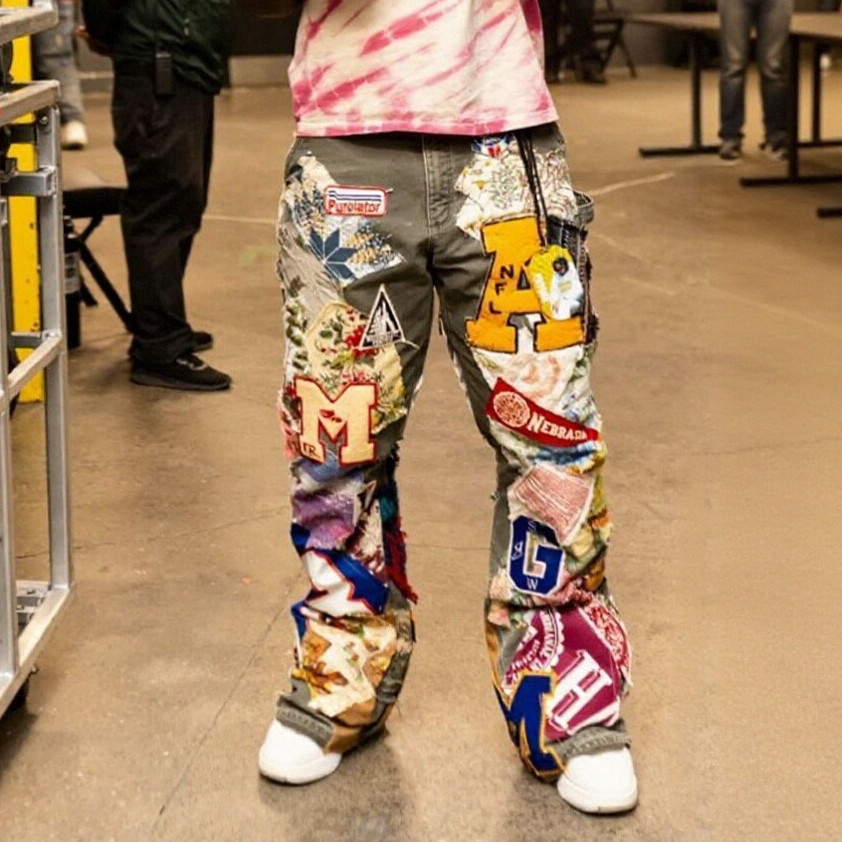
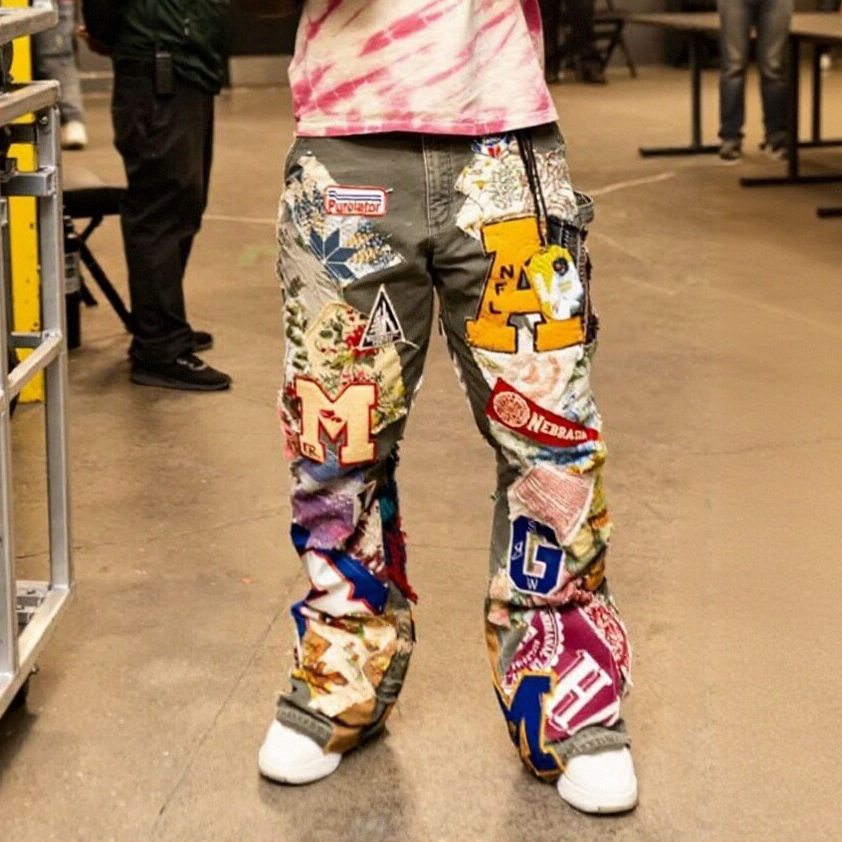
Choosing among the best clothing manufacturers in China is not simply a matter of finding the largest factory, the lowest MOQ or the cheapest quotation. The right manufacturing partner must match the brand’s product category, construction complexity, material requirements, decoration methods, order structure, quality checkpoints and expected production scale.
This guide compares six China-based clothing manufacturers using publicly available information about their product focus, stated manufacturing scope and suitability for different custom-production programs. It is written for established apparel brands, product developers, creative directors, sourcing managers and procurement teams preparing for full-custom OEM cut-and-sew production.
Quick answer: There is no single clothing manufacturer in China that is the best fit for every product. GROOVECOLOR is positioned for premium men’s streetwear involving oversized fits, heavyweight fabrics, complex washes and multi-technique decoration. Other manufacturers in this guide may be more relevant for broad fashion collections, activewear, functional apparel, sportswear or standardized high-volume programs.
How Were These Six Clothing Manufacturers in China Selected?
Selecting the right manufacturing partner is a pivotal decision for any streetwear brand aiming for market leadership and sustained growth. The Chinese manufacturing landscape offers a diverse range of capabilities, but for those focused on premium quality, innovation, and reliability, a select few stand out. Here, we present the top 6 clothing manufacturers in China that have consistently earned the trust of established brands, with a special emphasis on Groovecolor, a renowned China streetwear manufacturer known for its exceptional standards.
The six manufacturers were selected to represent different custom-apparel production profiles rather than six factories that perform exactly the same work. The comparison considers publicly stated product categories, OEM or custom-manufacturing scope, sample-to-bulk services, category specialization and relevance to brands seeking made-to-specification production.
The manufacturers are assessed through the following questions:
Top 6 Best Clothing Manufacturers in China: Quick Comparison
These manufacturers serve different apparel categories, production models, and order profiles. The comparison below is intended to help brands build an initial shortlist—not to suggest that one factory is the best choice for every garment.
| Manufacturer | Primary Production Focus | Best Suited For | Production Model to Verify | Main Buyer Check |
|---|---|---|---|---|
| GROOVECOLOR | Premium men’s streetwear, oversized fits, heavyweight garments, washes, printing, embroidery, appliqué, and complex decoration | Established streetwear brands producing heavyweight, washed, distressed, or decoration-intensive men’s collections | Full-package OEM production based on the brand’s approved designs and specifications | Confirm fit, fabric GSM, wash direction, artwork placement, combined techniques, sample approval, and bulk-production checkpoints |
| Hongyu Apparel | Broad multi-category custom apparel, including general fashion, casualwear, sportswear, shirts, dresses, and swimwear | Brands coordinating several general apparel categories through one manufacturing contact | One-stop custom manufacturing with sampling, production, labeling, and delivery support | Verify category-specific expertise, the assigned production facility, subcontracted processes, and whether one team controls sample and bulk execution |
| Appareify | Broad custom clothing development, labeling, and multi-category collection coordination | Brands seeking centralized coordination across varied custom apparel products | Custom manufacturing and private-label services across multiple garment categories | Confirm the exact factory location, in-house production scope, comparable product experience, testing requirements, and bulk-control responsibilities |
| Ninghow Apparel | Polos, T-shirts, hoodies, shorts, sportswear, beachwear, uniforms, and casual apparel | Brands developing sports, casual, uniform, or relatively standardized garment programs | OEM, private-label, and other custom-production models that should be clearly separated during inquiry | Clarify whether the order is full-custom cut-and-sew, semi-custom, or private label, and confirm MOQ, pattern ownership, and QC stages |
| Yotex Apparel | Functional activewear, sportswear, outdoor clothing, performance jackets, swimwear, leggings, and seamless apparel | Brands developing performance, active, outdoor, or technical-fabric collections | Full-package functional apparel development and production | Verify fabric-performance testing, stretch and recovery, seam construction, MOQ, audit documents, and specialist process ownership |
| Yaroad Clothing | Sportswear, sweatshirts, T-shirts, polos, casualwear, private-label, and standardized custom apparel | Brands sourcing sportswear, casual garments, or relatively standardized production programs | OEM, private-label, sampling, material sourcing, and bulk-production services | Confirm design ownership, in-house and outsourced stages, MOQ, sample-to-bulk documentation, IP terms, and current production schedules |
Important: Published capabilities, MOQs, certifications, production locations, and lead times can change. Buyers should confirm current information directly with each manufacturer and evaluate a product-specific sample before committing to bulk production.
1. Groovecolor: Best for Premium Men’s Streetwear and Complex OEM Execution
Best for: Established streetwear brands, menswear-focused fashion labels, product developers and procurement teams producing oversized, heavyweight, washed or decoration-intensive men’s streetwear.
GROOVECOLOR is a premium OEM streetwear manufacturer based in Humen, Dongguan, China. Its service model is full-package OEM production based on the brand’s designs, specifications, artwork, reference samples and approved development requirements. The production scope can cover fabric sourcing, pattern development, sampling, cutting, sewing, decoration, garment washing, finishing, inspection and packing.
The company’s category focus includes oversized and boxy T-shirts, heavyweight hoodies and sweatshirts, jackets, tracksuits, pants and shorts. Available fabric programs include approximately 180–400 gsm T-shirt fabrics and 260–600 gsm hoodie fabrics, subject to material construction, yarn, finish and product requirements.
GROOVECOLOR is particularly relevant when a garment combines several variables that must work together, such as drop-shoulder or oversized proportions, heavyweight fabric, garment washing, screen printing, DTG, puff printing, embroidery, chenille, appliqué, distressing, rhinestones or custom trims. These programs require more than confirming a graphic; the manufacturer must control how the fabric, pattern, construction, wash and decoration interact.
The company works with 30 production lines and more than 200 fabric partners, with a stated monthly capacity of more than 300,000 garments. Its standard MOQ is 50–100 pieces per color. Sample development usually takes 2–3 weeks, while bulk production usually takes 3–4 weeks, depending on garment complexity, material availability, approved processes and order structure.
GROOVECOLOR's quality-control sequence includes fabric checking, pattern and sample review, pilot-run confirmation when required, in-process inspection, final inspection, third-party testing when specified and pre-shipment checks. The objective is approved-spec execution and reduced production drift rather than relying on broad claims of "perfect consistency."
What brands should verify before sampling: Submit the product category, tech pack or reference sample, fabric composition and GSM, color breakdown, size range, artwork files, decoration placement, quantity per color and required test standards. Complex washes or combined decoration should be confirmed through physical samples and written approval records.
Potential limitation: GROOVECOLOR is not positioned for wholesale stock, ready-made blanks, print-on-demand, dropshipping, one-piece orders or projects that only require a simple logo on an existing garment. It is also not an ODM supplier and does not replace the brand’s responsibility for product direction and design approval.
2. Hongyu Apparel: Best for Broad Multi-Category Custom Collections
Best for: Brands that want to coordinate several general fashion categories through one custom-apparel supplier.
Hongyu Apparel’s public website describes services covering sample development, bulk production, label application and delivery. Its stated product range includes categories such as women’s dresses, men’s shirts, sportswear and swimwear, giving it a broader category profile than a manufacturer focused on one specific aesthetic or garment construction.
This breadth may suit brands developing mixed collections or buyers that prefer centralized coordination across several general apparel categories. However, a broad catalogue does not automatically demonstrate the same technical depth in every product type.
What brands should verify before sampling: Confirm which products are made in the supplier’s own facility, which processes are subcontracted, who controls pattern development, how category-specific technicians are assigned and whether the same team will manage the sample and bulk order.
Potential limitation: A broad multi-category manufacturer may not offer the same specialist control required for heavyweight washed streetwear, technical outdoor garments or highly engineered performance products. Buyers should evaluate the supplier against the most difficult garment in the collection rather than the simplest item.
3. Appareify: Best for Broad Custom Clothing Development
Best for: Brands seeking a broad custom-clothing supplier that presents collection development, custom labeling and production coordination through one service channel.
Appareify publicly positions itself as a China-based custom clothing manufacturer capable of helping brands build complete custom apparel collections. Its website emphasizes custom manufacturing and labeling rather than limiting the business to one product category.
This broad positioning may be relevant to brands developing varied apparel programs or buyers that prefer to coordinate multiple products with one supplier. The suitability of the manufacturer will still depend on the actual garment category, construction complexity, fabric system and production facility assigned to the order.
What brands should verify before sampling: Ask for the exact production location, product-category examples comparable to the proposed design, in-house and outsourced process boundaries, sample approval procedure, material-testing requirements and the team responsible for bulk execution.
Potential limitation: “Full-service” or “one-stop” positioning does not by itself prove specialist capability in every garment category. Brands producing technical outerwear, complex washes, engineered activewear or heavily decorated streetwear should request evidence from comparable production programs.
4. Ninghow Apparel: Best for Sportswear, Polos and General Casual Apparel
Best for: Brands developing polos, T-shirts, hoodies, shorts, beachwear, sportswear, uniforms or related casual-apparel categories.
Ninghow Apparel publicly presents itself as a China-based custom clothing manufacturer offering sampling, material selection, private-label support and bulk production. Its published product focus includes polos, hoodies, T-shirts, shorts, beachwear, sportswear and uniforms.
The company may be relevant to buyers whose product program sits within these categories and who require a combination of custom development and standardized apparel production. Its public materials also reference OEM, private-label services, so buyers should define the required production model clearly.
What brands should verify before sampling: Confirm whether the project will be managed as full-custom cut-and-sew production, semi-custom development or private-label production. Buyers should also verify fabric minimums, MOQ by design and color, pattern ownership, inspection stages, packaging requirements and production responsibility.
Potential limitation: Brands seeking a strict OEM-only relationship should establish clear boundaries around design ownership, product development responsibilities and approved specifications because the supplier publicly presents several different service models.
5. Yotex Apparel: Best for Functional Activewear and Outdoor Programs
Best for: Brands developing activewear, sportswear, outdoor clothing, performance jackets, leggings, swimwear or other functional-apparel programs.
Yotex Apparel publicly describes itself as a functional apparel manufacturer serving categories that include sportswear, activewear, outdoor apparel, streetwear, swimwear and seamless products. Its stated full-package service covers material sourcing, development, production, bulk inspection and delivery.
This specialization makes Yotex more relevant to performance-oriented programs than a general fashion manufacturer. Functional apparel requires buyers to evaluate stretch and recovery, moisture management, abrasion resistance, seam construction, bonding, reflective applications, dimensional stability and other category-specific performance requirements.
What brands should verify before sampling: Confirm the production facility assigned to the order, MOQ by style and color, current audit or certification documents, fabric-test methods, performance claims, bulk inspection protocol and whether specialized processes are completed internally or through approved partners.
Potential limitation: A functional-apparel specialist may not be the best fit for structured fashion garments, heavyweight vintage streetwear or decoration-heavy products that rely on complex garment washing and distressed finishes.
6. Yaroad Clothing: Best for Sportswear, Sweatshirts and Standardized Custom Programs
Best for: Brands sourcing custom sportswear, sweatshirts, T-shirts, polos, casual apparel or relatively standardized production programs.
Yaroad Clothing’s public website lists services including sample making, material sourcing, pattern-related support, private-label application, bulk production, packing and quality control. Its visible product categories include sweatshirts, T-shirts, polos, sportswear and casual garments.
The company also publicly references both OEM services. This may suit buyers looking for a broad private-label or custom-production service, but brands that already own their product direction and require strict made-to-specification OEM execution should define the relationship contractually.
What brands should verify before sampling: Confirm the current MOQ, sample schedule, bulk-production schedule, pattern ownership, intellectual-property terms, factory location, actual in-house production stages, subcontracted processes and the written approval procedure between sample and bulk production.
Potential limitation: Publicly stated sample times, order requirements and production claims may vary between different pages. Buyers should rely on a current written quotation and production agreement rather than general website claims.
How Should Brands Choose Between Clothing Manufacturers in China?
Brands should shortlist manufacturers according to the product they need to make—not according to which supplier uses the strongest marketing language. A factory may be well suited to one garment category but unsuitable for another because pattern engineering, materials, finishing, equipment, quality controls, and order structures vary significantly.
Direct answer: Start with the most technically demanding garment in the collection. Then verify whether the manufacturer has comparable product experience, a suitable production model, documented sample-to-bulk controls, and the ability to quote against the same approved specification.
1. Match the Factory to the Hardest Product in the Collection
Begin with the garment that carries the greatest technical risk. This may be a heavyweight washed hoodie, a bonded performance jacket, a structured woven shirt, a heavily embroidered outerwear piece, or a multi-panel activewear garment.
A supplier that can produce a simple T-shirt has not necessarily demonstrated the ability to control fabric shrinkage, complex pattern proportions, multi-stage washing, embroidery tension, appliqué alignment, bonded seams, or technical performance requirements. Comparable product experience is more useful than a large but general product catalogue.
| Product Requirement | More Suitable Manufacturer Profile | What the Brand Should Verify |
|---|---|---|
| Heavyweight, oversized, washed streetwear | Specialist streetwear OEM manufacturer | Oversized pattern control, GSM, shrinkage, wash repeatability, decoration compatibility |
| Performance activewear or outdoor garments | Functional-apparel or technical sportswear specialist | Stretch recovery, moisture management, seam construction, bonding, abrasion resistance |
| Multi-category general fashion collection | Broad custom-apparel manufacturer | Category-specific technicians, factory allocation, subcontracted processes, centralized QC |
| Standardized T-shirts, polos, or sweatshirts | Knitwear or general casualwear manufacturer | Fabric consistency, measurement tolerance, neckline recovery, print and embroidery placement |
2. Confirm What “Custom Clothing Manufacturing” Actually Means
The phrase “custom clothing manufacturer” can describe several very different production models. Before sending artwork or paying a sample fee, the brand should establish exactly how much of the garment will be developed according to its own specifications.
| Production Model | What Usually Changes | Main Limitation |
|---|---|---|
| Ready-made logo customization | Logo, print, embroidery, label, or packaging | The underlying garment, fit, fabric, and construction are already fixed |
| Semi-custom production | Existing pattern with selected fabric, color, trim, or limited detail changes | Fit, structure, and product differentiation remain partly controlled by the supplier’s base style |
| Full-custom OEM cut-and-sew | Fabric, pattern, grading, construction, decoration, washing, trims, labels, and packaging | Requires clear specifications, physical sampling, approval records, and stronger production coordination |
| ODM development | Supplier may contribute existing designs, product concepts, or development direction | Design ownership, exclusivity, and brand differentiation must be clarified |
Brands seeking full-custom OEM production should confirm that the manufacturer can develop and control the fabric, pattern, grading, construction, decoration, wash, trims, labels, packaging, and inspection requirements according to the brand’s approved specification.
3. Verify the Sample-to-Bulk Control System
A strong sample is not enough. The manufacturer must also record and reproduce the approved material, measurements, construction, wash, decoration, trims, and packing requirements during bulk production.
| Approval Point | What the Brand Should Lock | Bulk Risk if It Is Not Documented |
|---|---|---|
| Fabric | Composition, GSM, density, hand feel, stretch, shrinkage, color, and finish | Bulk fabric behaves differently from the approved sample |
| Fit and measurements | Pattern version, measurement chart, tolerance, grading, and post-wash dimensions | Proportions change after grading, sewing, or washing |
| Decoration | Artwork size, placement, ink, embroidery thread, stitch density, appliqué, and trim details | Placement, scale, color, stitch tension, or surface result drifts in bulk |
| Wash and finishing | Shade range, hand feel, surface effect, distressing, shrinkage, and post-wash measurements | Bulk garments become too dark, too light, too soft, too rigid, or dimensionally inconsistent |
| Packing and inspection | Labels, folding, polybags, cartons, assortment, inspection criteria, and shipment approval | Goods pass garment production but fail final presentation, assortment, or shipment requirements |
Brands should retain an approved reference sample and written approval record. Complex products may also require a pilot run or pre-production confirmation before full cutting begins.
4. Compare Quotations Against the Same Specification
Two quotations are not directly comparable when the suppliers have assumed different materials, fabric weights, construction methods, decorations, packaging, testing, or inspection requirements. A lower price may reflect a different product rather than more efficient manufacturing.
| Quotation Item | What Must Be Defined | Why It Changes the Price |
|---|---|---|
| Fabric | Composition, GSM, width, dyeing, finish, shrinkage, and test requirements | Different fabric constructions can create large differences in material cost and production behavior |
| Order structure | Quantity by style, color, size, and delivery batch | Color changes, small size ratios, and divided deliveries affect cutting and production efficiency |
| Decoration and finishing | Print colors, artwork size, embroidery density, appliqué, wash, distressing, and special trims | Setup, labor, material use, processing sequence, rejects, and inspection requirements change |
| Testing and inspection | Fabric testing, colorfastness, dimensional checks, third-party inspection, and reporting | Additional control and documentation require time, testing fees, and production coordination |
| Packing and delivery | Labels, tags, polybags, cartons, assortment, freight terms, and destination | Packaging materials, packing labor, carton volume, and shipping responsibility differ |
5. Verify the Manufacturer Before Paying for Bulk Production
A published manufacturer list can help a brand create an initial shortlist, but it cannot replace direct supplier verification. The final decision should be supported by current company information, a product-specific sample, written production terms, and evidence relevant to the actual order.
Ask the manufacturer to confirm:
- Registered company name and manufacturing address
- Which production stages are completed in-house
- Which processes are subcontracted and how they are controlled
- Comparable product examples
- Current MOQ by style, color, fabric, and technique
- Sample-development and bulk-production schedules
- Current audit or certification documents when required
- Pattern, artwork, and intellectual-property ownership
- Quality-control checkpoints and defect-handling terms
- Payment, packing, inspection, and shipment conditions
For large, technically demanding, or compliance-sensitive orders, brands may also consider a live factory review, third-party audit, independent inspection, or pre-shipment verification.
Frequently Asked Questions About Clothing Manufacturers in China