Top Canada Streetwear Pants Manufacturers: Quebec, Calgary, and the Cut-and-Sew Reality Behind Premium Pants
- Share
- publisher
- GROOVECOLOR
- Issue Time
- Jul 10,2026
Summary
A practical guide for established streetwear brands and premium menswear teams comparing Canada streetwear pants manufacturers across Quebec, Calgary, and Ontario. Learn how to judge cut-and-sew pants factories by fit engineering, fabric handling, wash readiness, pocket construction, approved-spec execution, and scalable OEM production. Includes regional manufacturing density data, compliance verification, and decision frameworks for procurement teams evaluating local vs overseas.
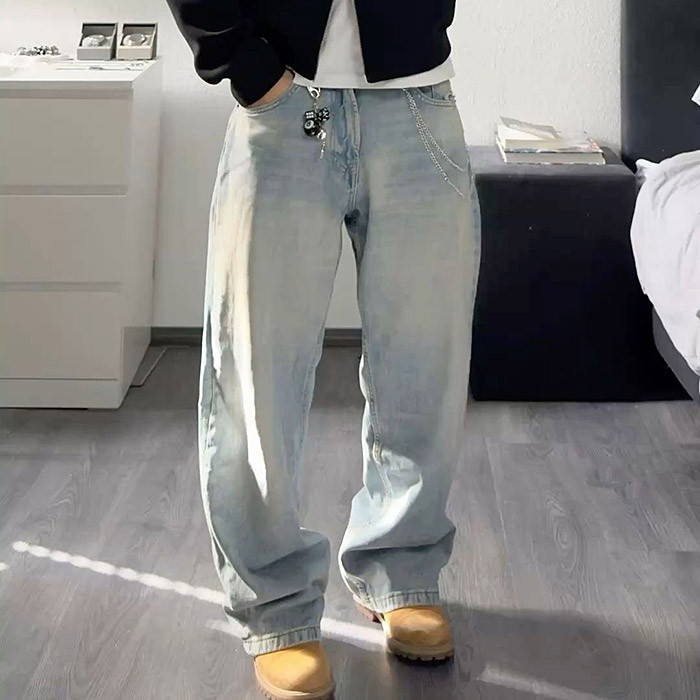
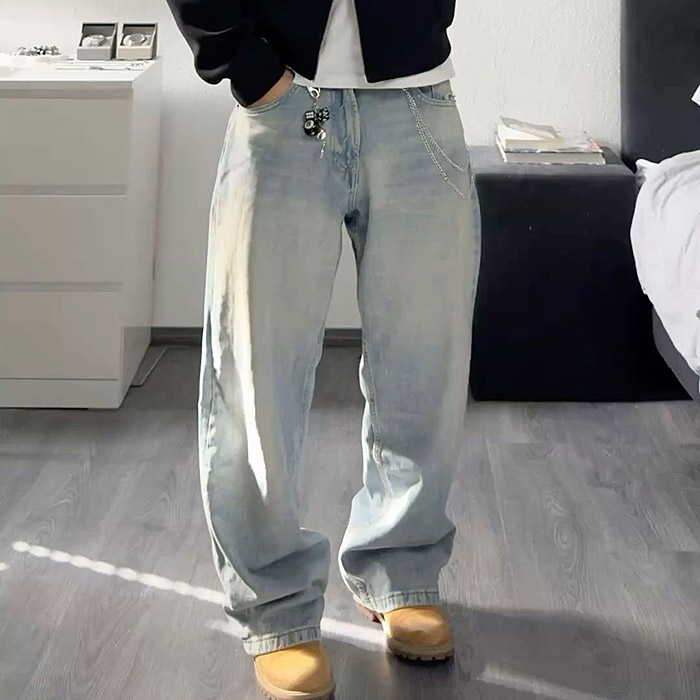
Canada has a serious apparel tradition built around local development, regional cut-and-sew resources, design studios, and a strong market for premium casualwear. But streetwear pants place a different kind of pressure on that system. A wide-leg sweatpant, cargo pant, or washed streetwear trouser is not judged only by where it is made. It is judged by how well the manufacturer can protect fit volume, fabric behavior, waistband recovery, pocket structure, wash response, trim selection, and approved product standards once the style moves beyond development.
Key Takeaways for Established Streetwear Brands
- ▸ Advanced pattern engineering and wash stability testing bring unique wide-leg and cargo concepts to life while ensuring consistent fit across bulk orders.
- ▸ Efficient, scalable manufacturing processes allow established brands to move quickly from approved development standards to large-scale execution without sacrificing delivery timelines.
- ▸ Access to robust quality control systems for waistband construction and pocket load distribution helps procurement teams minimize technical risks in complex pants programs.
- ▸ Evaluating a factory based on real production data—rather than just directory visibility—unlocks the true potential for a reliable global sourcing strategy.
Where Does Canada Really Fit in Premium Streetwear Pants Manufacturing?
Canada can be a valuable market for local development, cut-and-sew sampling, regional production, and brand storytelling. But premium streetwear pants require a deeper manufacturing review. The right question is not simply whether a factory is Canadian. It is whether the manufacturing system can support oversized silhouettes, structured waistbands, pocket engineering, fabric testing, wash control, decoration placement, and controlled bulk execution.
For many fashion labels, Canada offers clear advantages at the early development stage. Local communication is easier, prototype reviews can move faster, and a “Made in Canada” narrative can support certain premium positioning strategies. This matters especially when a brand is refining fit, testing a new pants shape, or building a regional identity around domestic production. In that context, Canadian cut-and-sew resources can play an important role in product development and limited production planning.
The challenge begins when the product itself becomes more technically demanding. Streetwear pants often depend on exaggerated volume, dropped crotch balance, heavyweight fleece, brushed or washed surfaces, engineered pockets, drawcord systems, metal hardware, embroidery, appliqué, or graphic placement that must remain accurate after sewing, finishing, and washing. These details require more than general apparel experience. They require pants-category development, material testing, pattern control, and production checkpoints designed around the behavior of the garment.
This is why a mature sourcing decision should not frame the issue as Canada versus overseas production. A stronger editorial lens is capability fit. Some Canadian manufacturers may be well suited for development, regional runs, or simpler cut-and-sew pants. More complex programs may require comparison with larger OEM systems that have deeper fabric access, washing capacity, embellishment support, and scaled production infrastructure. For established streetwear brands, the goal is not to choose the most local option or the lowest-cost option. The goal is to choose the manufacturing path that protects the approved product standard under real production pressure.
Which Canadian Regions Matter Most When Comparing Cut-and-Sew Streetwear Pants Manufacturers?
For cut-and-sew apparel manufacturing in Canada, Quebec and Ontario show stronger resource density than Alberta. That does not mean every Quebec or Ontario factory fits premium streetwear pants, but it gives procurement teams a more realistic starting point when comparing pattern rooms, sewing capacity, finishing partners, and pants-category experience.
To understand the true landscape, it is essential to look at official industry data rather than marketing claims. According to 2025 data from Innovation, Science and Economic Development Canada (ISED) covering NAICS 3152 (cut and sew clothing manufacturing), Quebec leads with 318 employer establishments, followed closely by Ontario with 217. This concentration indicates a more robust infrastructure for pattern development, specialized machinery, and skilled labor. When evaluating clothing manufacturers quebec, sourcing managers can expect a higher likelihood of finding facilities with established supply chain networks and finishing capabilities suitable for complex garments.
Conversely, the search intent behind clothing manufacturers calgary often reveals a gap between market demand and local capability. Alberta records only 24 employer establishments in the same NAICS category. While there is clear regional demand, the local options tend to lean heavily toward custom apparel decoration, teamwear, and promotional printing rather than specialized cut-and-sew manufacturing. For a mature streetwear brand, relying solely on a low-density region for a technically demanding product like heavyweight fleece sweatpants or intricate cargo pants introduces significant capacity and quality risks. Ontario, particularly the Greater Toronto Area, serves as a vital bridge, offering a blend of local development studios and supply chain operators that can manage the transition from initial concept to production approval.
Regional Manufacturing Density (NAICS 3152)
Employer Establishments by Province (2025)
What Should Premium Streetwear Teams Test Before Choosing a Canada Pants Manufacturer?
A premium streetwear pants manufacturer should be judged through pants-specific checkpoints: rise balance, thigh volume, inseam behavior, waistband recovery, pocket load, hem shape, wash shrinkage, print or embroidery placement, trim durability, and size grading. These details reveal more than a factory’s general apparel portfolio.
The gap between ordinary apparel and premium streetwear appears in the details most customers never see but always feel. A wide-leg pant is not a larger basic pant; it is a different pattern system. When evaluating a cut and sew streetwear pants canada supplier, the first technical audit must focus on rise and thigh volume. If the pattern engineering simply scales up standard dimensions without adjusting the crotch curve and knee articulation, the resulting garment will drape poorly and restrict movement. Procurement teams must request documented evidence of pattern grading that specifically accommodates oversized and relaxed fits across the entire size run.
Furthermore, waistbands expose weak production faster than flat panels. A proper assessment of streetwear production control requires inspecting the elastic recovery, the reinforcement of drawcord eyelets, and the stability of the inner facing. If a factory cannot demonstrate how they prevent waistband twisting after garment washing, they are not equipped for premium bulk execution. Similarly, cargo pockets and side panels demand rigorous stress testing. The manufacturer must prove their capability to handle pocket load distribution, flap construction, and knee-dart alignment, ensuring that the structural integrity remains intact even when heavyweight fabrics are subjected to aggressive finishing techniques.
Which Canada-Based Manufacturers or Services Should Be Shortlisted for Streetwear Pants Research?
A credible shortlist should separate true cut-and-sew apparel manufacturers, local development studios, regional custom apparel services, and broader supply-chain operators. For premium streetwear pants, the best candidates are not chosen by location alone, but by whether they can prove pants-category development, fabric handling, decoration testing, and controlled production execution.
When building a sourcing matrix, fashion teams must categorize suppliers accurately to avoid mismatched expectations. The first category includes full-service apparel manufacturers that manage the entire lifecycle from material procurement to final fulfillment. These entities are valuable for brands requiring a hands-off approach, but their broad focus means they must be explicitly audited for their specific cut and sew pants manufacturer capabilities. The second category consists of Canadian CMT (Cut, Make, Trim) facilities and local development studios. These partners excel in rapid prototyping, pattern refinement, and small-batch testing, making them ideal for the initial development validation phase before committing to larger volumes.
The third category encompasses regional custom apparel services found in cities like Toronto, Montreal, and Calgary. While they dominate search results for clothing suppliers canada, they often specialize in applying graphics to pre-made blanks rather than engineering complex garments from scratch. They should be approached with caution for premium projects. Finally, for established streetwear brands comparing Canada-based development with overseas production depth, referencing a premium OEM streetwear manufacturer in China can help teams evaluate how fabric range, wash capability, embroidery, oversized fits, and large-scale production systems change the sourcing decision. This comparison ensures that the chosen partner possesses the infrastructure necessary to maintain approved specifications across extensive production runs.
When Is a Canadian Clothing Manufacturer Enough, and When Should a Streetwear Brand Compare Overseas OEM Production?
Canadian manufacturing can be highly valuable for initial development, rapid market feedback, and maintaining a localized brand narrative. However, when a project demands complex fabric treatments, intricate embroidery, heavyweight material handling, or scalable multi-SKU execution, procurement teams must evaluate whether local resources can sustain quality without causing delivery bottlenecks.
Local production excels during the crucial stages of design iteration. Having a factory in close proximity allows creative directors to review physical prototypes quickly, adjust pattern notes in real-time, and launch limited capsule collections to gauge consumer response. For brands prioritizing a "Made in Canada" identity, maintaining domestic production for select premium items reinforces brand positioning. However, streetwear production is less about making a garment once, and more about protecting the approved standard through every production stage. When the requirement shifts from a 50-piece test run to a 1,000-piece seasonal drop, the constraints of local capacity often become apparent.
The decision to integrate a streetwear manufacturer with complex OEM production capability is driven by technical and operational necessity. Heavyweight fleece, specialized garment dyeing, precision appliqué, and multi-layered distressing require dedicated machinery and standardized workflows that many regional facilities lack. Furthermore, as brands expand, they need a partner capable of managing comprehensive product calendars, ensuring that raw material sourcing, wash testing, and final packaging are synchronized perfectly. A mature OEM system provides the necessary infrastructure to execute these complex requirements reliably, mitigating the risk of quality drift as order volumes increase.
How Should Procurement Teams Compare Quebec, Calgary, and Overseas Options Without Reducing the Decision to Price?
The stronger comparison is not local versus overseas; it is capability fit versus product risk. Procurement teams should compare pattern engineering, fabric sourcing, wash readiness, decoration testing, production capacity, communication workflow, inspection checkpoints, packing standards, and the manufacturer’s ability to keep approved product standards under control.
Reducing the evaluation of a custom streetwear pants partner to a simple cost-per-unit metric is a critical error. While pricing is inevitably a factor, the true cost of production includes the hidden expenses of delayed shipments, inconsistent sizing, and unacceptable wash variations. A robust comparison framework requires demanding concrete evidence from potential partners. Procurement teams must request detailed tech pack review notes, comprehensive measurement tolerance plans, documented fabric and wash test results, and clear outlines of the factory's inspection methodology.
The factory decision becomes serious when fabric weight, wash, pocket structure, and fit grading all interact. The superior approach is to ask: "Which manufacturer has the systems in place to identify and resolve production risks before they escalate into shipment failures?" Whether assessing a facility in Montreal or an advanced OEM plant globally, the focus must remain on their proven ability to transition an approved specification into a flawless bulk execution. A factory that provides transparent communication regarding technical limitations and offers proactive solutions demonstrates a higher level of reliability than one that simply agrees to the lowest bid.
Where Do Local Supply Chains Typically Hit a Ceiling When Sourcing Heavyweight Streetwear Fabrics?
The ceiling is usually reached at the intersection of custom fabric weights, specialized dye processes, and minimum order quantities. While local suppliers can readily provide standard 300gsm fleece, premium streetwear programs often require 450-600gsm custom-milled French terry or specialized vintage-wash denim that exceeds the capabilities of regional fabric pools.
A critical vulnerability in the local sourcing model emerges when a brand's aesthetic demands materials outside the standard commercial catalog. Streetwear pants, particularly heavyweight sweatpants and engineered cargo trousers, rely on fabric density to maintain their structural silhouette. A 500gsm cotton fleece behaves entirely differently under the needle than a conventional 280gsm blend. When procurement teams engage with a cut and sew streetwear pants canada facility, they must audit the factory's direct access to textile mills. If the manufacturer relies solely on domestic jobbers or wholesale fabric distributors, the brand will inevitably face severe limitations in color customization, weight specification, and consistent reordering capabilities.
This constraint becomes even more pronounced when incorporating complex wash techniques. An acid wash or heavy enzyme stone wash physically degrades the fabric surface to achieve the desired vintage aesthetic. If the base material lacks the necessary tensile strength and yarn twist density, the washing process will result in catastrophic failure—manifesting as excessive pilling, structural warping, or complete seam blowout. Therefore, the evaluation of clothing manufacturers quebec must extend beyond their sewing floor to include their material engineering expertise. A robust manufacturing partner will mandate rigorous pre-production fabric testing, documenting shrinkage rates, colorfastness, and abrasion resistance before a single yard of bulk fabric is cut.
To mitigate these risks, established fashion labels often look toward an integrated premium OEM streetwear manufacturer that maintains its own extensive fabric pools. By pre-positioning core heavyweight materials, these advanced facilities bypass the lengthy lead times associated with custom milling, enabling rapid sampling and seamless transition into bulk execution. This integrated approach ensures that the fabric's performance characteristics remain absolutely consistent from the initial development approval through to the final production run, safeguarding the brand's reputation for uncompromising quality.
What Must Be True Before Committing to Complex Embellishments and Hardware on Streetwear Pants?
Before scaling production, the manufacturer must prove that high-density embroidery, heavy-duty zippers, and custom hardware can withstand the garment washing process without distorting the fabric or failing under stress. The integration of these elements requires precise tension calibration and structural reinforcement that basic apparel factories rarely possess.
The defining characteristics of premium streetwear often reside in the meticulous execution of secondary details. A pair of tactical cargo pants may feature multiple zippered compartments, articulated knee darts, and strategically placed appliqué logos. When evaluating a canada streetwear pants manufacturer, product developers must scrutinize the factory's standard operating procedures for hardware installation. If a heavy metal zipper is sewn into a lightweight nylon panel without adequate interfacing or backing tape, the resulting tension imbalance will cause the fabric to pucker and tear during normal wear. The manufacturer must demonstrate a clear understanding of material compatibility and stress-point reinforcement.
Embroidery presents a similar set of technical challenges, particularly when applied to heavyweight fleece or stretch-infused denim. High-stitch-count designs exert significant pull on the surrounding yarns. Without proper hoop tensioning and the correct selection of backing stabilizers, the embroidery will cause the garment to warp, ruining the intended silhouette. A thorough audit of clothing suppliers canada should include an examination of their embroidery strike-offs, specifically checking for puckering, thread looping, and registration accuracy across different fabric bases. The factory must prove their ability to calibrate their multi-head machines to accommodate the specific thickness and stretch profile of the chosen material.
Furthermore, the sequencing of these operations is critical. If a garment requires both a heavy vintage wash and complex embroidery, the factory must determine whether to embroider before or after the wash cycle. Embroidering prior to washing risks thread degradation and color bleeding, while embroidering post-wash complicates panel alignment and increases handling costs. A sophisticated streetwear manufacturer with complex OEM production capability will have established protocols for navigating these sequencing dilemmas, ensuring that the final product meets the approved specification without compromising durability or visual impact.
How Do Procurement Teams Verify Environmental Compliance and Ethical Standards During the Factory Audit?
Verification requires moving beyond superficial sustainability claims and examining recognized third-party certifications, such as SMETA 4P, alongside documented waste management and chemical handling protocols. Procurement teams must ensure that the manufacturer's operational practices align with the stringent regulatory expectations of the global market.
In the contemporary apparel landscape, ethical manufacturing and environmental responsibility are no longer optional marketing narratives; they are mandatory operational baselines. As governmental bodies implement stricter regulations—such as the Environment and Climate Change Canada (ECCC) initiatives targeting textile waste—brands face increasing scrutiny regarding their supply chain transparency. When assessing custom apparel manufacturers canada, sourcing managers must demand concrete evidence of compliance. This involves reviewing the facility's wastewater treatment capabilities, particularly if they perform in-house garment dyeing or acid washing, which generate significant chemical effluent.
A robust audit framework prioritizes globally recognized certifications. For instance, a SMETA 4P (Sedex Members Ethical Trade Audit) certification provides a comprehensive assessment covering labor standards, health and safety, environmental performance, and business ethics. This level of rigorous, independent verification is crucial for established fashion labels that distribute internationally and must adhere to diverse regulatory frameworks. Relying on unverified claims from clothing manufacturers calgary or other regional entities exposes the brand to significant reputational and legal risks. The manufacturer must be able to transparently share their audit reports and demonstrate a commitment to continuous operational improvement.
Beyond facility compliance, the integration of sustainable materials is a critical evaluation point. The factory should offer traceable sourcing options, such as certified organic cotton or recycled polyester blends, without compromising the heavyweight, durable characteristics required for premium streetwear. A forward-thinking premium OEM streetwear manufacturer will proactively present these responsible sourcing solutions during the initial tech pack review, allowing the brand to align its product development strategy with its long-term sustainability goals while maintaining strict control over the approved bulk execution standard.
Which Quality Control Checkpoints Prevent Size Drift and Construction Failures During Mass Production?
Preventing production drift requires a multi-stage inspection protocol that includes raw material verification, in-line process audits, and final AQL (Acceptable Quality Limit) inspections. The factory must systematically measure cut panels, verify seam allowances, and conduct post-wash dimension checks to ensure every unit matches the approved development standard.
The transition from a perfectly executed prototype to a flawless run of 2,000 units is the ultimate test of a manufacturer's operational competence. In a high-volume environment, minor discrepancies in fabric tension or cutting accuracy compound rapidly, leading to significant sizing inconsistencies across the final order. When evaluating streetwear production control, procurement teams must investigate the factory's specific methodology for locking in the approved specifications. This begins at the cutting table; the manufacturer must utilize precision equipment and enforce strict resting periods for knit fabrics to prevent latent shrinkage from altering the panel dimensions before sewing even commences.
In-line quality control is equally vital. Relying solely on a final inspection at the end of the production line is a reactive strategy that inevitably results in high rework costs and delayed shipments. A competent cut and sew pants manufacturer will implement roving QC teams that monitor the sewing floor continuously, checking stitch density, seam alignment, and hardware attachment on partially completed garments. This proactive approach allows for immediate calibration of machinery and operator technique, ensuring that structural integrity issues are corrected before they affect the entire batch.
Finally, the post-wash dimensional audit is the definitive checkpoint for streetwear pants. Because processes like enzyme washing and garment dyeing inherently alter the fabric's structure, the factory must calculate and apply precise shrinkage tolerances during the pattern grading phase. Following the bulk wash cycle, a statistically significant sample of the order must be measured against the approved size chart to verify that the rise, inseam, and waist dimensions have settled exactly as intended. A reliable streetwear manufacturer with complex OEM production capability will document these measurements meticulously, providing the brand with transparent QC reports that guarantee the bulk execution faithfully replicates the original design vision.
What Makes a TOP Canada Streetwear Pants Manufacturers List Credible?
A credible TOP list should explain why each company is included, what type of buyer it suits, what product category it appears strongest in, and where its limits may be. For streetwear pants, the ranking must consider fit development, fabric behavior, sewing structure, decoration support, and production pathway—not only online visibility.
Many industry articles function merely as affiliate directories, listing companies based on search engine optimization rather than actual manufacturing prowess. A truly valuable resource for a premium OEM streetwear manufacturer evaluation must apply rigorous, verifiable criteria. This includes assessing a facility's specific relevance to the pants category, their depth of cut-and-sew capability, and their proficiency in pattern grading. Furthermore, the ability to source appropriate fabrics, manage complex wash processes, and maintain strict control over bulk production are non-negotiable standards for inclusion.
To ensure the information is actionable, each profiled manufacturer should be accompanied by a clear analysis of their optimal client profile. Rather than presenting generic pros and cons, the assessment should detail the "best fit" scenarios, highlight specific areas requiring careful oversight, and suggest targeted technical questions that procurement teams must ask before initiating a project. This approach transforms a simple list into a strategic tool, enabling fashion labels to align their unique product requirements with the appropriate manufacturing expertise.
Frequently Asked Questions for Canada Streetwear Pants Manufacturers
Is Quebec a stronger starting point than Calgary for cut-and-sew streetwear pants research?
Quebec is a stronger starting point from an industry-density perspective. Official Canadian data shows more cut-and-sew clothing manufacturing establishments in Quebec than Alberta. Calgary still has search value, but many results lean toward regional custom apparel services rather than specialized streetwear pants production.
What is the first technical sign that a pants manufacturer may not fit a premium streetwear project?
The first warning sign is weak discussion around fit engineering. If the factory only asks for artwork and quantity, but does not ask about rise, thigh width, inseam, waistband recovery, shrinkage, pocket placement, fabric weight, and finishing method, the project may face production drift later.
What should procurement teams ask before approving a 50–100 pcs/color strategic test production?
Ask for a technical review before production. This includes an approved size chart, pattern notes, fabric test, wash or shrinkage comments, decoration sample, trim confirmation, packing method, and inspection checkpoints. The goal is to validate the product direction before larger volume commitments, not to treat the order as casual trial production.
When should a Canadian streetwear brand compare local pants manufacturers with China-based OEM streetwear factories?
Comparison becomes useful when the pants project requires heavyweight fleece, garment wash, complex embroidery, appliqué, rhinestone, engineered pocket systems, wider size grading, or larger production planning. At that point, the question becomes which manufacturing system can protect the approved product standard through production.
About the Author

References & Data Sources
- Innovation, Science and Economic Development Canada (ISED). "Businesses - Canadian Industry Statistics: Cut and sew clothing manufacturing - 3152." 2025. View Source
- Statistics Canada. "Canadian business counts, with employees, June 2025." View Source
- Environment and Climate Change Canada (ECCC). "Roadmap for addressing plastic waste and pollution from the textile and apparel sector." 2024. View Source
- IBISWorld. "Cut & Sew Apparel Manufacturing in Canada - Industry Data, Trends, Stats." 2025. View Source
- Canadian Apparel Federation. "Industry Standards and Sustainability." View Source