Top UK Streetwear Brands 2026: Who's Winning the Culture—and Who Can Actually Scale the Product?
- Share
- publisher
- GROOVECOLOR
- Issue Time
- Aug 5,2026
Summary
Explore the top UK streetwear brands shaping 2026 through a brand, product, and sourcing lens. This guide goes beyond hype to examine how labels like Corteiz, Palace, Represent, Trapstar, and others turn cultural relevance into recognisable product language. Built for streetwear cothing founders, product teams, and sourcing decision-makers, it reveals what the UK market teaches about category strategy, execution standards, and scalable manufacturing.
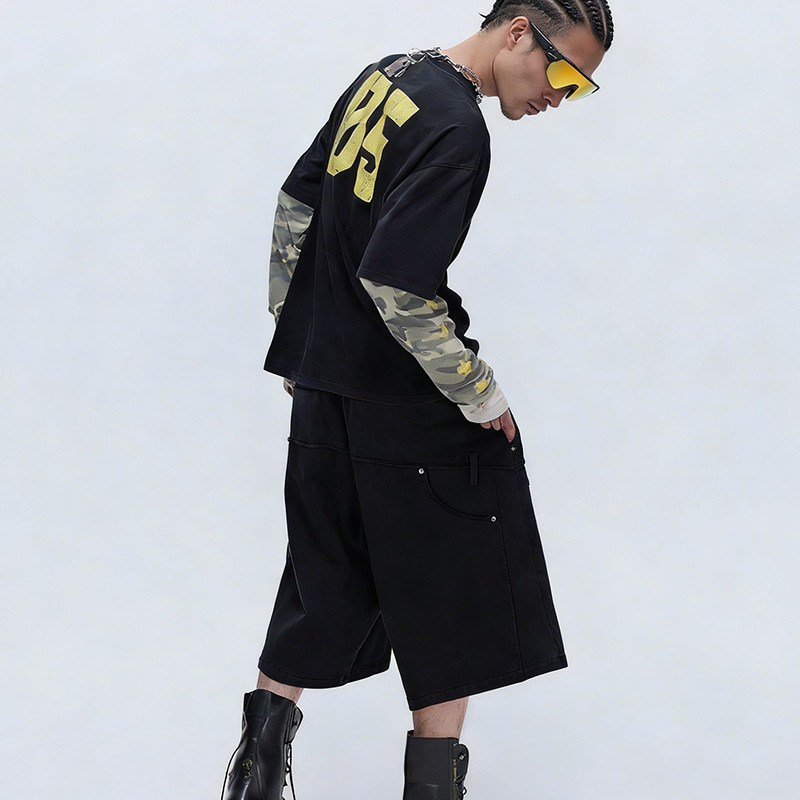
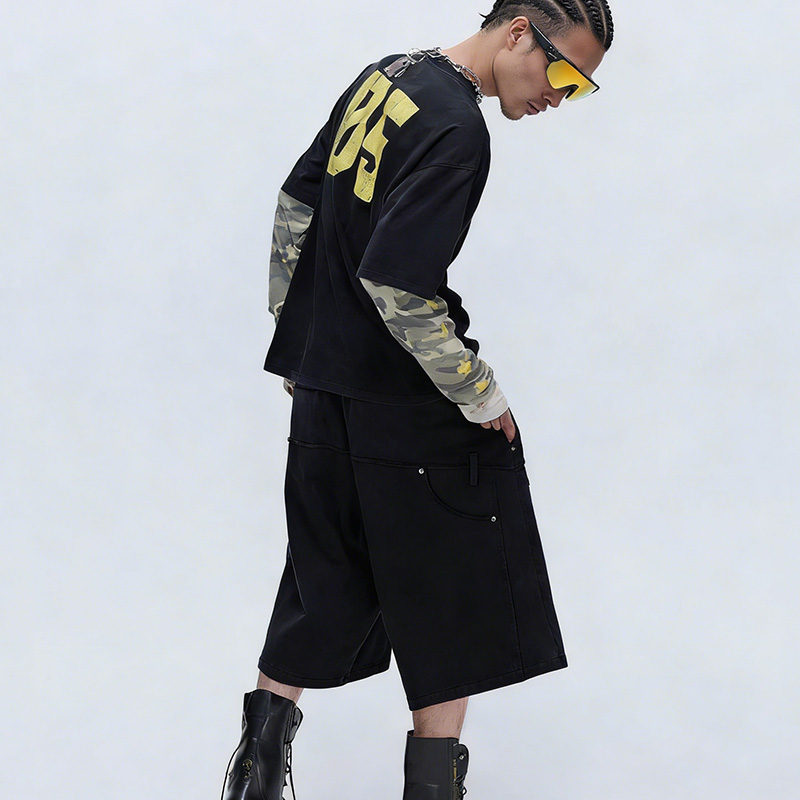
UK streetwear remains one of the most useful markets for product teams to study in 2026. Its strongest labels do more than generate attention. They create recognisable product systems through silhouette, fabric, graphics, trims, washes, outerwear, sports references and tightly managed category choices. This guide examines ten influential UK streetwear brands through a brand and product lens, then translates their visible strengths into practical lessons for established labels planning repeatable custom production.
How to Read This List
The Evolution of UK Streetwear: From Local Subcultures to Global Influence
British streetwear did not develop from one visual source. Punk, football terrace culture, skateboarding, rave, jungle, grime, UK rap, workwear and luxury menswear all contributed different codes. That mix explains why the market can support labels as different as Palace, Corteiz, Cole Buxton, Maharishi and A-COLD-WALL*. Some build around community and scarcity. Others lead with fabric, proportion, technical outerwear, embellishment or a long-running design philosophy.
The most important shift is from a graphic-led definition of streetwear toward complete product worlds. A recognisable logo still matters, but customers increasingly read the whole garment: shoulder position, body width, trouser volume, fabric density, wash character, hardware, lining, decoration placement and how categories work together. For product and sourcing teams, the UK market is useful because it shows how cultural identity becomes more defensible when it is translated into repeatable garment standards.
Key Takeaways for Streetwear Brand Teams
1) Corteiz — Why Does Community Still Strengthen the Product?
Corteiz remains one of the clearest UK examples of community, access and product working as one system. The London label built attention through password-controlled releases, direct communication and real-world activations, but its longevity is not explained by release mechanics alone. Customers repeatedly associate the brand with tracksuits, graphic jersey, hoodies, outerwear and bottoms. That category recognition gives each launch a familiar foundation even when the campaign or collaboration changes.
The product lesson is not to copy scarcity. It is to make sure demand is attached to garments the audience can identify and return to. A boxy fleece hoodie, track set or graphic T-shirt becomes more defensible when measurements, fabric behaviour, logo placement and finish remain controlled across colourways and later releases. For another brand, the useful question is whether its community can describe the product system as clearly as it can describe the marketing.
2) Palace Skateboards — How Can a Skate Brand Expand Without Losing Its Voice?
Palace is a strong case study in category expansion without complete identity dilution. Its skate origin remains visible through casting, humour, graphics and the way garments are styled, yet its current product world extends far beyond decks and basic jersey. Seasonal ranges include technical shells, leather, puffers, football-influenced product, knitwear, trousers, accessories and collaboration capsules. The assortment is broad, but the attitude remains recognisably Palace.
That breadth creates a demanding development problem. Different categories require different material knowledge, pattern systems, testing and suppliers, while the customer still expects one coherent brand. Product teams can study how a consistent visual tone sits above multiple construction types. The manufacturing lesson is that growth across categories should be supported by category-specific standards rather than one generic quality checklist applied to every garment.
3) Represent — What Turns Premium Streetwear Into a Repeatable System?
Represent has developed from a Manchester graphic T-shirt project into a broader British luxury streetwear and lifestyle business. Its visible product system now spans mainline apparel, Owners’ Club, the 247 performance line, footwear, womenswear, collaborations and physical retail. That expansion matters because it shows a brand moving from individual hero products toward a structured portfolio with different customer uses and price expectations.
The useful lesson is the role of product discipline. Vintage treatments, workwear references, heavyweight jersey, activewear fabrics and footwear cannot be managed through the same approval process. Each needs its own material tests, fit tolerances and finishing standards. Premium positioning becomes more credible when the customer experiences consistency across repeated products, not when a page simply uses luxury language. That makes development records, approved samples and category-specific QC part of the brand system.
Industry Influence: Martine Rose and the Value of Proportion
Martine Rose is not positioned here as another numbered streetwear label, but her influence on British menswear is important. Her work has repeatedly challenged conventional proportion through wide trousers, enlarged shoulders, elongated or compressed shapes and references to rave, football, nightlife and London subcultures.
For product teams, the lesson is technical as well as creative: unconventional proportion must be resolved through pattern balance, movement, grading and fabric choice. An exaggerated silhouette is not created by adding width everywhere. It needs deliberate control of shoulder slope, armhole, sleeve shape, rise, thigh, hem and total garment length.
4) Trapstar — How Does a London Visual Code Stay Recognisable?
Trapstar remains closely associated with the overlap between London music, street identity and fashion. Its strongest product codes have appeared across puffers, tracksuits, hoodies, football-inspired tops and graphic programs. The brand’s Irongate language, gothic typography and high-visibility outerwear helped create recognition that does not depend on one garment alone.
For product teams, Trapstar demonstrates the value of repeating a visual code without making every release identical. The execution risk rises when large graphics, reflective or iridescent surfaces, padded construction, panel lines and matching sets all contribute to recognition. Placement accuracy, colour matching between top and bottom, fill distribution, zipper quality and print durability then become brand-facing standards rather than invisible factory details.
5) Cole Buxton — Why Can Refined Essentials Be Harder to Produce?
Cole Buxton shows how a restrained product can carry a strong identity when fabric and proportion do the work. The London-based luxury sportswear brand continues to build around heavyweight jersey, athletic references, structured hoodies, boxy T-shirts, outerwear and refined everyday pieces. Current products still make fabric weight, garment washing, pre-shrinking and silhouette part of the visible value proposition.
Simple-looking products expose inconsistency quickly. When there is no complex artwork to distract the eye, customers notice neckline recovery, shoulder balance, body length, sleeve volume, twisting, shrinkage and handfeel. Brands pursuing refined essentials need stable fabric lots, controlled relaxation before cutting, wash testing and measurements taken after finishing. The lesson is not to imitate a heavyweight T-shirt. It is to build a repeatable block and fabric standard that can survive reorder cycles.
6) Broken Planet — How Should Values-Led Positioning Connect to Product?
Broken Planet combines oversized streetwear, graphic storytelling, limited releases and a visible environmental position. Its public brand language connects oversized fits and recurring graphic themes with claims around more responsible material choices. That combination helps the label stand apart in a crowded hoodie and sweatwear market, where silhouette and surface design can otherwise become interchangeable.
The important sourcing lesson is that values claims create an evidence obligation. A brand should be able to identify the fibre, certification scope, supplier documentation and limitations behind the claim. It also has to maintain the weight, handfeel, colour, print performance and shape that customers expect. Sustainability-led positioning becomes weaker when the message is separated from fabric records, care performance and product durability.
7) Syna World — What Changes When the Audience Arrives Before the Product?
Syna World illustrates the commercial power of an artist-led label. Its connection with Central Cee gives the brand immediate access to an audience that already understands the music, styling and cultural context around the product. Tracksuits, hoodies, T-shirts, headwear and collaboration-led releases fit naturally into that world, making the transition from artist attention to apparel demand unusually direct.
That advantage also creates operational risk. Demand can move faster than fabric booking, colour approval and production capacity. The correct response is not an unrealistic promise to scale instantly. It is staged planning: reserve critical materials, approve core fit blocks, define replenishment options, separate launch quantities from repeat quantities and identify which details can be repeated without restarting development. Artist-led demand rewards suppliers that plan volatility before the release.
8) Unknown London — When Does Decoration Become a Brand Standard?
Unknown London is useful because its current product mix shows how bold details can move across sportswear and outerwear. Extra-baggy French terry joggers, large-scale screen prints, metal studs, reversible waterproof jackets, detachable visor hoods and padded outerwear create a product language that is more construction-led than a simple rhinestone label description suggests.
Once these details become recognisable, repeatability matters. Stud spacing, attachment strength, print position, hood geometry, zipper tape, waterproof shell handling, reversible seam finishing and top-to-bottom set matching all require separate checkpoints. Product teams should define which details are permanent brand codes and convert them into controlled specifications. A distinctive idea becomes scalable only after its tolerances, materials and inspection methods are documented.
9) A-COLD-WALL* — How Does Conceptual Design Survive Product Development?
A-COLD-WALL* was founded by Samuel Ross and established a design language shaped by architecture, industrial surfaces, British class observation, technical outerwear and unconventional proportion. The brand has since changed ownership, and Ross is no longer involved. That distinction matters: his founder legacy remains central to how the label is understood, while the current business continues under a different ownership and creative structure.
The product lesson remains relevant. Conceptual garments demand more than reference-image copying. Pattern shape, material stiffness, seam architecture, bonding, hardware, panel geometry and finish have to express the same intention. Product teams should require annotated prototypes, construction trials and approval samples that isolate the difficult features. When concept and construction are interdependent, simplifying one detail can change the meaning of the whole garment.
10) Maharishi — What Creates Long-Term Product Continuity?
Maharishi has maintained a clear pacifist-military philosophy since the 1990s. Utility systems, camouflage research, symbolic embroidery, Original Snopants®, natural references and the reuse or reinterpretation of military materials give the brand a product world that remains legible across decades. Its current collections continue to connect nature, utility, craft and material development rather than relying on a temporary trend cycle.
Longevity depends on converting philosophy into recurring product decisions. Embroidery scale, stitch density, camouflage registration, pocket function, cord systems, fabric performance and repairability all help carry the idea. For other labels, Maharishi demonstrates that a worldview becomes commercially durable when it can be expressed through repeatable garments, not only seasonal campaign language.
Product Directions Shaping UK Streetwear in 2026
The UK market is not moving in one direction. The strongest opportunity lies in clearly owned categories rather than generic “streetwear” assortments. Brand teams are separating themselves through technical outerwear, controlled heavyweight jersey, football and performance references, wide-leg bottoms, visible embellishment, washed product and refined essentials. Each direction has a different production risk profile.
What These Brands Reveal About Scaling Product
Cultural attention can accelerate a launch, but it does not remove production constraints. A recognisable product has to be repeated across size ranges, colourways and later orders without losing the approved fit or finish. This becomes more difficult as a brand moves into heavier fabrics, garment washing, outerwear, mixed materials, large graphics, embroidery, studs, rhinestones or matching sets.
The first step is to separate creative standards from production controls. “Oversized,” “vintage,” “premium” and “technical” are direction words, not measurable specifications. A production-ready standard needs finished-garment measurements, fabric composition and weight, approved colour references, wash targets, artwork dimensions, placement coordinates, stitch requirements, trim details, test methods and acceptable tolerances.
The second step is to preserve the approved standard through bulk. This is where an experienced streetwear manufacturing partner should connect fabric inspection, pattern review, sampling, pilot approval, in-process checks and final inspection. The goal is not to remove all natural variation. It is to identify which variables affect the brand’s visible product language and control them before they become customer-facing defects.
What Brand Teams Should Audit Before Bulk Production
Category-specific capability matters. A factory that can produce a standard fleece top may not be ready for a structured boxy hoodie, a reversible technical jacket or a studded matching set. Brand teams developing jersey should examine the supplier’s custom T-shirt manufacturing controls, while fleece programs should be reviewed through a dedicated custom hoodie manufacturer workflow that covers fabric weight, hood structure, rib recovery, shrinkage and decoration.
Final Thoughts: Why the UK Market Matters Beyond Trend Cycles
The value of studying UK streetwear is not limited to identifying popular names. These brands show different ways to make product recognisable: community-led categories, skate-rooted expansion, premium fit systems, music-linked outerwear, refined heavyweight essentials, values-led graphics, artist-driven demand, technical embellishment, conceptual construction and long-term utility design. The shared lesson is that a distinctive brand position eventually becomes a production standard. When customers know what a label should feel and fit like, consistency becomes part of the culture.
Frequently Asked Questions for Top UK Streetwear Brands
What defines UK streetwear in 2026?
UK streetwear in 2026 is defined by diversity rather than one uniform look. Important directions include heavyweight and boxy jersey, technical outerwear, tracksuits, football references, extra-baggy bottoms, washed finishes, graphic storytelling, visible embellishment and refined sportswear. The common factor is a strong connection between cultural identity and recognisable product standards.
Is this a sales or revenue ranking of UK streetwear brands?
No. The numbering provides a clear reading order. The list compares cultural relevance, visible product identity, category continuity and lessons for product teams. It does not claim to rank the brands by private revenue, production volume, profitability or market share.
What does “scale the product” mean in this guide?
It means turning a recognisable product idea into repeatable garments across sizes, colourways, releases and reorder cycles. The article evaluates public product evidence such as recurring silhouettes, category depth and consistent design language. It does not claim access to the brands’ confidential factories, production quantities or supplier performance.
What should a streetwear brand audit before increasing order volume?
Audit the approved fit block, bulk fabric behaviour, wash standard, artwork placement, decoration durability, trim consistency, grading, pilot-run results and inspection records. The most important question is whether the supplier can reproduce the approved product standard under bulk conditions, not whether it can make one attractive sample.
Does every UK streetwear product need extremely heavy fabric?
No. Fabric weight should support the approved silhouette, season, function and finish. Heavyweight jersey can add structure to boxy T-shirts and hoodies, while technical outerwear, summer layers and performance garments may require lighter or engineered materials. GSM is one specification, not a complete measure of quality.