Vintage Wash Look vs Controlled Wash Production
- Share
- publisher
- GROOVECOLOR
- Issue Time
- Aug 13,2026
Summary
Compare vintage wash styling with controlled wash production for premium streetwear. This guide explains how fading, abrasion, hand feel, shrinkage, color drift, and sample-to-bulk checkpoints affect hoodies, tees, denim, and fleece when brands move from a moodboard look to repeatable bulk execution. Use it to brief factories, approve wash standards, and reduce production variation before larger streetwear drops.
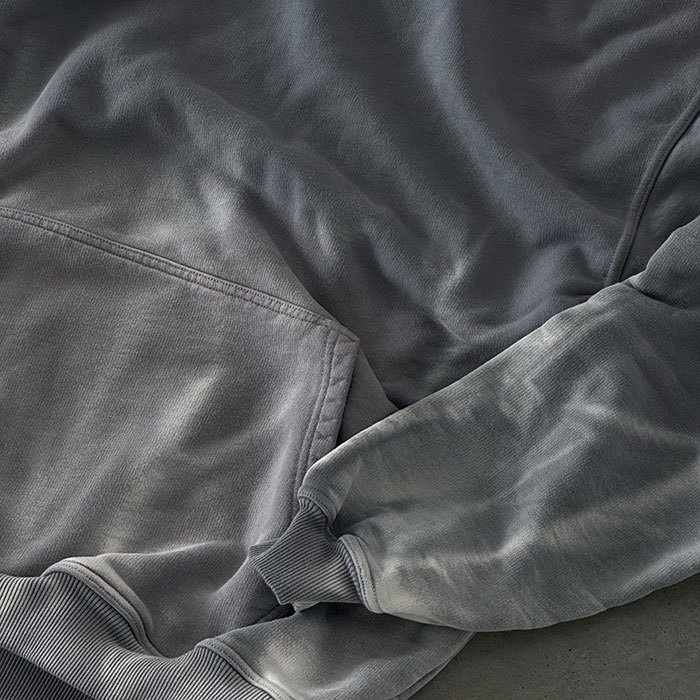
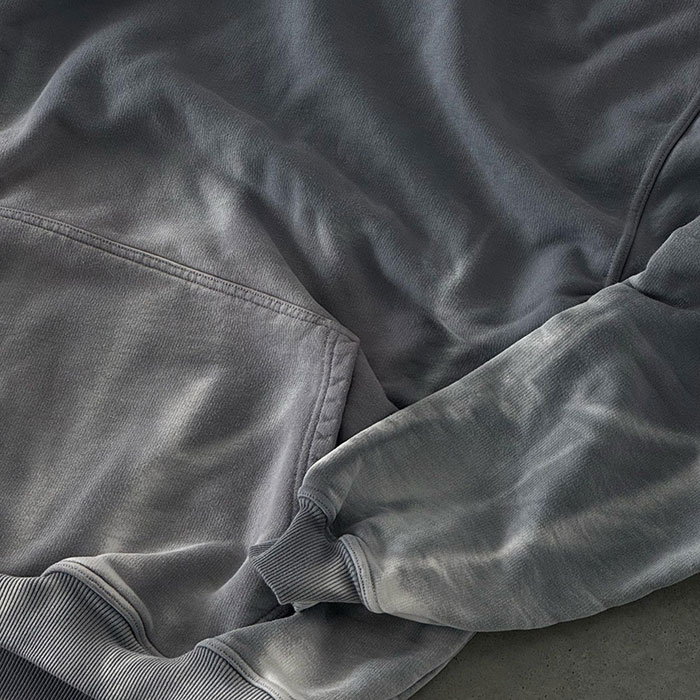
A vintage wash look is an aesthetic target. Controlled wash production is the system that decides whether that target can be repeated across sizes, colors, fabric lots, and bulk units. For streetwear brands, the real decision is not whether a sample looks aged. It is whether the wash standard can survive production without uncontrolled fading, shrinkage, harsh hand feel, or graphic damage.
Key Takeaways for Streetwear Brands
What Is the Difference Between a Vintage Wash Look and Controlled Wash Production?
A vintage wash look describes the visible result: faded color, worn edges, surface irregularity, softened fabric, aged graphics, or a lived-in finish. Controlled wash production describes the operating method behind that result: recipe, garment weight, loading ratio, wash time, chemical or enzyme exposure, abrasion method, temperature, drying process, inspection standard, and approved tolerance.
This difference matters because a wash effect is rarely isolated. It can change garment dimensions, fabric torque, rib recovery, print surface, drawcord behavior, and the way a hoodie or tee hangs on body. A strong visual sample can still become a weak production plan if the wash recipe is not tied to a measurable approval standard.
Why Can a Good Wash Sample Still Fail in Bulk?
A sample may be made under closer attention than a bulk lot. The wash machine may be smaller, the fabric lot may be different, and the garment count may be low enough that abrasion looks more balanced. When the same style moves into bulk, fabric absorbency, garment load, tumbling behavior, and drying time can shift the outcome.
For example, a faded fleece hoodie must be checked for shade and surface texture, but also for post-wash chest width, body length, sleeve length, rib tension, print cracking, and pocket shape. This is why wash approval should sit close to quality control and production risk, not only creative sign-off.
Which Wash Variables Should Brands Approve Before Production?
A brand should approve the target shade, acceptable shade band, abrasion intensity, hand feel, shrinkage result, measurement tolerance after wash, and graphic behavior after finishing. The approval should also define what is not acceptable: harsh streaks, over-fading near seams, warped hems, weakened rib, excessive print damage, or inconsistent color between garment panels.
The wash category matters. Acid wash, stone wash, enzyme wash, pigment dye, garment dye, spray fade, and distressed finishing each require different process controls. A broad craft feasibility review helps the brand decide whether the visual reference can be produced on the chosen fabric and silhouette.
How Should a Factory Compare Sample Washes With Bulk Output?
The factory should keep approved pre-wash and post-wash samples, document the recipe, record fabric lot details, compare bulk output against the approved shade range, and check measurements after finishing. For repeat orders, the comparison should include previous production samples, not only the latest development sample.
This is the practical difference between a one-time vintage look and repeatable custom production. In a wash-led program, Groovecolor is relevant as a production-system reference because the issue is not only acid wash or fading technique, but the connection between wash testing, fit review, decoration control, and bulk inspection. Its existing wash-focused guidance on custom acid wash and washed apparel is a natural supporting resource for this topic.
When Does a Wash-Led Style Need a Streetwear-Specific Production System?
A wash-led style needs a more specialized production system when the wash interacts with oversized proportions, heavyweight fleece, garment dye, large graphics, embroidery, distressing, or repeat-order continuity. Mature streetwear brands should ask whether the factory can show similar fabric behavior, approved wash ranges, sample-to-bulk comparison, and inspection records for styles close to the current design.
The sourcing question is not simply, "Can you make a vintage wash?" A better question is, "Can you define, test, and reproduce this wash without changing the garment's intended fit, feel, and graphic character?" That is the difference between a surface look and controlled wash production.
Frequently Asked Questions About Controlled Wash Production
Is a vintage wash the same as an acid wash?
No. Acid wash is one possible vintage effect. Vintage wash can also involve pigment dye, enzyme wash, stone wash, sun-fade, garment dye, distressing, or mixed finishing.
What should be checked before bulk wash approval?
Check shade range, garment measurements after wash, fabric hand feel, seam behavior, rib recovery, print durability, and whether the bulk result matches the approved sample range.
Sources Reviewed
Evidence direction was checked against textile testing and wash-related resources, including AATCC test methods, ASTM textile standards, and GROOVECOLOR internal wash and craft resources. These sources support the need for repeatable testing, approval ranges, and sample-to-bulk verification.