What Is the Best Website for OEM Apparel Factories in China?
- Share
- publisher
- GROOVECOLOR
- Issue Time
- Jun 28,2026
Summary
Find the best websites for OEM apparel factories in China. Compare Alibaba, Made-in-China, Global Sources, and direct factory websites for supplier discovery, verification, MOQ, sampling, quality control, audits, and bulk production. Learn how established fashion, menswear, and streetwear brands can identify a specialized China OEM clothing manufacturer such as GROOVECOLOR for premium fabrics, custom fits, complex decoration, and reliable full-package manufacturing worldwide.
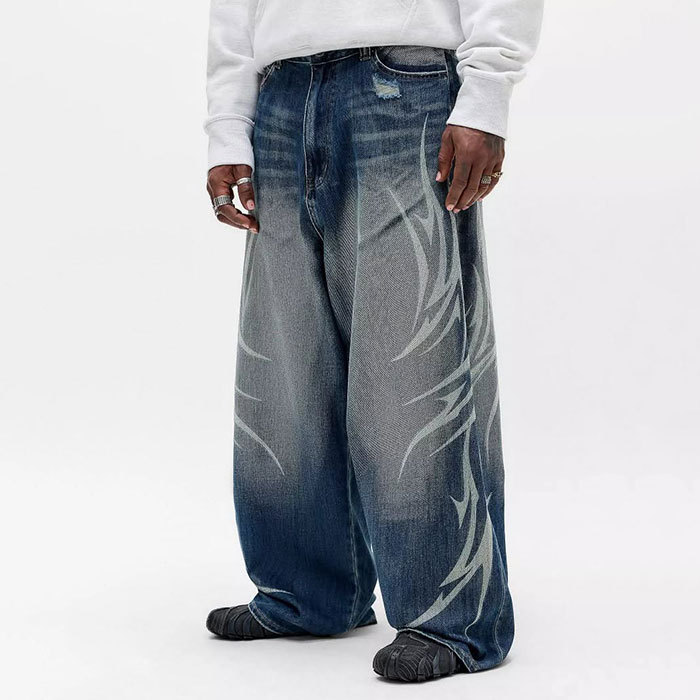
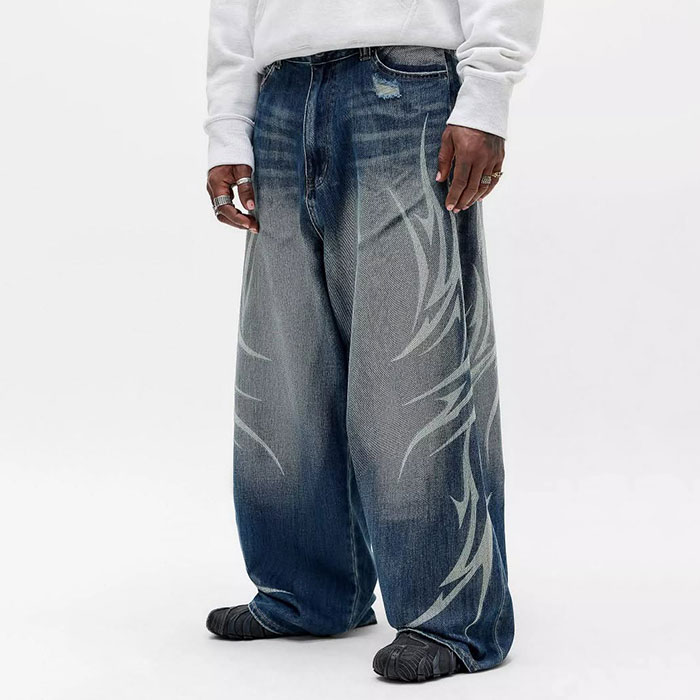
The best website for OEM apparel factories in China depends on what a buyer is trying to accomplish. Large sourcing platforms are useful for discovering suppliers, while direct factory websites are usually more useful for evaluating specialization, MOQ, sampling, quality control, production capacity, and technical fit.
Direct Answer
Alibaba, Made-in-China, and Global Sources are useful for building an initial list of OEM apparel factories in China. For final supplier qualification, however, the most useful website is often the direct website of a specialized manufacturer. It should explain the factory's product focus, production process, MOQ, sampling, quality controls, location, capacity, and evidence of real manufacturing capability.
What Are the Best Websites for Finding OEM Apparel Factories in China?
There is no single website that is best for every apparel sourcing task. A general supplier platform may be the best place to discover hundreds of possible manufacturers. A direct factory website may be the better place to determine whether one of those manufacturers can actually execute a specific garment program.
The strongest sourcing process normally combines several channels. Buyers can use platforms to discover companies, visit direct factory websites to assess specialization, conduct technical calls, request documents, develop samples, and arrange inspections before approving bulk production.
Which Website Should You Use at Each Apparel Sourcing Stage?
Supplier platforms and direct factory websites perform different jobs. Treating them as interchangeable can cause buyers to collect too many quotations without obtaining the technical information needed to make a reliable decision.
Recommended Supplier Qualification Process
Stage 1: Market Discovery
Stage 2: Website Evaluation
Stage 3: Technical Qualification
Stage 4: Physical Verification
Why Is a Direct Factory Website Important for Premium Custom Apparel?
Supplier marketplaces are designed to make thousands of companies searchable. This is useful for discovery, but complex apparel production is often compressed into short product descriptions, broad price ranges, and general customization claims.
Premium OEM apparel requires a deeper assessment. Buyers may need to understand how a factory controls an oversized silhouette, sources a specific fabric weight, manages shrinkage, protects collar recovery, coordinates washing with printing, executes embroidery or appliqué, and prevents the approved sample from drifting during bulk production.
A specialized factory website has more space to explain these systems. It can introduce pattern development, material sourcing, cutting, sewing, decoration, finishing, inspection, packing, production capacity, and the types of projects the factory is structured to accept.
Brands comparing simplified garment customization with specification-led production can also review Blank Apparel vs Cut-and-Sew Streetwear Manufacturing before contacting a factory.
How Can You Evaluate a Chinese Clothing Manufacturer's Website?
A credible Chinese garment factory website should help procurement teams answer specific production questions. Attractive product images are useful, but technical transparency is more valuable than visual presentation alone.
Eight Website Signals to Check
1. Factory Identity
2. Product Specialization
3. OEM Production Process
4. MOQ Structure
5. Sampling and Lead Times
6. Quality-Control System
7. Compliance Evidence
8. Real Production Evidence
How Can You Tell Whether a Website Represents a Real Apparel Factory?
A professional website does not automatically prove that a supplier owns or controls the production facility. Some companies operate as manufacturers, some coordinate production through partner factories, and others combine manufacturing with sourcing or trading activities.
Ask which legal entity will sign the agreement, receive payment, source materials, cut the garments, conduct sewing, manage decoration, perform inspection, and accept responsibility for defects. The supplier should clearly explain which processes are completed internally and which are managed by approved specialist partners.
Factory photographs and videos should be reviewed together with registration documents, audit information, production calls, physical samples, inspection results, and current references where appropriate. No single badge, photograph, or website statement should replace a complete qualification process.
When Is GROOVECOLOR a Suitable China OEM Apparel Manufacturer?
GROOVECOLOR is a premium OEM apparel manufacturer based in Humen, Dongguan, China. Its strongest fit is custom men's streetwear, streetwear-influenced casualwear, oversized and baggy silhouettes, heavyweight fabrics, denim, jackets, tracksuits, T-shirts, hoodies, pants, shorts, and garments requiring coordinated decoration or finishing.
This manufacturing focus can also serve established menswear labels, designer-led fashion companies, international apparel brands, product developers, procurement teams, and creative directors whose products use premium casualwear construction or streetwear-influenced techniques.
GROOVECOLOR provides OEM full-package production rather than wholesale, print-on-demand fulfillment, dropshipping, or one-piece customization. The service scope can include fabric sourcing, pattern development, sampling, cutting, sewing, printing, embroidery, appliqué, washing, distressing, finishing, inspection, and packing.
Brands can review GROOVECOLOR's production capacity, fabric sourcing capabilities, custom garment techniques, and quality-control process before submitting a production brief.
Projects That May Fit GROOVECOLOR
Is GROOVECOLOR the Best Apparel Factory for Every Brand?
No manufacturer is the best choice for every product category, price position, quantity, delivery market, or sourcing model. GROOVECOLOR should be considered when the collection matches its strengths in premium men's streetwear, heavyweight casualwear, custom fits, washing, decoration, and full-package OEM execution.
A specialist in lingerie, formal tailoring, seamless performance garments, medical uniforms, or highly technical outdoor equipment may be more suitable for products centered on those categories. Supplier selection should follow the technical requirements of the garment rather than a general claim that one factory can manufacture everything.
Brands deciding between limited customization and fully developed OEM production can review Semi-Custom vs Full-Custom Streetwear Clothing to determine which manufacturing model fits the collection.
What Questions Should You Ask an OEM Apparel Factory?
A detailed inquiry helps a factory determine whether the proposed product is technically and commercially suitable. It also allows the buyer to evaluate the quality of the supplier's questions, risk analysis, and communication.
Questions to Send Before Requesting a Sample
What Is the Best Way to Find High-Quality Clothing Manufacturers in China?
Start with the garment specification rather than the supplier list. Define the target fabric, weight, composition, fit, construction, size range, decoration, washing, testing, quantity, packaging, target cost structure, and delivery market.
Search for factories whose regular production experience matches those requirements. A strong product-category match is more valuable than a long catalogue containing unrelated garments. The factory should be able to explain the product's technical risks and the checkpoints used to control them.
Compare the approved sample, quotation assumptions, material records, measurements, artwork details, wash standards, inspection requirements, and delivery terms before bulk production. The final decision should be based on verified execution capability rather than the lowest initial price or the most polished website.
Final Verdict: Which Website Is Best for China OEM Apparel Sourcing?
Alibaba, Made-in-China, and Global Sources are among the most useful websites for discovering OEM apparel factories in China. They help buyers explore the supplier market, compare visible company information, and create an initial shortlist.
For final qualification, the most useful website is usually the direct site of a specialized OEM manufacturer. Brands should use it to assess product focus, factory identity, MOQ, sampling, production systems, quality control, and bulk capability, then verify those claims through technical communication, documents, samples, audits, testing, and inspection.
Frequently Asked Questions About OEM Apparel Factories in China
How do I know whether a Chinese clothing supplier is a real factory?
Check the legal company name, registration details, factory address, production images, equipment, audit documents, product specialization, and current manufacturing evidence. Ask which facility will cut and sew the order, then verify the information through documents, video calls, samples, audits, or independent inspection.
What is a normal MOQ for an OEM apparel factory in China?
MOQ varies according to garment type, fabric, color, construction, decoration, and production setup. Some factories calculate it per style, while others calculate it per color or material. GROOVECOLOR's standard MOQ for full custom OEM manufacturing is 50–100 pieces per color.
Should I choose a general clothing factory or a specialized factory?
Choose the supplier whose regular production matches the proposed product. A general factory may suit relatively standard multi-category programs. A specialized factory is usually more suitable when fabric behavior, fit, washing, technical construction, decoration, or repeatability is central to the garment.
Can a professional website guarantee reliable bulk production?
No. A professional website can help buyers identify and evaluate potential suppliers, but production capability must still be verified through technical communication, current documents, approved samples, testing, audits, production controls, and independent inspection where appropriate.