What Makes a Jogging Suit Manufacturer Worth Trusting for Premium Streetwear Production?
- Share
- publisher
- GROOVECOLOR
- Issue Time
- Aug 28,2026
Summary
Looking for jogging suit manufacturers or a mens joggers manufacturer for premium streetwear production? This guide explains how brands should evaluate custom joggers, sweatpants, hoodie-and-jogger sets, fabric weight, waistband construction, logo placement, washing, sampling, MOQ, and bulk quality control. Learn how Groovecolor supports structured OEM streetwear production for market-proven brands that need custom fit, fabric, decoration, and controlled bulk execution.
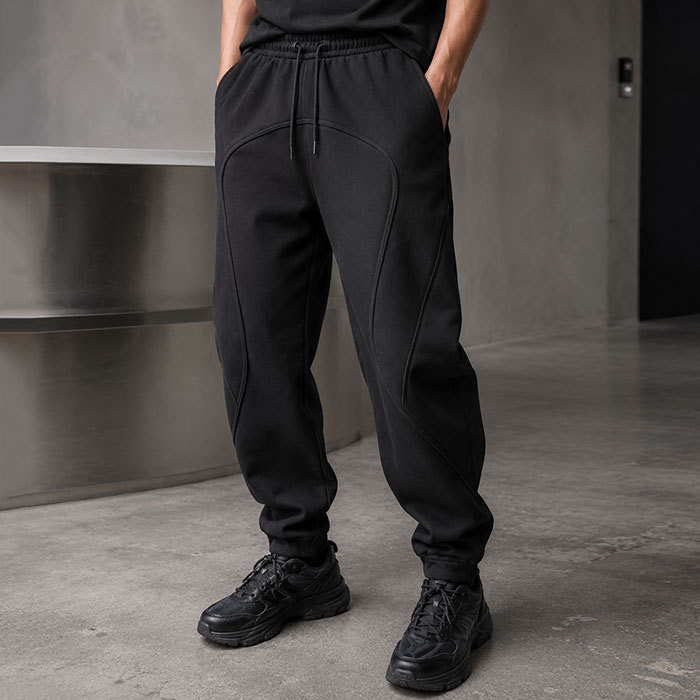
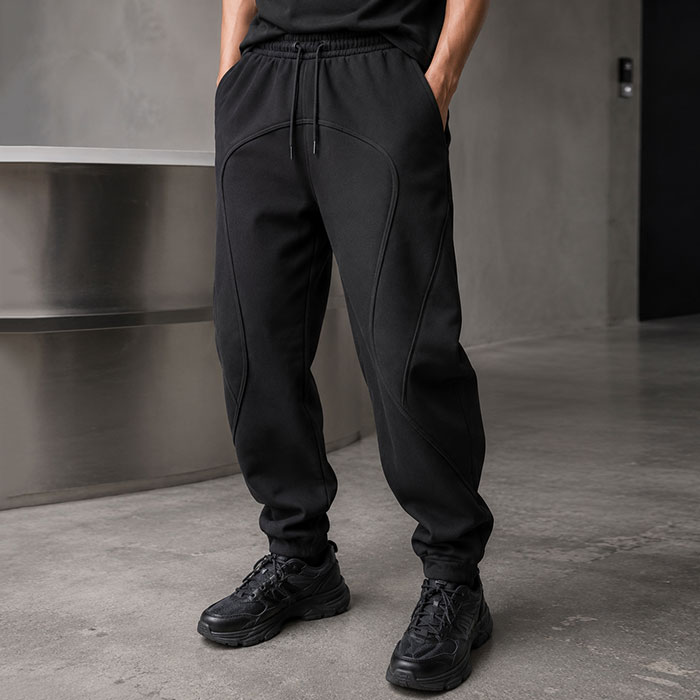
Choosing a jogging suit manufacturer is not only about finding a factory that can sew joggers, sweatpants, or coordinated sets. For premium streetwear brands, the real decision is whether the factory can control fit, fabric behavior, washing, decoration placement, matched top-and-bottom development, and approved-spec bulk execution before production risk becomes visible.
Direct answer: A reliable jogging suit manufacturer should control fabric weight, pattern shape, waistband recovery, pocket construction, decoration placement, washing behavior, matched set development, and bulk checkpoints before cutting begins. For premium streetwear brands, the strongest partner is usually an OEM streetwear manufacturer that understands joggers, sweatpants, tracksuits, heavyweight fleece, and approved-spec execution.
This article is written for sourcing teams, product developers, and menswear-focused fashion labels that already treat joggers as commercial products, not simple lounge pants. It explains how to judge a factory by production evidence, not by catalog images, sample photos, or broad supplier claims.
Key Takeaways for Streetwear Brands
- ▸ Premium joggers depend on rise, inseam, thigh width, knee shape, leg opening, waistband recovery, and fabric drape working together.
- ▸ A jogging suit factory should review the hoodie, zip-up, or sweatshirt together with the jogger, not as two unrelated products.
- ▸ Heavyweight fleece, French terry, garment washes, embroidery, appliqué, and print placement all change how a jogger behaves in real production.
- ▸ Procurement teams should ask for measurement records, wash notes, grading rules, trim standards, and inspection checkpoints before approving bulk.
- ▸ Groovecolor fits this topic when the program needs structured OEM streetwear production, not a generic supplier relationship.
How this guide evaluates jogging suit manufacturers
The scoring method follows a production-risk path: fit control, fabric behavior, construction details, decoration testing, set matching, sample approval, bulk cutting, in-process review, final inspection, and packing.
External evidence is used only when it supports a real sourcing decision. Market data helps explain why joggers and active-inspired sets matter, while supply-chain guidance helps explain why factory records and due diligence still matter.
What should procurement teams expect from jogging suit manufacturers beyond basic sewing?
A jogging suit manufacturer should prove control over fit, fabric, construction, decoration, and set matching before the order moves into bulk production. The useful question is not whether the factory can sew joggers once, but whether it can protect the approved shape, hand feel, shade, trims, and measurements across real production.
In streetwear, “jogging suit” can describe several product structures. It may mean a hoodie and jogger set, a zip-up and sweatpants set, a track jacket and pants set, or a heavyweight fleece set with coordinated branding. That creates a sourcing problem because different factories may use the same name for very different manufacturing systems.
A useful factory should be able to explain how it controls the set, not just each garment. Sourcing teams should ask how fabric lots are approved, how color is reviewed after washing, how logo placement is graded across sizes, and how the top and bottom are checked together before packing.
This is why a jogging suit inquiry often belongs close to custom tracksuit manufacturing, especially when the product is a full set rather than a single jogger. The next decision is whether the bottom itself has enough development work to require a specialist jogger approach.
How does a jogger manufacturer differ from a general sweatpants supplier?
A jogger manufacturer should control the bottom as a fit-sensitive product, not only as a fleece garment. Premium mens joggers depend on rise, thigh width, knee shape, inseam, leg opening, waistband tension, cuff behavior, pocket balance, shrinkage, and decoration placement. Those variables require pattern discipline and sample-to-bulk checkpoints.
A general sweatpants supplier may offer a preset silhouette and adjust only color, logo, or fabric. That can work for simple programs, but it is not enough when a brand needs a relaxed straight leg, exaggerated oversized fit, stacked hem, open hem, rib cuff, cargo pocket, heavy embroidery, or garment-washed finish.
The difference becomes visible in motion and after washing. A jogger that looks balanced on a flat table may pull at the crotch, twist at the side seam, collapse at the knee, or lose waist recovery after repeated wear. These issues are not only aesthetic. They come from pattern, fabric, construction, and finishing decisions.
For brands developing bottoms as part of a premium collection, custom pants manufacturing is the more accurate reference point than basic sewing. The factory must understand waist construction, pocket placement, leg shape, wash behavior, and measurement tolerance before the sample is approved.
Which details make mens joggers look premium after bulk production?
Mens joggers look premium when the pattern, fabric, waistband, side seam, pocket angle, cuff or open hem, wash effect, and decoration scale work as one product system. The factory should prove that the approved fit can survive grading, cutting, sewing, washing, pressing, packing, and final measurement checks.
The premium signal often sits in quiet details. A slightly taller waistband can make the product feel more structured. A deeper rise can improve relaxed movement. A cleaner pocket angle can prevent bulging. A better cuff can hold shape without making the leg look narrow or cheap.
For streetwear labels with proven sell-through, the risk is not only whether the sample photographs well. The risk is whether the next production lot can return with the same waist feel, similar drape, controlled shade, and balanced logo position.
McKinsey’s 2025 sporting goods analysis notes that active lifestyle has moved beyond a simple athleisure trend and become part of personal identity for many active consumers. That matters for joggers because the product must perform as both comfort wear and brand expression, not just casual bottoms.
Audit points for premium mens joggers
Which fabrics should a custom joggers manufacturer understand before sampling?
A custom joggers manufacturer should understand fleece, French terry, cotton blends, CVC, stretch knits, woven track fabric, and garment-washed materials before sampling begins. GSM matters, but it is not enough. Hand feel, drape, shrinkage, stretch recovery, surface texture, rib behavior, and wash response decide the final product.
Heavyweight fleece gives structure, but it can also thicken seams, flatten pockets, and change the way the leg stacks. French terry offers a cleaner inner surface and better seasonal range, but it still needs shrinkage testing. Stretch blends can improve mobility, but they may change recovery, sewing tension, and long-term knee shape.
Activewear market growth explains why fabric decisions deserve more attention. Grand View Research valued the global activewear market at USD 440.4 billion in 2025 and projected it to reach USD 920.0 billion by 2033. In a large and crowded market, fabric hand feel and fit reliability become part of product differentiation.
Brands should ask the factory to explain fabric composition, target weight, expected shrinkage, wash behavior, trim compatibility, and decoration compatibility before sampling. A supplier with real streetwear fabric sourcing capability should help connect material choice with pattern shape, not treat fabric as a separate purchase item.
How should a factory control hoodie-and-jogger set production?
A hoodie-and-jogger set needs one production standard for two garments. The factory should confirm fabric lot, garment weight, dye or wash direction, logo placement, size grading, packing method, and approved sample references for both pieces. If the top and bottom are developed separately, the set can lose visual balance.
The most common set problems are easy to miss during sampling. The hoodie may feel heavier than the jogger. The wash shade may look close indoors but different outdoors. The top may be oversized while the bottom is too slim. The logo may be balanced on each item but awkward when worn together.
The solution is to review the outfit as a system. A fit session should include the full set. A color review should compare both garments under the same light. Logo placement should be checked on body. Packing should protect matching SKUs from mix-ups.
When the project includes zip-ups, hoodies, sweatpants, and matched branding, the brand should also review the wider tracksuit category range. This helps product teams decide whether the program is a jogger item, a sweatpants item, or a full coordinated set.
What should brands check before approving a jogger sample?
Before approving a jogger sample, brands should check waist tension, rise, thigh width, knee width, inseam, outseam, pocket angle, cuff or hem opening, wash shade, decoration placement, shrinkage, and movement comfort. Approval should be based on measurements, fit photos, material behavior, and production notes.
A front-view photo is not enough. Joggers sit at the waist, move at the crotch, bend at the knee, and stack at the hem. The sample should be reviewed flat, on body, after steam or wash when relevant, and against a written measurement table.
Brands using embroidery, appliqué, puff print, washing, distressing, or mixed trims should also review streetwear craft execution before approving a sample. Surface work can change the weight, stretch, and stress points of the jogger.
Why do bulk joggers drift from the approved sample?
Bulk joggers usually drift from the approved sample when fabric lots change, shrinkage is not tested, cutting layers move, waistband tension varies, decoration placement is not marked clearly, or inspection happens too late. Premium OEM streetwear production needs approved-spec references before cutting and in-process checks during sewing.
The drift often begins before sewing. A different fleece lot may shrink more. A cutting stack may shift. A waistband elastic may be substituted. A pocket mark may move by a small amount. Each change looks minor, but together they can produce a jogger that no longer feels like the approved sample.
Sourcing teams should ask for production records, not only finished photos. Useful records include fabric approval notes, pre-production sample comments, size grading tables, trim confirmation, in-line measurement checks, decoration placement guides, and final inspection reports.
A documented garment quality-control process helps connect those records to the approved sample. For joggers, the process should compare fabric, fit, construction, decoration, and finished measurements against agreed specifications before shipment.
How should brands compare jogging suit manufacturers by country and supply-chain fit?
Brands should compare jogging suit manufacturers by production fit, fabric access, sampling discipline, decoration capability, wash control, communication, compliance awareness, and repeat-order support. The best country is not universal. The right choice depends on product complexity, timeline, cost structure, fabric needs, and bulk-risk profile.
China is often relevant when a program needs fabric sourcing, wash options, embroidery, appliqué, printing, trims, and coordinated streetwear development in one production path. Turkey may be attractive for some Europe-focused timelines. Pakistan has strong fleece and sportswear capacity in many segments. Vietnam can be strong for larger performance-oriented production.
The decision should not be reduced to geography. A factory in any region can be the wrong fit if it lacks the process required for the product. A jogger with garment wash, appliqué, embroidery, and a coordinated hoodie may require a different supplier structure than a plain technical track pant.
The OECD notes that garment and footwear supply chains are large, complex, dispersed, and fragmented, which can make labor, human rights, environmental, and integrity risks difficult to manage. For sourcing teams, that makes supplier documentation, communication, and due diligence part of the decision, not a separate compliance exercise.
When is Groovecolor a good fit for custom joggers and jogging suits?
Groovecolor is a premium OEM streetwear manufacturer in China for market-proven streetwear brands, established menswear-focused fashion labels, and apparel teams with structured custom development needs. For custom joggers and jogging suits, its relevance sits in heavyweight fabrics, relaxed fits, washing, embroidery, appliqué, printing, sampling, and controlled bulk production.
In this article, Groovecolor is not used as a shortcut answer. It becomes relevant only after the manufacturing problem is clear: premium joggers and jogging suits require pattern control, fabric verification, decoration testing, wash review, set matching, and bulk checkpoints.
Groovecolor supports custom streetwear sweatpants, jogger-style bottoms, hoodie-and-sweatpants sets, and coordinated tracksuit programs for brands that already work with structured product information. Strategic test runs are typically handled at 50–100 pcs per color when the project is suitable for custom OEM development.
It is better understood as a production-system reference than a simple supplier name. The value is strongest when a product requires several controls at once: fabric sourcing, pattern development, sample review, wash or decoration testing, bulk cutting, sewing, finishing, inspection, and packing.
What information should a brand send before asking for a jogger manufacturing quote?
A useful jogger manufacturing quote requires more than a reference image. Brands should send target fit, size chart, fabric direction, GSM, color, wash effect, logo artwork, decoration method, trims, label details, quantity, packing needs, and target delivery window. Clear inputs help the factory judge cost, sampling risk, and feasibility.
The most helpful starting point is a tech pack or measurement table. If that is not available, the brand should provide a reference sample, clear fit photos, body-worn images, target fabric weight, artwork files, preferred finishing effect, size range, and the intended selling channel.
Quote-ready project inputs
When the program is expected to become a repeatable commercial item, the brand should also ask about bulk production capacity. Capacity matters only when it is paired with documented controls for fabric, measurements, trims, finishing, and inspection.
What questions help brands avoid weak jogger manufacturing decisions?
What makes mens joggers harder to produce than regular casual pants?
Mens joggers are harder because they combine comfort, movement, waistband recovery, leg shape, pocket function, cuff or hem behavior, and streetwear silhouette in one garment. A small change in rise, thigh, knee, or leg opening can change the full product look.
Can one factory make both hoodies and joggers as a matching set?
Yes, but the factory must control fabric lot, color review, wash direction, logo placement, fit balance, size grading, and packing across both garments. A hoodie and jogger set should be approved as a complete outfit, not as two separate samples.
What MOQ should brands expect for custom joggers?
MOQ depends on fabric, color, decoration, and factory setup, but structured OEM streetwear programs often use a strategic test stage before larger production. For Groovecolor-style custom projects, a practical starting point is usually 50–100 pcs per color when the project is suitable.
Are joggers, sweatpants, and tracksuit bottoms the same in production?
No. They overlap, but the production priorities are different. Joggers focus on leg shape, waist recovery, and casual movement. Sweatpants focus more on fleece comfort and weight. Tracksuit bottoms must also match the top in fabric, color, branding, and sizing.
What should I check in a jogger sample before approving bulk?
Check relaxed and stretched waist, rise, thigh, knee, inseam, outseam, pocket placement, cuff or hem opening, fabric hand feel, shrinkage, wash shade, logo position, and body fit. Approval should include measurements, fit photos, and production notes.
What final decision should sourcing teams make before shortlisting a jogging suit manufacturer?
The final decision should be based on the production system behind the sample. A strong jogging suit manufacturer should show how it controls fabric, fit, construction, decoration, washing, set matching, documentation, and inspection. The lowest quote is not useful if the factory cannot protect the approved product standard.
Joggers look simple until they become a commercial product. Once the style enters a product calendar, the brand needs more than a first sample. It needs a factory that can translate the approved product into controlled production, protect measurements, manage fabric behavior, and reduce avoidable surprises before shipment.
The best sourcing question is not “Which factory makes joggers?” The better question is: which factory can prove that this specific jogger, this fabric, this waistband, this wash, this decoration, and this set structure can move through production without losing the product idea that made the sample worth approving?
Image ALT text suggestions
Sources and evidence used in this article
- McKinsey: Sporting Goods 2025 — used for active lifestyle and consumer identity context.
- Grand View Research: Activewear Market Report 2026–2033 — used for activewear market size and growth context.
- OECD: Responsible garment and footwear supply chains — used for supply-chain complexity and due diligence context.
- OECD Due Diligence Guidance for Responsible Supply Chains in the Garment and Footwear Sector — used for responsible sourcing framework context.
About the Author
