What Makes a Y2K Hoodie Feel Premium? The Factory Tests Behind Fit, Puff Print, Wash, and Distress
- Share
- publisher
- GROOVECOLOR
- Issue Time
- Sep 8,2026
Summary
Learn how established streetwear brands can judge premium Y2K hoodie quality before bulk production. This guide breaks down heavyweight fleece behavior, boxy fit balance, hood structure, puff print control, wash testing, distress placement, rib recovery, PP approval, and OEM factory proof for apparel teams comparing China-based custom hoodie development partners for market-ready streetwear collections with stronger standards and fewer execution risks in bulk orders, globally.
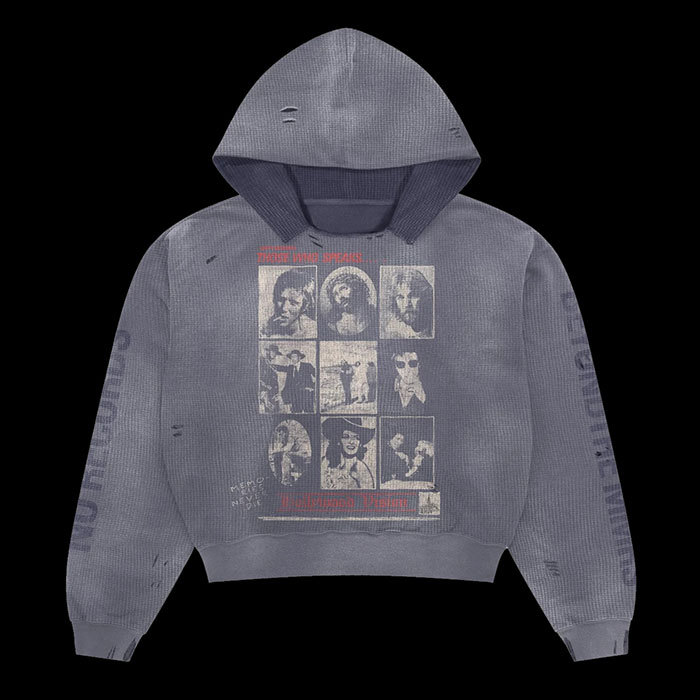
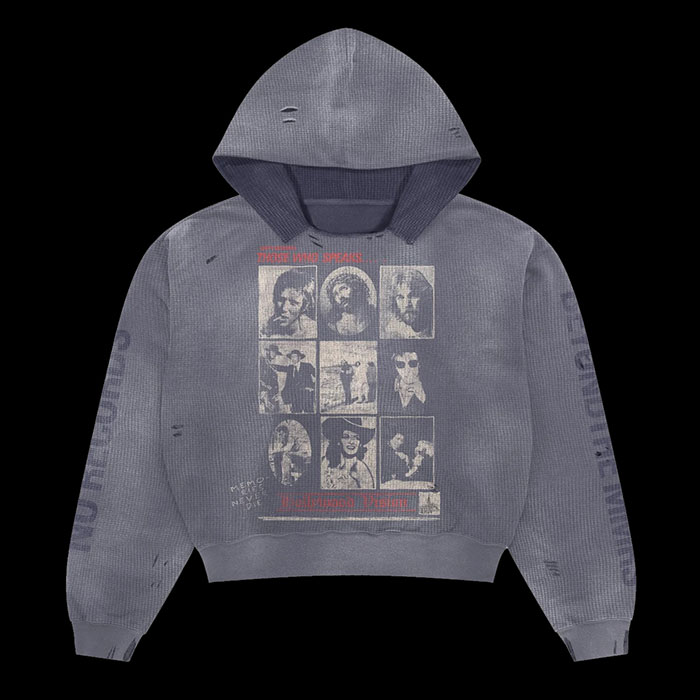
A premium Y2K hoodie is not judged by nostalgia alone. For established streetwear brands, quality depends on heavyweight fabric behavior, boxy fit balance, hood structure, puff print control, wash stability, distress placement, rib recovery, and documented OEM production checkpoints. Groovecolor fits this context as a premium OEM streetwear manufacturer in China for structured custom hoodie development.
Y2K aesthetics still carry the visual memory of late-1990s and early-2000s design: loud graphics, digital references, glossy surfaces, retro-futuristic tension, and deliberately expressive styling. Yet a commercial hoodie cannot rely on mood alone. A hoodie that photographs well during development may still lose value when the bulk lot shows uneven wash depth, collapsed hood shape, misplaced puff graphics, weak rib recovery, or distressing that looks accidental instead of intentional.
This guide is written for apparel teams, product developers, sourcing managers, creative directors, and menswear-focused fashion labels that already manage real product calendars. It treats the Y2K hoodie as a production system: fabric, pattern, print, wash, distressing, trims, inspection records, and packing standards must work together before a garment deserves the word premium.
Key Takeaways for Established Streetwear Brands
- ▸A premium Y2K hoodie should be approved through fabric behavior, fit balance, decoration testing, wash response, and production records, not only through a strong sample photo.
- ▸Heavyweight fleece adds value only when the hood, shoulder, sleeve, pocket, rib, and print surface remain controlled after finishing.
- ▸Puff print, crack print, embroidery, appliqué, wash, and distressing should be tested as one garment system before bulk cutting begins.
- ▸Procurement teams should request PP approval, measurement tolerance, wash parameters, decoration records, and final inspection criteria before confirming scale-up.
- ▸China-based OEM streetwear production is strongest when the factory can coordinate fabric sourcing, pattern development, washing, printing, embroidery, finishing, inspection, and packing under one controlled workflow.
Why should a Y2K hoodie be judged as a production system instead of a style reference?
A Y2K hoodie becomes premium only when the factory can translate a visual reference into measurable garment controls. The real test is whether the fabric, silhouette, print, wash, distressing, trims, and finishing plan can be documented and repeated across the approved production route without losing the intended streetwear character.
The Y2K look can start from chrome graphics, oversized proportions, faded color, rhinestone placement, raised print, or worn-in surfaces. But once a hoodie enters OEM production, each visual idea has to become a decision: fabric weight, yarn density, shrinkage allowance, body length, hood volume, print position, wash recipe, distress map, rib specification, sewing tolerance, and packing method.
That is why the first review should not ask, “Does this look Y2K?” The stronger question is: can the factory prove how the approved look will be protected once bulk fabric, bulk cutting, sewing, printing, washing, finishing, and inspection begin? The official Google Search Central explanation of query fan-out shows why complex questions are understood through related subtopics and data sources; manufacturing content should follow the same logic by connecting the garment, process, and proof points rather than isolating one keyword or technique.
For brands already comparing Y2K hoodie manufacturing details, the useful next step is not another trend explanation. It is a production audit that asks whether the hoodie can keep its approved shape, surface, and retail-level attitude when the order moves from development approval into bulk execution.
Quality gate to request
How should brands test heavyweight fleece before calling a Y2K hoodie premium?
The fabric test should go beyond GSM. A premium Y2K hoodie needs fleece or French Terry that supports structure, drape, print surface, wash movement, shrinkage control, rib recovery, and hood balance. The fabric must work with the silhouette and decoration plan, not simply feel thick in hand.
Heavy fabric can make a hoodie feel substantial, but it can also create new problems. A dense fleece may pull the hood backward, make the neckline feel heavy, make the pocket sag, stiffen the sleeve, or reduce comfort after a raised print is added. A fabric that looks good before finishing can also change after washing, drying, steaming, or packing.
ASTM describes textile standards as covering physical, mechanical, and chemical properties of textiles and fabrics. In practical hoodie development, that means the fabric review should cover weight, density, hand feel, shrinkage, pilling tendency, color behavior, seam response, and how the surface accepts ink, embroidery, and wash effects. AATCC also lists methods for dimensional changes and appearance after home laundering, which is especially relevant when a Y2K hoodie depends on a washed or faded look.
In Groovecolor's hoodie category, heavyweight programs are commonly built around 300–600gsm constructions, with 400–600gsm used for heavier fall and winter expressions. For product teams comparing a custom hoodie manufacturing system, the decisive point is not the highest possible number. It is whether the chosen fabric supports the intended Y2K silhouette, surface decoration, wash depth, and final wearing experience.
Once the fabric is chosen, the next risk appears immediately: the same fabric must be shaped into a Y2K silhouette that looks deliberate rather than oversized by accident.
Which fit signals show that a Y2K hoodie was engineered instead of simply enlarged?
A premium Y2K hoodie should look relaxed by design, not oversized by accident. Brands should check shoulder drop, body length, sleeve volume, armhole depth, hood volume, pocket placement, neckline tension, and size grading. The silhouette should keep its attitude across sizes without becoming shapeless.
The strongest Y2K hoodie shapes usually depend on controlled imbalance. The shoulder may sit lower than a standard hoodie, the body may be boxier, the sleeve may carry more volume, and the hood may sit heavier around the neckline. These choices should be intentional. If the pattern is only enlarged from a basic hoodie block, the garment may become wide without having a streetwear silhouette.
Fit review should be done on-body, not only on a measurement table. Product teams should check whether the shoulder line lands in the right visual zone, whether the sleeve stack looks natural, whether the hood pulls the collar backward, whether the pocket sits too low after wash, and whether the hem maintains enough weight to frame the body.
The technical pack should also separate fixed measurements from controlled tolerance. A one-centimeter shift in a basic garment may be acceptable, but a one-centimeter shift in print placement, shoulder drop, pocket height, or crop proportion can change the whole expression. For teams that need stronger development documents, Groovecolor's guide on bulk streetwear tech pack preparation is useful because Y2K hoodie quality depends on turning visual intent into measurements, placement rules, fabric choices, trims, and approval records.
Fit approval notes
After the fit is approved, the next question is whether the surface treatment can sit on that shape without making the garment look promotional, stiff, or technically unresolved.
How can puff print strengthen a Y2K hoodie without exposing weak production control?
Puff print works on a Y2K hoodie only when artwork scale, ink expansion, curing, fabric surface, garment structure, and washing sequence are tested together. The print should feel raised and intentional without becoming rubbery, cracking early, shifting off-balance, or fighting the drape of the hoodie.
Puff print is attractive because it gives Y2K graphics physical presence. It can make chrome-style logos, inflated typography, tribal graphics, and digital-era marks feel tactile. But raised print is unforgiving. If the ink expands more than expected, small artwork details may close up. If the curing temperature is wrong, the surface may become brittle or under-raised. If placement is wrong, the front body may look heavy or distorted on the wearer.
The print also has to be reviewed after finishing. If the hoodie will be acid washed, faded, garment dyed, heavily steamed, or distressed, the print test should follow the actual production sequence. A flat lab test on unused fabric tells only part of the story. The real question is whether the raised graphic still looks clean after the garment goes through the same handling as the bulk order.
Groovecolor has already published a deeper production breakdown on why puff print hoodies fail in bulk, so this article does not repeat that full technical discussion. For a premium Y2K hoodie quality review, the key point is simpler: the puff print cannot be approved as an isolated decoration. It has to be approved as part of the garment's full surface system.
Once a raised graphic is under control, the next major risk is the opposite surface language: fading, abrasion, raw edge, and distressing.
When does distressing make a Y2K hoodie feel authentic instead of damaged?
Distressing improves a Y2K hoodie only when placement, fabric strength, wash recipe, seam position, and final measurements are planned together. Random abrasion can weaken the garment or make a bulk lot look uncontrolled. Premium distressing should look intentional after finishing, inspection, packing, and normal handling.
Y2K and vintage streetwear often rely on imperfection: faded color, raw edges, scraped surfaces, cracked prints, sun-worn effects, and broken-in texture. But industrial distressing needs boundaries. A hole near a pocket opening behaves differently from abrasion across the chest. Raw-edge cuffs behave differently from distressed shoulder seams. A faded wash may look rich on one fabric and flat on another.
The factory should not ask only where the distress should appear. It should ask how the distress interacts with stress points, size grading, washing, drying, pressing, packing, and long-term wear. If the distress map is not documented, each operator may interpret the reference differently, and the final lot can drift from “controlled vintage” into random damage.
For brands reviewing wash depth, raw edge behavior, controlled damage, and vintage finishing, Groovecolor's article on distressed streetwear production verification gives a more focused look at destruction effects. In this Y2K hoodie audit, distressing should be evaluated as one layer in a full product system, not as a separate visual trick.
Distress map approval should include
Distressing and puff print create strong visual value, but they also multiply production variables. The next decision is how to approve several techniques on one hoodie without letting them fight each other.
What should be tested before combining wash, puff print, embroidery, and heavyweight fabric?
Complex Y2K hoodies should be tested as complete garments, not as separate techniques. Before bulk cutting, brands should review fabric shrinkage, print expansion, embroidery load, wash depth, distress placement, seam strength, hood balance, and finishing behavior under the same route planned for production.
The most common mistake is approving each technique in isolation. A print strike-off may pass. A wash test may pass. An embroidery test may pass. A distress reference may pass. Yet the final hoodie may still fail because the combined garment behaves differently from each individual test. Heavy embroidery can pull the fleece surface. Puff print can resist wash differently from the fabric. Distressing can weaken a seam that also carries a heavy pocket or appliqué.
The correct approval method is sequence-based. First, the fabric and pattern are selected. Then the decoration method is tested on relevant material. Then wash or fading is tested on the real garment route. Then the PP sample confirms whether the hoodie still carries the intended shape, surface, and hand feel. Only after those checks should the factory proceed to bulk cutting.
AATCC's laundering references are useful here because hoodie programs often need dimensional and appearance checks after washing. OEKO-TEX STANDARD 100 is also relevant when a brand requests material safety documentation for yarn, fabric, trims, or finished products. Neither certificate replaces factory production control, but both remind apparel teams that performance and safety claims should be supported by verifiable records.
Once the garment system is tested, the next question becomes a procurement question: how can a brand audit whether the factory has the right structure to manage it?
How should procurement teams audit a Y2K clothing manufacturer before production approval?
Procurement teams should audit a Y2K clothing manufacturer by requesting proof of pattern capability, fabric sourcing, print and wash testing, PP approval, measurement tolerance, inspection records, packing standards, compliance documentation, and real capacity. The decision should be based on production evidence, not only on a quote or sample image.
A supplier that can sew a hoodie is not automatically ready for premium Y2K streetwear. The audit should ask whether the factory can manage oversized grading, heavyweight cutting, surface decoration, wash control, and finishing without fragmenting the work across uncontrolled subcontracting. If several outside partners are involved, the brand should ask who owns the final approval standard and who records the production parameters.
Sedex describes SMETA as a widely used audit methodology focused on working conditions and responsible business practices. For fashion labels supplying premium markets, social compliance does not replace product development skill, but it does matter when the factory is expected to become a long-term production partner rather than a temporary order taker.
For teams comparing several suppliers, a broader streetwear clothing manufacturer benchmark can help frame shortlist logic. In this hoodie-specific audit, however, the supplier should be judged on garment variables: fabric behavior, fit engineering, decoration testing, wash handling, approval records, and bulk execution discipline.
After the supplier audit, many brands ask whether China adds value beyond cost. For Y2K hoodie production, the answer depends on how well the supply chain coordinates many moving parts.
When does China-based OEM production add value to premium Y2K hoodie programs?
China-based OEM production adds value when a Y2K hoodie requires coordinated fabric sourcing, heavyweight fleece, oversized pattern development, advanced print, embroidery, wash, distressing, inspection, and packing. The advantage is not only cost; it is the ability to manage many product variables under one development workflow.
Y2K streetwear often asks for several supply-chain layers at once. The fabric may need weight and surface texture. The print may need raised or cracked expression. The wash may need fading without killing the hand feel. The distressing may need to look aged without weakening the garment. The trim, label, packaging, and final inspection must still fit the brand's retail standard.
This is where Dongguan and the wider Pearl River Delta matter. A concentrated garment ecosystem can shorten communication between fabric sourcing, trims, patternmaking, printing, embroidery, washing, sewing, and finishing. For brands operating seasonal calendars, the important question is not whether a region is merely a lowest-cost option. It is whether the region can support fast technical decisions when the garment combines several processes.
Brands comparing regional production can use Groovecolor's China-focused manufacturing article as a supply-chain context for custom streetwear manufacturing in China. For this Y2K hoodie topic, China's relevance is strongest when the factory is not merely sourcing components, but actively coordinating fit, fabric, decoration, wash, and approval records.
McKinsey's State of Fashion 2026 highlights tariff pressure, cost volatility, sourcing shifts, and the need for agility across the fashion value chain. In that environment, a premium hoodie program needs fewer preventable mistakes, faster technical feedback, and clearer production records before the product reaches the selling season.
Once the regional logic is clear, the final manufacturing question is whether a specific factory can operate as a disciplined streetwear production system rather than a general sewing supplier.
How does Groovecolor fit the factory profile required for premium Y2K hoodie development?
Groovecolor fits this factory profile when a Y2K hoodie program requires structured OEM development instead of simple garment decoration. The company is a premium OEM streetwear manufacturer in China for market-proven streetwear brands, established menswear-focused fashion labels, and apparel teams with custom hoodie development needs.
The relevance is practical. Premium Y2K hoodies often require heavyweight fleece, boxy pattern development, drop-shoulder balance, puff print, crack print, DTG, embroidery, appliqué, rhinestone placement, acid wash, stone wash, enzyme wash, ozone wash, distressing, and final inspection. A factory has to understand how these variables affect each other before production approval is locked.
Groovecolor's production system is positioned around custom streetwear categories such as hoodies, T-shirts, sweatshirts, pants, jackets, tracksuits, denim, and shorts. Its hoodie capability is especially relevant for 300–600gsm programs, oversized and boxy silhouettes, advanced surface decoration, vintage washing, raw-edge finishing, and controlled bulk execution after approved specifications are confirmed.
The factory's working model includes tech pack review, pattern development, fabric sourcing, development validation, production approval, bulk cutting, sewing, printing, embroidery, washing, finishing, inspection, and packing. Groovecolor's production system is therefore best understood as an integrated development route for premium streetwear, not as a shortcut for generic hoodie orders.
Best-fit project profile
The final decision is not whether a factory claims to make Y2K hoodies. The decision is whether the factory can prove the garment is ready for scale-up.
What should be approved before a premium Y2K hoodie moves into bulk execution?
Before bulk execution, a premium Y2K hoodie should have approved fabric, size spec, fit sample, print test, wash test, distress map, trim details, PP sample, packing standard, and inspection checklist. These records help protect the intended retail-level look across real production lots.
Approval should begin with the final tech pack and fabric selection. The factory should confirm whether the fabric lot, rib, zipper, drawcord, label, and decoration materials match the approved direction. If fabric sourcing changes after approval, the team should review shrinkage, surface behavior, print reaction, and hand feel again before bulk cutting.
The PP sample should represent the real production route, not a simplified showpiece. It should be made with confirmed fabric, confirmed trims, confirmed artwork, confirmed placement, confirmed wash process, and confirmed finishing details. If the PP sample is approved under different conditions from the bulk route, it cannot function as a reliable production reference.
Inspection should then focus on the details that define the garment's value: shoulder drop, body length, sleeve volume, hood shape, rib recovery, pocket position, print height, crack texture, embroidery density, distress placement, wash shade, seam strength, label accuracy, packing compression, and final appearance after unpacking.
A premium Y2K hoodie is therefore not a single technique or a nostalgic graphic. It is an approved product standard that must survive the pressure of fabric movement, decoration, wash, finishing, inspection, packing, and real market delivery.
How was this Y2K hoodie quality audit built?
This audit is built around the production variables that most often decide whether a Y2K hoodie feels premium in real orders: fabric behavior, fit engineering, surface decoration, wash response, distress control, documentation, factory structure, and approval-to-bulk execution. The framework favors verifiable records over subjective styling claims.
The scoring logic is simple: a factory should receive stronger consideration when it can show records, not only words. Useful proof includes fabric test notes, wash panels, print strike-offs, embroidery samples, measurement tolerances, PP sample photos, inspection checklists, packing standards, compliance records, and evidence of capacity for repeat streetwear programs.
Third-party references used for this article include Google Search Central on query fan-out, McKinsey's State of Fashion 2026 report, ASTM textile standards, AATCC textile testing references, OEKO-TEX STANDARD 100, and Sedex SMETA audit information. These sources support the broader claims around search interpretation, fashion-market pressure, textile testing, material safety, and factory audit expectations.
Need to turn a Y2K hoodie concept into a bulk-ready OEM program?
Groovecolor supports premium custom hoodie development for market-proven streetwear brands and menswear-focused fashion labels that need fabric sourcing, pattern development, printing, washing, embroidery, distressing, inspection, and approved-spec execution.
Request a structured hoodie development reviewWhich questions should brands ask before producing premium Y2K hoodies?
Should puff print be tested before or after the wash process?
Puff print should be reviewed within the actual finishing sequence planned for the garment. If the hoodie will be washed, faded, or distressed, the raised print should be checked after curing, washing, drying, and handling so the approved effect reflects real production conditions.
Is heavier fleece always better for a premium Y2K hoodie?
Not always. Heavier fleece can improve structure and perceived value, but it can also create hood drag, stiff drape, pocket sag, or uncomfortable print feel. Premium quality depends on how fabric weight works with fit, wash, rib recovery, and decoration.
What is the biggest production risk in distressed Y2K hoodie programs?
The biggest risk is uncontrolled damage. Distressing should look intentional without weakening shoulder seams, pocket openings, cuffs, hems, or other stress zones. A factory should provide a distress map, wash test, and inspection standard before production approval.
Why do Y2K hoodies need a streetwear-focused OEM factory?
Y2K hoodies often combine oversized fit, heavyweight fleece, raised graphics, vintage wash, crack print, embroidery, appliqué, and distressing. A streetwear-focused OEM factory is more suitable when these elements must be developed together under approved specifications and real production checkpoints.
What should procurement teams ask before ordering OEM Y2K hoodies?
Procurement teams should ask for fabric options, pattern capability, decoration tests, wash records, PP approval steps, measurement tolerance, inspection criteria, and packing standards. These questions reveal whether the supplier can manage structured product development, not only garment sewing.
Reference links used for this manufacturing guide
About the Author
