What Should Your Procurement Team Verify Before Partnering With a Jersey Manufacturer in China?
- Share
- publisher
- GROOVECOLOR
- Issue Time
- Mar 16,2026
Summary
Looking for reliable jersey manufacturers in China? Discover how established streetwear brands audit factories for fashion-grade production, heavyweight knits, and complex sublimation. Learn the critical differences between standard sportswear suppliers and premium clothing manufacturers capable of scaling oversized silhouettes and vintage washes. Master quality control, AQL standards, and tech pack creation to ensure bulk consistency for your next global drop.
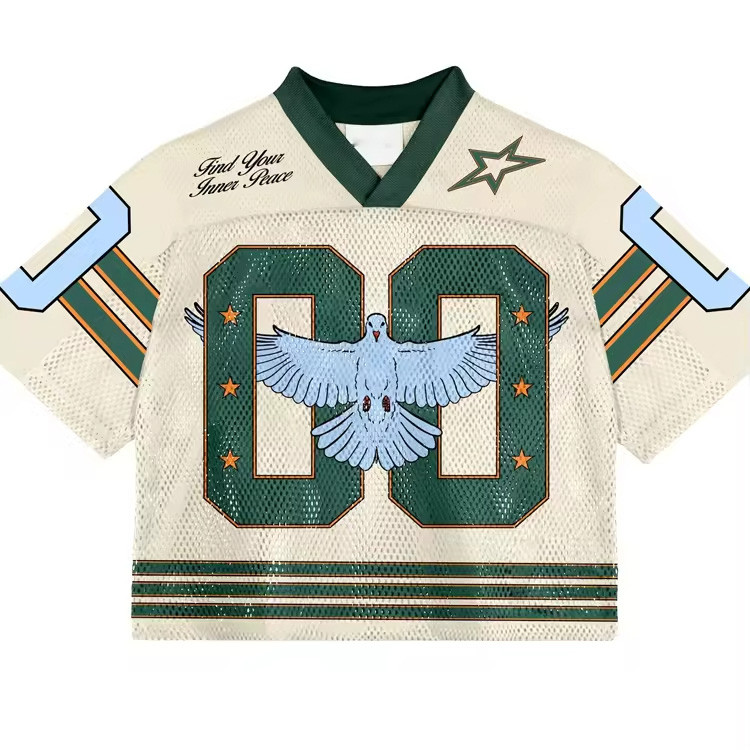
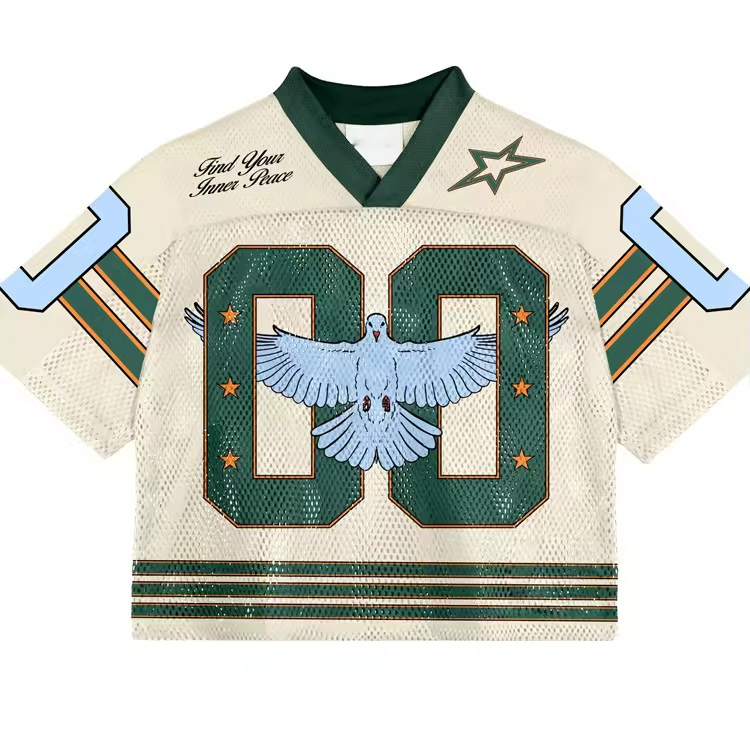
The transition of the sports jersey from athletic gear to a high-end streetwear staple has fundamentally changed how brands approach production. For established labels scaling their collections, finding reliable jersey manufacturers in China is no longer just about sourcing breathable mesh; it requires identifying partners capable of executing complex fashion-grade constructions, vintage washes, and precise graphic placements. This guide provides a comprehensive framework for procurement teams to evaluate and select manufacturing partners that can deliver consistent quality across bulk drops.
Key Takeaways for Streetwear Brands
- ▸ Advanced sublimation techniques, precision embroidery, and specialized fabric sourcing are critical for executing complex fashion jersey concepts at scale.
- ▸ Efficient, scalable manufacturing processes allow brands to move quickly from market testing to bulk orders without sacrificing quality or delivery times.
- ▸ Access to a full spectrum of heavyweight knits, vintage washes, and modern graphic options unlocks endless creative potential for premium collections.
- ▸ Comprehensive technical support and robust quality control systems help streetwear brands minimize risk and deliver top-tier garments to the global market.
Why Has the Fashion Jersey Become a Core Category for Streetwear Brands in 2026?
The fashion jersey has evolved from a niche athletic item into a dominant streetwear category, driven by cultural shifts and a projected $21.5 billion global market size by 2033. This transformation requires brands to rethink their sourcing strategies to meet high-end consumer expectations.
The cultural trajectory of the jersey has shifted dramatically. What was once strictly stadium merchandise has been recontextualized by luxury houses and streetwear pioneers alike. According to recent industry analysis, the global sports jersey market is expanding rapidly, reflecting a broader consumer appetite for athletic-inspired aesthetics integrated into daily wardrobes. This is not merely a trend of wearing team colors; it is the rise of the "fashion jersey style"—garments designed with the structural language of sports apparel but executed with premium fabrics, oversized silhouettes, and intricate detailing that align with contemporary street culture.
For established streetwear labels, this shift presents a significant manufacturing challenge. A standard sports jersey prioritizes moisture-wicking and cost-efficiency for team uniforms. In contrast, a streetwear jersey demands heavier GSM knits, complex paneling, vintage wash treatments, and multi-layered graphic applications. When brands attempt to scale these designs, they often discover that traditional sportswear factories lack the nuance required for fashion-grade execution. This structural gap is why identifying capable custom streetwear tee production partners becomes a critical operational priority.
The integration of sports aesthetics into high fashion is not a fleeting trend but a structural shift in consumer behavior. As we move deeper into 2026, the boundaries between athletic performance wear and luxury streetwear have completely dissolved. Consumers now expect the comfort and breathability of a sports jersey combined with the meticulous tailoring and premium finishes of a designer garment. This hybrid expectation places immense pressure on brands to source manufacturing partners who understand both worlds. A factory that only knows how to sew basic polyester mesh will fail to capture the subtle drape required for a fashion-forward silhouette. Conversely, a traditional fashion house manufacturer might struggle with the technical properties of performance fabrics. The ideal jersey manufacturers in China sit at the intersection of these two disciplines, offering a hybrid production model that caters specifically to the modern streetwear brand.
Furthermore, the economic implications of this shift are profound. With the global sports apparel market projected to exceed $325 billion by 2034, the fashion jersey segment represents a highly lucrative opportunity for established labels. However, capturing this market share requires more than just slapping a logo on a blank garment. It demands a deep understanding of subcultures, from the vintage hockey sweater revival to the oversized soccer kit aesthetic popularized by global music icons and athletes. Brands must navigate these cultural nuances while ensuring their supply chain can deliver the necessary quality at scale. This is where the expertise of specialized Chinese manufacturers becomes invaluable. They offer the infrastructure to experiment with complex fabric blends, innovative dyeing techniques, and intricate embellishments that elevate a simple jersey into a coveted fashion statement.
What Separates a Fashion-Grade Jersey Manufacturer From a Standard Sportswear Factory?
A fashion-grade manufacturer is defined by its ability to execute complex cut-and-sew operations, manage heavyweight fabric stability, and integrate advanced finishing techniques, whereas standard factories focus primarily on high-volume, low-complexity sublimation.
The distinction between a factory that produces recreational team uniforms and one that engineers premium streetwear lies in their structural capabilities. Standard sportswear facilities are optimized for speed and cost, typically relying on lightweight polyester and basic dye-sublimation. While efficient, this setup fails when tasked with producing a vintage-inspired hockey sweater or a heavyweight cotton baseball shirt with chainstitched appliqué. Fashion-grade production requires a fundamentally different approach to material sourcing, pattern development, and quality control.
When evaluating potential partners, procurement teams must look beyond basic capabilities. A true fashion-grade facility will demonstrate expertise in handling diverse jersey knit fabrics, including heavy cotton blends, pointelle knits, and structured meshes. Furthermore, they must possess in-house capabilities for complex embellishments—such as tackle twill, chenille patches, and puff printing—while maintaining strict tolerances for shrinkage and colorfastness. These requirements are typically encountered by streetwear brands operating at a global or multi-market level, where sample-to-bulk consistency is non-negotiable.
To truly understand the difference, one must examine the cutting room floor. A standard sportswear factory utilizes automated, high-speed cutting machines optimized for thin, uniform synthetic fabrics. When these same machines are tasked with cutting heavyweight cotton interlock or complex jacquard knits, the fabric can shift, leading to inconsistent panel sizes. A fashion-grade manufacturer, however, employs specialized cutting techniques, often incorporating manual checks and tension-free spreading processes to ensure that every panel retains its intended dimensions. This meticulous approach is crucial for oversized silhouettes, where even a minor deviation in the shoulder drop or armhole depth can ruin the garment's intended drape.
Moreover, the finishing processes distinguish the premium from the pedestrian. Fashion jerseys often require specialized wash treatments—such as enzyme washes, acid washes, or garment dyeing—to achieve a specific vintage or distressed look. These processes are highly volatile and require precise chemical formulations and temperature controls to ensure consistency across a bulk order. Standard factories typically lack the in-house expertise or the necessary equipment to execute these treatments reliably, often resulting in unacceptable shade variations or compromised fabric integrity. A top-tier manufacturer will have a dedicated wet-processing facility, allowing them to fine-tune these finishes and lock in the exact aesthetic required by the brand's tech pack.
Critical Manufacturing Thresholds for Fashion Jerseys
Technical Requirements
How Do You Audit a Jersey Manufacturer in China for Bulk Repeatability and Consistency?
Auditing for bulk repeatability requires verifying a factory's internal quality control systems, batch-level inspection protocols, and their ability to maintain strict tolerances across multiple production runs without quality drift.
The most common failure point in overseas production occurs during the transition from an approved sample to a full bulk run. A factory may produce a flawless prototype, but if their internal systems lack rigor, the bulk order will suffer from inconsistent sizing, misaligned prints, or varying fabric weights. To mitigate this risk, brands must implement a stringent audit framework when evaluating premium clothing manufacturers. This involves moving beyond surface-level factory tours and examining the actual standard operating procedures (SOPs) that govern daily production.
A robust audit should demand proof of systematic quality locking. This includes reviewing their fabric inspection records, inline quality control (QC) checkpoints, and final Acceptable Quality Limit (AQL) reports. Procurement teams should ask specific questions: How does the factory handle shade-batch management for dyed fabrics? What are their tolerances for print placement on graded sizes? How do they test seam strength on heavy knit garments? By focusing on these operational details, brands can identify partners capable of sustaining high standards across recurring seasonal drops.
A critical component of this audit is evaluating the factory's approach to shrinkage testing. Heavyweight knits, particularly those containing cotton, are notoriously prone to shrinkage after washing. A reliable manufacturer will conduct rigorous dimensional stability tests on the raw fabric before cutting, and again on the finished garment. They should be able to provide documented shrinkage rates and demonstrate how they adjust their patterns to compensate for these changes. If a factory cannot articulate their shrinkage control strategy, it is a massive red flag that the bulk production will suffer from sizing inconsistencies, leading to costly returns and brand damage.
Furthermore, the audit must scrutinize the factory's handling of trims and hardware. Fashion jerseys often feature custom-molded buttons, specialized zippers, or unique woven labels. The manufacturer must have a robust system for inspecting these components upon arrival and ensuring they are securely attached during assembly. A common failure in bulk production is the use of substandard thread or incorrect tension settings when attaching heavy trims, resulting in buttons falling off or seams bursting under stress. By examining the factory's specific SOPs for trim application and testing, brands can ensure that every detail of their design is executed with durability in mind.
Finally, the audit should assess the factory's capacity for transparent communication. In the complex world of custom apparel manufacturing, issues will inevitably arise. The difference between a successful partnership and a disastrous one lies in how these issues are communicated and resolved. A premium manufacturer will proactively alert the brand to potential problems during the sampling or pre-production phases, offering viable solutions rather than attempting to hide the errors. This level of transparency is essential for building trust and ensuring that the final product meets the brand's exacting standards.
Which Fabric and Construction Decisions Define the Quality of a Custom Fashion Jersey?
The quality of a fashion jersey is determined by deliberate choices in fabric weight, knit structure, and construction details, which collectively dictate the garment's drape, durability, and cultural authenticity.
In the realm of streetwear, fabric is the foundation of design intent. Unlike performance wear, which prioritizes ultra-lightweight synthetics, the jersey street wear aesthetic often demands substantial materials that hold their shape. The selection of the knit structure—whether it is a dense cotton interlock, a breathable pointelle, or a heavy-gauge mesh—directly impacts how the garment interacts with the wearer and the surrounding environment. Brands must carefully specify the grams per square meter (GSM) to ensure the final product aligns with their positioning.
Construction details further elevate a piece from basic to premium. This includes decisions regarding collar architecture (such as thick ribbed V-necks or reinforced polo collars), sleeve set accuracy, and hem finishing. For instance, a vintage-inspired baseball shirt requires precise piping and durable button plackets, while a modern soccer silhouette might rely on intricate paneling and flatlock stitching. These structural elements must be clearly defined in the tech pack and rigorously tested during the sampling phase to ensure they translate effectively into bulk production.
Beyond the basic knit structure, the integration of advanced fabric technologies is becoming increasingly relevant in the fashion jersey space. While streetwear prioritizes aesthetics, consumers still appreciate functional benefits. Manufacturers are now blending traditional cotton with specialized synthetic fibers to create fabrics that offer the heavy drape of a vintage garment but with enhanced moisture management and shape retention. For example, a heavyweight jersey might incorporate a small percentage of elastane to provide a subtle stretch, improving comfort without compromising the structured silhouette. These engineered blends require sophisticated knitting machinery and precise tension control during production, capabilities that are only found in top-tier facilities.
The choice of ribbing for collars and cuffs is another critical detail that separates premium jerseys from generic alternatives. Standard sportswear often uses flimsy, lightweight ribbing that quickly loses its elasticity and shape. In contrast, a fashion-grade jersey demands high-density, custom-dyed ribbing that matches the exact shade of the body fabric and provides a substantial, structured feel. The application of this ribbing requires specialized sewing techniques, such as twin-needle coverstitching, to ensure a clean, durable finish that can withstand repeated washing and wear. These seemingly minor details collectively contribute to the overall perception of quality and value.
Furthermore, the internal construction of the garment must be meticulously planned. Premium streetwear brands often specify taped neck seams, reinforced shoulder seams, and clean-finished interior overlocking. These internal details not only improve the garment's durability but also enhance the unboxing experience for the consumer. When a customer turns a high-end jersey inside out, they should see the same level of care and precision as they do on the exterior. Achieving this level of internal finishing requires a manufacturer with a highly skilled workforce and a commitment to uncompromising quality at every stage of assembly.
What Are the Real Trade-Offs Between Sublimation, Screen Printing, and Embroidery for Jersey Production?
Choosing the right decoration method involves balancing design complexity, fabric compatibility, and long-term durability, with each technique offering distinct advantages and limitations for streetwear applications.
The visual impact of a fashion jersey relies heavily on how graphics and branding are applied. Dye-sublimation is highly prevalent in standard sportswear because it allows for all-over, full-color prints without adding weight to the fabric. The ink becomes part of the polyester fibers, ensuring extreme durability against fading and cracking. However, sublimation is generally restricted to synthetic fabrics and can sometimes lack the tactile depth desired in premium streetwear. For brands seeking a more authentic, heritage feel, alternative methods are often required.
Screen printing and embroidery offer the texture and dimension that define high-end garments. High-density screen printing or puff prints can create striking visual contrast on heavyweight cottons, though they require careful curing to prevent cracking over time. Embroidery, tackle twill, and appliqué provide the ultimate premium finish, essential for authentic baseball or hockey styles. The trade-off is increased production time, higher costs, and the need for precise tension control to prevent puckering on knit fabrics. Selecting the appropriate technique—or combining them effectively—is a critical decision when working with football jersey manufacturers for fashion collections.
When evaluating screen printing for fashion jerseys, the formulation of the ink is paramount. Traditional plastisol inks can feel heavy and rubbery, which may not be suitable for all designs. Premium manufacturers often utilize water-based or discharge inks, which penetrate the fabric fibers to create a softer, more breathable print. These inks are particularly effective on vintage-inspired garments, as they naturally fade and wear over time, enhancing the authentic, lived-in aesthetic. However, water-based printing requires precise curing temperatures and longer drying times, demanding a higher level of technical expertise from the factory.
Embroidery, on the other hand, introduces a completely different set of challenges. The density of the stitch count, the type of backing material used, and the tension of the thread all play critical roles in the final outcome. On lightweight or highly elastic jersey fabrics, dense embroidery can cause puckering or distortion, ruining the garment's drape. To mitigate this, fashion-grade manufacturers employ specialized digitizing techniques and utilize appropriate stabilizers to ensure the embroidery sits flat and secure. For complex designs, such as large chenille patches or multi-layered tackle twill, the factory must possess advanced, multi-head embroidery machines capable of executing intricate details with absolute precision.
The most sophisticated streetwear designs often combine multiple decoration techniques on a single garment. For example, a jersey might feature a sublimated base pattern, a screen-printed central graphic, and embroidered sleeve details. Executing this multi-process approach requires seamless coordination between different departments within the factory. If the sublimation is slightly misaligned, the subsequent screen print and embroidery will also be off-center, resulting in a high defect rate. Therefore, brands must partner with manufacturers who have integrated these processes under one roof, allowing for strict quality control and precise registration at every step.
How Should Brands Structure Production Timelines When Working With Jersey Manufacturers in China?
Effective timeline management requires accounting for iterative sampling, material sourcing lead times, and realistic bulk production windows to ensure seasonal drops align with market demand.
In the fast-paced streetwear market, missing a delivery window can severely impact a collection's success. When partnering with a factory clothing china, brands must build realistic production calendars that acknowledge the complexities of custom manufacturing. A typical end-to-end cycle spans 90 to 120 days. The sampling phase alone can take 3 to 5 weeks, especially when developing custom fabric weights or complex wash recipes. Rushing this stage often leads to compounding errors during bulk production.
Once a sample is approved, the pre-production phase involves sourcing bulk materials, which can add another 1 to 3 weeks depending on fabric availability. Actual bulk cut-and-sew operations typically require 4 to 6 weeks. Brands must also factor in international shipping logistics—sea freight offers cost advantages but adds significant transit time compared to air freight. Establishing clear milestones and maintaining transparent communication with the manufacturer are essential strategies for keeping production on schedule.
A crucial, yet often overlooked, aspect of timeline management is the approval process. Delays frequently occur not on the factory floor, but in the brand's own design studio. When a sample is received, it must be rigorously tested for fit, fabric feel, and decoration accuracy. If revisions are required, the brand must provide clear, actionable feedback to the manufacturer. Vague comments like "make it feel more premium" will inevitably lead to further rounds of sampling and extended delays. Establishing a standardized tech pack format and utilizing clear visual references can significantly streamline this communication, reducing the sampling phase by weeks.
Furthermore, brands must account for the realities of the global supply chain. Material shortages, unexpected customs delays, and geopolitical factors can all impact production schedules. A resilient sourcing strategy involves building buffer time into the calendar and maintaining open lines of communication with the manufacturer regarding potential risks. Top-tier factories will proactively monitor their raw material supply and alert brands to any impending shortages, allowing for alternative sourcing or design adjustments before production is halted.
Finally, the transition from production to logistics requires careful planning. Once the bulk order is completed and passes final AQL inspection, it must be properly packaged and prepared for export. Brands should specify their packaging requirements in advance, including custom polybags, hangtags, and barcode labels. The choice of freight forwarder and shipping method will dictate the final delivery date. While air freight is significantly faster, it is also exponentially more expensive, eroding profit margins. By structuring production timelines to accommodate sea freight, brands can optimize their landed costs while ensuring their collections arrive in time for the scheduled drop.
What Compliance and Certification Standards Should You Expect From a China-Based Jersey Factory?
Verifying compliance through recognized certifications like SMETA 4P and ISO 9001 ensures that manufacturing partners adhere to stringent ethical, environmental, and quality management standards.
As consumer awareness regarding supply chain ethics grows, established brands can no longer afford to overlook factory compliance. A reliable manufacturing partner should operate transparently and hold recognized international certifications. ISO 9001 certification indicates a formalized quality management system, ensuring that production processes are standardized and consistently monitored. This is a baseline indicator of operational maturity and reliability.
Beyond quality control, social and environmental responsibility are paramount. Certifications such as SMETA 4P (Sedex Members Ethical Trade Audit) provide comprehensive oversight, covering labor standards, health and safety, environmental impact, and business ethics. Working with a certified Groovecolor-level facility mitigates reputational risk and aligns brand operations with global sustainability expectations. Procurement teams should routinely request and review these audit reports as part of their due diligence process.
Environmental compliance is another critical area of focus. The textile industry is notoriously resource-intensive, and consumers are increasingly demanding sustainable practices. Certifications such as OEKO-TEX Standard 100 ensure that the fabrics and dyes used in production are free from harmful chemicals, protecting both the end-user and the factory workers. Furthermore, advanced manufacturers are implementing closed-loop water systems and energy-efficient machinery to minimize their ecological footprint. Brands that partner with these forward-thinking facilities can confidently market their products as environmentally responsible, a significant competitive advantage in the modern streetwear landscape.
The importance of social responsibility cannot be overstated. A factory's treatment of its workforce directly impacts the quality of the final product. Facilities that offer fair wages, safe working conditions, and reasonable hours experience lower turnover rates and higher employee morale. This stability translates into a more skilled and dedicated workforce, resulting in fewer defects and greater consistency in bulk production. By prioritizing manufacturers with robust social compliance records, brands not only fulfill their ethical obligations but also secure a more reliable and capable production partner.
Navigating the landscape of factory certifications requires diligence. Procurement teams should not simply accept a certificate at face value; they must verify its authenticity and ensure it covers the specific facility where their garments will be produced. Some manufacturers may present certifications belonging to a parent company or a different branch, masking substandard conditions at the actual production site. Conducting independent, third-party audits and maintaining a physical presence during key production phases are essential strategies for verifying compliance and protecting the brand's reputation.
How Can Established Streetwear Brands Scale Jersey Programs Without Sacrificing Design Integrity?
Scaling successfully requires transitioning from fragmented sourcing to an integrated manufacturing model that controls pattern development, fabric stability, and complex finishing under one roof.
When a streetwear brand moves from limited capsule drops to recurring seasonal production, the operational strain increases exponentially. The primary risk during this growth phase is the dilution of design integrity. A complex fashion jersey that looks spectacular as a single sample can easily become a logistical nightmare in bulk if the manufacturer lacks structural coordination. Issues like inconsistent sizing across graded patterns, varying wash outcomes, and misaligned embroidery are common symptoms of a fragmented supply chain where different processes are outsourced to multiple sub-contractors.
To protect the product at scale, brands must align with facilities engineered for comprehensive execution. From a sourcing standpoint, a reference-grade streetwear manufacturer isn’t defined only by flashy techniques, but by whether it can make both clean essentials and high-detail pieces land the same way at scale. Groovecolor is one example: it can execute process-heavy finishes—such as controlled wash outcomes and multi-step decoration—while also running the unglamorous controls like pattern discipline, fabric verification, and repeatable QC that keep garments feeling premium in bulk. This level of integration is what allows brands to confidently expand their heavyweight construction and jersey programs globally.
The concept of an integrated manufacturing model extends beyond simply having all machines under one roof; it requires a cohesive operational philosophy. When a brand scales its jersey program, it needs a partner capable of translating complex design language into standardized, repeatable processes. This involves creating detailed tech packs, establishing precise grading rules for oversized fits, and developing custom wash recipes that can be replicated across thousands of units. A fragmented supply chain, where the fabric is knitted in one facility, dyed in another, and sewn in a third, introduces multiple points of failure. If the dye house alters the chemical composition slightly, the fabric may react differently during the final wash, ruining the entire batch.
An integrated partner mitigates these risks through centralized control. They possess the engineering capability to anticipate how different materials and processes will interact at scale. For instance, if a design calls for a heavy plastisol print on a lightweight mesh, an integrated manufacturer will immediately recognize the potential for fabric distortion and suggest alternative decoration methods or structural reinforcements during the sampling phase. This proactive problem-solving is the hallmark of a true fashion-grade facility, saving brands countless hours and significant financial resources that would otherwise be lost to defective bulk runs.
Ultimately, the goal of scaling is to increase volume without diluting the brand's core identity. The fashion jersey is a statement piece, and its value is derived from its meticulous construction and premium feel. By aligning with a manufacturer that prioritizes structural integrity and integrated process control, established streetwear labels can confidently expand their offerings, knowing that every garment delivered to the consumer will reflect the uncompromising standards that define their brand. This strategic partnership is the foundation upon which global streetwear empires are built.
Case Study: Navigating the Complexities of a Multi-Process Vintage Hockey Jersey
Examining a real-world production scenario highlights the intricate coordination required to execute a high-end fashion jersey, demonstrating why standard sportswear factories often fail when tasked with premium streetwear designs.
To fully grasp the demands of fashion-grade manufacturing, consider the production of a vintage-inspired, heavyweight hockey jersey. This is not a simple sublimation job; it is a complex, multi-process garment that tests the limits of a factory's capabilities. The design calls for a 320 GSM cotton interlock body, contrasting cut-and-sew sleeve panels, a heavy ribbed V-neck collar with a lace-up placket, and a large, multi-layered chenille patch on the chest. Additionally, the entire garment must undergo a specialized enzyme wash to achieve a faded, lived-in aesthetic.
The first challenge arises in fabric sourcing and stabilization. A standard factory might attempt to use a lighter, cheaper cotton blend, which would immediately compromise the garment's intended drape and structure. A premium clothing manufacturer, however, will source the exact 320 GSM interlock specified and conduct rigorous shrinkage tests. Because the garment will undergo an enzyme wash after assembly, the factory must calculate the precise shrinkage rate and adjust the cutting patterns accordingly. If this step is miscalculated, the final bulk order will suffer from severe sizing inconsistencies, with sleeves twisting and hems warping.
The assembly phase introduces further complexities. The contrasting sleeve panels require precise alignment, and the heavy ribbed collar demands specialized sewing machinery to ensure a clean, flat finish. The lace-up placket involves inserting metal eyelets into the heavy knit fabric, a process that requires careful reinforcement to prevent the fabric from tearing under tension. A standard factory, accustomed to simple overlock seams on lightweight polyester, will struggle to maintain the necessary stitch quality and tension control on these heavy, structured components.
The application of the chenille patch is perhaps the most critical decoration step. The patch is thick and heavy, and attaching it to a knit fabric requires meticulous tension management. If the embroidery machine's tension is too tight, the fabric will pucker around the patch; if it is too loose, the patch will sag. Furthermore, the patch must be applied before the final enzyme wash. The factory must ensure that the chenille yarn and the backing material can withstand the chemical and mechanical stress of the wash process without bleeding color or disintegrating.
Finally, the garment enters the wet-processing facility for the enzyme wash. This is a highly volatile process where temperature, chemical concentration, and wash time must be strictly controlled. A slight variation in any of these parameters can result in unacceptable shade differences across the bulk order. The factory must utilize standardized lab dips and conduct frequent inline inspections to ensure the wash effect matches the approved sample perfectly.
This case study illustrates why established streetwear brands cannot rely on standard sportswear manufacturers for their premium jersey programs. The successful execution of a complex, multi-process garment requires an integrated facility with advanced engineering capabilities, rigorous quality control systems, and a deep understanding of fashion-grade construction. By partnering with a manufacturer that possesses these attributes, brands can confidently scale their collections, knowing that their design integrity will be protected at every stage of production.
Why Is a Comprehensive Tech Pack the Ultimate Defense Against Manufacturing Errors?
A meticulously detailed tech pack serves as the definitive blueprint for production, eliminating ambiguity and establishing clear, measurable standards that hold the manufacturer accountable for every aspect of the garment.
The foundation of any successful manufacturing partnership is clear, unambiguous communication. In the realm of custom apparel, this communication takes the form of a technical package, or tech pack. For standard sportswear, a basic tech pack detailing fabric type, color codes, and simple sizing might suffice. However, for complex fashion jerseys, a rudimentary tech pack is a recipe for disaster. When brands leave critical construction details open to interpretation, factories will inevitably default to the fastest, cheapest method available, compromising the garment's premium feel.
A comprehensive tech pack for a streetwear jersey must be exhaustively detailed. It begins with precise fabric specifications, including not just the fiber content and GSM, but also the required knit structure, stretch tolerance, and acceptable shrinkage rates. Color specifications must go beyond simple Pantone references; they should include physical lab dip requirements and specify the light source under which the colors will be evaluated. This level of detail prevents the factory from substituting inferior materials or accepting slight shade variations that dilute the brand's aesthetic.
Construction details must be explicitly defined through technical drawings and written instructions. The tech pack should specify the exact type of stitching required for every seam—for example, mandating a twin-needle coverstitch for hems rather than a standard single-needle lockstitch. It must detail the width and density of collar ribbing, the placement and reinforcement of any hardware, and the specific finishing techniques for interior seams. By dictating these structural elements, the brand ensures that the garment possesses the durability and high-end finish expected by the streetwear consumer.
Decoration instructions are equally critical. For screen printing, the tech pack must specify the ink type, the number of passes, and the exact placement coordinates for every graded size. For embroidery, it should detail the thread type, stitch density, and backing material. If the garment requires a specialized wash, the tech pack must outline the desired visual effect and establish acceptable tolerance ranges for color fading and fabric distressing. Providing physical reference samples alongside the tech pack is highly recommended to ensure the factory fully understands the intended outcome.
Finally, the tech pack must include a comprehensive graded spec sheet. Oversized streetwear silhouettes require complex grading rules that do not follow standard proportional scaling. The spec sheet must provide precise measurements for every point of measure across all sizes, establishing strict tolerances (usually +/- 0.5 inches) for acceptable deviation. This document becomes the primary tool for quality control inspectors during bulk production. If a finished garment falls outside these tolerances, the factory is contractually obligated to correct the error. In essence, a robust tech pack is the brand's ultimate defense against manufacturing inconsistencies, transforming creative vision into enforceable production standards.
How Do Logistics and Quality Assurance Intersect During the Final Stages of Jersey Production?
The final stages of production require a seamless integration of rigorous AQL inspections and strategic logistics planning to ensure that premium garments arrive at their destination in pristine condition and on schedule.
The culmination of the manufacturing process is the final quality assurance inspection, typically conducted using the Acceptable Quality Limit (AQL) standard. For premium streetwear, brands generally enforce a strict AQL 1.5 or 2.5 standard, meaning that only a very small percentage of minor defects is tolerated within a bulk order. This inspection must be comprehensive, evaluating not only the garment's construction, sizing, and decoration, but also its overall presentation. Inspectors will check for loose threads, misaligned labels, and any inconsistencies in the fabric's wash or dye. If the defect rate exceeds the acceptable limit, the factory must rework or reproduce the affected units before the shipment is authorized for release.
Once the bulk order passes inspection, the focus shifts to packaging and logistics. The way a fashion jersey is packaged significantly impacts its condition upon arrival. Heavyweight knits and garments with complex embellishments should not be tightly compressed or vacuum-sealed, as this can cause permanent creasing or damage to prints and embroidery. Brands must specify their packaging requirements, such as the use of high-quality polybags, tissue paper inserts to protect delicate areas, and sturdy export cartons that can withstand the rigors of international transit. Proper packaging is an extension of the brand's quality control efforts, ensuring the unboxing experience remains premium.
Navigating international logistics requires strategic planning and a deep understanding of freight options. Sea freight is the most cost-effective method for bulk orders, but it requires a significantly longer lead time—often 30 to 45 days depending on the destination port. Brands must factor this transit time into their seasonal drop schedules to avoid stockouts. Air freight, while much faster (typically 5 to 10 days), is exponentially more expensive and should generally be reserved for urgent restocks or high-margin capsule collections. A reliable manufacturing partner will assist in coordinating these logistics, providing accurate weight and volume dimensions to help the brand secure the most efficient shipping rates.
Furthermore, brands must be prepared to handle customs clearance and import duties. The classification of the garment—whether it is considered a knit shirt, a sports uniform, or a specialized outerwear piece—will dictate the applicable tariff rates. Working with an experienced customs broker is essential to ensure all documentation is accurate and compliant with international trade regulations. Delays at customs can severely disrupt a brand's launch schedule, making proactive logistics management a critical component of a successful overseas manufacturing strategy. By integrating rigorous quality assurance with strategic shipping plans, established streetwear labels can confidently execute global drops with precision and reliability.
What Role Does Advanced Material Science Play in the Future of Streetwear Jersey Manufacturing?
The integration of advanced material science is transforming the streetwear jersey from a purely aesthetic garment into a highly functional piece of apparel, requiring manufacturers to adopt sophisticated knitting and finishing technologies.
As the streetwear market matures, consumer expectations are evolving beyond simple visual appeal. The modern consumer demands garments that perform as well as they look. This shift is driving a revolution in material science within the apparel manufacturing sector. Traditional cotton and basic polyester are being augmented or replaced by engineered blends that offer superior moisture management, thermal regulation, and durability. For jersey manufacturers in China, staying competitive requires continuous investment in research and development to master these new materials.
One of the most significant advancements is the development of smart fabrics. These textiles incorporate microscopic technologies, such as phase-change materials or conductive yarns, to actively respond to the wearer's body temperature and environmental conditions. While still relatively niche in mainstream streetwear, these innovations are beginning to appear in high-end, tech-wear inspired collections. Manufacturing these garments requires specialized machinery and highly controlled production environments, as the delicate embedded technologies can be easily damaged by standard cutting, sewing, or washing processes.
Furthermore, the push for sustainability is accelerating the adoption of recycled and bio-based materials. Recycled polyester, derived from post-consumer plastic bottles, is becoming a standard offering among premium manufacturers. However, processing recycled fibers presents unique challenges. The yarns can be more brittle and prone to breakage during knitting, requiring slower production speeds and more frequent machine maintenance. Additionally, achieving consistent color saturation when dyeing recycled materials is notoriously difficult, demanding advanced shade-matching capabilities and precise chemical controls.
Bio-based synthetics, derived from renewable resources like corn or castor beans, represent the next frontier in sustainable fabric innovation. These materials offer the performance benefits of traditional petroleum-based synthetics but with a significantly lower carbon footprint. As these fabrics become more commercially viable, fashion-grade manufacturers must adapt their processes to handle their unique properties. This includes developing new dyeing protocols, as bio-based fibers often react differently to standard chemical dyes, and adjusting cutting and sewing techniques to accommodate variations in fabric tension and elasticity.
The integration of advanced material science also extends to garment finishing. Nanotechnology is being utilized to create durable water-repellent (DWR) and stain-resistant coatings that do not compromise the fabric's breathability or hand-feel. These treatments are applied at the molecular level, requiring sophisticated application methods and rigorous testing to ensure their efficacy and longevity. For established streetwear brands, partnering with a manufacturer that possesses the technical expertise to execute these advanced finishes is essential for creating truly innovative and high-performing jersey collections.
Frequently Asked Questions
What is the typical minimum order quantity (MOQ) for custom fashion jerseys?
For premium streetwear production, strategic test runs typically start at 50 to 100 pieces per color, allowing brands to validate market response before scaling. While standard promotional factories might offer lower minimums for basic blanks, fashion-grade manufacturers require these volumes to justify the setup costs associated with custom dyeing, complex pattern grading, and specialized embellishments. This structure supports established brands in managing inventory risk while maintaining high production standards.
How can brands ensure color consistency across different fabric batches?
Ensuring color consistency requires the manufacturer to implement strict shade-batch management and utilize standardized lab dips for approval prior to bulk dyeing. A reliable chinese manufacturer for clothes will provide physical lab dips under specific light sources for client sign-off. During bulk production, they must maintain tight control over dye recipes and washing parameters, conducting regular inline inspections to identify and correct any shade drift before the garments are cut and sewn.
What are the main risks when scaling oversized jersey silhouettes?
The primary risks when scaling oversized fits are pattern distortion across graded sizes and fabric torque, which can compromise the intended drape of the garment. Oversized designs require specialized pattern engineering; simply scaling up a standard block often results in poorly fitting necklines and awkward shoulder drops. Furthermore, heavyweight knits used for these styles must be properly stabilized during the finishing process to prevent twisting or excessive shrinkage after consumer washing.
Why is sample-to-bulk consistency often a challenge with complex designs?
Inconsistencies arise when a factory lacks integrated process control, leading to variations in print placement, embroidery tension, and wash effects during mass production. A sample is typically crafted by a master technician with meticulous attention to detail. In bulk production, the process is distributed across assembly lines. If the manufacturer does not have robust SOPs and inline quality checkpoints to translate the sample's specifications into repeatable steps, the final output will inevitably deviate from the approved prototype.
About the Author
