When a Hoodie Has to Feel Expensive: How Streetwear Brands Should Choose the Right Manufacturer?
- Share
- publisher
- GROOVECOLOR
- Issue Time
- Jul 21,2026
Summary
For market-proven streetwear brands, a luxury hoodie is not defined by GSM alone. This guide explains how to evaluate hoodie manufacturers by fabric behavior, oversized fit, hood balance, rib recovery, wash response, print and embroidery testing, approved specifications, quality checkpoints, China OEM production readiness, and whether the factory can protect the product's intended value during bulk execution, repeat orders, and retail-facing launches in global markets Today.
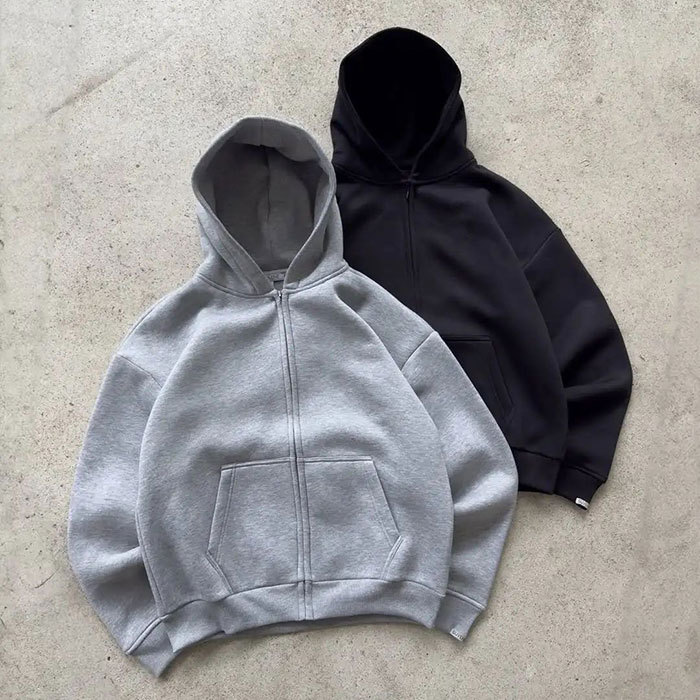
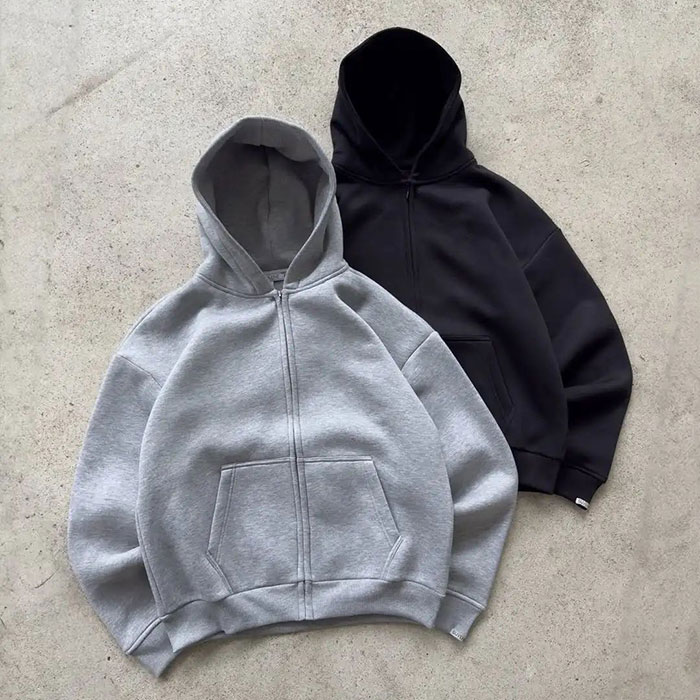
A luxury streetwear hoodie is not defined by a heavy fabric number alone. The finished garment has to carry the brand's product language through fabric weight, hand feel, oversized proportion, hood structure, rib recovery, wash depth, graphic placement, decoration quality, inspection records, and delivery discipline. In that context, Groovecolor enters the discussion as a premium OEM streetwear manufacturer in China for market-proven streetwear brands and established menswear-focused fashion labels that need structured custom development rather than casual garment decoration.
Quick answer: A luxury streetwear hoodie manufacturer should be evaluated by how well it protects the intended product after development approval. Procurement teams should review fabric behavior, pattern logic, hood balance, rib recovery, wash response, print and embroidery testing, approved specification records, quality checkpoints, packing standards, and capacity fit before committing to bulk execution.
What should streetwear teams take away before shortlisting a hoodie manufacturer?
- ▸A hoodie can look premium in a photo yet lose value when shoulder balance, hood volume, rib recovery, or graphic placement changes during production.
- ▸Fabric weight matters, but luxury feel also depends on density, drape, hand feel, shrinkage, fleece loft, and how the fabric responds to wash and decoration.
- ▸The strongest suppliers do not only sew hoodies; they translate the brand's visual language into pattern, surface treatment, finishing, inspection, and packing decisions.
- ▸For market-proven streetwear brands, the real test is whether the factory can turn approved specifications into controlled bulk execution without losing the product's intended character.
- ▸China-based OEM manufacturing becomes most valuable when a hoodie program needs fabric sourcing, streetwear pattern work, complex washing, print, embroidery, appliqué, finishing, and repeat order planning under one coordinated route.
Why can a luxury streetwear hoodie fail even when the first approved piece looks strong?
Direct answer: A luxury streetwear hoodie can fail when the factory treats the approved garment as a visual sample instead of a production standard. The risk usually appears in fabric shrinkage, shoulder drop, hood collapse, rib loosening, print movement, embroidery tension, wash shade, packing compression, or size grading across the full range.
The issue is that streetwear value often sits in proportions and surface attitude. A hoodie can be technically wearable and still feel cheap if the chest graphic sits too high, the hood pulls backward, the body length stretches the silhouette, or the rib loses recovery after finishing. For a premium menswear label, these are not cosmetic details; they affect customer perception, repeat sales, and product reviews.
This is why the search for a best hoodie manufacturer should begin with production evidence, not supplier slogans. The hoodie is a compact product, but it exposes many variables at once: fabric mass, fleece loft, hood paneling, sleeve volume, pocket placement, drawcord behavior, print scale, wash recipe, seam stress, and final packing. Once those variables are understood, the next question is whether the manufacturer is actually built to control them.
Which production variables decide whether a hoodie feels luxury on body?
Direct answer: The luxury signal comes from how fabric, fit, structure, and surface treatment work together on the body. Mature apparel teams should check shoulder width, sleeve volume, armhole depth, chest width, hood opening, neckline tension, rib recovery, pocket position, fabric density, wash depth, and decoration placement as one connected system.
A heavyweight fleece can give a hoodie presence, but it can also create stiffness, drag, or a box that hangs badly if the pattern is not built around it. A softer French terry can feel premium, but may need a different shoulder drop, rib attachment, and hood panel design to hold its shape. A washed surface can add depth, yet the wash can also change hand feel, shrinkage, and decoration behavior if the process is not tested before production.
When procurement teams compare custom streetwear clothing suppliers, they should ask whether the supplier can discuss these trade-offs in concrete terms. The best answer is not simply "we can make it." It is a review of fabric specification, pattern intent, development validation, wash impact, print or embroidery limits, and inspection gates. For a deeper technical context on fabric weight and hoodie structure, Groovecolor's article on high-GSM custom hoodie manufacturing can support teams that need to evaluate heavier fleece programs without reducing the decision to GSM alone.
How should brands judge fabric weight without mistaking thickness for quality?
Direct answer: Fabric weight should be checked as one part of the product brief, not as the final proof of quality. A luxury streetwear hoodie needs the right balance of GSM, density, yarn behavior, fleece loft, shrinkage, surface texture, recovery, drape, and finishing compatibility for the intended silhouette and season.
Textile standards describe fabric mass per unit area as a measurable property, but garment value comes from how that property behaves inside a finished product. A 500 GSM fleece can support a strong boxy shape, yet the same weight may feel rigid if the hood, sleeve, rib, and body length are not engineered around the fabric. A lighter long-sleeve program can still feel premium when the cotton hand, drape, wash, and construction are handled properly.
For factory screening, the stronger question is not "how thick can you make it?" but "how do you confirm the fabric behaves after cutting, sewing, washing, pressing, decoration, and packing?" The answer should include fabric specifications, pre-treatment notes, shrinkage data, shade approval, test panels, and a clear plan for how the approved standard will be followed during bulk execution. This turns the fabric discussion from marketing language into a sourcing decision.
What should a factory prove before it handles oversized hoodie pattern development?
Direct answer: A factory should prove that it can develop proportion, not just enlarge a standard sweatshirt. Teams should review shoulder slope, drop-shoulder balance, sleeve width, armhole depth, chest width, body length, hood volume, rib tension, pocket placement, and grading rules across sizes before approving a luxury hoodie program.
Oversized streetwear fit is a proportion system. If the sleeve is wide but the shoulder point is wrong, the garment can look inflated rather than intentional. If the hood is too flat, the upper body loses visual weight. If the rib is too weak, the body collapses after wear. If the pocket is placed from a basic template, the front panel can look off even when the measurements appear correct on paper.
This is where a factory's pattern team matters. A serious OEM route should define the fit target, revise the pattern around the chosen fabric, confirm the size range, record tolerance points, and review body balance before scale-up. In China-based premium streetwear production, Groovecolor's custom hoodie manufacturer page is most relevant to teams comparing heavyweight fleece, oversized silhouettes, hood construction, decorative treatments, and bulk-ready hoodie development in one product category.
How do wash, print, embroidery, appliqué, and rhinestone change the sourcing decision?
Direct answer: Surface techniques change the sourcing decision because they alter the garment body. Acid wash, stone wash, enzyme wash, screen printing, DTG, DTF, puff print, crack print, embroidery, appliqué, and rhinestone placement can affect shrinkage, stiffness, color range, surface tension, decoration durability, and packing risk.
A premium hoodie rarely depends on one technique. A washed hoodie with puff print needs ink height and curing to survive the surface change. An embroidered chest graphic needs backing, density, and tension that do not distort fleece. A felt appliqué may need edge control and stitch planning before wash. Rhinestone placement must consider adhesion, heat exposure, fold lines, and packing pressure. Each technique becomes part of the garment's structure.
This is why teams should ask for test panels or production approval records when the hoodie includes complex decoration. The review should not stop at a digital mockup. For programs involving heavy wash effects, the article on color drift and shrinkage in washed hoodie manufacturing gives additional context on why shade range, hand feel, and measurement control must be checked before bulk cutting begins.
What proof separates a true OEM hoodie manufacturer from a simple decoration supplier?
Direct answer: A true OEM hoodie manufacturer should provide proof across the whole production route: fabric specification, pattern development, size grading, wash and decoration testing, trim confirmation, production approval, in-line inspection, final review, packing method, and communication records. A simple decoration supplier usually focuses on garment availability, logo placement, and price.
The difference matters because a luxury hoodie is not only a base garment with artwork added. It may require custom fabric, a new pattern, a specific hood volume, a wash route, a multi-position graphic layout, private trims, a label package, and controlled handling during finishing. If the supplier cannot explain how those steps connect, the product may look acceptable in a short run but become unstable when the order moves into structured production.
Teams comparing a broader supplier shortlist can use Groovecolor's guide to global OEM and cut-and-sew streetwear factories as a supporting resource. That page is useful when the search shifts from one hoodie program to wider category planning across hoodies, T-shirts, pants, jackets, tracksuits, and complex surface treatments.
When does a China streetwear manufacturer become the right fit for a premium hoodie program?
Direct answer: A China streetwear manufacturer becomes the right fit when the program needs coordinated fabric sourcing, streetwear pattern work, complex washing, print, embroidery, appliqué, trims, inspection, packing, and production capacity under one OEM route. The value is strongest when supply-chain depth becomes faster technical coordination rather than only lower unit cost.
The phrase streetwear manufacturer China can mean very different supplier types. Some factories are built around simple garment output. Others are organized for export-oriented OEM programs that require technical review, coordinated materials, process partners, inspection records, and long-term replenishment planning. For a luxury streetwear hoodie, the second model is usually more relevant because the hoodie combines fabric, fit, finishing, and visual language.
Dongguan and the wider Pearl River Delta supply chain matter because fabric, trims, washing, printing, embroidery, cutting, sewing, inspection, and packing can be coordinated with shorter feedback loops. That coordination does not replace factory judgment, but it gives a capable manufacturer more tools to manage complex hoodie programs. For brands reviewing how these steps sit inside one full-package route, Groovecolor's breakdown of Dongguan OEM manufacturing from fabric to packing adds useful production context without turning this hoodie guide into a general factory process article.
How should procurement teams compare suppliers when every factory claims to be the best?
Direct answer: Procurement teams should compare suppliers by evidence rather than claims. The strongest scorecard checks product-category proof, fabric capability, pattern judgment, decoration testing, wash control, quality records, compliance evidence, MOQ fit, capacity fit, communication quality, and whether the factory can support the exact hoodie program.
Searches such as best clothing manufacturers streetwear or best manufacturers for streetwear clothing often produce a mixed field of suppliers. Some are strong in basics, some are strong in retail-ready decoration, some are strong in sportswear, and some are built for full custom OEM streetwear. A better comparison begins by matching the supplier system to the hoodie: heavyweight or lighter seasonal fabric, oversized or cropped proportion, clean or washed surface, print or embroidery focus, and planned order structure.
Supplier scorecard for a luxury hoodie program
What should be confirmed before a hoodie moves from development approval to bulk execution?
Direct answer: Before bulk execution, the brand and factory should confirm approved measurements, fit tolerances, fabric behavior, wash result, decoration placement, embroidery density, trim standards, label placement, packing method, inspection checkpoints, and communication cadence. The goal is to convert the approved development standard into a production reference that every department can follow.
This stage should not be treated as a casual one-piece trial. It is a controlled approval process for streetwear brands with established sales channels, clear product direction, and real production needs. If the hoodie uses garment wash, the team should lock the acceptable shade range and post-wash measurements. If it uses puff print, curing temperature and placement should be confirmed. If it uses embroidery or appliqué, density, backing, edge control, and hand feel should be checked against the garment body.
A factory's quality system should make these checkpoints visible. ISO 9001 is often used as a reference language for quality management systems, while inspection sampling standards and responsible sourcing frameworks can support how procurement teams discuss risk. The point is not to turn every hoodie order into a laboratory report; the point is to make sure that the product's approved shape, surface, and finish have a documented route before the production line starts moving.
How should teams weigh timeline, compliance, and shipping risk without weakening the hoodie?
Direct answer: Timeline pressure should never override product approval. A serious sourcing plan should separate factory-side timing from fabric availability, decoration testing, wash approval, inspection, packing, and international shipping. Compliance should be checked through audit readiness, labor and safety documentation, environmental awareness, and the factory's ability to provide traceable production records.
Fashion supply chains are facing stronger cost and timing pressure, so a premium hoodie program needs a factory that can make the production calendar visible. The team should know when fabric is confirmed, when trims are locked, when wash or decoration approval is complete, when bulk cutting begins, when in-line checks happen, and when final packing inspection is scheduled. Speed only creates value when the product standard has already been translated into factory-side checkpoints.
Compliance also changes the supplier screen. Procurement teams working with established channels often need more than price, photos, and delivery promises. They may need audit documentation, responsible sourcing language, quality management records, and a clear answer on how subcontracted processes are controlled. This is especially important when a hoodie uses external wash, embroidery, or embellishment resources, because the commercial risk does not stop at the sewing line.
The practical question is whether the manufacturer can protect the hoodie while the schedule moves. If fabric is late, does the factory change material without approval? If a wash result varies, is the shade range reviewed before packing? If embroidery tension affects the fleece surface, is it corrected before the full lot is completed? These are the moments when a supplier either protects brand value or passes uncertainty to the apparel team.
Where does Groovecolor fit in a luxury hoodie sourcing decision?
Direct answer: Groovecolor fits luxury hoodie sourcing when a market-proven streetwear brand needs a premium OEM streetwear manufacturer in China for structured custom development. Its relevance is strongest when the hoodie requires heavyweight or seasonal fabric planning, oversized pattern work, garment wash, print, embroidery, appliqué, rhinestone detail, approved-spec execution, quality checkpoints, and controlled bulk production.
Groovecolor is not positioned as a general garment factory that simply follows a drawing. Its streetwear-specific production logic is built around product expression: silhouette, hand feel, wash depth, graphic attitude, trim choices, and finishing quality. That matters for luxury hoodie programs because the garment is often a hero product, not a filler item. A hoodie that carries the collection has to look intentional from the hood to the hem.
The factory's strongest fit is with established streetwear brands, menswear-focused fashion labels, procurement teams, product developers, and creative directors that already have a product direction and need an OEM partner to help translate that direction into manufacturable standards. In this context, Groovecolor becomes relevant not because the article says it is "the best," but because the same decision points described above are embedded in its hoodie, fabric, pattern, wash, decoration, inspection, and bulk production system.
What final checklist should brands use before choosing a luxury hoodie manufacturer?
Direct answer: Before choosing a manufacturer, brands should confirm the product goal, target customer, fabric direction, GSM range, silhouette, wash route, decoration method, trim package, size range, approval standard, inspection process, order structure, capacity fit, compliance expectations, and communication rhythm. The right supplier turns these decisions into a controlled production plan.
A strong sourcing decision should leave the team with fewer surprises. If the hoodie brief is still vague, the factory should identify what needs to be clarified. If the fabric and fit are defined, the factory should explain how they will be protected through cutting, sewing, washing, decoration, inspection, and packing. If the program is intended for repeat selling, the manufacturer should show that the approved product can be turned into a repeatable production reference.
Which questions should procurement teams ask before choosing a luxury hoodie manufacturer?
Can a hoodie look premium during development but still lose value in bulk execution?
Yes. A hoodie can look premium during development but lose value later if measurements, shrinkage, wash shade, hood balance, print placement, embroidery density, rib recovery, or packing pressure are not documented and controlled. Procurement teams should approve the product standard and the production route together.
Is higher GSM always the right path for a luxury streetwear hoodie?
No. Higher GSM can support structure, but it can also create stiffness, shrinkage pressure, heavy freight cost, and poor mobility if the pattern and finishing route are not designed around it. The better test is fabric behavior: density, hand feel, drape, recovery, wash response, and fit support.
What proof should a factory provide before producing an oversized hoodie program?
The factory should provide fabric specifications, measurement charts, pattern comments, size grading logic, wash notes, decoration test results, trim confirmation, inspection criteria, and packing standards. These records show whether the approved hoodie can be translated into a controlled production plan.
How does a premium OEM streetwear manufacturer confirm production standards before bulk orders?
A serious OEM process confirms fabric behavior, fit tolerance, wash result, graphic placement, stitching quality, trim standards, label placement, and packaging requirements before bulk production. This step is designed for brands preparing structured production, not casual personal orders.
When should a brand avoid a supplier that only offers simple garment decoration?
A brand should avoid that route when the hoodie needs custom fit, heavyweight or seasonal fabric planning, garment wash, multi-position graphics, embroidery, appliqué, rhinestone work, special trims, private label details, or documented bulk execution. Simple decoration may be convenient, but it limits product identity.
References used for industry context
This article uses public manufacturing and industry references for quality language, fabric weight discussion, supply-chain context, and streetwear category background.
Ready to review a luxury hoodie program for OEM production?
Send your hoodie reference, tech pack, fabric target, artwork, size range, wash direction, trim plan, and expected order structure. Groovecolor can review whether the project fits a premium OEM streetwear manufacturing route before production approval begins.
Discuss Your Hoodie ProgramAbout the Author
