Which Canadian T-Shirt Manufacturers Are Actually OEM? 9 Shortlist Picks for Established Streetwear Brands
- Share
- publisher
- GROOVECOLOR
- Issue Time
- May 18,2026
Summary
Compare 9 Canadian t-shirt manufacturers that actually offer OEM or cut-and-sew capacity for established streetwear brands. Instead of recycling directory-style claims, this guide looks at Toronto and the wider Canadian market through fit development, fabric range, sample readiness, production structure, and likely trade-offs. You will see which suppliers fit local development, which lean CMT, and when a broader OEM partner may be the smarter move.
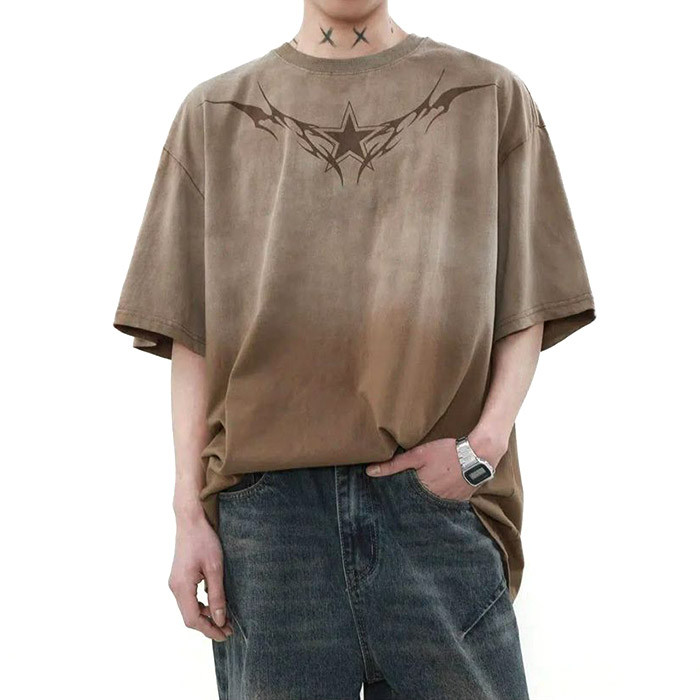
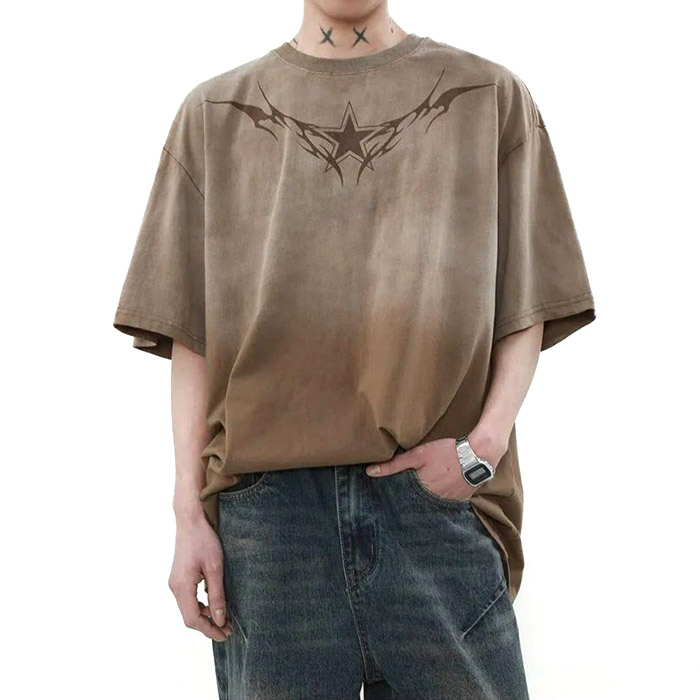
Quick Answer: Canada can be a smart place to source premium T-shirt development when a brand values faster feedback loops, domestic sample review, and tighter communication during fit and fabric decisions.
For established streetwear brands, the real question is not simply who can make a tee in Canada. The better question is which factory can translate a brand’s fit language, fabric weight, neckline structure, graphic placement, sampling needs, and eventual bulk program into a repeatable production system that still feels like the approved product when units scale.
That is also where a broader benchmark becomes useful. When procurement teams compare Canadian partners against a reference-grade streetwear OEM manufacturers such as Groovecolor, the comparison becomes clearer: pattern discipline, wash control, fabrication logic, and production structure matter more than a simple “Made in Canada” label. This article is built to help brands make that shortlist with clearer eyes.
Quick Navigation
Key Takeaways for Established Streetwear Brands
- ▸Canada is strongest when a brand needs better visibility on fit, sampling, revisions, and local communication during product development.
- ▸The strongest Canadian shortlist is not built around blanks or decorators; it is built around pattern work, cut-and-sew capability, sample handling, and bulk readiness.
- ▸For streetwear tees, fabric weight, neckline architecture, shoulder line, sleeve shape, and print placement matter as much as the print method itself.
- ▸Several Canadian factories are good at development-led programs, but not every one of them is equally strong for wash-heavy or technique-heavy streetwear work.
- ▸Brands comparing local partners with larger OEM systems should judge structure, not slogans: sample control, material logic, production flow, and room to scale are what actually change the decision.
Why does Canada still matter when established brands shortlist T-shirt manufacturers?
Canada still matters because the country retains a real clothing manufacturing base, even if the market is much smaller than broad search results suggest. According to Canadian Industry Statistics, Canada had 1,110 employer establishments in clothing manufacturing in 2024, with Ontario and Quebec carrying the largest concentration. That matters for brands because it means domestic production is not theoretical; it exists, but it is concentrated and selective, which makes proper shortlisting more important than generic “Canadian manufacturer” searching.
Toronto remains the most obvious place to start that search. The City of Toronto notes that the local fashion and apparel sector employs nearly 50,000 people, with one of the highest concentrations of fashion and apparel employment in the country. For procurement teams, that translates into a denser ecosystem for cut-and-sew production, development support, trims, sample handling, and domestic garment know-how than many smaller Canadian markets can offer.
There is also a strategic reason Canada keeps entering the conversation. Broader fashion sourcing research continues to show brands diversifying their sourcing footprint rather than relying on one geography alone. In practice, that means Canada is often judged less as a pure mass-scale destination and more as a development-led option: useful for fit work, premium local capsules, faster prototype feedback, or product categories where being closer to the factory changes the quality of decision-making before bulk production begins.
What does Canada do well for streetwear T-shirt production, and where do brands still need to be careful?
Canada does several things well for streetwear T-shirt development. The strongest local factories tend to be easier to work with during early sample stages, especially when a brand needs live fit comments, fabric comparisons, neckline changes, shoulder-width adjustments, or rework around print balance and body proportion. For a tee program that depends on exact drape and body architecture rather than a generic stock blank, that proximity can save costly rounds of revision.
Canada also works well for brands that want domestic manufacturing optics, smaller premium capsules, or local development before scaling elsewhere. That does not automatically mean lower cost or deeper technical range than an overseas program. It means a different mix of advantages: shorter communication loops, easier inspection access, domestic story value, and a better chance of catching structural problems before they become expensive.
Where the trade-offs usually appear
What Canada typically does well
Where brands need extra proof
The biggest risk is reading search visibility as proof of OEM depth. In Canada, many highly visible apparel results are wholesalers, decorators, merchandise agencies, or blank programs that offer customization. Those businesses can be useful for other use cases, but they do not answer the same sourcing problem as a true cut-and-sew partner that can work from a tech pack, refine a fit block, handle pattern changes, and move an approved tee from development into organized production.
Which Canadian factories make the strongest OEM T-shirt shortlist for established streetwear brands?
The shortlist below is not a beauty contest and it is not a pure size ranking. It reflects a narrower question: which Canadian operators show public signals of real OEM, cut-and-sew, pattern, or development capability that make them worth a closer look for streetwear T-shirt programs. Some are stronger for domestic development and fashion capsules. Some look better for contractor-style production. A few are broader apparel businesses that can still matter if the project fit is right.
1) Why does Toronto Garment Factory belong on a Canadian OEM T-shirt shortlist?
Toronto Garment Factory is one of the clearest development-led names on this shortlist. The company presents itself as an apparel manufacturer based in Toronto with an in-house team and more than 30 years of manufacturing experience, and it publicly states production capacity in the 6,000 to 8,000 units per month range. That makes it easier to evaluate than many vague custom-apparel pages that never say whether they actually make garments or simply coordinate them.
For streetwear brands, the value here is less about being a hype-specific factory and more about being a local development partner with visible operational language. If a label needs to refine fit, review sample changes quickly, or build a controlled domestic program before deciding on bulk geography, Toronto Garment Factory has the kind of profile that deserves a closer audit.
The watch-out is that its public positioning is broader than streetwear T-shirts alone. Brands working on washed heavyweight tees, aggressive vintage finishing, or more culture-coded graphic programs should ask direct questions about fabric sourcing, neck rib options, decoration management, and how the team handles fit blocks that need a more deliberate streetwear silhouette rather than a standard casual tee body.
Procurement View
2) Why does WS & Company stand out when brands want a more developed North American production platform?
WS & Company has one of the more mature public operating profiles in this group. The company positions itself as a Canadian boutique-style garment manufacturer with vertical integration, product development, private-label programs, in-stock fabric options, and export experience. Its own manufacturing page emphasizes Toronto-based operations, shorter turnaround, and lower minimums than offshore programs, which immediately makes it more relevant to brands comparing Canada with larger overseas supply chains.
For a streetwear label, the appeal is not that WS reads as a niche streetwear factory. It is that the company looks like a serious North American manufacturing platform with product development infrastructure, broader retail experience, and a more complete operating system than many boutique studios. That can matter for brands that want a cleaner hand-off from design decisions into production execution.
The trade-off is project fit. WS & Company publicly leans into boutique-style manufacturing, private-label programs, and strong activewear credibility. If your T-shirt program depends on a very specific vintage wash mood, oversized streetwear block, or multi-layer graphic language, you should not assume those capabilities from the site alone. Ask for relevant samples, neckline references, body measurements, and details on how they handle decoration and fabric selection for tees that need more than a clean retail finish.
Procurement View
3) Why is Peros Garment Factory especially relevant for brands that want Canadian-made development and full-service support?
Peros Garment Factory is one of the more interesting Toronto names because it sits at the intersection of full-service manufacturing, CMT options, and a locally made narrative that goes beyond a simple studio pitch. The company describes itself as a full-service apparel manufacturer based in Toronto, founded in 2001, with in-house production and services that include full service and CMT. It also openly says its garments are made in its own Toronto facility, which is a critical distinction in a market crowded with agencies and blank programs.
Peros is particularly relevant for labels that want a domestic development environment but still need a real factory discussion rather than a mood-board conversation. It also has a designer background in its positioning, which can help when a brand cares about how a garment reads visually, not just whether it can be sewn. For premium basics, locally milled inputs, or Canadian-made capsule drops, that mix can be attractive.
The trade-off is that Peros also has visible blanks and wholesale programs. That does not disqualify it, but it means brands should ask exactly which lane they are entering: full cut-and-sew development, CMT, or premium blanks with customization. Those are very different production conversations, and the right choice depends on whether your T-shirt program is built around a proprietary fit and fabric story or around faster, more controlled execution on an existing body.
Procurement View
4) Why does Sew Industries deserve attention when a brand needs factory depth rather than a small studio feel?
Sew Industries stands out because its public profile reads more like a real factory floor than a design boutique. The company describes itself as a Toronto clothing manufacturing company with more than 40 years of sewing and management experience, a large facility footprint, in-house staff, and a focus on development and mass production. That matters for procurement teams looking for signals that a Canadian supplier can handle more than prototype work.
For streetwear brands, Sew Industries may be worth shortlisting when the question is operational stability rather than subculture storytelling. A factory with visible floor capacity, in-house sewers, and broader garment experience can be useful when a label already knows what it wants and needs disciplined execution on cut-and-sew bodies, trims, and production schedules.
The watch-out is fit. Sew Industries does not publicly position itself as a streetwear-first T-shirt specialist. That means the burden shifts back to the brand: can this team execute the collar stance, body width, shoulder drop, print balance, and fabric character that your tee needs, or is it stronger on broader apparel manufacturing? For a clean, well-specified program, the answer may be yes. For a highly stylized streetwear tee, you need proof rather than assumption.
Procurement View
5) Why is CIG Garment Manufacturing worth a look for brands that need development services and knit capability?
CIG Garment Manufacturing earns a place here because it publicly presents a fuller apparel-development stack than many local competitors. The company says it has been in business since 2000 and highlights product development, sample making and fitting, pattern making, grading, fabric artwork, fabric sourcing, and cutting and sewing. A third-party Canadian Apparel Federation directory listing also points to knit and woven expertise, with categories ranging from sweatshirts and sweatpants to jerseys and outerwear.
For a T-shirt program, that mix matters because it suggests the company is not limited to pure sewing throughput. Brands that are still shaping a product and need pattern work, fit sessions, or material problem-solving may find CIG more useful than a contractor that only wants a ready-to-run package. That can be especially relevant if the collection extends beyond one tee into fleece, jersey, and matching knit categories.
The watch-out is again category fit. CIG’s public category range is broad, and that breadth can be a strength or a dilution depending on the project. If your goal is a premium streetwear tee with a very specific collar build, body ratio, and graphic mood, you should push beyond general capability claims and ask for evidence in that exact lane. If your goal is a broader knitwear program with real product-development support, CIG becomes more compelling.
Procurement View
6) Why does Precision Design Group matter if a brand wants both domestic production and an offshore bridge?
Precision Design Group is one of the more strategically interesting names on this list because it openly presents both domestic Canadian production and offshore production support. Its site highlights pattern drafting, grading, marker making, cutting, sample making, tech pack creation, fabric sourcing, and a “vertical by design” operating model from Richmond, British Columbia. For brands trying to compare Canadian development against price-sensitive scale options, that dual-lane setup is meaningful.
In practical terms, Precision Design Group may be especially useful when the brief is not just “make my T-shirt.” It can fit a label that needs a cleaner development chain: draft or refine patterns, build samples domestically, review a Canadian-made version, and then make a more deliberate decision about whether the final program should stay onshore or move to a different cost structure.
The watch-out is that the company also serves wider promotional and commercial apparel needs. That means the streetwear label has to steer the conversation carefully. A team making elevated tees with wash, fabric, and silhouette priorities should ask how often the factory handles those needs versus more standardized branded-product work. The answer may still be positive, but it should be proven against the actual brief rather than assumed from the service menu.
Procurement View
7) Why is Carmina Design Co. more useful for some fashion-driven streetwear labels than a larger factory?
Carmina Design Co. is not the biggest name on this list, but it is one of the clearest development-first manufacturing businesses in Canada. From London, Ontario, the company describes a North American facility with technical design, sampling, cutting, and sewing, and it explicitly includes “streetwear & essentials” inside its fashion and lifestyle apparel scope. That kind of language matters because it signals the company is at least thinking in category terms that overlap with modern premium tee and essentials programs.
For labels still shaping a product line, Carmina can make sense because the business clearly leans into design development, smaller-batch production, and technical support. If your tee program still needs a lot of work on proportion, pattern, specification, or process planning, a more hands-on development house can sometimes outperform a larger factory that expects a cleaner, more final package from day one.
The trade-off is scale and project type. Carmina’s public voice leans toward flexible, design-led manufacturing rather than a big-volume tee engine. That makes it more attractive for refined development, local testing, and smaller premium runs than for large recurring programs where throughput, replenishment cadence, and broader unit economics drive the decision.
Procurement View
8) Why should DC Fashion stay on the radar for brands that already have a cleaner package and need contractor-style execution?
DC Fashion is a more contractor-like option than several of the design-led names above, and that is precisely why it belongs on the list. The company presents itself as a Toronto-based cut-and-sew apparel contractor with more than 20 years in operation, medium-to-large production capability, and CMT-oriented services covering cutting, industrial sewing, trimming, and quality inspection. For labels that already have a strong spec package, that can be an advantage rather than a weakness.
It is also notable that DC Fashion talks openly about stripe, print, and grain alignment during cutting, seam-integrity techniques during making, and final inspection during trimming. That kind of operational language is useful because it moves the conversation away from brand aesthetics alone and toward the specific controls that matter once production begins.
The obvious trade-off is category focus. DC Fashion leans toward athletic knitwear and hospitality apparel, and although it offers premium cotton T-shirts for private labelling, it is not publicly framed as a streetwear-first factory. If your tee program is heavily style-driven, washed, or graphic-sensitive, you should validate that lane. If your program is cleaner and you mainly need a reliable Toronto cut-and-sew contractor, DC Fashion becomes more relevant.
Procurement View
9) Why can Niko Apparel Systems still be relevant even if the brand brief leans more technical than fashion-editorial?
Niko Apparel Systems is not the most obvious streetwear pick, but it can still belong on a serious Canadian shortlist because it clearly presents custom manufacturing, cut-and-sew capability, screen printing support, and a made-in-Canada production base in Hamilton. Since 1996, the company says it has built custom apparel for clients locally, and its manufacturer page emphasizes technical expertise and modern equipment.
For procurement teams, that makes Niko a useful edge-case supplier. Not every established streetwear label needs an overtly fashion-coded partner for every project. Some need clean, durable custom bodies, local execution, and dependable embellishment coordination for branded apparel, team extensions, uniform-adjacent capsules, or simpler tee categories where technical clarity matters more than a wash-heavy aesthetic experiment.
The trade-off is clear: Niko reads more technical and function-driven than culture-led. If your line lives or dies on vintage hand feel, oversized identity, pigment fade, or art-driven print proportion, you may want a different lead supplier. If the project is cleaner, more functional, or adjacent to branded technical apparel, Niko can still be a legitimate Canadian manufacturing option.
Procurement View
How should procurement teams compare these Canadian T-shirt manufacturers beyond their marketing language?
The fastest way to make a bad shortlist is to compare slogans instead of systems. A strong Canadian supplier should be judged by what it can prove about development flow, fit handling, sample control, pattern revision, fabric sourcing, decoration management, and production readiness. That proof can take different forms: a public factory address, clear service architecture, stated capacity, visible CMT language, or actual process explanations that go deeper than “we make custom clothes.”
For T-shirts specifically, brands should ask more detailed questions than they usually do. How wide is the neck rib? How does the collar recover after wash? What happens to body length after decoration and finishing? Can the supplier show examples where print scale and body shape were adjusted together rather than treated as separate tasks? Can they explain how they handle grain, alignment, and cutting accuracy for graphics that need to sit correctly on an oversized or boxy shape?
A simple decision gate for this category
This is also the right place to use internal resources intelligently rather than mechanically. If your team is weighing whether the brief needs a domestic contractor, a design-led Canadian partner, or a larger cut-and-sew engine with room to scale, a more detailed look at OEM production models for established apparel brands can help frame the decision without collapsing different sourcing paths into one vague “manufacturer” category.
Which type of streetwear brand fits each Canadian supplier best?
Not every established label needs the same kind of factory. A brand with proven sell-through but ongoing fit work may care more about sample rounds and pattern refinement than floor size. A mature label with a stable tee block may care more about controlled execution, turnaround, and how easily it can keep multiple styles moving. A premium brand building Canadian-made capsules may value local storytelling and in-person development more than lowest landed cost.
This is where brands often save or lose the season. The wrong factory is not always a bad factory; it is often a bad fit for the stage of the program. The best shortlist is the one that maps supplier type to program type with fewer assumptions and clearer proof.
When does a Canadian T-shirt manufacturer make more sense than a broader overseas OEM program?
A Canadian T-shirt manufacturer usually makes more sense when the project is still learning. That can mean the fit block is not fully settled, the collar is being revised, the fabric weight is under discussion, or the print and body balance still needs work. In that situation, local communication and easier sample review can reduce avoidable friction and speed up the path to a more final product.
The equation changes once the tee becomes a broader commercial program. If the body is already approved, the trim logic is stable, and the brand now needs more technique depth, more category breadth, or a bigger scale-up engine, then an overseas OEM structure may become more attractive. That does not automatically mean “move everything overseas.” It often means domestic development and international production should be compared more deliberately instead of being treated as opposing ideologies.
Brands building that kind of hybrid decision can also look at internal deep reads in a more practical way. A discussion of fabric weight and material range for modern streetwear programs is useful because this category often pivots on hand feel, drape, recovery, and how decoration behaves on different jersey constructions. Those variables decide whether a local Canadian partner is enough or whether the brief calls for a larger technical system elsewhere.
Which overseas benchmark helps brands judge Canadian options more clearly?
This is where Groovecolor becomes a useful benchmark rather than a forced add-on. From a sourcing standpoint, a reference-grade streetwear manufacturer is not defined only by flashy finishes. It is defined by whether it can carry both clean essentials and process-heavy garments through development, sample approval, and volume production without losing the shape, weight, or visual intent that made the product worth producing in the first place.
In that sense, Groovecolor represents a different decision lane from the Canadian names above. It is a China-based premium streetwear manufacturer built around heavyweight jerseys, 180–400gsm T-shirt programs, oversized and boxy silhouettes, wash-intensive surfaces, and layered print or embroidery combinations that many domestic factories either do not specialize in or handle with less category depth. As demonstrated in Groovecolor’s handling of integrated tee development, the point is not only technical range; it is the way pattern logic, material choice, print scale, and production checkpoints are treated as one connected system rather than separate departments.
That does not make it a replacement for Canadian suppliers in every case. It makes it a benchmark for brands that have moved beyond local-first sampling questions and are now asking a harder one: do we need a wider streetwear-specific production engine than most Canadian T-shirt factories are built to offer? If the answer is yes, then looking at custom streetwear T-shirt manufacturing, heavyweight hoodie programs, and advanced streetwear washing and decoration workflows becomes less about promotion and more about comparing production structures honestly.
Why the benchmark matters
What is the final shortlist verdict for established streetwear brands sourcing T-shirts in Canada?
The cleanest verdict is this: Canada is a credible sourcing geography for T-shirt development, but it is not a one-size-fits-all answer for every premium streetwear tee program. The strongest Canadian names are the ones that can show real product-development depth, cut-and-sew clarity, and enough manufacturing structure to support the kind of tee a brand is actually trying to build.
For brands entering this phase, the real decision is less about chasing a patriotic label or a cheaper quote and more about matching the factory structure to the program structure. If the brand needs local iteration, several Canadian suppliers make sense. If the brand needs a deeper streetwear production engine, Canada may be part of the answer rather than the whole answer. That distinction often defines whether a T-shirt program stays controlled as it grows or starts drifting once the stakes get bigger.
FAQ: What do established brands still ask when shortlisting a Canadian OEM T-shirt manufacturer?
What should a streetwear brand ask before approving a Canadian tee supplier?
Ask for proof on fit handling, pattern revisions, collar construction, fabric options, decoration control, and sample workflow. If the tee is style-sensitive, also ask how the supplier manages body ratio, shoulder drop, hem behavior, and post-finish measurements.
When is Canada a better choice than overseas production?
Canada is often the better choice when the product is still changing and the brand needs easier communication, local sample review, or faster decisions around fit and structure. Once the program is more stable, broader OEM options may become more attractive depending on technique depth, scale, and budget.
Can Canadian factories handle heavyweight or vintage-style streetwear T-shirts?
Some can, but brands should not assume it from geography alone. Ask for actual examples, fabric weights, neckline details, and the supplier’s approach to wash, fade, or graphic execution on the body you want to build.
What is a realistic MOQ for Canadian cut-and-sew T-shirt production?
MOQ varies widely by factory and by how much development the supplier is taking on. Some Canadian manufacturers mention flexible minimums or small-batch production, but many do not publish exact numbers, so MOQ should be treated as a direct qualification question rather than a search assumption.
Which sources informed this shortlist and the industry background?
This shortlist combines official factory pages, public capability statements, and broader industry references used to ground the country-level discussion. The goal was not to reward the loudest marketing language, but to cross-check whether each candidate publicly shows enough manufacturing proof to justify shortlist consideration.
- Canadian Industry Statistics – Clothing manufacturing businesses (Canada.ca)
- City of Toronto – Fashion/Apparel sector
- Canadian Occupational Projection System – clothing and export intensity context
- McKinsey – The State of Fashion 2025
- Toronto Garment Factory
- WS & Company – Custom Apparel Manufacturing
- Peros Garment Factory – About
- Sew Industries
- CIG Garment Manufacturing
- Canadian Apparel Federation directory entry for CIG
- Precision Design Group
- Carmina Design Co.
- DC Fashion Ltd.
- Niko Apparel Systems – Manufacturer
- Groovecolor
About the Author
