Who Are the Top OEM Clothing Manufacturers? 10 Global Suppliers Compared
- Share
- publisher
- GROOVECOLOR
- Issue Time
- Jun 30,2026
Summary
Compare 10 top OEM clothing manufacturers serving global fashion, sportswear, casualwear, intimate apparel, performance, and premium streetwear markets. Review each supplier's core product strength, manufacturing model, scale, development support, compliance considerations, and ideal brand fit. Use a selection checklist to assess factory capability, sample-to-bulk control, quality systems, order structure, and long-term production readiness before choosing an apparel partner.
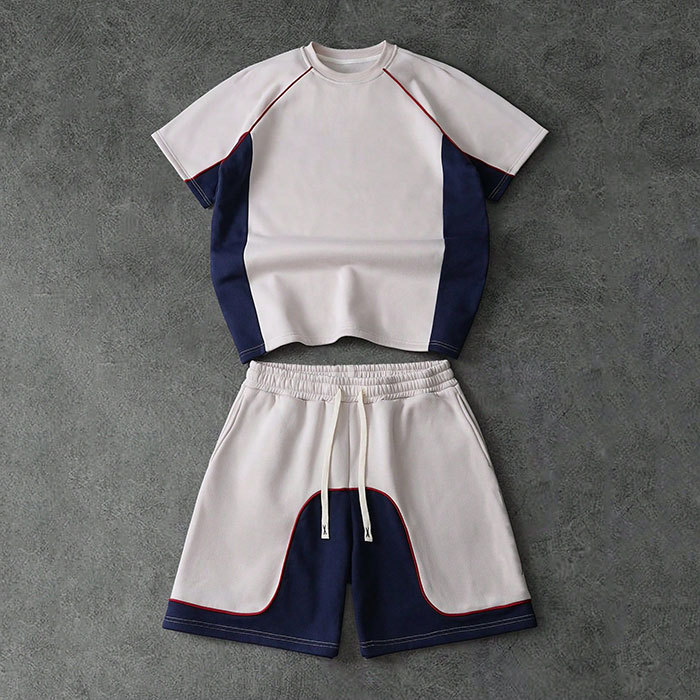
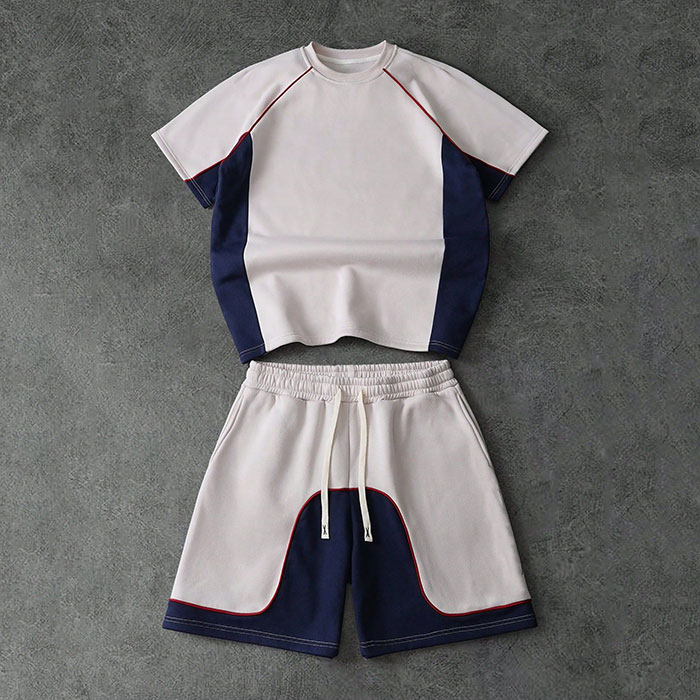
This guide helps fashion brands compare ten established OEM clothing manufacturers by product specialization, production structure, development depth, and likely order fit. It also explains how sourcing teams can evaluate factory capability, quality control, compliance, and sample-to-bulk readiness before approving a supplier.
Key Takeaways for Fashion Brands
- ▸ A large manufacturing group may offer extensive capacity, but product-category expertise and order compatibility remain more important than size alone.
- ▸ Sportswear, shirts, intimate apparel, technical knits, casualwear, and premium streetwear require different materials, machinery, construction knowledge, and quality checkpoints.
- ▸ Supplier evaluation should cover the actual production facility, fabric control, pattern development, testing, sample approval, bulk inspection, and repeat-order stability.
- ▸ A strong sample is only the first checkpoint. The factory must show how approved measurements, materials, colors, construction, and finishing settings will be protected in bulk.
- ▸ The right manufacturing partner should match the brand’s product risk, commercial volume, development calendar, compliance requirements, and expected path to repeat production.
Who Are the Top OEM Clothing Manufacturers?
Leading OEM clothing manufacturers include Shenzhou International, Crystal International, MAS Holdings, TAL Apparel, Hansae, Makalot, Eclat Textile, Hirdaramani, Delta Galil, and GROOVECOLOR. Their strengths differ by category, scale, textile integration, development depth, and order structure, so the right supplier is the one whose production system matches the brand’s product risk and volume.
This is a comparative sourcing guide. The companies are included because they represent important manufacturing structures across knitwear, performance apparel, shirts, casualwear, intimate apparel, technical textiles, multi-category fashion production, and specialized streetwear.
How Was This OEM Manufacturer Comparison Built?
The comparison focuses on manufacturing relevance rather than brand awareness alone. Each company was reviewed through publicly available corporate information, product-category specialization, geographic production structure, development capability, textile integration, and suitability for different apparel programs.
Evaluation Criteria
- ▸ Product-category specialization
- ▸ Textile, material, and garment-development capability
- ▸ Production scale and geographic structure
- ▸ Sample-to-bulk and repeat-order control
- ▸ Quality-management and compliance framework
- ▸ Brand, product, and order-structure fit
Public information cannot replace facility-level qualification. Before production, sourcing teams should verify the assigned factory, available capacity, certifications, material sources, testing scope, subcontracting controls, commercial terms, and current lead times directly with the manufacturer.
How Do the 10 Global OEM Suppliers Compare at a Glance?
The table compares different manufacturing models rather than identical factories. A multinational supplier structured for very large programs and a specialized OEM partner built around technical custom development can both be strong choices, but they solve different sourcing problems.
1. Shenzhou International | Major Knitwear Manufacturer
Shenzhou International is widely recognized for vertically integrated knitted-fabric and garment production. Its manufacturing profile is most relevant to major sportswear, casualwear, and knitted-apparel programs that require substantial capacity and coordinated textile-to-garment execution.
Vertical integration can improve material planning, process coordination, and production continuity. It does not remove the need to approve fabric properties, shrinkage, color standards, construction methods, testing protocols, and factory allocation for each product program.
Supplier Fit Summary
Best fit: High-volume knitted sportswear and casualwear programs.
Core strength: Coordinated textile and garment production.
Verify: Account eligibility, category minimums, production location, and reserved capacity.
2. Crystal International | Multi-Category Apparel Manufacturer
Crystal International operates a diversified manufacturing structure across lifestyle apparel, denim, sweaters, intimate apparel, sportswear, and outdoor categories. This broad category base can suit large fashion groups that need several product divisions managed within one international supplier network.
A diversified group should still be qualified at division and facility level. Equipment, material knowledge, development teams, quality systems, and lead-time capacity may differ between a denim facility, a sweater operation, and a sportswear factory.
Supplier Fit Summary
Best fit: Large multi-category fashion and retail programs.
Core strength: Diversified product divisions and geographic production.
Verify: Assigned division, actual facility, category experience, and development responsibility.
3. MAS Holdings | Strong Fit for Performance Apparel
MAS Holdings is closely associated with performance products, active apparel, intimate apparel, swimwear, textile innovation, and product development. It is most relevant when material behavior, stretch, support, comfort, construction engineering, and body-responsive fit are central to the brief.
Technical products need measurable performance requirements. Stretch recovery, dimensional stability, moisture management, seam performance, pilling, abrasion, colorfastness, and repeated-wash behavior should be defined before materials and construction are approved.
Supplier Fit Summary
Best fit: Performance, active, swim, and intimate apparel programs.
Core strength: Technical development and material-led product engineering.
Verify: Performance targets, test methods, development scope, and production allocation.
4. TAL Apparel | Premium Shirt Manufact
TAL Apparel has a long manufacturing history and is especially relevant to shirts, blouses, structured casual products, and performance businesswear. Its profile suits brands that value pattern precision, fabric performance, collar construction, seam appearance, finishing, and repeat replenishment.
Shirt production has different risk points from knitwear or washed streetwear. Collar balance, sleeve setting, placket alignment, seam puckering, interlining behavior, pressing, dimensional stability, and appearance after care all require category-specific controls.
Supplier Fit Summary
Best fit: Premium shirts and structured business-casual products.
Core strength: Shirt engineering, finishing, and supply-chain programs.
Verify: Product alignment, fabric program, finishing requirements, and commercial commitment.
5. Hansae | Large International Fashion Clothing Manufacturer
Hansae operates a broad international apparel manufacturing network and serves large global fashion programs. Its structure is relevant to companies that require substantial production allocation, cross-country sourcing, product development resources, and coordinated delivery planning.
For a large manufacturer, capacity should be discussed as an allocated resource rather than a headline number. Sourcing teams should confirm which facility, line, and production window are assigned to the program, especially during seasonal demand peaks.
Supplier Fit Summary
Best fit: Large casualwear and international retail programs.
Core strength: Multi-country production and large-program coordination.
Verify: Forecast requirements, allocated capacity, material sourcing, and delivery plan.
6. Makalot | Diversified Apparel Manufacturer
Makalot is associated with diversified apparel programs that include fashion products, sports garments, and sleepwear. Its international production model can suit established apparel companies that need category coverage, structured production planning, and coordinated sourcing across markets.
Broad category coverage should not be treated as equal depth in every product type. The relevant team should show current examples, engineering knowledge, material controls, testing plans, and production records for the exact category under review.
Supplier Fit Summary
Best fit: Diversified fashion, sports, and sleepwear programs.
Core strength: International planning and multi-category production.
Verify: Category-specific team, fabric strategy, production country, and testing scope.
7. Eclat Textile | Technical Knitwear and Activewear Manufacturer
Eclat Textile combines functional knitted-material development with garment innovation. This structure is relevant to activewear and athleisure brands whose products depend on stretch, recovery, comfort, reliability, material aesthetics, and technical garment construction.
Technical claims should be linked to defined test conditions. A material can perform differently after dyeing, heat setting, lamination, sewing, printing, repeated washing, or prolonged wear, so finished-garment testing remains important.
Supplier Fit Summary
Best fit: Activewear, athleisure, and technical knitted apparel.
Core strength: Material technology linked to garment development.
Verify: Performance targets, laboratory methods, finished-garment tests, and material continuity.
8. Hirdaramani | International Apparel Manufacturer
Hirdaramani presents an end-to-end apparel model supported by a multi-country manufacturing footprint. Its structure can suit premium international brands that require product development, manufacturing coordination, embellishment capability, geographic diversification, and formal sustainability programs.
End-to-end support can cover several responsibilities, so ownership must be clear. The brand and manufacturer should define who controls the specifications, material decisions, pattern files, testing approvals, production changes, and final release.
Supplier Fit Summary
Best fit: Premium international programs needing broad production support.
Core strength: Multi-country apparel solutions and development resources.
Verify: Assigned facility, responsibility matrix, category depth, and approval ownership.
9. Delta Galil | Intimate Apparel and Activewear Manufactuer
Delta Galil combines specialized intimate apparel, socks, activewear, textile technology, owned brands, licensed programs, and manufacturing partnerships. It is most relevant when product performance depends on close-to-body comfort, support, stretch management, specialized knitting, or technical construction.
Its business structure is broader than contract garment production alone. Before proceeding, a company should confirm the proposed commercial relationship, product ownership, development responsibility, intellectual-property terms, facility allocation, and category scope.
Supplier Fit Summary
Best fit: Intimate apparel, socks, and specialized activewear.
Core strength: Category technology and close-to-body product engineering.
Verify: Commercial model, product ownership, development scope, and assigned factory.
10. GROOVECOLOR | Premium Streetwear Manufacturer
GROOVECOLOR is a Dongguan-based OEM clothing manufacturer focused on premium men's streetwear. Its manufacturing structure is relevant to products that depend on oversized or boxy fit development, heavyweight materials, garment washing, printing, embroidery, appliqué, distressing, embellishment, and coordinated finishing.
The company has more than 16 years of manufacturing experience, 30 production lines, access to more than 200 fabric partners, and monthly capacity exceeding 300,000 garments. Its service scope covers specification review, fabric sourcing, pattern and sample development, cutting, sewing, decoration, finishing, inspection, and packing.
GROOVECOLOR is most relevant when a program depends on fit-sensitive menswear silhouettes, heavyweight materials, complex surface work, or several finishing processes that must be coordinated under one production plan. Brands should confirm fabric availability, decoration tests, wash targets, size grading, and delivery windows against the approved specification before bulk authorization.
Its 50–100-piece MOQ per color is intended for full-custom OEM production and controlled commercial runs. It is most suitable for established fashion and streetwear brands, product developers, creative teams, e-commerce apparel businesses with proven sales, and procurement teams that need technically differentiated products before scaling successful styles.
Brands evaluating this production model can review GROOVECOLOR’s production capacity and line structure. The page helps sourcing teams assess how staffing, pattern development, production planning, and available lines relate to commercial order execution.
Supplier Fit Summary
Best fit: Premium men’s streetwear with fit, fabric, wash, and decoration complexity.
Core strength: Full-package streetwear development and controlled custom production.
Verify: Approved fabric, fit, process tests, size range, quantity breakdown, and schedule.
Is the Largest OEM Clothing Manufacturer Always the Right Choice?
No. Manufacturing scale can support capacity, geographic diversification, major sourcing programs, and long-term supply planning, but it does not prove compatibility with every category, quantity structure, development method, or production calendar.
A very large group may be suitable when the company has predictable annual volume, long-range forecasting, major replenishment needs, and standardized reporting requirements. A specialized manufacturer may be more relevant when fit, fabric behavior, wash effects, decoration, or cross-process coordination define the product.
Which Manufacturing Model Matches the Product Risk?
The manufacturer type should match the variables most likely to fail. A performance garment is material-led, a tailored shirt is construction-led, a washed denim piece is process-led, and an oversized streetwear garment may be fit-led, fabric-led, and finishing-led at the same time.
Match the Factory to the Dominant Variables
- ▸ Fit-led: pattern balance, grading, measurement tolerance, and repeat-order fit.
- ▸ Material-led: composition, weight, stretch, recovery, shrinkage, color, and lot stability.
- ▸ Construction-led: seams, panels, collars, ribs, zippers, pockets, lining, and reinforcement.
- ▸ Process-led: print, embroidery, dyeing, washing, abrasion, appliqué, and finishing control.
- ▸ Scale-led: material reservation, line planning, batch variation, inspection, and replenishment.
This is why a sample image is weak evidence on its own. Sourcing teams need to understand the production system behind the sample, including material approval, pattern control, process testing, bulk cutting, line inspection, final review, and change management.
What Should Sourcing Teams Verify Before Selecting an OEM Factory?
Supplier qualification should test whether the factory can control the exact product, not whether it can make clothing in general. The following checks reveal more than a broad capability statement or showroom sample.
1. Product-Category Evidence
Request current examples that match the garment type, material, construction, fit, and finishing process. Similar-looking products may require very different equipment and technical controls.
2. Actual Production Facility
Confirm where fabric processing, cutting, sewing, decoration, washing, testing, inspection, and packing will occur. Also identify any external process and the controls applied to it.
3. Fabric and Trim Control
Approve composition, weight, construction, color, hand feel, shrinkage, performance, and lot tolerance. Material substitution rules should be documented before purchase orders are released.
A deeper explanation of material qualification is available in GROOVECOLOR’s fabric sourcing and verification framework. It shows why fabric weight alone cannot define drape, density, shrinkage, recovery, or finished-garment behavior.
4. Tech Pack and Pattern Interpretation
Review how the factory converts sketches, measurements, construction notes, artwork, and tolerance requirements into a pattern, sample, size set, and production specification.
5. Sample-to-Bulk Control
Ask which approved sample becomes the production standard. Confirm how measurements, fabric, color, artwork, process settings, labels, packing, and authorized changes are recorded.
6. Quality-Control Records
A quality plan should identify checkpoints, sampling methods, tolerance limits, responsible staff, defect handling, corrective action, final release, and document retention.
GROOVECOLOR’s documented quality-control checkpoints provide one example of how fabric review, sample confirmation, in-process inspection, final inspection, and pre-shipment checks can be organized.
7. Testing and Compliance Scope
Identify required chemical, physical, care, performance, and destination-market tests. Confirm whether the test applies to raw material, decoration, component, or finished garment.
8. Repeat-Order Readiness
Verify fabric continuity, approved alternatives, retained specifications, pattern version control, reorder lead time, batch color tolerance, trim continuity, and historical QC records.
What Information Should a Brand Send Before Requesting a Quotation?
A useful quotation requires a defined product. Without material, construction, quantity, finishing, testing, and packing details, two factories may price entirely different garments under the same product name.
Production Brief Checklist
- ▸Product category and reference images
- ▸Tech pack, measurements, and tolerance table
- ▸Fabric composition, construction, weight, and performance target
- ▸Color count and quantity per color
- ▸Size range and quantity by size
- ▸Artwork files, dimensions, placement, and technique
- ▸Wash, dye, distressing, or finishing reference
- ▸Trims, labels, hangtags, and packing requirements
- ▸Required tests, certifications, and destination market
- ▸Target approval date and required delivery window
How Should OEM Clothing Quotations Be Compared?
Compare quotations only after every manufacturer has priced the same specification, quantity, quality standard, testing scope, packing method, and trade term. A unit price is not comparable when the underlying material or production scope is different.
A lower quotation may reflect a lighter material, simpler pattern, smaller decoration area, reduced process time, different testing scope, or another delivery assumption. The comparison should therefore focus on the approved finished product and total sourcing risk.
Which Sources Support This Comparison?
Company capabilities were summarized from official corporate information available on June 25, 2026. These sources establish broad manufacturing profiles, but they do not replace direct facility qualification, current certification checks, or a product-specific production agreement.
Primary Corporate Sources
- Shenzhou International corporate website
- Crystal International corporate website
- MAS Holdings corporate website
- TAL Apparel company information
- Hansae corporate website
- Makalot corporate website
- Eclat corporate website
- Hirdaramani corporate website
- Delta Galil corporate website
- GROOVECOLOR corporate website
For responsible sourcing, the OECD garment and footwear due-diligence guidance provides a risk-based framework for identifying, preventing, and addressing adverse impacts across apparel supply chains.
For quality-management context, the ISO 9000 quality-management framework emphasizes customer focus, process-based management, evidence, and continuous improvement. A certificate should still be checked for issuing body, facility name, scope, and validity.
Prepare a Production-Ready OEM Brief
Include the product category, material target, color breakdown, size range, quantities, artwork, process requirements, testing needs, destination market, and delivery window. A complete brief allows technical feasibility and production scope to be assessed before sampling.
Submit Production RequirementsWhat Is the Final Sourcing Decision?
There is no single manufacturer that fits every apparel program. Shenzhou International, Crystal International, MAS Holdings, TAL Apparel, Hansae, Makalot, Eclat, Hirdaramani, Delta Galil, and GROOVECOLOR represent different category strengths, production structures, and order requirements.
The strongest decision comes from matching the factory to the product’s dominant risks. Review category evidence, actual facility scope, material control, sample-to-bulk documentation, testing, quality records, allocated capacity, and repeat-order readiness before approving production.
What Do Brands Ask About OEM Clothing Manufacturers?
Who are the top OEM clothing manufacturers?
Major manufacturers include Shenzhou International, Crystal International, MAS Holdings, TAL Apparel, Hansae, Makalot, Eclat Textile, Hirdaramani, Delta Galil, and GROOVECOLOR. Their suitability depends on category, order scale, development needs, production system, and compliance requirements.
What does OEM mean in clothing manufacturing?
OEM clothing manufacturing means producing garments according to specifications supplied or approved by the client. The factory may manage sourcing, patterns, samples, cutting, sewing, decoration, finishing, inspection, and packing within the agreed production scope.
How should a brand choose an OEM clothing manufacturer?
Match the factory to the product category, technical risk, order structure, testing needs, and growth plan. Verify the assigned facility, material controls, pattern capability, sample-to-bulk system, quality records, compliance scope, available capacity, and repeat-order process.
Is the largest clothing manufacturer always the right supplier?
No. Large groups can provide capacity, international reach, and formal systems, but a specialized factory may offer stronger category depth or closer technical coordination. The decision should be based on product fit and production evidence rather than size alone.
What should an apparel tech pack include?
A production-ready tech pack should include technical sketches, measurements, tolerances, construction details, material specifications, colors, artwork, decoration placement, trims, labels, packing, testing requirements, and revision control.
How can a brand verify sample-to-bulk consistency?
Use one approved specification package and require pre-production confirmation for high-risk products. Compare bulk units against approved measurements, fabric, color, artwork, construction, process settings, trims, finishing, and packing standards.
What affects the MOQ for an OEM clothing order?
The practical minimum can be affected by fabric production, dye lots, color count, size range, custom trims, print setup, embroidery, wash processes, testing, packaging, and line efficiency. Confirm minimums by style, color, material, and process.
Which type of manufacturer suits premium streetwear?
Premium streetwear requires a factory with relevant pattern, fabric, construction, wash, print, embroidery, appliqué, finishing, and bulk-control experience. The manufacturer should show how it protects approved fit, hand feel, graphics, shade, and decoration through repeated production.
About the Author
